Which is the best small EV?! Renault Twingo vs BYD Dolphin Surf
Vicky Parrott
15 Sep 2026
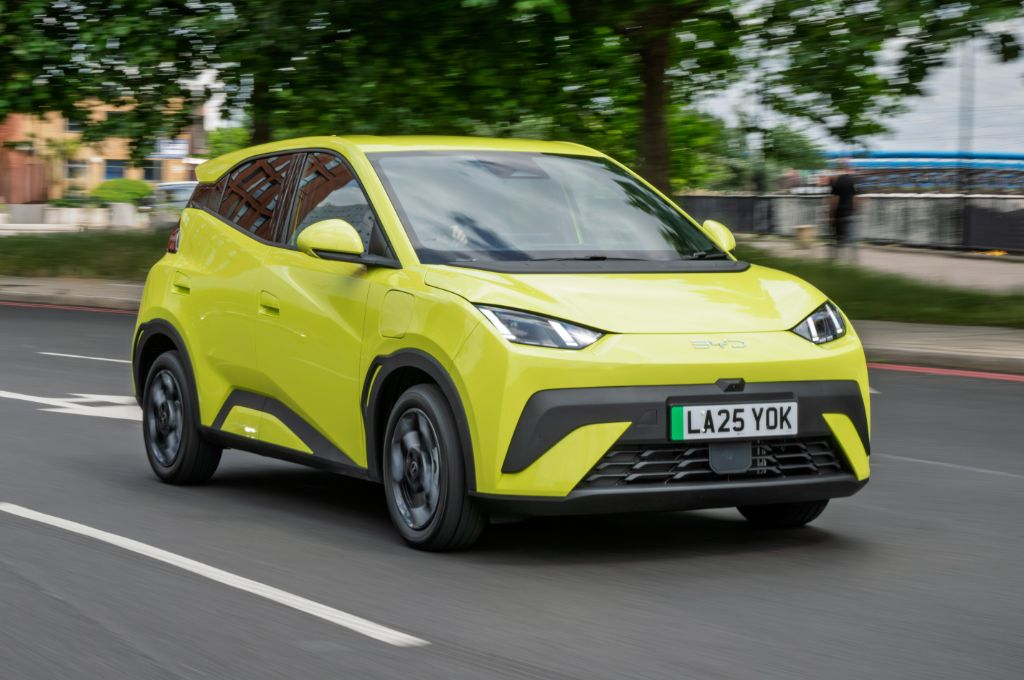
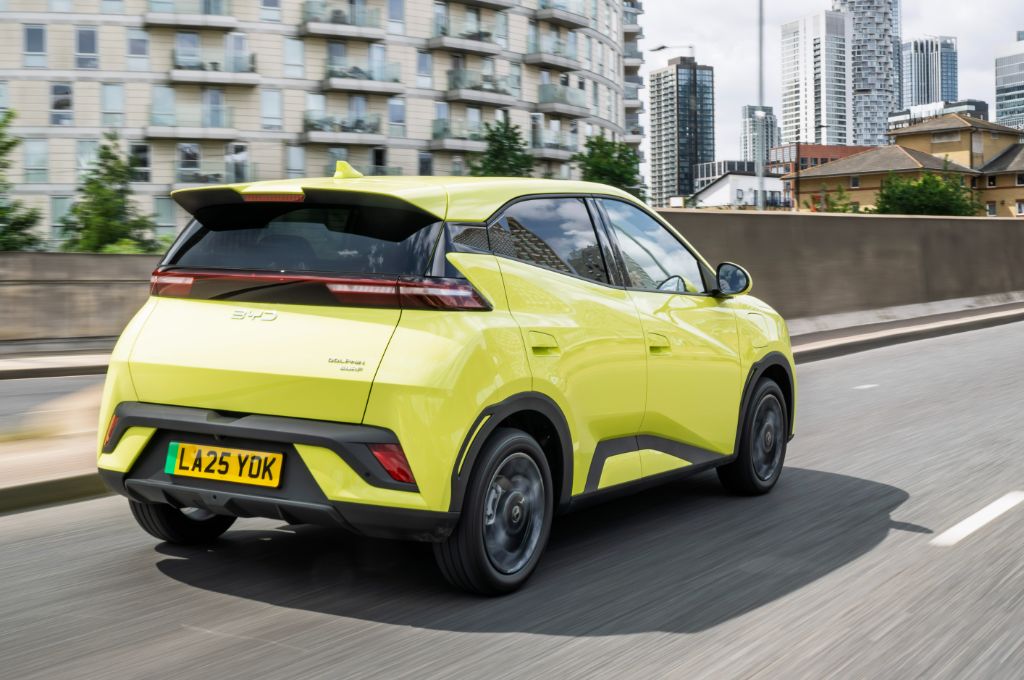
Small electric cars are finally getting... interesting! The BYD Dolphin Surf makes a strong case for itself by squeezing useful space, plenty of equipment and up to 200 miles of WLTP range into a car that starts below £19,000.Now, Renault is taking it on with the new, electric Twingo.
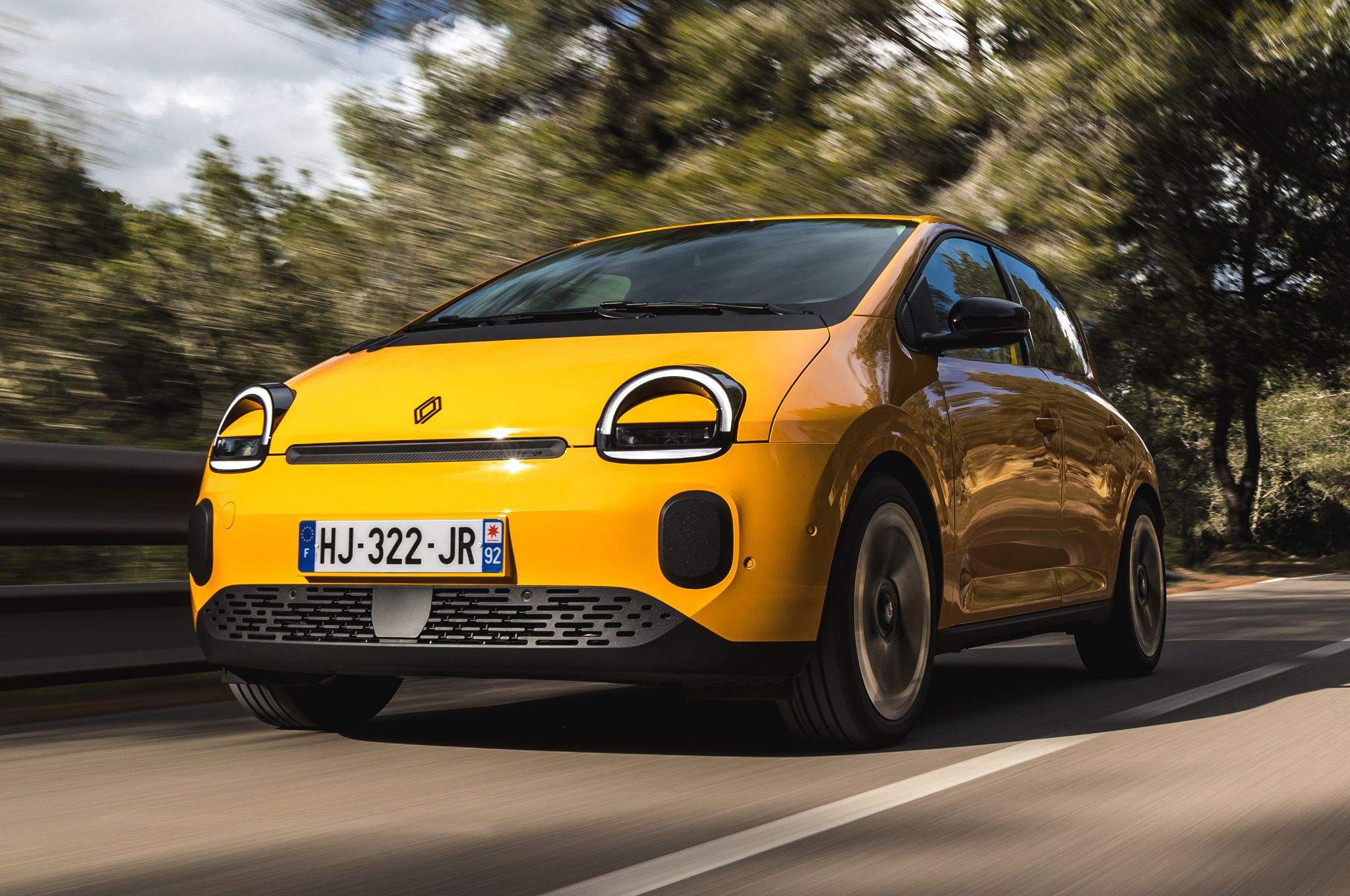
This tiny, characterful French EV is inspired by the cult 90s original Twingo – frog-face and all. Compared with the BYD Dolphin Surf, it can look like the baby Renault EV is on the back foot as it has a smaller battery and less power, while all we know about UK pricing right now is that it’ll start from below £20,000.
ADVERTISEMENT
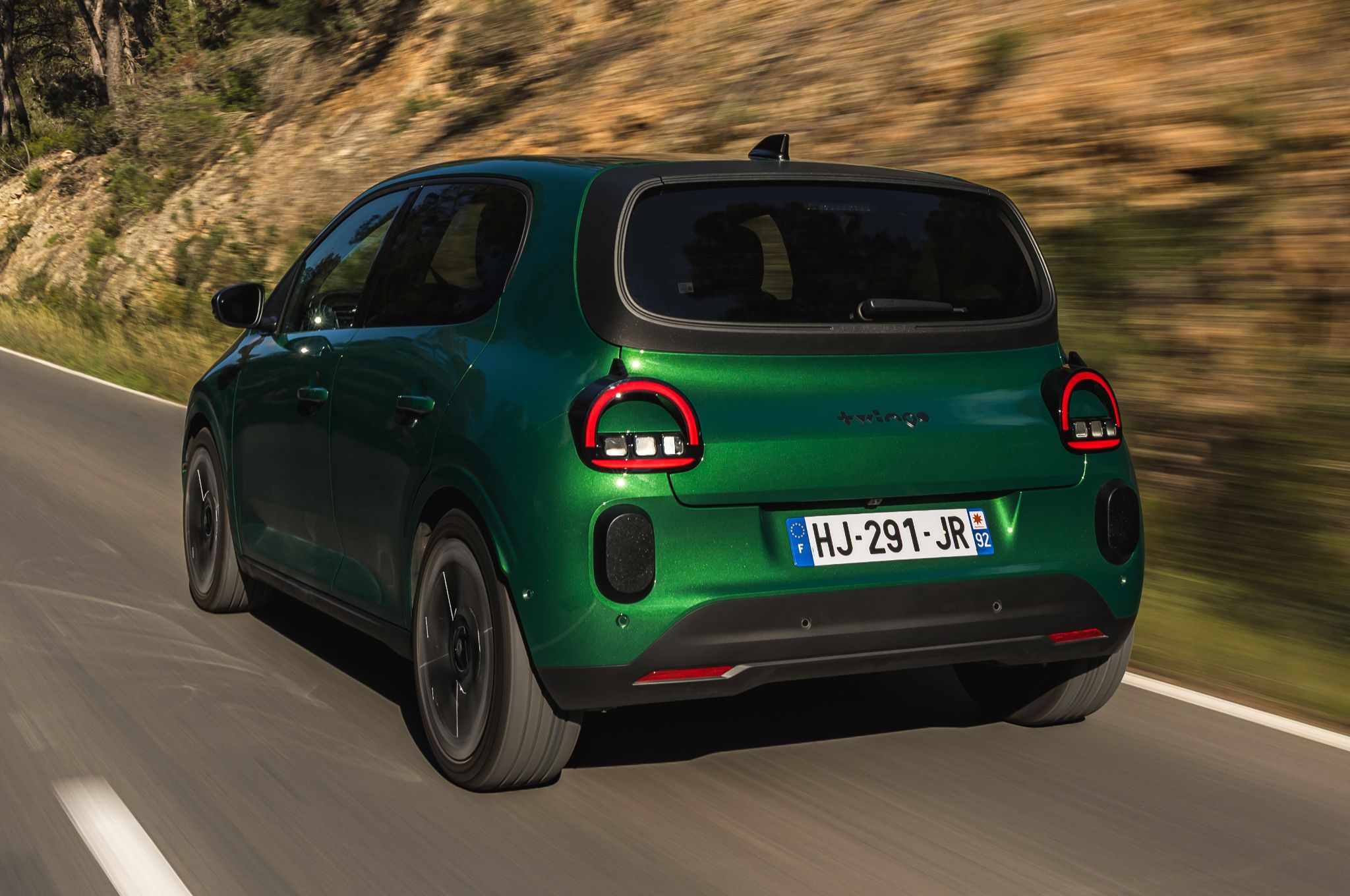
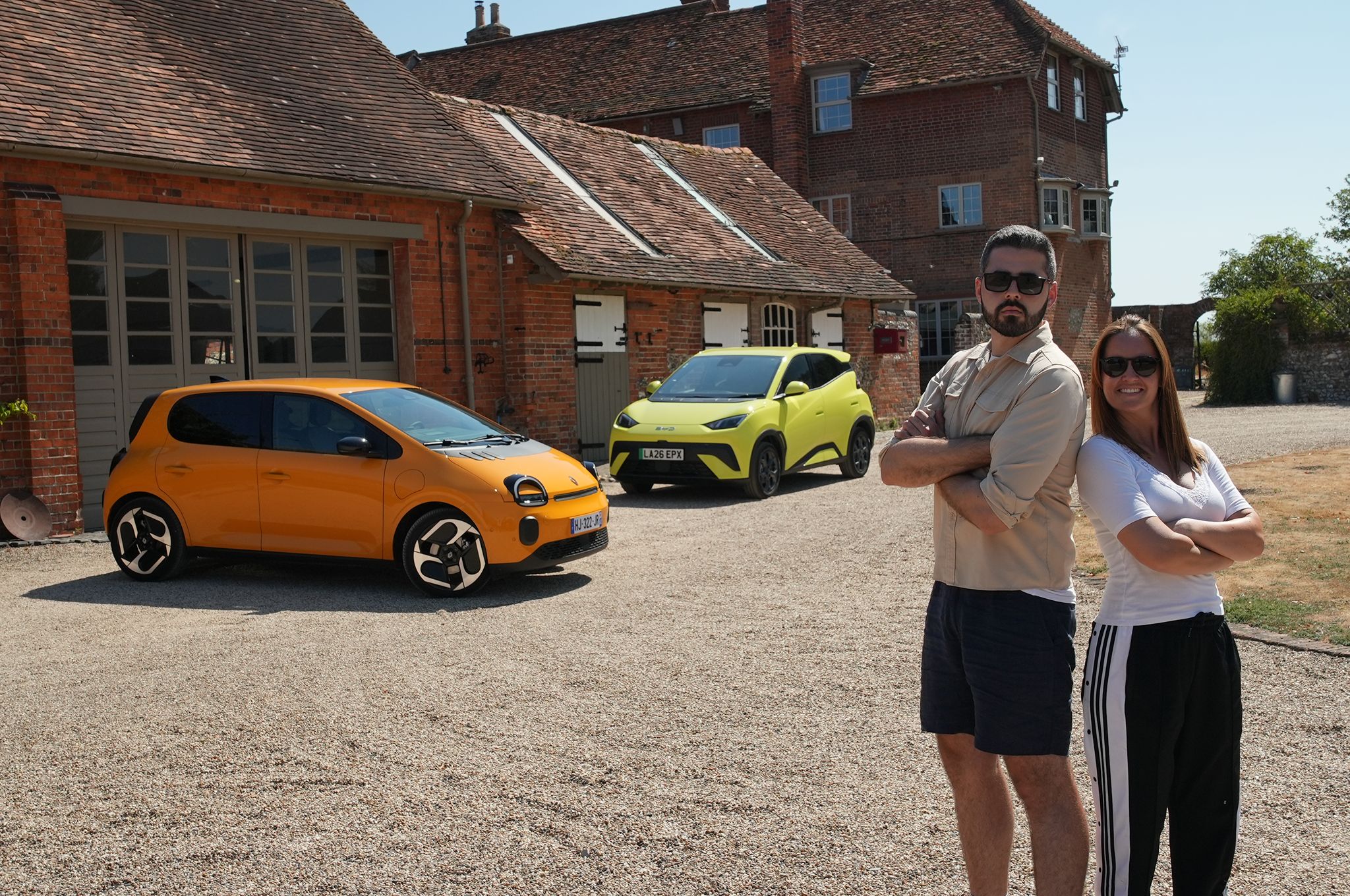
Even so, the Renault and BYD city cars are close rivals. The BYD is bigger and has the longer range while the Renault counters with lower weight, better efficiency, a sliding rear bench and one of the best modern-retro designs out there. I mean, have you seen how cute it is?! I don’t know whether I want to drive it or give it a cuddle.
The BYD Dolphin Surf test car that you see in the video is the top-spec Comfort, which gets a lot more power than the Twingo, but where price and equipment are concerned for this written test we’ll refer to the mid-range Boost as it’s the closer rival to the Renault. Sound good? Good.
Let’s find out which is the best affordable small EV.
BYD Dolphin Surf Boost
Price from: £21,975
Price as tested: £21,975 (Comfort test car - £23,975)
Est monthly PCP: £260 (4yrs, 8k miles, £2,000 deposit)
WLTP range (test car): 200 miles
Real world range (est): 130 - 180 miles
Max charging: 85kW
Power: 87hp
0–62mph: 12.1sec
Boot capacity: 308 litres (no frunk)
Kerbweight: 1,390kg
Renault Twingo E-Tech Techno
Price from: £22,000 (est)
Price as tested: £22,000 (est)
Est. monthly PCP: TBC
WLTP range (test car): 163 miles
Real world range (est): 110 - 150 miles
Max charging: 50kW
Power: 82hp
0–62mph: 12.1sec
Boot capacity: 260 - 360 litres (no frunk)
Kerbweight: 1,200kg
Real-world range and charging
The new Renault Twingo uses a 27.5kWh usable LFP battery for a claimed 163 miles of WLTP range. That sounds modest beside the BYD, but the Renault has proven to be super efficient in real world use. I drove the Twingo for a whole day out on the international launch, and returned nearly 5.0 miles/kWh on a summertime mixed route. while Renault claims as much as 5.9 miles/kWh. With a kerb weight of roughly 1,200kg, this is one of the lightest electric cars in production, so the Twingo simply has less mass to haul around than the BYD. Which is why it can get away with carrying less battery!
In everyday use, I’d expect roughly 100– to 150 miles from the Twingo depending on weather and driving style, although I would like to spend more time in it during winter to really get an accurate all-year round real world range estimate. Even so, that range makes the Twingo a convincing option for the school run, commuting and local errands.
It’s not so ideal if you routinely need to cover long motorway distances where a bigger battery gives you more flexibility. That’s where the Dolphin Surf has the advantage.
Active versions use a 30kWh battery for 137 miles of WLTP range, but the Dolphin Surf Boost and Comfort get BYD’s 43.2kWh LFP Blade Battery for WLTP range of 200- or 193 miles. In our Comfort test car (which gets quite a bit more power than the Boost, hence the lower range), we saw around 4.4 miles/kWh in warm conditions and varied driving, so a real-world range of around 130–180 miles is about right.
The BYD also wins the rapid-charging contest. Boost and Comfort versions can take up to 85kW DC and should manage 10–80% in about 30 minutes. The Twingo is expected to get 50kW DC charging in the UK, also giving a roughly half-hour 10–80% despite the slower charging, because its battery is smaller. So, put another way, an additional 100 miles of range will take around 30 minutes in the BYD, or more like 40 minutes in the Twingo. Basically, the BYD Dolphin Surf is definitely the stronger long-distance proposition.
Both cars offer vehicle-to-load (V2L) capability, via a converter that you plug into the car’s CCS socket, allowing you to power any domestic electrical device from the high voltage battery. Want to power your electric lawnmower from your car, down at the allotment? Or power a portable fridge at the kids’ football training? Well, now you can.
Interior and infotainment
If the Dolphin Surf wins the range and charging game, the Twingo wins the first few minutes in the cabin. It’s just so cool!
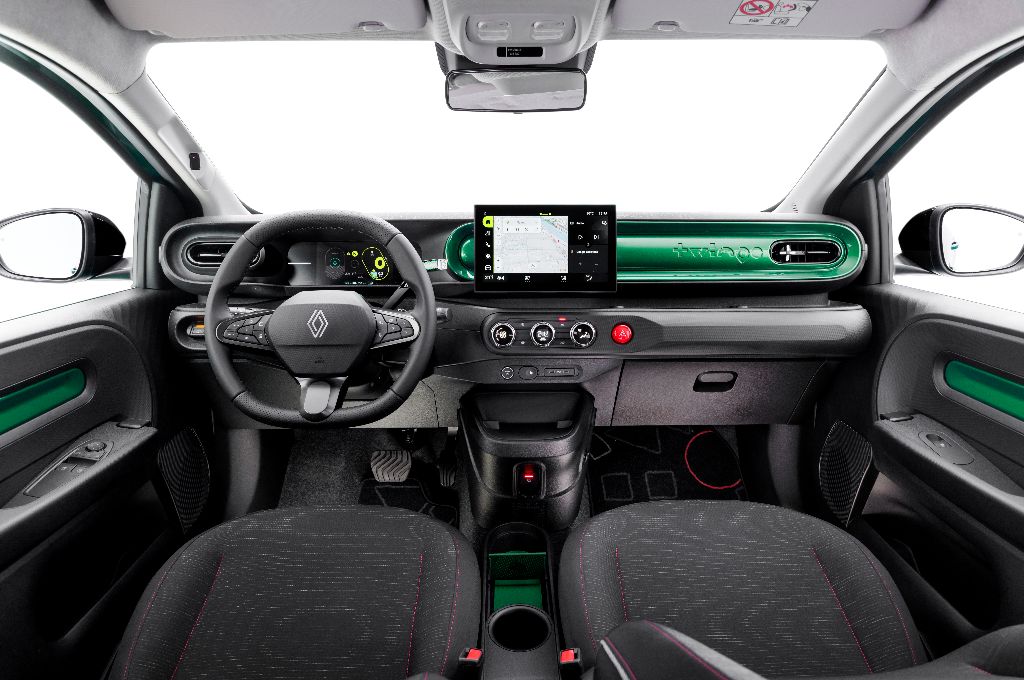
Renault has deliberately carried the personality of the original car into this new one with body-coloured exposed metal on the doors, a large red hazard-light button as a nod to the Mk1 Twingo, and playful graphics throughout. Renault even developed its own alphabet of symbols for the car, with details hidden in places such as the headlining. It feels cheerful and deliberate rather than stripped out. I’m not going to lie… I absolutely love it.
Every Twingo gets a 7.0-inch driver display and a 10-inch central touchscreen, and while UK specification is still being finalised we’re expecting the higher-spec Techno to bring Google Maps and Google Assistant built in, along with automatic climate control, a reversing camera and more sophisticated regen.
Wireless Apple CarPlay and Android Auto are part of the package, and may well be what you rely on for you nav on the lower-spec Twingo. I do suspect that might annoy some older buyers who may be less smartphone savvy, but for the vast majority of people looking at a Twingo, I reckon relying on CarPlay is absolutely fine. This is a cheap city car, after all, yet it really doesn’t feel like a budget car in the old-fashioned sense.
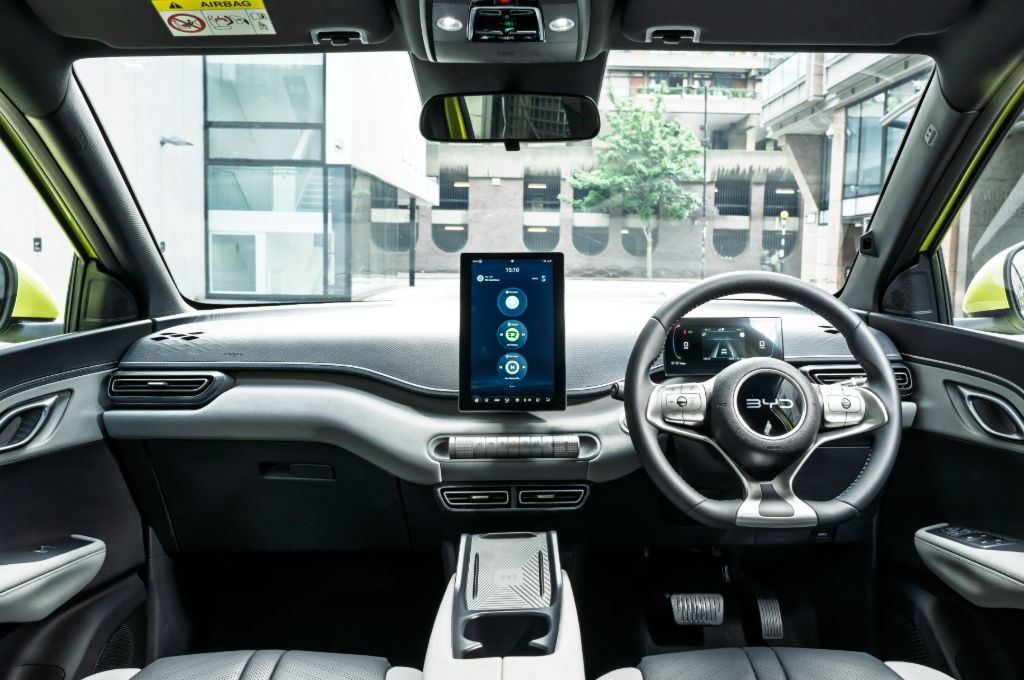
The BYD Dolphin Surf is more conventional inside. Its cabin is darker and less playful but perceived quality is perfectly respectable and the equipment list is hard to argue with.
The centrepiece is BYD’s 10.1-inch rotating touchscreen, backed up by physical controls for key functions. Apple CarPlay and Android Auto are standard, as is BYD’s voice assistant. Even lower trims get a generous suite of driver-assistance systems, while the Boost adds useful kit including electrically adjustable seats, a reversing camera and sensors, adaptive cruise control, automatic wipers and 16-inch alloy wheels.
Our Comfort test car, which Nic and Harry are driving in the video, adds some key luxuries including heated seats, rear privacy glass, LED headlights, wireless phone charging and a 360-degree parking camera. The catch is price! Of course…
At £23,975 it moves far enough away from the Twingo’s promised sub-£20k starting point that the £21,975 Boost is the fairer comparison. It is also mildly irritating that heated seats are reserved for the Comfort, because they are exactly the sort of feature many UK buyers will want in an EV. In fact, it’s annoying that both BYD and Renault reserve heated sears for top spec cars in their affordable small EVs. If your listening, Renault and BYD, please just make them an affordable option across the range! Thank you - from the UK, and all the other cold climate countries that like a warm bum on a winter morning.
Space and practicality
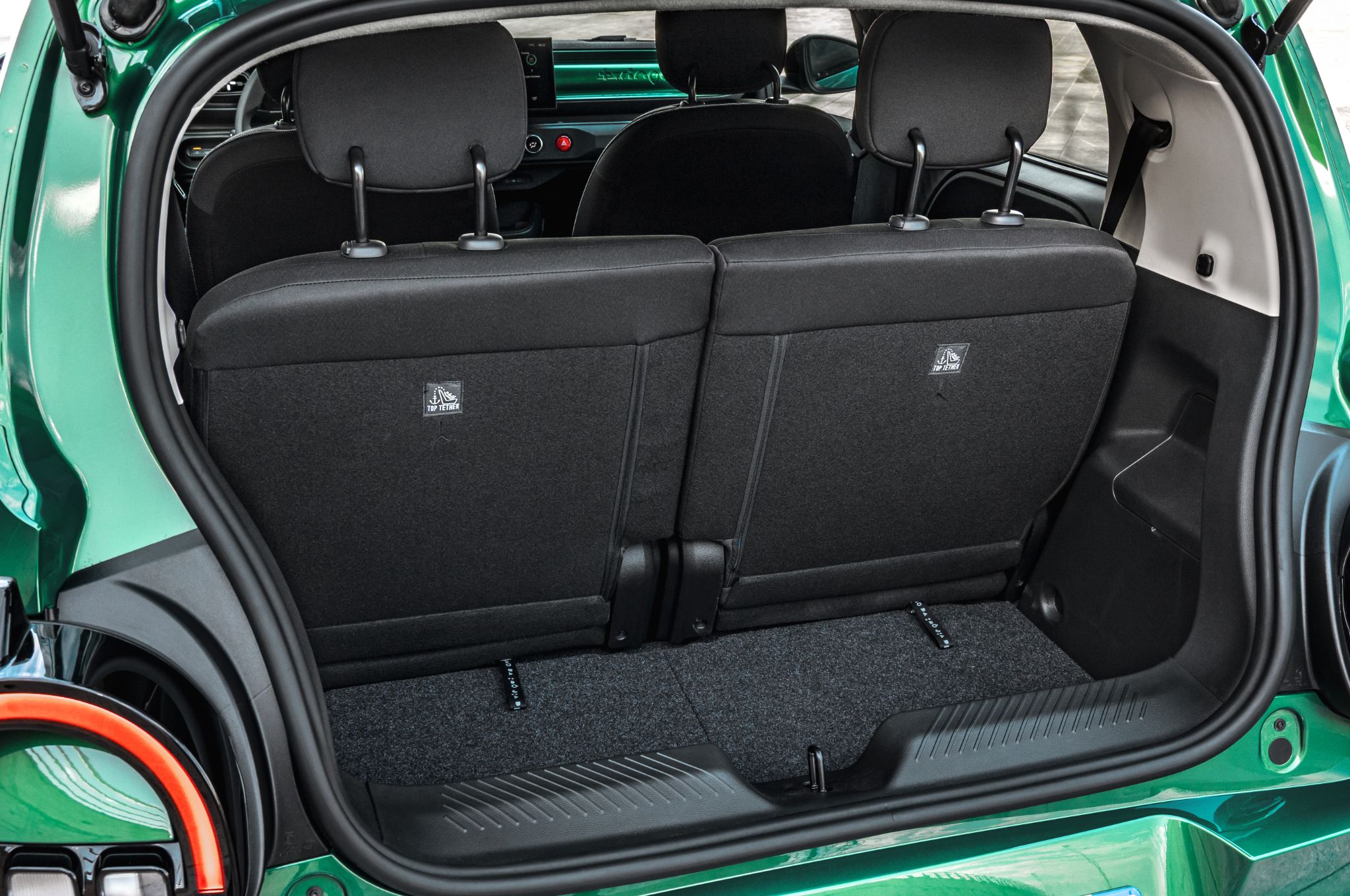
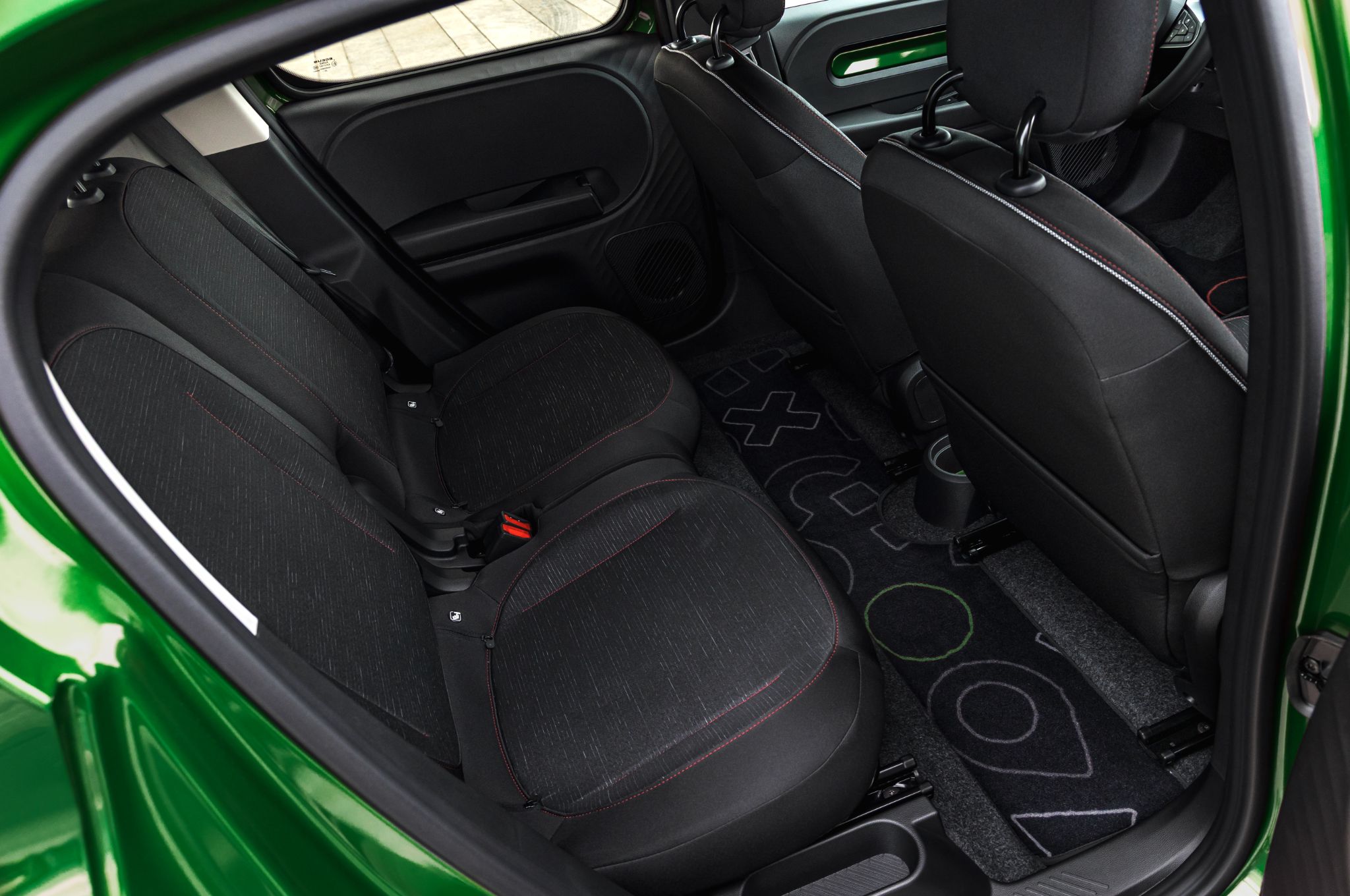
The Twingo is only 3.79 metres long, yet clever packaging makes it feel much less compromised than that figure suggests. The star feature is the sliding rear bench, a direct echo of the original Twingo. Slide the Renault’s two-person bench backwards and you prioritise rear legroom. Push them forwards and boot capacity grows from 260- to 360-litres. It’s properly useful, because the car can change according to whether today’s priority is passengers or shopping.
There are compromises, though. The rear windows don’t wind down – not even manually! Instead, they’re just hinged so that you can pop them out manually for a bit of ventilation, which is charmingly retro until somebody in the back gets too hot. Despite being smaller than the Dolphin Surf, the Renault’s wheelbase is very nearly as long, at 2,493mm – only 7mm off the BYD! So rear passenger space is actually pretty close, and by any small car standards, the Twingo is surprisingly roomy and will accommodate an average-sized person (maybe not Harry…) in comfort.
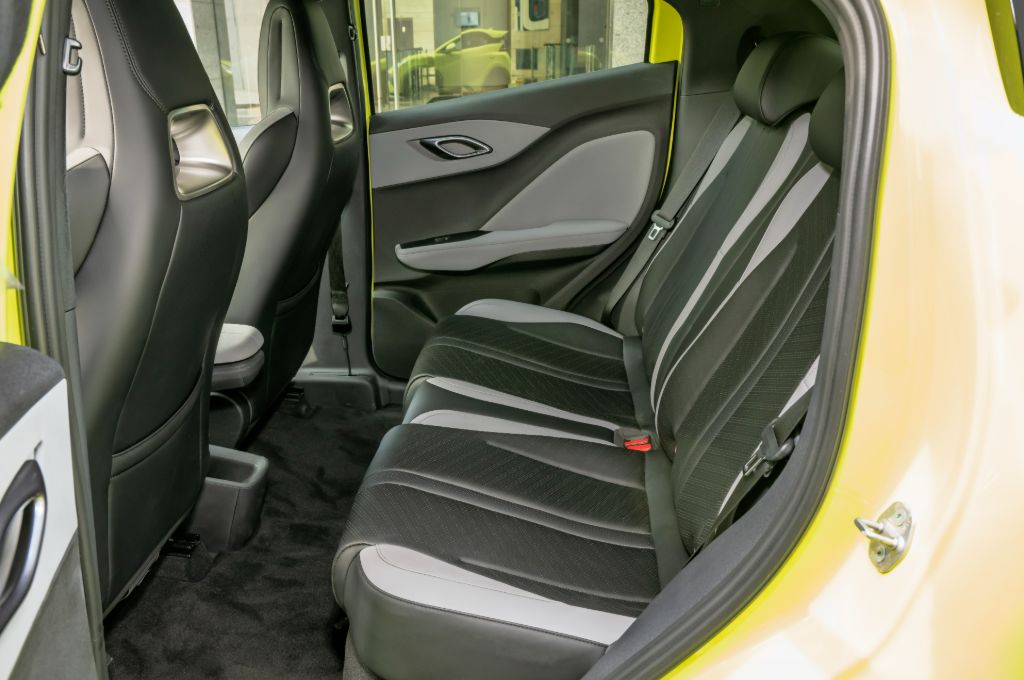
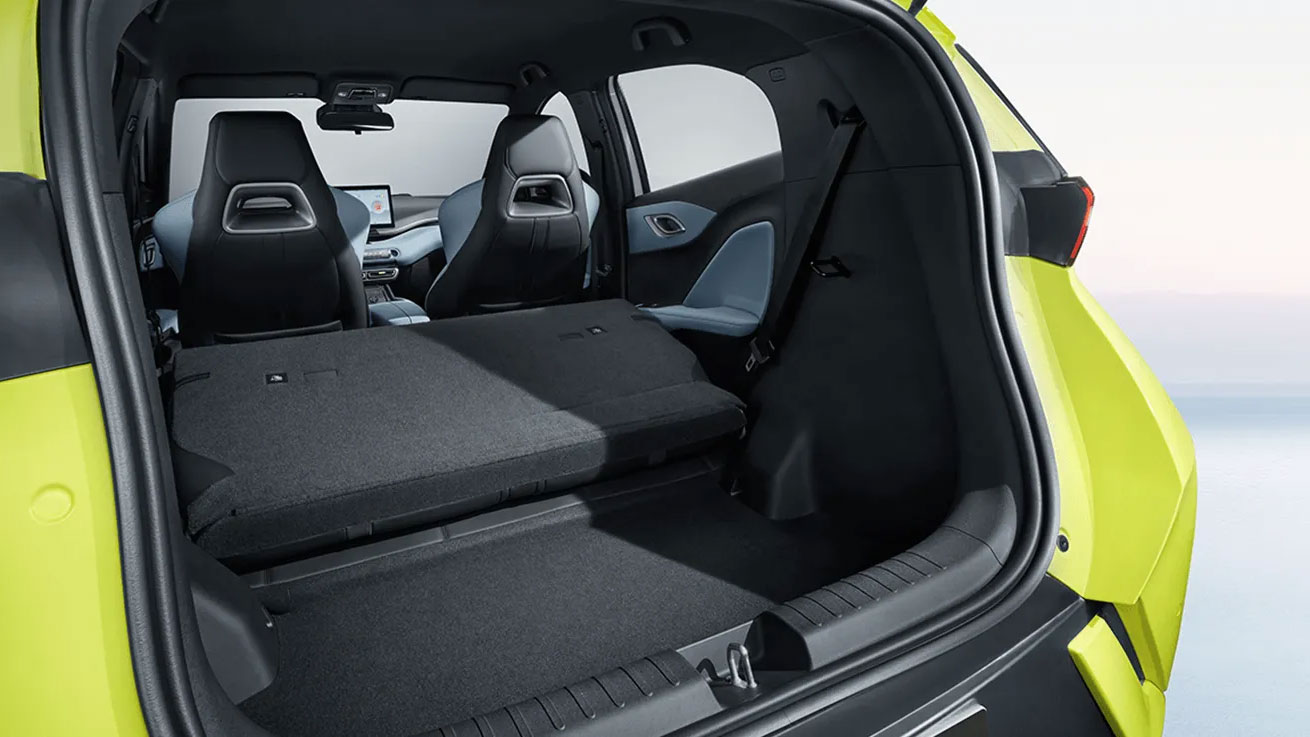
The Dolphin Surf is 3.99 metres long and its 2,500mm wheelbase does give it a bit more rear passenger legroom. Its 308-litre boot sits neatly between the Twingo’s minimum and maximum figures, and folding the rear seats releases a little over 1,000 litres. There’s also a useful underfloor cubby for a charging cable. Neither car has a frunk, by the way.
Oh, and the BYD Dolphin Surf managed a five star Euro NCAP crash rating, while we’re still waiting on the crash test result for the Twingo.
In short, both of these cars are impressively practical little five-door city cars! Which one is best in terms of practicality depends on your priorities. The BYD is the better car if you regularly carry four passengers, and it has the more conventional, consistently useful layout.
The Renault is usefully smaller outside and has better visibility, so is the better suited to awkward car parks and roads – and that sliding bench brings seriously useful flexibility.
Which one is best to drive?
This is where the Renault Twingo really shines. It’s front-wheel drive, makes 82hp from its electric motor and takes 12.1 seconds to reach 62mph. Those figures don’t look exciting, but the way they translate when you’re driving, really is.
That lightweight 1,200kg kerbweight comes into play again, here, as the lack of mass is obvious from the first few corners. The steering feels natural, the front end is keen to turn into a corner, and the ride manages to be comfortable but not floppy. It’s nimble, simple and genuinely fun at sensible speeds. There are no drive modes or adaptive bits, and honestly – I love Renault for doing that. It’s just made the electric Twingo drive well regardless of the road and conditions, and that’s all we need. Perfect.
Its tiny 9.87m turning circle helps in town, too, and the car feels confident enough that an occasional motorway journey is no hardship. Techno models add one-pedal driving and steering-wheel paddles for adjusting regeneration, so I have to say I’d probably go for the Techno (which we had in our video twin test), although we’ll have to wait for that finalised pricing before we can say for sure if it’s the better option.
The Dolphin Surf is perfectly competent, but far less memorable. The Boost’s 87hp motor gives exactly the same 12.1-second 0–62mph time as the Renault, while our Comfort test car uses a much more powerful 156hp motor and feels considerably quicker.
The problem is that the BYD weighs around 1,390kg, so it just can’t match the Renault’s light-footed character. Ride comfort is decent and the Surf deals with rough urban roads without becoming harsh, but you remain aware of what the surface is doing underneath you.
More than that, the steering is less communicative and the brake pedal feels soft and a bit vague. There are Comfort, Sport and Eco drive modes, although the difference between the first two is limited, and BYD’s regenerative braking is mild and unobtrusive.
None of that makes the Surf bad to drive, but step into this after some time in the Twingo and it feels rather boring and unimpressive to drive after the refreshingly simple, light-footed and joyous little Renault.
Which one is best value?
Ah, well, we’d probably need full pricing and monthly finance details for the Renault Twingo, to tell you that, wouldn't we?! Sorry…
Renault has said the Twingo will start below £20,000 when it goes on sale in the UK later in 2026, and we estimate that it’ll cost from roughly £19,000–£24,000. If the well equipped Techno version lands close to the £22,000 mark, it’ll look extremely strong, particularly because its small battery should help keep purchase price, weight and energy consumption down. And as both the car and battery are built in France, it should qualify for the UK plug-in car grant, which will make it phenomenally tempting!
By the way, if you do like the Twingo but want even better value, check out the new Dacia Spring that Nicki saw recently. It’s based on the Twingo, also rather cute, and is even cheaper!
Anyway, back to the BYD Dolphin Surf. The range starts from £18,675, while the 43.2kWh Boost costs £21,975 and the more powerful Comfort comes in at £23,975. More importantly, monthly finance deals, including lease and PCP offers, are very good. PCP on the Boost model generally comes in at around £210 per month after a £2,000 deposit, while lease deals tend to cost closer to £250 per month with a similar £2,000 deposit.
BYD’s six-year vehicle warranty is a big selling point given that Renault’s warranty is valid for three years and 100,000. Both manufacturers cover the high voltage batteries for eight years and 100,000 miles, with a guarantee to repair or replace the battery if it drops below 70% of its as-new performance in that time.
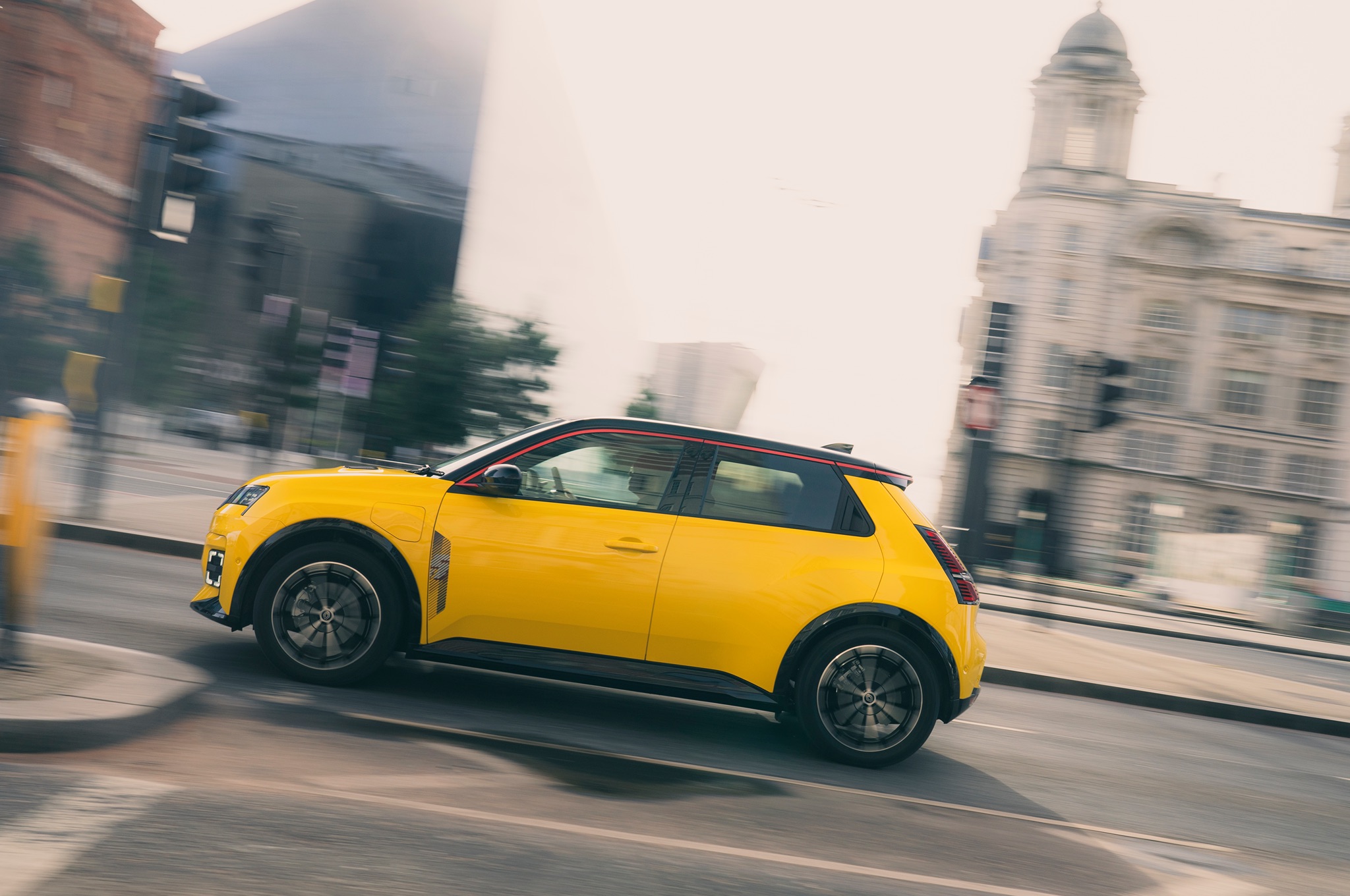
Basically, the Twingo needs to arrive at the right price! If a well-equipped UK car creeps too far above £20,000, the Surf’s extra range and standard equipment become difficult to ignore. But if Renault can deliver the characterful Twingo E-Tech Techno close to its promised entry price, the Twingo will feel like more car for your money. To be honest, I’m optimistic that Renault will get it right. I suspect list prices for the Twingo will very close to the Dolphin Surf’s, but given that you can get a Renault 5 for £250 per month (I know, right?!) I reckon the Twingo will undercut the BYD on the crucial monthly finance deals.
We’ll just have to wait and see, I’m afraid.
Which one is better, then – the BYD Dolphin Surf or Renault Twingo E-Tech?
The BYD Dolphin Surf has a longer range, charges faster, and comes loaded with useful equipment. It is already on sale, its pricing is clear and it makes a compelling case as a practical first EV or compact family runabout. If your small car regularly carries four people or you want the reassurance of a 200-mile official range, it’s the one for you.
But the Renault Twingo is the car we would choose. It is smaller, lighter, more efficient and far more entertaining to drive, while the sliding rear bench brings brilliant tiny-car practicality. More importantly, it has personality in every detail, and is an absolute joy to drive. Renault has managed to make affordability feel fun and desirable, rather than boring or austere.