






After driving hundreds of thousands of miles in my career as a motoring journalist I've learned a thing or two about how to save money on fuel whatever type of car you drive. Whether you're in a petrol, diesel, plug-in hybrid or electric car you can definitely cut down on your bills.
Whatever the cause of increasing prices (Donald Trump, we're looking at you...), with petrol and diesel reaching record high prices in the UK, and electricity costs also going up, these are the habits that will help you save money on your running costs.

How can I save the most money on fuel?
The most obvious way to reduce your fuel bill is to make the switch to an electric car. Going electric could save you hundreds of ponds on fuel costs each month depending on the car you drive and how far you travel.
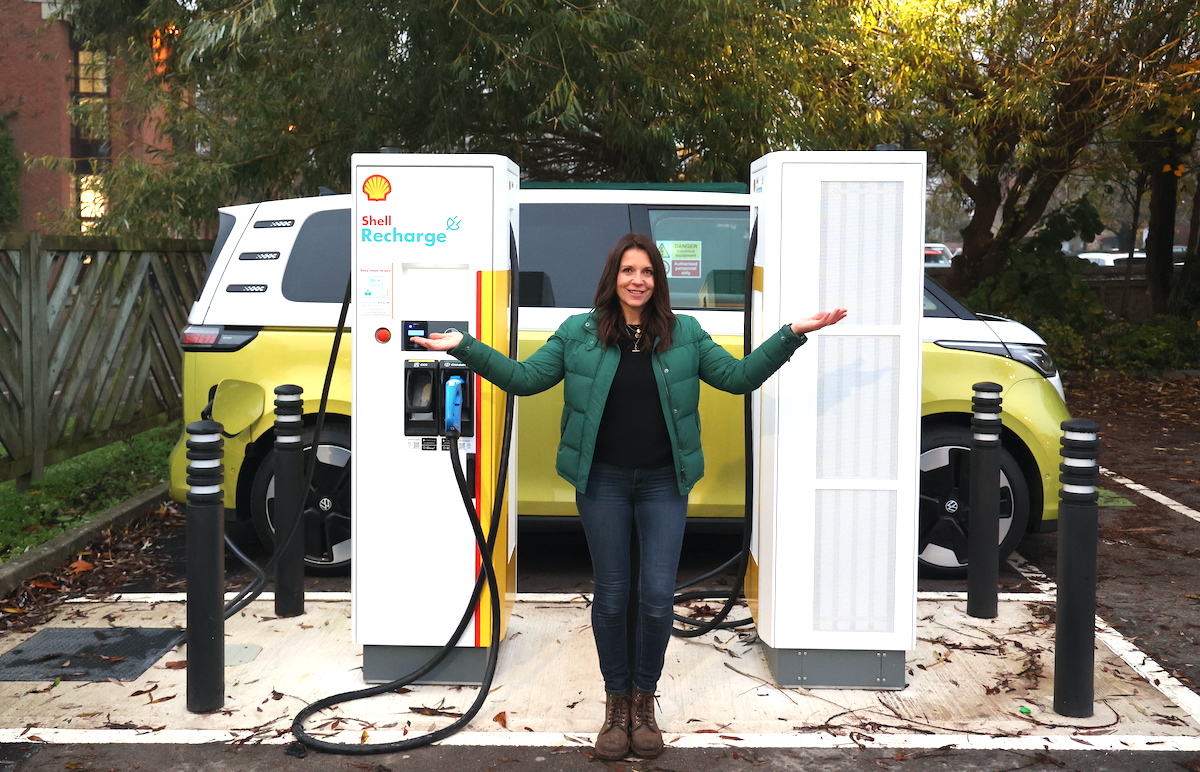

Once you’re driving electric, sticking with it can dramatically reduce your cost per mile because electricity is usually far cheaper than petrol or diesel for the same distance travelled. We did the sums when the government announced the introduction of the new eVED tax scheme that showed EVs are still cheaper than petrol if you can charge at home, and there are ways to make public charging much more competitive too - although we'd be the first to say that that the VAT on public charging needs go!
What are the best tips for saving money in any car?
The first tip is to keep your tyres pumped up to the recommended pressure. It's not only a crucial safety measure but it also helps with efficiency, so don’t forget to stop and check your pressures.
It’s also worth having a quick declutter of your car. Many of us treat the boot like a mobile cupboard, filling it with gym bags, dog towels and those bags of clothes that have supposedly been 'on the way to the charity shop' for months. All that extra weight means the car has to work harder, which increases fuel consumption.
Going back to think about the basics will help, too. Our driving tests may be in the distant past for many of us, but a lot of what you learned can help you save money. Be aware of the road ahead, know what's coming – this will help you cut down your fuel use with gentle acceleration and smoother braking, because late braking and a heavy right foot are the enemy of fuel efficiency.
Finally, make sure and keep a steady speed on longer journeys to help improve fuel economy. Even dropping your motorway speed slightly from 70 to 65 can cut your consumption up to 10% – a significant saving over a big distance.
What if I drive a petrol car?
While you won’t see the same dramatic savings as if you were driving an EV, following the tips above will really help to save money on petrol and diesel costs in the long run. But there are still other things you can think about as a driver.
One of the easiest things you can do is simply use the car a little less – can you bundle your errands into one trip or get the bike out of the shed?
Or why not try a bit of carpool karaoke? Sharing the school run, commute or supermarket trip with colleagues, neighbours or friends means fewer journeys and less fuel used. It’s much more common in places like the US and Australia, where some roads even have special lanes and parking spaces reserved for car sharers.
What about plug-in hybrid drivers?
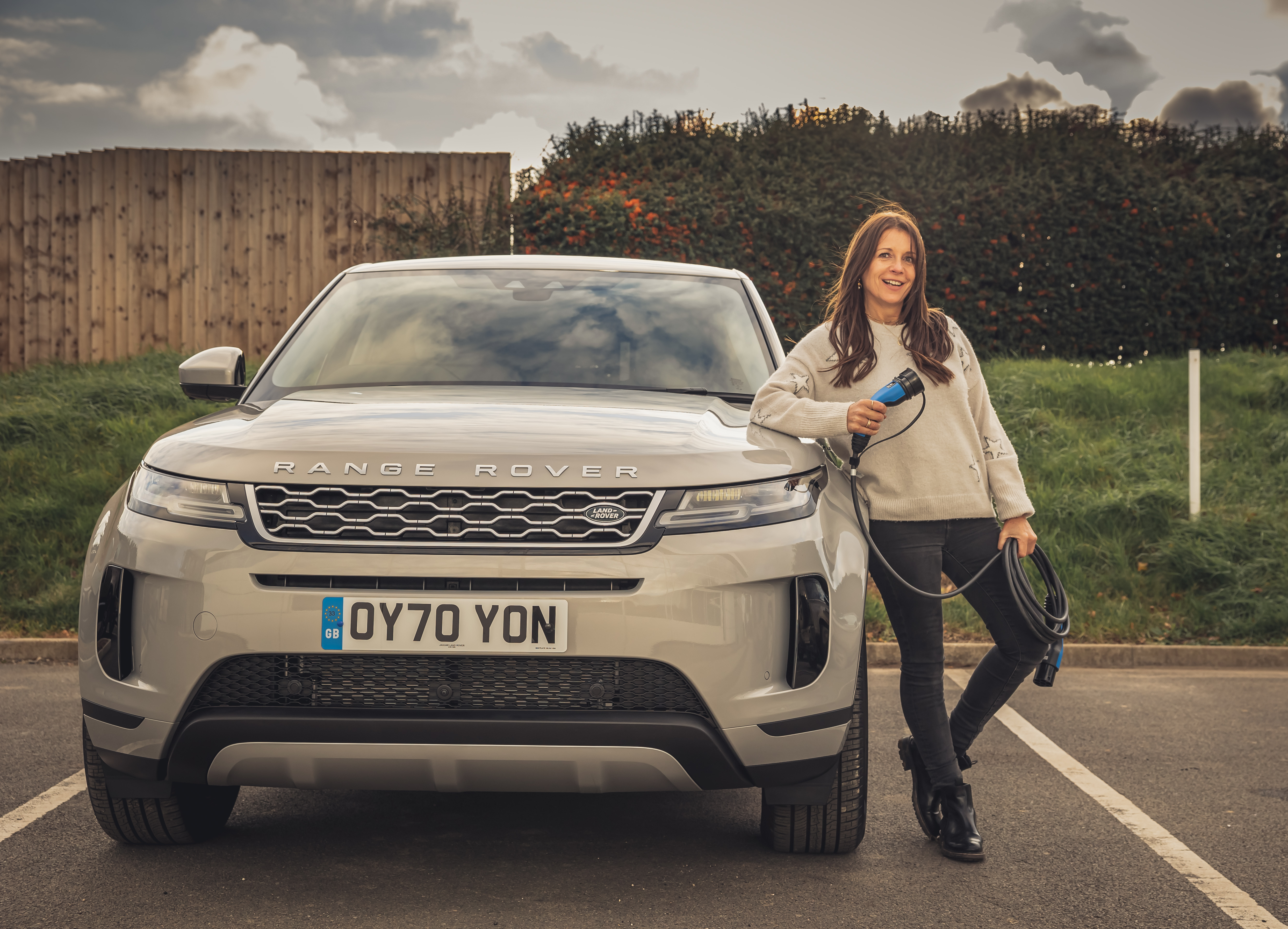
If you drive a plug-in hybrid (PHEV), the key is to plug it in at home or the office whenever you can. Domestic electricity is much cheaper than petrol or diesel, so keeping the battery topped up means the car can do more of its driving on electric power rather than burning fuel.
Maximise your electric mileage by using EV mode in town when it’s most efficient, and only waking up the petrol engine when you’re on the motorway, can also improve the efficiency you see from both the electric and combustion powertrains. There are some very long-range PHEVs out there, now, including a few that will do around 90 to 100 miles on electric power alone, so those can be good options if you want to cover all your daily stuff on battery power but really don't want to rely on public charging for longer journeys.
(Trying to decide between PHEV and electric? Check out our guide here.)
Will it really make a difference and save cash?
Small changes might not sound like much on their own, but they do add up. UK cycling coach Dave Brailsford famously came up with the idea of 1%ers – tiny things that don't take much effort to implement, but all add up to big differences when you put them together.
Conversely, the higher that fuel prices climb, the bigger the differences you'll see in your pocket – learning how to save 5–10% off your fuel bill now could really pay off in the long term.



.jpg?width=600&height=600)


