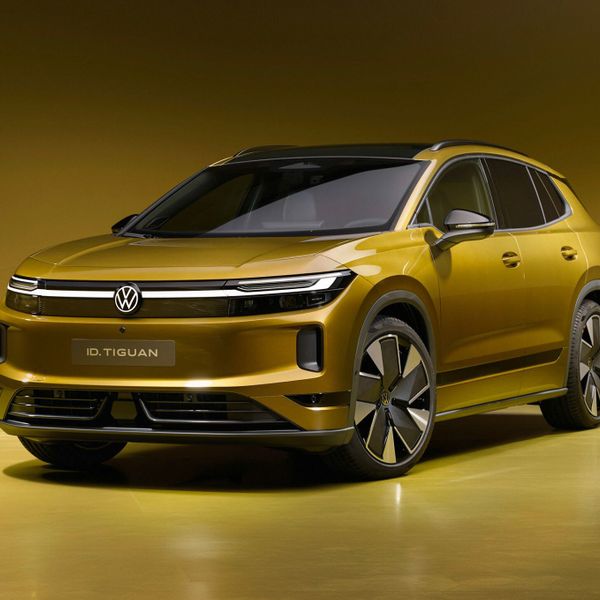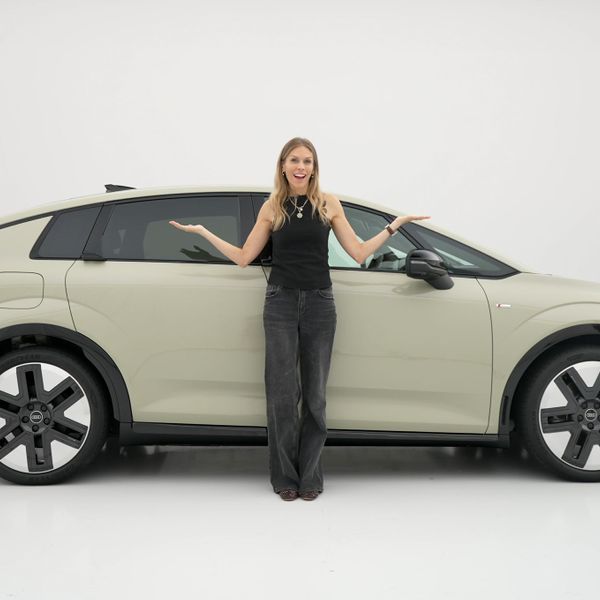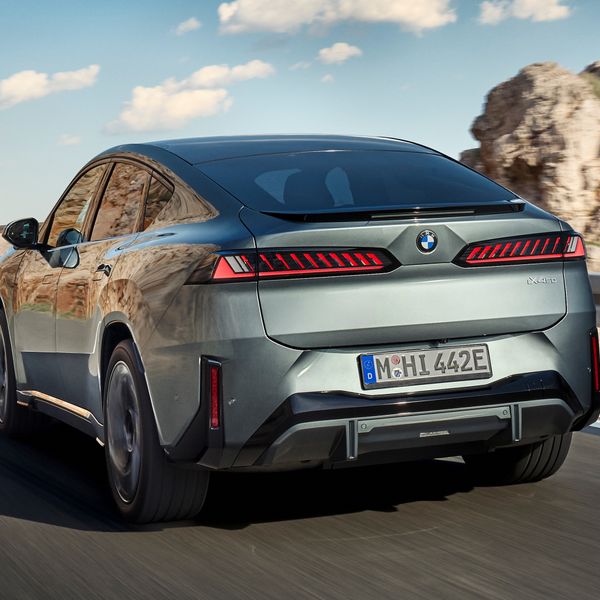






If you want cleaner cars on our streets, surely you should measure the emissions – not how big they are. That’s my biggest problem with the new size-based residents’ parking charges being introduced by Bath and North East Somerset council.
I completely understand why Bath wants fewer genuinely oversized vehicles on its narrow, historic streets. Bigger vehicles take up more space and there are legitimate concerns around the safety of some larger vehicles, particularly for pedestrians and cyclists.
But the council says its policy of charging cars extra based on their length and width is intended to encourage residents to choose “smaller, safer and cleaner vehicles”. Those three things simply aren't interchangeable.
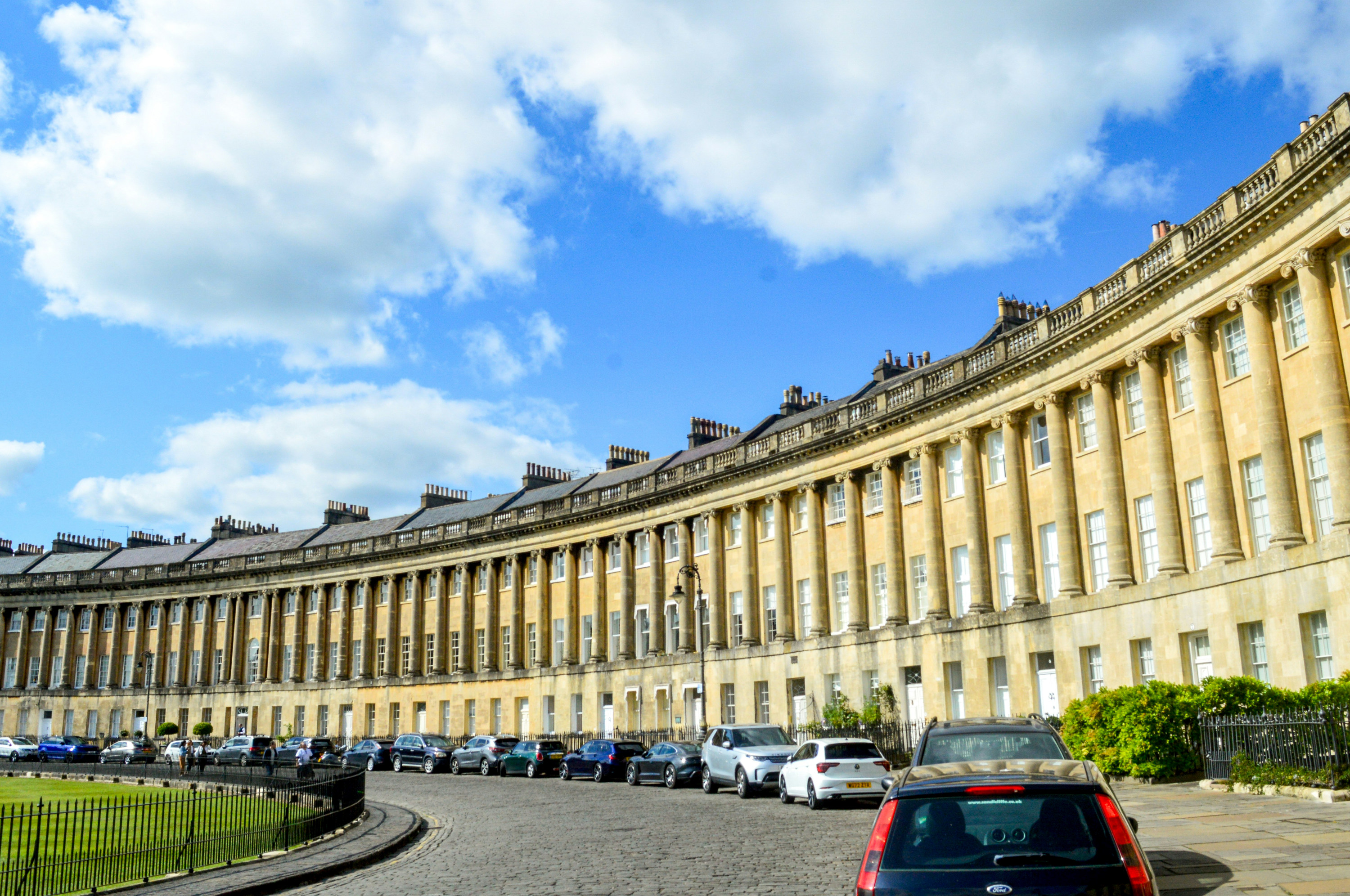
A large electric family car produces zero emissions from its tailpipe on the streets of Bath, while a much smaller diesel produces CO2 and harmful pollutants from its exhaust. Yet under the new size element, the EV pays more simply because it occupies more space.
Bath already has emissions-based parking charges, and the new size charge is applied on top of those. Those make sense as two separate measures. If you want to tackle pollution, measure pollution. If you want to manage scarce road space, measure size. And if you want to improve road safety, use the evidence about what actually makes vehicles more dangerous.
But don't conflate the three.
Let’s put emissions to one side and take a look at size, because the council specifically points to the increasing popularity of SUVs as a justification for this policy. Yet this isn't an SUV charge because the formula doesn't distinguish between an SUV, crossover, hatchback, estate, people carrier or EV. It simply calculates the physical area of the vehicle.
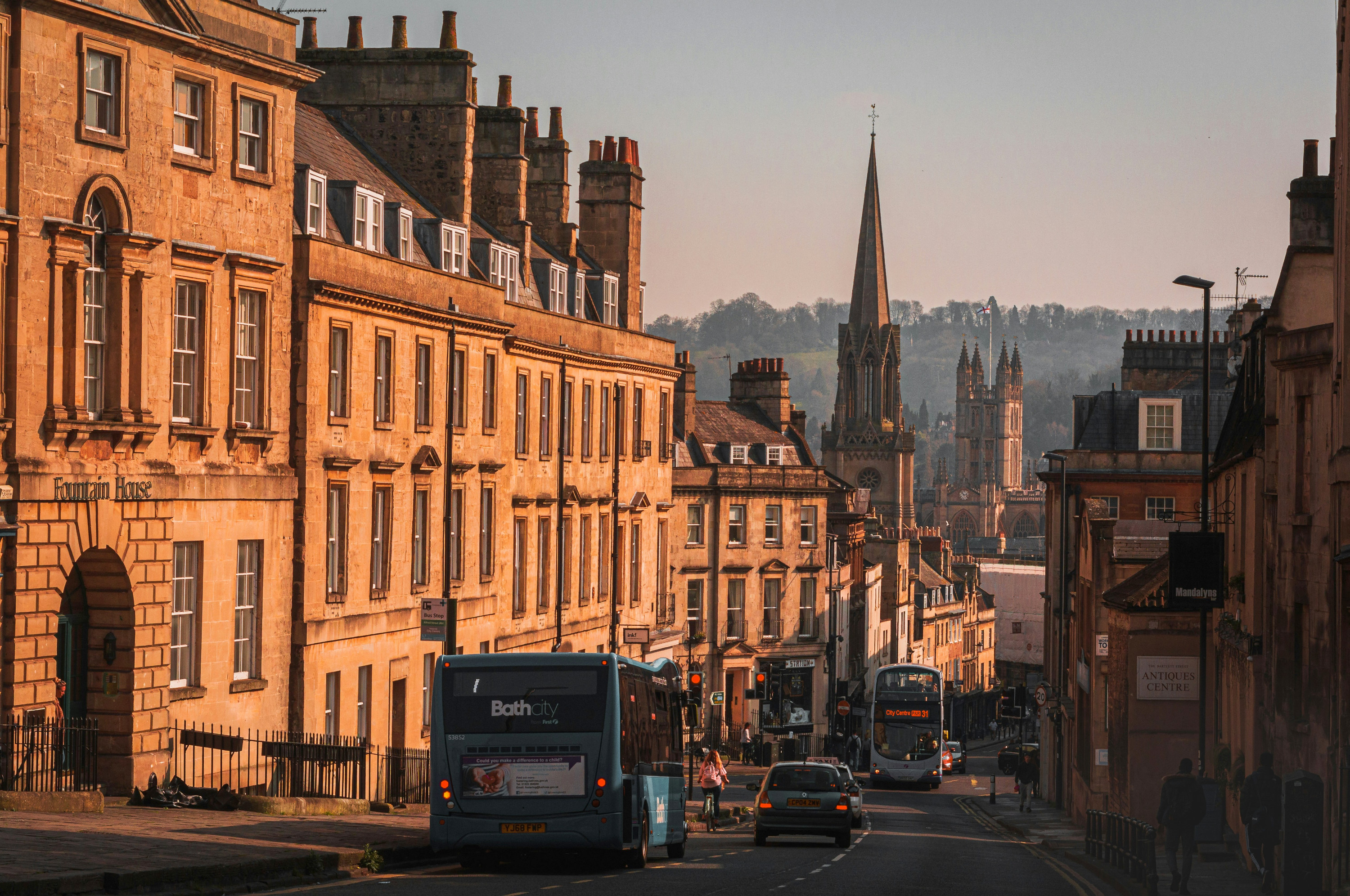
The council's own examples prove how nonsensical this is – on its own table a Vauxhall Corsa, Renault Clio, Volkswagen Polo and Golf all attract the size surcharge. These aren't £100,000 Range Rovers. They're some of the most conventional cars on British roads.
Some electric cars are being caught out too. For me, the Peugeot e-208 is the killer example. It’s a small electric car with zero tailpipe emissions, yet it attracts the new size surcharge under a policy intended to encourage smaller and cleaner vehicles.
Exactly how much smaller and cleaner are we expecting people to go?
The Tesla Model Y makes another interesting point, of course it's a larger family EV and takes up more road space. But that doesn't make it dirty, and size alone doesn't tell us whether it's safe. The latest Model Y has a five-star Euro NCAP rating, scoring 92% for safety assist and 86% for vulnerable road user protection.
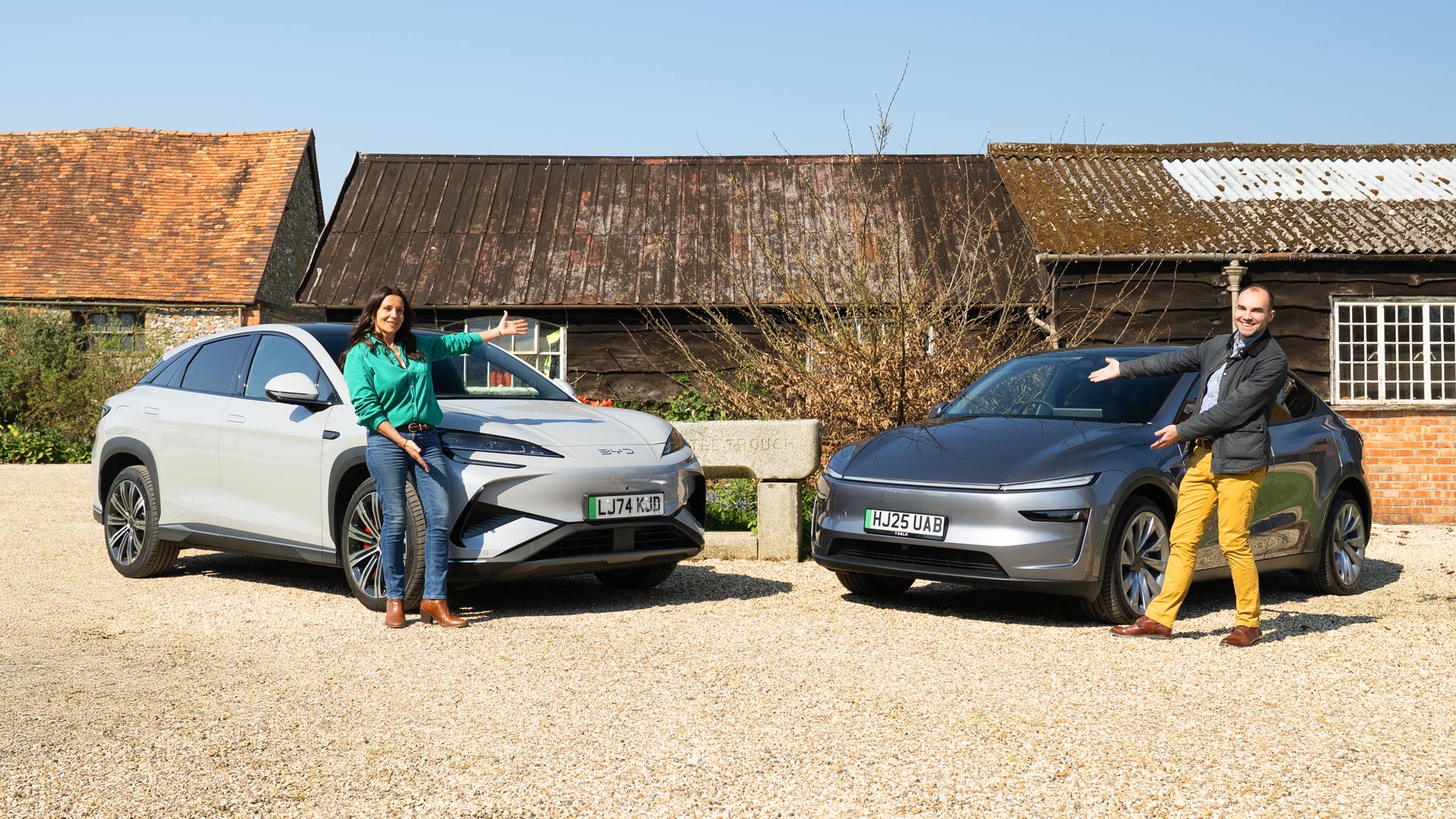
Euro NCAP named the Model Y its best in class small SUV for 2025 and among a host of standard technology you’ll find autonomous emergency braking that detects both pedestrians and cyclists.
This kind of tech is becoming fundamental to modern vehicle design, specifically to protect occupants and other road users, and these levels of safety assistance equipment, together with increasingly advanced crash protection, are without a doubt playing into the increase in the size of some of our cars.
I simply don't accept that length multiplied by width can tell us whether one car is safer than another.
We also shouldn't forget why people buy larger cars. If you've got children, car seats, a dog, elderly parents or mobility equipment, you may genuinely need a larger family car.
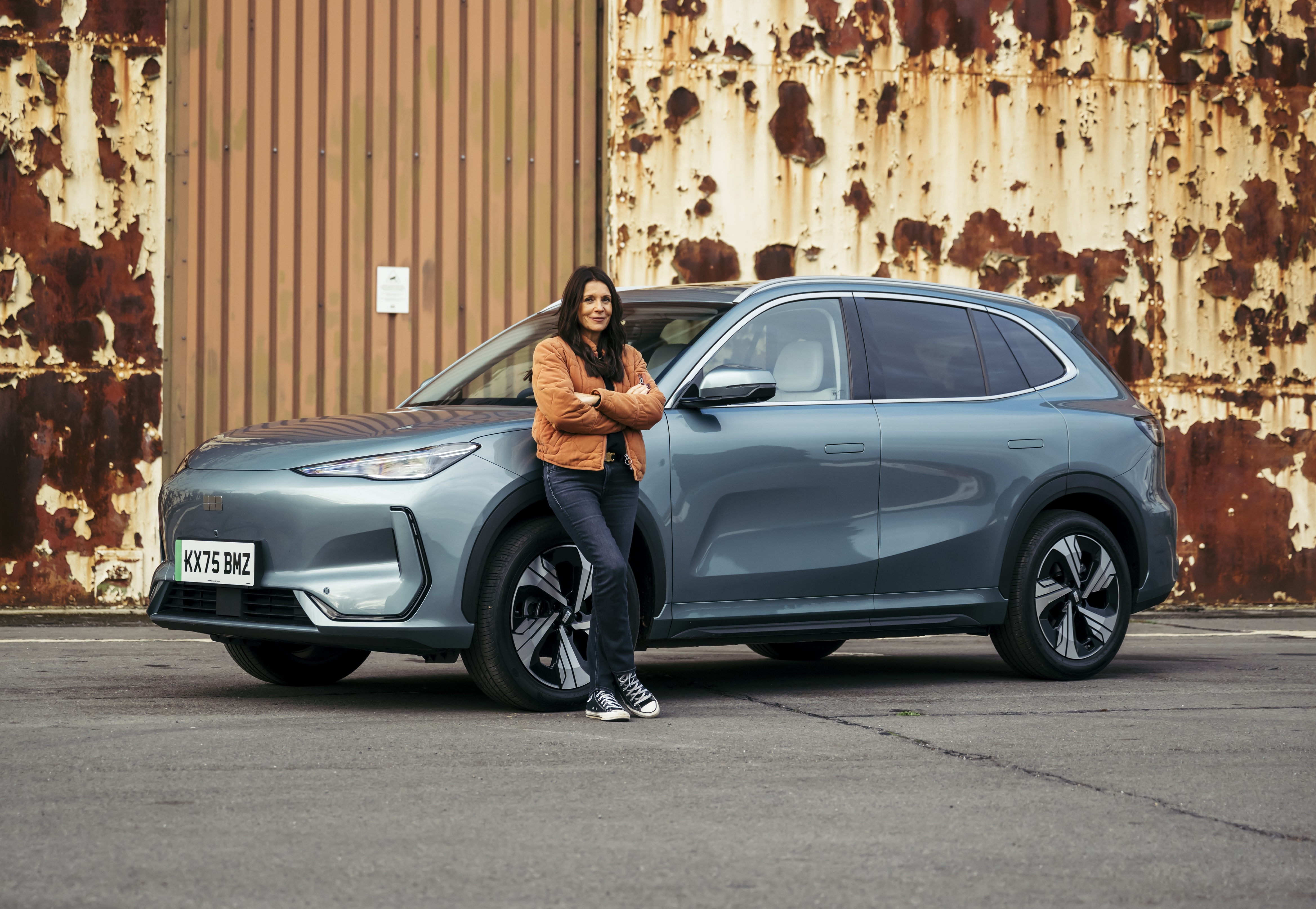
Bath's own table of vehicles that will pay a surcharge include family favourites like the Kia EV5, Tesla Model Y and seven-seat Ford Galaxy. I don't think it's reasonable to characterise the people who drive these cars as making an environmentally irresponsible – or less safe – choice.
Don’t get me wrong, I'm not defending unnecessarily enormous cars. I'm questioning whether this policy targets the problem intelligently. Because bigger doesn't automatically mean dirtier. Smaller doesn't necessarily mean safer. And the size of someone's car doesn't tell you why they need it.
If we want cleaner, safer streets with less pressure on limited road space, I'm all for it. But let's measure the things we actually want to change.