





You may not have heard of the ZEV mandate. Officially known as the Zero Emission Vehicle mandate, the ZEV mandate is a controversial piece of legislation that came into force in the UK and Europe in January 2024.
Essentially, the ZEV mandate sets annual targets for the proportion of new cars sold by manufacturers that must be zero-emission vehicles (ZEV). Hydrogen vehicles would qualify, but there are almost none on sale as almost all pure-electric cars are powered by batteries.
This policy is a key component of the UK’s strategy to phase out new petrol and diesel car sales. In 2024, 22% of manufacturers' new vehicle sales had to be ZEVs, but that target rises to 28% in 2025, 33% in 2026, and so on until eventually the ZEV mandate will require 80% of new car sales to be EVs by 2030, and eventually 100% by 2035. Currently, the laws in the UK means that self-charging hybrids (also known as full hubrids) and plug-in hybrids will continue to be allowed from 2030- to 2035.
Manufacturers who fail to meet these quotas face big penalties of £12,000 for the non-ZEV cars that they sell within the ZEV mandate's stated limits.
Is the ZEV mandate the same thing as the 2030/2035 petrol ban?
Technically the ZEV mandate is a separate piece of legislation to the proposed 2030/2035 petrol car ban, but they are both being used to encourage the transition to EVs. Over the last few years, the UK and EU governments have changed the deadline for the total ban of new petrol-car sales a number of times, but the ZEV mandate's rules on how many EVs manufacturers must sell (to avoid a penalty) have remained the same since it was introduced in 2024.
How is the ZEV mandate changing the car market?
It's clear that the ZEV mandate is having a big impact on the car industry, and on the electric cars that we can now buy. Many manufacturers are working to expand their EV offerings, particularly more affordable models, to comply with the rules. For instance, vehicles like the Dacia Spring, Renault 5 and Citroen e-C3 have entered the market at price points under £23,000, broadening access to private buyers. We've seen a huge improvement in the variety of affordable, sub-£25,000 electric cars since the ZEV mandate was brought in, which can only be a good thing.

However, there have been calls from some brands for the government to relax the targets, citing concerns over declining global EV demand, production costs and supply chain problems. Large manufacturers such as Stellantis and Nissan have expressed apprehensions about the feasibility of meeting the mandate without adjustments, warning of potential impacts on jobs and investments. In fact, both Ford and Vauxhall have confirmed significant job cuts since the ZEV mandate was introduced, citing the squeeze between meeting the ZEV mandate's regulations and finding enough buyers for their electric cars as one of the key factors in the cuts.
What is likely to happen?
In response to concerns from the car industry, the government is understood to be considering potential adjustments to the mandate. One proposal includes introducing greater flexibility, such as allowing manufacturers to borrow compliance credits from future years or temporarily replacing penalties with a monitoring phase. This approach is seen as a way to balance the ambitious targets with market realities while avoiding undue financial strain on manufacturers, who are already seeing reduced profits on electric cars.
Is now the right time to buy an EV?
There's a lot of confusion over the legislation surrounding EVs, right now. It's not hard to see why you might be confused. Between the recent announcement of a pay per mile tax on EVs in the UK from 2028, and now talk of Europe possibly delaying its petrol ban until 2040, there's a lot of uncertainty.
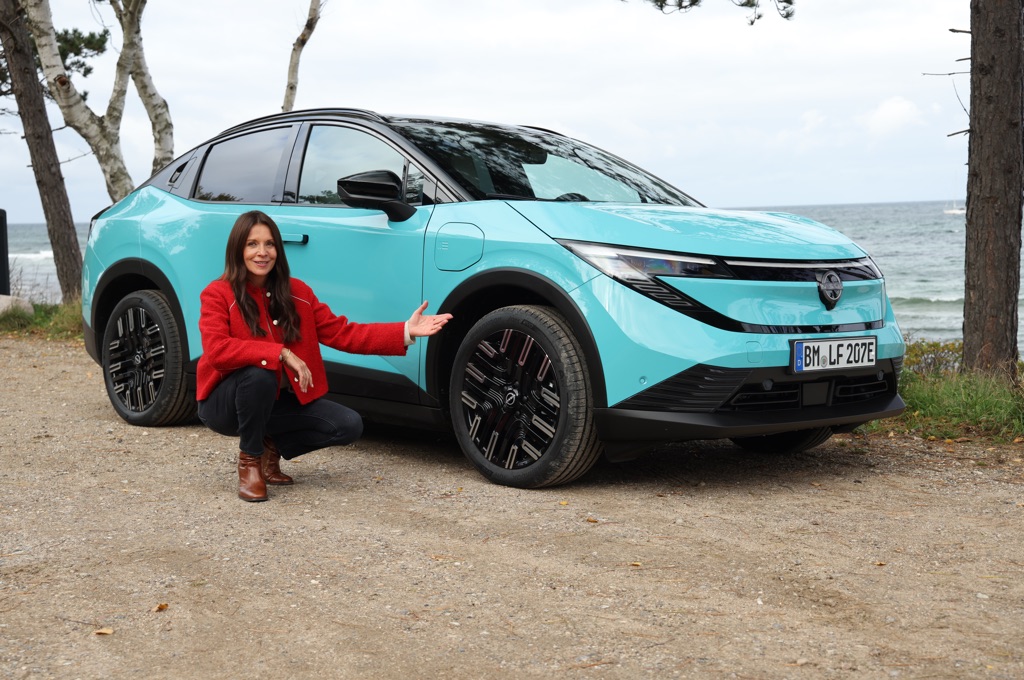
But, at the same time, the UK's electric car grant is substantially reducing the purchase price of many electric cars. The new Nissan Leaf, Citroen e-C5 and Renault 5 are among a number of cars that get a huge £3,750 discount, and there are loads more that receive a £1,500 grant. You can see the full list of eligible EVs, and find out everything you need to know about the ECG right here.
Added to all of this is the huge variety of great EVs on offer now, the falling prices including loads of brilliant PCP and lease deals for retail buyers, the continued tax breaks that business users get, and the low cost overnight charging tariffs that still make owning an electric car much cheaper than owning a petrol car (and will do even if the pay per mile tax is introduced). Well, there are loads of reasons why now is still the right time to go electric.