






The Chinese government is banning hidden electronic door handles from EVs over safety concerns.
The country’s Ministry of Industry and Information Technology is set to introduce new rules that will require every door to have a recessed space on the outside no smaller than 60mm wide, 20mm tall and 25mm deep to allow a hand access to the handle.
The new rules will come into force on 1 January 2027 for all newly approved cars on the Chinese market, with existing cars allowed a two-year grace period to make the changes.

Hidden door handles have become increasingly controversial in recent months, with the Chinese government studying the safety implications of the design feature and the US National Highway Traffic Safety Administration (NHTSA) launching its own investigation looking at Tesla’s electronic handles following reports that they had been responsible for deaths in traffic accidents.
Hidden door handles became popular on so-called ‘streamliner’ custom cars in the US in the 1940s, but perhaps the first high profile car to use the feature was the fifth generation of Chevrolet Corvette in 1997, which had a flush door handle opening with an electronic switch.

It was the Tesla Model S in 2012 that kickstarted the current craze of hidden electronic door handles, with units that pop out of the door when the car is unlocked, as seen here.
Even the tiniest aerodynamic tweak is sought after by EV designers these days because cutting weight and air resistance is much cheaper and easier than putting bigger batteries inside cars.
The problem with these devices is that like anything that adds complexity to a simple solution they can be prone to failure, and if mechanical redundancies aren’t built in it can cause inconvenience at best.
Since the late 2010s, with the sudden expansion of the electric vehicle market in China, hidden door handles have become more popular – among designers and manufacturers. But are they something that drivers ever asked for?
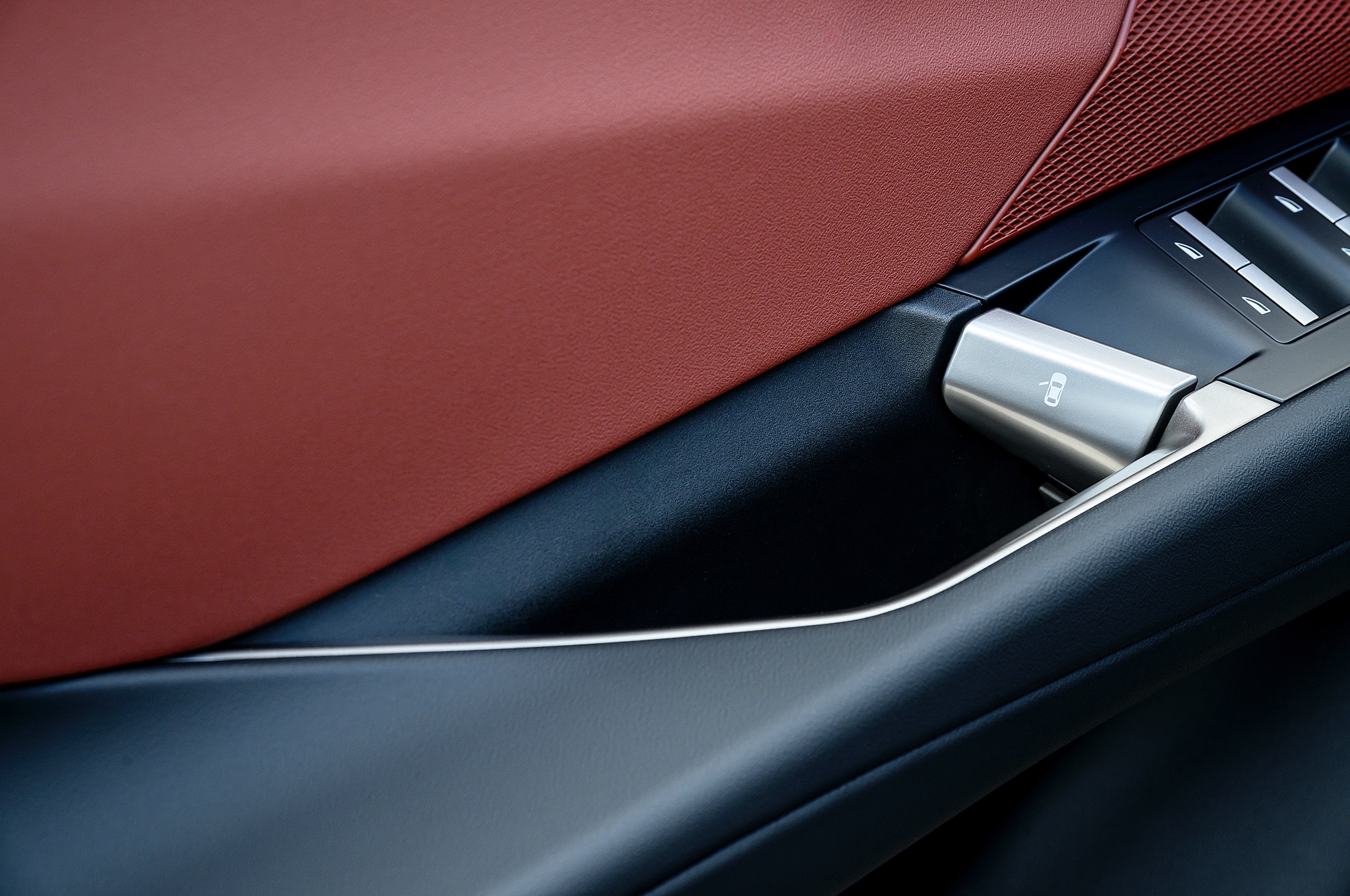
Some cars have internal mechanical releases, like in the BMW iX3 above, but they’re not always as intuitive as they should be, often because design has been put ahead of safety.
Another issue is that there’s sometimes not an external mechanical system – like on the Model S or Xiaomi SU7 – should the person inside be incapacitated in an accident.
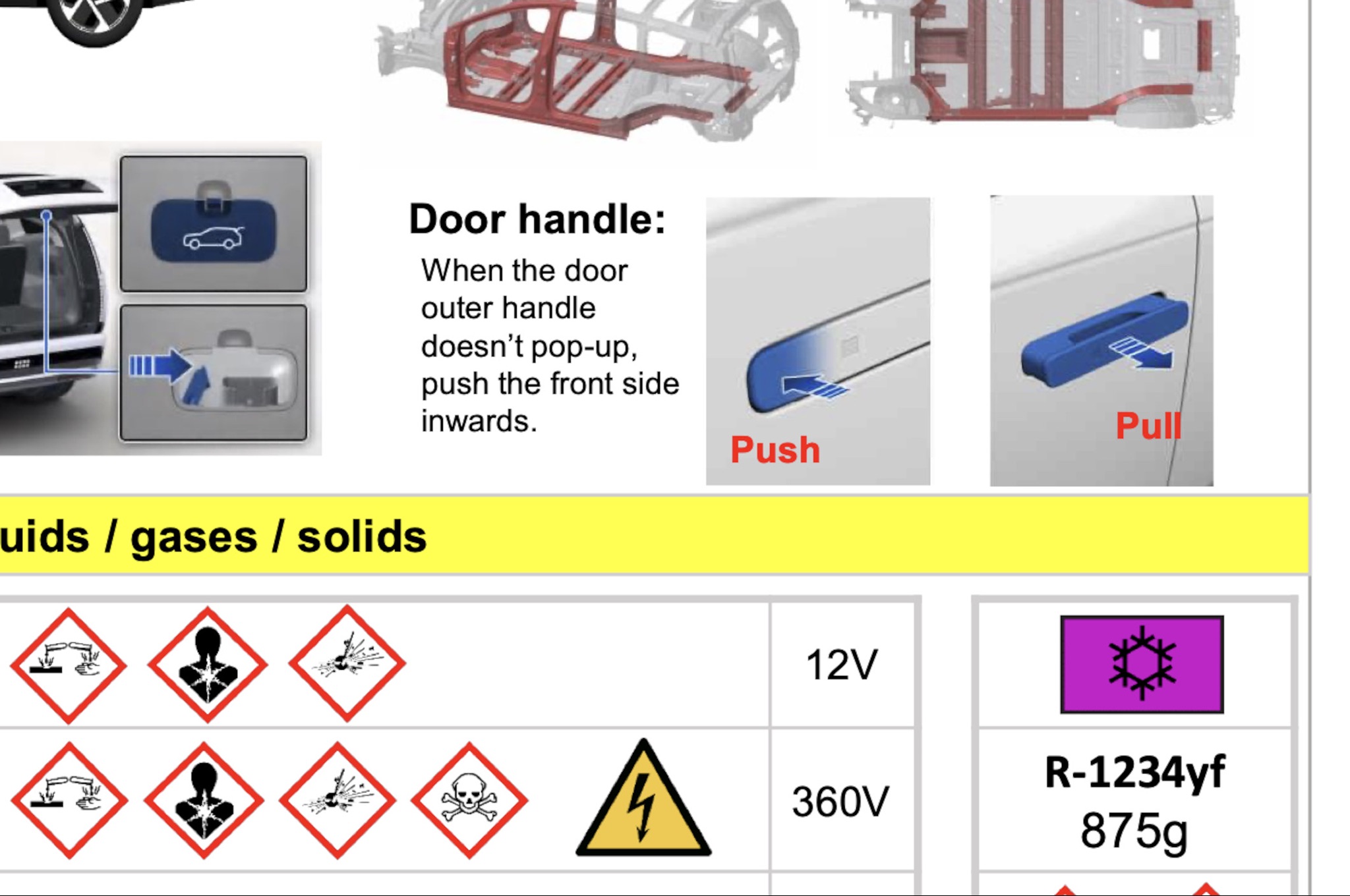
Hyundai has accident sheets on its website that are accessible to emergency services and give detailed information on each of its cars – it gives information on how to open the doors of its Ioniq 9 by pushing the handles out if they don’t pop out readily.
Most modern electronic door handles need a constant supply of 12V electricity to remain usable, and the low voltage supply often isn’t in the same massively protected areas as the high voltage batteries, so vulnerable in accidents.
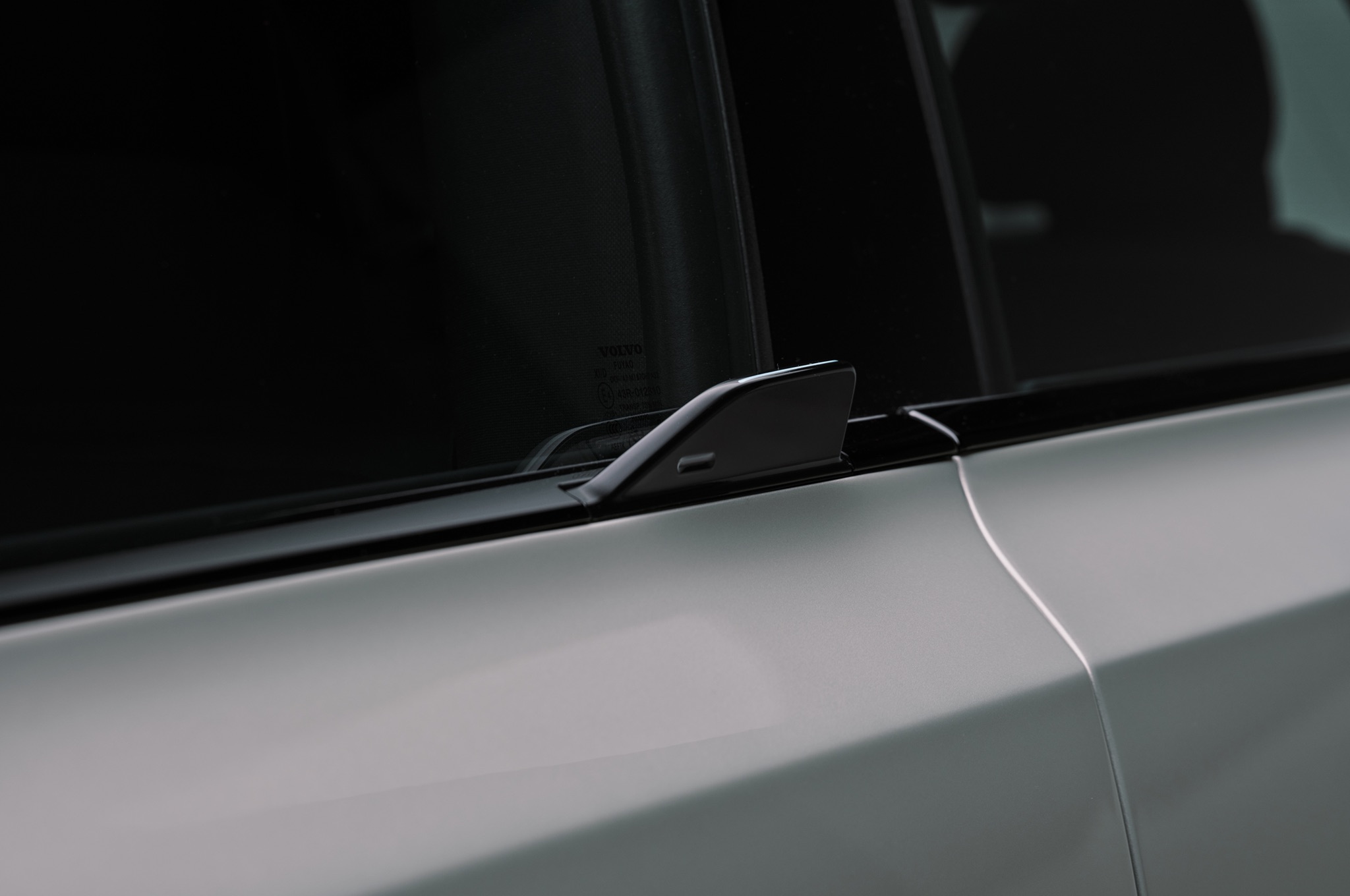
Sensible and thoughtful design is what’s needed – Volvo has designed the handles on its new EX60 to be usable even if the low voltage power fails, but that 12V system has a backup and both systems are located under the rear seats inside the passenger cell, so that likelihood is low anyway.
China’s new rules will rightly mean a redesign for many dangerous designs, but unfortunately they also mean that considered designs like the Volvo EX60’s won’t be allowed in the future either.