





The European Union has officially revealed plans to back down on its 2035 combustion engine ban after pressure from carmakers.
The rules had required 100% zero emission vehicles to be sold in the bloc in 2035, those will now be watered down to 90%. The EU has said that the remaining 10% will have to be mitigated by the use of low carbon steel made in the EU or through the use of biofuels and e-fuels.
EU president Ursula von der Leyen said that "Europe remains at the forefront of the global clean transition", but the decision has been criticised by Green Party MEPs.
The 50% zero emission target for vans that was due to be implemented in 2030 has also been knocked down to 40%, with the Union citing the ‘structural’ difficulties for commercial fleets switching to electric.
Mandatory targets will also be brought in for company car fleets by individual member states, calling for a proportion of the cars to be both zero emission and EU-made. The proportions required will depend on how well developed the electric infrastructure in the region is.
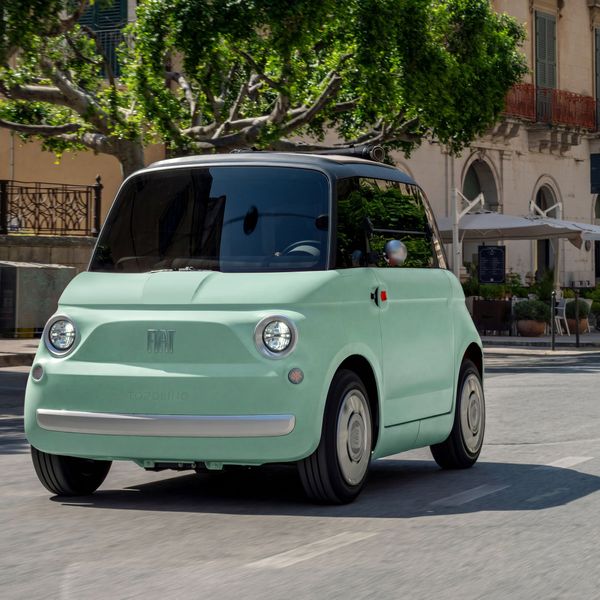
The EU is also set to reduce some of the regulatory burden on carmakers, by ‘reducing secondary legislation and streamlining testing’. It also confirmed plans to introduce a new class of small electric car in the EU, with a maximum length of 4.2 metres. Builders of the small cars will benefit as the proposals say they'll count as 1.3 cars each for the purposes of emissions tracking.
In its discussion paper presented to the European parliament, the EU Commission outlined the importance of the automotive industry to Europe’s economy, and said that it was providing more flexibility to carmakers with the easing of its emissions targets.
The headline emissions move means that plug-in hybrids, range extenders, mild hybrids and internal combustion engine vehicles will be able to be sold indefinitely in the EU.
It’s not yet clear how exactly carmakers will be allocated credits from the use of biofuels in the region, or whether carmakers that don’t manufacture cars in the EU will be able to make use of the low-carbon steel credits.
The EU sees the rule change as a way of stimulating two areas of European industry by using carmakers’ money.
It's not know yet how the UK government will respond to the EU changes – the current British policy will see sales of purely combustion driven cars phased out in 2030, but some types of hybrid will be allowed until 2035. Conservative party leader Kemi Badenoch said this week that she would scrap the changes if she was elected prime minister.


.jpg?width=600&height=600)
.jpg?width=600&height=600)