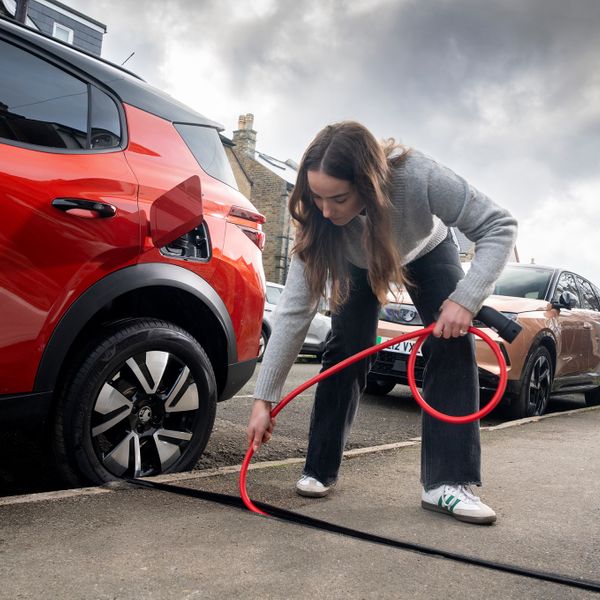






Electric cars pose no more threat to pedestrians than combustion engined ones according to a university study.
Research conducted by scientists at the University of Leeds has found that there was no significant difference in the pedestrian casualty rates between EVs and petrol or diesel cars, and that injuries were no more severe with electric cars.
The study, conducted by Zia Wadud, professor of mobility and energy futures at the university, differed from previous related studies by separating out electric and hybrid cars. The latter were found to be more dangerous, which Professor Wadud has suggested is down to their prevalence as private hire vehicles.
The research found that with around 250 billion miles driven by cars in the UK each year, the average pedestrian casualty rates were 57.8 for EVs and 58.9 for non-electric vehicles, per billion miles of driving, between the years 2019 and 2023.
Wadud said that he hoped the findings would serve to dispel some of the misconceptions that people have about electric vehicles, and that perhaps some of the blame lay elsewhere.
“We should worry less about the potential dangers of electrified vehicles and more about the growing prevalence of SUVs on the nation’s roads,” he explained. “Whether electric or conventionally powered, these larger, heavier vehicles not only pose greater safety risks, they also take up more road space and emit more carbon over their lifecycle.”
One theory behind the findings is that EVs are generally much newer and more expensive than the overall average of cars on the road, which means they’re more likely to feature the latest safety equipment. One complaint around early electric vehicles was the lack of noise, but since July 2019 they’ve been fitted with mandatory sound generators that operate below 20mph.
The study used the Department for Transport’s STATS19 road safety database that uses data from accidents that were reported to police across the country. It started with the latest available information, which was from 2023.
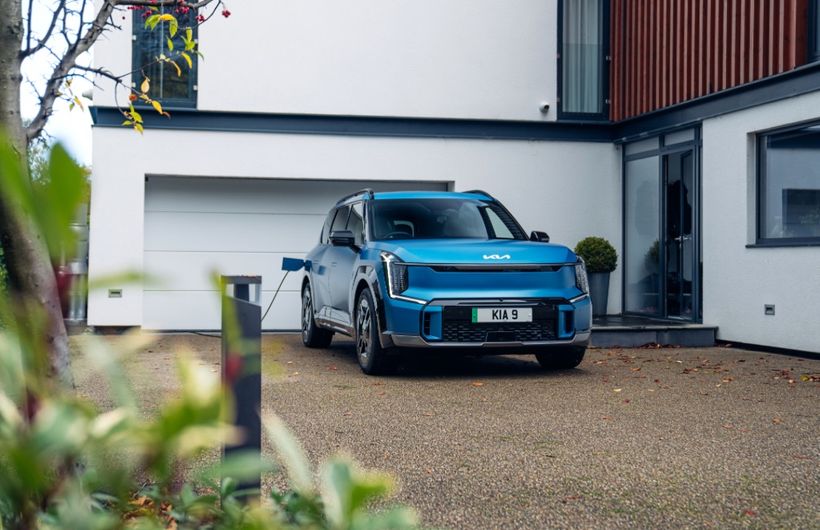 SUVs are more dangerous than other cars says scientist behind safety study – whether electric or not


.jpg?width=600&height=600)