






Germany has reintroduced grants for purchases of electric vehicles, offering up to €6,000 (£5,200) off – but grab some snacks and put your seatbelt on, because it gets complicated.
The country’s previous incentive scheme was cancelled at the end of 2023 without any warning, and its resurrection is equally surprising. Buyers will have to claim for themselves, but will be able to provide their evidence for the income-based incentives digitally. This is in marked contrast to the UK scheme, where the discount is provided at the point of purchase and dependent on the value of the car itself.
Germany’s environment minister Carsten Schneider said that the scheme would be backdated to 1 January and that people would have up to a year to claim. The scheme hasn’t actually gone live yet, with the claims portal expected to go live by May.
Ministers have announced that the scheme will apply retroactively to 1 January 2026. The subsidies will be be restricted to households with up to an €80,000 (£69,400) annual income, with an allowance of €5,000 (£4,300) per child for up to two children seeing the cap rise to €90,000 (£78,000). These sums will be verified as an average of two of the buyers’ tax returns from the last three years.
The base incentive of €3,000 (£2,600) will apply to electric vehicles, while a lower amount of €1,500 (£1,300) will apply to plug-in hybrids and range extended electric vehicles. The latter will only be eligible if they emit no more than 60g of CO2 per kilometre and have an electric range of at least 50 miles.
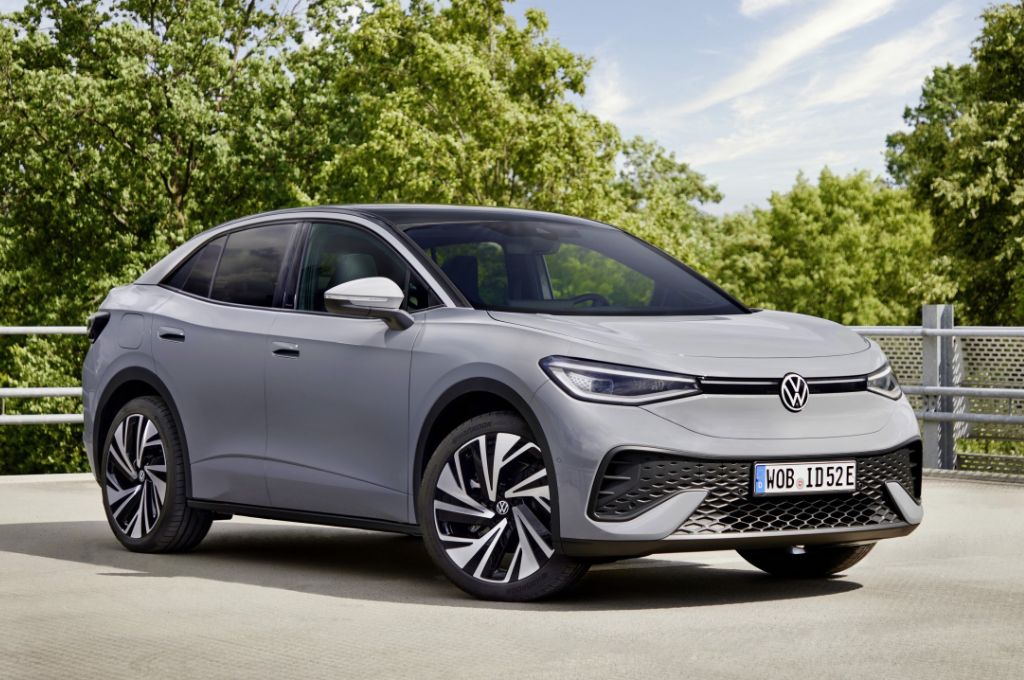
An extra discount of €500 (£430) per child under 18 up to a maximum of €1,000 (£870) can apply. A further amount is on offer for lower income households – €1,000 for household earning below €60,000 (£52,000) and €2,000 (£1,700) for households earning below €45,000 (£39,000).
So a someone buying an EV who has two or more children and a household income below €45,000 could claim up to €6,000 to the cost of their new car.
The €80,000 earnings threshold was chosen by the German government because its research showed that this was the median income level for people buying cars in the country.
The government has also stipulated that buyers must hold on to their cars for at least three years, to ensure that the funds are going to genuine use. The allowances for PHEVs and REVs will be assessed in July 2027.
There’s no fixed deadline for the overall scheme, but its €3bn (£2.6bn) budget is expected to last around three to four years and cover 800,000 new cars.
“With this incentive programme, we aim to make a difference for the environment, for our European automotive industry, and for households that could not previously afford an electric car without support,” said Schneider.
The minister also told reporters during the press conference to announce the measures that the incentives were open to all brands of EV and that he was confident about the quality of German-built cars in the face of competition from China.



.jpg?width=600&height=600)


