

Hyundai to launch five new models before 2028

Vicky Parrott

21 Jun 2026

Hyundai is launching a huge product offensive over the next eighteen months. By the end of 2027 it will have a completely refreshed lineup of new or facelifted models, with every Hyundai on sale in Europe being offered with an electrified option.  

At a recent European Car of the Year event, Xavier Martinet, Hyundai Motor Europe CEO, told Electrifying that “there will be two new hatchbacks and three new SUVs in the next 18 months.” 
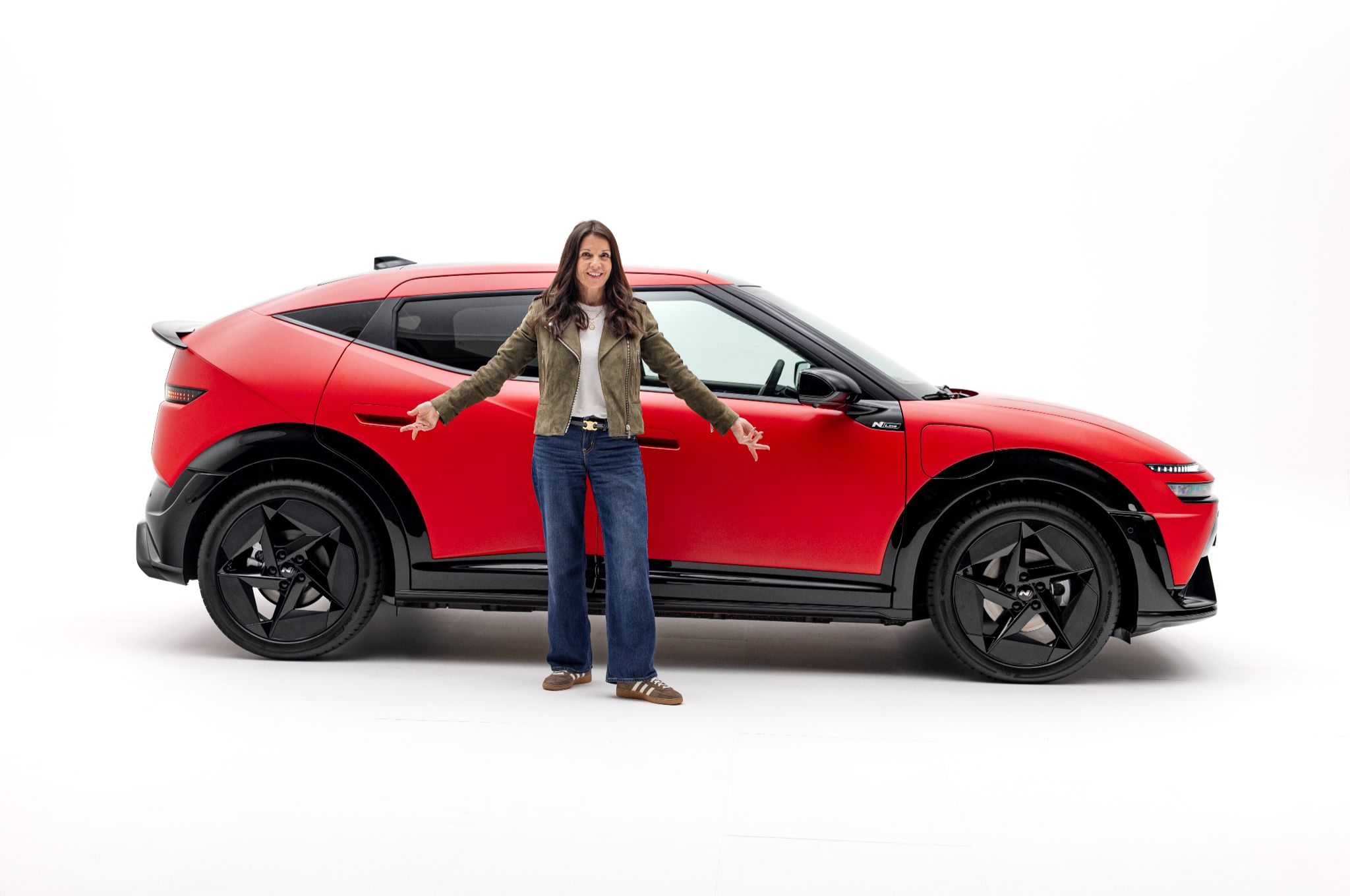
As for which models these might be? We know that the first will be the new Hyundai Ioniq 3, and it was reported earlier this year that we'll also see a new Hyundai i20, Kona, Bayon and Tucson in the near future. We also know that there will be more electrified options, as Martinet confirmed that “there will be an electrified powertrain in every model by the end of 2027, and you can expect a couple of big reveals at Paris motor show this year.” We can also expect some more affordable N models, as well as longer range plug-in hybrids (PHEVs) to play a big part in this shake-up for Hyundai. Currently, Hyundai’s PHEVs offer comparably short pure electric range next to PHEV rivals from Jaecoo, Omoda and Volkswagen. 

Manfred Harrer, President and Head of Research and Development at Hyundai Motor Group, told Electrifying that “we have to optimise the range on our PHEVs, definitely. Our 17kWh battery is limited on the range side, and we have to enhance that. If you think about the new EU regulation that means we need fleet emission of 50g/km of CO2 per car by 2030, we need it [longer range PHEVs] to survive.”

Harrer wouldn’t confirm the sort of range that Hyundai is aiming for on its forthcoming plug-in hybrids, but it needs to compete with rivals like the Omoda 9, which offers over 90 miles of pure electric range, and the VW Tiguan, which manages 75 miles.   
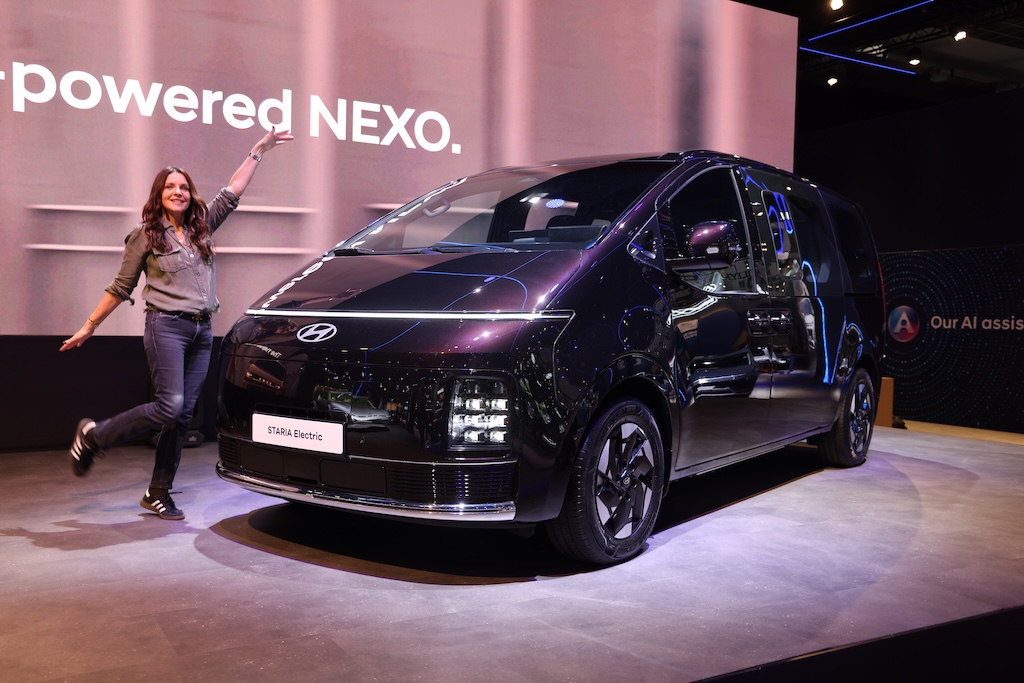
As for how the pure electric Hyundai models will evolve? In the longer term, there’s a new platform coming to replace the E-GMP platform that underpins todays Hyundai EVs. Will we see faster 900V charging, like we’re seeing on Denza? Will we see bigger capacity LFP batteries, as we’re now seeing from brands like Renault and Mercedes?

“We cannot ignore the LFP trend right now,” Harrera told Electrifying. “It has cost advantages, but it comes with weight penalties. But our legacy is lithium-ion, nickel-based technology [NMC batteries], and our whole ecosystem, with all our partners from Korea, is lithium-ion NMC-based technology. We're not giving up on this. We are enhancing further. We are pushing the boundaries. As for 900V? No, I don’t think we need 1200hp. We are Hyundai. We are grounded.”
The brand is, of course, already seeing great success with its current models. Hyundai saw a 24% growth in sales of electrified vehicles across Europe in 2025, with a total of over 600,000 passenger car sales and a 1% growth in market share – up to 4.2%. That increase in market share was largely driven by increased interest in the Korean brand’s EVs, including the Hyundai Inster, Ioniq 5, Ioniq 6 and Ioniq 9. The Tucson plug-in hybrid was a strong seller in the family SUV class, too. 

“Hyundai Motor Europe delivered a solid performance in 2025,” said Martinet, “driven by a 24% increase in electrified vehicle sales and a market share in hybrid and electric models that exceeds our total market share. We will continue to invest in these powertrains with a strong product offensive of five all‑new models over the next 18 months – working closely with our dealer partners to deliver exactly what European customers want, while preparing confidently for tomorrow.” 

The new Hyundai Ioniq 3 will lead Hyundai’s offensive, and also showcases its new ‘art of steel’ design language, which will influence the design direction of its forthcoming models.  

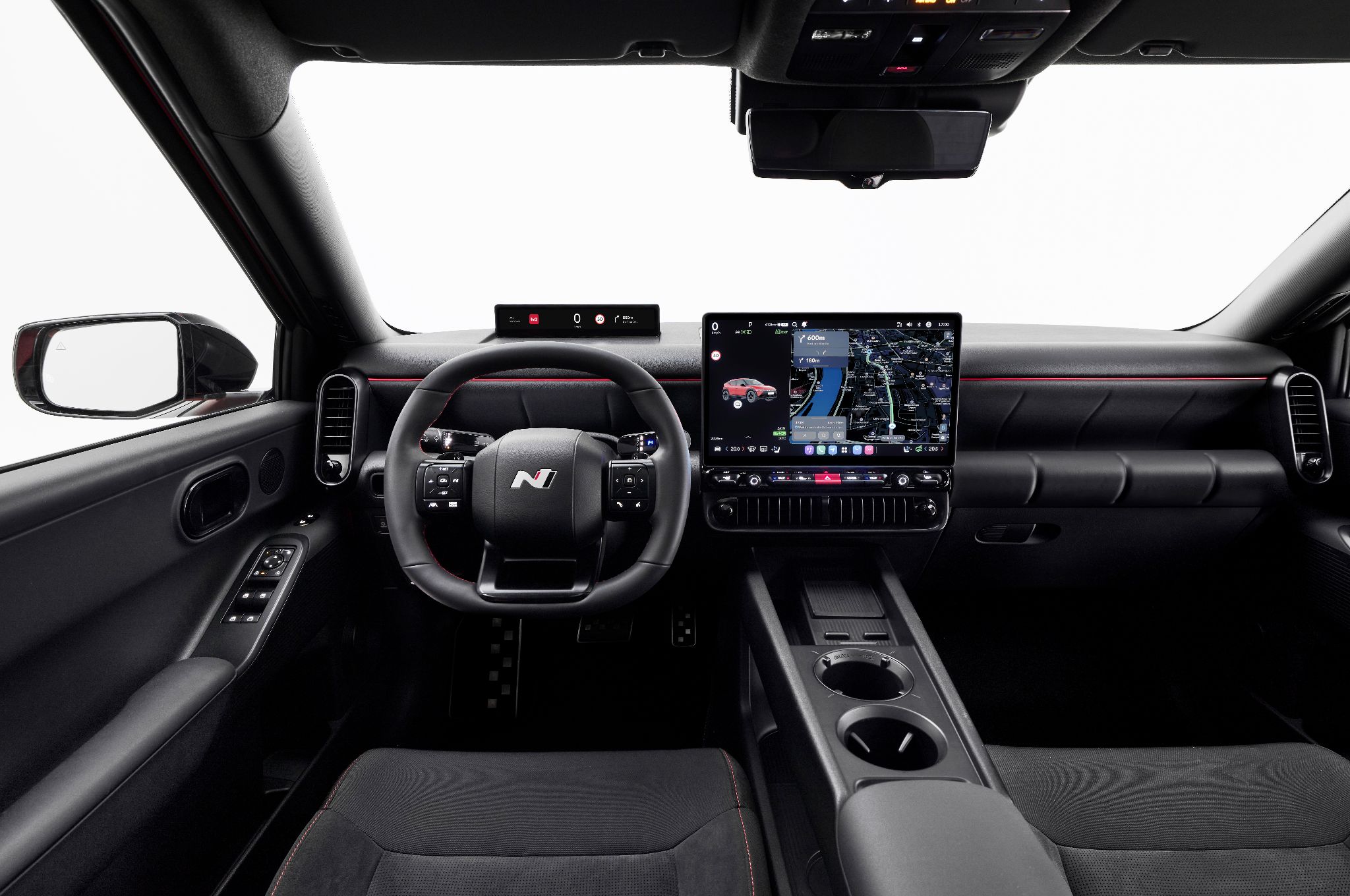
The Ioniq 3 is also the first new Hyundai to get the Pleos Connect infotainment system. This is an Android-based infotainment system, which offers fully configurable shortcuts, and a clever, intelligent charger-search function that allows you to plan your charging while factoring in how much charge you want to have remaining at your final destination and at your mid-journey charge points. 

Check out Ginny’s full walkaround video of the Ioniq 3 to find out all about the car and the Pleos infotainment system, but when I had time with it on a recent prototype drive (details of that coming soon!) I found the system very intuitive. It’s reminiscent of the Tesla infotainment system, with the cars core drive settings and safety functions displayed in a menu to the side of the screen, and the rest of the display taken up with the nav display. But there are also various configurable shortcut menus, which make it easy to adjust your driver assistance settings, among other key functions. It’s simple, but it works, and the graphics are a big improvement on Hyundai’s previous system. You also get a straightforward driver’s readout set above the steering wheel, and physical buttons for the air-con and various other features, too. 

It’s safe to say that the Ioniq 3 is something of a showcase for future Hyundai design, both in terms of the exterior and interior design, and that’s no bad thing. We’re looking forward to seeing the new, even more electrified Hyundai lineup as it evolves over the next year or two. 

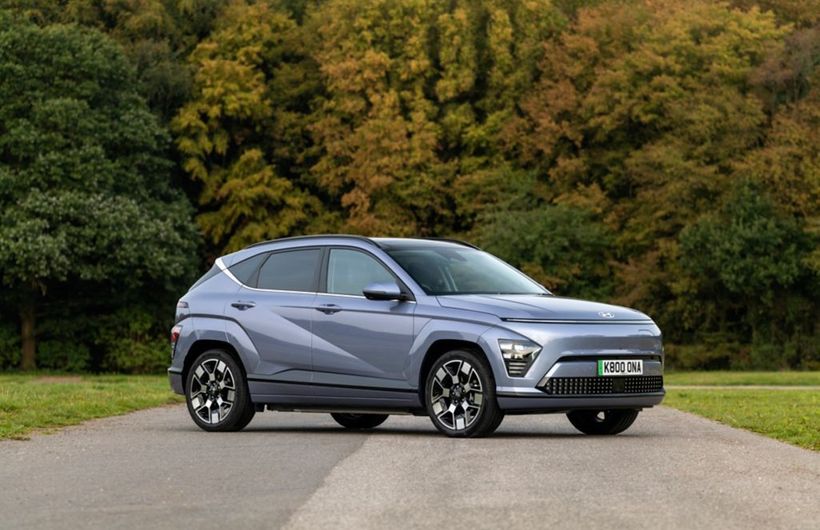
The Hyundai Kona is one of the older models in the Hyundai range that will soon be replaced
ADVERTISEMENT

Share this post

Click here to subscribe
“Added to your showroom”
Showroom:
Icon

You currently have no cars in your showroom. Browse our reviews here to start.

Icon

Please fill out your contact details below.