






There’s been a whole load of new Chinese brands launched in the UK in recent years, but one that stands apart for the way that it’s done things slightly differently.
Leapmotor was founded in 2015 by Zhu Jiangming, drawing on his experience in tech. There’s a story that sounds apocryphal but apparently isn’t, where he was on holiday in Spain, saw a Renault Twizy and decided he could build cars better than that.
At any rate, fast forward to 2025 and Leapmotor launches in the UK, but it has signed a deal with French powerhouse and world’s fourth largest carmaker Stellantis to sell its cars internationally through the firm’s long established network of dealers.
What does Stellantis get? A cut of sales, presumably, and a load of extra EVs on the books to help it meet its various zero emission vehicle mandate targets.
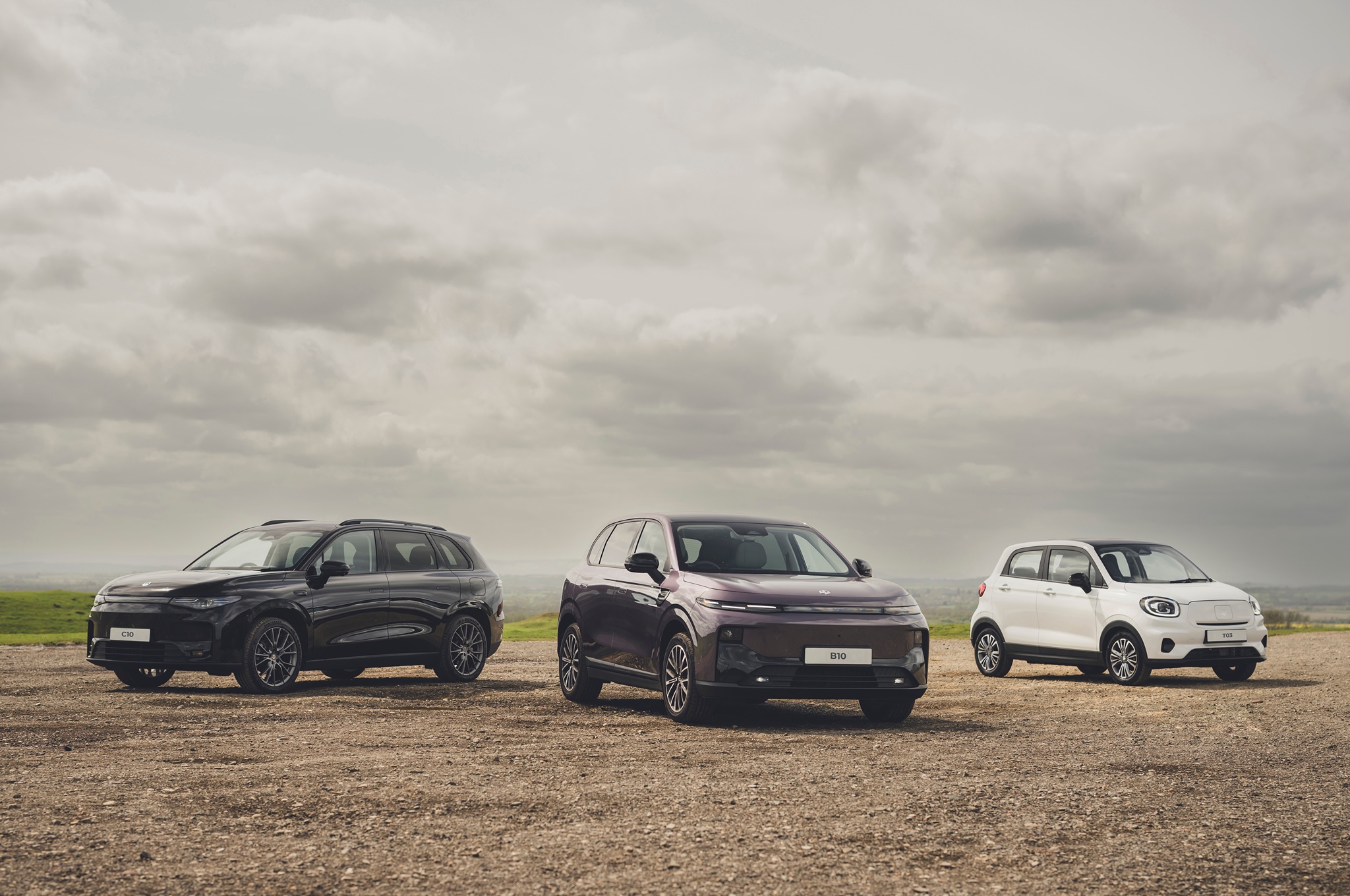
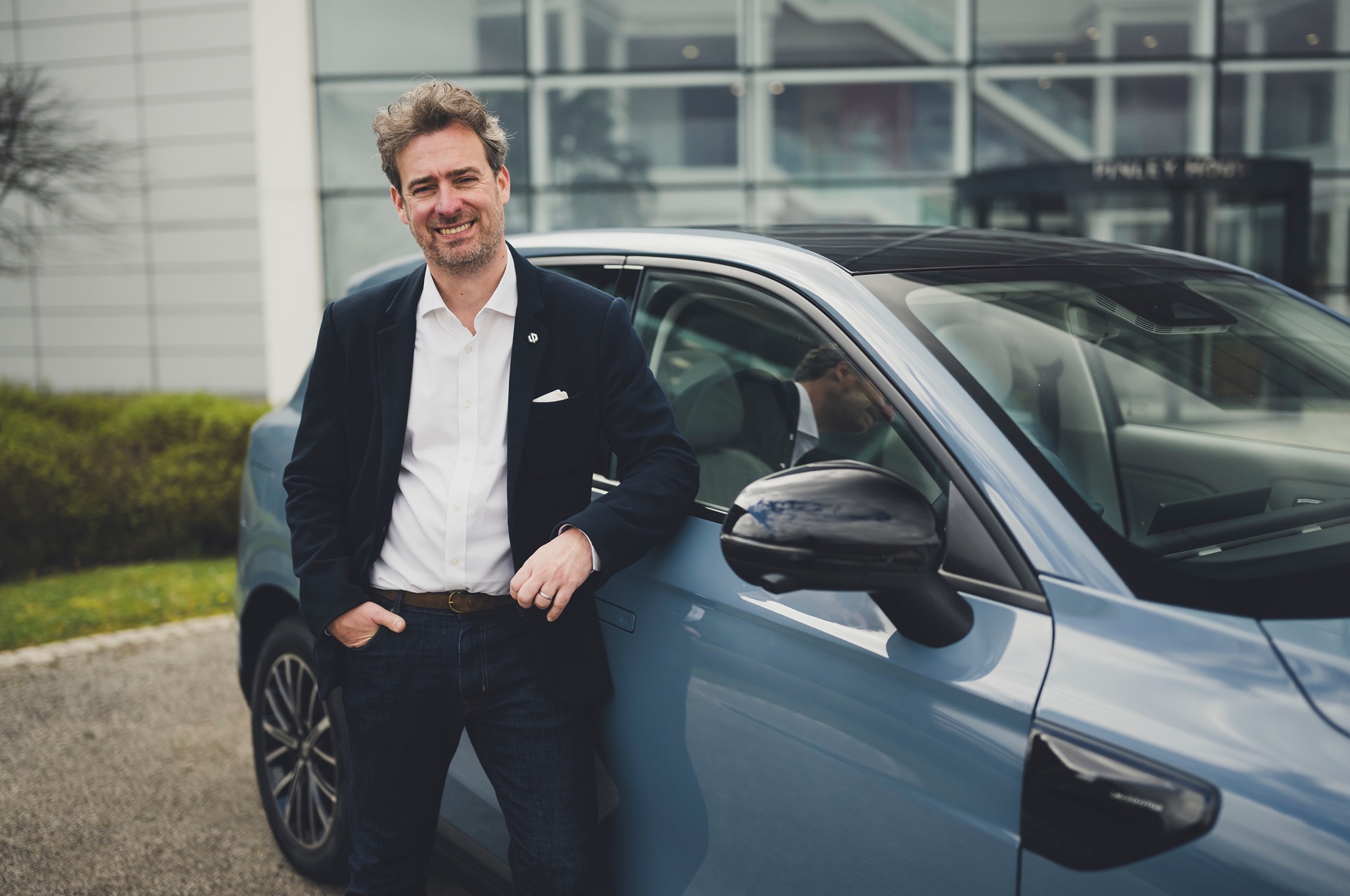
I spoke to Leapmotor’s UK boss Damien Dally as he was celebrating the new brand’s first birthday in the UK. That year has seen over 7,000 cars sold and three new models launched, with another two on the way even before the end of 2026, the B05 and B03X.
The masterstroke that helped Leapmotor along was the electric car grant – none of its cars qualify, but that didn’t matter. “Things were slow at the beginning, but what really catapulted us forward was that we were the first brand to launch our own grant,” explains Damien. “There was this utter confusion over the EV grant, how much it would be and which cars would qualify, that ended up lasting for about six weeks. We took the plunge and launched our own.”
It wasn’t all plain sailing, though. Was there anything he’d do differently looking back? “We did have some minor teething issues at the beginning, all rearview mirror stuff that we could improve on if we did this again,” he says.
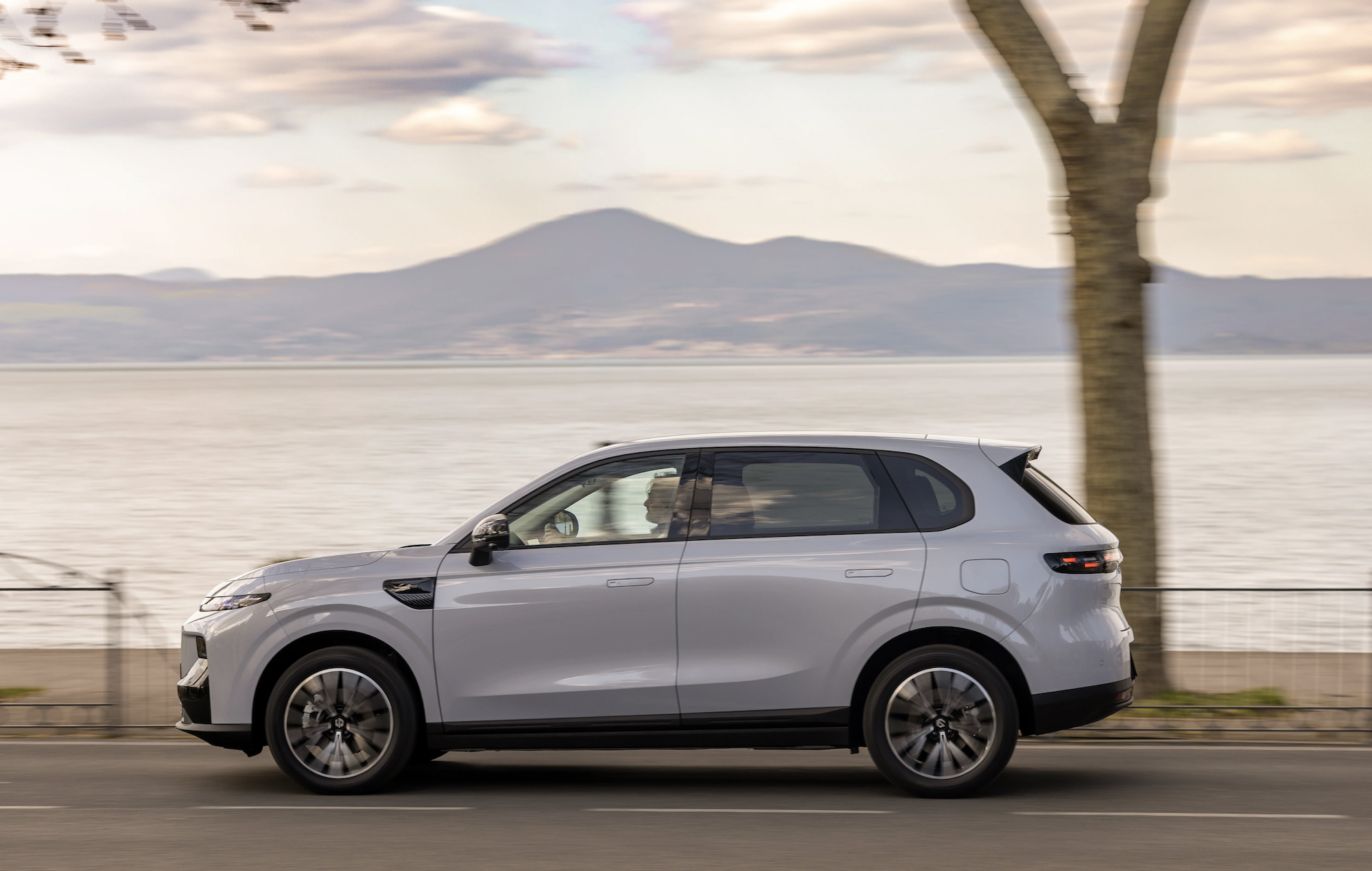
When the C10 was launched the ADAS systems were criticised for being a bit aggressive in their alerts, but the response from Leapmotor was quick. “We got a bit of negativity for the bonging, probably deserved, but the good news is that we’ve massively improved all those things. The Chinese really want to listen, they encourage feedback and they act quickly. The benefit of Leapmotor essentially being a technology company is that the speed of implementation to improve these things is breakneck.”
A notable decision by Leapmotor when it launched was to only offer one specification of car to buyers – a competitively priced but highly equipped model. Damien says that China gave the UK arm the flexibility to make that choice even though other markets hadn’t asked for it. It sets the brand apart and makes the buying decision that bit easier for potential customers – no complicated lists to choose from.
It also underscores the fact that these electric cars are competitive not just with other EVs, but the equivalent petrol models too. “Price has always been seen as a prohibitive factor around going electric, but that’s no longer the case with companies like Leapmotor,” Damien points out. “Is there an awareness job to be done around that? Yeah, I think so. Electric still needs championing, but our message is that no one needs to compromise.” A wider message that's starting to be borne out by recent news stories.
The combination of price and quality is a mark of how the two companies – Leapmotor and Stellantis – have come together, each with their relative strengths. “Stellantis brought automotive knowhow, and systems and processes,” explains Damien. “But what Leapmotor brought to the table is amazing technology at a price point that’s never been afforded in Europe.”
Leapmotor’s international CEO, Xin Tianshu, explained at the recent Beijing motor show that the reason the Chinese carmaker was able to build so cheaply was down to a combination of things – Leapmotor, like BYD, has sought to bring as much of its supply chain as possible in house, so it’s able to keep costs down that way. That, combined with the fact that China went all-in on electric years before everyone else and the sheer scale of the Chinese market (27 million cars sold in 2025, and more than 16 million of them were electric) means better margins.
Another benefit of the partnership is one that looms over the whole new car market at the moment, but Damien isn’t afraid to highlight it: "We are here to stay, we’ve got proven systems that have been in place in some cases for decades. I don’t want to be a prophet of doom and gloom, but not all these Chinese brands will make it – we will, because we’re backed by Stellantis.”


.jpg?width=600&height=600)
.jpg?width=600&height=600)


