






The government’s proposed new pay per mile tax for EVs that’s due to be introduced in 2028 is the “wrong measure at the wrong time” according to the CEO of the Society of Motor Manufacturers and Traders, the body which represents the car industry in the UK.
SMMT CEO Mike Hawes was responding to a question from Electrifying editor-in-chief Ginny Buckley at a press conference at the SMMT’s Electrifying summit, where the association called for an urgent rethink on zero emission vehicle sales targets for carmakers.
Ginny asked the panel of Hawes and senior industry executives whether they agreed with the 55% of respondents to an Electrifying.com survey who said that the proposed new tax system would put them off switching to an electric car.
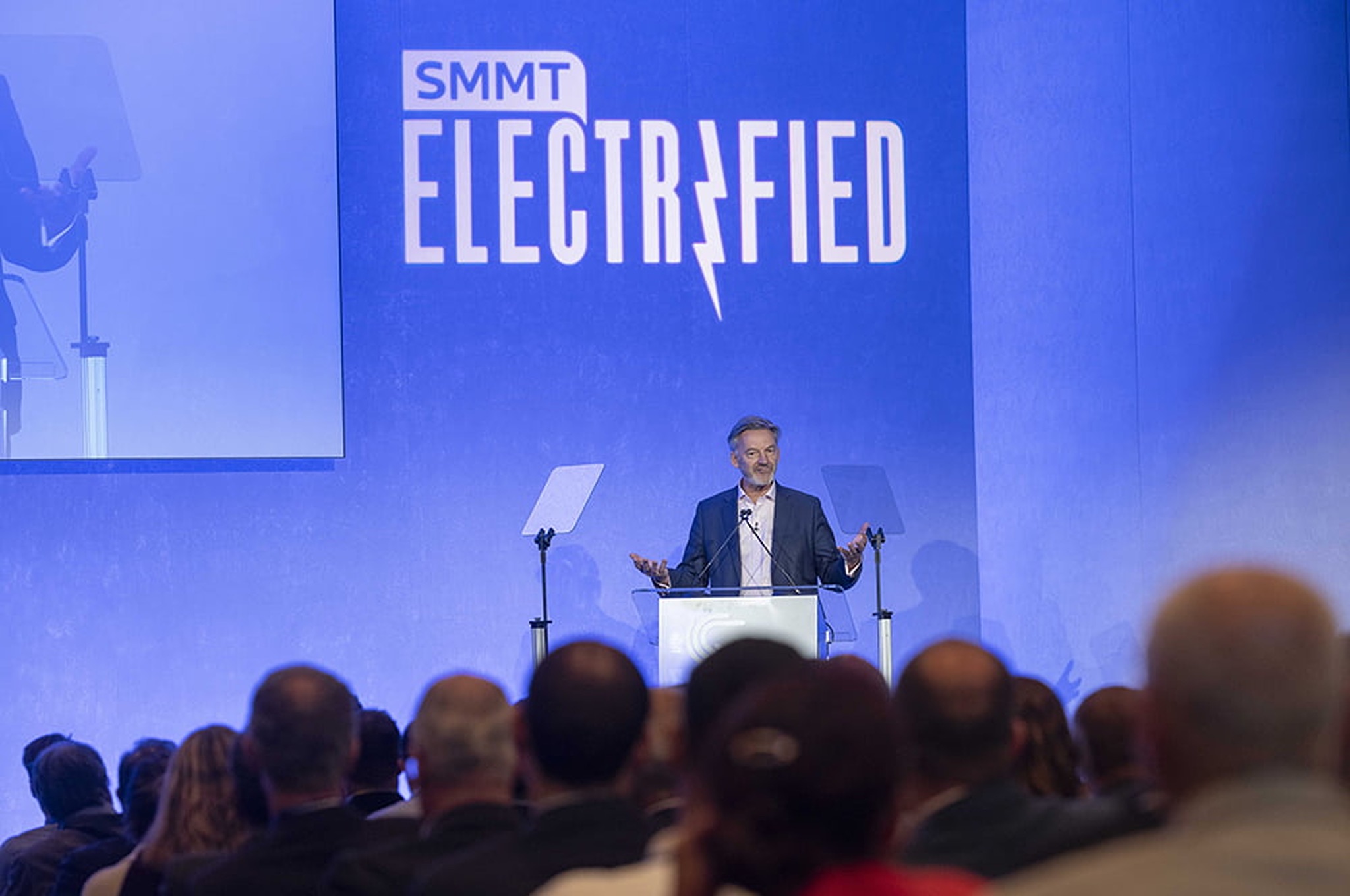
Mike Hawes said that the SMMT had always been against the proposal, but that the changing conditions meant it was even less palatable. “We’ve said previously that it would be the wrong measure at the wrong time. When the idea of pay-per-mile was first discussed, it was linked to 2028 – which is exactly when the EV mandate ramps up significantly. But the impact of that announcement is immediate. Consumers hear that they will soon face a new tax on EV driving while petrol and diesel cars will not."
Hawes went on to say that the tax risked creating a perceived inequality between electric and combustion cars that would put people off switching. “We all know there is already significant tax within the price of fuel, but consumers don’t see that. They simply see the price at the pump. So the risk is that it weakens demand for EVs at precisely the moment when government should be pulling every lever to encourage adoption.
“It adds confusion. Consumers already hesitate about their next purchase and often think, ‘I’ll have one more petrol car and then switch later.’ Policies like this give them another reason to delay.”
Volkswagen board member Martin Sander was visiting the event from Germany and said that governments should be supporting carmakers and vice versa.
“The broader point is that governments and industry share the same objective: achieving net zero,” he said. “But we also know we have to take consumers with us on that journey. It must remain affordable for both consumers and businesses.
“That’s why stronger cooperation between governments and industry is needed – to design policies that actually support the transition rather than unintentionally slowing it down.”




.jpg?width=600&height=600)


