






The US Department of Commerce has taken away Polestar’s authorisation to sell cars in the country using a provision called the Connected Vehicle Rule that bans software or automated driving systems with origins in China or Russia.
The decision takes effect for 2027 model year cars, which means that Polestar can sell its existing stock of Polestar 3 and 4 models in the country but won’t be able to introduce any more after that.
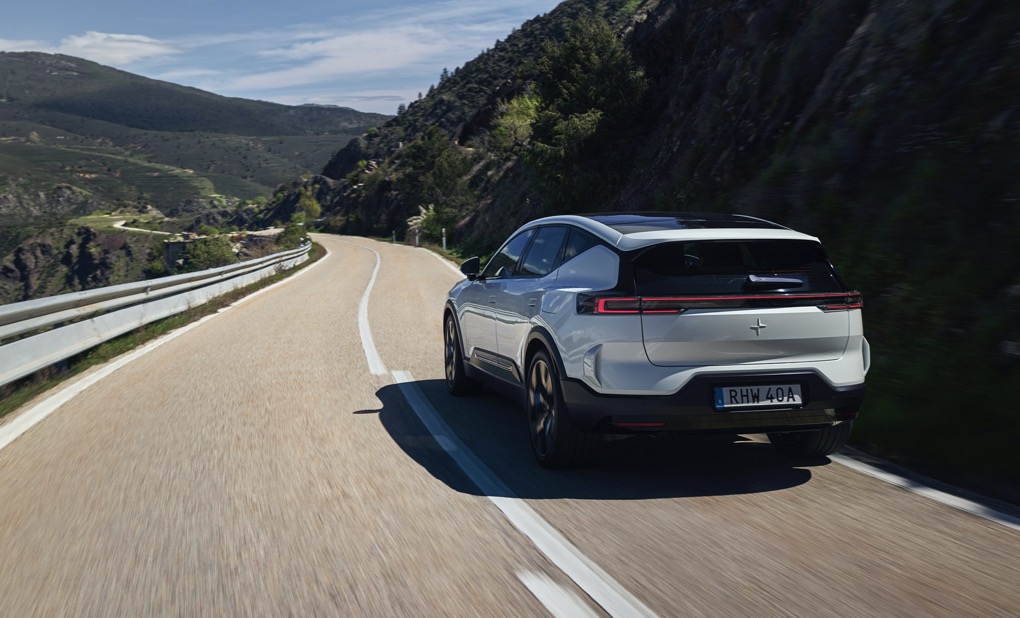
Ironically the Polestar 3 is manufactured in the United States at a facility in South Carolina – there’s been no word yet as to whether production will continue there.
A US spokesperson for Polestar has assured customers that the servicing and support infrastructure for the company will continue for its customers, but reiterated that it would not be selling any new cars in the region.
.jpg)
Polestar HQ released an official statement saying that it would be focusing its efforts on Europe, where 80% of its sales happen and that it didn’t need the US anyway, but behind the scenes the company is understood to be upset about the decision.
According to Polestar’s numbers, just 6% of its sales came from the US market in the first quarter of the year, which lessens the blow of the decision but does show the growth potential that was there for the brand.
The Connected Vehicle Rule was implemented under Donald Trump’s administration and aims to prevent connected vehicles and software that could pose a national security risk to the country.
When we drove the Polestar 3 at launch we didn’t notice any particular national security concerns, though we were slightly bothered that the regen controls were buried somewhat in a touchscreen menu.
Volvo, which is also owned by Chinese carmaker Geely, was recently granted an exemption to continue selling cars in the US, while BYD was added in recent weeks to a list of companies associated with the Chinese military.




 2.JPG?width=600&height=600)


