




Of course we do know what they’ve been smoking in the Netherlands, but they still take their safety certifications seriously, so it’s a big deal when the RDW (Rijksdienst voor het Wegverkeer, or Netherlands Vehicle Authority) officially gives its seal of approval to Tesla’s full self-driving tech.
It must be pointed out at the beginning, though, that full 'full self-driving' hasn’t been approved, the RDW has said that FSD Supervised is what it has rubber stamped.
The ‘supervised’ part of the tech requires that the driver be ready to intervene at any moment, so although they don’t have to have their hands on the wheel, sensors are required to monitor their level of readiness. “It is therefore not permitted or possible, for example, to read a newspaper while driving,” said the RDW. Studies have shown that drivers are quite slow to react to emergency situations in autonomous cars.
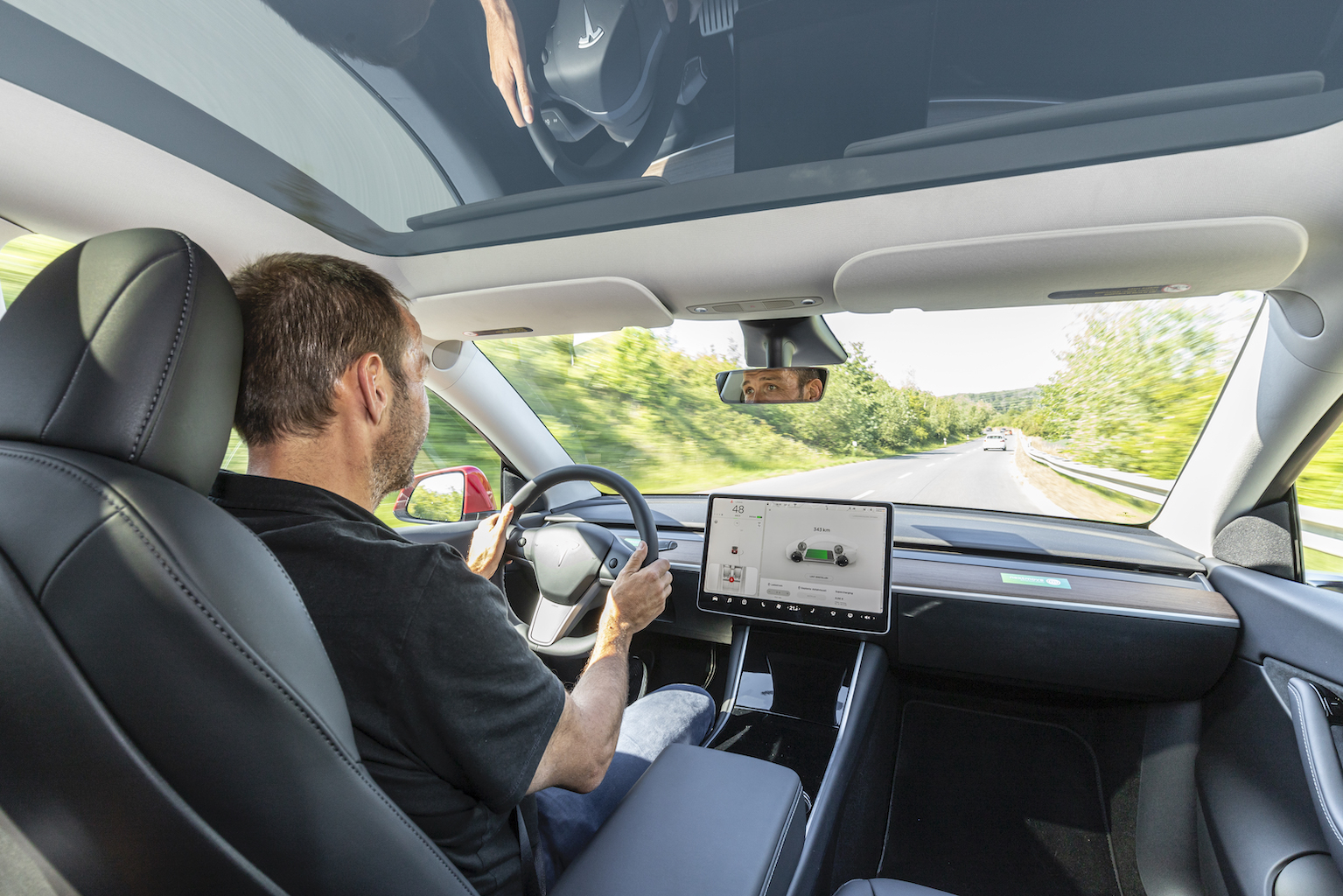
The RDW is the official body in the Netherlands that does type approval for all new vehicles to go on sale in the country – sign-off in the Netherlands doesn’t mean that Tesla’s FSD Supervised can be deployed across the whole of the European Union, it would need to be separately submitted to the relevant EU body and then voted on by member states in committee.
The process of getting sign-off for Tesla’s FSD tech to be allowed in the Netherlands has been very complicated, taking 18 months. Tesla and the RDW have conduction meetings, tests and research studies to reach the decision announced. This is unlike in the United States, where carmakers can essentially self-certify and then use drivers to improve their systems.
An official statement issued by the RDW has sought to clarify some of its reasoning for approving Tesla’s system. “Using driver assistance systems correctly makes a positive contribution to road safety because the driver is supported in their driving tasks; it is a supplement to the driver. Through continuous strict monitoring of the driver in the vehicle, the system is safer than other driver assistance systems.”
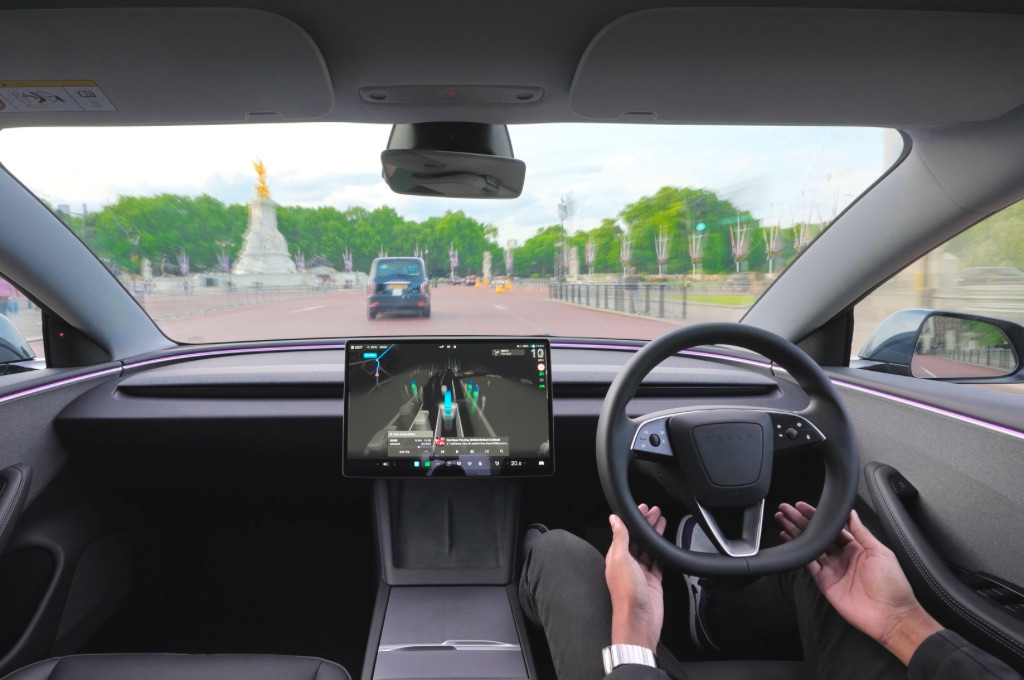
The agency also sought to clarify that with the differences between requirements in the US and Europe, Tesla’s FSD Supervised is not the same as the setup in the United States, and said that Ford had already been certified with a similar system in the EU called ‘BlueCruise’, which also permits drivers to travel with their hands off the steering wheel.
Full self-driving supervised is able to follow a satnav route, can manage lane changes on behalf of the driver and will also park the car for you. Despite the name, widespread deployment of fully autonomous self-driving cars is still a way off, and will require similar levels of assessment by safety authorities before approval is given. Waymo robotaxis are currently pounding the streets of London ahead of official certification for the self-driving taxis that's expected in a few months. Tesla has previously demonstrated the capability of its self-driving tech by sending a car through Sweden.