






Updated: 15 September with confirmed European specifications
Tesla’s Semi truck is set to be launched in Europe, the Texan manufacturer has confirmed.
The tractor unit was unveiled at the IAA Transportation show in Hannover in Germany, with Tesla confirming that the electric truck is set to launch in Europe in early 2027.
It’s been a tumultuous run for the truck in the US – the concept version was unveiled in 2017, Elon Musk said production would start in 2019 but it didn’t get going until 2022 and stopped almost immediately.
Fast forward to spring 2026 and ‘mass’ production of the e-HGV was finally able to get underway at Tesla’s factory in Nevada, where there’s apparently capacity for 50,000 of the trucks every year.
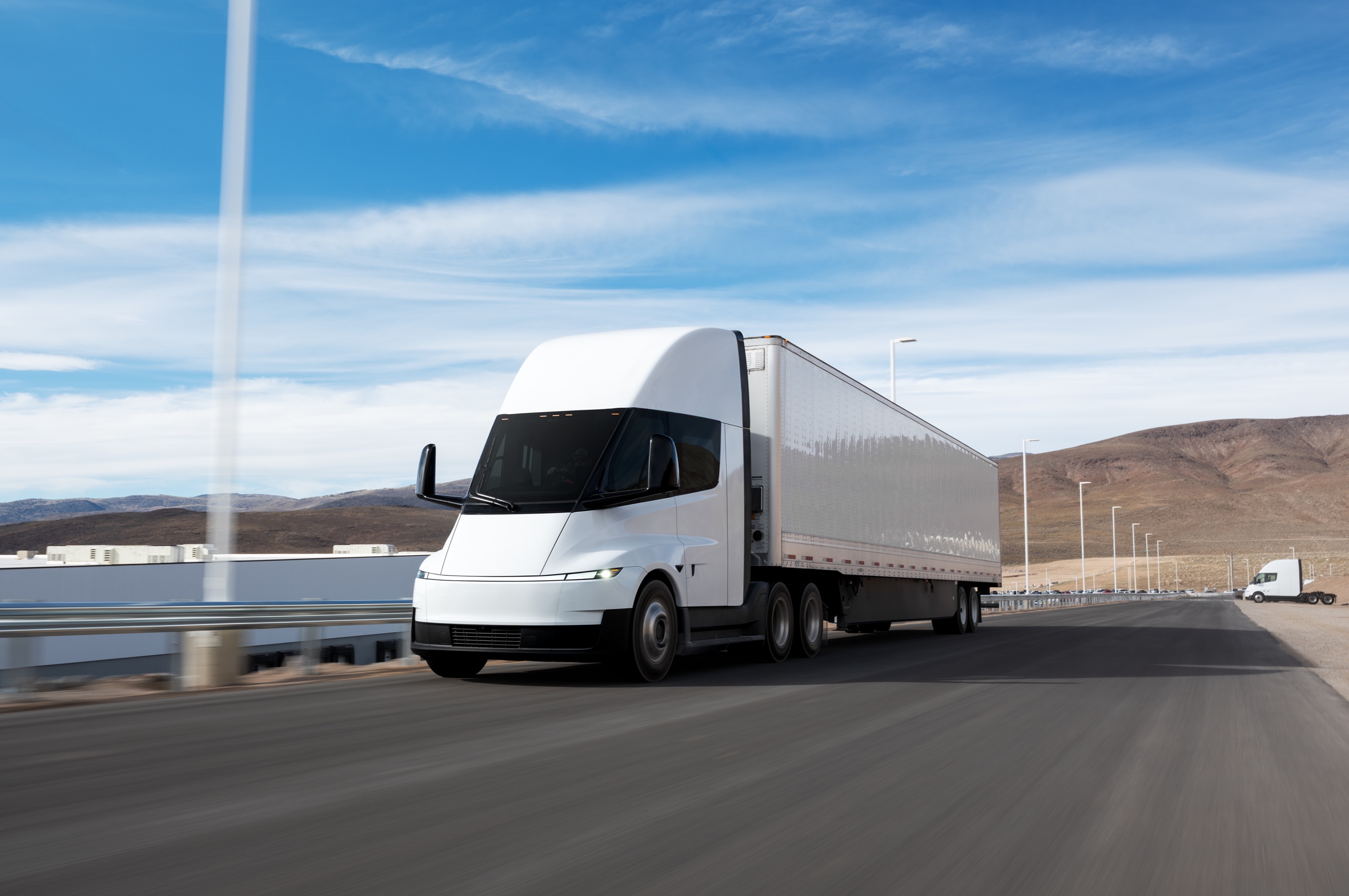
Tesla has said that the truck will have a 342-mile WLTP range and 800kW charging capability to add 60% of range in 30 minutes. It also confirmed that the truck will have an efficiency of 0.6m/kWh.
We did find out the battery size of the truck earlier this year after official documents revealed the Standard Range lorry (that we're getting in Europe) has a 548kWh battery. There's a Long Range version with 822kWh of battery that doesn't appear to be on its way to the UK.
So the US company isn’t going to enjoy the same level of advantage as it did when it first started selling electric cars in the UK then – the Volvo FH Aero Electric e-HGV was launched earlier this year with a 780kWh battery offering 435 miles of range at a similar level of efficiency, albeit less power.
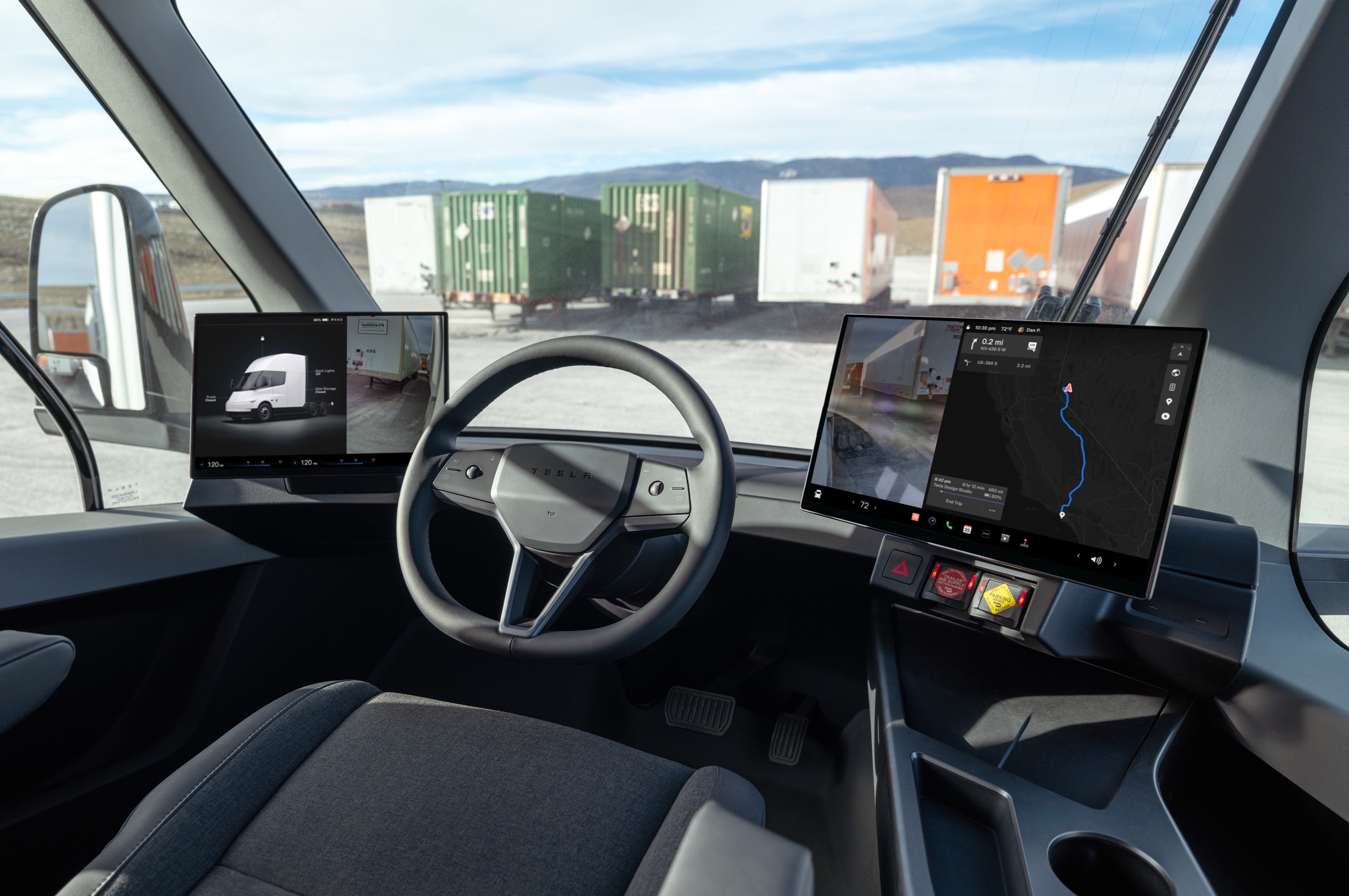
Tesla says that its Semi can charge at up to 800kW on one of its Semi-specific chargers, but hasn’t outlined any plans to install those in the UK yet.
Charge network Gridserve is installing 400kW capable chargers at its hubs around the country, designing the spaces to be used by electric trucks or EVs that need greater accessibility, like vans or tow cars.
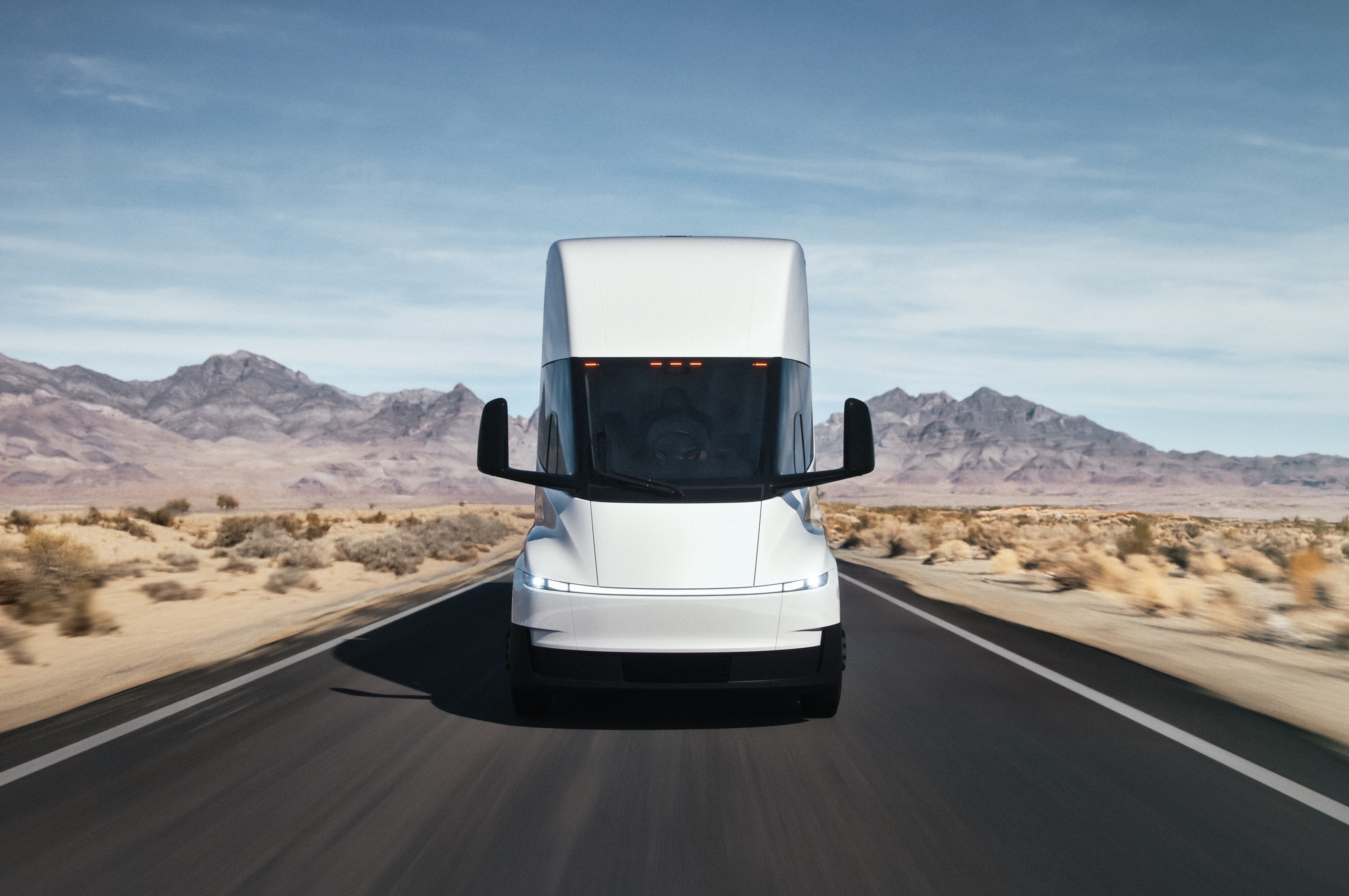
The 9.1-tonne Tesla Semi is at the higher end of what a diesel tractor would weigh, but still fairly competitive, with the caveat that a diesel lorry will get much lighter as its fuel goes down.
The latest figures from the SMMT (Society of Motor Manufacturers and Traders) for the first half of 2026 showed that just 171 zero emission trucks were registered in the year to the end of June, down nearly 7% on the same time the previous year.
There was some cause for optimism though in that the registrations were up nearly 5% just in the second quarter of the year, outperforming the rest of the HGV market.
It all means that there’s some work to be done to convince fleet operators to switch to electric power, but Tesla will presumably have fairly low expectations of how many electric trucks it can shift over here.


.jpg?width=600&height=600)