





Which of these new, long-range, luxury electric SUVs should you be spending your money on in 2026? We’ve compared the figures to find out which is better value.
The electric family SUV is the default family car, these days, so it only makes sense that manufacturers are using their offerings in the space to premiere their latest and greatest tech. Remember when we used to get excited by EVs that could cover more than 300 miles on a single charge? No more! Now, 400-plus miles is the new standard in the large premium electric SUV class. Enter the Volvo EX60, BMW iX3 Neue Klasse, and Mercedes-Benz GLC Electric. All three boast official WLTP ranges of 400 miles or more – the BMW iX3 and Volvo EX60 both managing 500- and 503 miles respectively! Is range anxiety a thing of the past? Looks like it could be.
We’re yet to drive them back to back for a test (watch this space!) but we have driven all of them, so check out the full reviews if you want to know everything about these new-generation electric SUVs. In the meantime, the question of which one is better value - and which one will suit your life better - are key to helping you decide between these three gamechangers.
We’ve put together a comparison, breaking down the key figures that could sway your decision. Do you need an all-wheel-drive EV with the best towing capacity? Maybe it’s all about range and charging speeds? Read on to find out which of the new crop of electric family SUVs is best for you.
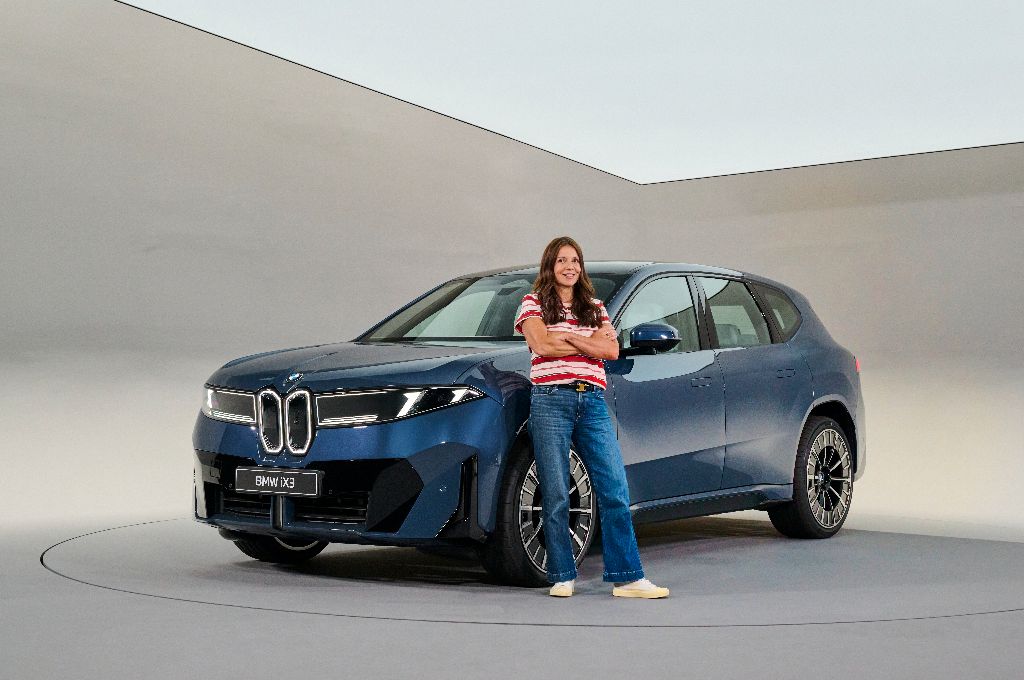
BMW iX3 Neue Klasse
Price: £58,755–£64,455
Max WLTP range: 500 miles
Battery size (usable): 108.7kWh
Max charging rate: 400kW
0–62mph: 4.9 seconds
Boot capacity: 520 litres (plus 58L frunk)
Towing capacity: 2,000 kg
The new BMW iX3 impressed us all when it launched with up to 500 miles of WLTP range. That felt like such a landmark, which the new battery tech in the 108.7kWh NMC pack bringing new levels of efficiency as well as lower carbon footprint for the manufacturing process. Only the Volvo edges the iX3, with a range of up to 503 miles - making the Merc GLC's 405 mile range look a bit underwhelming.
Mind you, the BMW beats the Volvo in the charging department. Up to 400kW of DC charging and 22kW of AC. However, that 22kW AC speed is an optional extra, unlike the Volvo, leaving you with the 11kW standard rate. Furthermore, 400kW fast chargers are currently quite rare in the UK so, in the likely case that you find yourself one of the fairly common 350kW rapid chargers, the BMW and the Volvo will perform identically. It is nice to have a bit of built-in future-proofing, though.
The iX3’s interior caters more towards the tech-enthusiasts amongst us. BMW’s new infotainment system is incredibly responsive and features the all-new Panoramic Display which spans the base of the windscreen and combines the information from a traditional gauge cluster with a customisable selection of six widgets visible to both driver and front passenger. Mind you, if screen wow factor is what you're after, scroll down to the Mercedes GLC Electric details, as that's got the most impressive infotainment system for sheer screenage and visual impact.
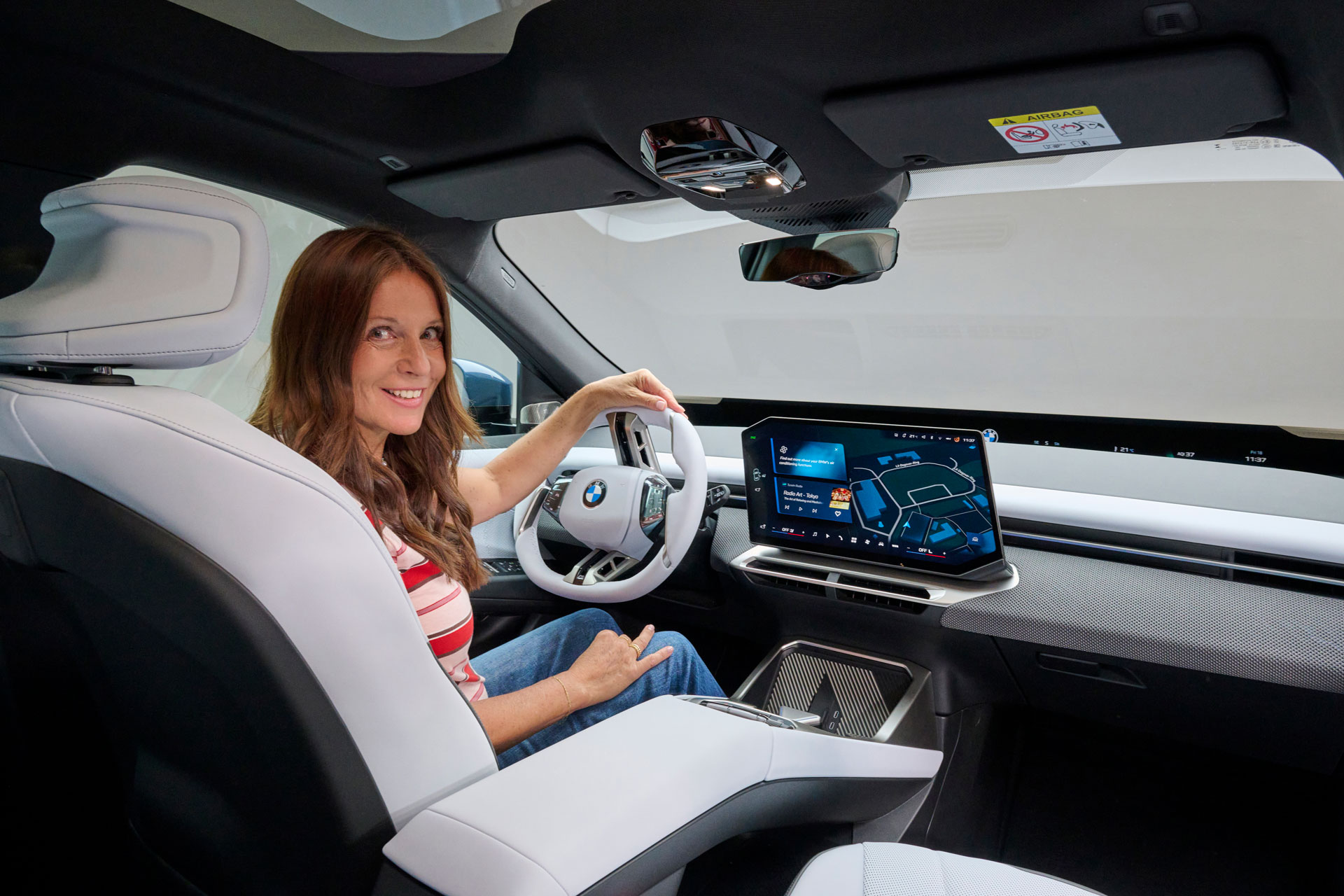
Perceived build quality in the iX3 is easily as strong as Volvo’s offering, though the styling can be a little more subjective. Thankfully, the new-fangled steering wheel is optional for those who prefer a more traditional approach. Storage up front is identical to the EX60 at 58 litres but falls a little short in the boot where you’ll find 520 litres of space with all seats in place.
The iX3 isn’t quite as rapid as the Volvo EX60 P12, but it still packs a serious punch. Power sits at 469hp and it will accelerate from 0-62mph in 4.9 seconds.
Pricing makes the iX3 slightly dearer than the EX60 by base price, ranging from £58,755 to £64,455 on the road, but those prices are for the all-wheel drive BMW iX3 50 xDrive with the 500 mile range - and the base price for the EX60 factors in the shorter range options. So do your maths, as the BMW is still the best value here in terms of range-per-pound.
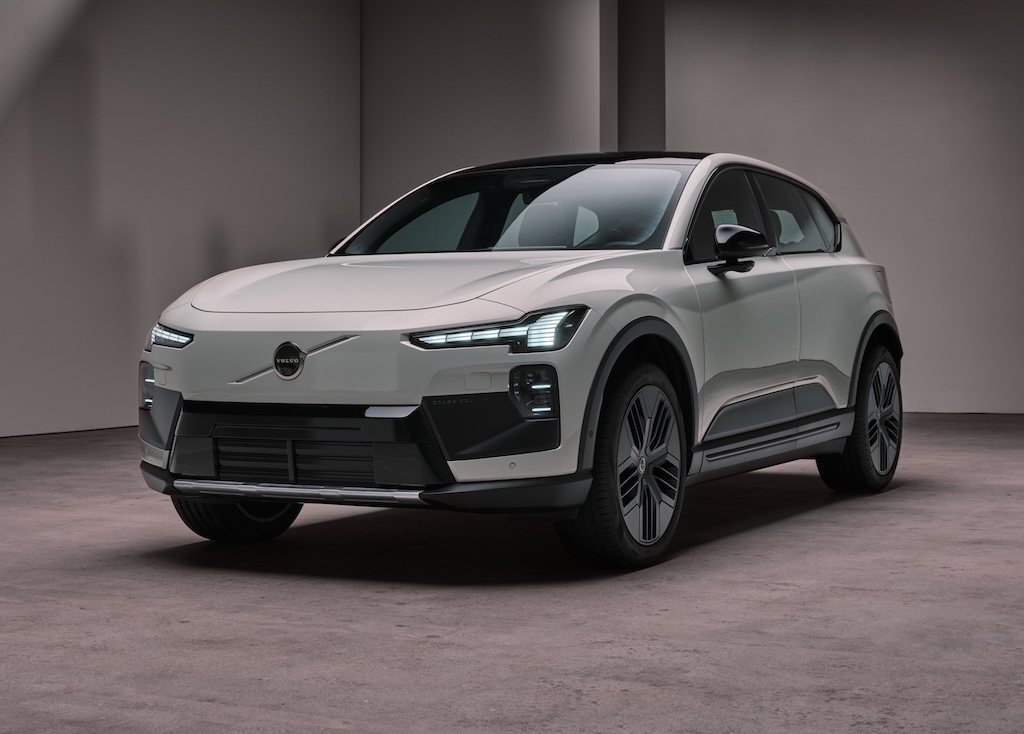
Volvo EX60
Price: £56,680–£64,860
Max WLTP range: 503 miles
Battery size (usable): 80–112kWh
Max charging rate: 370kW
0–62mph: 3.9 seconds
Boot capacity: 634 litres (plus 58L frunk)
Towing capacity: 2,000–2,400kg
The EX60 was the first electric family SUV to break the 500 mile barrier, getting up to 503 miles of range on the WLTP cycle from its 112kWh battery. That puts it at an efficiency figure of up to 4.5 miles per kWh, the second highest of our three.
Range can be added quickly, too, with up to 370kW of DC charging and 22kW of AC as standard. That can get you from 10–80% charge in as little as 19 minutes, adding 210 miles of range in just 10 minutes in optimal conditions.
Interior specs are strong too; the boot is the largest of the three at 634 litres with the rear seats in place. There’s ample storage up front under the bonnet, too, with 58 litres of space (or 86 litres if you choose to leave the warning triangle at home).
Volvo’s interior build quality is as strong as ever and the minimalistic, Scandinavian design has been an attractive sell for most. Nothing feels busy or cluttered and the lack of distraction lends a peaceful character to the driving experience.

In its top spec, the EX60 is unlikely to leave you wishing for more grunt. With 680hp, the EX60 P12 launches this posh electric SUV from 0–62mph in a mere 3.9 seconds, making it the quickest and most powerful option of the three. You'll need to look to the Tesla Model Y or Xpeng G6 to match that performance.
Speaking of options, the EX60 can be had on the road from £56,860 to £64,860 depending on battery size, making it the cheapest of the three by base price. But be careful, as it can works out more expensive than the BMW iX3 if you want the long range model with that 503-mile range.
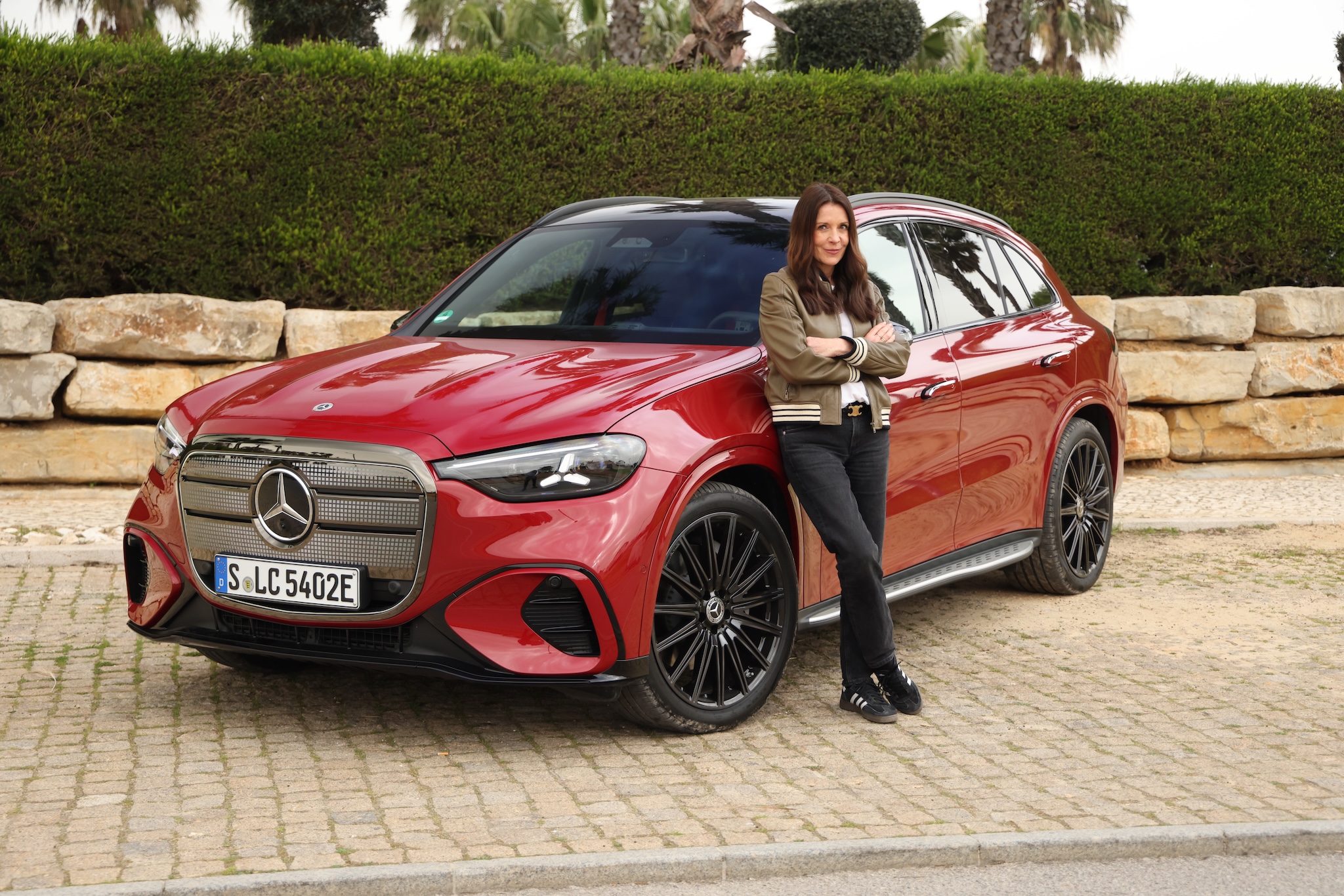
Mercedes-Benz GLC
Price: £60,350 to £73,350
Max WLTP range: 406 miles
Battery size (usable): 94.5kWh
Max charging rate: 330kW
0–62mph: 4.3 seconds
Boot capacity: 570 litres (plus 128L frunk)
Towing capacity: 2.4 tonnes
Last up, the GLC has both the smallest battery and the shortest range of the three. Its 94.5kWh pack lends it a WLTP-rated range of up to 406 miles in its most efficient guise (longer range versions will join the range later, with the GLC expected to offer around 440 miles in other models).
The smaller battery and range figures do lend it a near-identical efficiency rating to the BMW, though, and 4.6 miles/kWh is impressive claimed efficiency. It seems impressive in the real world, too. In fact, all of these SUVs have been good for real-world range when we've driven them, with all three managing around 3.5- to 3.8 miles/kWh in varied road conditions and warm weather, which is good for real-world range of 360 miles in the GLC 400 Electric, and . Still not bad numbers by many standards.
The GLC’s charging speeds also leave a little to be desired when compared to the EX60 and the iX3 with just 330kW of DC charging on offer and much like the iX3, optional 22kW AC charging with 11kW as standard. That means that it’ll add 160 miles in 10 minutes while the others can pack on 200 miles or more in the same time. Again, still an impressive number in a vacuum.
The interior takes tech and screens to the max, extending beyond even the iX3’s efforts. Mercedes’ now well established ‘pillar to pillar’ hyperscreen dominates the cabin with a combined size of a whopping 39.1 inches- enough to make many TVs blush. Thankfully, not every control is buried in a touch interface but those who enjoy physical climate controls may be disappointed.
There’s plenty of space for storage too, the GLC packs the biggest frunk of the three, with 128 litres of space on offer up front. The 570-litre boot beats the iX3 by some 50 litres but still doesn’t quite touch the Volvo’s truly capacious rear end.
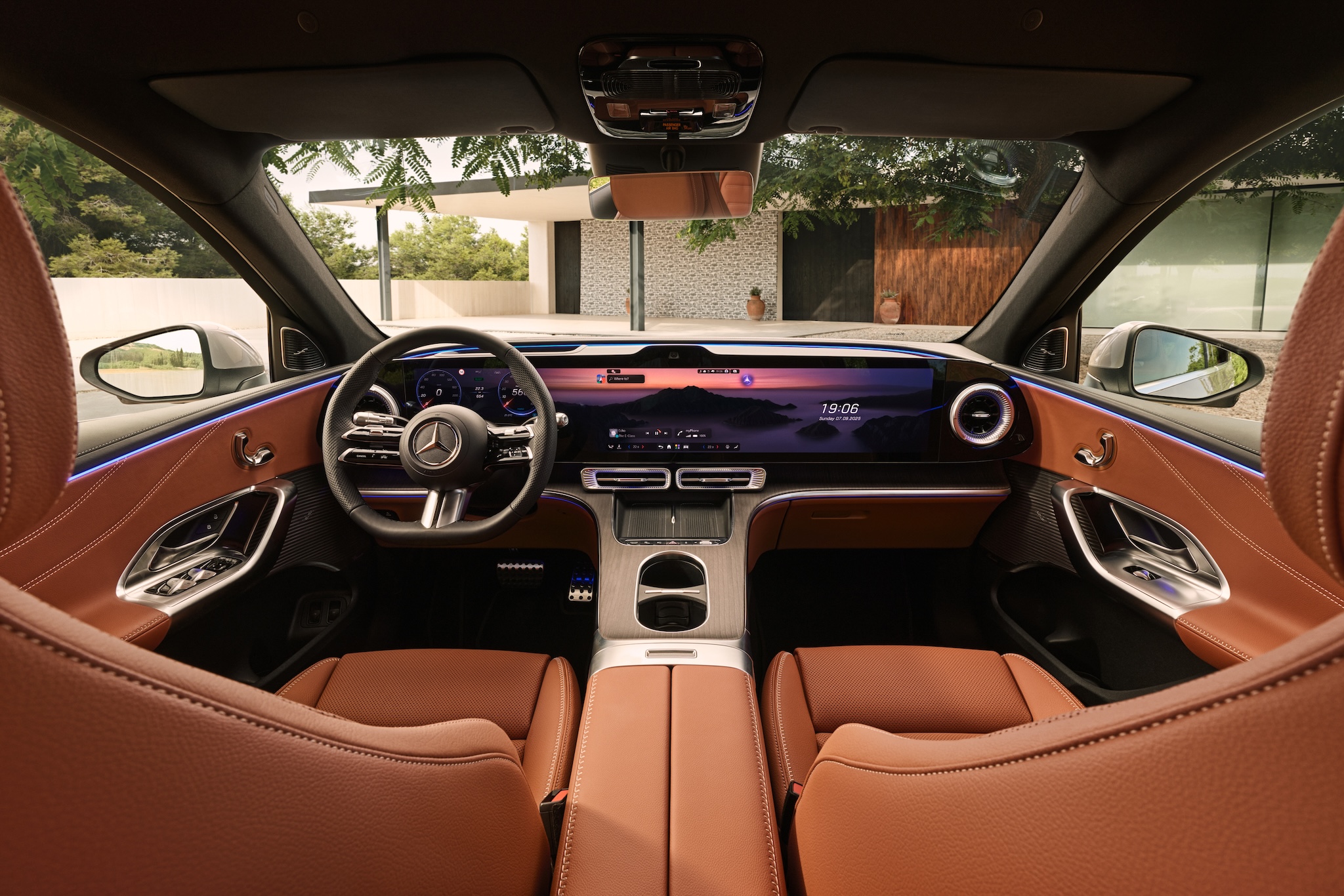
In its most powerful, twin motor spec, the GLC packs 489hp which propels it from 0–62mph in just 4.3 seconds and places it in the middle of the pack. Just behind the ludicrously quick Volvo. There are also rumours of an upcoming 600hp AMG version abound so there may be some more competition to come.
Probably more important to most of us, though, is that the Merc is supremely comfortable if you option the adaptive air suspension – a huge benefit on the UK’s ever-worsening roads. If ride comfort is your priority, then either the Mercedes or Volvo are probably better bets than the iX3, which is not uncomfortable but is certainly the firmer, sportier option.
The electric Mercedes GLC comes in at the more premium end of the market and ranges from £60,350 to £73,350. That makes it the most expensive of the three, but standard equipment is also surprisingly generous even on the base Sport model, and PCP monthly costs are very competitive so spec-for-spec the Mercedes may well work out cheaper than the other two - depending on which version you want and how you're paying!
Which premium, long-range electric SUV is best, then?
All in all, the choices in this class are better than ever in 2026, and it now very much comes down to personal preference. If you want the fastest way to send your family from a standstill to motorway speeds, the Volvo EX60 is the one to get.
But, if you would prefer to feel like you’re sitting in a car from the future – with cushy air suspension – the Mercedes might be the one for you. The BMW iX3 is the sporty one of the bunch with great range, efficiency and tech to boot. The good news is, they’re all great cars so you can’t really go wrong.


 2.JPG?width=600&height=600)
.jpg?width=600&height=600)