





Vehicle excise duty, or road tax, can be a bit complicated to understand sometimes. Since 2001 the charges have been divided into emissions-based bands and the amounts that different cars have had to pay has varied.
Plus, from 1 April 2026 there are changes to the 'expensive car supplement' – also known as the luxury car tax or Tesla tax – read on to find out how much you should be paying.
What are the current EV tax charges?
Electric vehicles were exempt from paying VED for a long time, but this changed on 1 April 2025.
New zero emission cars registered on or after 1 April 2025 pay the lowest first year rate of VED, which applies to vehicles with CO2 emissions between 1-50g/km. This is currently set at £10 per year. From the second year onwards, EVs will be subject to the standard VED rate of £195 per year.
Zero emission cars first registered between 1 April 2017 and 31 March 2025 have to pay the £195 standard VED rate each year from April 2025. This means that all electric vehicles are taxed at the same rate as petrol and diesel cars.
If you drive an electric car that was first registered between 1 March 2001 and 31 March 2017 you only have to pay £20 a year in road tax. We're going to assume that there's no one reading this who's driving an EV registered before 1 March 2001, but if you do – good luck.

What is the luxury car tax/expensive car supplement?
The expensive car supplement was introduced in April 2017, levying an additional tax fee on 'expensive' cars with list prices over £40,000. It applies from the second year of registration for five years afterwards and currently adds £425 a year to your tax bill.
The exemption for EVs was removed in April 2025, but in the 2025 budget statement the chancellor announced that the threshold for EVs would be increased to £50,000 from 1 April 2026. This means in practice that all EVs registered since 1 April 2025 are covered by the new rules.
So if you buy a new electric car with a list price of £50,000 or more, then you'll be liable for the expensive car supplement. You'll pay £10 in the first year, then £620 a year for five years after that. The charges still apply when the car's ownership changes.
It's worth bearing in mind that the £50,000 threshold includes optional extras, so even minor upgrades, such as premium paint or an upgraded infotainment system, could push your vehicle into the taxable bracket. This tax is based on the manufacturer’s official price, not the price you actually paid, so discounts or dealer incentives do not count.
Why has this tax been controversial?
Many in the industry believed the luxury car tax unfairly penalises EV owners because electric vehicles already have higher upfront costs. In other words, the £40,000 threshold was outdated. Unlike petrol and diesel cars, EVs have higher production costs due to expensive battery technology.
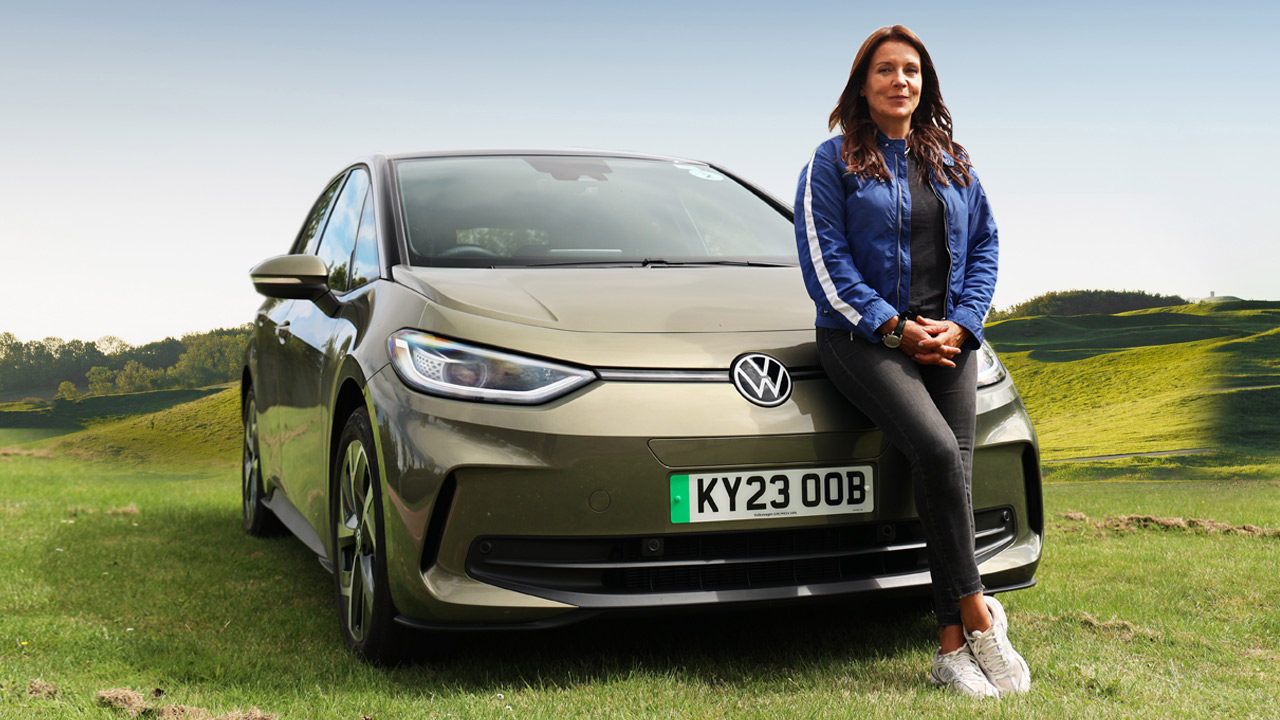
The average price of a new EV in 2024 was £59,735. In 2024, only 24.1% of petrol and diesel cars were priced above £40,000, compared to over 70% of EVs. This meant that even modestly sized EVs such as the Kia Niro EV or Volkswagen ID.3 could be hit by a tax originally meant for luxury vehicles.
What about the pay per mile tax?
In the 2025 budget, chancellor Rachel Reeves announced a new pay per mile tax on electric vehicles that's called eVED, or electric vehicle excise duty. This will be an extra charge to standard VED, and cost 3p a mile for EVs and 1.5p a mile for PHEVs. The new tax isn't being introduced until 2028, but has already proven controversial because of how it's set to increase running costs for EVs.
The government is currently conducting a consultation on the implementation of the eVED, but the proposal is that you estimate your mileage for the year ahead when paying your normal road tax, pay the sum in advance and then settle up any changes the following year.
It's expected that cars will have to have their mileage verified during the annual MOT check, and new cars that aren't yet required to take an MOT test (until they're three years old) will have to visit an accredited MOT centre annually to have their mileage checked.