





When electric vehicles were first starting to become popular, there were lots of concerns about battery life – that the batteries would degrade quickly and become unusable after a relatively short amount of time – but those have turned out to be unfounded so far.
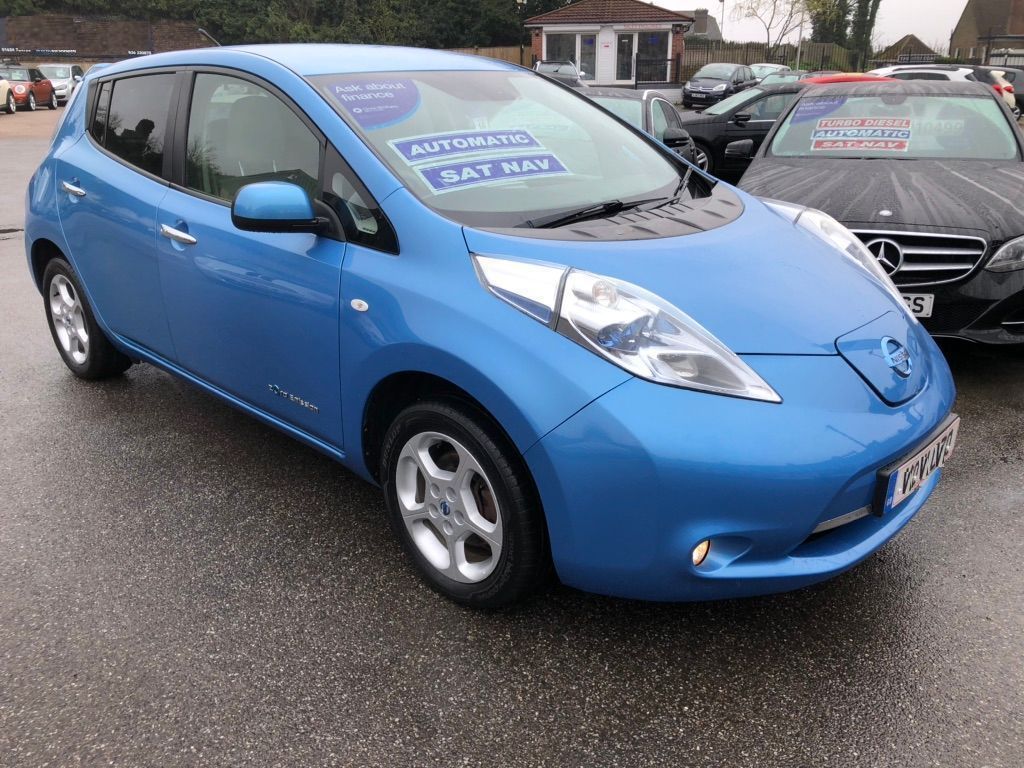
Some of the earliest Nissan Leafs do suffer from reduced battery capacity because of age, but then you remember that the first-generation was introduced in 2010 with a 24kWh battery, so range was already limited, and battery tech has advanced massively in those 16 years.
My mobile battery is terrible after two years…
Well that’s the danger of lots of high intensity charge/discharge cycles – charging your phone a lot and using it a lot are guaranteed to wear it down.
One of the ways that carmakers manage battery life is through building in a buffer so that the battery will last longer – research has found that EV batteries lose around 1–2% of capacity every year, through a combination of age and the number of cycles they’ve done.
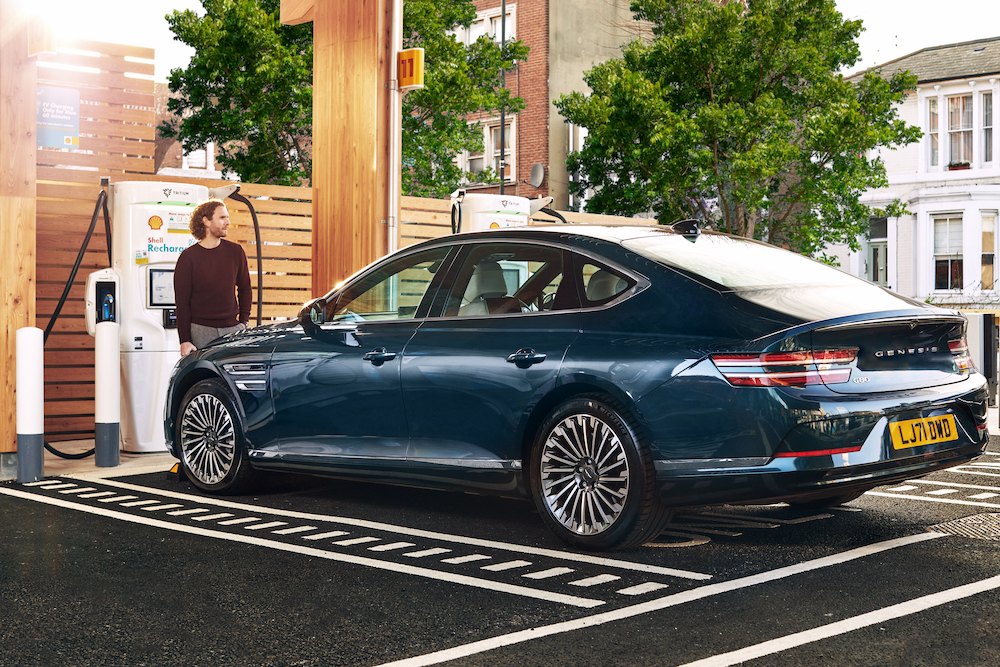
Things like frequent use of rapid chargers and regularly filling the battery to 100% can also have an effect on wear and tear. Conversely, using preconditioning features, charging to 80% and mixing it up with some slow charging can help preserve the battery for longer.
The buffer that carmakers factor in is why we see a difference between the gross and net capacities of EV batteries. But what do those things actually mean? Let’s find out.
What is total (gross) battery capacity?
This number is usually given as a figure in kilowatt hours (kWh) with ‘gross’ written in brackets after it. It’s the total size of the battery, so for example a 64kWh battery would be able to power a 1,000-watt appliance for 64 hours, or a 2kW appliance for 32 hours, etc.
So all that electricity sits inside the battery, but strangely enough it’s not the same amount that you’ll be able to use when driving your electric car – for that you need the net capacity.

What is usable (net) battery capacity?
The net battery capacity is also a kWh figure, but it’s usually accompanied by the word ‘usable’ in brackets and lets you know how much electricity you actually have available to use.
It’s always lower than the gross figure – we haven’t seen an EV yet where you can use the total power available in the battery.
It’s different between every carmaker, too. Let’s take a look at some popular electric models and see what their usable versus total battery capacity is like.
Gross vs usable battery capacity quick comparison | ||||||
|---|---|---|---|---|---|---|
EV model | Gross kWh | Usable kWh | Difference % | |||
Hyundai Kona Electric | 68.5 | 65.4 | -4.5% | |||
Volkswagen ID.4 Pro | 82 | 77 | -6.1% | |||
Ford Puma Gen-E | 53 | 43.6 | -17.7% | |||
BYD Atto 3 Evo | 76 | 74.8 | -1.6% | |||
Mercedes-Benz EQS 450+ | 125 | 118 | -5.6% |
Is part of the battery unused?
No – while there’s a gap between the battery capacity available to you and the actual gross battery capacity, what actually happens is that the software manages the battery cells so they all get a chance to have a little rest.

What’s the point of having a buffer?
The more a battery is used, the shorter its lifespan, to put it briefly. A larger capacity battery with a bigger buffer is less stressed than than a smaller battery with a smaller buffer but the same usable capacity.
There’s less heat produced as a wasteful side product when a battery is less stressed, too, which enhances overall performance and efficiency.
Can usable capacity change?
It won’t change from day to day, but there have been instances where carmakers have decided to change the usable capacity on cars once they’ve had a bit of experience with their electric powertrain setups.
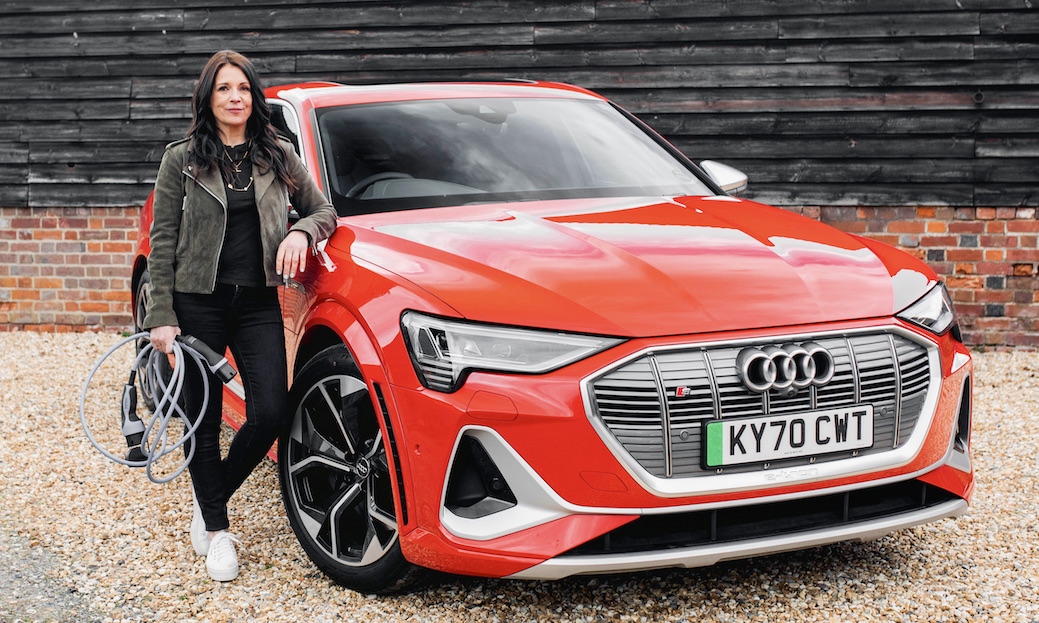
In 2020 Audi did a free update for e-tron SUV drivers which increased the usable capacity by 3kWh and released a whopping 12 miles of WLTP range. Not to be sniffed at. Over the air updates had barely been invented back then though, so you had to go to a garage and get the software installed.
This was all possible because Audi’s engineers had been super careful with their 95kWh battery. A similar thing happened in 2022 when Ford Mustang Mach-Es got an update that bumped the usable capacity up a few kWh and there was partying in the streets.