





In a nutshell (in case you're busy): The zero emission vehicle (ZEV) mandate is the UK's system that tells carmakers what proportion of electric cars they need to sell each year to get to a proposed ban on pure petrol or diesel cars by 2030 and 100% electric sales by 2035.
The government says those targets aren’t changing, but it’s just started a consultation on whether the annual targets (and how they are calculated) need to change. Nothing will actually change until next year, if it’s going to. Everyone might decide they’re happy how they are.

What is the ZEV mandate?
The zero emission vehicle mandate is the ladder that gets us to the government’s 2035 goal of 100% zero emission car sales.
The ZEV mandate was introduced in 2020 by prime minister Boris Johnson as part of his overall goal for the country to reach ‘net zero’ emissions by 2050. Net zero means that we’ll still be producing some emissions in 2050, but they can be offset by other means of capturing emissions. That’s expensive, though, so the best thing is simply not to produce the emissions in the first place.
The ZEV mandate set out a 10-year plan to phase out purely petrol and diesel engined cars in the run-up to 2035’s ban on any petrol or diesel engines.

Rishi Sunak changed the rules in 2023, keeping the 2035 deadline but shifting the 2030 one back so that petrol and diesel cars could still be sold. Then Keir Starmer (above) changed it all back again in 2024. Confused? We all are.
Each year has seen the proportion of EVs that need to be sold going up (it’s 33% in 2026) and carmakers can face fines of up to £12,000 for every car that’s over their allowance.
Each carmaker has a different percentage it has to reach based on a variety of criteria – companies are able to pool their resources, so a company like Tesla that only sells EVs can lend some of its credits to another company. Ideally in return for a load of cash.

Why is the ZEV mandate being reviewed?
The government committed to reviewing the ZEV mandate “by 2027”, to make sure it was all working properly and that everyone was buying electric cars. The European Union is in the process of watering down its own 2035 ban, so it was assumed that the UK might row back on its own goals.
There has been pressure from the car industry saying that the deadlines are too strict and that the demand for EVs is being artificially propped up (though that’s exactly what the government wanted, to be fair – it says in the consultation document that the ZEV mandate is supposed to both create EV demand and a solid reason for people to invest in developing the tech).
Will the 2030 petrol and diesel ban change?
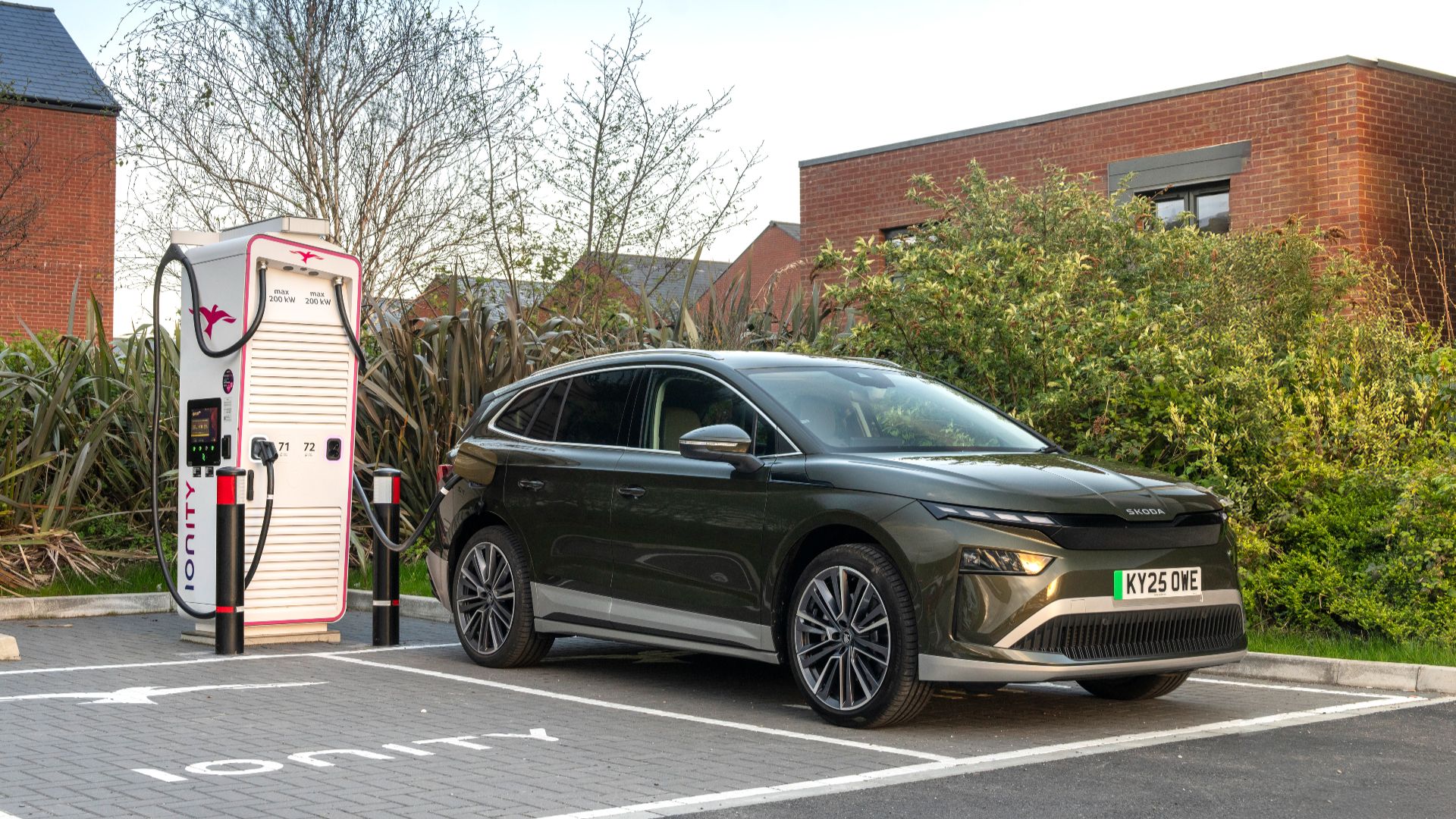
It seems not – “the UK government's commitment to phasing out new petrol and diesel cars by 2030, and all new non-zero emission cars and vans by 2035, is unwavering.” The consultation paper couldn’t be any clearer.
What the government says it’s inviting views on, is how we get first to 2030 and then to 2035.
The percentage targets for carmakers between 2030 and 2035 haven’t been published yet, but whole path to get from 2027 to 2035 now seems to be on the table – carmakers are being told that the petrol and diesel ban is happening, how do they want to get there?
What is the government consulting on?
There are three aspects to the consultation – are the annual ZEV targets right, should there be more flexibilities for carmakers in meeting their targets, and are there alternative ways to stimulate EV demand.
Are the ZEV targets right? “Any amendments to the trajectories will not change the destination” says the consultation paper. The 2030 target of 80% EV sales might get changed, but the 2030 ban on pure petrol and diesel engines won’t. The government is proposing a softer trajectory over the coming years to give carmakers an easier ride, but it’ll mean that the final run to 2035 will be much tougher.
Should the rules around compliance change? Carmakers can currently use reductions in their ICE and hybrid emissions compared with what they were in 2021 and turn them into ZEV credits – those calculations could change. Likewise, the government could make it even easier to trade credits between manufacturers.
Are there alternative ways to increase EV sales? Answers on a postcard to The Government, London. Or you can respond to the consultation online here.
What could the ZEV mandate review mean for car buyers?
Functionally not much is changing – technicalities in the proposals, such as how PHEV emissions are calculated for the purpose of ZEV credits, could mean that new Chinese manufacturers might have a rethink on how attractively priced their plug-in models are.
One thing the government has confirmed is that hybrid models (like the Yaris Hybrid and Renault Clio E-Tech) will be allowed on sale after 2030, but mild hybrids won’t, because they can travel in zero emission mode for any significant amount of time.
When will we know what happens to the ZEV mandate?
The consultation has already opened, and runs for 10 weeks until 23 October 2026. There are 45 questions involved, so you’ll probably need until then to fill out the form.
The government will consider the responses and says it intends to complete its ZEV mandate review by early 2027, so we can expect announcements around possible amendments and whether new legislation is required to happen then.
What are people saying about the ZEV mandate consultation?
Electrifying founder Ginny Buckley just wants some policy certainty: “I’d rather see no change to the existing mandate, however, life is all about compromise. Whatever government decides, it then needs to stick. Drivers need confidence in where we’re heading, and the charging industry needs certainty to keep investing ahead of demand.”
Delvyn Lane, who is in charge of Instavolt (no pun intended) agrees with Ginny: “Ultra-rapid charging investment doesn’t happen on the back of uncertainty. We’ve invested hundreds of millions of pounds into the UK’s charging network because government policy gave us a clear runway to plan against. Softening the mandate at this stage risks spooking exactly the private capital that’s been building the infrastructure this transition depends on.”
Ian Coucher, chair of ChargeUK, said the government should be bold: “There is limited public support for slowing the EV transition and we know millions more people would make the switch if it was affordable for them. So the government has an opportunity to deliver a voter-backed win for people’s pockets by doubling down on the ZEV mandate and cutting the policy costs pushing up public charging prices.
SMMT boss Mike Hawes wants the government to slow down, though: “Regulatory targets are now running ahead of current consumer demand, so this review is a timely opportunity to optimise the pace of change. This is a regulation that increasingly dictates consumer choice – and therefore automotive companies’ future strategies and viability – so it must work for all involved.”