





 Battery size: 27.5 kWh
 WLTP range: 161 miles
  Charging speed: 50kW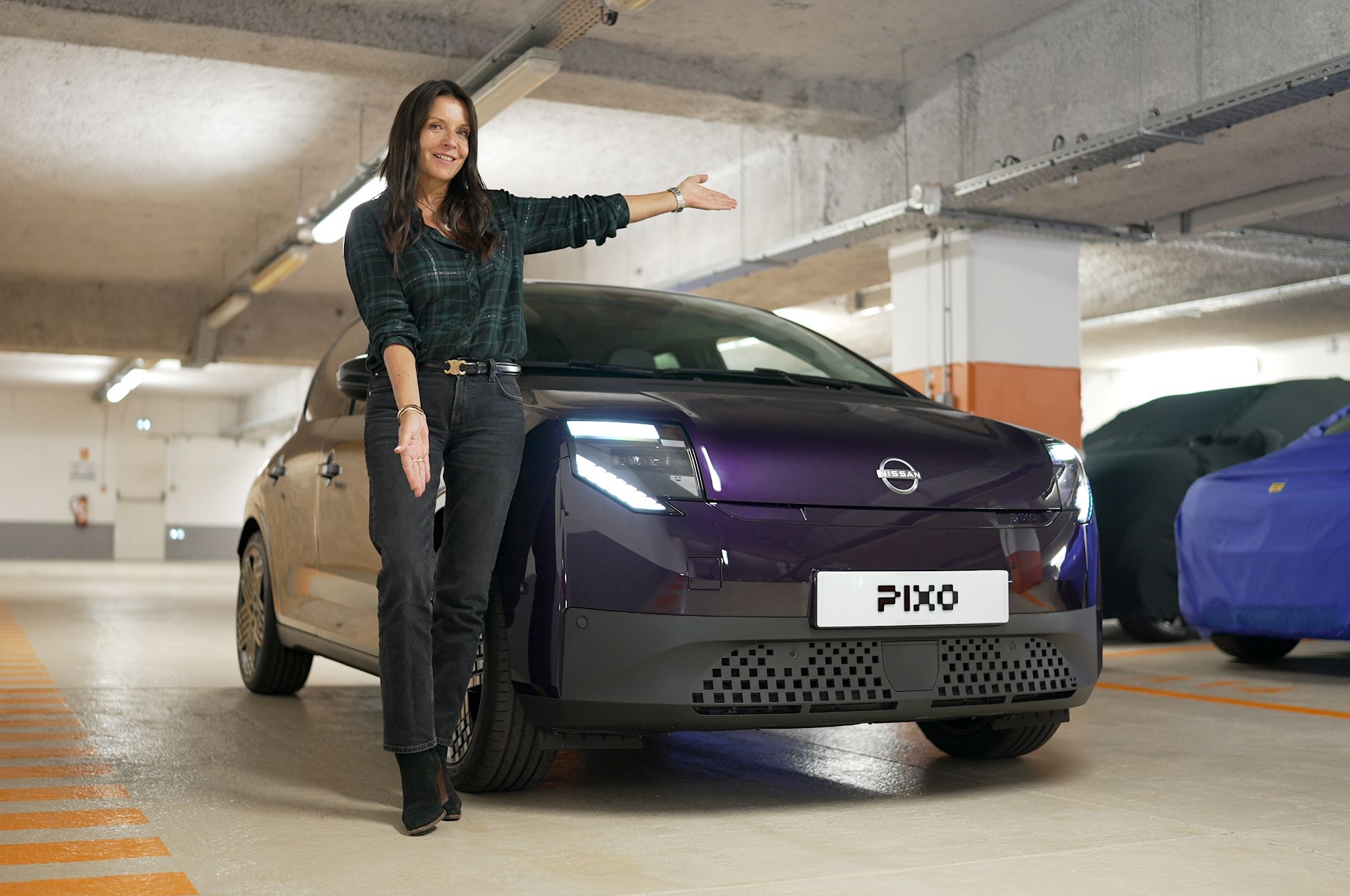



Introduction
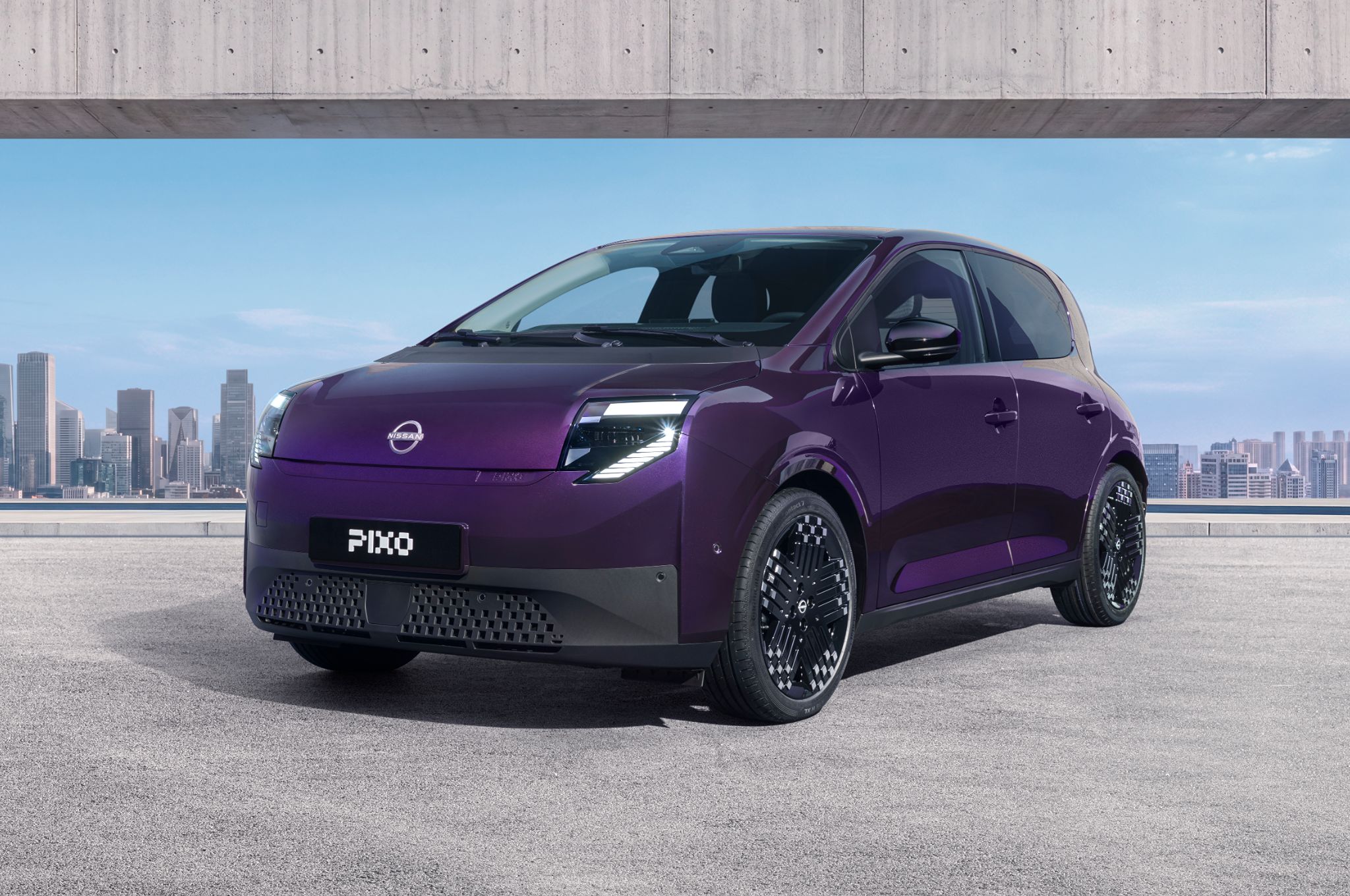
The name might be familiar from the slightly drab petrol supermini of many, many years go, but everything else has changed for the new Nissan Pixo. This electric city car shares its battery, motor and plenty of technology with the Renault Twingo, but the Japanese maker has bright new styling, different colour, different interior design and more to make its most affordable electric car feel… well, like a Nissan rather than a Renault.
And I think they’ve done a good job! I had a last-minute call to rush across Paris and see the new Pixo, and I’m glad I went as it did impress me.
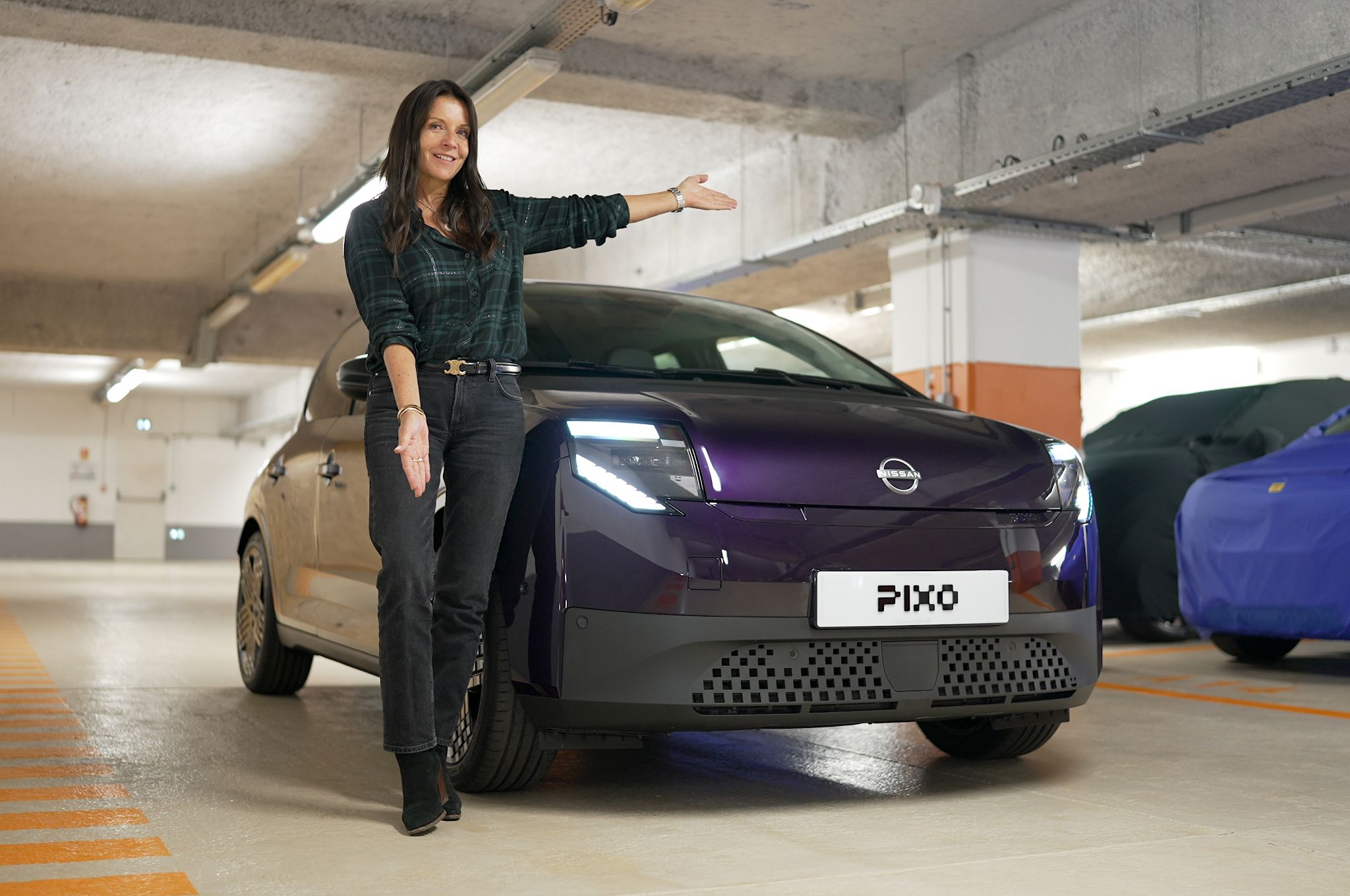
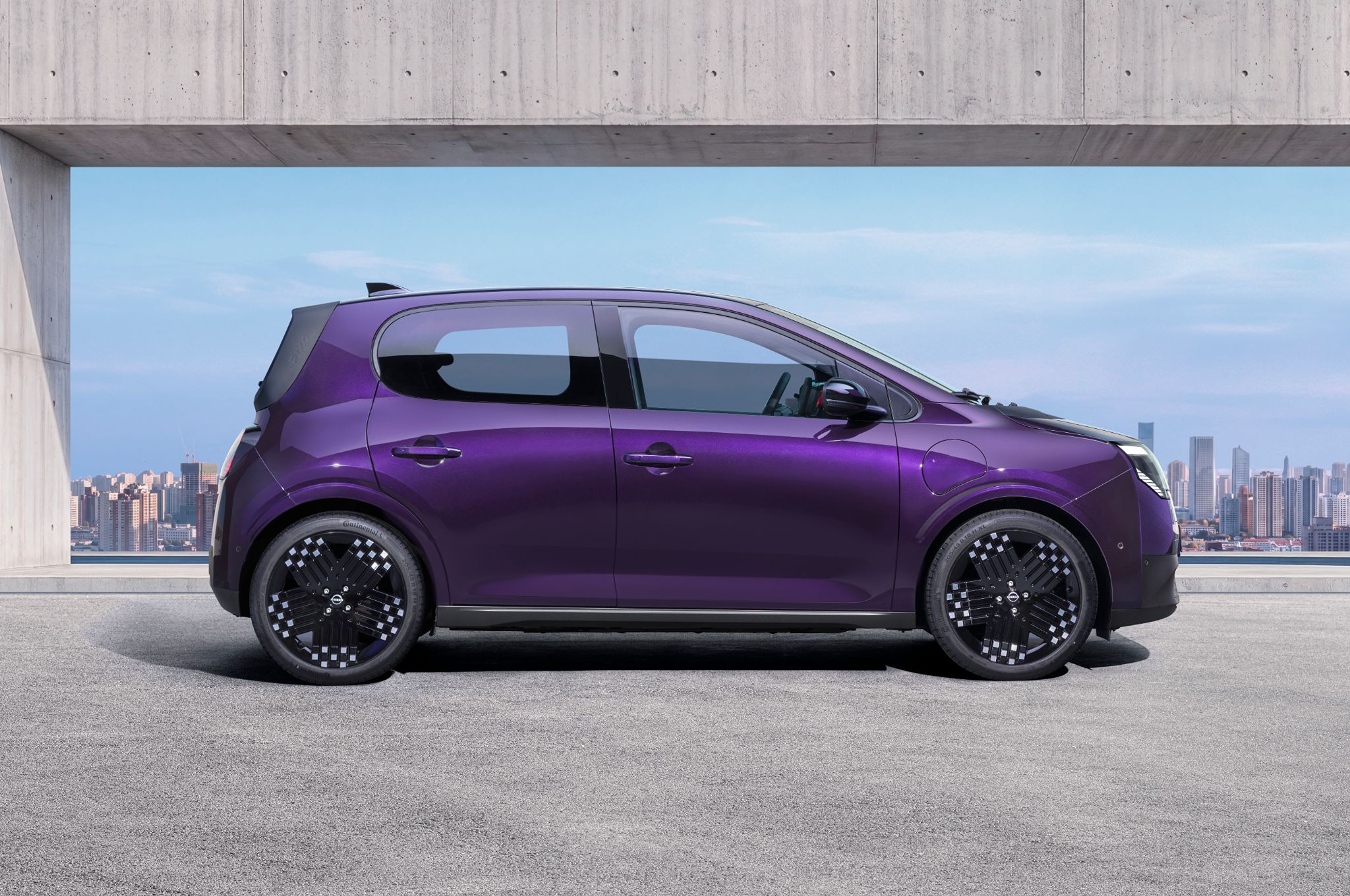
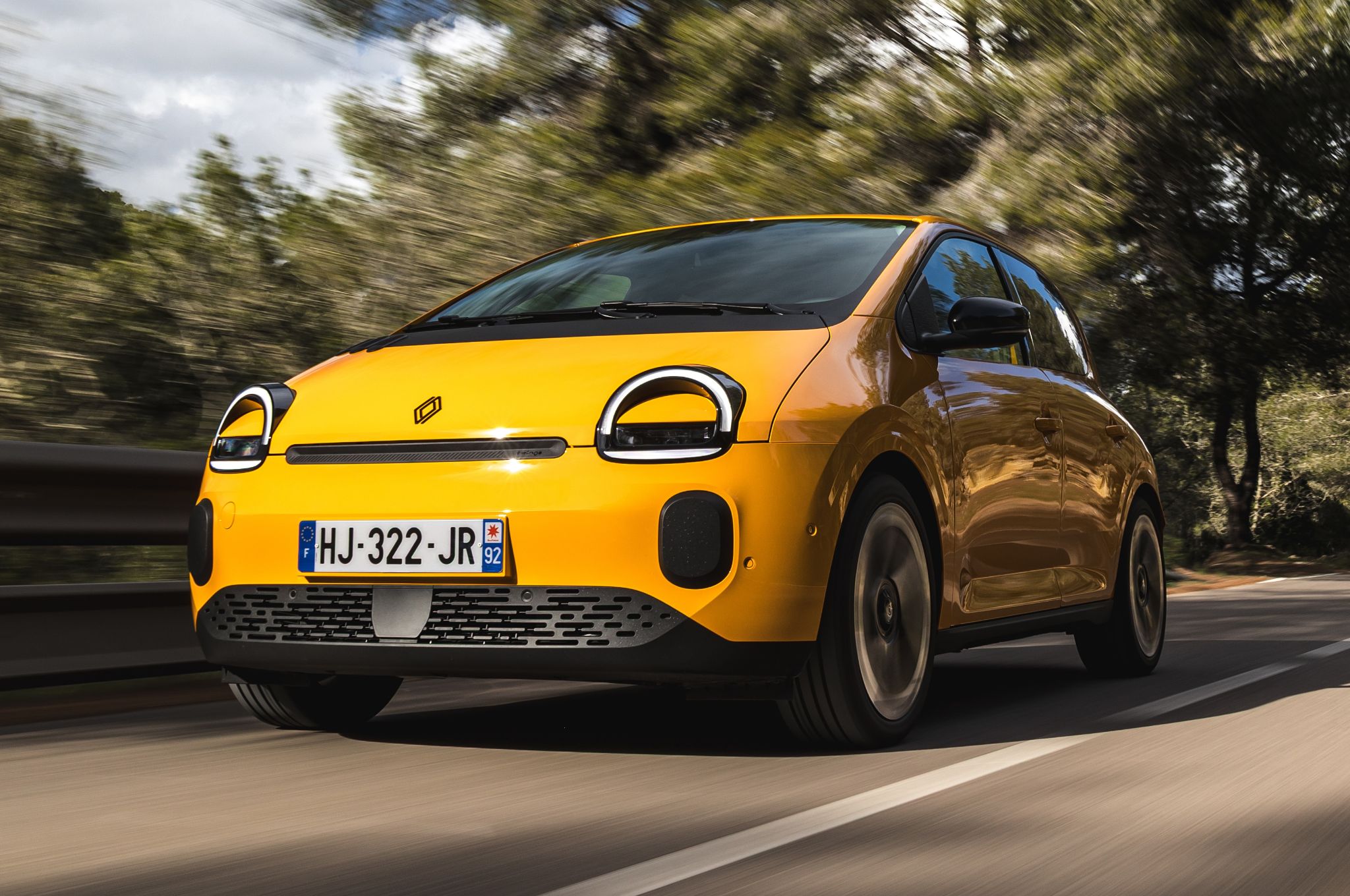
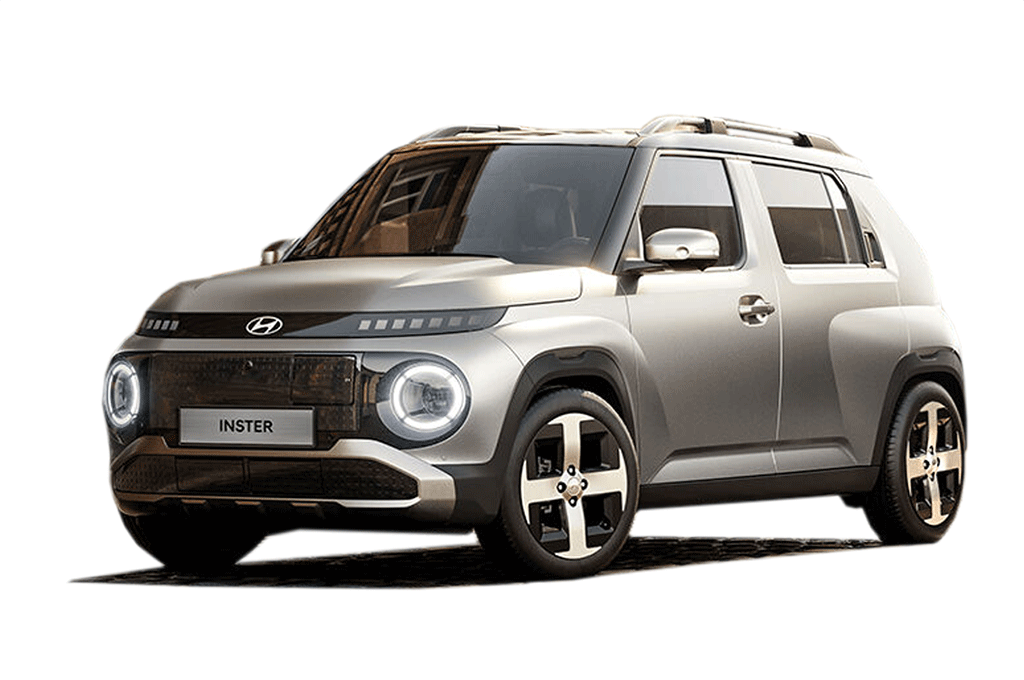
Obviously, it’s a small, four-seat EV measuring 3.79 metres long and 1.72 metres wide, making it 11cm shorter than the Micra. It’s also almost identical in size to the Twingo, Dacia Spring, Honda Super-N and Hyundai Inster, but is a bit smaller than the BYD Dolphin Surf and Citreon e-C3 Urban.
It’ll be built at Renault's factory in Slovenia alongside the Twingo and Dacia Spring, and shares its 27.5kWh LFP battery, 82hp front-wheel drive electric motor and some important interior components with the Renault.
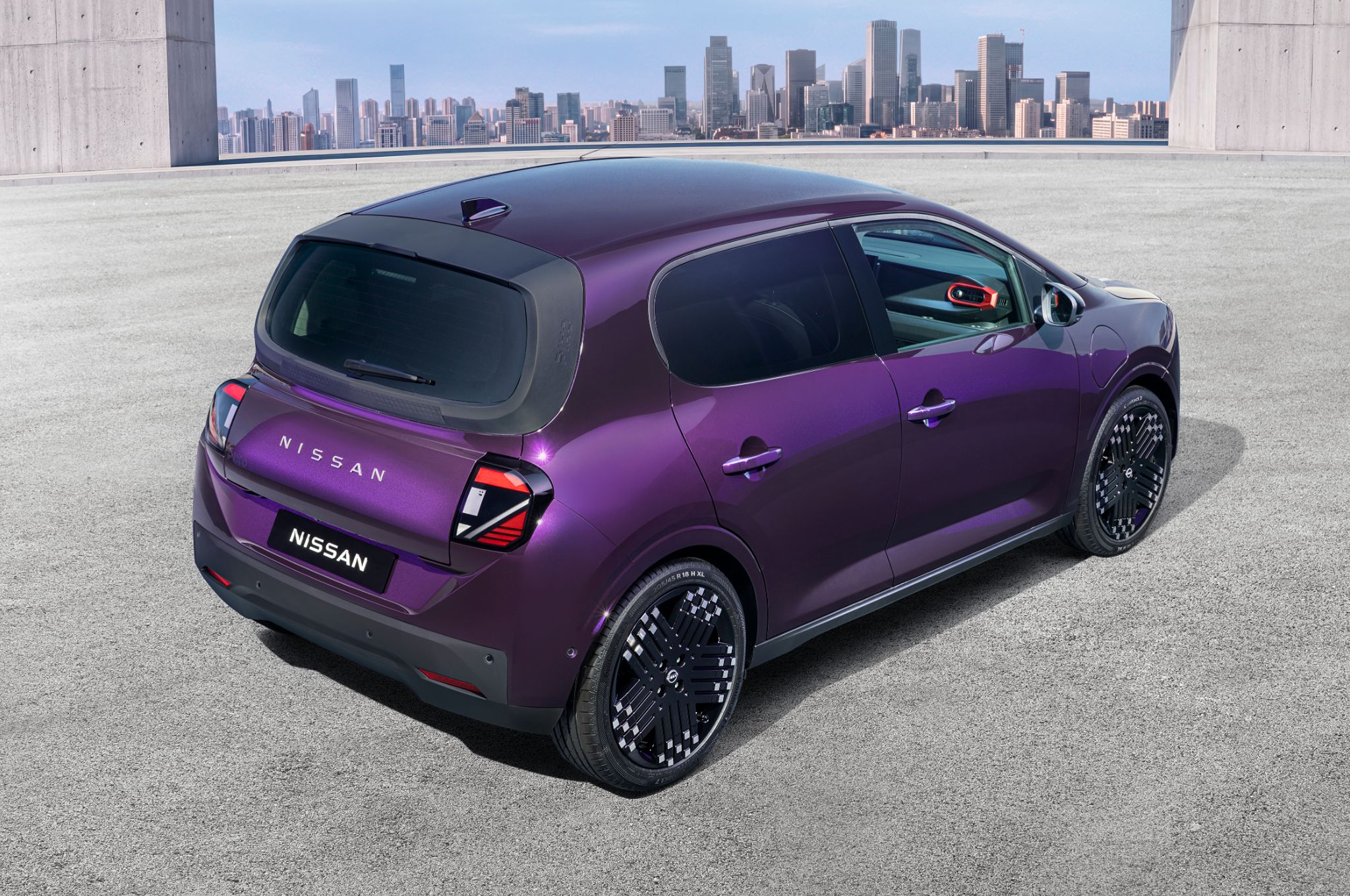
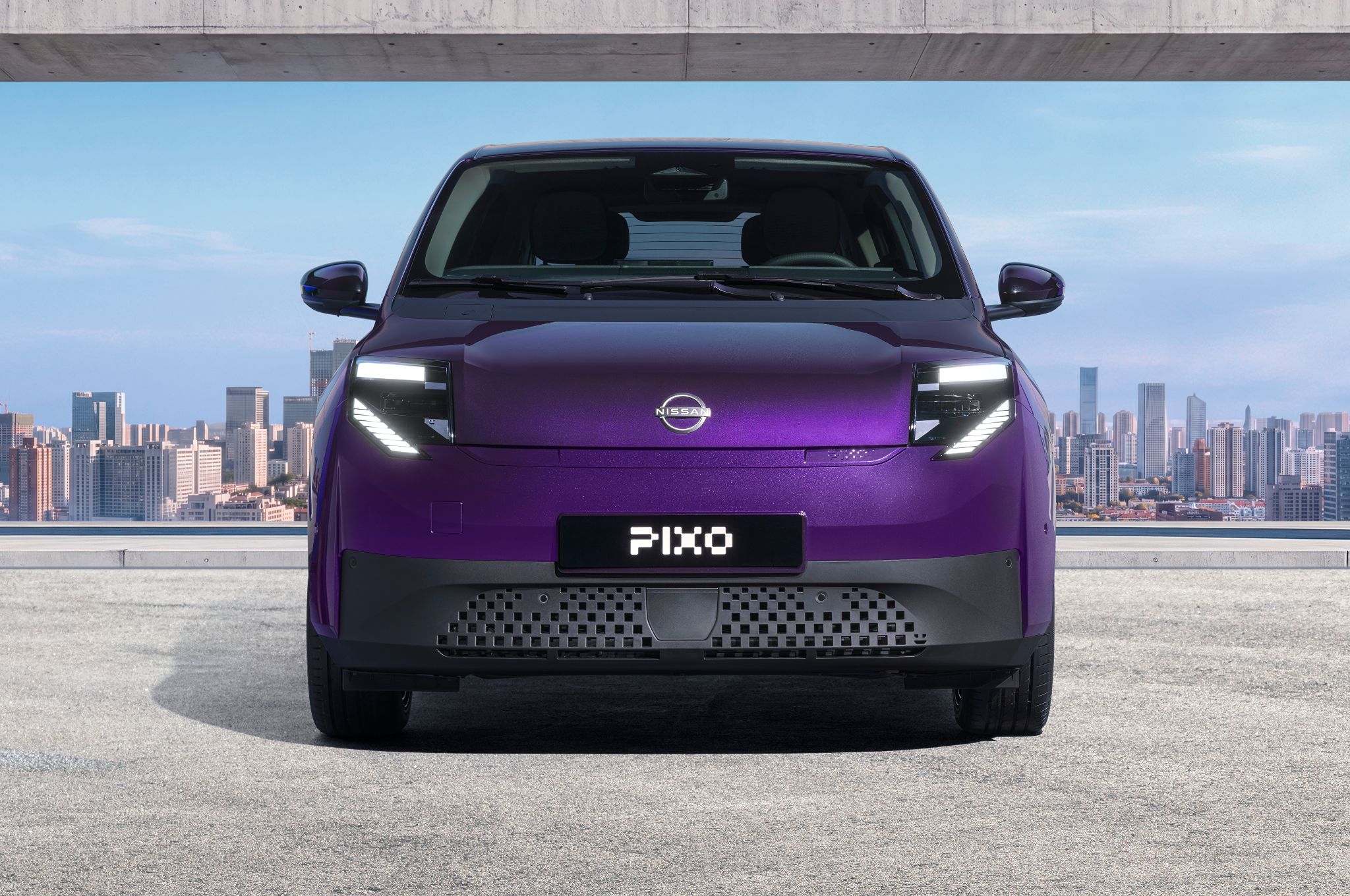
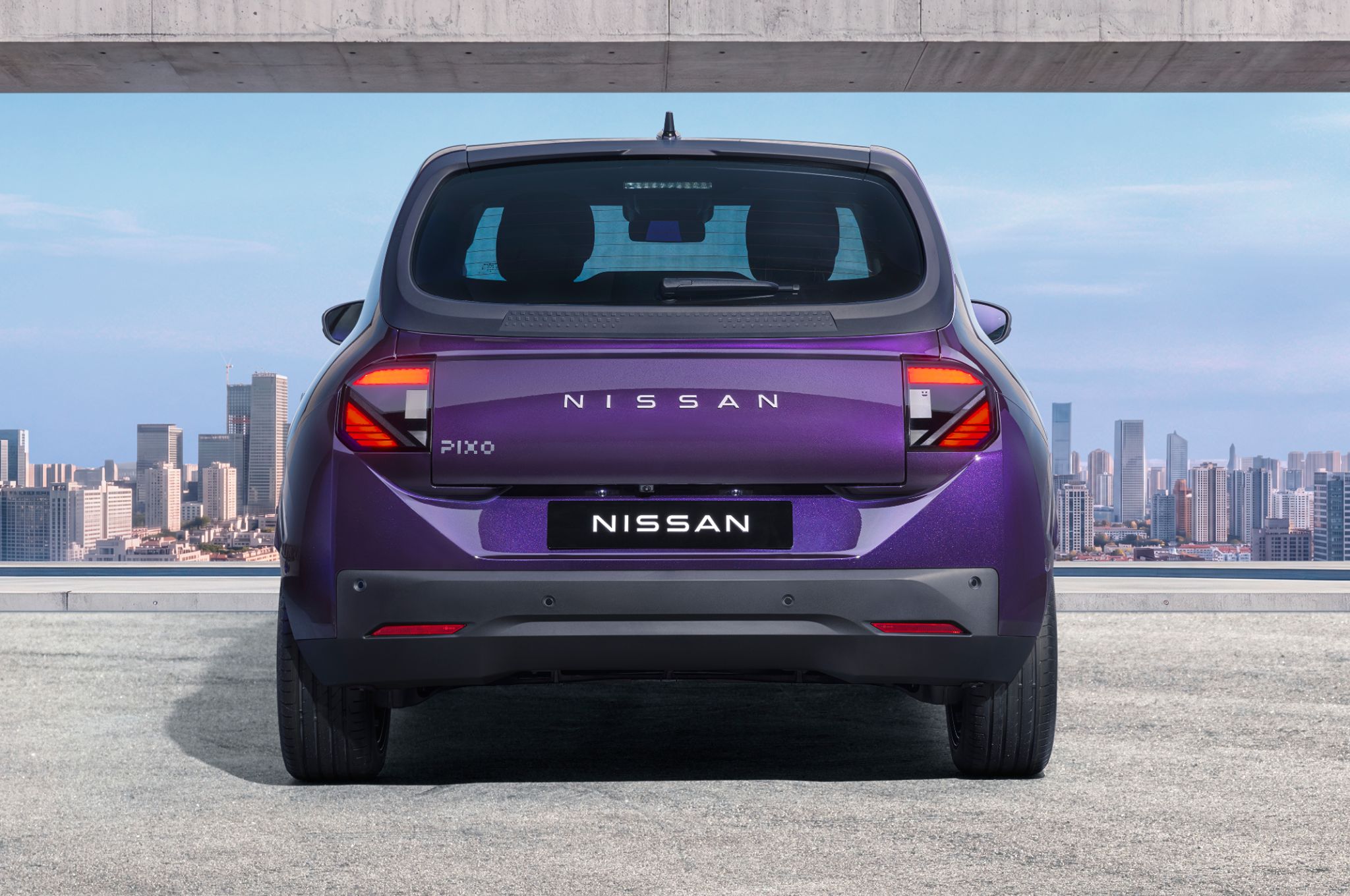
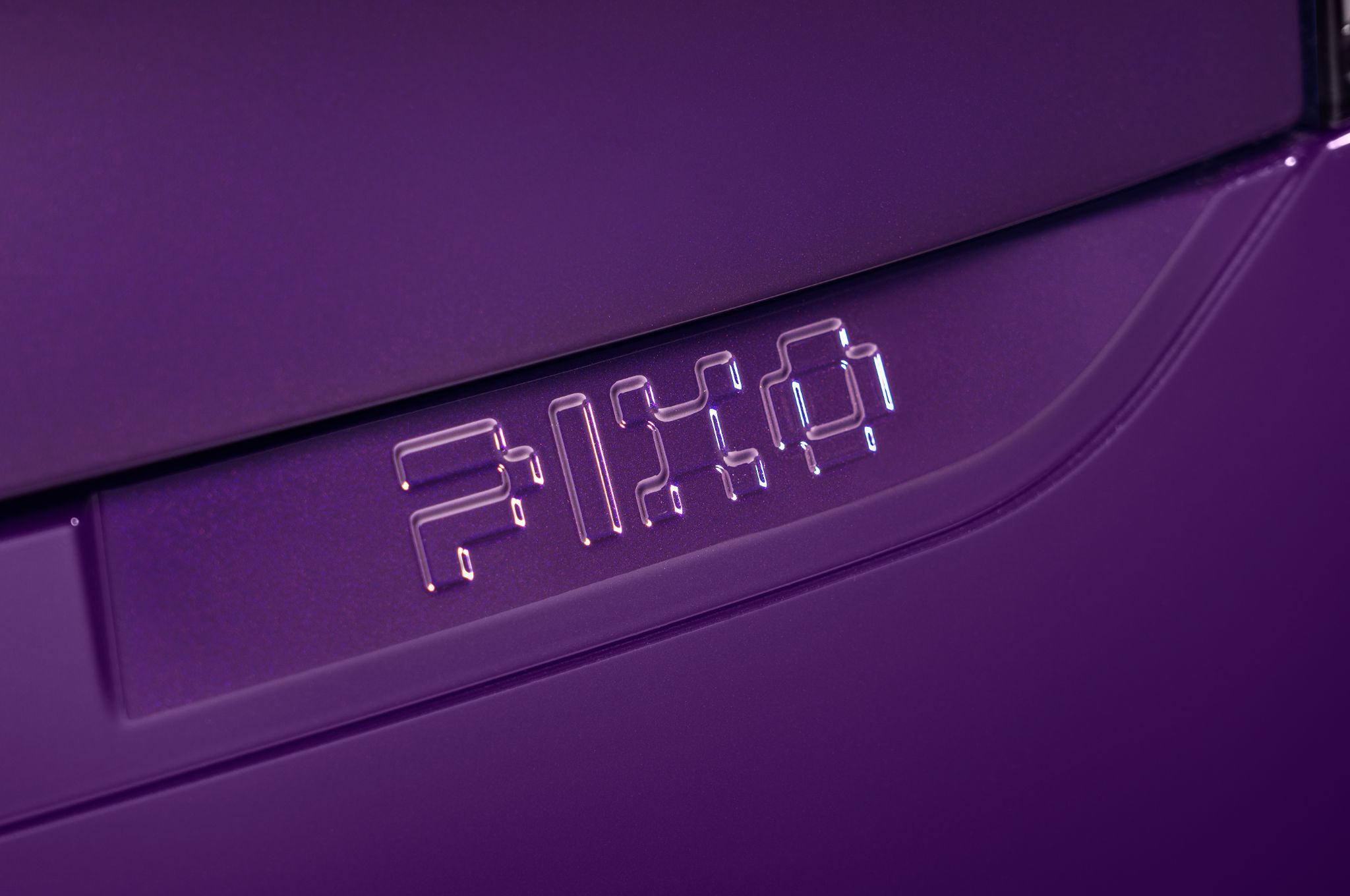
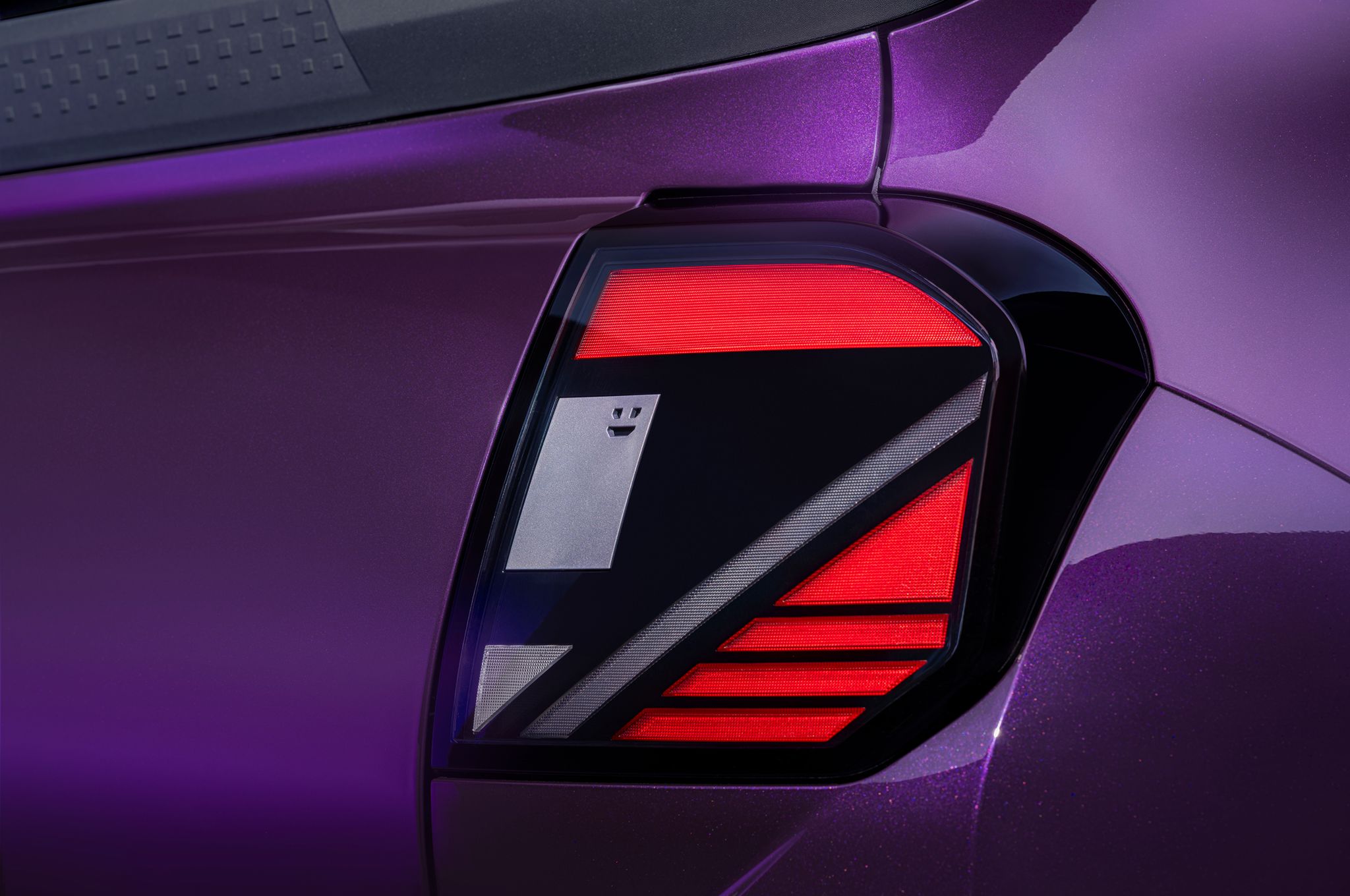
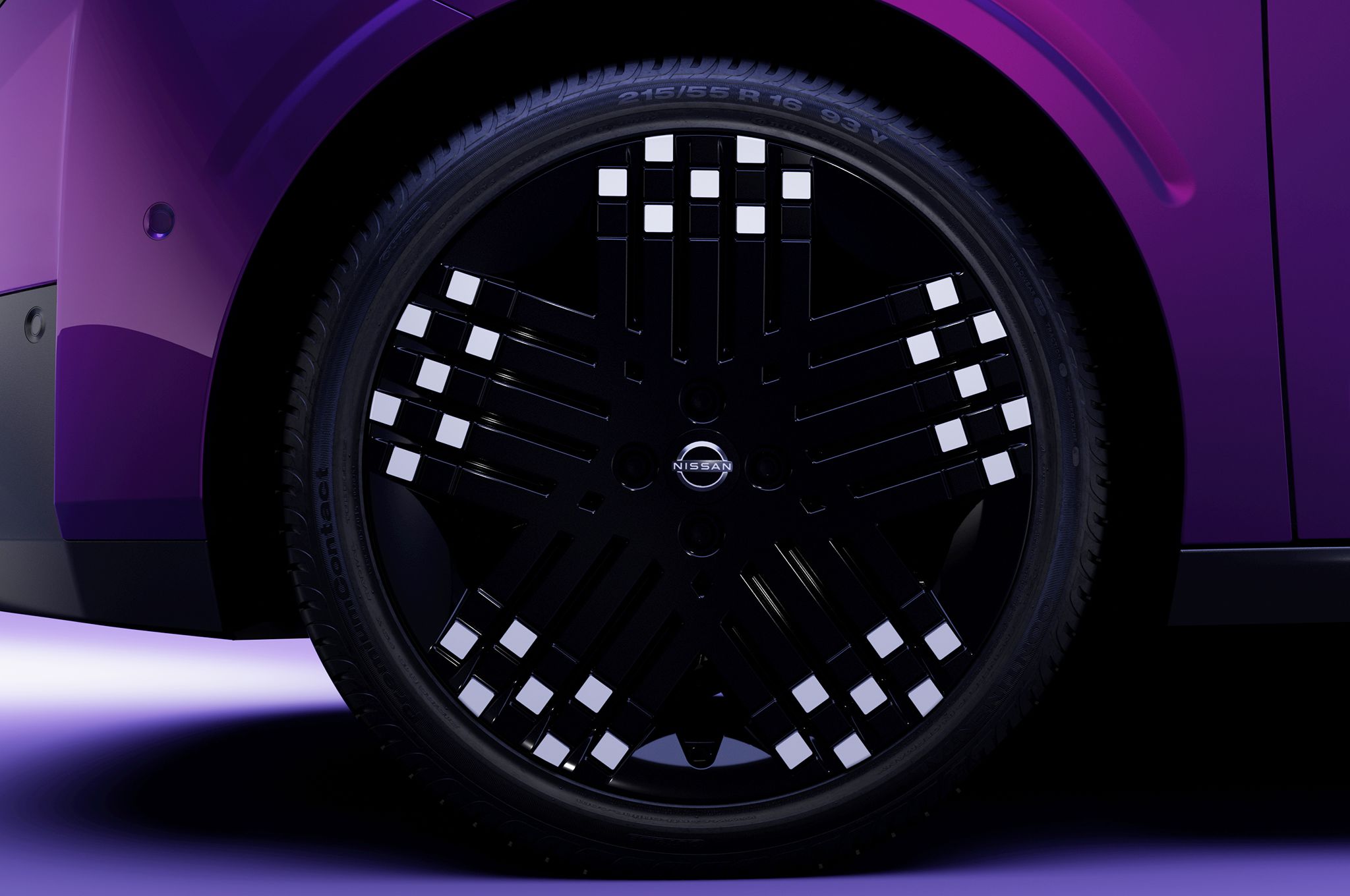
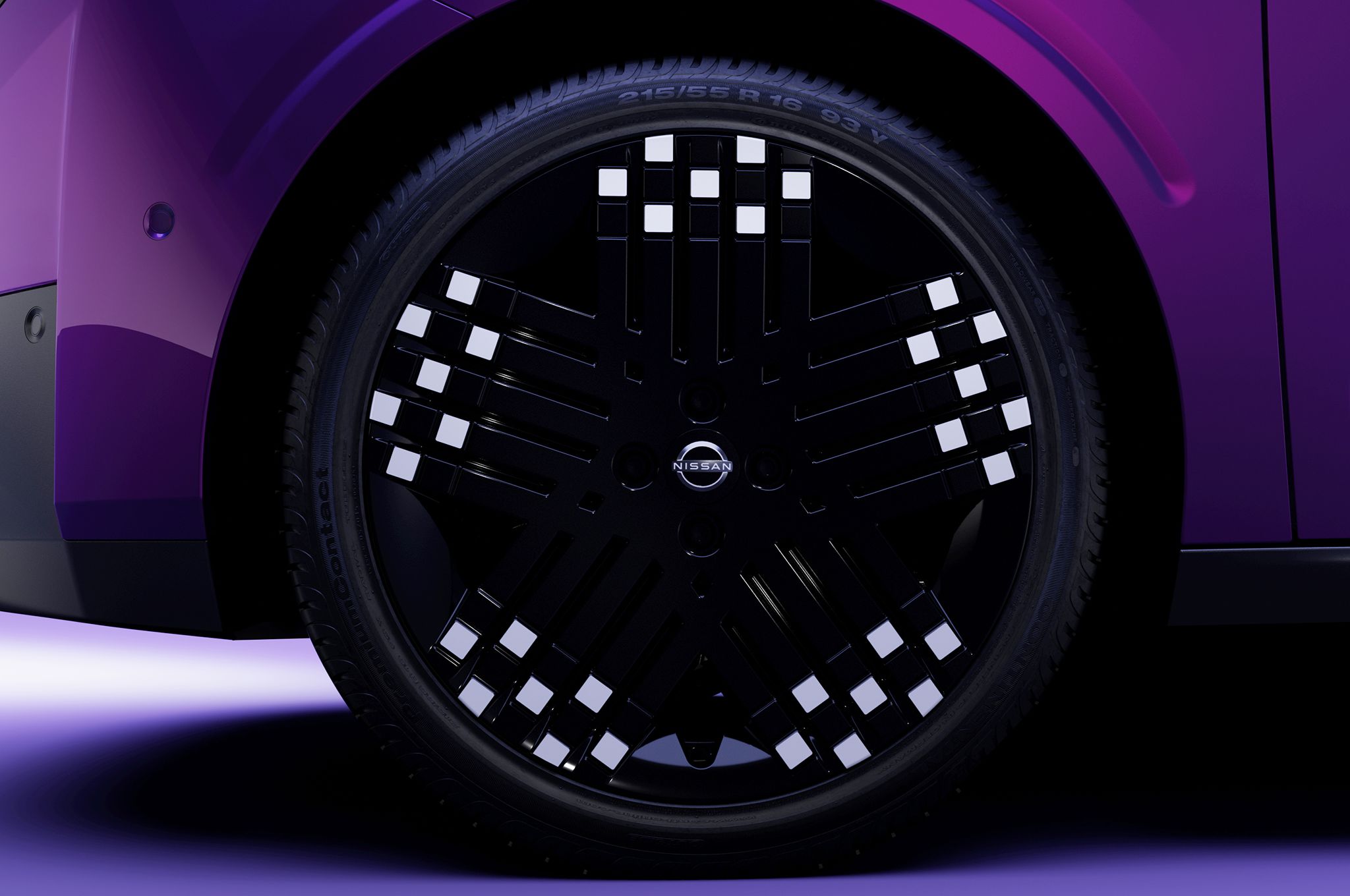
What do you think of the styling? Nissan has given the Pixo a chunkier, cube-inspired look with a completely redesigned front, pixel-inspired lights and what it calls a little "robot face" in the bumper. There are hidden "Ni-San" Easter eggs and smiley faces, too.

There's some genuine Nissan heritage behind the design. Inspiration has come from the wonderfully cute Pike cars of the 80s and 90s, including the Be-1, Pao and Figaro, which took fairly ordinary mechanical ingredients and wrapped them in something much more distinctive.
That feels like exactly the job Nissan needed to do here. I really like the purple paint on the car that I saw, too. It’s giving Nissan GT-R vibes, don’t you think?!
Range, battery and charging
The Nissan Pixo gets a 27.5kWh LFP battery and an official WLTP range of 161 miles (259km). And, yes, you've guessed it: it's the same battery as the Renault Twingo, but the Pixo's official figure is a couple of miles lower than the Twingo's 163-mile (262 km) claimed range.

Every Pixo gets 50kW DC rapid charging as standard, which is good for a 15-80% rapid charge in 28 minutes, or I'd estimate that a 100 mile top-up will take around 30- to 45 minuts. There’s also 11kW AC charging, which could be really useful for making the most of kerbside and lamp post chargers, if you can't charge at home. Plug into a normal 7kW home charger and you can expect a full charge from nearly empty in under six hours.
That range and charging is competitive with most rivals although, granted, the BYD Dolphin Surf and Hyundai Inster both have bigger battery options that run to 200 miles (322 km) or more of range.

But this is a small city car with a small battery, and Nissan is betting that buyers will value the Pixo's compact size and personality more than the ability to cover enormous distances between charges. I rather hope they’re right, as I’m a big fan of smaller battery cars, and I know that there are loads of people out there who can live with this short of range and charging very easily.
Oh, and you get vehicle-to-load (V2L) on the Pixo, which means you can use a converter to plug your electrical devices into the charging port on the front wing, turning the Pixo into a giant charger on wheels.
Practicality and boot space
The Pixo is surprisingly practical – again, perhaps not surprisingly as it gets all the same interior tricks as the Twingo.

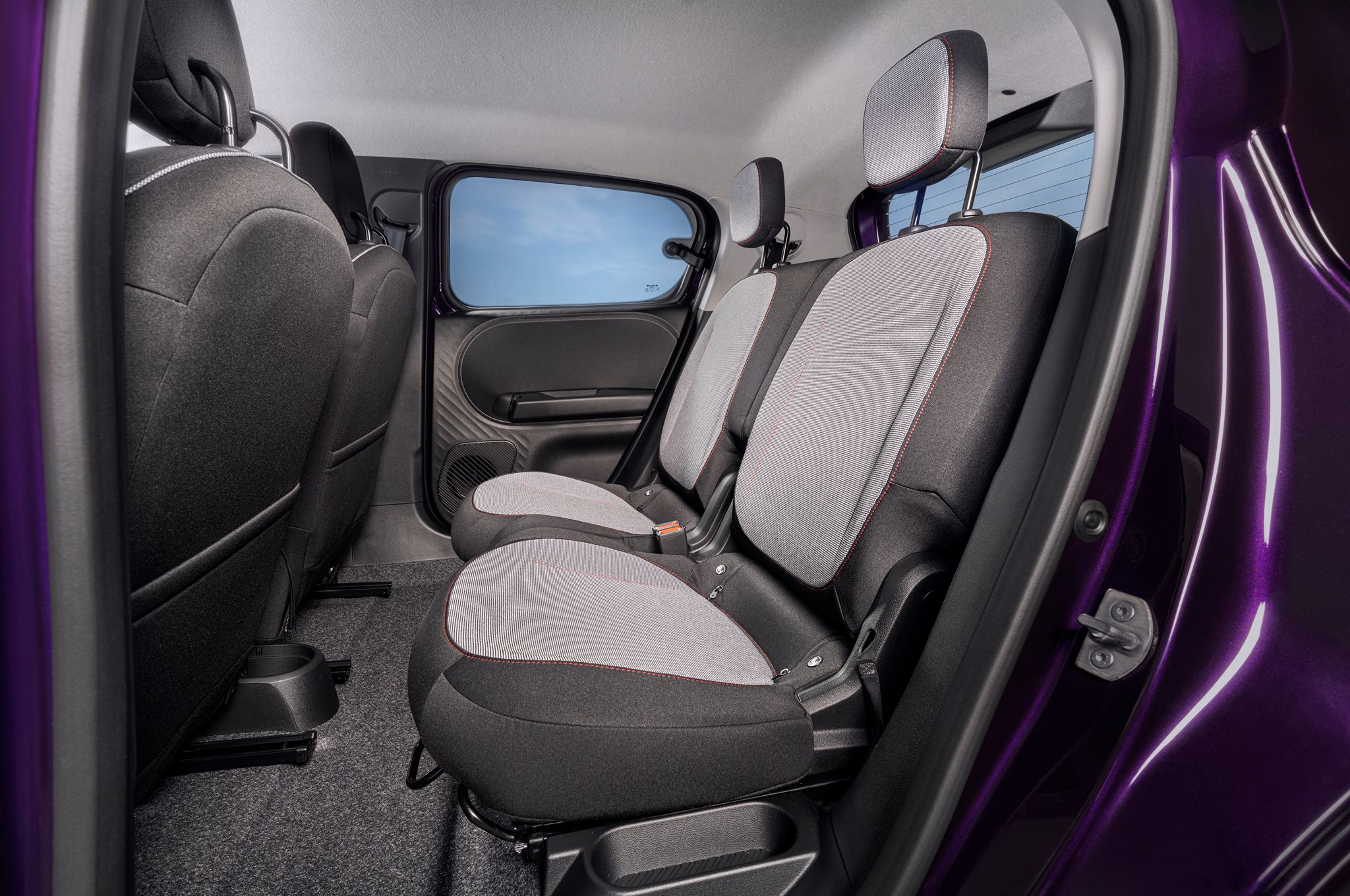
There are four seats, with two individual seats in the back. Both can slide and fold independently, so you can decide whether rear passengers or luggage get priority.
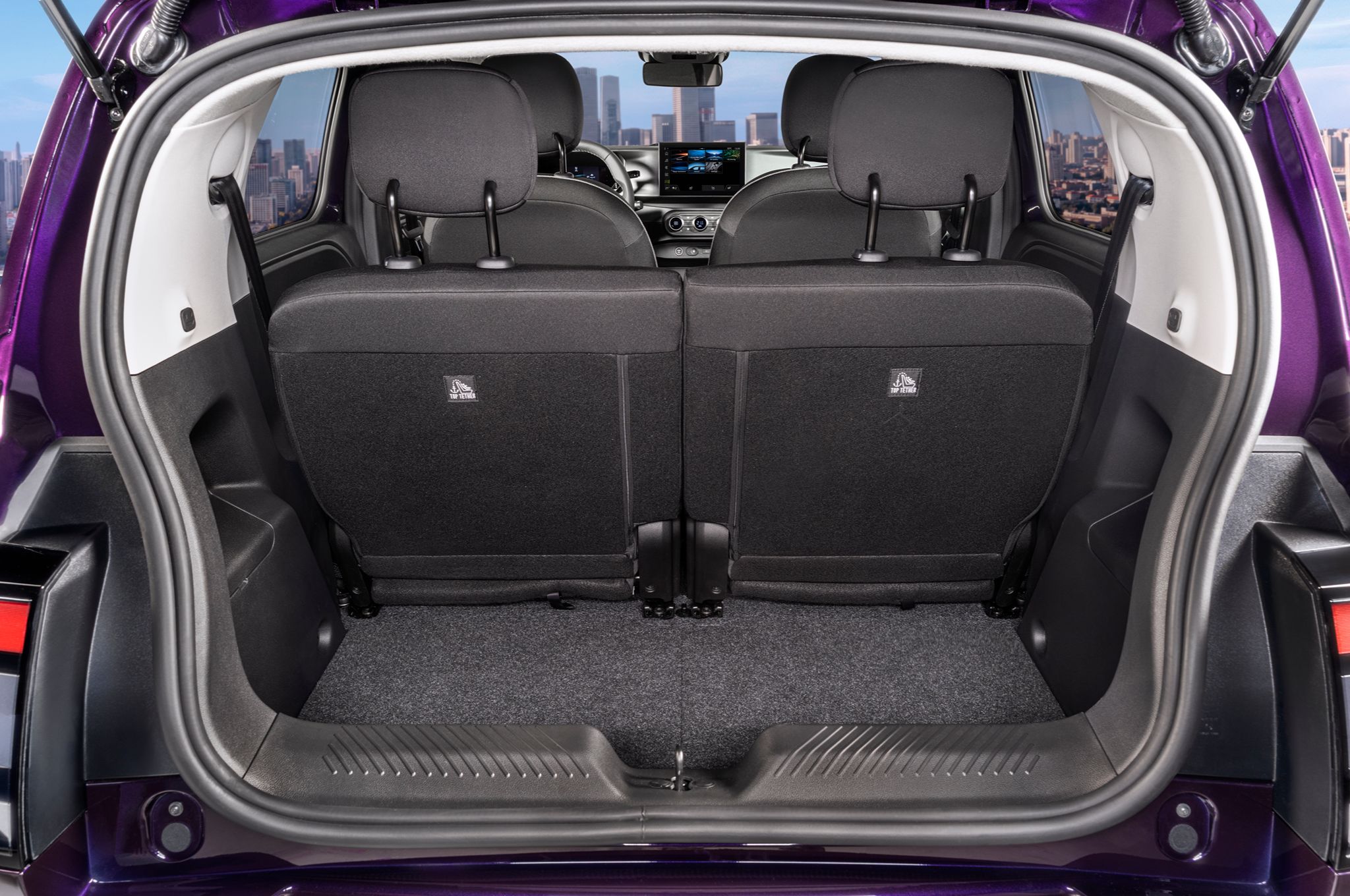
Push the seats forward and Nissan quotes 356-litres of boot capacity with them still raised, including a very useful 50-litre underfloor storage area for charging cables. Nissan claims this is class-leading capacity (I’m not sure how Renault feels about that, as the Twingo is claimed to have 360-litres…), but it hasn’t given us boot capacity with the seats slid right back for maximum passenger legroom. Renault states that there’s 270-litres in the Twingo, so I’d bet the house that the Pixo will have much the same.

That sliding arrangement is particularly clever because it gives the Pixo flexibility rather than forcing you to live with one fixed compromise. Carrying adults? Slide the seats back. Doing a big shop without any rear passengers? Push them forwards – or fold them flat.
Basically, for a small car you can’t ask for better flexibility than this, can you?
Interior, styling and technology
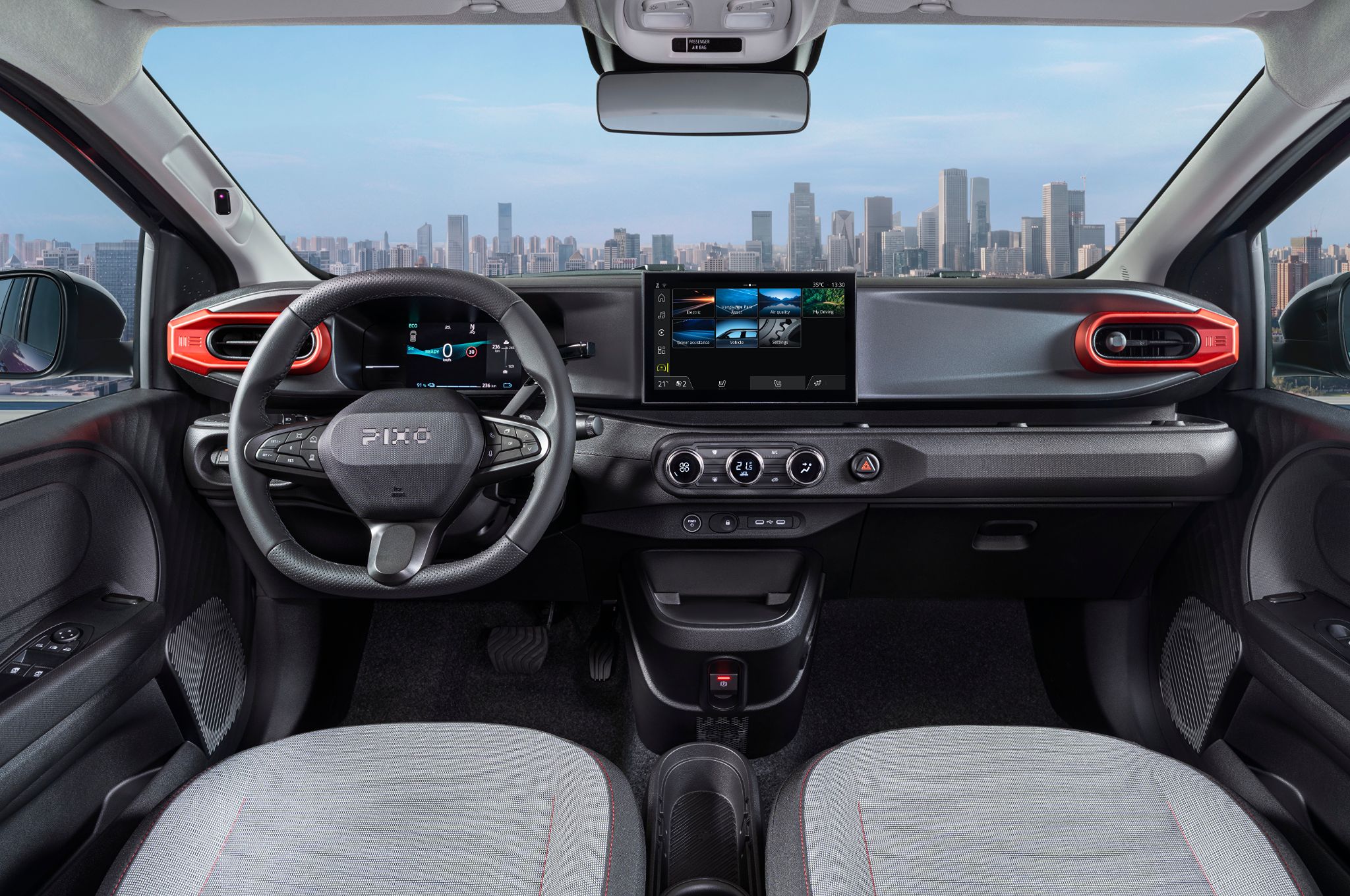
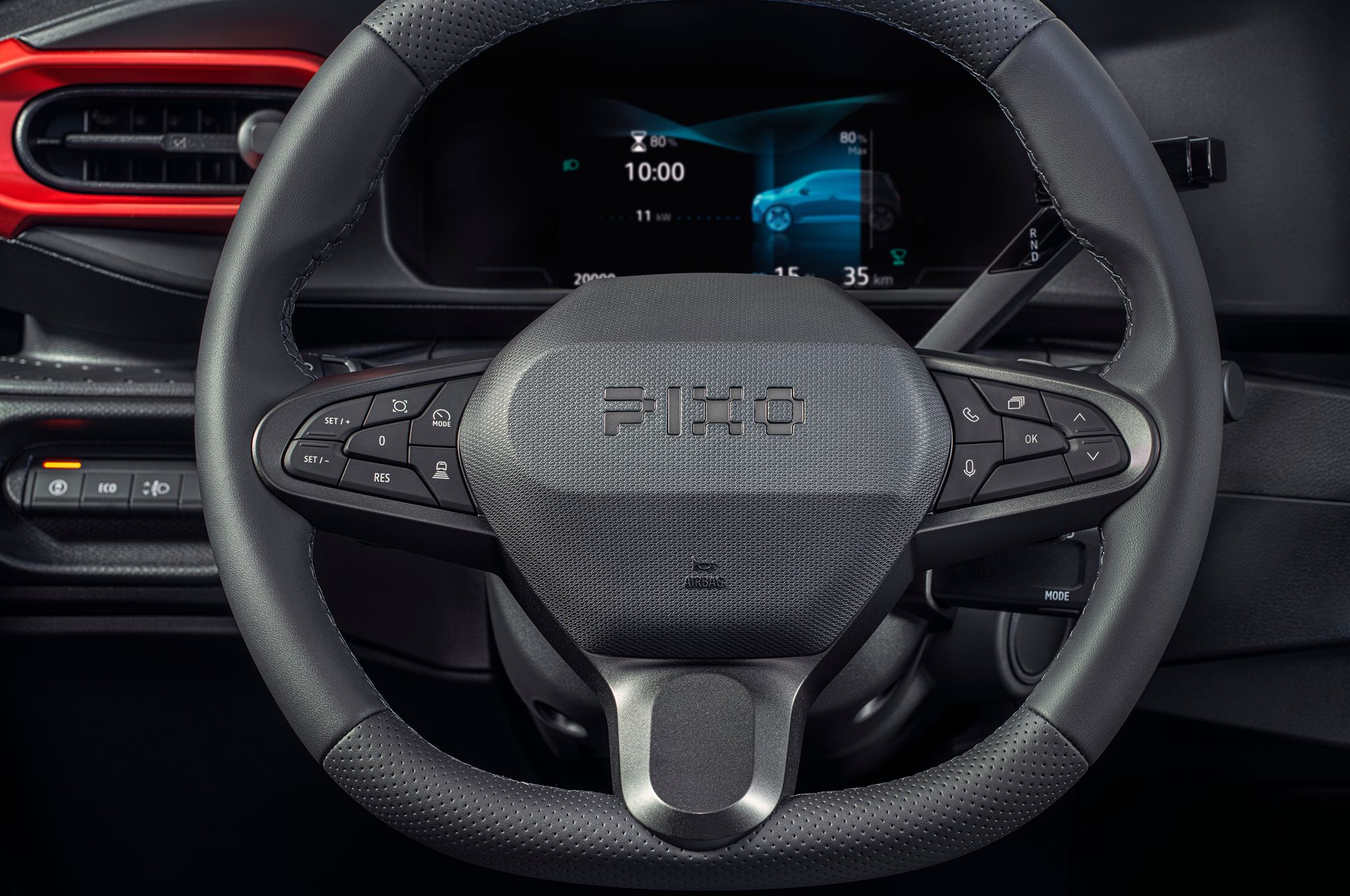
I’d say that the interior of the Pixo feels different enough to the Twingo! As much as it can be, without changing the whole dash architecture, anyway. There are colourful surrounds to the air vents, and a slightly restyled dash trim, but it all feels a bit more subdued and grown-up. And I think Nissan has done that on purpose to give the Pixo its own character.

There's a 7-inch driver's display and 10-inch central touchscreen, while Nissan has tried to create a bit more separation through different seat materials and redesigned details including the door panels.
The entry-level Pixo keeps things relatively simple and you’ll rely on Apple CarPlay or Android Auto for nav. Move up to the mid-grade version and Google Maps with EV route planning and Gemini (Google's AI assistant) is all included. I didn’t have time to really play with the Gemini voice control in my flying visit to an underground car park in Paris, but you'll be able to talk to Gemini naturally, ask questions and control certain vehicle functions. It can also use conversation history to learn your preferences over time.
There's Face ID, too, allowing the Pixo to recognise the driver and automatically load their personal settings – which is all rather ‘big car tech’ for an affordable little city car, isn’t it?
The Renault Twingo, new Dacia Spring and Nissan Pixo are all yet to be Euro NCAP tested, so we’ll have to wait and see how they do for crash test safety.
Motors and performance
I haven’t driven the Nissan Pixo yet, but it keeps the performance side of things nice and simple. There’s one electric motor driving the front wheels and producing 82hp, and while Nissan hasn’t confirmed the 0-62mph time I’d estimate that it’ll be around 12.0 seconds. No prizes for guessing which car I’ve taken that figure from…
And anyway, outright acceleration isn't the point! It’s a city car, and I’d say that the dinky 9.9-metre turning circle is more important than how quickly the Pixo accelerates. It’ll make the little Nissan particularly handy for tight parking spaces and narrow urban streets, as that’s one of the smallest turning circles of any car. You’ll have to look to the tiny Smart #2 to get smaller than that!
Brake regen and one-pedal driving is standard across the range, too. Nissan tells me it’s made a change underneath, too, tweaking the rear axle with a greater emphasis on comfort. The aim isn't to make the Pixo excessively soft, but to find a compromise between ride comfort and enjoyable handling.
We'll need to drive it before we can tell you whether Nissan has managed that!
Pricing and on sale date
Nissan hasn't announced UK prices for the Pixo yet, but I reckon it’ll be the same price as the Renault Twingo, and we know that the Renault is going to be under £20,000. I’d guess that we’ll see both of these electric city cars costing around £19,000 to £24,000 before any grant is applied. And while both are eligible for the UK plug-in car grant, there’s no guarantee on how much longer the grant will run so Nissan might want to hurry up if it hopes to benefit from that additional incentive.
Monthly finance deals be even more important than the list price. With the Micra and Renault 5 available for around £250-£300 per month on various lease and PCP deals, the Pixo needs to put some useful distance between itself and those bigger cars. Something nearer £200 per month would make considerably more sense.
As for the warranty, Nissan offers six years or 100,000 miles vehicle cover provided it’s serviced at a Nissan dealer every year, while the battery is covered for eight years or 100,000 miles.
Exact UK specifications and pricing are yet to be confirmed, but expect to see the Nissan Pixo on sale in the UK and Europe in the first half of 2027.
Verdict
So, has Nissan done enough to make the Pixo feel like more than a Renault Twingo wearing a different badge?
Well, I was sceptical before I saw the car, but I actually really liked it when I was with the car – particularly in Wonder Purple. It’s chunky and cute, and has its own character. I think there's certainly more separation than you might expect, and in a world where platform sharing is the norm, I don’t think we should be too harsh on Nissan for making the most of the tried-and-tested parts that are available to it.

.jpg)
 8
8.jpg?width=300&height=185)