





 Battery size: 37 - 52kWh
 WLTP range: 193 - 270 miles
 Max charge rate: 90 - 105kW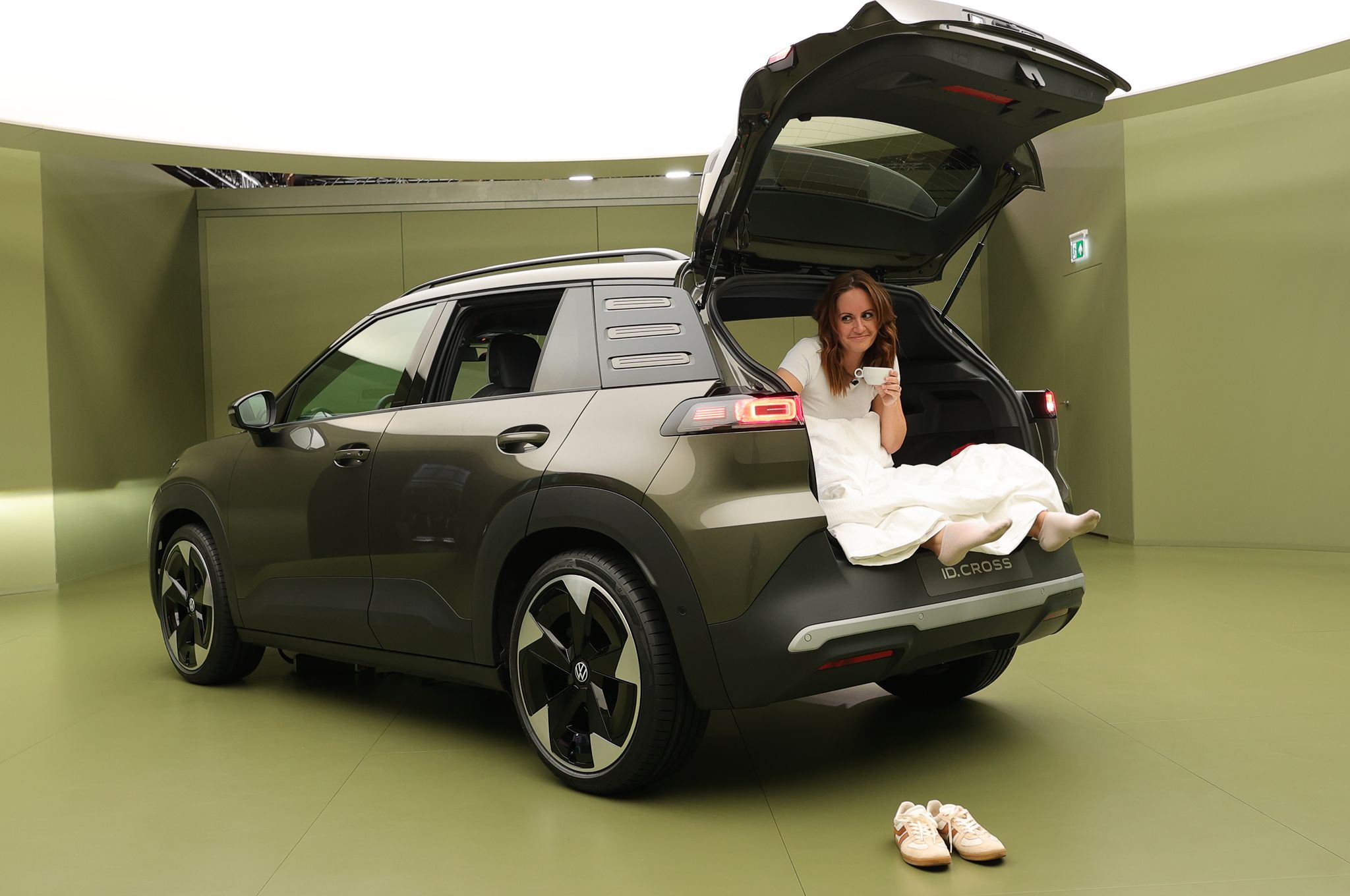
.jpg)
.jpg)
.jpg)
.jpg)
.jpg)
.jpg)
.jpg)
.jpg)
.jpg)
.jpg)
.jpg)
.jpg)



Introduction - Volkswagen ID. Cross
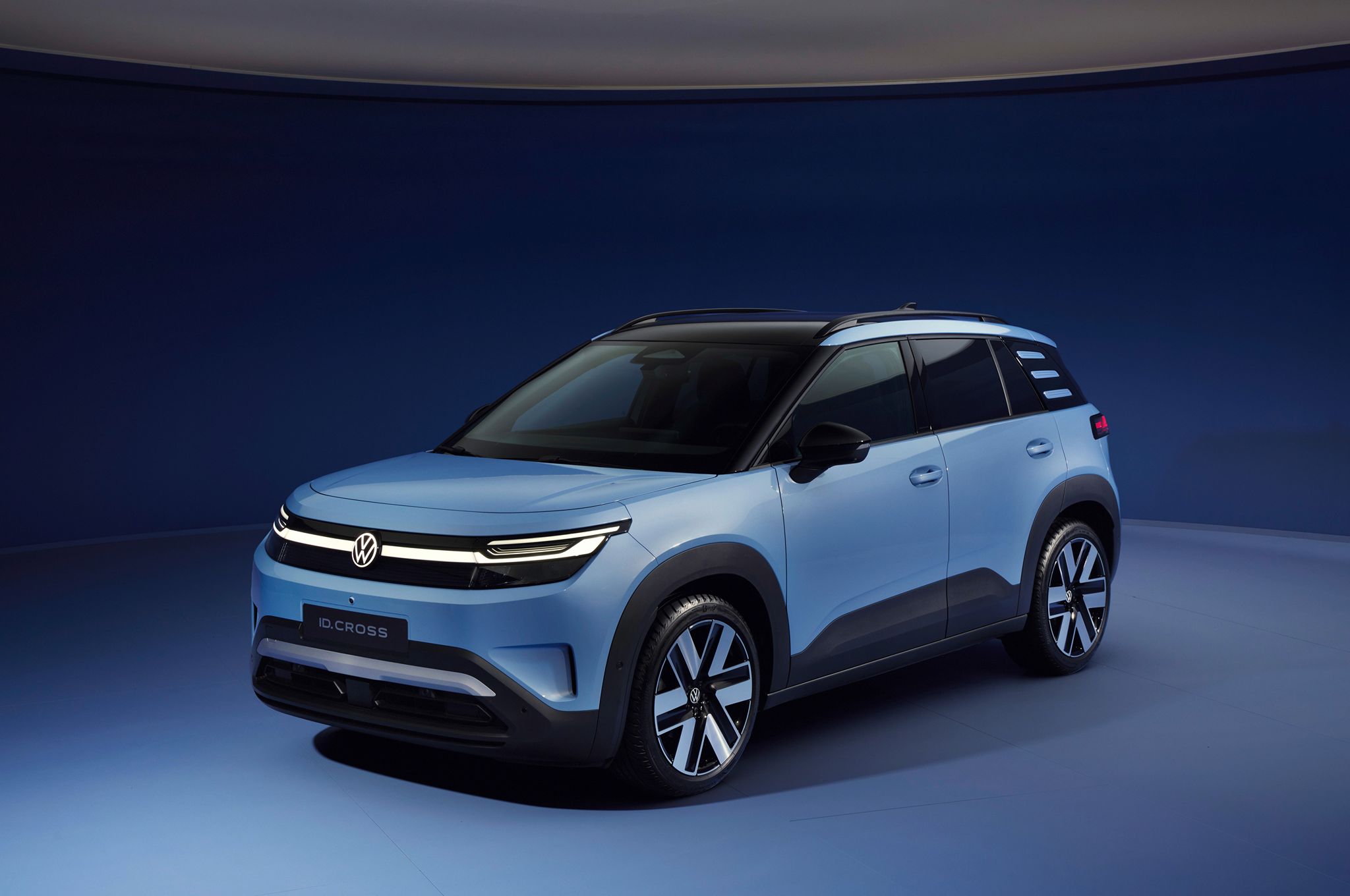
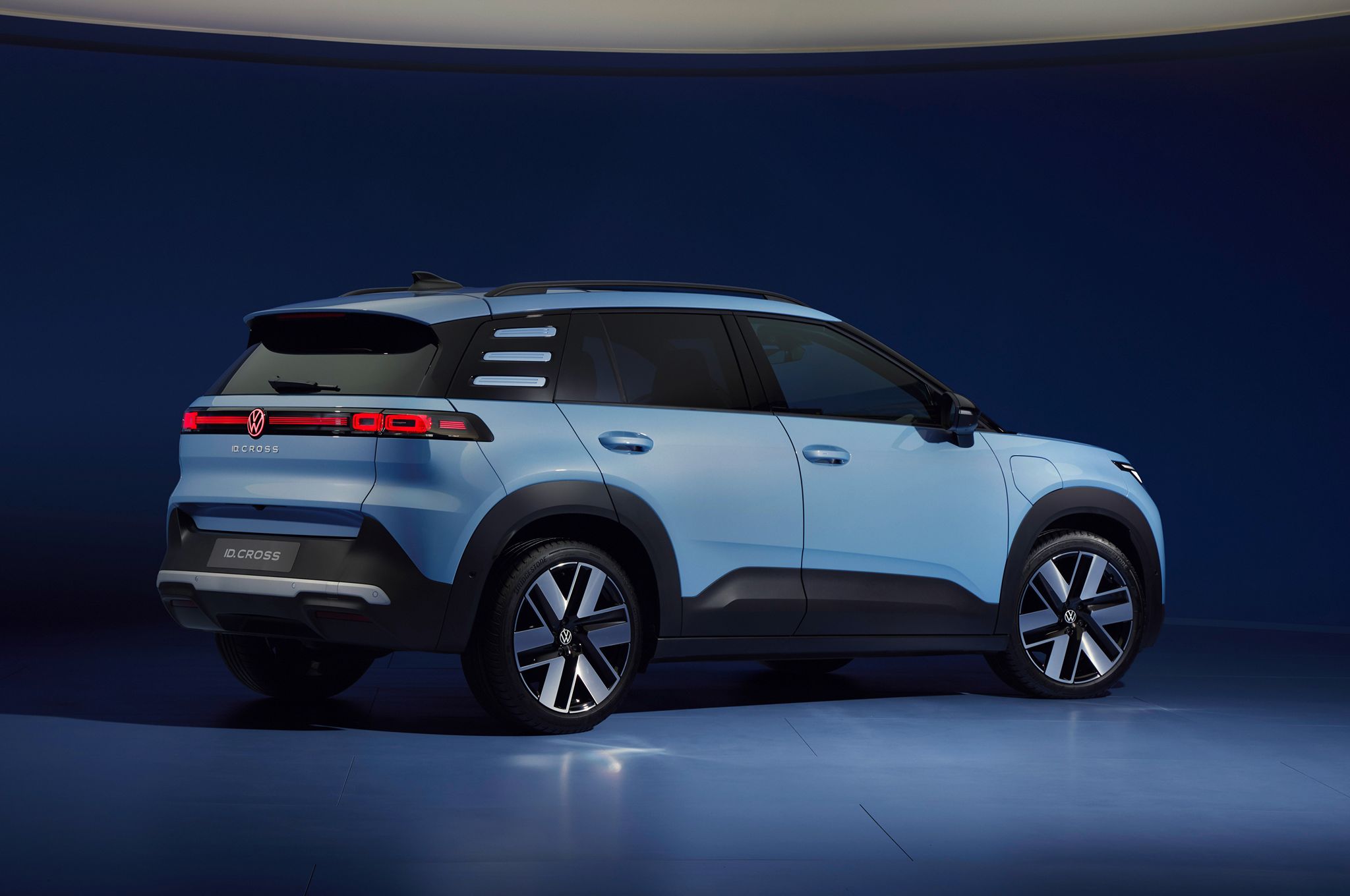
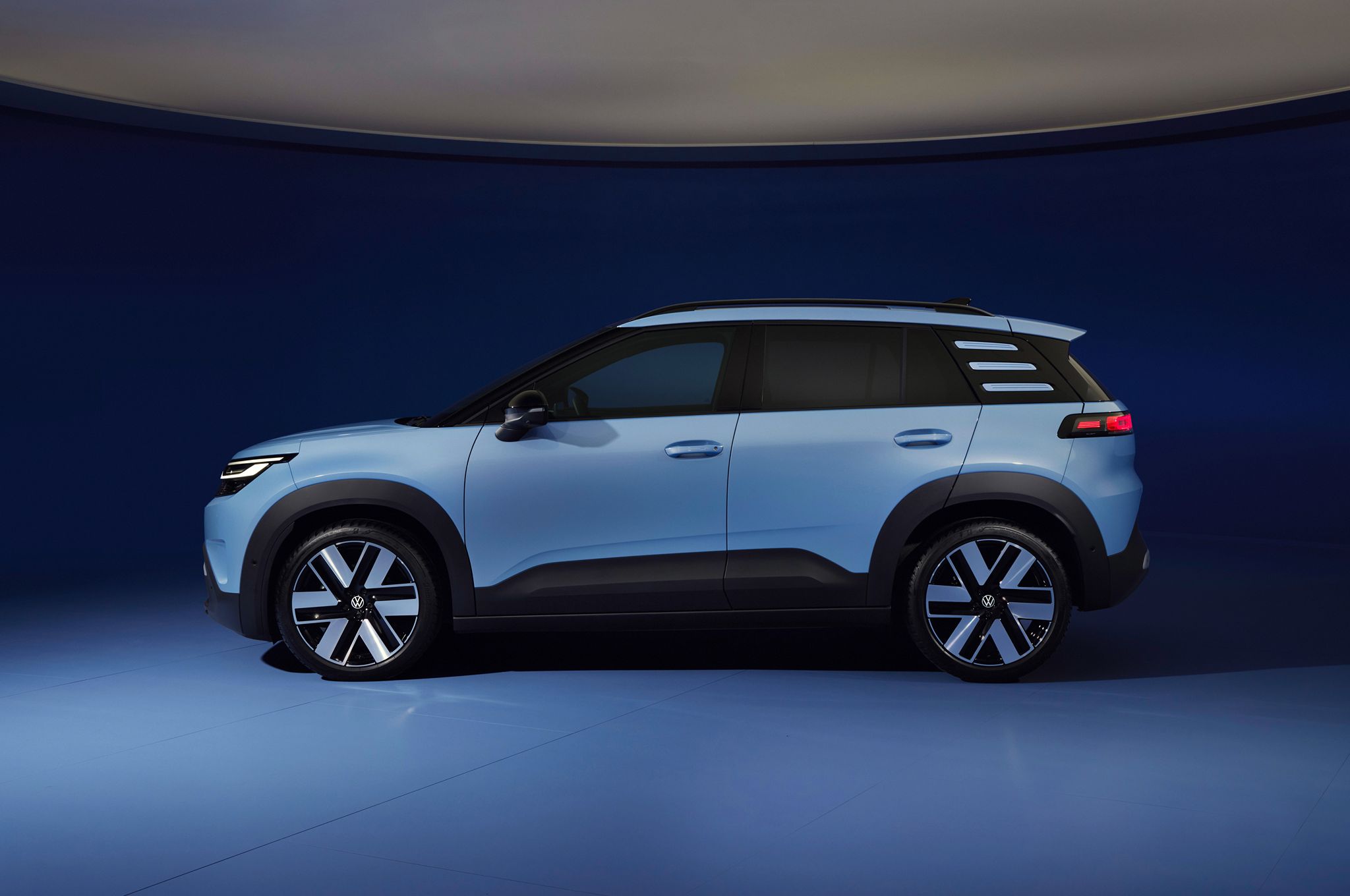
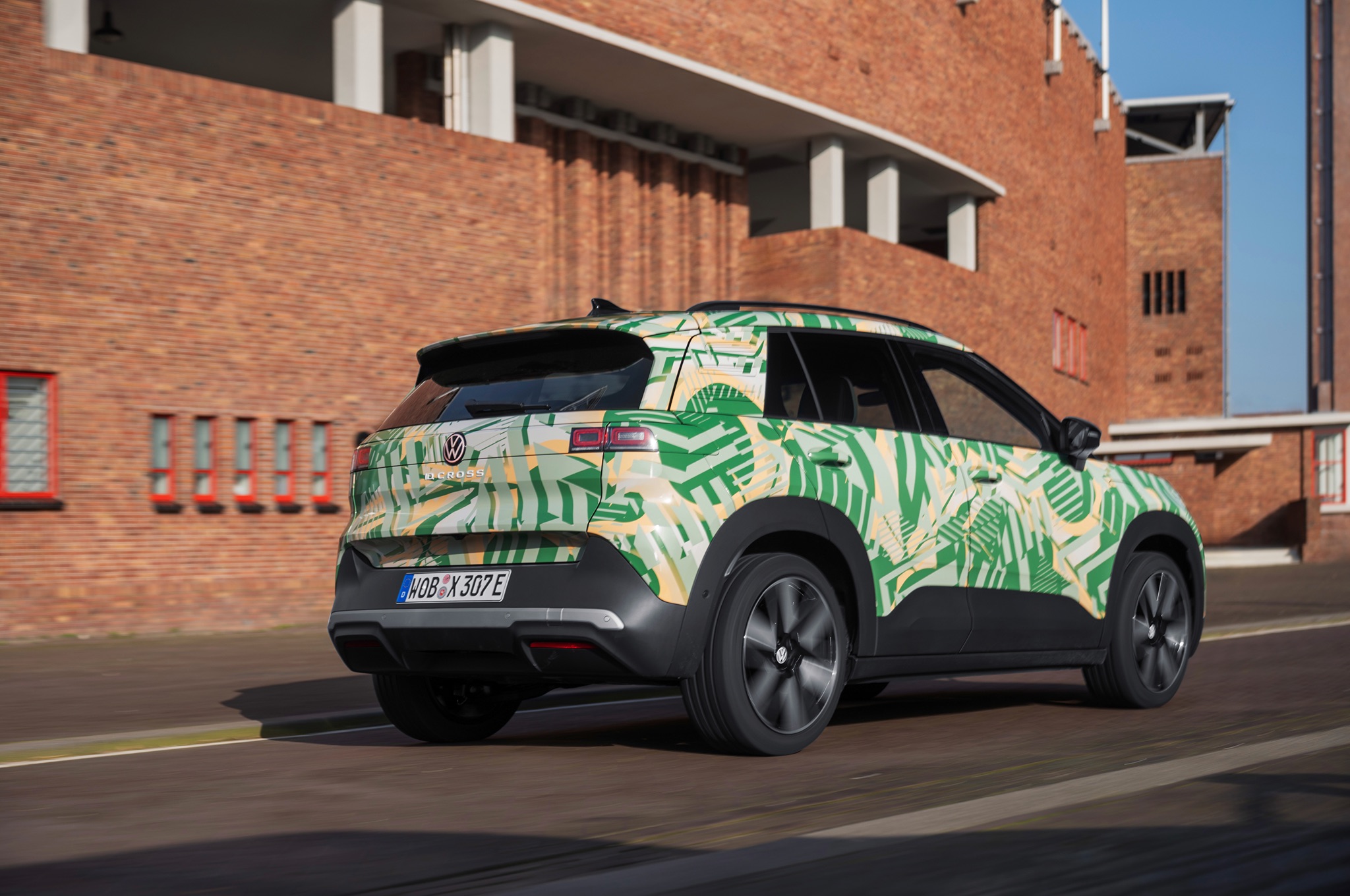
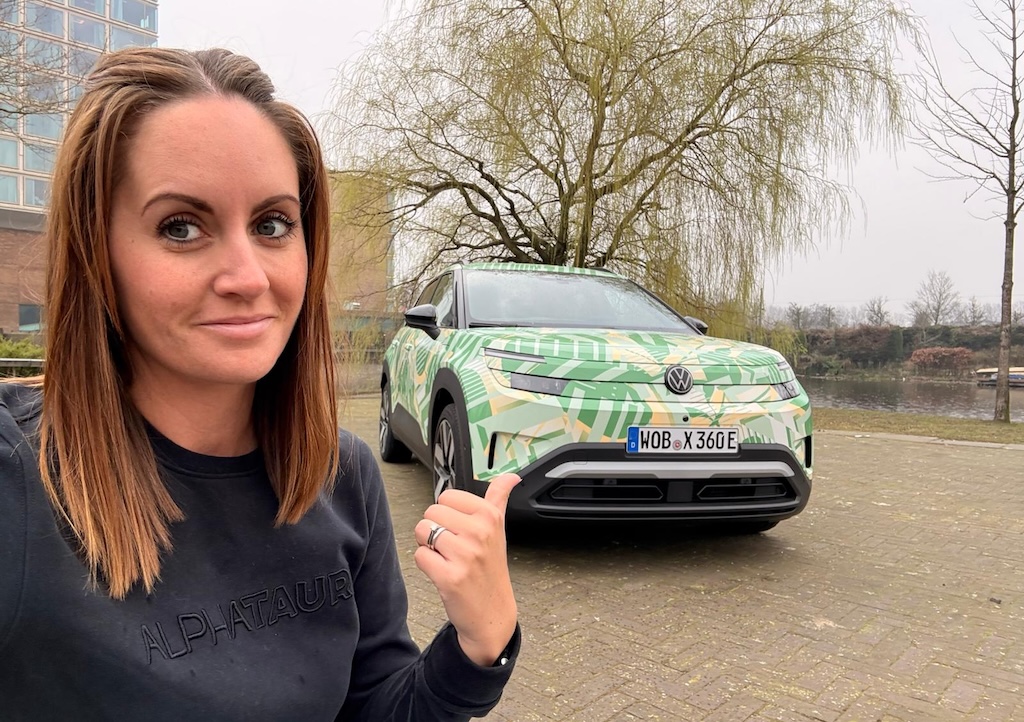
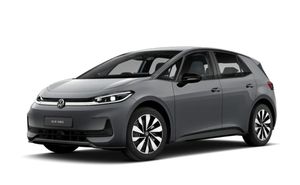
Right, before we get on to talking about what it was like to drive the VW ID. Cross out in Germany, I thought we'd talk about what it looks like. Because the car has officially been revealed, so here it is... This is the new VW ID. Cross!
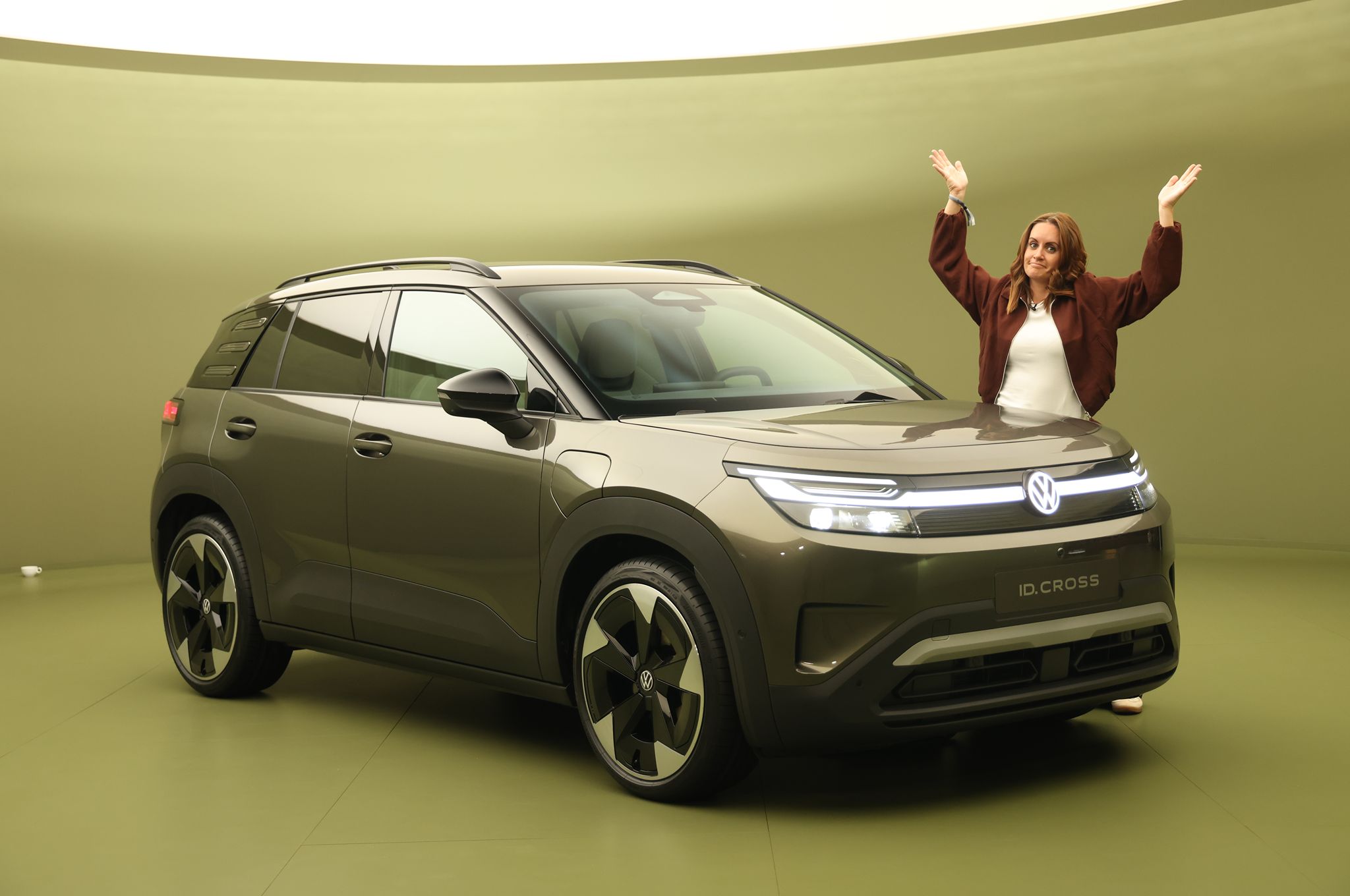
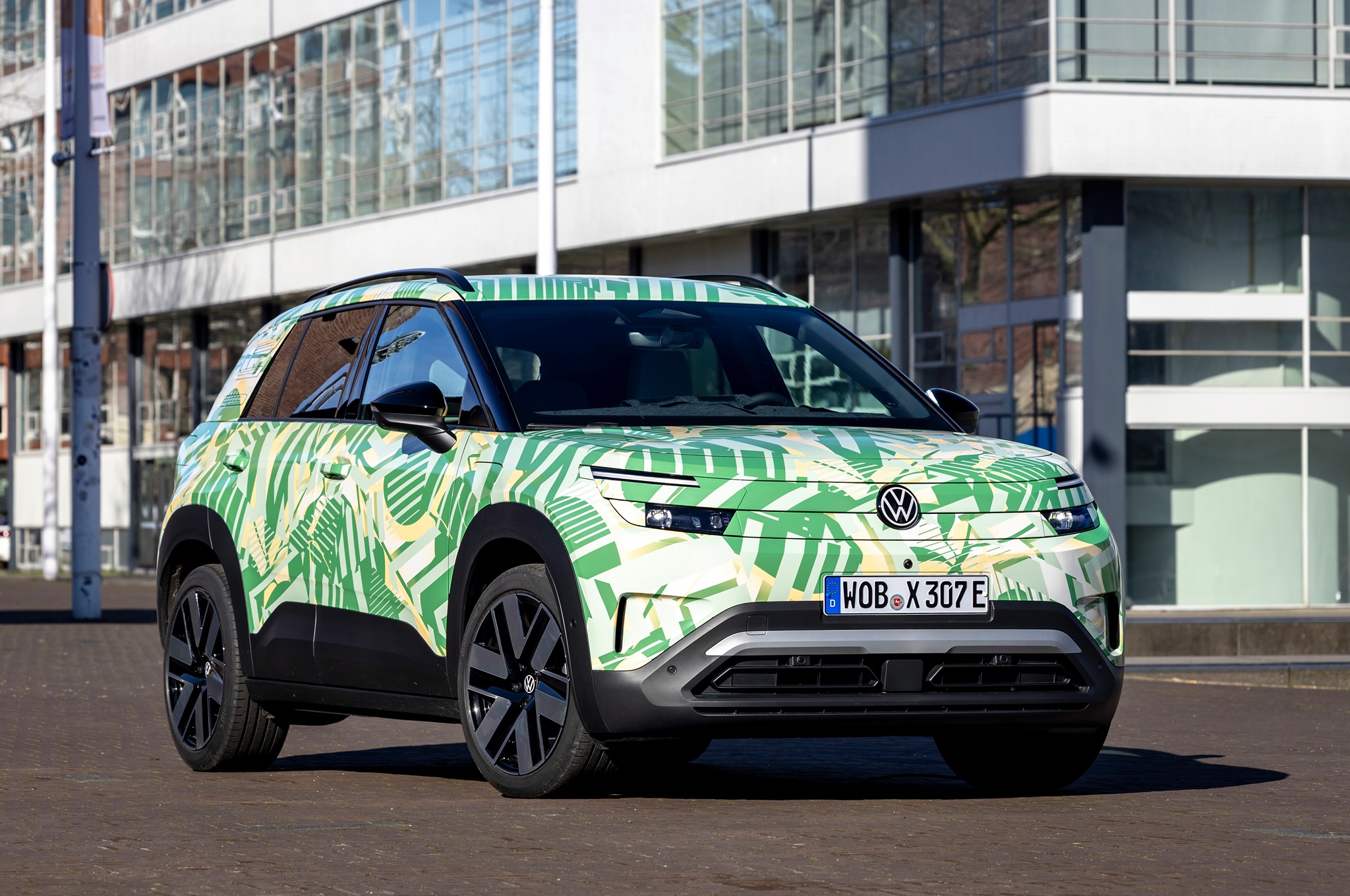
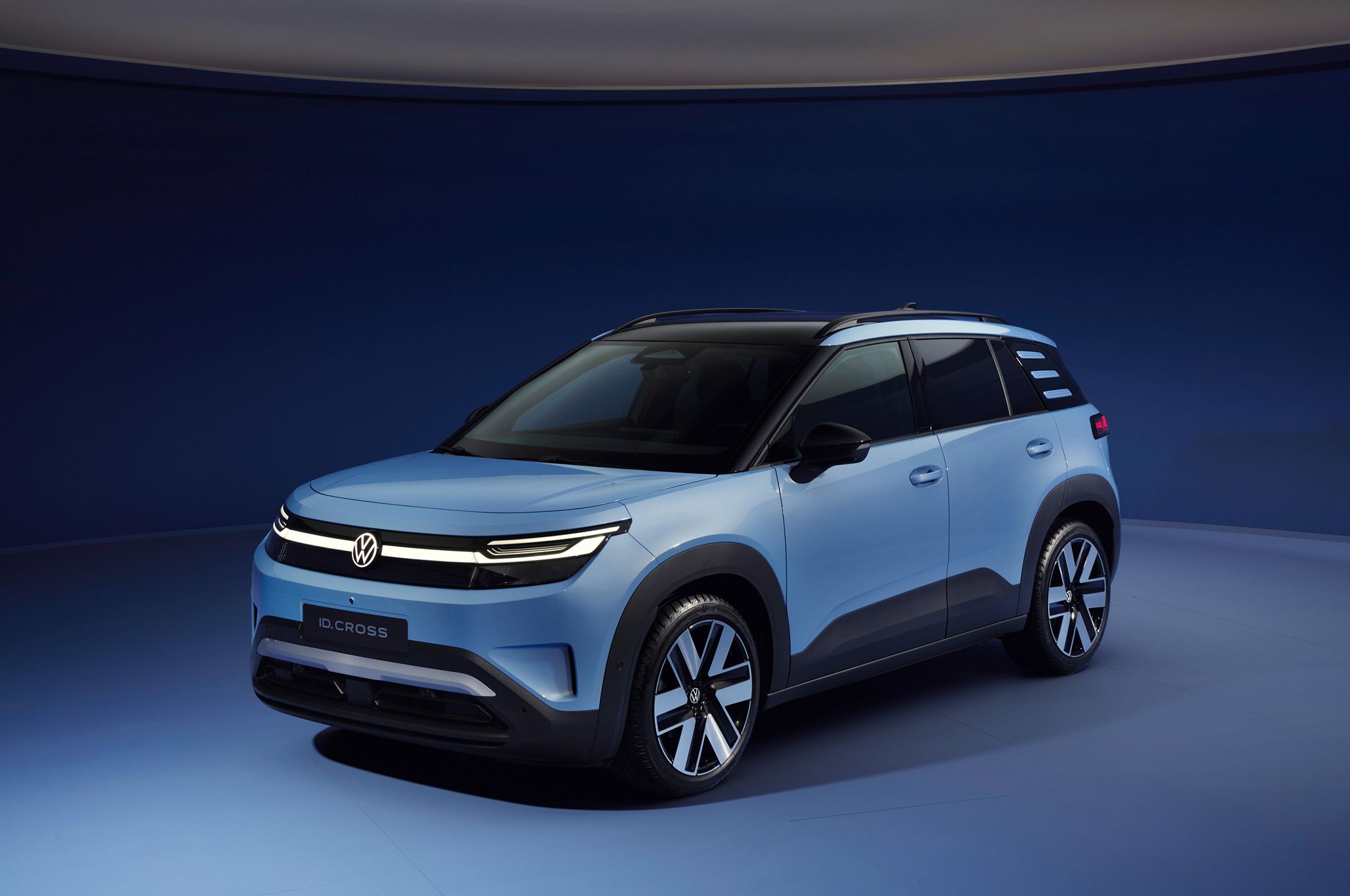
Looks smart but... familiar, right? I'd say so. We know that Volkswagen found that some people didn't like the more radical looks that the ID.3 brought when it was launched, so the German maker has gone a bit safer with the ID. Cross.
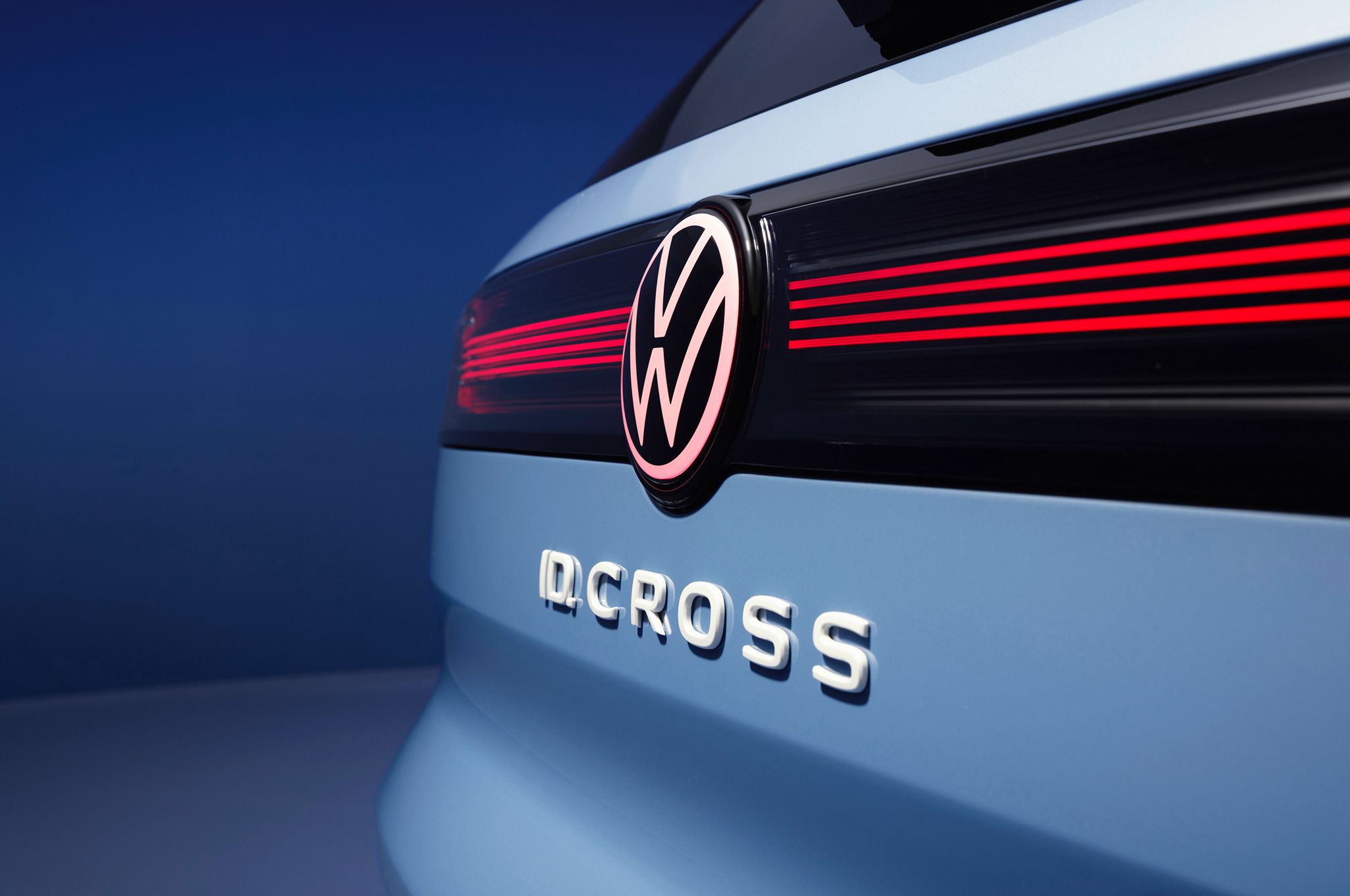
The light bar stretching across the front is intended to make it look chunkier than its compact 4.16m length, and the shape of the bonnet - which looks a bit like a baby Range Rover, to me - makes the car look bigger and more imposing. I am a bit sad that you can't now push the boot badge to open the boot, but hey - it's hardly a deal breaker.
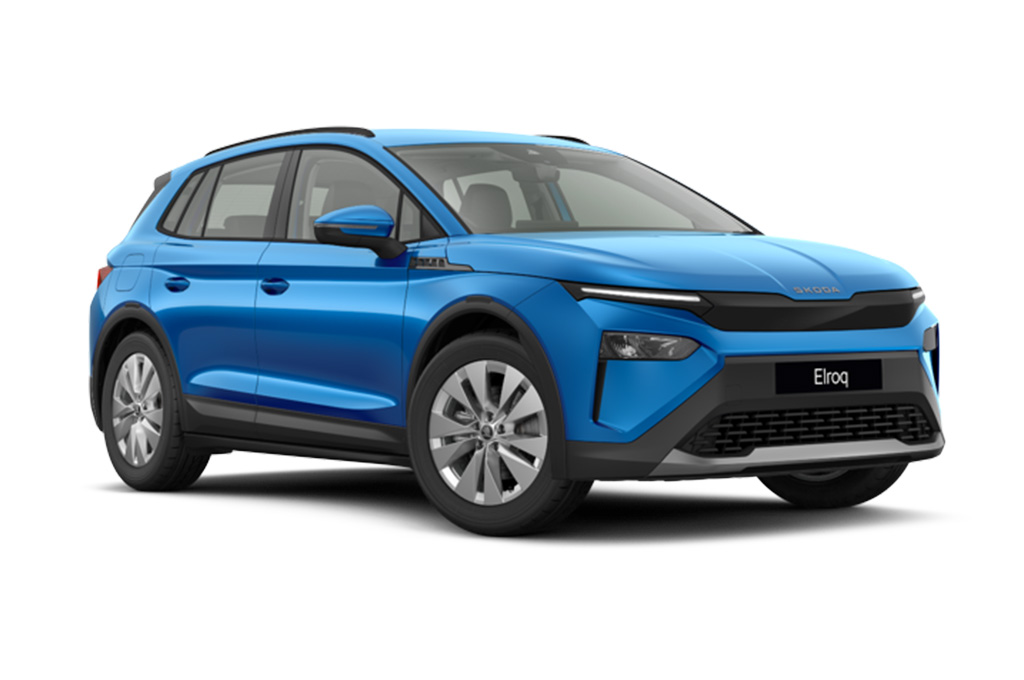
Anyway, the VW ID. Cross will go on sale later in 2026 with two different battery options, three different powertrains and what promises to be very competitive costs. It'll take on the Ford Puma Gen-E and Kia EV2, of course, but also the new Skoda Epiq that uses the same platform and powertrains, and which we also drove recently. So do check out the Skoda Epiq as well, if you're thinking that you like the swagger of this new VW ID. Cross.
.jpg)
Range, battery and charging
The VW ID. Cross will be offered with a 37kWh LFP battery or a 52kWh NMC battery, which delivers a WLTP range of between 195- and 273 miles. You can read our explainer to find out the pros and cons of LFP and NMC batteries, but both are very common, very safe forms of battery chemistry.
I haven't spent enough time in the ID. Cross to get a good idea of real-world range, but I'd estimate that you'll be seeing around 130- to 170 miles of real-world range from the small battery and more like 190- to 240 miles from the bigger battery depending on conditions. Don't forget that all EVs will have lower range in winter and at motorway speeds, and will be more efficient in warmer weather and on slower roads. This is just my estimate, though, so I'll come back to you with a proper real-world range result when we've spent time with the VW ID. Cross in the UK.
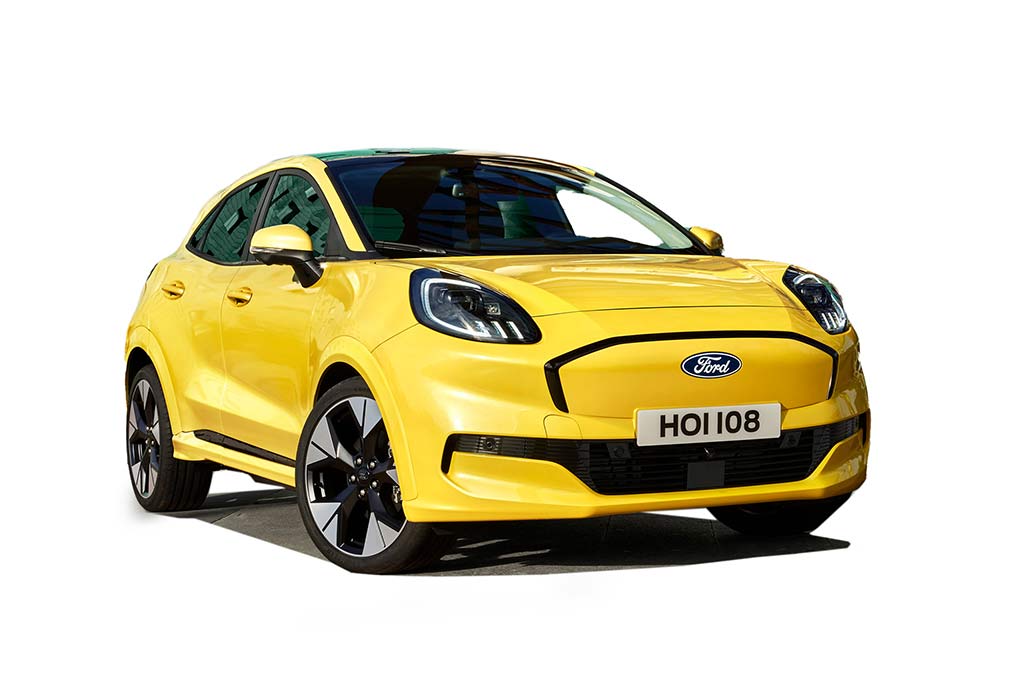
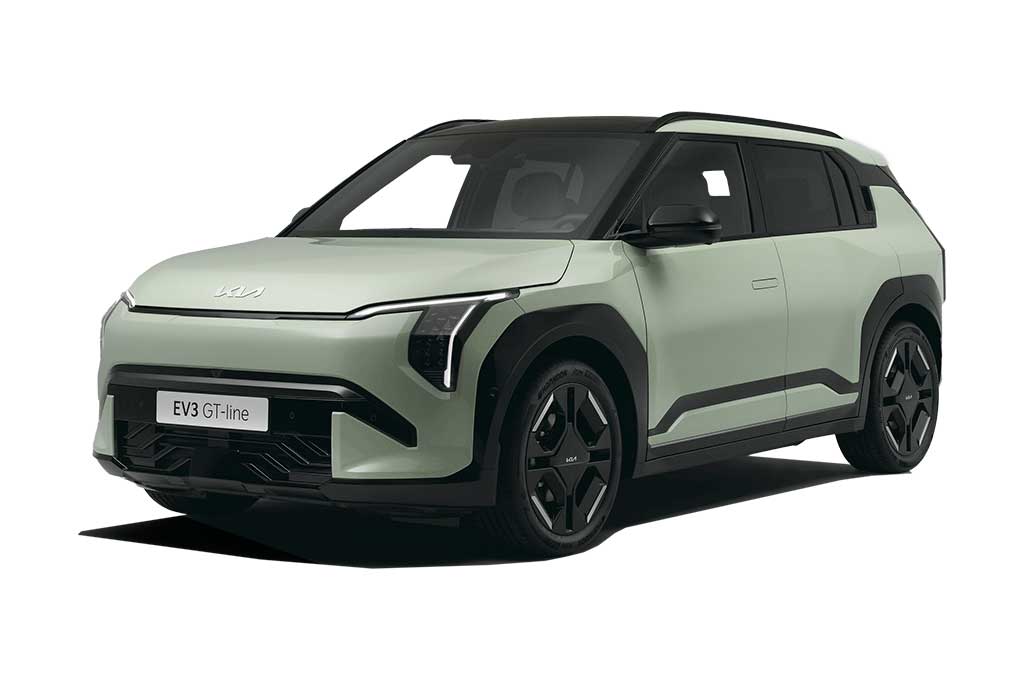
Anyway, those range figures from the ID. Cross are very competitive with rivals like the Ford Puma Gen-E, Renault 4 E-Tech and Kia EV2. If you want much longer range than that, you'll probably have to step up to cars like the Kia EV3 and Skoda Elroq, but they'll cost your a fair chunk more money.
.jpg)
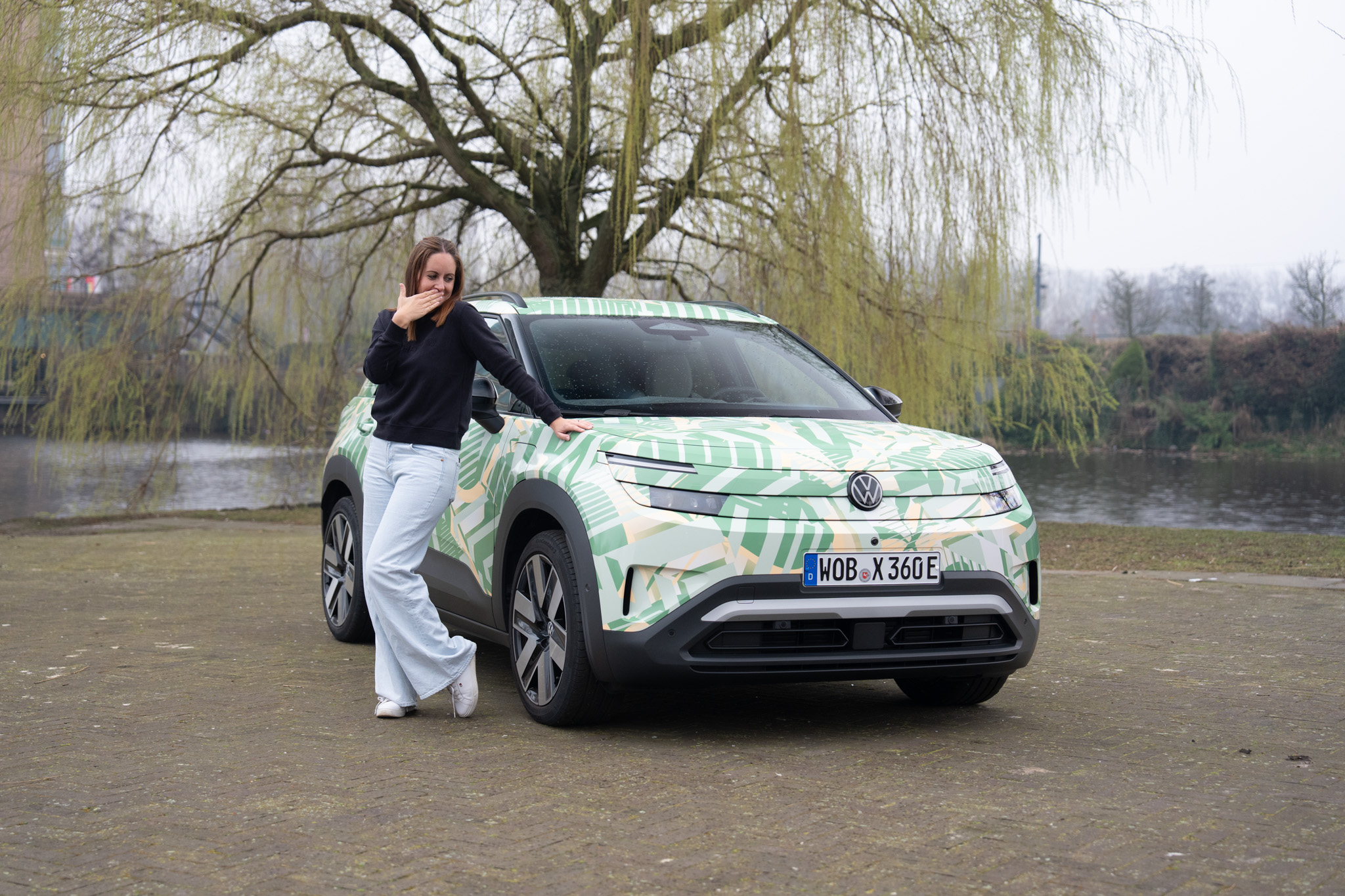
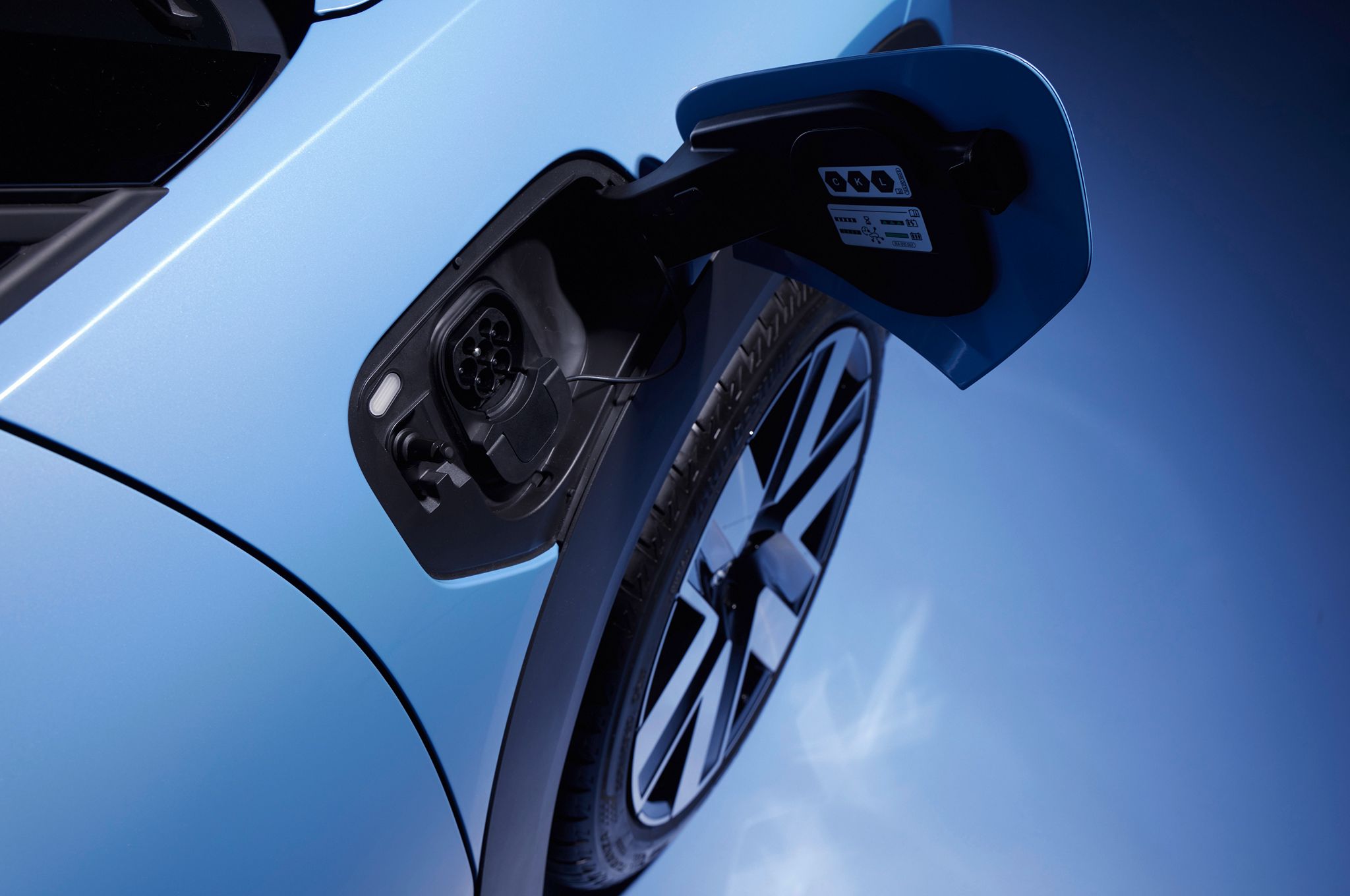
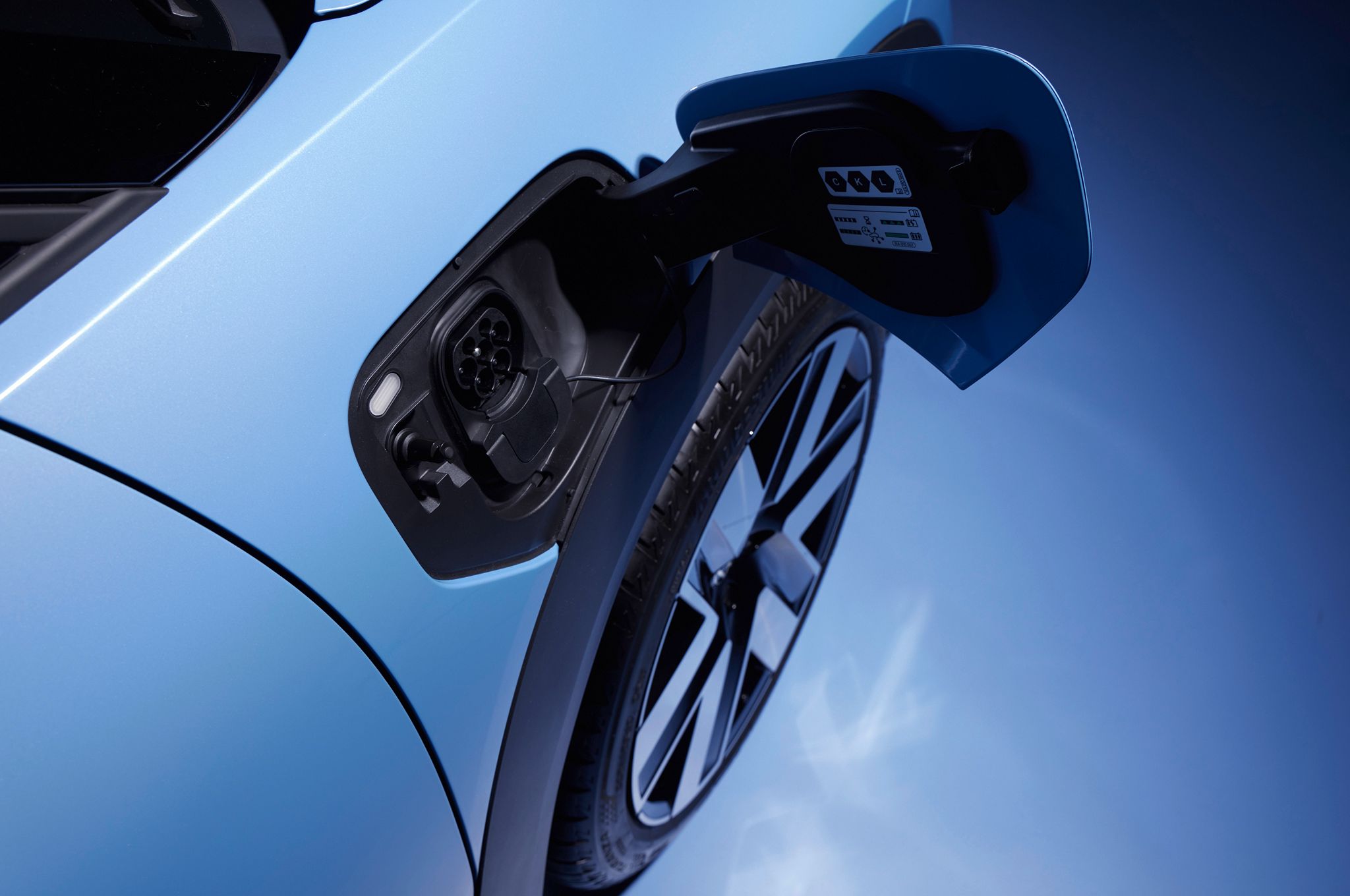
My only issue is that the charging port is on the front wing of the ID. Cross, and that annoys me. This sort of thing can be a matter of preference, but I really favour having the charging port at the back of an EV as I like to reverse into parking spaces. It's much easier! If you disagree (or agree) you can always leave a comment on Nicola's video, but I'm hoping that the ID. Cross' charging port is on the rear wing of the car when it goes into production - like it is on the ID.3 and other current ID models.
Charging speeds for the baby VW electric SUV peak at 90kW on the 37kWh battery, and 105kW on the 52kWh battery. VW is keen to explain that it's worked to deliver good average charging speeds rather than peak charging speeds - which basically means that the ID. Cross should charge at a faster rate for a longer period of time when you're plugged into a rapid charger, and you can expect a 10-80% top-up in around 25 minutes, which is actually pretty good! Put another way, plug into one of the very common 150kW DC rapid chargers that you find in most motorway services, and a 100 mile top-up will take around 15- to 20 minutes in the big battery ID. Cross, or more like 25 minutes in the smaller battery model.
A full charge from a standard 7kW home charger will take around 6- to 9 hours depending on which battery you've got. Vehicle-to-load (V2L) is also offered on the ID. Cross, which can charge your electrical devices at speeds of up to 3.6kW.
Interior, design and technology
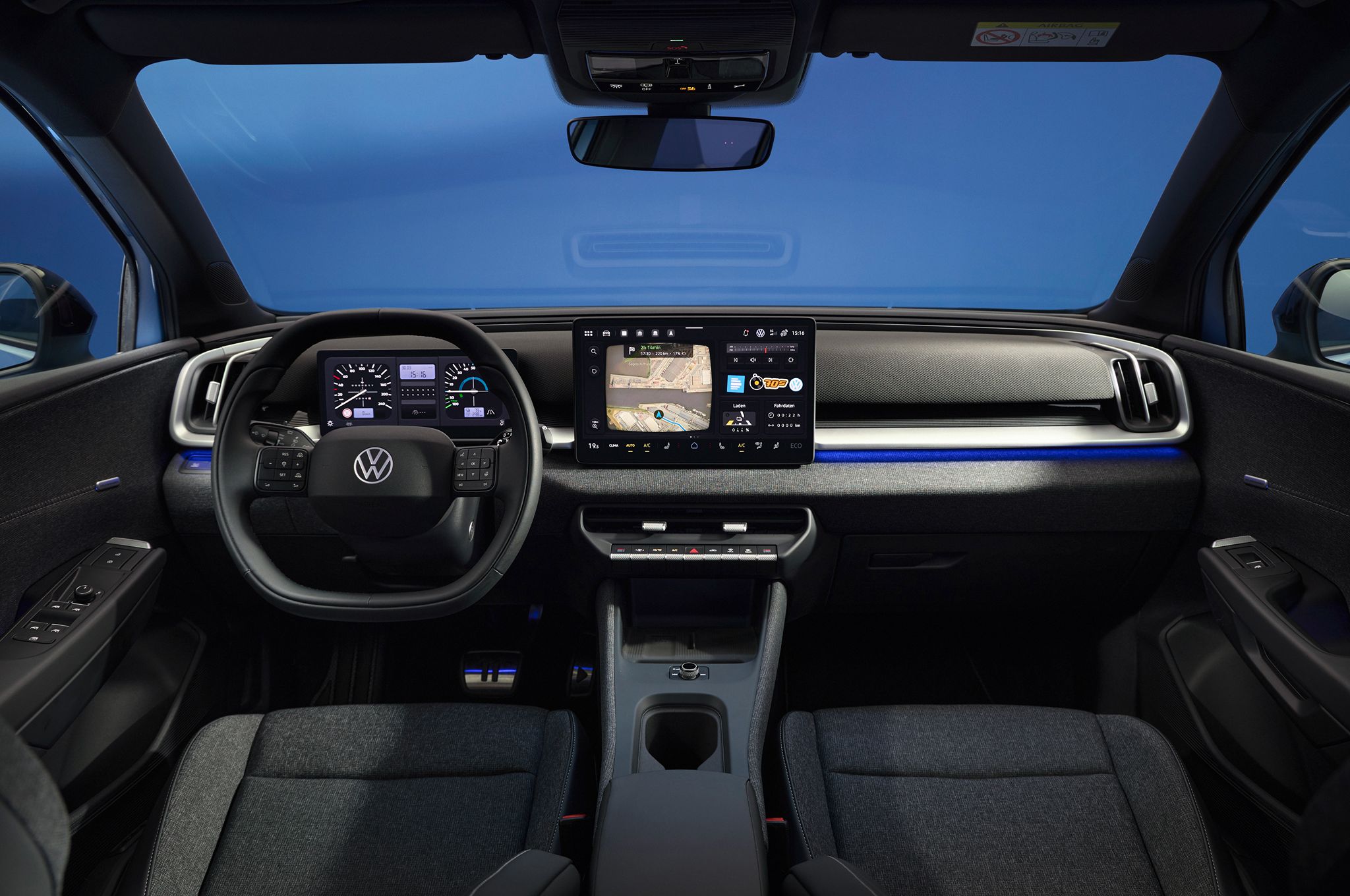
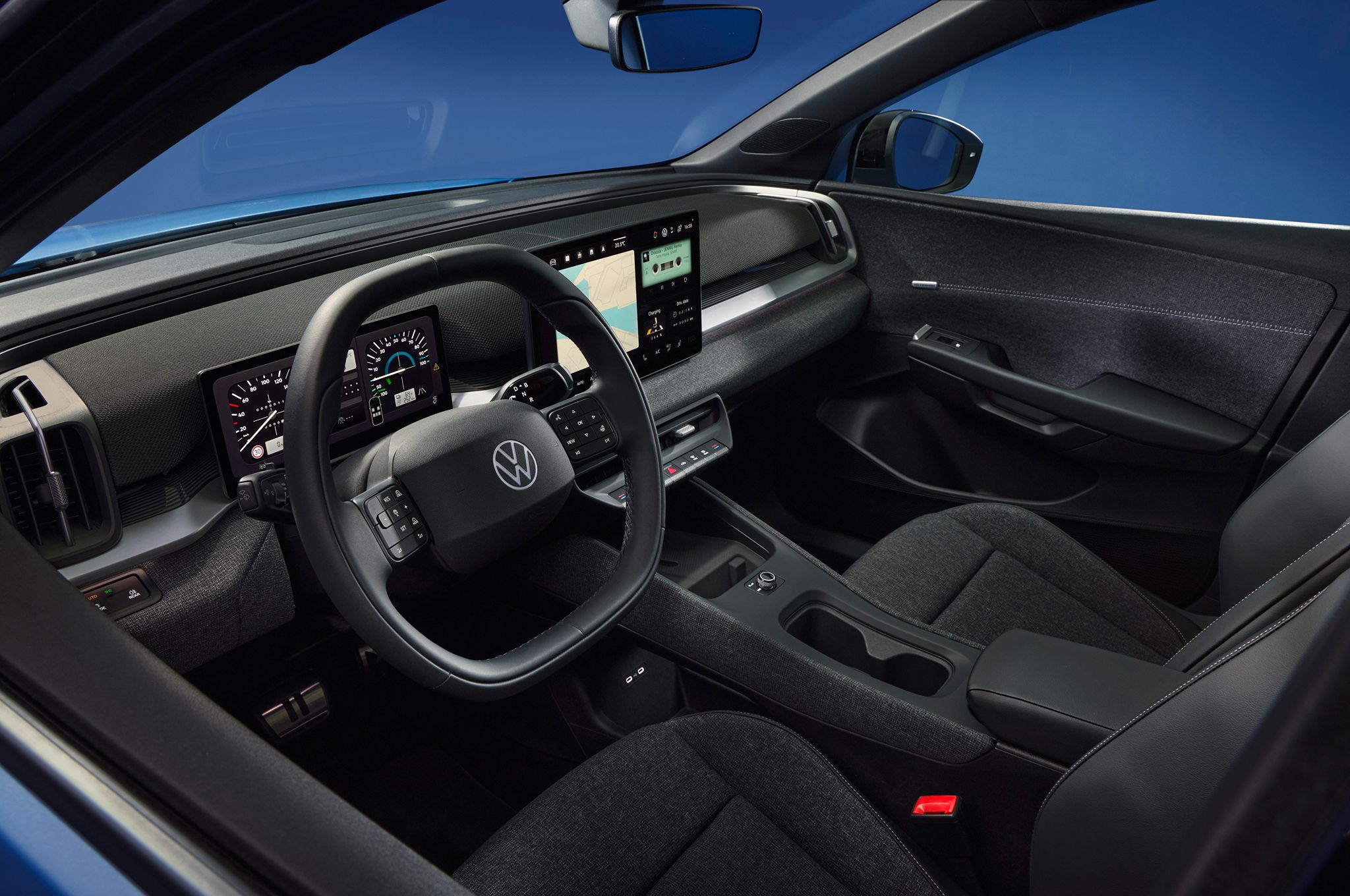
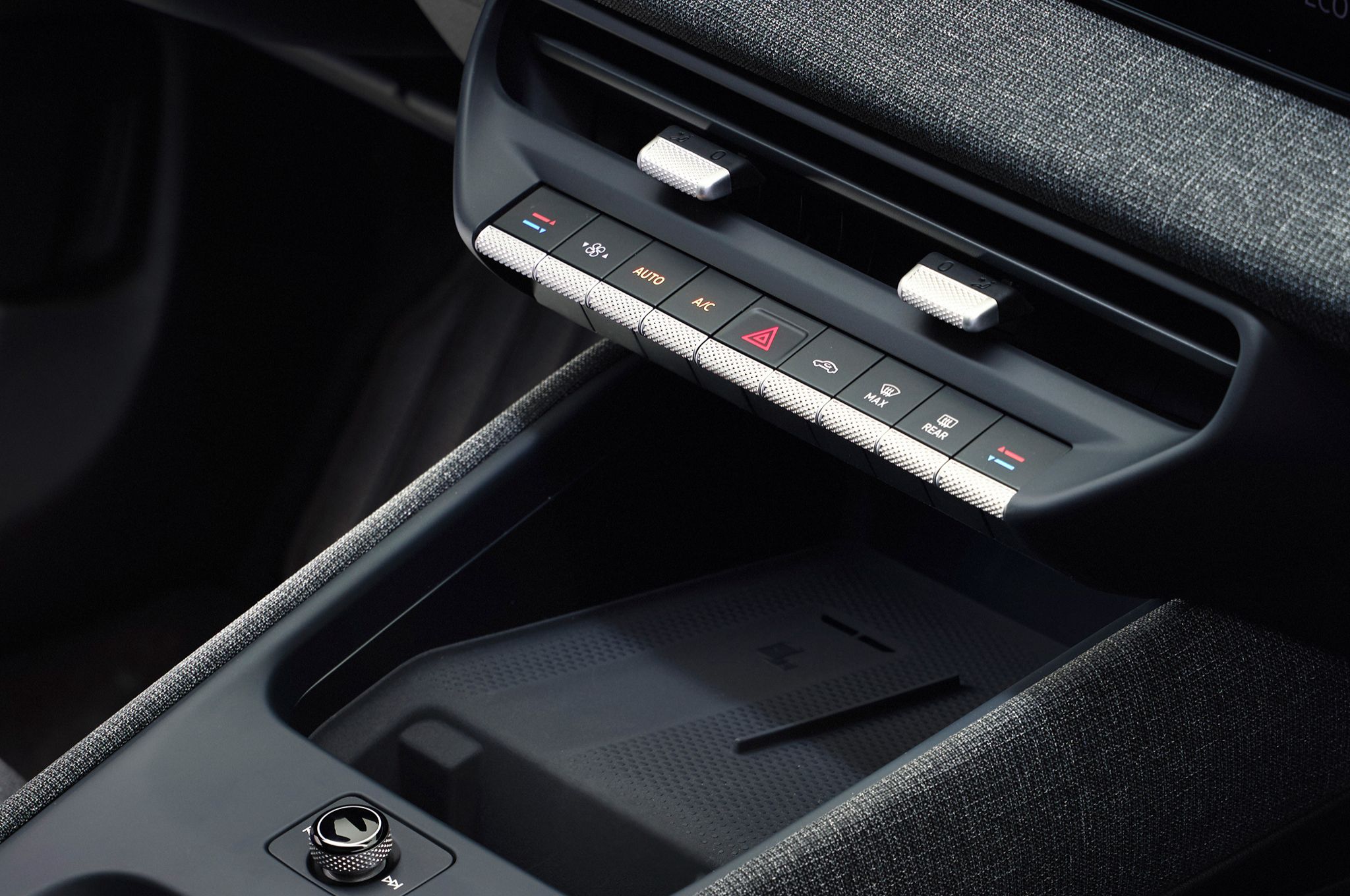
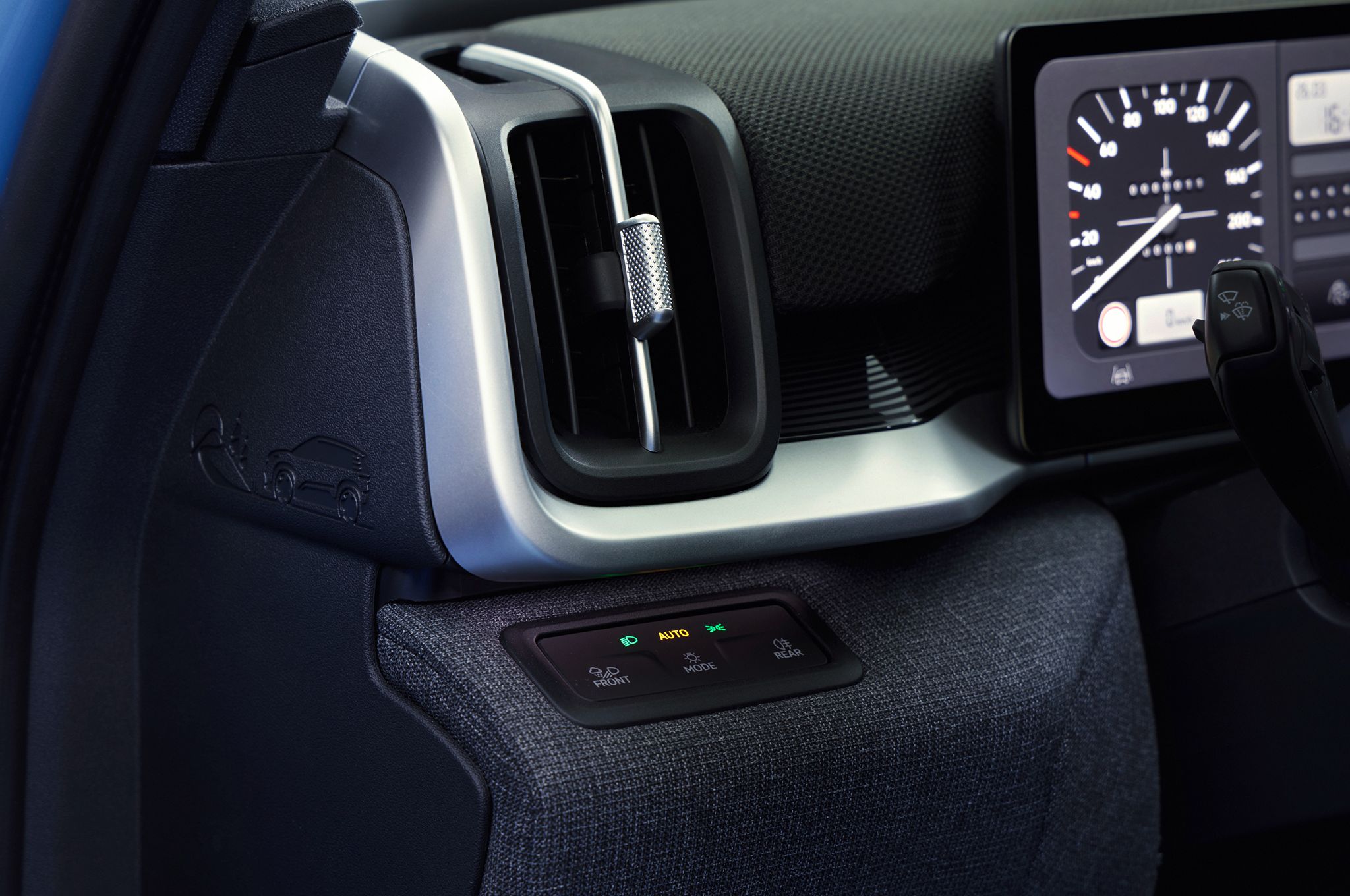
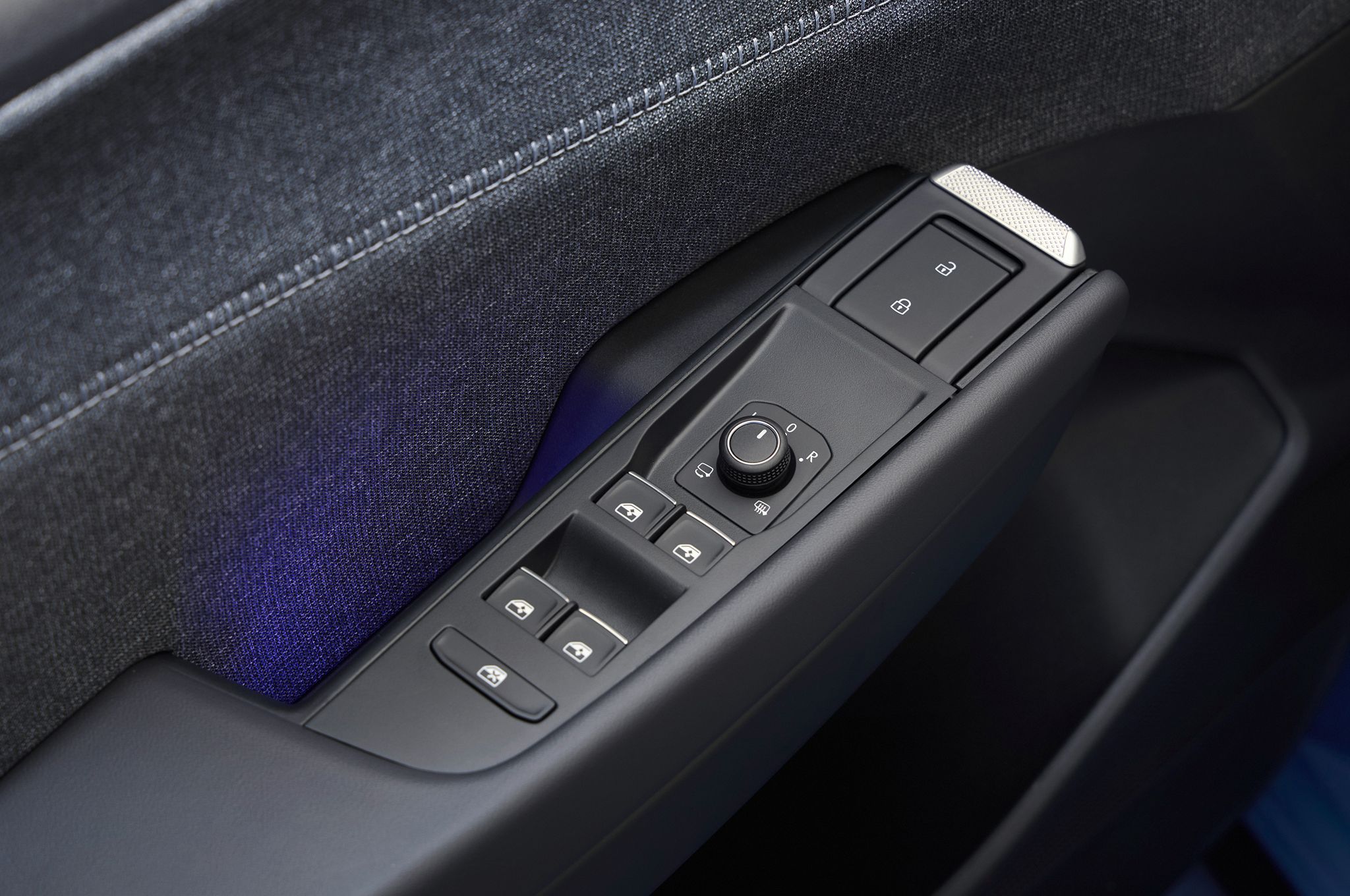
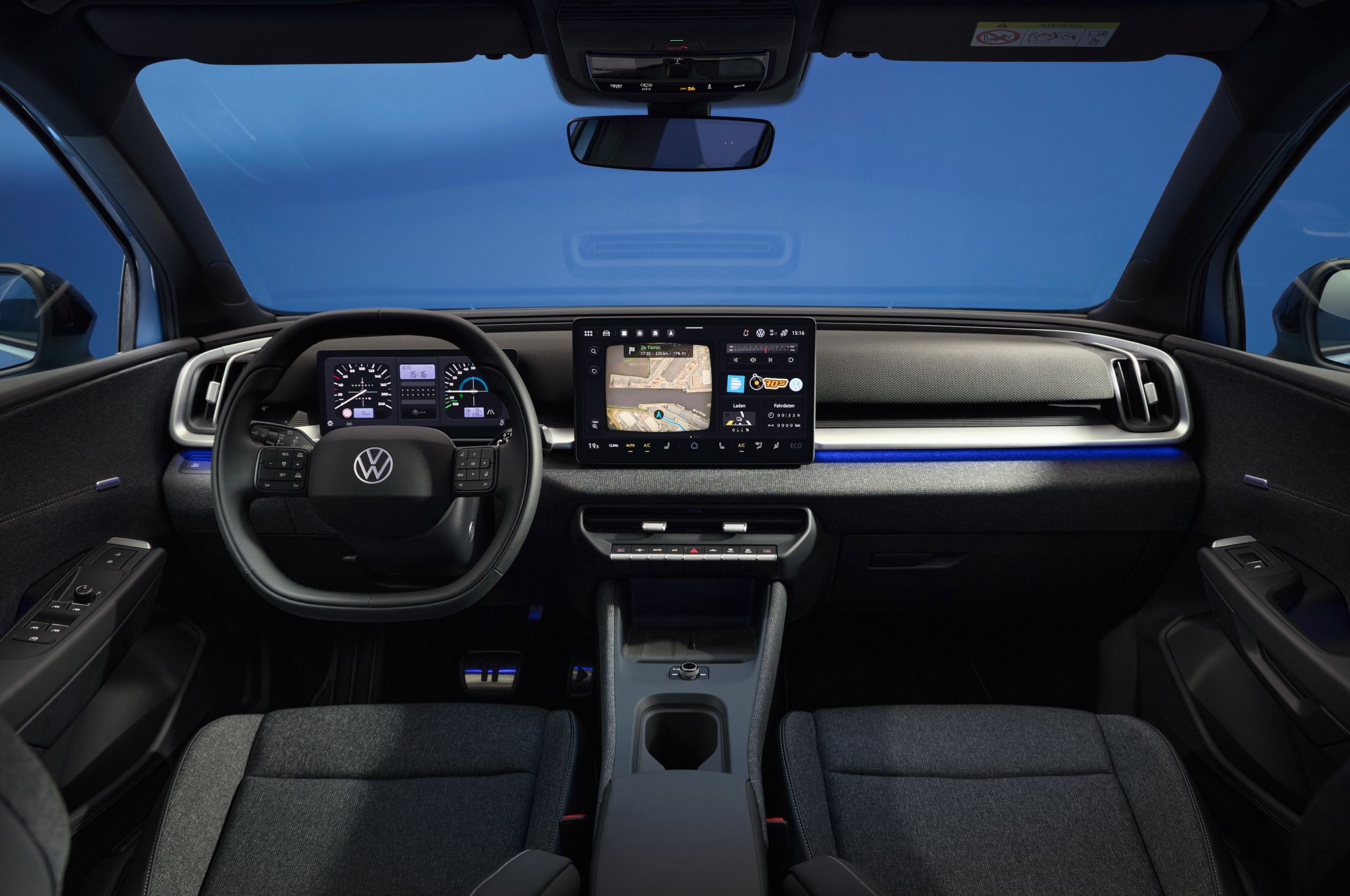
It might not look too revolutionary, but there is BIG news, and more proof that VW has been listening. The ID. Cross has proper buttons! There are some below the touchscreen, and there are four electric window switches - rather than two, with another one to switch from front- to rear, as you get in the ID.3. The ID.Cross' setup is so much nicer.
.jpg)
There's also the central touchscreen, which has all the features you want including nav, over-the-air software updates, wireless Apple CarPlay and Android Auto, and all of that. Plus, there are configurable shortcuts, and even a retro mode that makes it look like an old 'tube' television, with a cassette player and everything. I think the detail and effort that VW has gone to for this fun little feature is just great - I'd use it all the time as it just makes me smile. So cute!
Otherwise, those physical buttons for air-con and window controls are very welcome, and generally the interior is very comfortable and feels smart. There are quite a lot of buttons on the steering wheel, which I think can be a bit confusing, but generally this is a refreshingly straightforward interior that I find easy to use and comfortable to be in.
.jpg)
Practicality and boot space
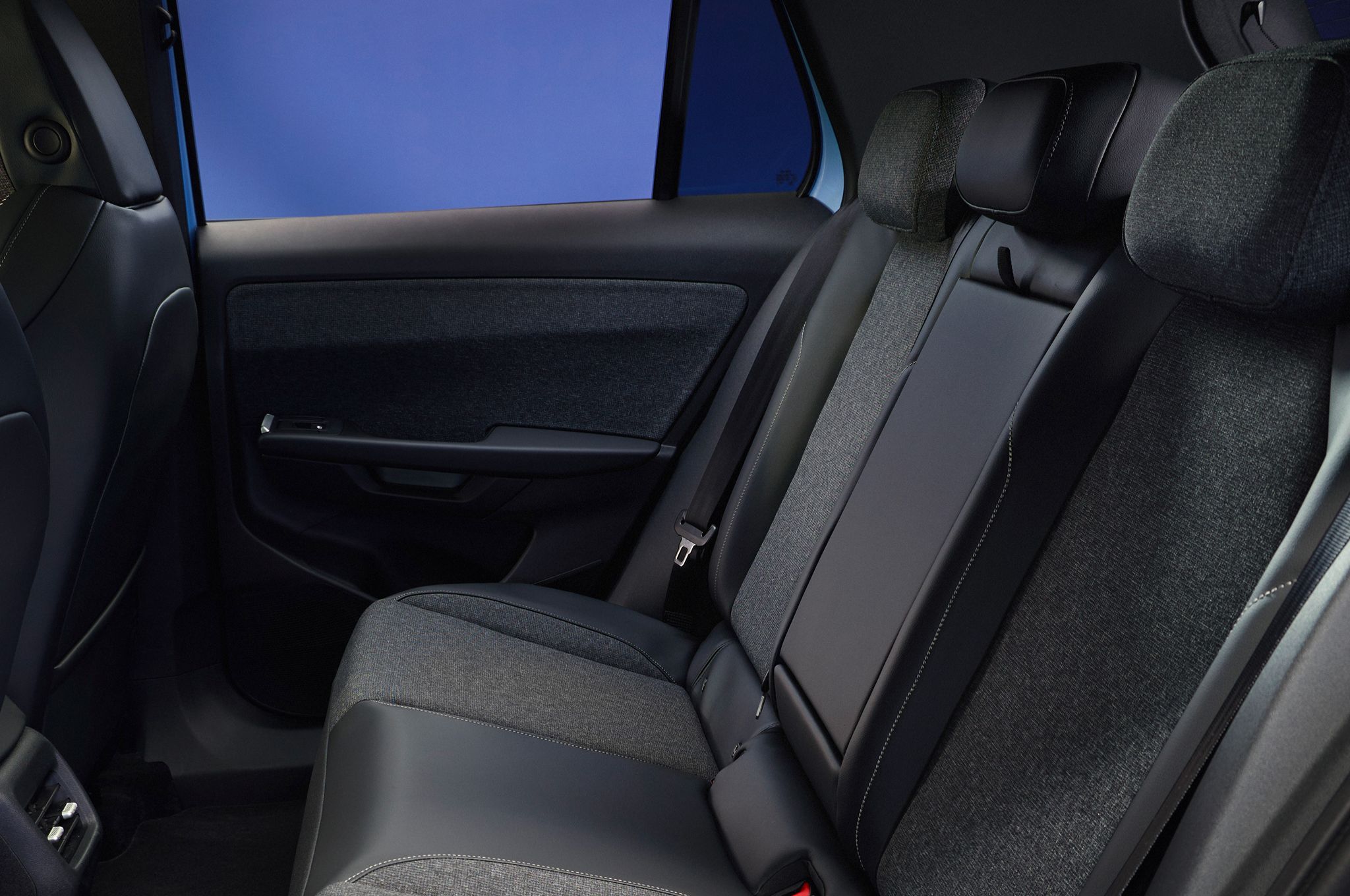
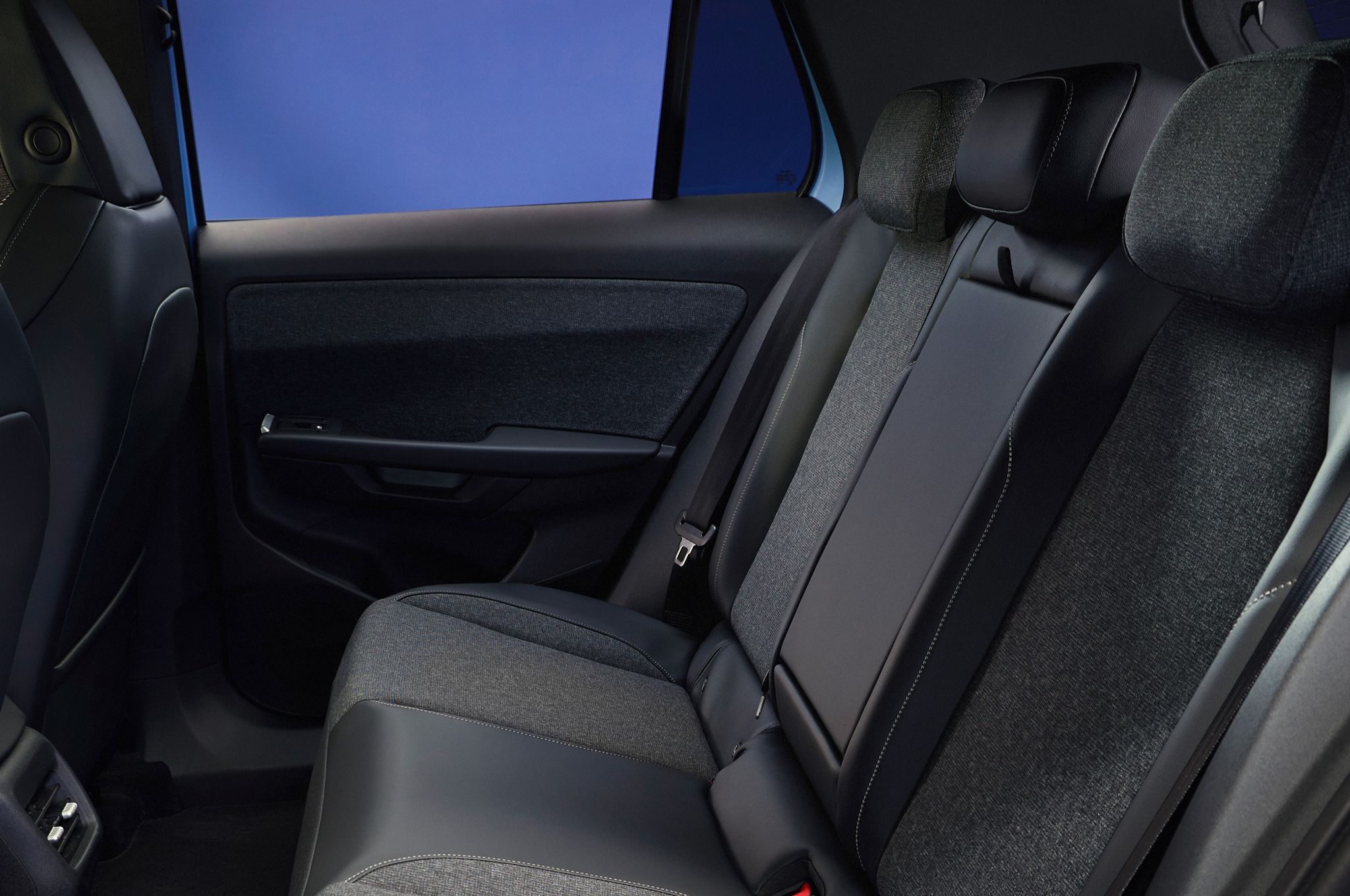
In the back of the VW ID. Cross there's a decent amount of head- and knee room, but the floor will feel unnaturally high for long-legged adults, so if you're thinking of getting an ID. Cross to ferry your lanky teens about, you may want to wait until they can try out the back seats. Leaning in to faff about with a car seat should be fine, though, and the quality of the materials in the rear is a real step change for VW electric cars though. It’s lovely back there, and even in the finished production car the materials feel nice, and there are lots of different textures. The pale fabric looks particularly nice, but I do suspect it'll be a bad idea if you've got kids! Squished-in chocolate crumbs are going to be a nightmare on that upholstery.
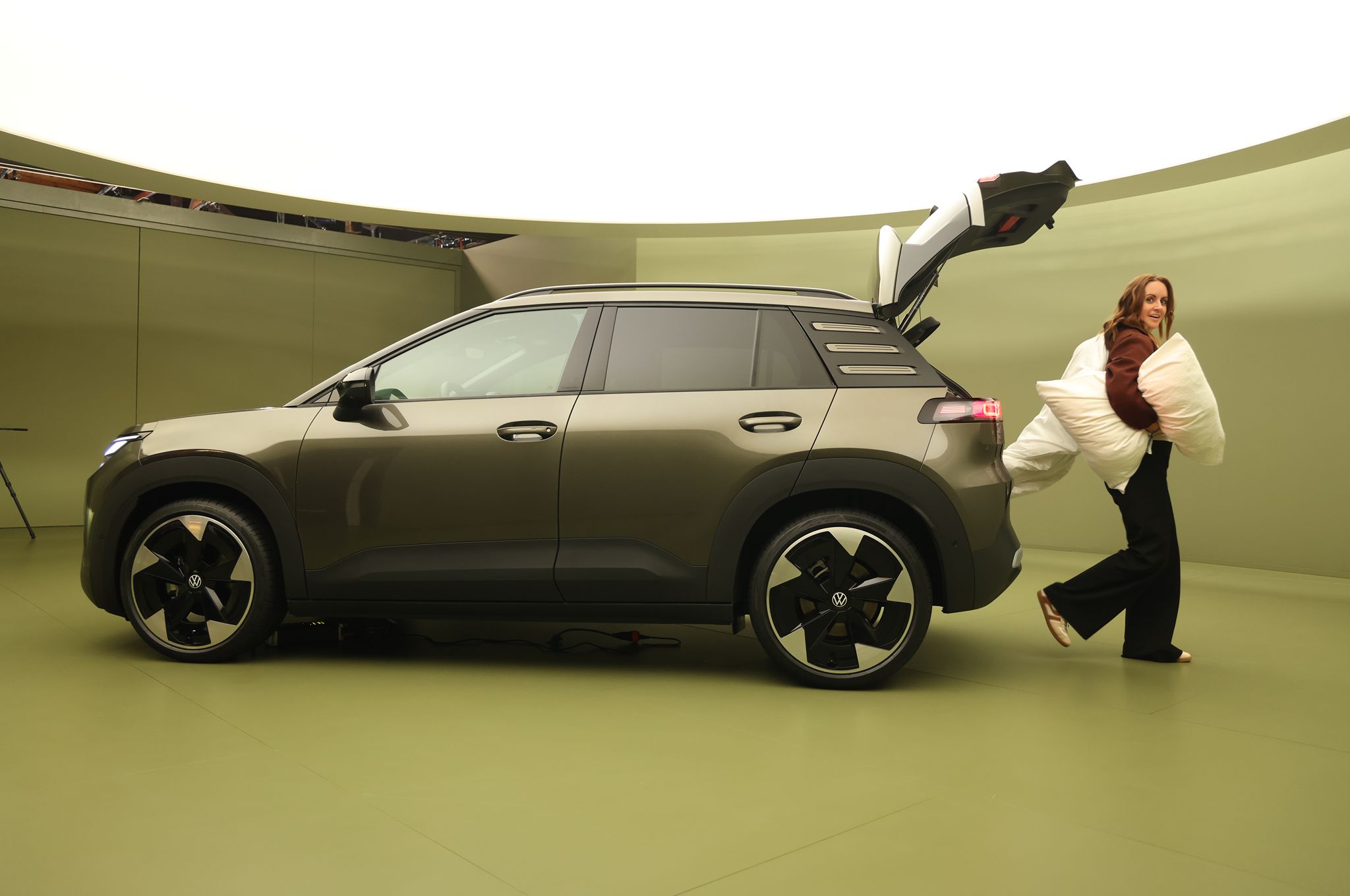
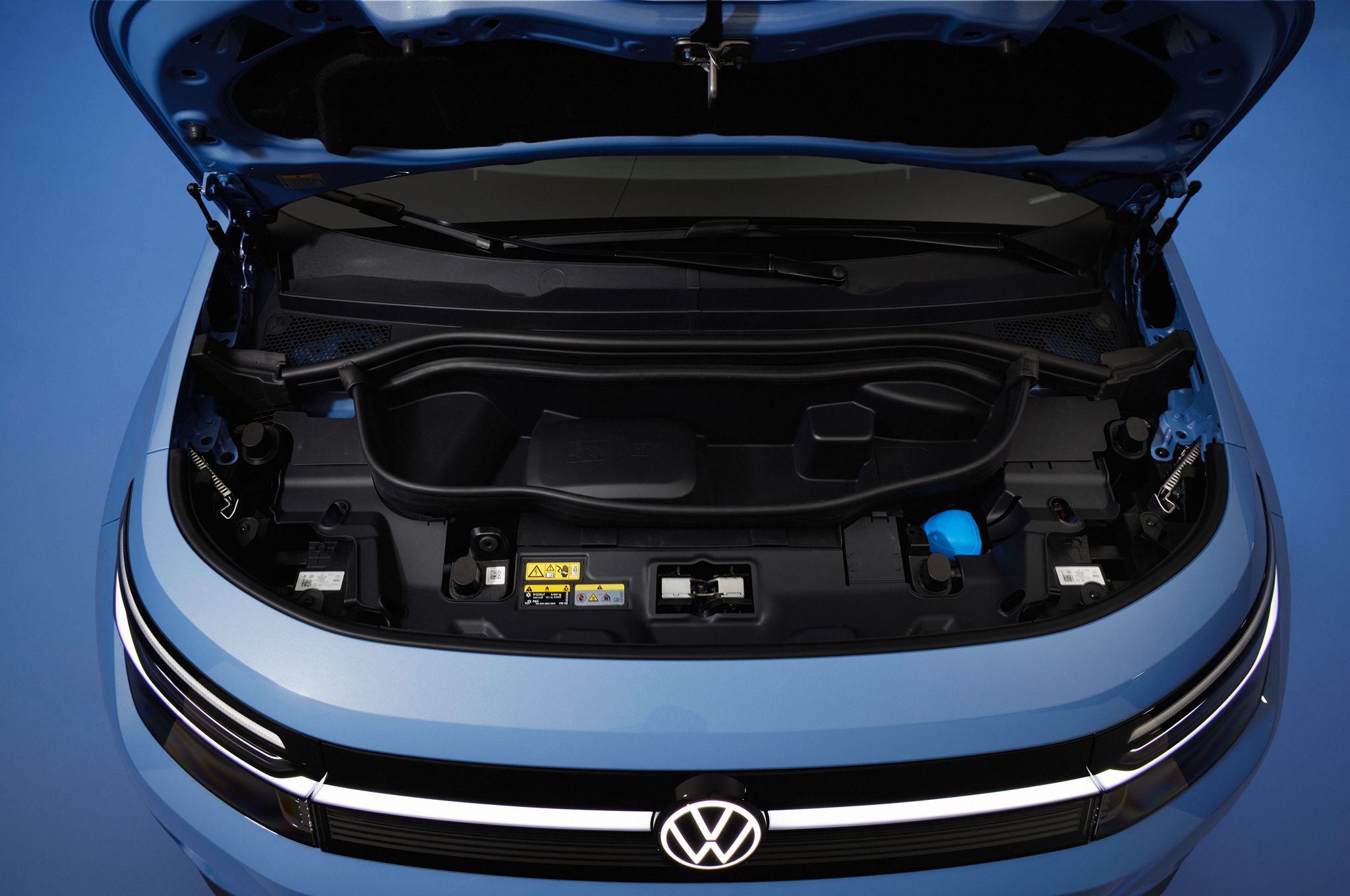
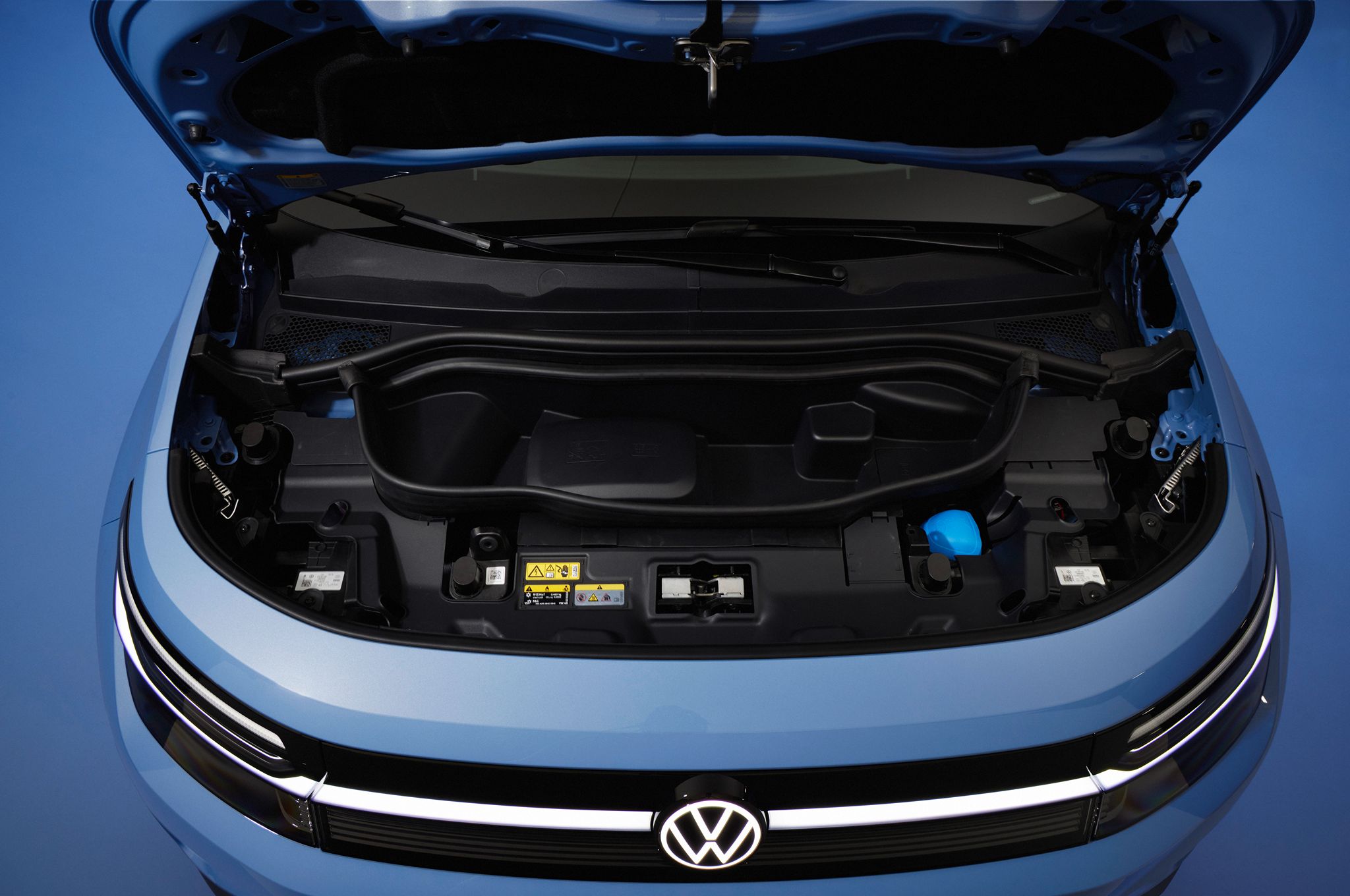
Open the boot and there’s an impressive 450 litres of space – that’s more than the Mini Aceman and Renault 4 but can’t match the mighty Puma. You do get a couple of additional bits of space though, under the rear bench seat (38 litres) and a frunk (25 litres) under the bonnet. The ID. Cross is fairly wide for this class of car, at just under 1.8m wide, not including the mirrors, which helps to make it quite a usable space.
I actually think this boot is one of the best in the class. I know that the Ford Puma has a bigger boot space as it's got such a deep boot, but this has a nice, broad boot floor that'll be arguably better in the real world if you've got dogs, or a chunky buggy to lug about. Then there are loads of spaces in the cabin to store your gubbins, so yeah - I think this will be one of the best choices in the class if you're catering for kids.
.jpg)
Motors, performance and handling
There is no electric motor under the boot floor of the VW ID.Cross, like you’d find in an ID.3. That’s because the ID.Cross will be front-wheel drive, using a new platform which will also be used in the ID.Polo, Skoda Epiq and Cupra Raval. In the ID. Cross you're going to be able to choose between 116-, 135- or 211hp power outputs. VW hasn't confirmed 0-62mph times yet, but those are the same power outputs that you get in the Skoda Epiq, which manages 0-62mph in 11.0, 9.8 and 7.4 seconds respectively, so you can bet your new compact crossover that the VW will manage very similar performance.
When I got to drive the big battery, 211hp VW ID. Cross prototype in Germany, I found it very similar to the VW ID. Polo and Skoda Epiq in that it just feels very... smooth. And mature. You can watch the video of the prototype drive, here, but this definitely feels like a car that you'd be very happy doing big miles in, as it soaks up the road surface nicely, has lovely, confident steering and is quite intuitive to drive. Everything feels just right in terms of the control weights, and the way it feels so calm and secure. It's not the most exciting car - I'd say that the Renault 4 probably has a bit more character and the Ford Puma Gen-E handles with a bit more fizz if you like a fun car in the corners.
But the VW ID. Cross exudes a more grown-up attitude that I think could make it the better bet for those drivers who want a compact EV like this but also want it to be their main car even for long journeys and trips with the family.
There's variable brake regen, including an adaptive mode and a couple of fixed levels of regen, all of which are easy to predict - and the brake is very easy to modulate for smooth driving, too. It all just gels really well and makes this feel like a rather serene car that's super easy to drive fluidly. I really enjoyed it!
If you go for the big battery ID. Cross, you can also tow up to 1,200kg, which can be really useful for a light trailer. Or you can add a tow hook to any ID. Cross model, which is really handy for mounting bike carriers.
Pricing and on sale date
Final pricing for the VW ID. Cross hasn't been confirmed yet, but we know that production is due to start in October 2026, so we can expect orders to open around the same time with deliveries towards the end of this year or early 2027. Now, I'll have a stab at what the ID. Cross might cost! We know that the Skoda Epiq - which is the Skoda equivalent of the ID. Cross - is going to cost from around £25,000 up to about £33,000. It seems likely that the ID. Cross will cost a bit more, but it'll have to be in the same ball park, so maybe £26,000 and up? We'll have to wait and see, won't we, but the Epiq pricing is certainly really competitive so I'd expect the same of this!
Verdict
What do you think? Does the ID.Cross make you happy? Are you pleased that switches and proper names have made a comeback? Do you think that this is different enough from the Skoda Epiq, or from other rivals like the Renault 4 and Kia EV2? Let us know what you think by leaving a comment on the video.
Basically, the ID.Cross isn’t a revolution but I think it's going to offer exactly what VW buyers want, and has fixed many of the criticisms that buyers had of the brand’s earlier electric efforts. Sure, it's a bit predictable and sensible, but that's actually what lots of people want! That's what you look for in a long term relationship, right? I think the ID. Cross is going to be a hit.
Like the VW ID.Cross? Try these...

 8
8