





 Battery size: 58 - 80 kWh
 E-Rating™: A
 Max charge rate: 230 kW
 Real World Range: 180 -300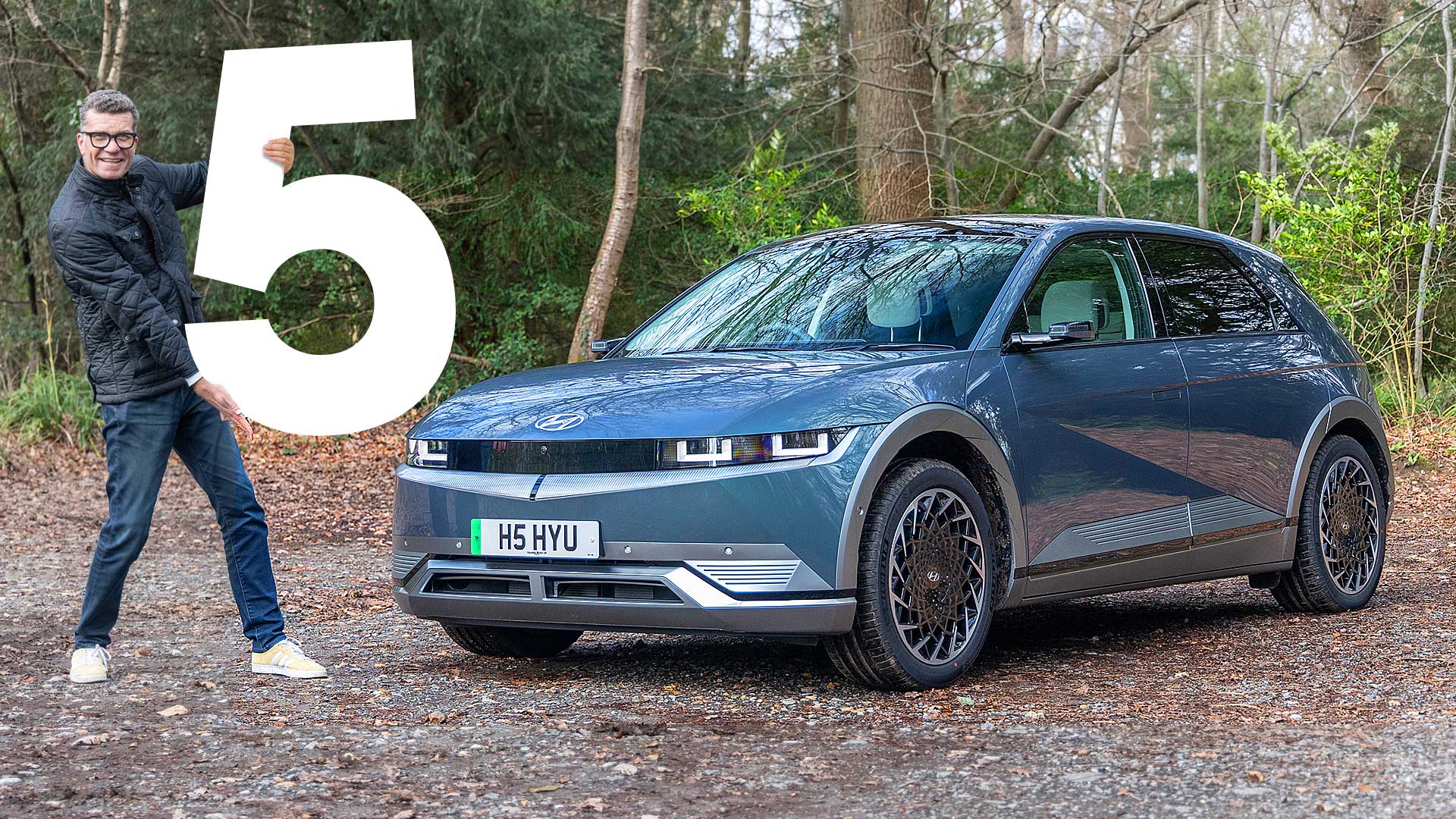



Introduction and history
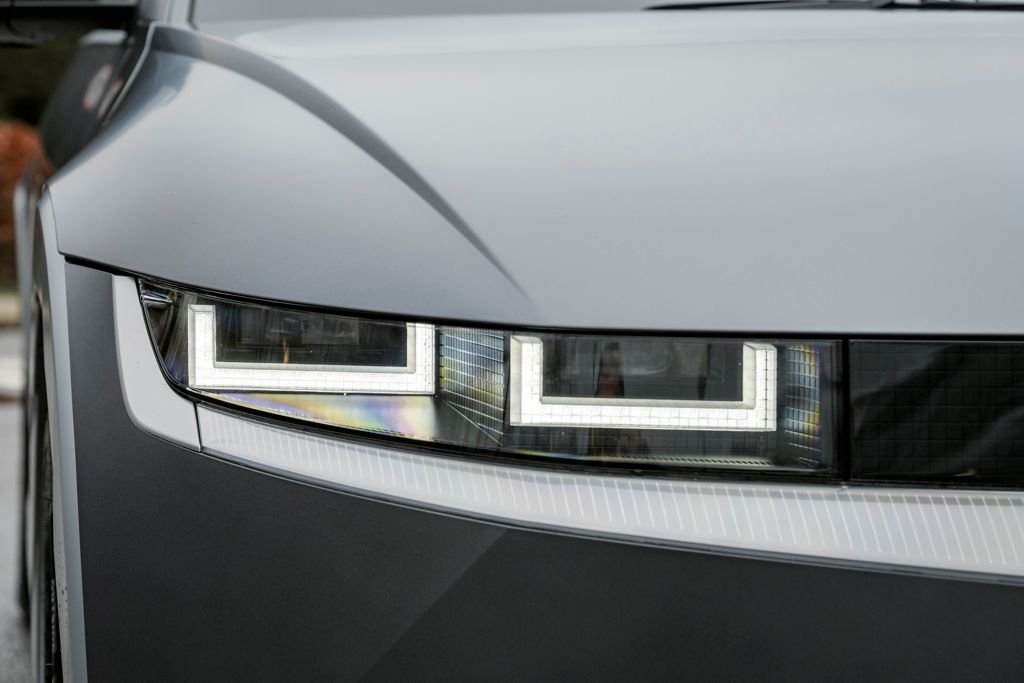
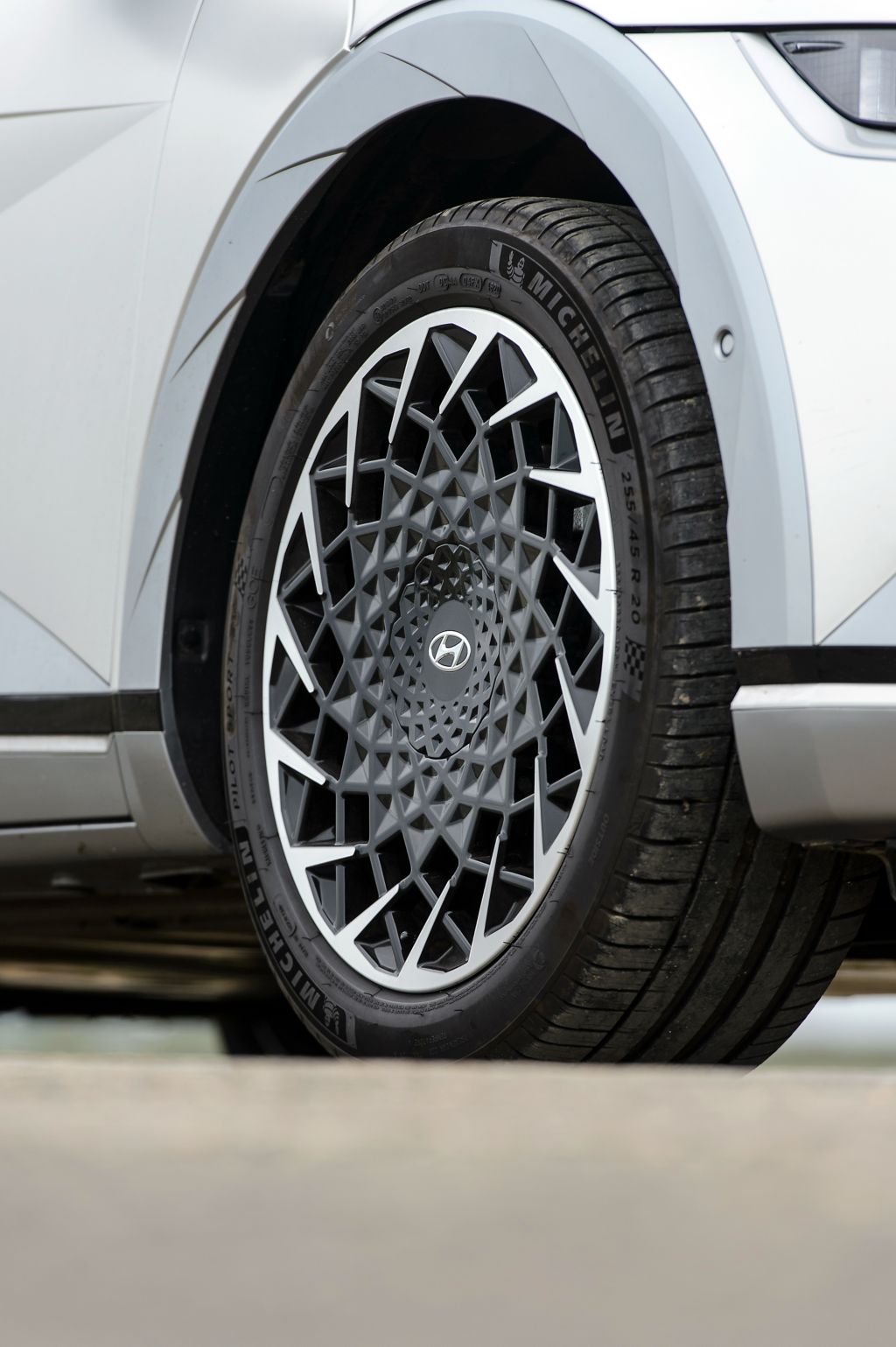
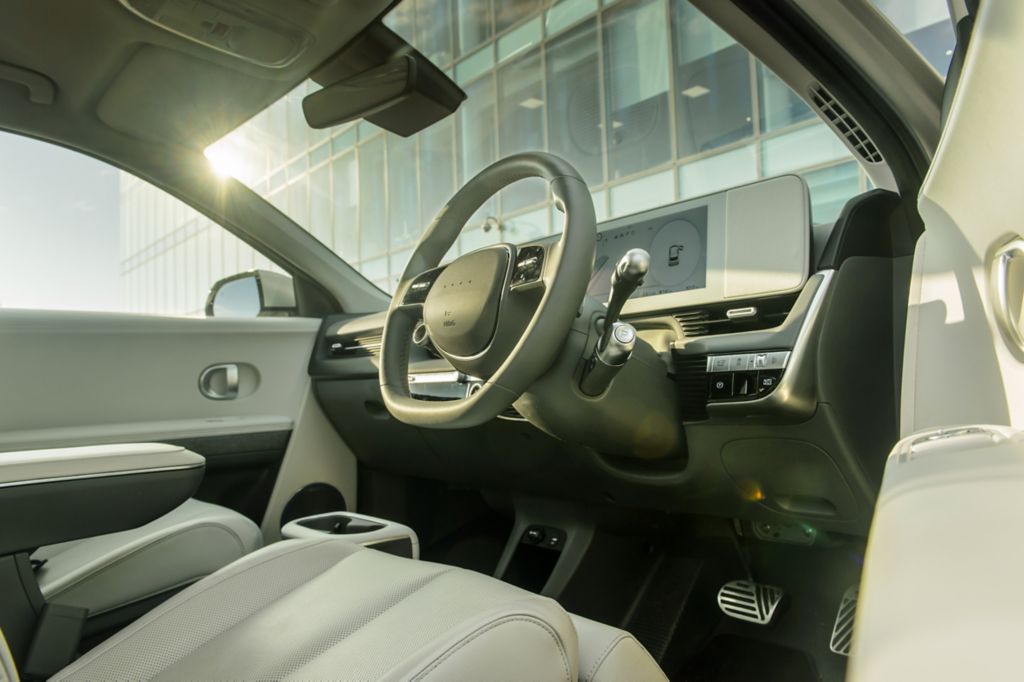
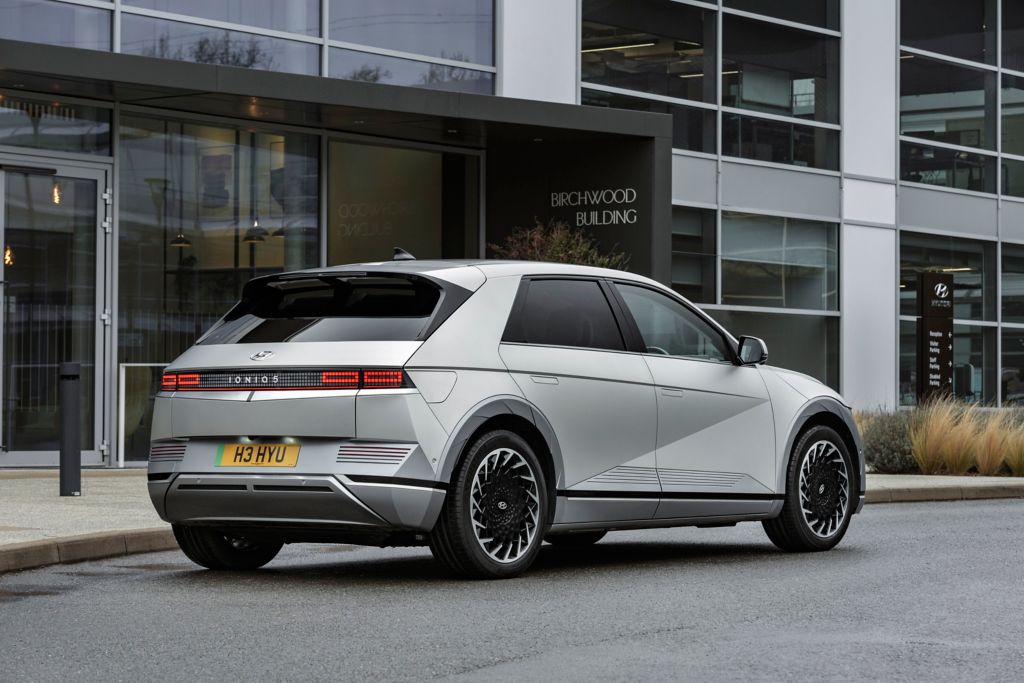
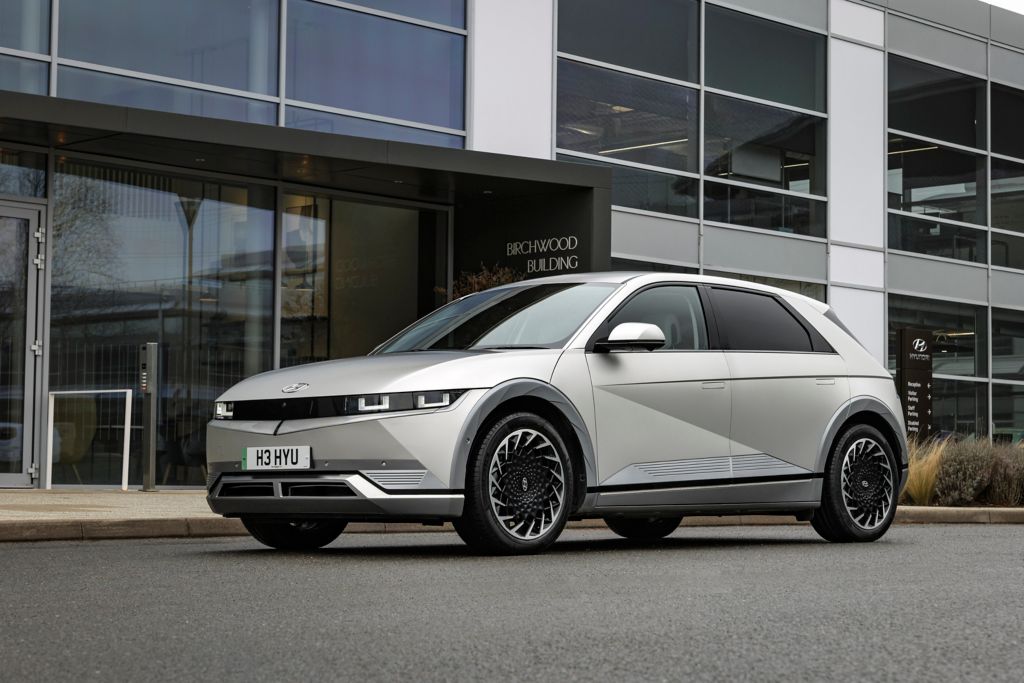
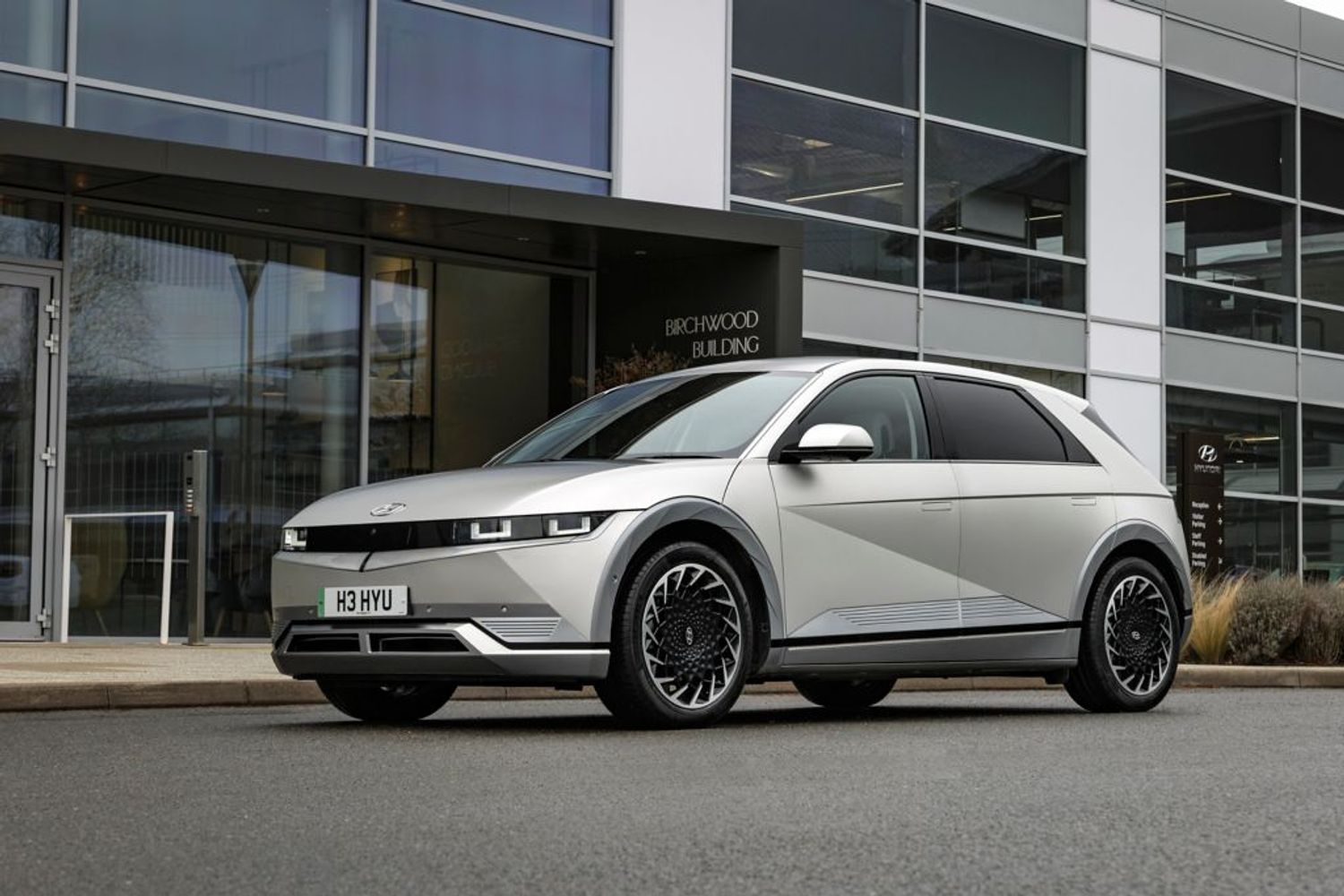
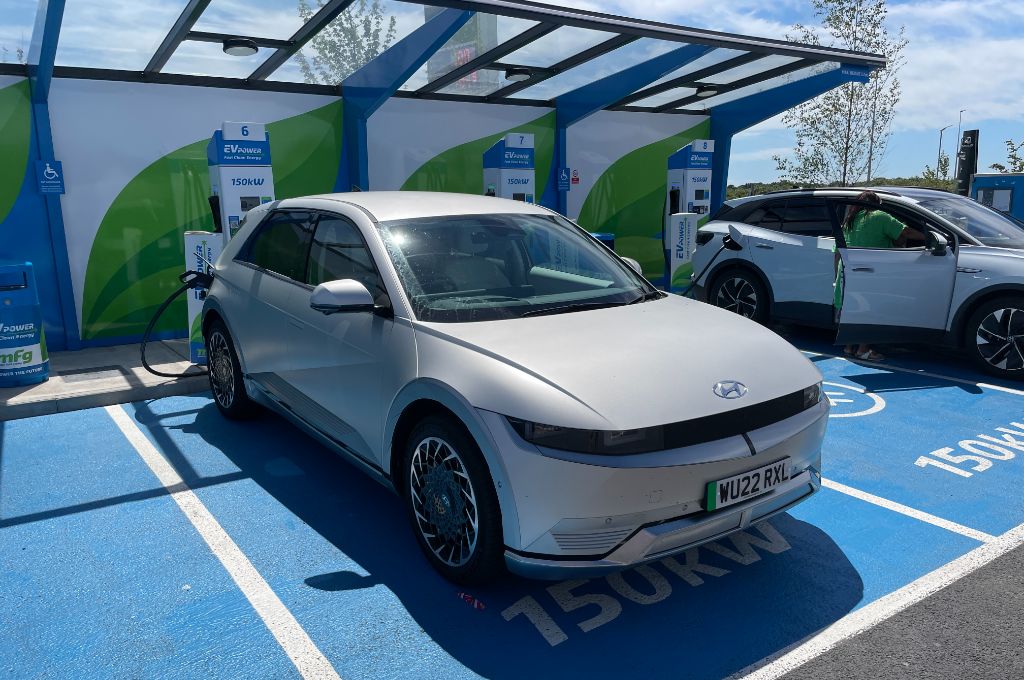
The Hyundai IONIQ 5 remains one of the most distinctive and capable electric cars on the market. Since its arrival in 2021, its futuristic, retro-inspired styling has helped it stand out from the increasingly crowded EV market, while its spacious interior and long-distance ability make it a genuinely practical family car.
Despite its relatively compact-looking proportions, the IONIQ 5 is a substantial car, measuring 4.64 metres long and 1.89 metres wide. The clever electric-car packaging creates a huge amount of interior space, particularly for rear passengers, while the sliding rear seats allow owners to prioritise either passenger legroom or luggage space. The 527-litre boot is useful, although its shallow, flat shape isn't as versatile as some rivals. There is also around 100 litres of additional storage beneath the bonnet (less if you opt for the all-wheel drive version).
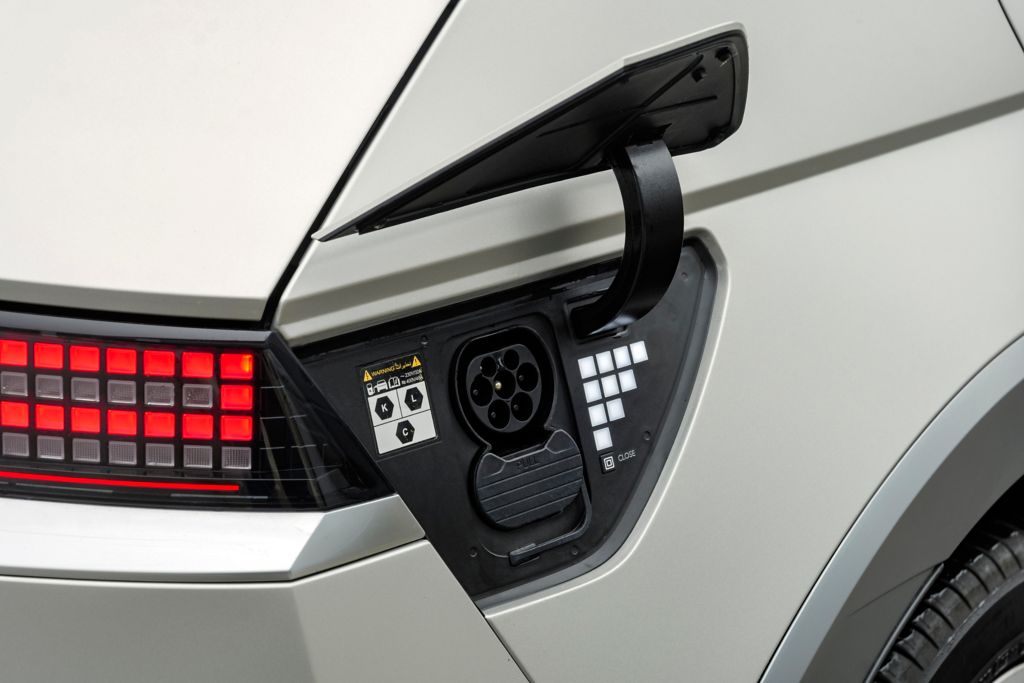
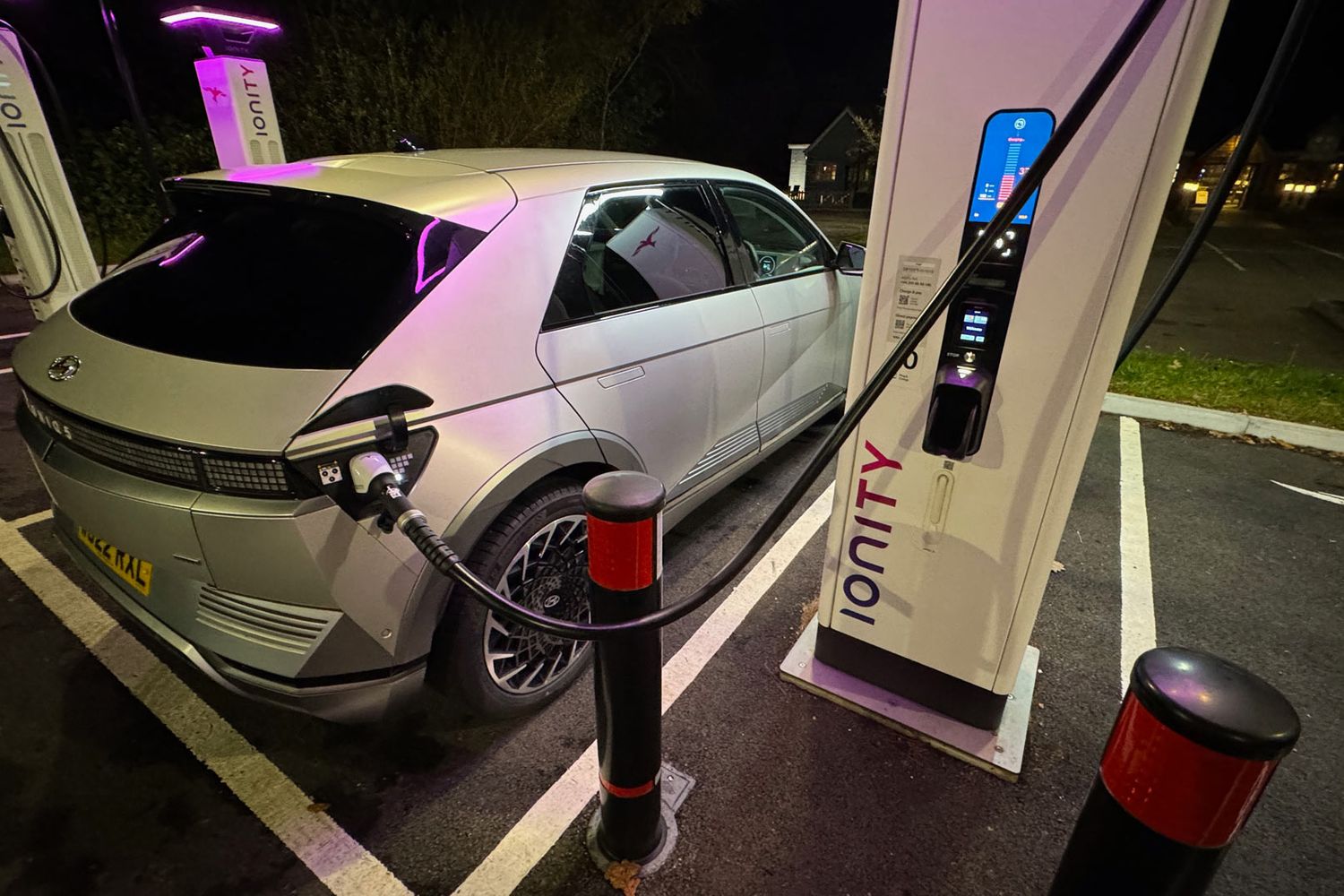
One of the IONIQ 5's biggest strengths is its charging technology. It remains one of the most affordable models to come with 800-volt electrical architecture, which allows exceptionally rapid charging, with compatible 350kW chargers capable of taking the battery from 10 to 80 per cent in around 18 minutes. The 5 also features Vehicle-to-Load technology, allowing its battery to power external equipment at up to 3.6kW.
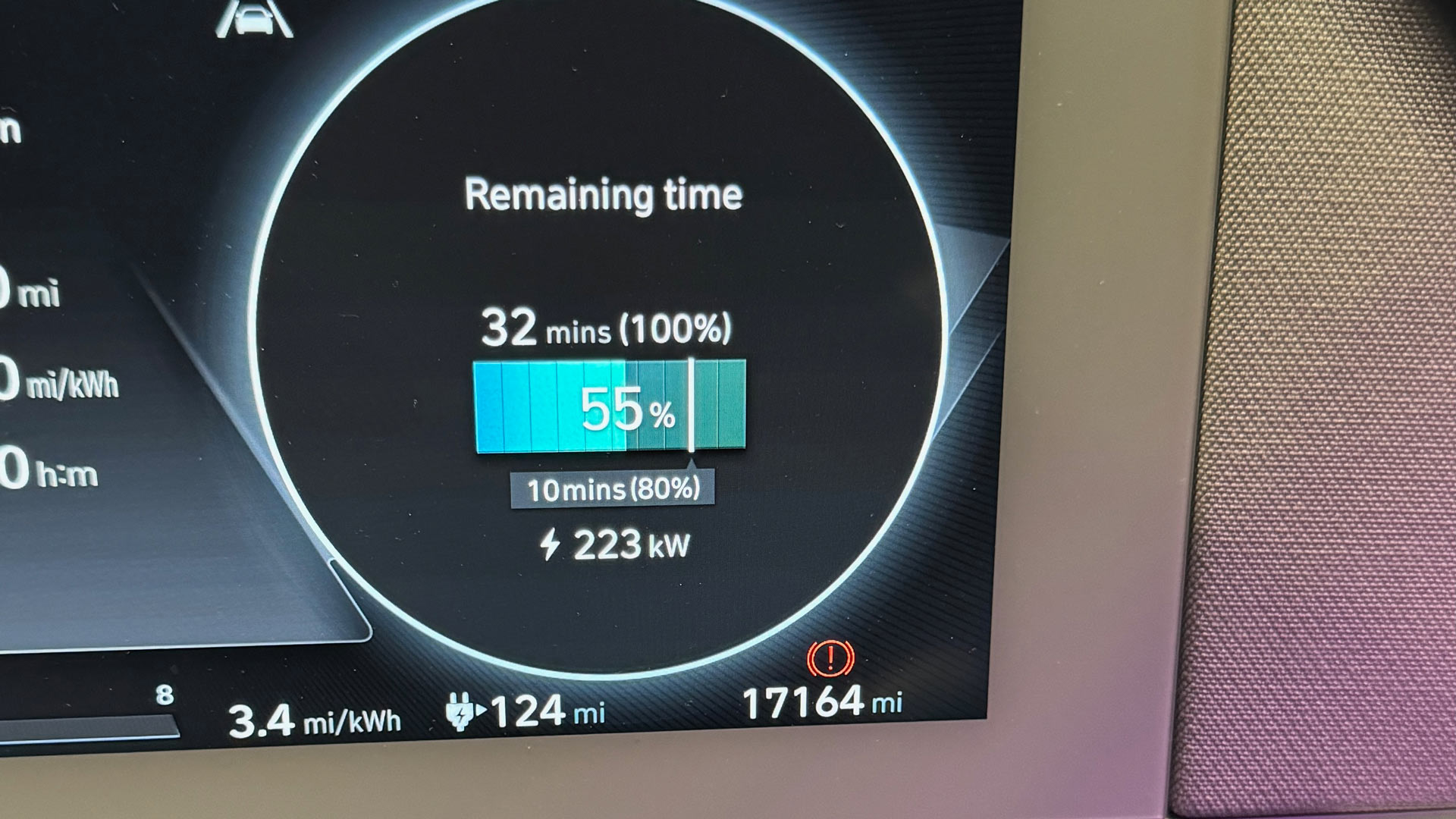
Battery options range from 58kWh to 80kWh, with the larger battery offering up to 354 miles of WLTP range. Rear- and all-wheel-drive versions are available, with the twin-motor car delivering impressive performance, reaching 62mph in just over five seconds. A range-topping IONIQ 5N with 601hp was added to the range in 2023 and delivers genuine supercar performance.
There are some compromises, though. Efficiency isn't class-leading, while the car's size and relatively small boot can make it less practical than some alternatives. The Kia EV6 is more engaging to drive, and the Skoda Enyaq offers greater luggage space.
What is the real-world range of a Hyundai IONIQ 5?
Hyundai has offered standard and long-range versions of the IONIQ 5, but check carefully to find out what battery it has because both models received two capacity bumps during their production runs. Irritatingly, Hyundai quotes gross rather than actual capacities, which explains why some figures are different from what you might expect. We always quote usable capacity figures as they are the most relevant.
Early cars (2021-2022) were offered with a 54kWh or a 70kWh pack (standard and long range, respectively). In 2022, Hyundai bumped the capacity of the long-range model to 74kWh (but left the standard pack the same). From the 2024 facelift, the standard pack capacity rose to 60kWh, while the long range went up to 80kWh.
How far will an IONIQ 5 take you? If you’re looking at the standard range model, expect around 180 miles for the early car and 210 miles for the later car. If you’re considering the long-range model, expect 250 miles for the early cars and 280 for later ones. That said, if you go for all-wheel drive, expect to knock 10-20 miles off those figures.
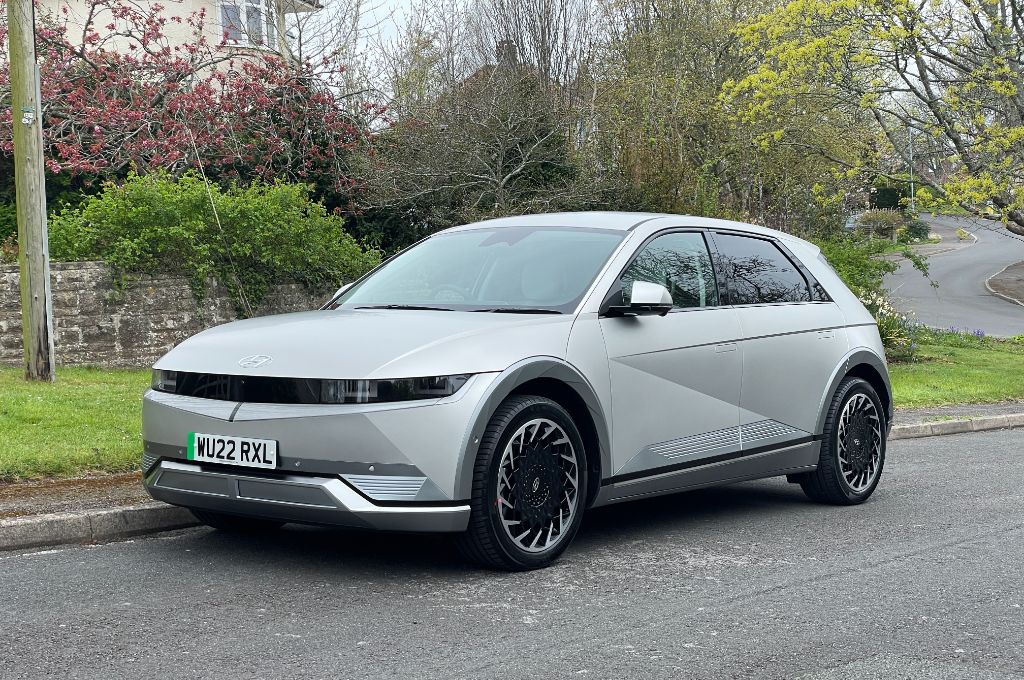
You might be wondering why those real-world figures are so low. As a former owner of an early AWD IONIQ 5, I did too. Put simply, the IONIQ 5 isn’t as efficient as it should be. The combination of a porky kerb weight (more than two tonnes for the long-range version) and bluff aerodynamics means that the 5 struggles to match its contemporaries. The fact that Hyundai made a heat pump optional and didn’t fit battery heating to early cars meant that cold weather efficiency was particularly poor.
How long will the battery last in a Hyundai IONIQ 5?
Early signs suggest that IONIQ 5 battery packs are holding up exceptionally well. Like all carmakers, Hyundai adds a buffer capacity to its packs (the difference between usable and total capacity), which means that packs will still show 100% health for some time. Even as that buffer disappears, it would seem that the packs are proving very resilient. Hyundai conducted its own mega mileage test last year and found that even after covering 360,000 miles, the battery still offered 88% of its original capacity.
How reliable is a used IONIQ 5 and what are the common problems?
Generally speaking, the IONIQ 5 is a reliable car, but there are a number of common faults that affected early cars in particular. The biggest potential issue that affected cars built between 2021 and 2024 concerns the car’s ICCU (Integrated Charging Control Unit). The problem was so widespread that Hyundai recalled all affected cars and replaced the unit where needed. Check that this recall has been done because it’s an important one. Any Hyundai dealer will be able to check the reg number against its central database to see if the work has been carried out.
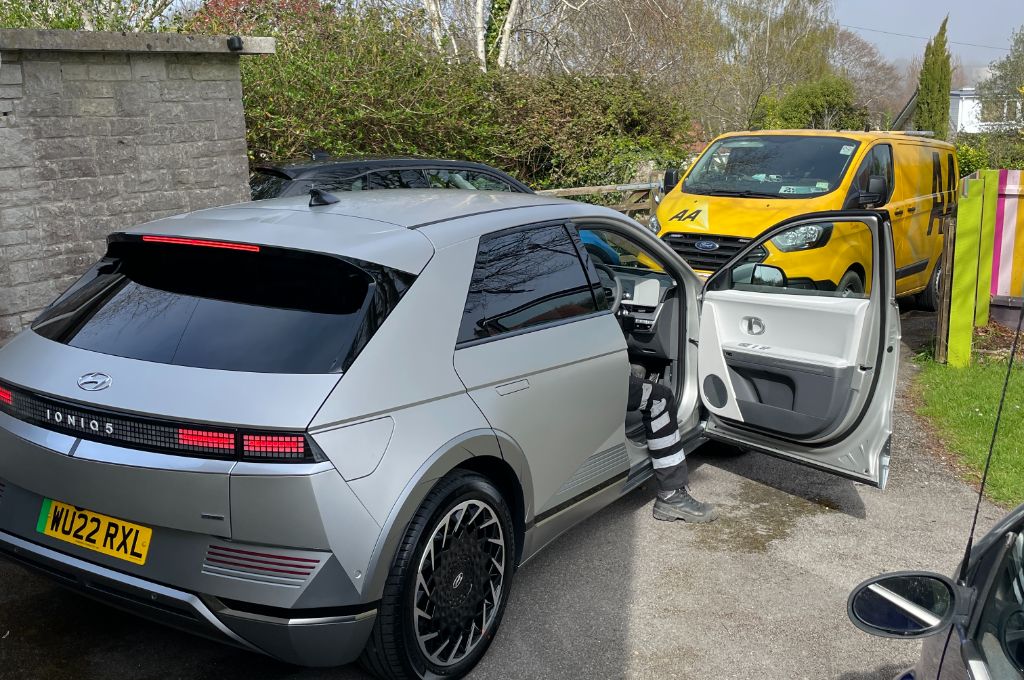
Early cars also had issues with flat 12-volt batteries, although a software update introduced alongside the ICCU recall largely fixed this. Like most EVs, the IONIQ 5’s electrical system ‘feeds’ the 12-volt with energy to keep it healthy. Before the update was applied, leaving the car with less than 20% charge in the traction battery would cause this process to stop. The result? A flat 12-volt battery.
Another thing to check is battery preconditioning - the process whereby the car heats or cools the battery prior to rapid charging. Post-2024 cars get it as standard, but early cars didn’t. The function can be added to early long-range cars via a software and firmware update, but be aware that this can only be done on cars where battery heating was fitted. If your car was fitted with the ECO pack option (AWD cars came with this as standard), then battery preconditioning can be activated. If your car didn’t have this, it can’t.
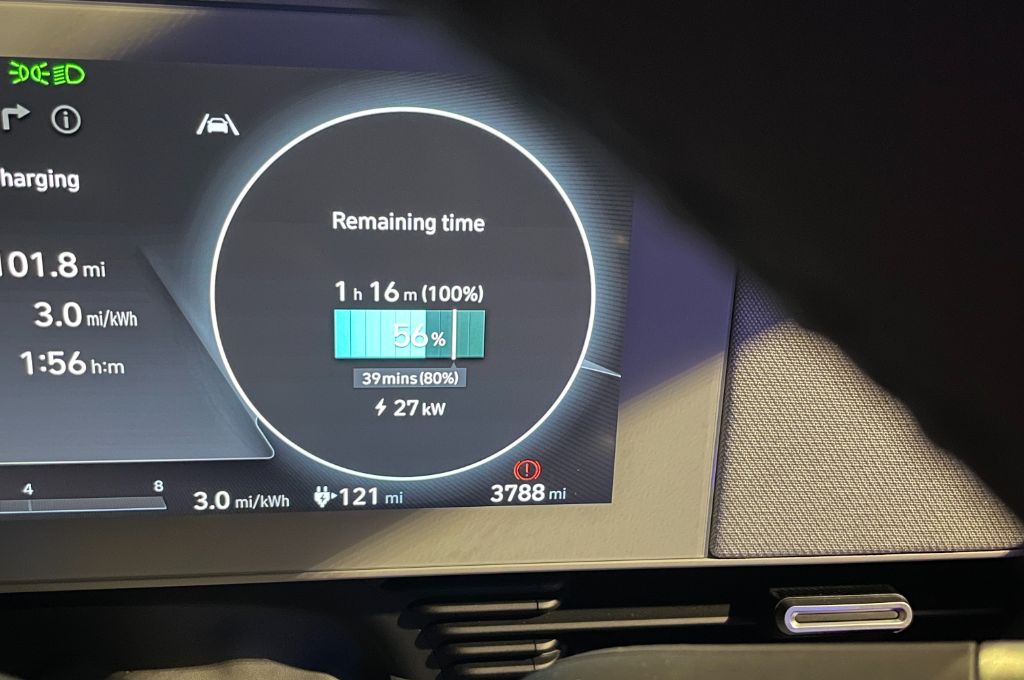
Why is this important? Early cars suffered from well-documented slow charging in cold conditions, with owners (including myself) often stuck with desperately slow speeds, regardless of how powerful the charger was.
The IONIQ 5 has had four official recalls during its production run, so it’s worth checking to see which ones are applicable to the used example you’re looking at. https://www.check-vehicle-recalls.service.gov.uk/
Which is the best version to buy?
It depends on what your priorities are. If you’re looking for a great family car with a good range, a later long-range version would be the one to go for. Avoid the all-wheel drive range-topper unless you really need the extra traction and power. The smaller battery models are fine for daily work – especially if you can charge from home – but less suited to regular long-distance driving.
How long is the warranty?
Hyundai UK gives the high-voltage battery an 8-year/100,000-mile warranty with the rest of the car getting a five-year warranty. It’s a shame Hyundai doesn’t match Kia’s 7-year deal (and baffling given that it’s effectively the same company), but that’s the deal. Extended warranties offer complete peace of mind, but do come with quite a hefty price tag.
What are the ownership and running costs of a Hyundai IONIQ 5?
Service intervals on the IONIQ 5 are every two years or 20,000 miles (whichever happens first). Cheekily, Hyundai suggests an annual inspection, which can be ignored without affecting your warranty. Expect to pay around £200 for the first service and £400 for the four-year service (which includes a brake fluid change). There’s also a potential sting in the tail in the form of a low-conductivity coolant change. If you’re looking at a pre-2025 model, this should be changed at the four-year /40,000-mile mark, potentially adding another £400 to the bill.
What other cars should I consider?
Although the IONIQ 5 looks like nothing else on the road, it actually competes in a pretty crowded segment. This means that there are a vast number of alternatives for the same money. Kia’s EV6 is a natural rival and shares the bulk of the IONIQ 5’s running gear. The Škoda Enyaq offers an equally practical cabin and more range in 77kWh form, while the ubiquitous Tesla Model Y has more space, more performance, and comes with the prospect of easier on-the-go charging thanks to full access to the brand’s supercharger network.
 8
8