






Electricity prices are a real concern for a lot of EV owners, right now. Since the US-Iran war started at the end of February 2026, the wholesale price of oil has risen rapidly for the first time since the Russian attack on Ukraine.
As a result, we know that the price of fuel at the petrol pumps is already going up – and if you're looking to save money there, then you can read our guide for how to save money on fuel, whether you’re driving a petrol car, PHEV or a pure EV.
But what about electricity prices? How will the US-Iran war affect the price of electricity in the UK?


Well, the very simple answer to that is that electricity prices will rise – because unfortunately wholesale electricity prices are inextricably linked with fossil fuels for all sorts of complicated reasons. Initially, after the war started in early 2026, energy prices in the UK actually dropped due to a previous budget where the government had promised a drop in costs. As of July 2026, however, global energy prices are still fluctuating and electricity prices are set to rise by 13%.
How will electricity prices be affected if you’re on a fixed energy tariff?
If you’re on a fixed tariff, your electricity price is controlled by the Ofgem price cap. The price cap is the maximum amount that energy suppliers can charge you for each unit of energy and standing charge, although prices will fluctuate beneath that cap as many providers undercut it. The energy price cap actually fell by 6.6% for the period between April and June 2026, to 24.67p per kWh with a maximum daily standing charge rate of 57.21p. As of July 2026, customers on a default tariff who pay by monthly direct debit will pay an average of 26.11 pence/kWh, up by around 1.6p. The daily standing charge is now 57.19 pence per day. Those numbers are an average of prices across the UK and could be higher or lower depending on your circumstances.
The changes mean that the average annual household energy bill in the UK will be £1,862, from July 2026.
Check out the best energy tariffs for EV drivers in our updated guide
Obviously, there’s always a risk that forecasts can be misleading, especially with volatile geopolitical events having such direct effect, so treat these figures as estimates. The new price cap will be confirmed at the end of May 2026.
How will electricity prices be affected if you’re on an intelligent electricity tariff?
An intelligent electricity tariff is very popular with electric car drivers as it often offers the cheapest off-peak costs. Intelligent tariffs are changeable, and the price per kWh will vary depending on the demand on the grid. It will often rely on a smart meter for its dynamic pricing. Intelligent Octopus Go, E.ON Next Smart Saver and EDF GoElectric are some of the most popular intelligent tariffs, and offer some of the cheapest electricity if you charge your car overnight at home.
The downside is that intelligent tariffs are not covered by the Ofgem price cap in the way that fixed rates are, so prices can be more variable.
Since the US-Iran war began and the price of crude oil has risen, there are already reports that electricity prices are rising on these variable tariffs, with some of the off-peak prices that electric car drivers often use rising substantially.
While intelligent tariffs are not as easy to predict as fixed-rate tariffs, the good news is the price rises seem to be reasonably moderate for now. Mind you, some utility providers have already responded to fluctuating fuel prices by removing the variable, intelligent tariffs for new customers (often favoured by EV drivers as they typically provide the cheapest off-peak electricity costs). So, if you’re looking for a new tariff right now there may be fewer options than before.
Will an electric car still be cheaper to run than a petrol car?
Yes, even with energy prices rising in 2026, electric cars are still much cheaper to fuel than the average petrol car. For a driver doing 8,500 miles per year, and charging on the Ofgem flat rate, you'll be paying around £517 per year, or if you use one of the cheaper fixed overnight tariffs that are still available then that cost falls to £149 per year. For some context, fuelling a VW Golf 1.5 TSI at current pump prices (even if it's doing over 60mpg) will cost £859.
We will update this story and our electricity tariff guide, as electricity prices change
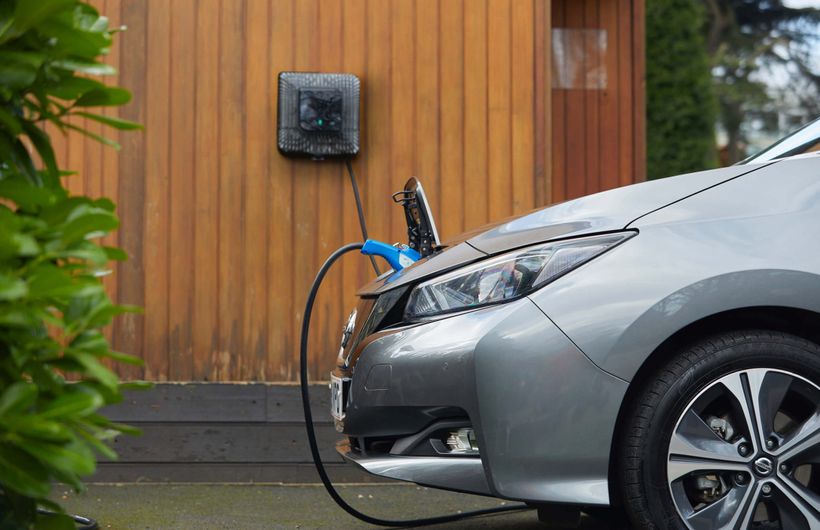 The cost of charging your EV at home is likely to rise



.jpg?width=600&height=600)


