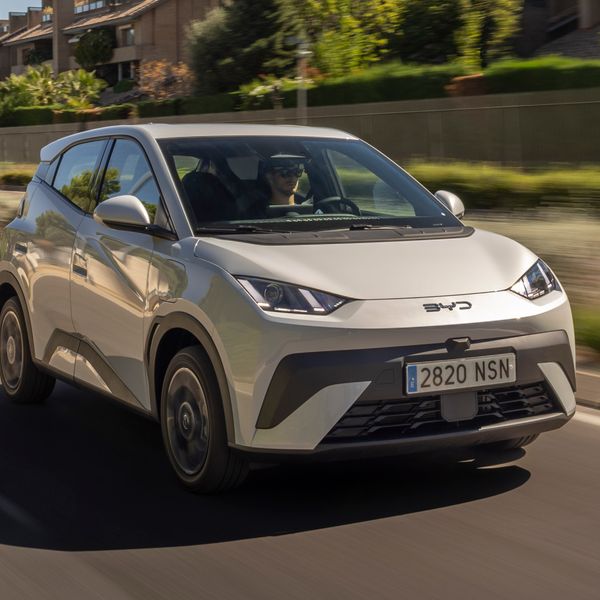
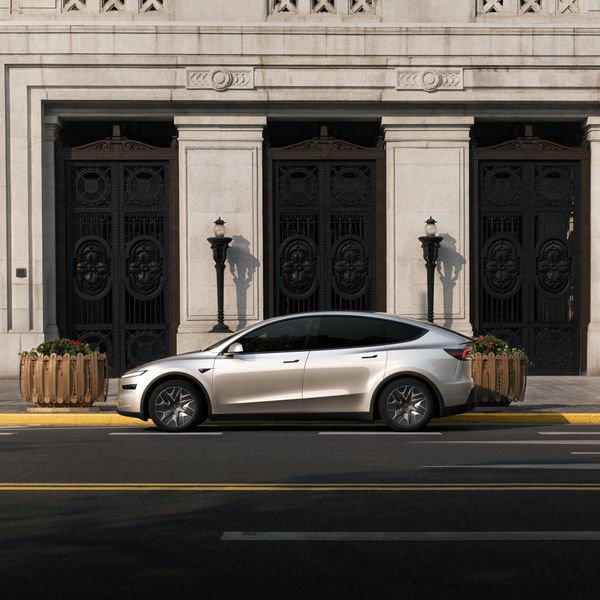
That makes 2025 the first year that BYD has sold more electric cars than Tesla, although the brands were close in 2023 and 2024 - and BYD has outsold Tesla in terms of total vehicle sales for the last few years.
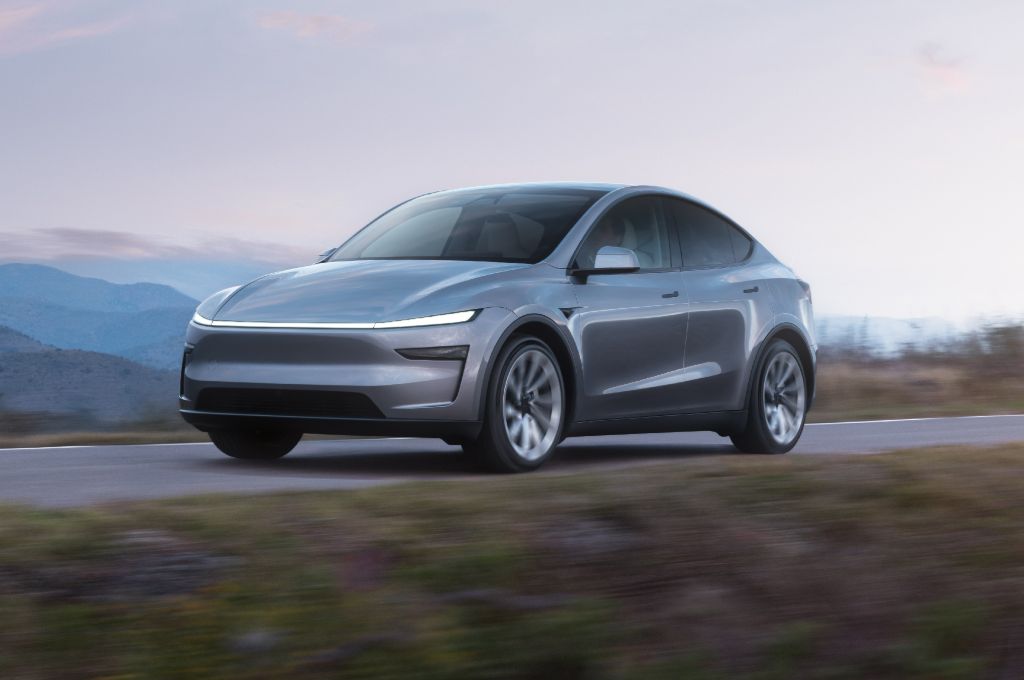
BYD finally beat Tesla for sales of pure electric cars in 2025 for a number of reasons. First, Tesla has had a bad year due to the political unrest around Elon Musk’s involvement with President Trump’s administration. It also replaced the Tesla Model Y, which meant that its most popular model was off sale for a number of months.
Meanwhile, BYD has seen significant success in Europe and around the world, despite a slower rate of growth overall. Its total 2025 passenger car sales of 4.55m represent a growth of 7.7% compared to 2024, which is down on the phenomenal growth of 41% that it saw from 2023- to 2024.
That slow-down is in part due to a challenging car market in China, where BYD has seen a huge surge in competition. There has also been a fall in demand for its PHEVs, with sales of BYD plug-in hybrids dropping by 7.9% in 2025 (compared with 2024), while sales of its EVs rose by 27.9%. Despite a turbulent year, its sales outside of China rose to nearly 1.05m vehicles, representing a growth of 150.7%. It aims to sell 1.6m vehicles outside of the Chinese market in 2026, aided by its new production facility in Hungary.
Meanwhile, Tesla sales are forecast to creep back up to 1.75m in 2026, and in the longer term are expected to rise to 3m sales by 2029. It seems unlikely that Tesla will achieve the target that Elon Musk put forward earlier in 2025, of producing 4m cars in 2027.
While final figures are yet to be confirmed, the biggest car manufacturer in the world in 2025 looks likely to be Toyota, with sales of over 9m cars. Volkswagen Group looks set to be a close second.
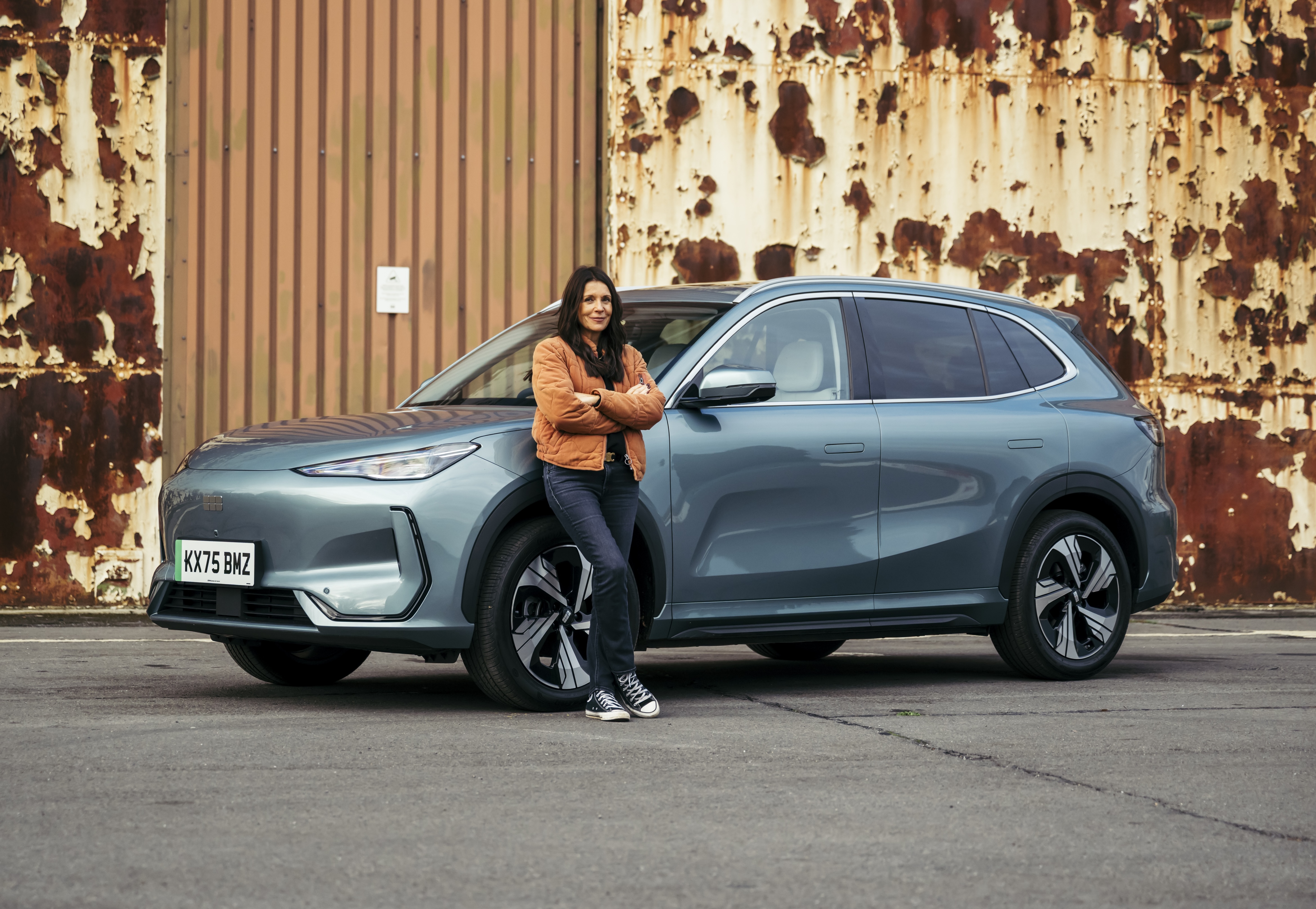
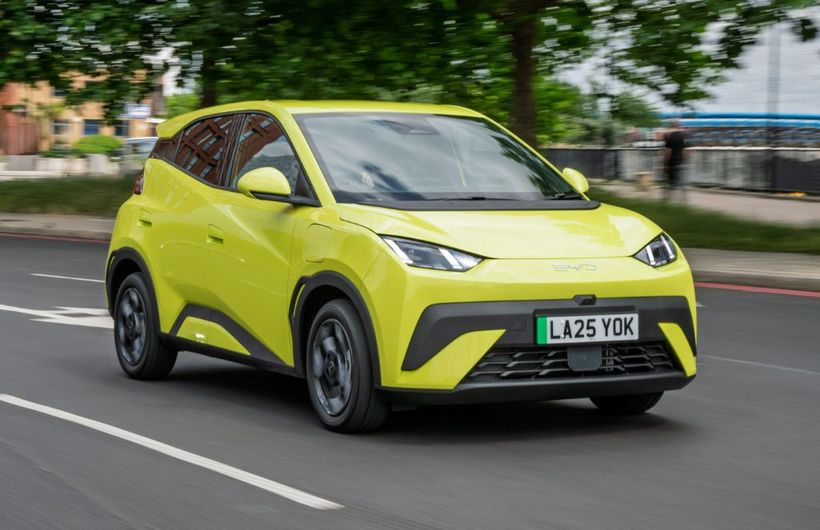
![]() The UK is one of BYD's biggest markets outside of China
The UK is one of BYD's biggest markets outside of China 









.jpg?width=600&height=600)