






Hark back to the old days of the motor trade and used car dealers had a reputation for being shady, selling cars with sawdust in the gearboxes and newspaper covering rust in the sills. But the biggest problem was called clocking. This is where the unscrupulous seller would wind back the odometer to make it appear as if the car had covered fewer miles. In some cases this could double the car’s value and make the dealer a tidy profit in exchange for a few minutes with a screwdriver.
The arrival of electronic odometers and electronic records was meant to make the practice much more difficult, but according to trade sources it is still rife, with the crooks swapping the screwdriver for a laptop and soldering iron.
Information from car data check company CarVertical suggests that 2.1% of all used cars have some sort of mileage discrepancy, equating to around 160,000 cars per year. The proportion for EVs is even higher at 2.6%.
Industry insiders are now worried that the planned eVED – or pay-per-mile – which is being imposed on electric and PHEV cars, could mean there is a boom in people who clock their cars to avoid paying the tax. In addition to saving the levy, it could also save them money on leasing costs or increase the resale value. The downside? It could also mean you end up in prison.
“It’s already a huge issue,” said one dealer we spoke to. “There are many ‘mileage correction’ companies out there who will come and reprogram your odometer to say whatever you want. They advertise openly on the internet and social media, getting around the law by saying they are adjusting the total when you’ve had a replacement instrument pack. That is sometimes a genuine thing, but it will be properly documented. I’m sure most of the adjustments they do are for other, more dubious reasons.”

Although it is not illegal to adjust the odometer on a vehicle, it becomes an offence under the Fraud Act 2006 the moment you try to deceive someone by saying the incorrect mileage is genuine. The wording states you cannot “sell, advertise, or allow someone to believe” that the amended mileage is genuine. Although aimed at preventing fraud when selling cars, it is equally relevant when returning a car to the finance company at the end of a PCP or contract hire agreement. Many insurers will ask to see mileages to check if the stated total has been exceeded – especially after a claim.
This law will also cover the new eVED reporting, although the government may choose the beef up the legislation to make it crystal clear.
And it will need to, not just to save its own income. Buying a car which has been clocked isn’t just going to cost money - manufacturers set maintenance schedules based on mileage, and thinking a car has covered fewer could mean it doesn’t have the safety-critical checks and replacements needed.
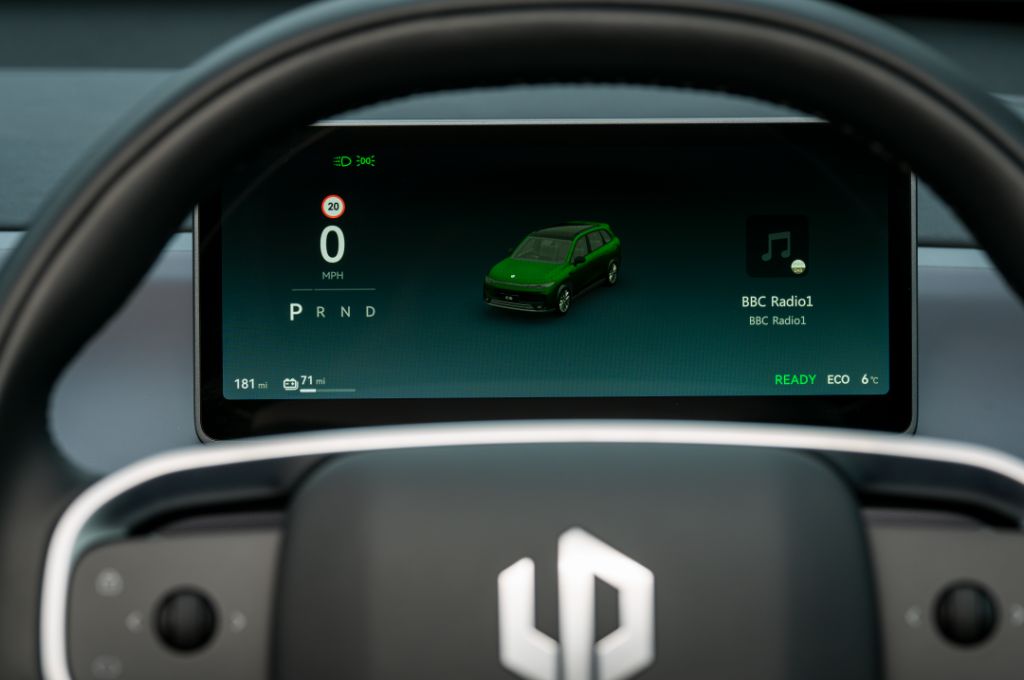
For drivers who are tempted to risk a quick clock to save cash, there are other risks too. In addition to the mileage logs which are taken when a car is sold, serviced or MoT’d, every modern car has an electronic brain which stores information which can be easily accessed with simple electronic gadgets. Any adjustments to the odometer totals will leave a footprint which will immediately wave red flags to anyone with a suitable reader.
There is another method which is trickier to spot, however. A mileage blocker or freezer doesn’t decrease the total on the odometer; instead, it prevents miles being added to the total as the car is driven. A quick scan of the internet found several suppliers offering the service, saying they could provide “high-quality, discreet systems for BMW, Audi, Mercedes, Porsche, and other high-performance vehicles.”
These can be set to different levels, blocking the miles from being recorded at all, or changing it to go up by only a percentage of real total.
The devices communicate directly with the vehicle’s Controller Area Network (CAN-Bus) system and prevent the odometer data being stored in the car’s computers – which is theory makes them untraceable as there is no digital fingerprint.
The fitted cost of such devices is around £400 depending on the car and level of sophistication. While this means there won’t be much a saving compared to paying a year’s eVED for the average motorist, they would soon add up over a few years or higher mileages, especially if the increased value of the car once it is sold on is factored in.
Other cheaper alternatives are also available, with online videos explaining how they can be fitted on a DIY basis in around 30 minutes on some cars. One of these I saw had a simple control, where operating the main beam switch in a certain order would turn the blocker ion and off, or vary the rate of increase.
To get around the legal implications, the companies clearly label the blockers as “sold for offroad or export use only, ” explaining on the sites they are designed to be used while a car is being tested.
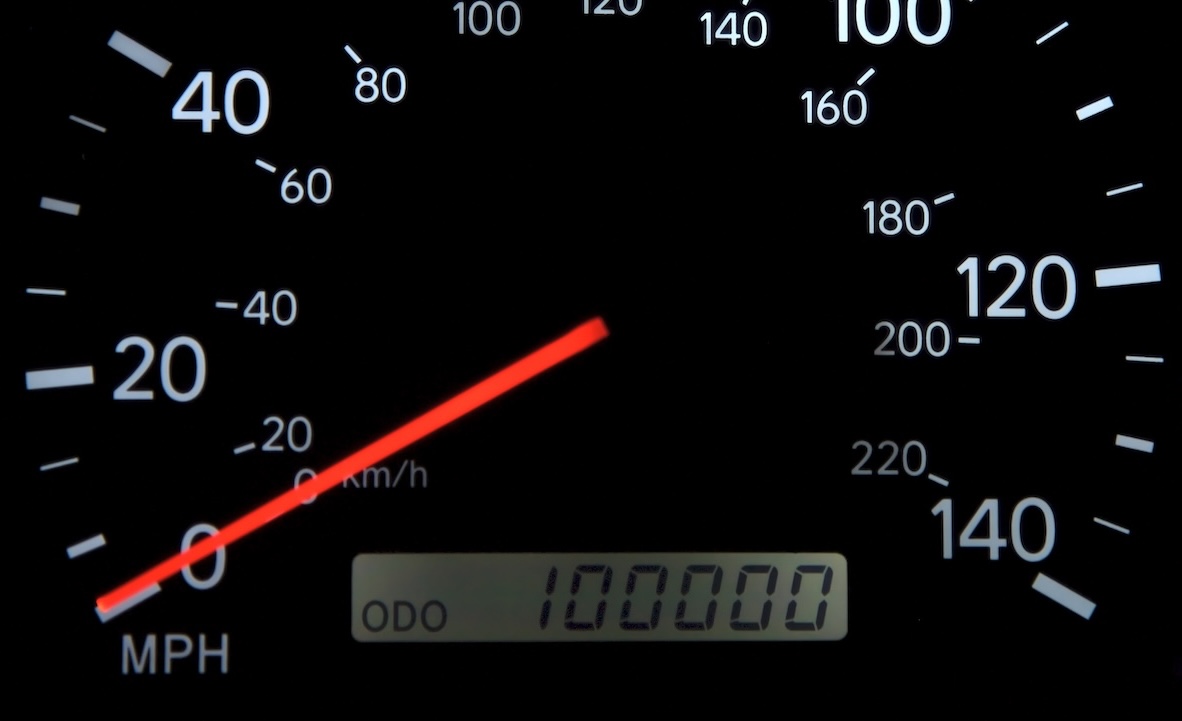
How can this be fixed? Many in the industry think the answer would be to make the act of clocking or blocking illegal, rather than the offence happening when you sell the car or return it to a lease company. Shoreham Vehicle Auctions managing director Alex Wright said: “The Government holds all the cards in helping address clocking issues. Making the act of clocking vehicles illegal would be a great foundation to address this.”
There is also a question of the legality of using a blocker while abroad or while the car is being driven off the road. These would not require eVED to be paid in the UK but the mileage would still be recorded and charged.
The current proposals would only involve an MoT garage visually checking the mileage on the dashboard with no other checks to see if the odometer has been tampered with or a cheat device fitted. An observant tester could make comments in the advisories if they suspect an issue, but it would not currently be permitted for a car to fail its MoT for odometer tampering.
With the new eVED rules set to come in on April 1st 2028, there is still time to address the issue. The government has invited a consultation to “seek views on the design and implementation” of the scheme, with a closing date of 11:59pm on 18th March 2026. We will be contributing.




.jpg?width=600&height=600)