





The government has already made an initial response to its own report on the cost of public EV charging by announcing a new £100m plan to subsidise local plugs.
The scheme will be introduced in spring 2027 for two years, though the announcement is light on the detail of how it would work.
It is expected to cover slower chargers in residential areas, where EV drivers without driveways are reliant on them for filling up their batteries.
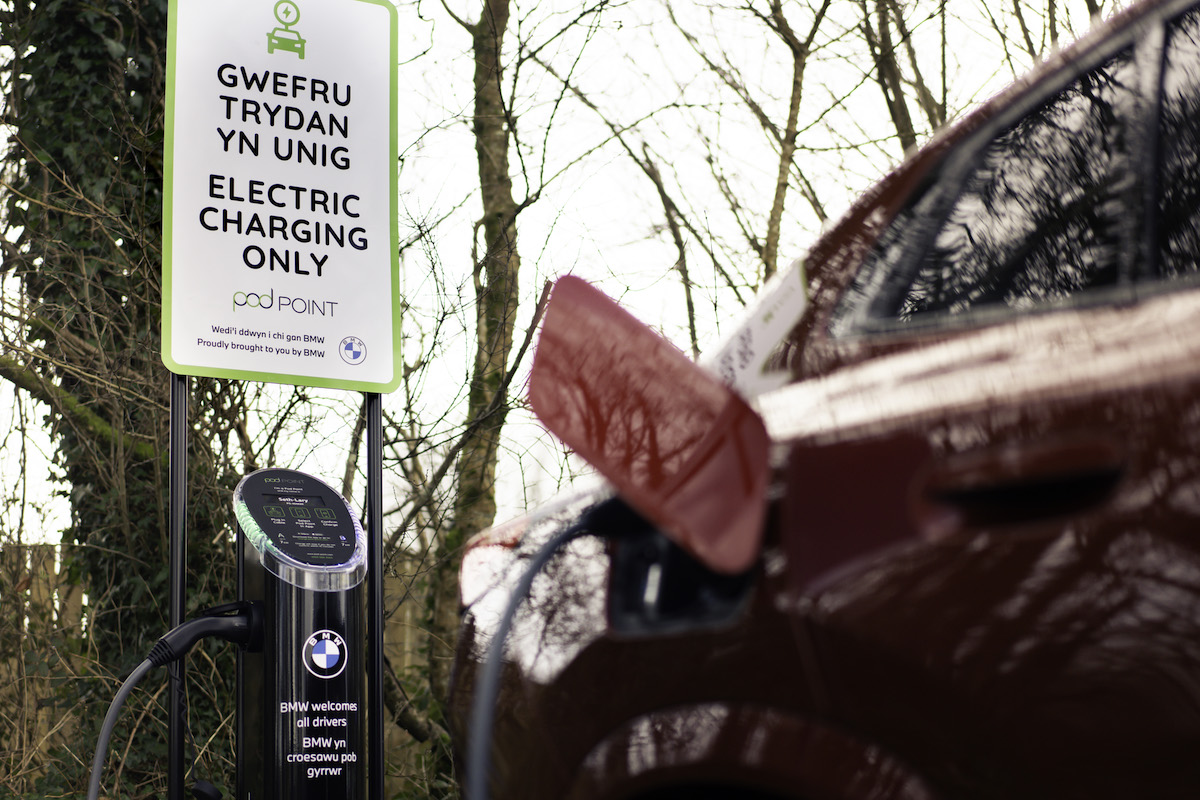
That £100m will mean £50m per year over the two year planned introduction of the measure.
The Department for Transport also said that it is taking on the suggestion in the charge point report about enabling drivers to ‘port’ their home energy tariffs to certain public chargers.
It will take time to introduce the logistics of that scheme, so the two-year period buys the government some time to work out how it’s going to work.
The report on the cost of public charging of electric vehicles highlighted many of the issues that drivers without driveways have, particularly the fact that EVs run on the public network are not much cheaper to run per mile than their petrol equivalents.

Estimates by the government indicate that the move will save EV drivers who rely on public charge points around £150 over a year’s driving.
The obvious step that the chancellor has avoided taking is cutting VAT on public charge points, which currently sits at 20% and contrasts rather sharply with the 5% on domestic electricity that has been cut to zero until July 2027.
Electrifying and other bodies have long been campaigning for equality between EV drivers with driveways and those without, including rapid chargers as well as slower local ones.