





We rightly make a big deal of all the great savings to be made by going electric – there are great deals to be had if you shop around the electricity providers, with tariffs as low as 7p/kWh for overnight charging.
Brilliant news if you have a driveway, but it does rub salt in the wounds of people who have to rely on on-street charging to fill their batteries and are continuing to pay 20% VAT on their electricity while people who charge at home now benefit from zero tax.
Government research shows around a third of UK households don’t have off-street parking, meaning millions of drivers will depend on public charging – the very people that the government needs to make the switch to electric in the coming years.
The Treasury can’t claim ignorance on the topic – I’ve been raising this issue for a long time, charge providers have been calling for a more equal playing field and the late Quentin Willson did brilliant work highlighting this inequity between electric motorists and pushed for change, but it still hasn’t been fixed.
The government has even challenged a ruling earlier this year in a tax tribunal that said 20% VAT on public charging didn’t match up with the regulations.
Fairness is a word we often hear from politicians trying to score extra points on a policy decision – the freeze on fuel duty is about fairness for motorists, or dropping VAT on domestic electricity bills is about fairness for homeowners.
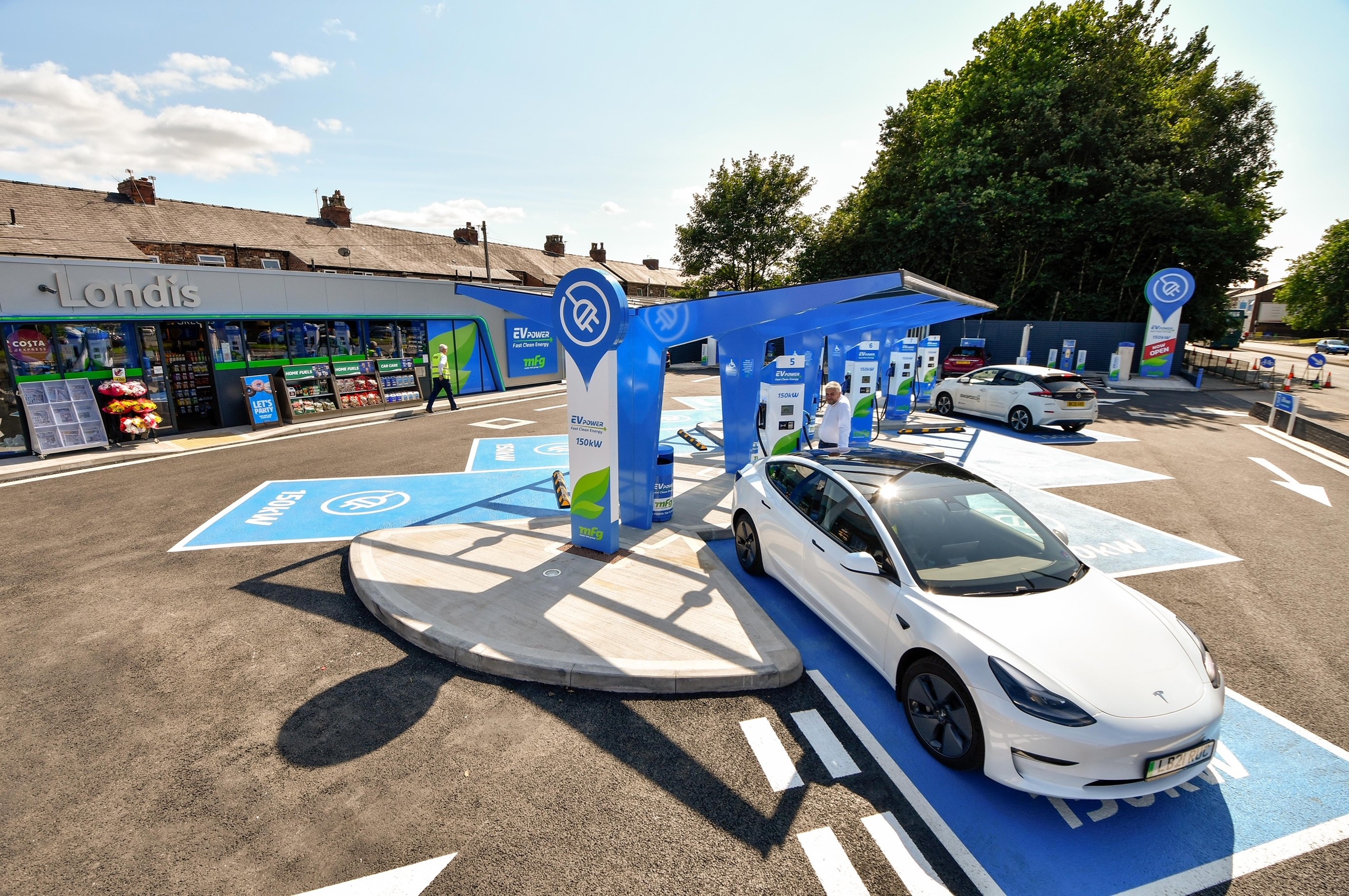
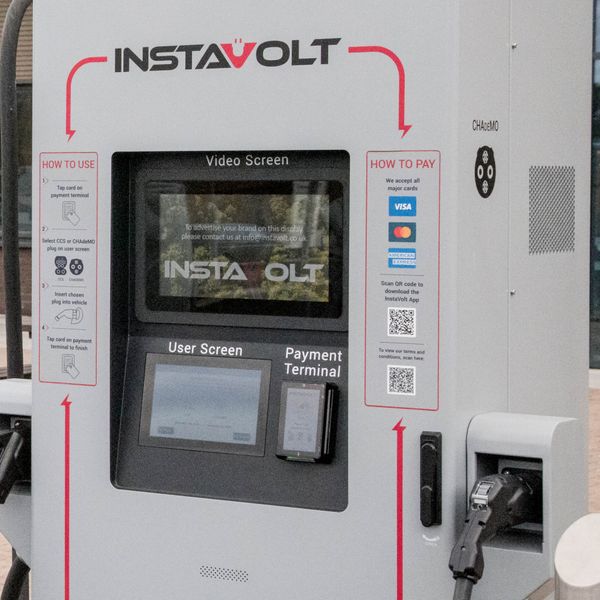
Charging platform Zapmap says the average cost of a rapid/ultra-rapid charger in the UK at the moment is 77p/kWh, the VAT alone is twice the cost of some of the most competitive electricity tariffs you can get at home.
According to Zapmap’s research an average EV driver relying on public charge points paid £194 in VAT in 2025, versus £48 for someone who charged at home.
Already a massive gap, that’s increased yet further now that the government has dropped the 5% VAT rate on domestic electricity to zero.
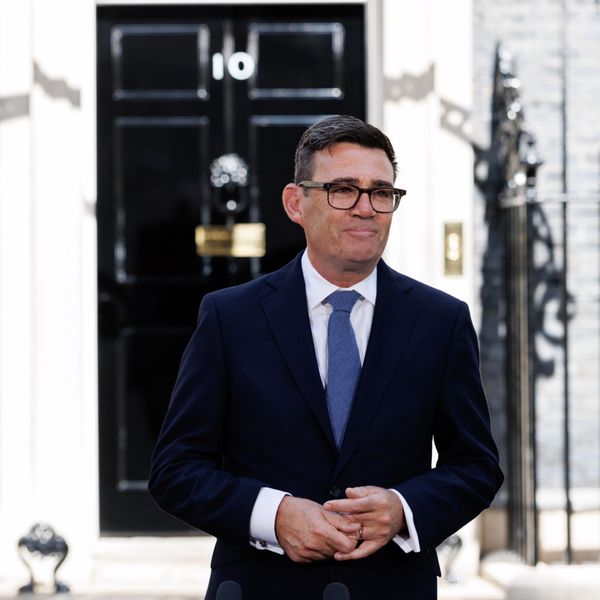
Andy Burnham more than any recent prime minister is pushing an agenda based around fairness across society – a solid step in that would be to fix a tax system that penalises drivers who don’t have the privilege of a driveway.
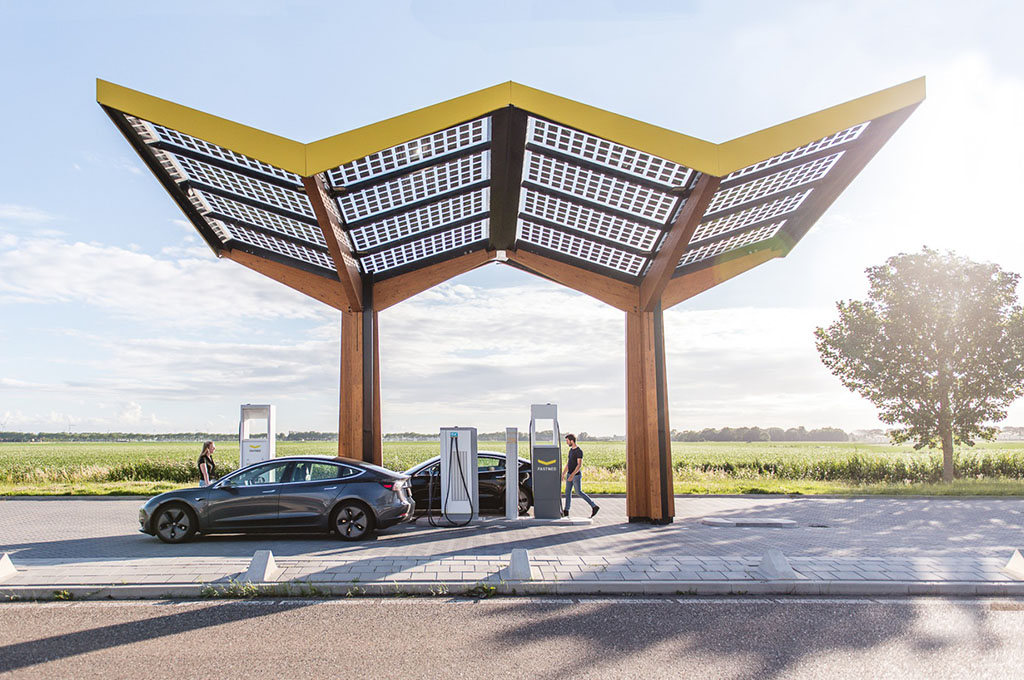
According to research by charge provider Fastned, 68% of people think the gap between public and driveway charging is unfair and nearly two-thirds of those questioned said they’d support the government in bringing public charging VAT down to zero.
Some charge point operators are trying to help. Fastned’s ‘driveway for the day’ campaign, offering drivers a free £25 charging credit, is a welcome example. But a charging credit can only go so far and while it can ease the cost of a charging session it can’t fix an unfair tax system.
Public charging isn’t a luxury, it’s essential infrastructure. If the government wants more people to go electric, it needs to stop punishing them at the plug simply because they don’t have a driveway. Ministers keep talking about fairness. Here’s their chance to deliver it: end the great driveway divide.