





The chancellor’s annual budget statement is one of the biggest Westminster moments of the year, and unlike much of the waffling that happens in the Houses of Parliament this is a moment that can hit us all.
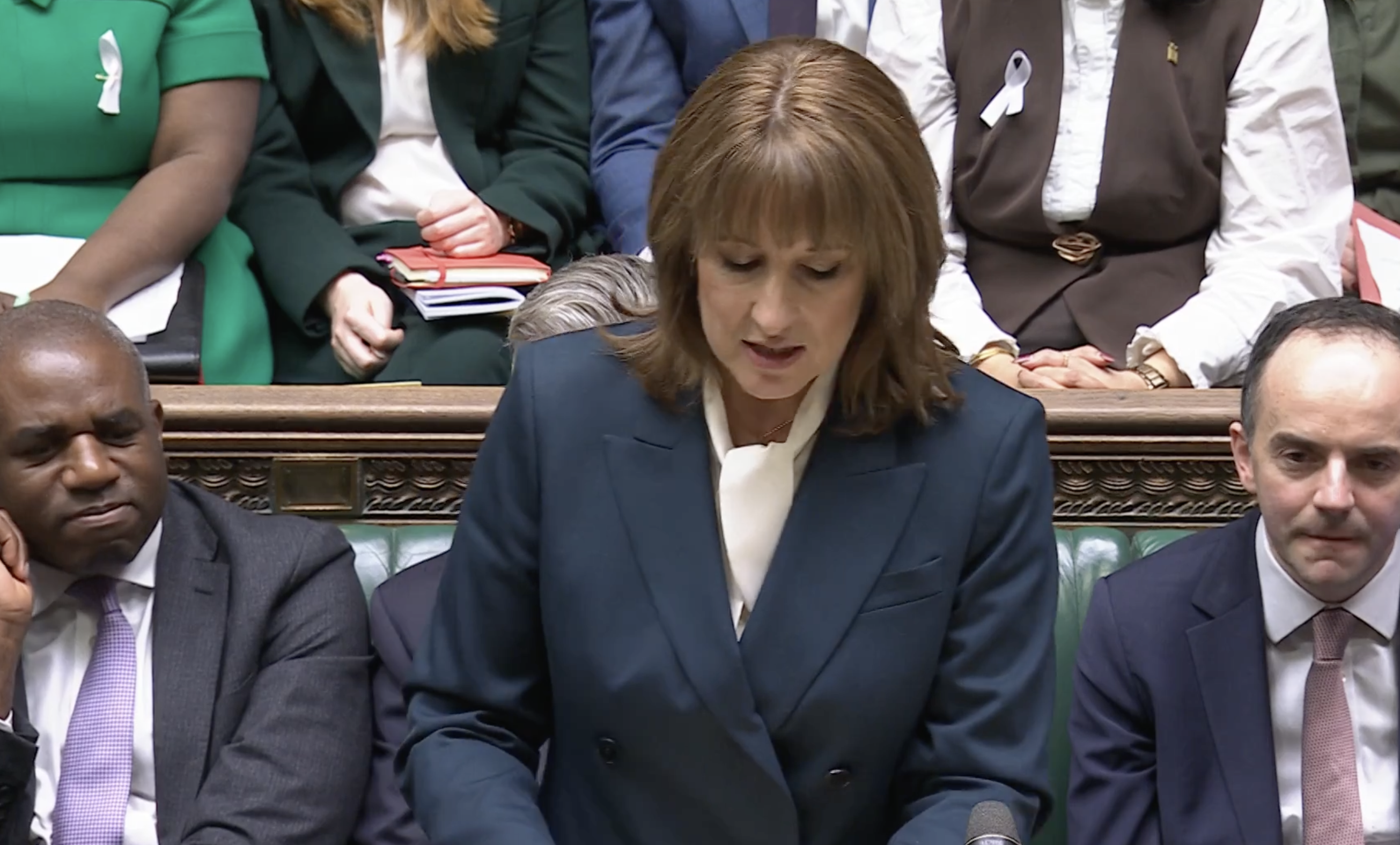
Chancellor John Healey will be making his first budget statement under the watchful eye of freshly installed prime minister Andy Burnham – there’s not a lot of room to manoeuvre when it comes to dipping into the country’s savings, so there are likely to be a lot of new taxes coming, with little to sweeten the deal.
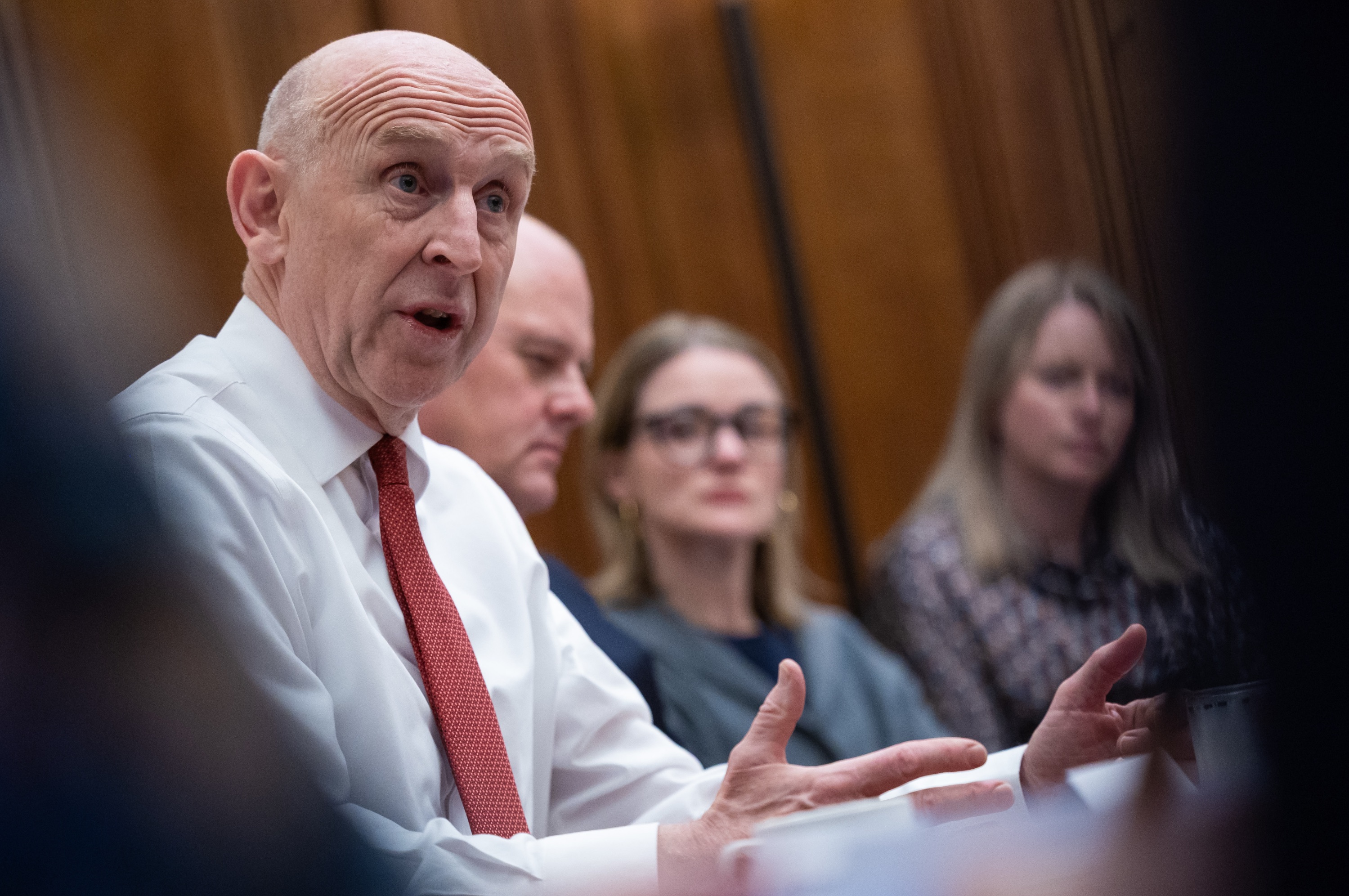
We haven’t had the usual round of leaks from ministers looking to test the waters on controversial new policies, so even a couple of days before the speech we’ve got many more questions than answers. The chancellor has been very busy having meetings with people to tell them there's no cash, though (below).
Keep following Electrifying.com for the latest coverage on the 2026 budget statement.
Will Chinese cars get more expensive?
The government is under pressure from the European Union to introduce tariffs on imported Chinese cars in order for the UK to access more of the single market across the Channel. China obviously isn’t particularly happy with the notion, so what do Andy Burnham and John Healey do about that?
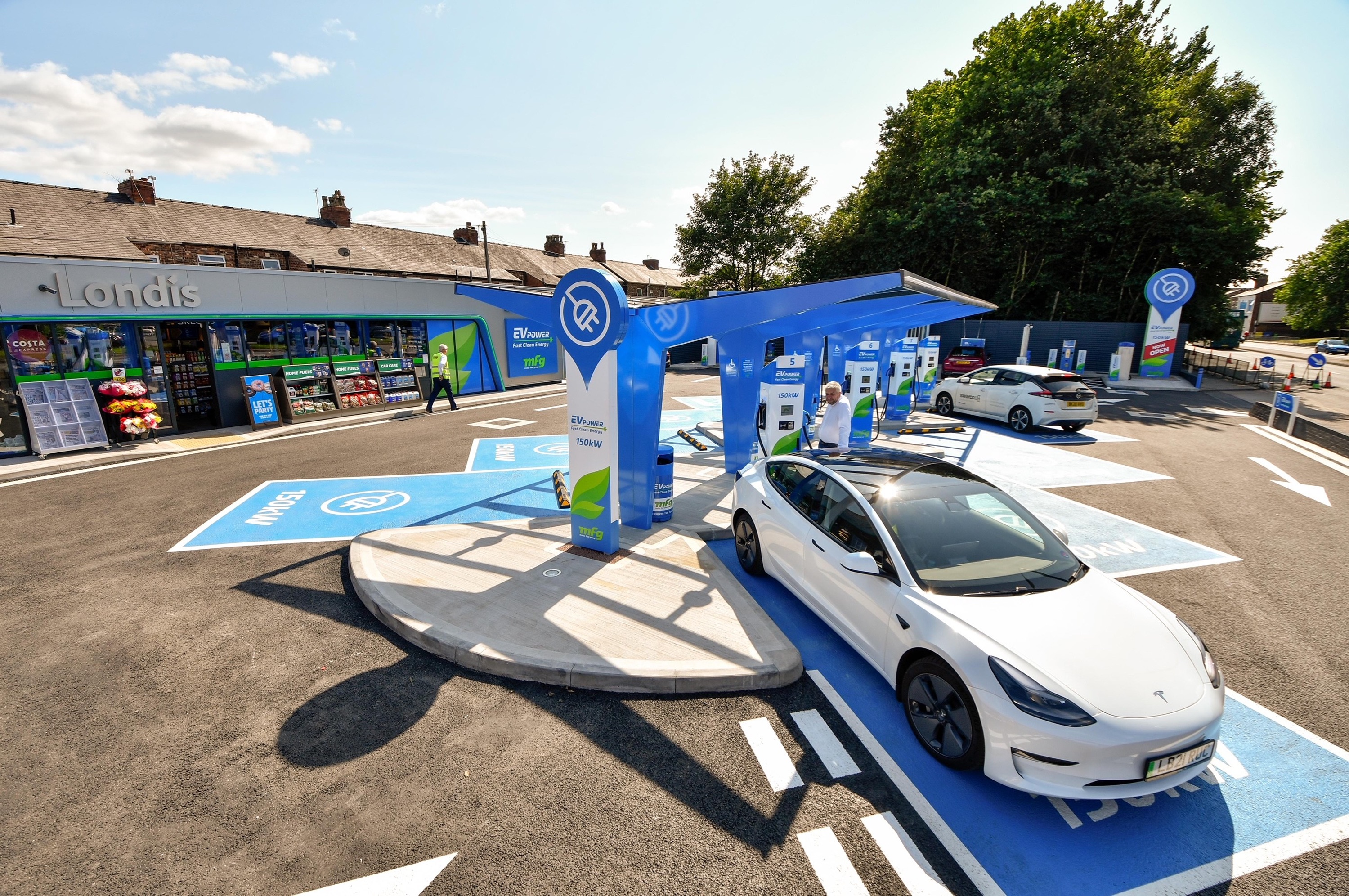
Will public EV charging become cheaper?
There’s been no movement on the tax tribunal ruling earlier this year that the Treasury appealed – it found that there was no legal basis to charge 20% VAT on public charge points and 5% on domestic electricity.
The government was already rumoured to be working on a cut to public charging VAT, so the appeal was a surprise, and it hasn’t tried to get ahead of the ruling by announcing a reduction. Could we see something from the chancellor on this?
Will it become cheaper to charge an EV at home?
The government already announced it was changing planning rules so that people without driveways can install pavement gutters to charge at home without needing to apply for permission – that’s saved a few hundred pounds off installing one of those.
The current VAT discount on home electricity (from 5% to nothing) is from 1 October 2026 to 31 Match 2027 – will that be extended? Given that the government was able to introduce the measure without needing legislation, it’s likely that ministers will hold off to see what energy prices are doing next year before they consider what to do with that.
Will the electric car grant continue?
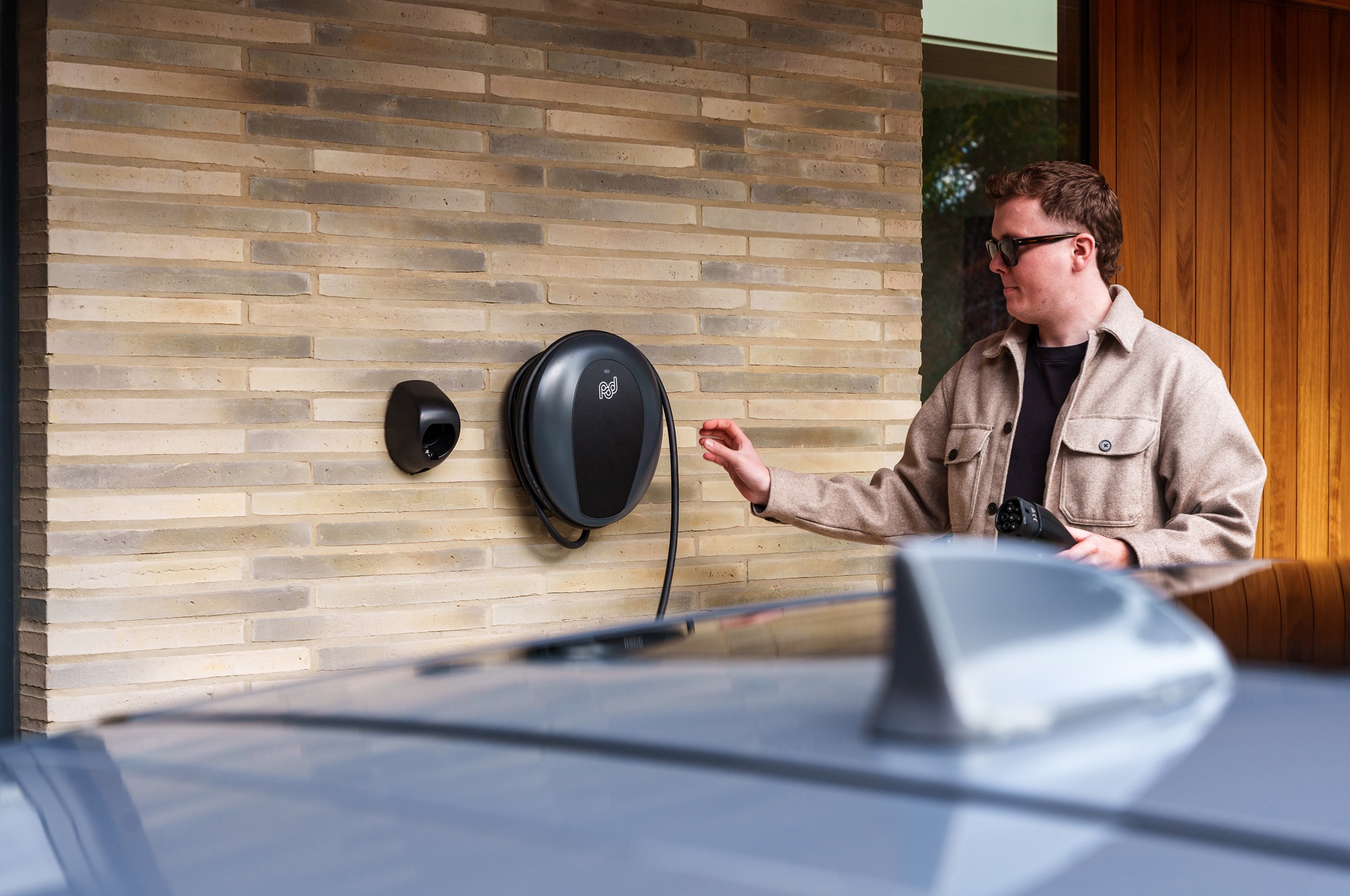
The electric car grant in its current form was introduced in July 2025, with then-chancellor Rachel Reeve chucking £650m in the pot to encourage new EV buyers with a chunky discount on cars that were built in Europe.
Another £1.3bn was added in November 2025 and the scheme extended to the end of 2030 – no one outside of the Treasury knows how much is left in the scheme, but it could go either way. Either the ECG kitty could be ransacked to pay for something elsewhere, or the government will decide a renewed push for uptake of EVs is needed. Given that ministers are currently looking at relaxing EV sales requirements though, that last one is less likely.
Electrifying has consistently called for purchase incentives to be introduced for secondhand EVs as well as new ones – a move that would stimulate EV purchases across the board and show that the government is serious about bringing down emissions and not just keeping car companies happy. Not likely to happen, though.

Could electric car tax change?
The new eVED pay per mile tax system for EVs is still well over a year away, but with a new government in place under Andy Burnham there might be changes in store there. Or not.
Given that the new pay per mile scheme will only apply to new EVs after it’s introduced, there could be changes for current electric cars to raise a bit of extra cash.
There’s a slight chance – what with so many cheaper electric cars arriving on the market – that the threshold for the expensive car supplement on first year VED could be dropped back down from £50,000 (it was increased in last year's budget, below) and move closer to the £40k mark that’s in place for petrol and diesel cars.
What about company cars and other motoring costs?
There’s a 5p rise in fuel duty running out at the end of 2026, but it’s been consistently deferred since it was originally meant to be introduced in March 2022. Politicians have long run scared of petrol drivers, so there’s no reason not to think that the fuel duty increase won’t be put off again.
Company car tax rates for EV and PHEV drivers are being scaled up year on year until 2030 – could these be changed to bring in a little extra cash for the exchequer? A long shot, probably.
Changes to the Motability scheme last year were controversial – with the fuss having died down, is there some room to loosen the rules again?
 Chancellor John Healey and foreign secretary Ed Miliband were in Bangkok in early October sampling alternative forms of mobility