





The government has published its official response to the consultation conducted by the Department for Transport on the proposed eVED – or pay per mile EV tax – that was announced by (then) chancellor Rachel Reeves in the 2025 budget and is set to be introduced in 2028.
The consultation has taken on a limited number of recommendations from the consultation, but is unrepentant about the headline proposals, and the government has released more information about how the new system will work.
The government has brushed off any comment that the new system will put people off going electric – it insists that its purchase incentives are enough to lower the burden on buyers. Neither has it made any acknowledgement of secondhand electric car drivers. The finances of the new scheme could make EVs marginal for people who don't have home charging facilities.
The report says that the eVED system is the fairest possible, because it claims EV drivers don't pay any similar mileage-based charge to the fuel duty that petrol and diesel drivers have to pay. There was no acknowledgment in the response that electric drivers pay varying levels of VAT on the electricity they use.
The response also says that the government is doing enough for disabled drivers through the PIP and Motability schemes, resisting calls for exemptions.
New details released include a new system where drivers can opt in to automatic mileage updates using their car’s in-built 4G/5G connection to provide an accurate reading to the DVLA.
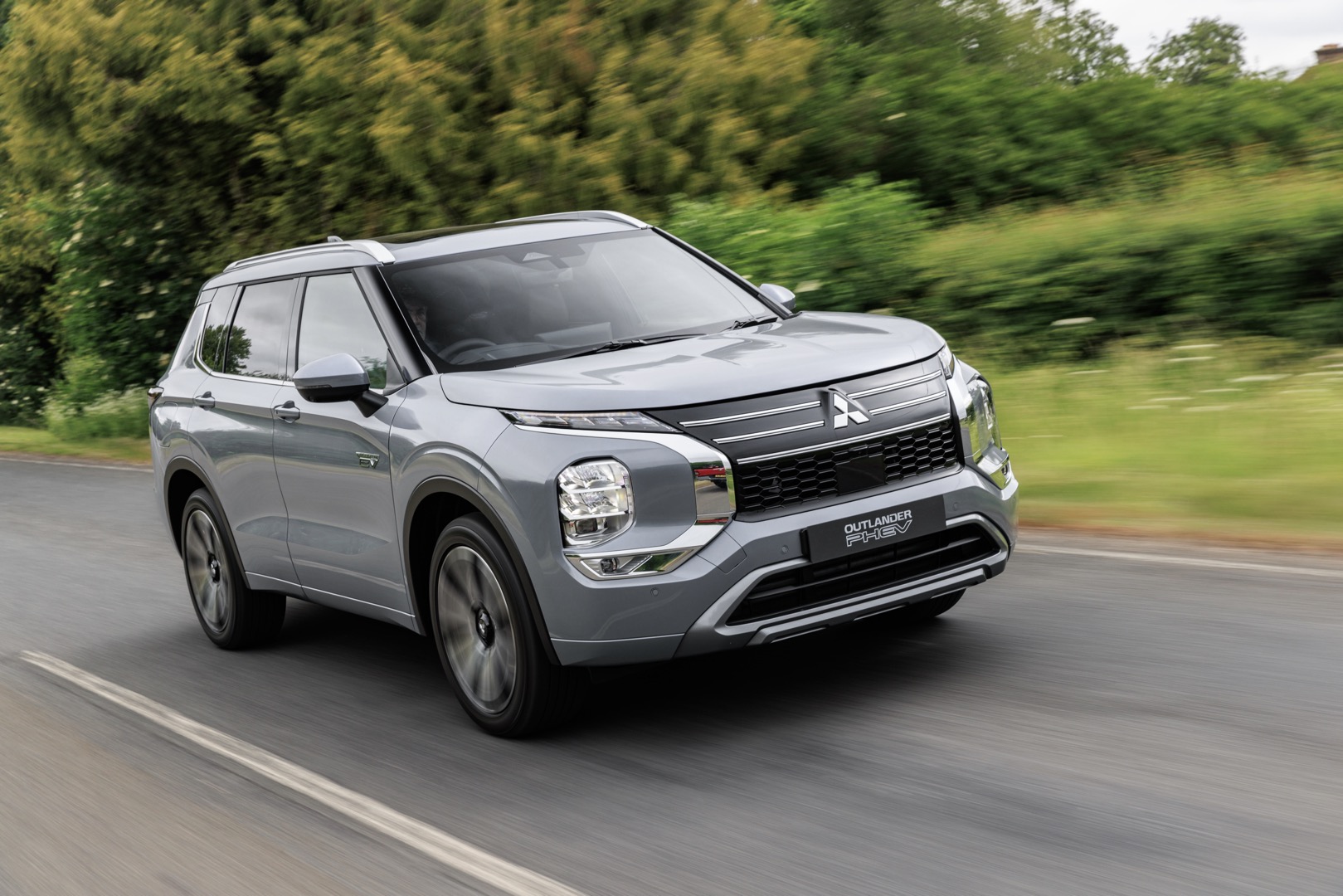
Despite criticism, PHEVs (like the Mitsubishi Outlander above) will still have to pay the 1.5p/mile charge as well as fuel duty, mileage abroad will still count towards your annual total to be paid to the British government.
Hydrogen fuel cell cars will cost 3p per mile, but range extender EVs will be taxed at 1.5p/mile.


Mileage checks for new cars have been ditched following the consultation – the proposed requirement was that cars that didn’t yet need an MOT would have to visit a test centre to have their mileage verified, but the government will now trust the mileage provided by the driver until the first MOT visit.
Some responses to the consultation process suggested a banded system of VED based on mileage would be more appropriate, but the government has said no to this solution as well.
Another potentially controversial move is that drivers will be required to estimate their mileage and prepay for the year ahead, but extra miles will be charged at whatever the rate is that currently stands.
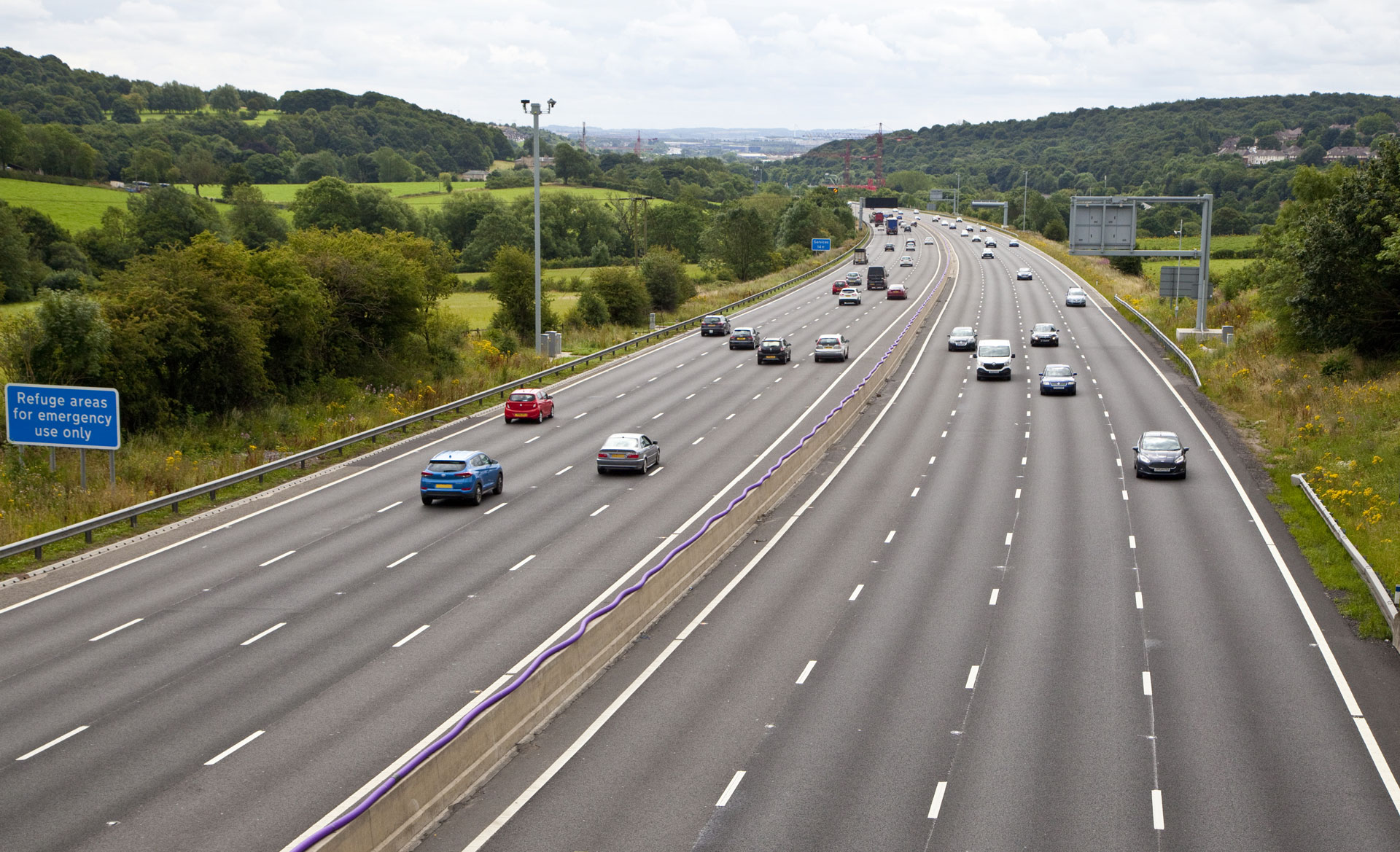
You could prepay more miles than you think you’ll need in order to head off any price rises that will happen later on, though the consultation response says “the government expects motorists and other keepers to provide accurate mileage estimates to minimise the risk of significant balancing payments when mileage is reconciled.”
Regular annual increases have been confirmed, starting from 2029, 12 months after the introduction of the new system. The government says that eVED will be increased annual in line with the CPI rate of inflation “to ensure that the tax maintains its real-terms value”.
The DVLA will be given the power to require an extra check if they think you’re being cheeky with your mileage calculations, though the government says that you’ll be able to top up your eVED during the year if you’re driving more miles than you thought
You’ll only be able to get a refund on an overpayment if the payment is more than £100, you’ve had an “unforeseen change in financial circumstances” and are at risk of financial hardship. The government won’t require evidence, but you will have to make a statement to that effect.
The government says that it will work to provide refunds at future points, including when you sell your car. The consultation document merely said that you would have to factor in the eVED costs to the sale price of the car.


.jpg?width=600&height=600)