

Electrifying
The EV Experts


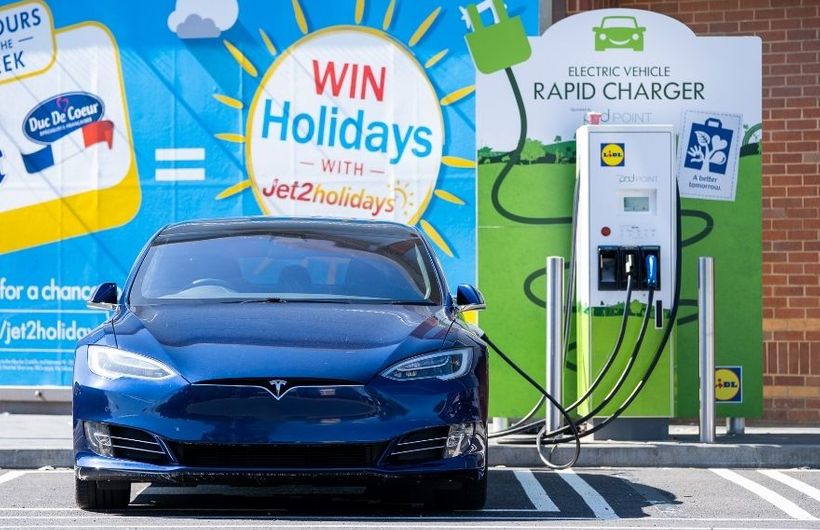
How much does it cost to rapid charge your electric car?

Mike Askew

2 Nov 2026

With dramatic increases in wholesale electricity costs, rapid charging prices are rising across the network. For drivers who are unable to take advantage of cheaper domestic energy tariffs, these increases represent serious increases in running costs – at a time when budgets are under unprecedented strain.

Electrifying.com has collated all current DC rapid charging prices and ranked providers from the cheapest to the most expensive. As some charge point providers have different tariffs for different charging speeds and, in some cases, locations, we have itemised these according to speed available. 

Some operators, such as PodPoint and Mer, have different pricing according to location. Where possible, we have found the highest charges. Drivers may be able to charge at lower prices on these networks. 

The difference between the highest and lowest prices suggests that drivers who want to manage their budgets should shop around. A 10–80% charge on a car with a 55kWh battery would cost £35.42 on an Instavolt charger and £18.87 off-peak at a Be.EV charger.

The prices shown shown for all brands show the highest price currently charged for a pay as you go customers. In some cases, having a membership or monthly subscription cost can work out cheaper as these customers will pay less per kWh. The figures also exclude any manufacturer deals such as Hyundai and Kia’s heavily discounted Ionity membership. 
​
​

Some providers (such as Tesla and Chargeplace Scotland) have varying fees at different locations. Other (such and Geniepoint) offer off-peak rates.

According to Zapmap, the average cost to use a PAYG public charger is 54p/kWh for standard and fast chargers (3–49kW) and 79p/kWh for rapid and ultra-rapid chargers (50kW+). That means that charging a 55kWh Kia EV3 from 10–80% will cost an average of £20.79 at a fast charger or £30.42 at a rapid charger.

What are the cheapest public chargers right now?

The general rule of thumb is: the slower the public charger, the cheaper it will be per kilowatt hour. So if you have the time, like if you're going to the cinema or for an extended shopping trip (lucky you) leaving your car on a slower public charger will balance time to charge and cost nicely. 

It's also worth noting that some venues, such as Cabot Circus in Bristol, offer complimentary 'fast' EV charging for those paying to park. 

Besides those strategies, the cheapest public charging providers by PAYG rates are Tesla at 51–80p/kWh and Be.EV at 49–89p/kWh. Both offer variable charging rates but Tesla does so by location and Be.EV varies by peak and off-peak timing. Be.EV is extra consumer friendly though, offering the same off-peak rate across all of its chargers, regardless of speed.

What are the most expensive public chargers right now?

Now to name and shame the priciest chargers on the market. We know you're probably not on the hunt for the most expensive charge possible, but perhaps avoid these companies until their rates come back to earth.

The most expensive public charging providers we could find were Gridserve, at 85–92p/kWh and Instavolt at 92p/kWh across the board. It's no surprise that Gridserve is also one of the fastest charging providers in the UK, offering 400kW capable chargers. 

It's also no shock that both Gridserve and Instavolt most commonly encountered at motorway service stations, chargers follow similar patterns to petrol stations in that regard, charging more for the convenience of saving a detour on a long journey. 

As for those more commonly encountered in a variety of settings, Shell recharge (74–89p/kWh) and BP Pulse (79–93p/kWh) are still some of the most expensive options.

(All figures correct on 2 November 2026)

ADVERTISEMENT
​

Share this post

Click here to subscribe
“Added to your showroom”
Showroom:
Icon

You currently have no cars in your showroom. Browse our reviews here to start.

Icon

Please fill out your contact details below.