





It won’t be news to most that energy prices in the UK are set to rise yet again in the new year. The broad advice is this: If you haven’t already, get yourself on a fixed tariff as soon as you can. It may leave you paying slightly more in the short term, but when January rolls around, you’ll be protected (for a while, at least) from the expected 26% rise in household gas and electricity costs.
What are the current costs of EV charging?
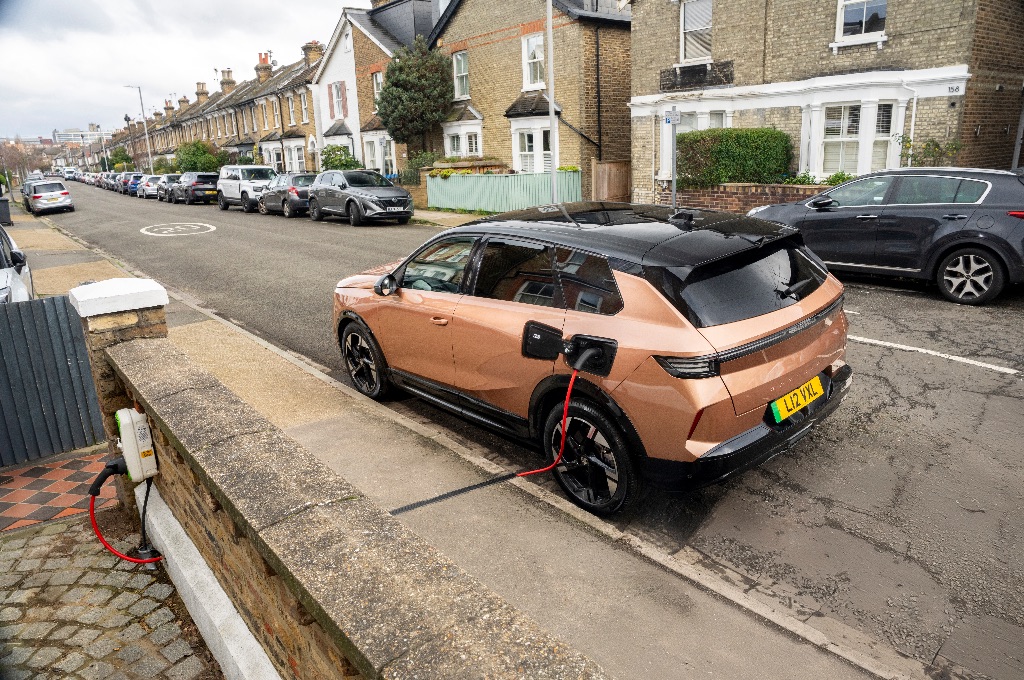
For a long time now, charging an EV at home has been the cheapest way to run a car. While petrol or diesel car drivers are beholden to the constantly fluctuating, and recently extortionate prices at the pumps, EV owners who are lucky enough to have a home charger are able to pay as little as 7p/kWh during off-peak hours.

Using an EV-specific tariff like Octopus Intelligent Go - even factoring in the average 54.6p daily standing charge - the off-peak costs are cheap enough that you can charge a standard range Kia EV3 from 0-100% for just £4.40. Assuming the average EV efficiency figure of 3.6m/kWh, that works out to 2.2p per mile.
Even during peak hours, the average unit rate in the UK is 26.32p/kWh with a daily standing charge of 54.83p. For the same 0-100% charge of a standard range Kia EV3, that would cost £15.02 or 7.6p per mile.
For those of us who don’t have home chargers, the average cost of public charging makes EV running costs much pricier. Standard and fast chargers (3-49kW) cost 52p/kWh on average while rapid and ultra-rapid chargers (50kW+) cost 82p/kWh on average. That pushes running costs of the same Kia EV3 to 14.4p/mile and 22.7p/mile respectively.
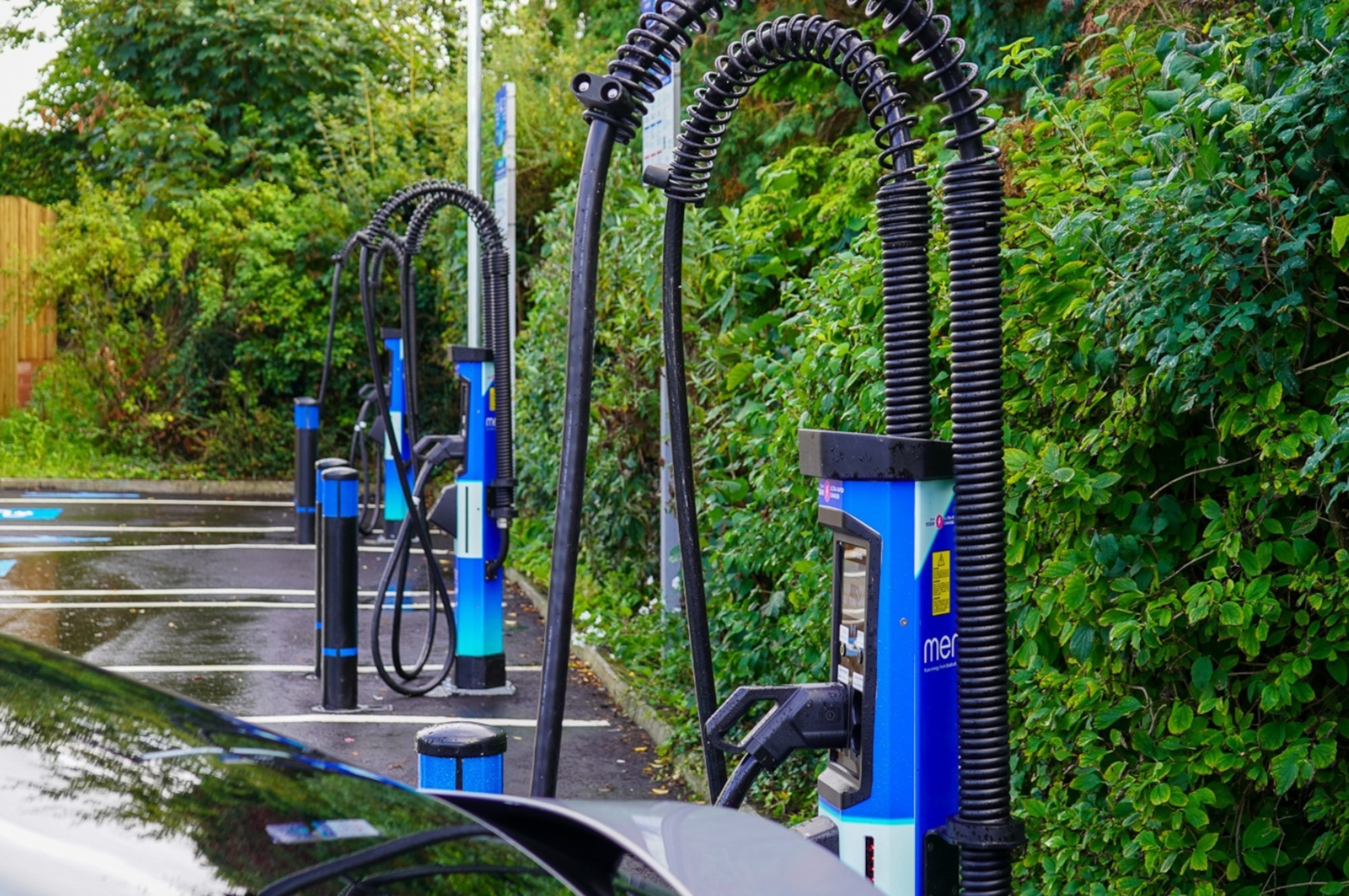
If you want more information on the costs of public charging and how to bring them down, check out our recent article on the best public charging networks.
How much will it cost to charge an EV after the price cap rises?
Now for the fun part. In January 2027, Ofgem’s energy price cap is predicted to rise by 26% to £2,166 per year. That means EV drivers who haven’t fixed their tariffs by that point could have their home charging costs rise by just as much. That means peak electricity prices of as much as 33.16p/kWh which would increase the cost to charge our Kia EV3 to £18.93, or 9.6p per mile.
Assuming off-peak tariffs are affected to the same extent, unit prices would rise to charge that EV3 would rise to 8.8p/kWh and the cost of charging our EV3 would rise to £4.85, which works out to 2.45p/mile. That doesn’t sound so bad in theory, but with a growing number of people switching to fixed tariffs before the new year, electricity providers may look to recoup costs in new ways, potentially increasing their off-peak rates more substantially. We just don’t know until the price cap change is confirmed, but we’ll update all our EV running cost advice and calculators as soon as we know.
The real kicker for EV drivers is the potential cost increase for public chargers, which are still subject to 20% VAT while domestic electricity is currently free of VAT. We predict that, after the price cap increase, the most expensive public charging providers could raise rates to over £1/kWh for ultra-rapid charging. That would raise the cost of our fully charged EV3 battery to more than £55, or around 27.7p per mile!
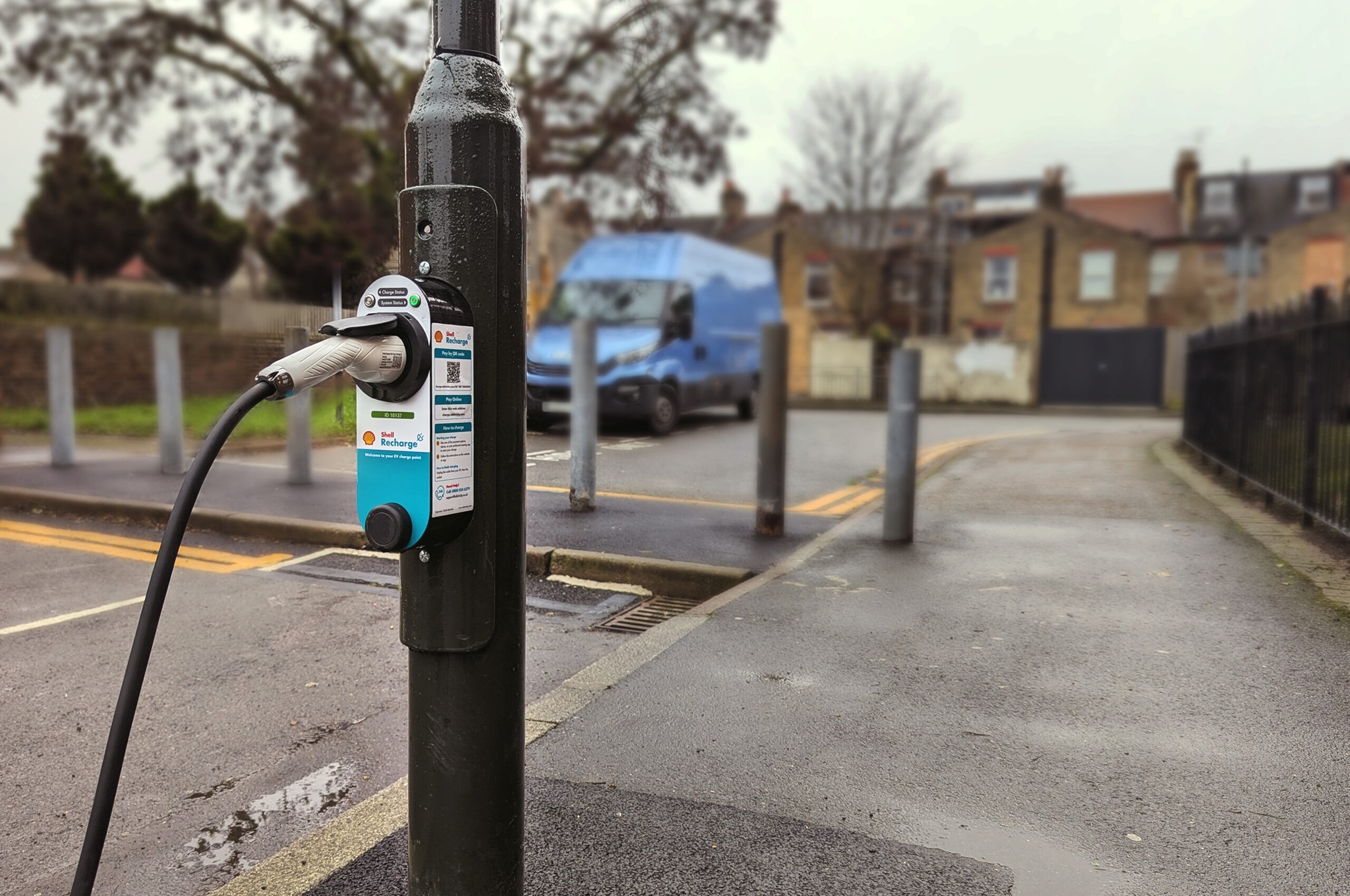
Alternatively, if you use slower AC public chargers - normally found at kerbside or destination chargers - to keep your battery topped up, we estimate that it’ll cost closer to 18p per mile after predicted electricity price rises in 2027. That puts our Kia EV3 roughly on a par with a petrol or diesel car, for fuel costs.
Will an EV still be cheaper to run than a petrol car after the price cap rises?
Yes, an electric car will still be much cheaper to fuel than a petrol or diesel car. Mostly, anyway! At the time of writing, the cost to run a petrol car with an average fuel economy figure of 45mpg comes in at roughly 17p per mile, while a diesel car doing 55mpg will cost around 16p per mile.
That’s still more than a third more expensive than our predicted home charging rate of roughly 9p per kWh - or is almost six times the cost of charging an EV (at under 3p per mile) if you’re able to use off-peak domestic tariffs.
However, it’s a different story if you can’t charge your electric car at home. If public charging costs increase as much as we think it might, the astronomical rate of 27.7p per mile would eclipse the cost of running a petrol car by some 40%, and diesel by 36%! Of course, this is using the current price of petrol.
Basically, charging an EV is still much cheaper than fuelling a petrol or diesel car, even after predicted price rises in January 2027 - but only if you can charge at home and benefit from off–peak charging. Meanwhile, the gap between EV running costs for those who can charge at home and those who can’t is only getting wider, which is why Electrifying has been campaigning to cut VAT on public chargers, and reduce public charging costs, so that those drivers who don’t have a driveway aren’t being penalised.

“VAT on public charging is a stealth tax on motorists who don’t have a driveway,” said our great leader, Ginny Buckley. “The Government talks about making electric cars affordable for everyone, yet keeps public charging VAT at 20% while temporarily cutting it to zero on electricity at home. This means drivers can pay more tax on the electricity for the same car, making the same journey, simply because of where they live. It’s a tax on circumstance, not choice, and it punishes the very motorists we need to encourage to go electric.”
Now, we’ve polished up the Electrifying crystal ball to get all of these figures, so there’s a lot of predictions and no guaranteed costs just yet. We’ll have to wait until the price cap for January 2027 is confirmed, and then it’ll take some time for charge providers to adjust tariffs and public charging costs.
In the meantime, the takeaway from this is that an EV remains vastly cheaper to ‘fuel’ than a petrol or diesel car, even with 2027’s electricity price rises factored in - but only if you can charge at home.