





Working out how much it costs to charge an EV can be tricky because, let’s face it, the costs will vary depending on where you’re charging, when you’re charging and what charger you’re using! There are lots of variables.
But don’t worry, because we’re here to help. This article will be updated regularly as prices change, and we’ve just updated it to reflect the increased electricity rates that hit the UK in October 2026.
How to work out the cost of a full charge on your EV
The key bit of info that you need is the price per kWh of the electricity that you’re using, and also the usable battery capacity of the car you’re charging.
For instance, if you’re charging at home using a 10p per kWh off-peak electricity tariff, and your car has a 50kWh usable capacity, then just multiply 50 x 10, and you’ve got the cost of a full charge – £5.00. Bargain! This is a bit simplistic of course, as there are losses as you charge and no one in the real world will go from zero to 100% most of the time.
How can I charge my electric car for less money?
The first thing to know is that it’s nearly always cheaper to charge at home than it is to charge at a public car charger. If you can use an off-peak energy tariff, then you’ll be charging your electric car in the cheapest way possible. Plugging into an ultra-rapid public charger on the motorway tends to be the most expensive, while public kerbside chargers – and destination chargers that you find in supermarket and gym car parks – tend to be somewhere in the middle.

That’s why Electrifying has been campaigning for the 20% VAT that's applied to public charging rates to be cut, as it seems very unfair to us that those drivers who can’t charge at home very easily are penalised with higher running costs.
But, before we get into a rant, let’s take you through the basics of how much it costs to charge an EV in the UK.
How much does it cost to charge an EV at home?
As of October 2026, electricity prices have just risen in the UK – chiefly as a result of the Donald Trump's America-Iran conflict causing fluctuating wholesale energy prices.
Currently, customers on a default electricity tariff who pay monthly by direct debit will pay an average of 26.32 pence/kWh – up around 1.6p. The daily standing charge is now 54.83 pence per day. Those numbers are an average of prices across the UK and could be higher or lower depending on your circumstances.
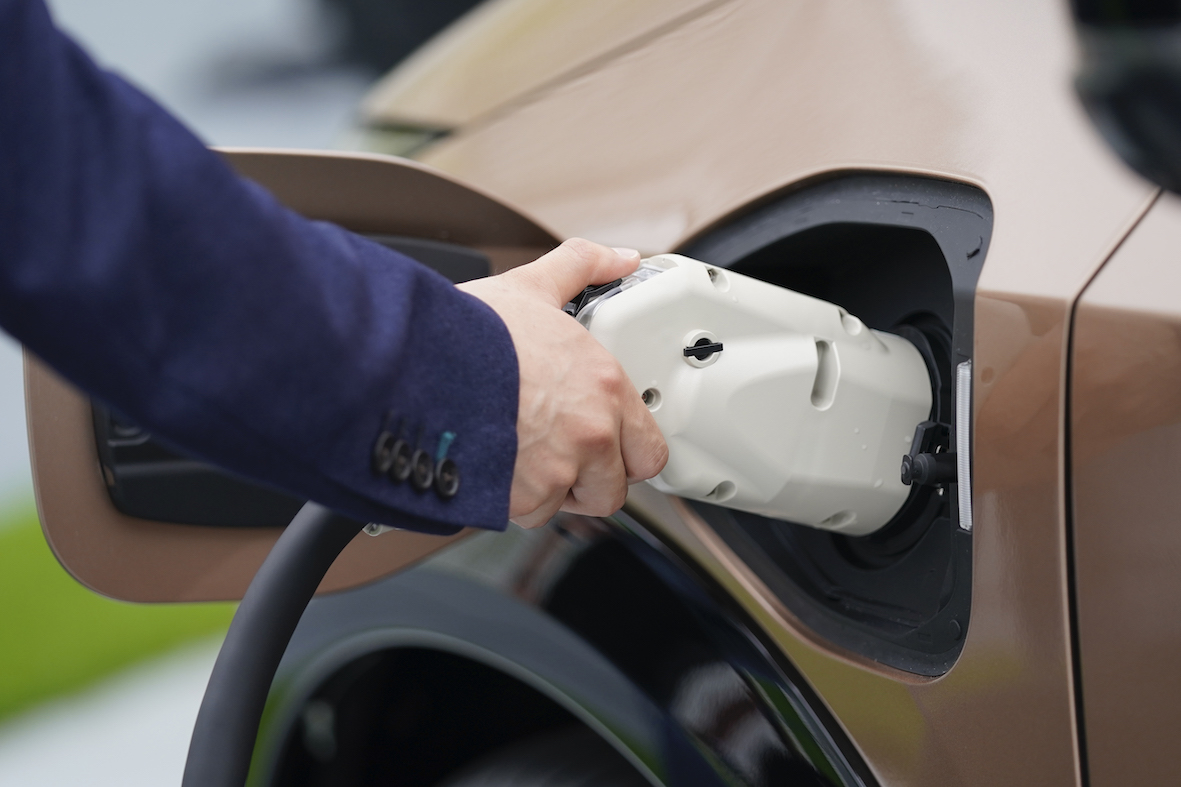
That’s also the price assuming you’re not on a fixed rate, and if you’re charging at normal hours – and not using an off-peak tariff. So, if you’re charging at that rate, you’re charging that 50kWh usable battery capacity again, you need to multiply 50 x 26.32, and you have a charging cost of just over £13.
That means that if you’re getting a real-world range of 200 miles, it works out at 6.5p per mile – still well under half what it’ll cost you to fuel a petrol car doing 40mpg.
If you make use of off-peak home tariffs, you can cut that cost-per-mile by more than half, too – even with the recent 2026 energy price rises.
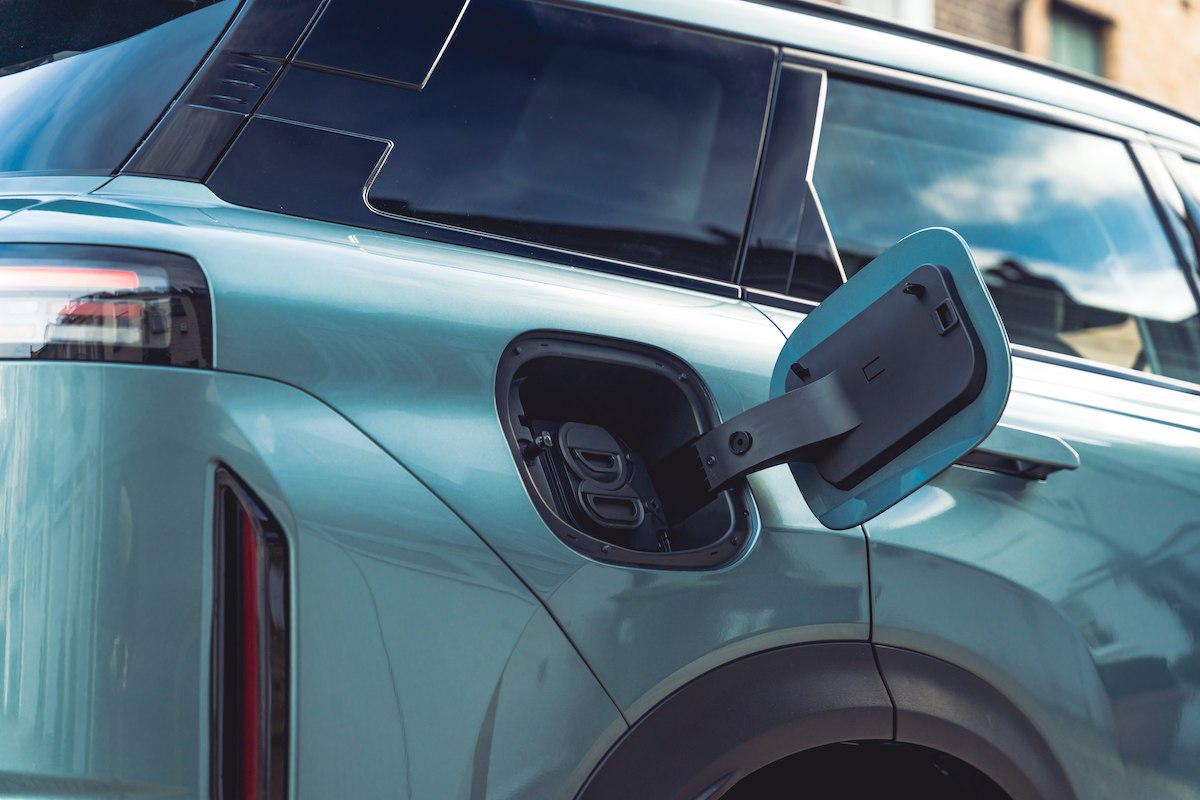
How much does it cost to charge an EV at a public rapid charger?
Public charging an EV will be more expensive than charging at home. But the costs of plugging in at a public EV charger varies dramatically depending on what sort of charger you’re using – and some of them also offer cheaper tariffs at off-peak times.
In general, you can expect a public rapid charger on a motorway to cost anything between 45p and 95p per kWh. You really do see big variations! Tesla Superchargers remain some of the cheapest public rapid chargers (especially if you’re charging a Tesla), while suppliers like Ionity and Shell tend to be some of the more expensive.
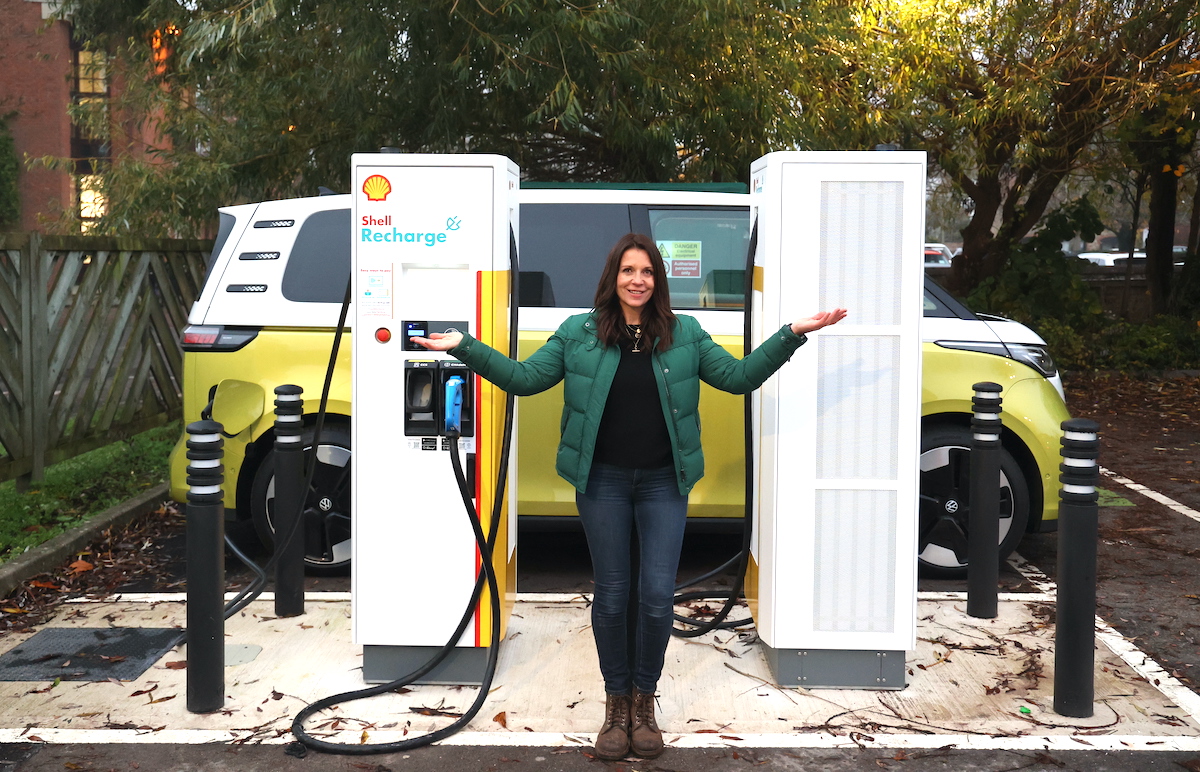
The slower AC public chargers that you find in lampposts and at the kerbsides, as well as in supermarket and shipping centre car parks, are designed for longer charging times and tend to be cheaper. They typically cost between 40- and 65p per kWh.
That means that public charging that 50kWh EV battery could cost anything from £20 to £47, which works out at 10- to 23.5p per mile if you’re getting a real-world range of 200 miles to a charge (or 4.0 miles per kWh, in terms of efficiency).
Remember that you will never really need a full charge from a completely empty battery to totally full – especially if you’re stopping for an on-the-go rapid charge.
In practice, EV drivers tend to stop and charge for brief periods when they’re pausing for a rest break anyway, or will charge from around 20 to 80% (because charging speeds get much slower after the battery in an EV is 80% charged, so it makes sense to move on after that).
You guessed it… We’ve got guides on charging times, too. Check out our charging time calculator, to find out how long it will take to charge your EV at different charger types.
Can I reduce my public charging costs?
If you're looking for cheaper charging (that's all of us, right?), there are a couple of ways of paying less for your kilowatt hours. The first is a subscription. With a sub, you pay a monthly fee to a charging provider and in return you get lower prices when you plug in. This only really works if you charge frequently and use the same charge provider.
For example, Tesla offers a monthly subscription of £9.99 per month. With membership, you'll save typically around 10-15p per kWh (Tesla prices are dynamic and depend on location). If you charge more than 100kWh per month (which is less than two full charging sessions for most EV owners), you'll start to see savings.
The second way to save is to keep an eye on plunge pricing. Chargepoint operators often find themselves with access to very cheap energy that they can buy from the grid (usually when renewables such solar and windpower are generating more than the grid requires). The more helpful ones pass this on to customers with what's known as plunge pricing. These are time-limited sessions where the cost per kWh is slashed.
If you sign up to one of the charging aggregators such as Octopus Electroverse, you can activate notifications when plunge pricing sessions are active. These tend to be early in the morning or at night, but can also be during the day if there's a lot of excess energy in the network.
How to find your price per kWh
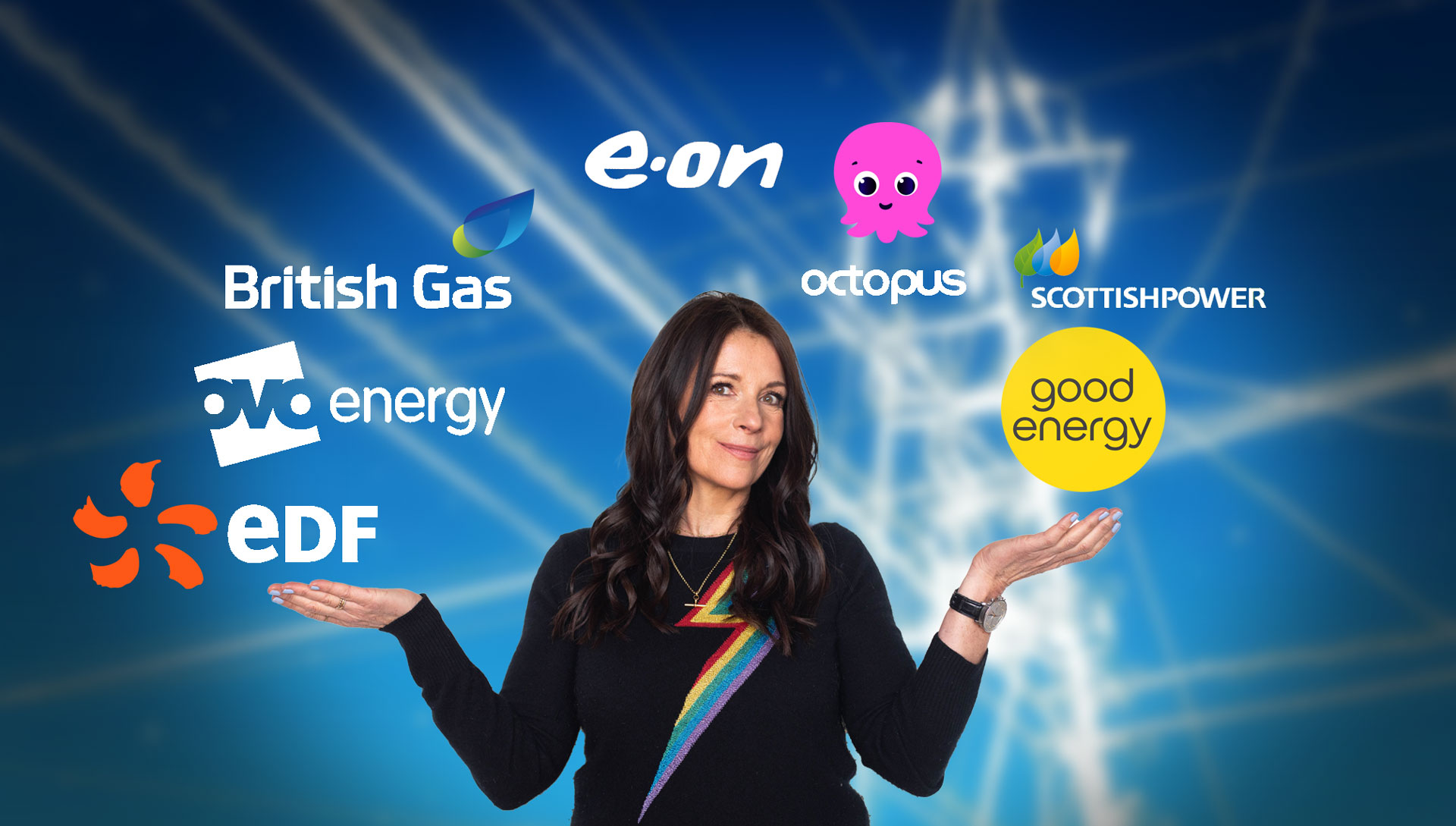
If you’re charging from a home charger, your price per kWh will be on your electricity bill – and on your online account or app, if you’re using those. You can always phone your provider to check, too. In fact, we’d encourage it, as they may be able to help you find a cheaper tariff if you’re not sure what electricity tariff you’re on.
If you’re charging at a public charger, the price per kWh will be shown on the screen on the charger before you start the charge. It will also show you the total cost of your charge when you finish - although only for a few seconds! You may have to give your email address to get a receipt emailed to you, which is annoying, as public chargers don’t print physical receipts.
Using associated charging apps (most providers have apps, or there are general charging apps, such as Electroverse) can save you money and make it easier to keep track of how much you’re spending on public charging.