Kia EV2 vs Renault 4: Which affordable electric car is best?
James Batchelor
30 Aug 2026
In recent times the £25,000-ish electric car bracket has exploded, giving buyers a fantastic selection of stylish hatchbacks and small SUVs that not only have looks on their side, but are also practical, well-equipped, and have decent driving ranges.
The Renault 5 has already proved that affordable EVs can be genuinely desirable, while the Citroen e-C3, Hyundai Inster and Ford Puma Gen-E are fighting for your money. And that's before the Volkswagen ID.Polo, Skoda Epiq, Cupra Raval and a whole heap of new Chinese contenders properly join the party.
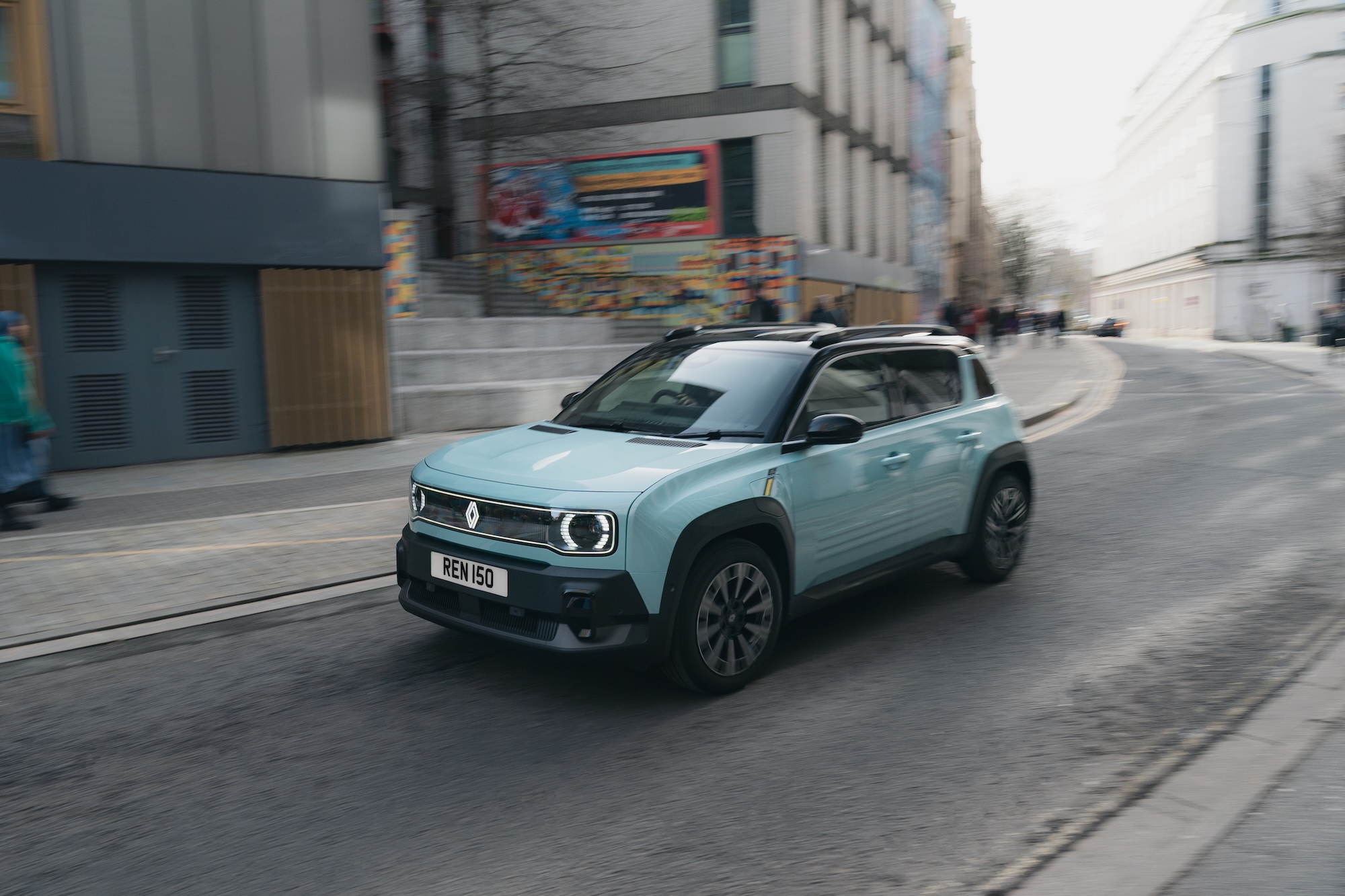
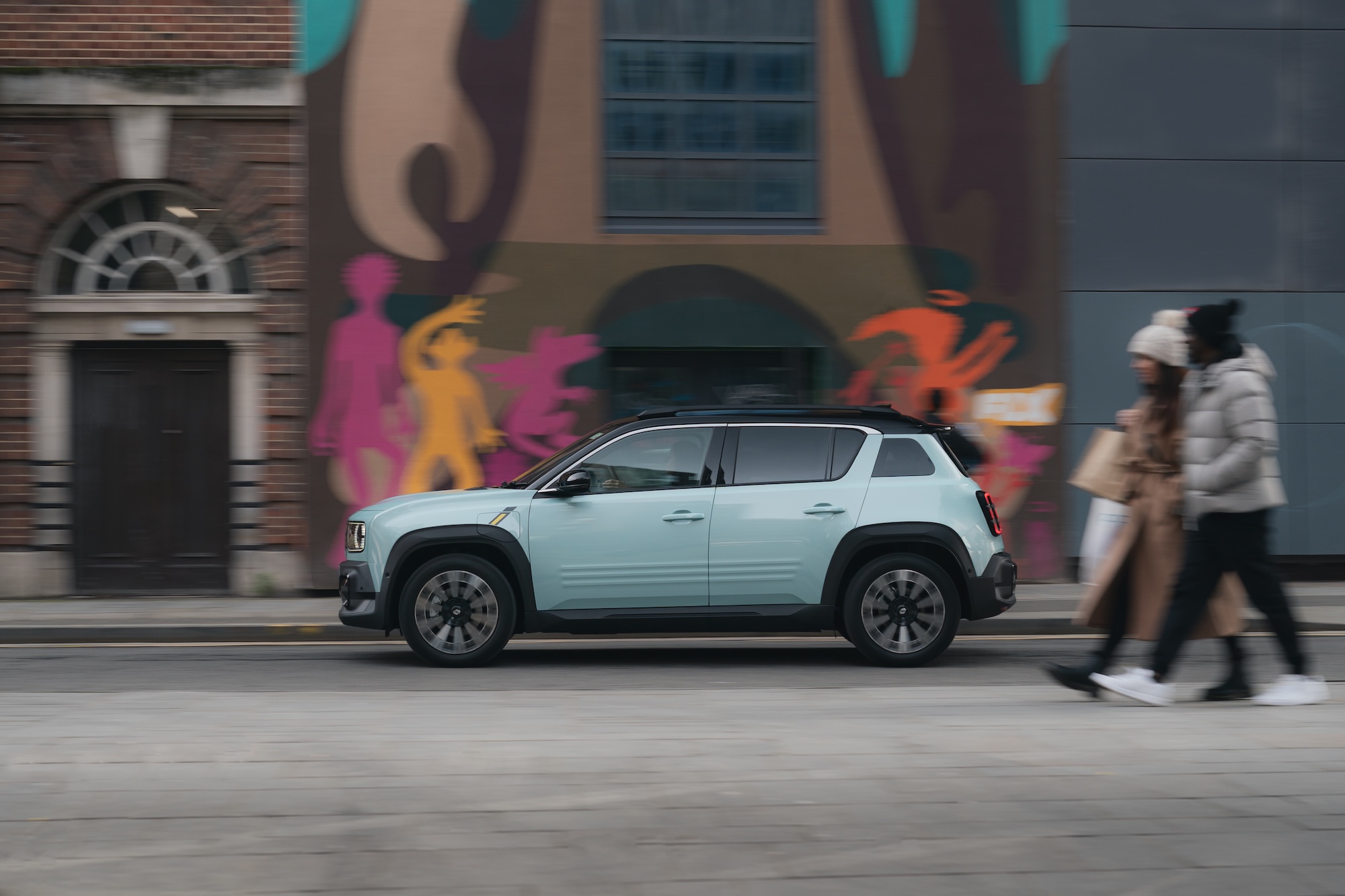
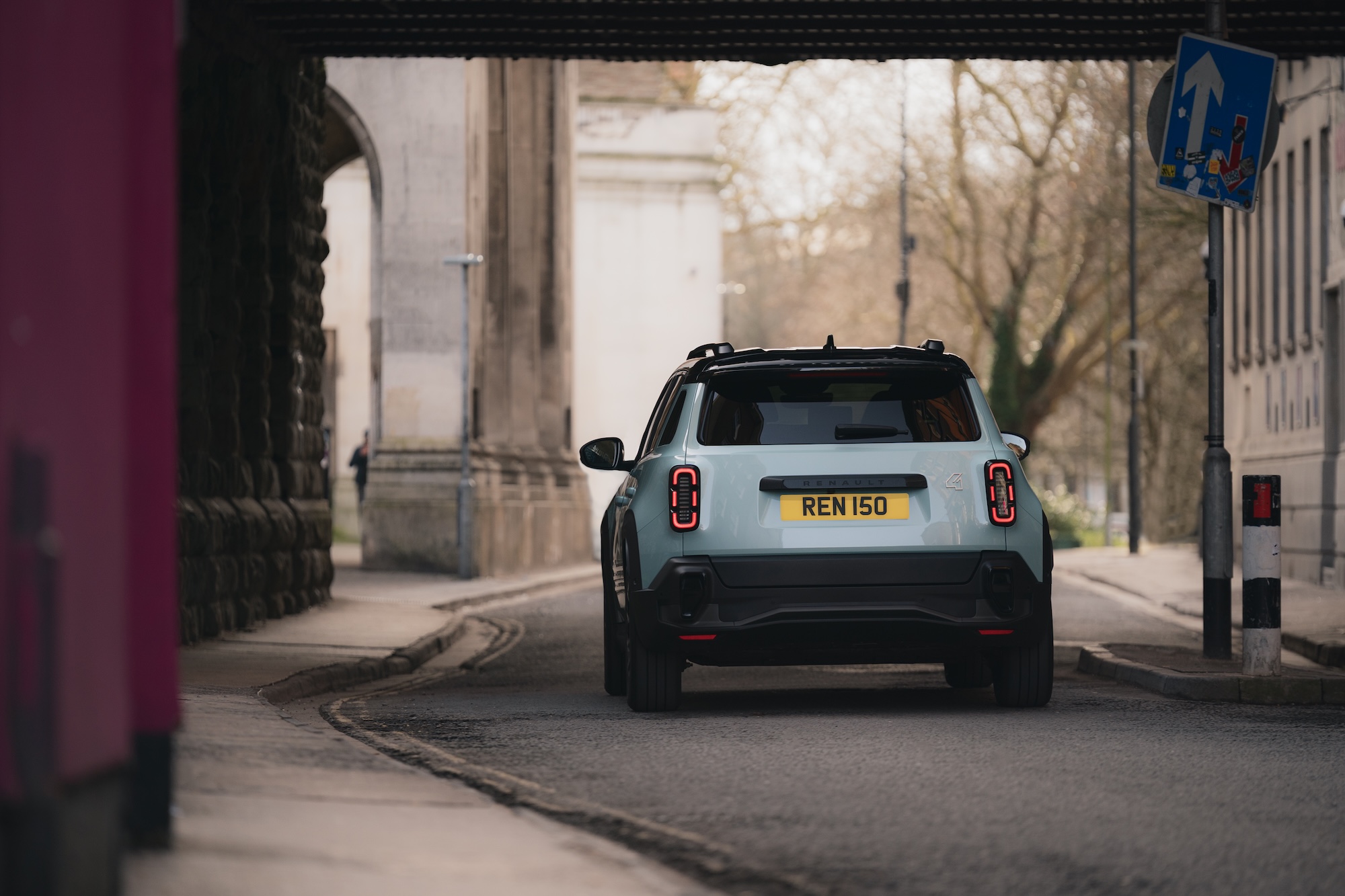
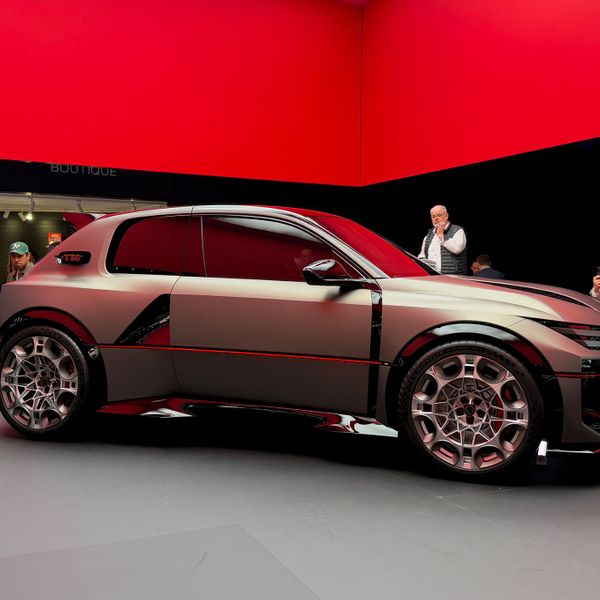
Which brings us to these two. The Renault 4 takes a very deliberate look backwards. It shares most of its mechanical bits with the brilliant Renault 5 but wraps them in a larger, more practical body inspired by the original Renault 4 of the 1960s.
ADVERTISEMENT
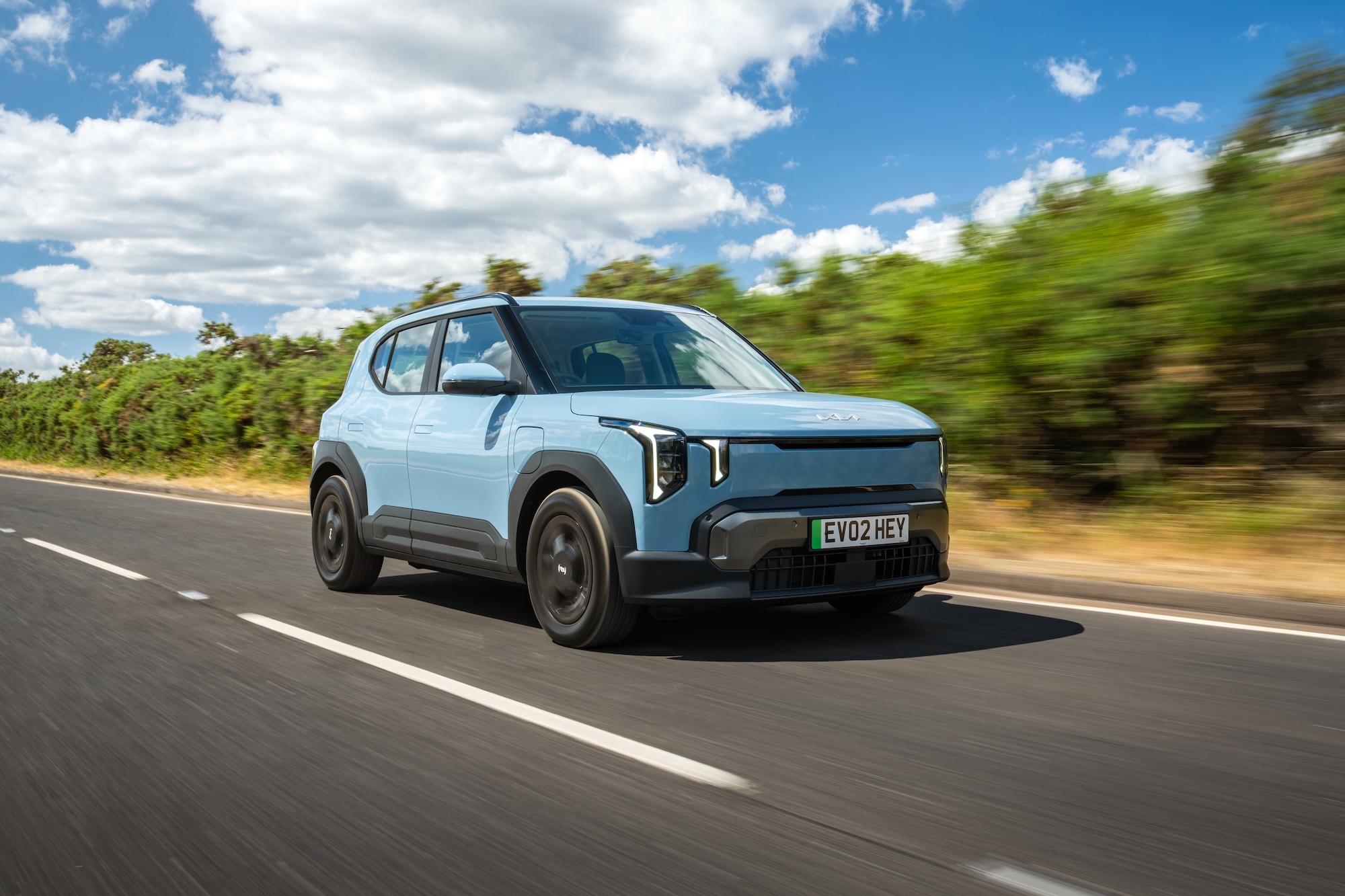
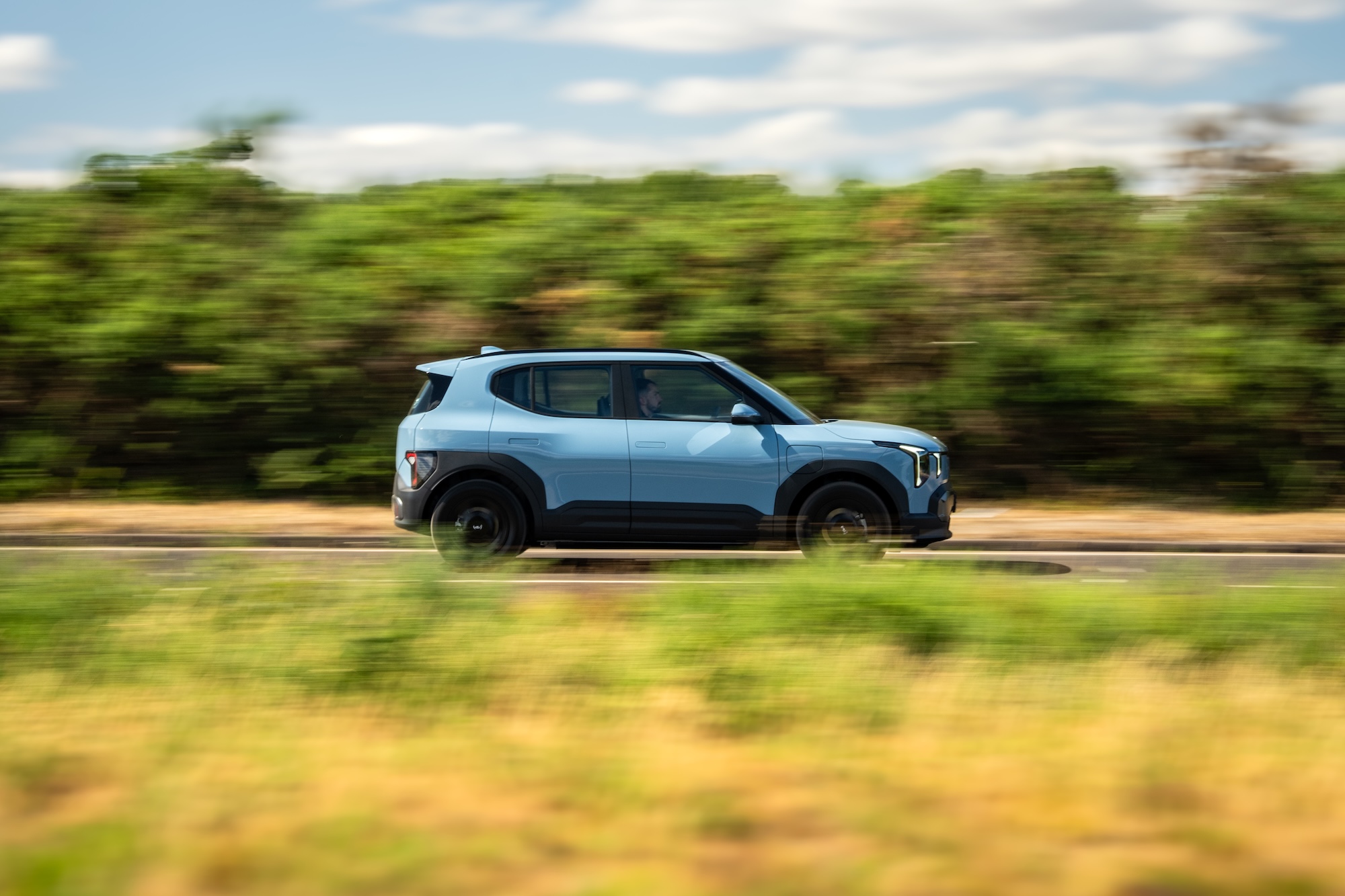
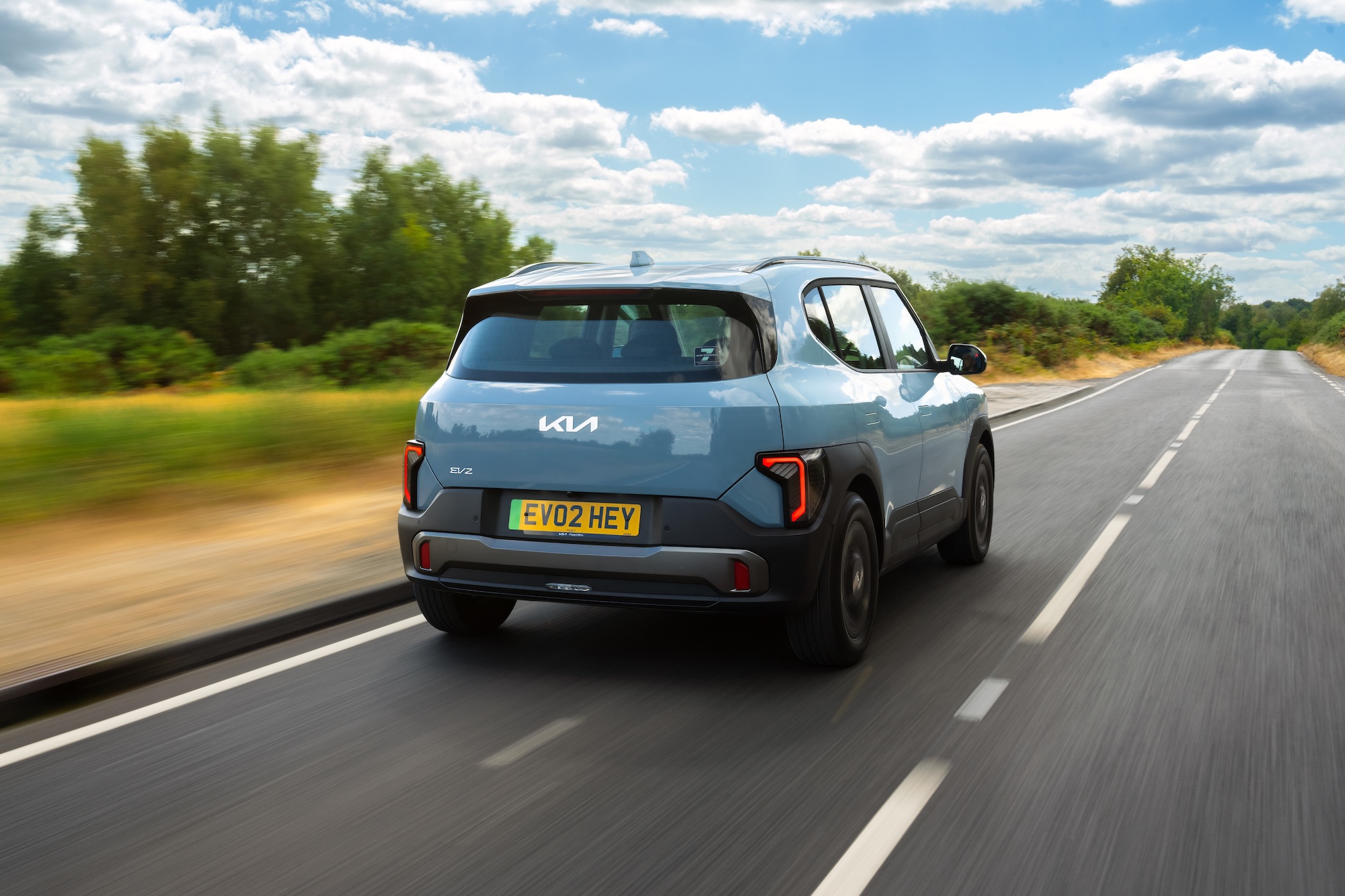
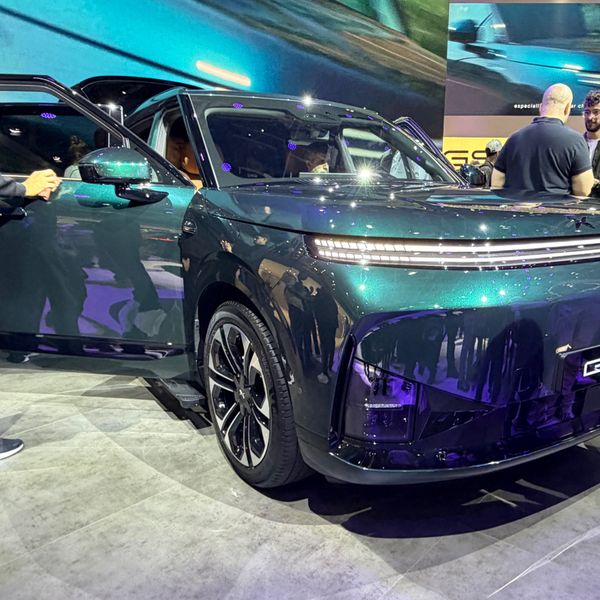
The Kia EV2 couldn't be more different. It's the smallest member of Kia's rapidly expanding electric family, and rather than raking over the past for inspiration, it looks like somebody has taken an EV9 and put it through a very hot wash.
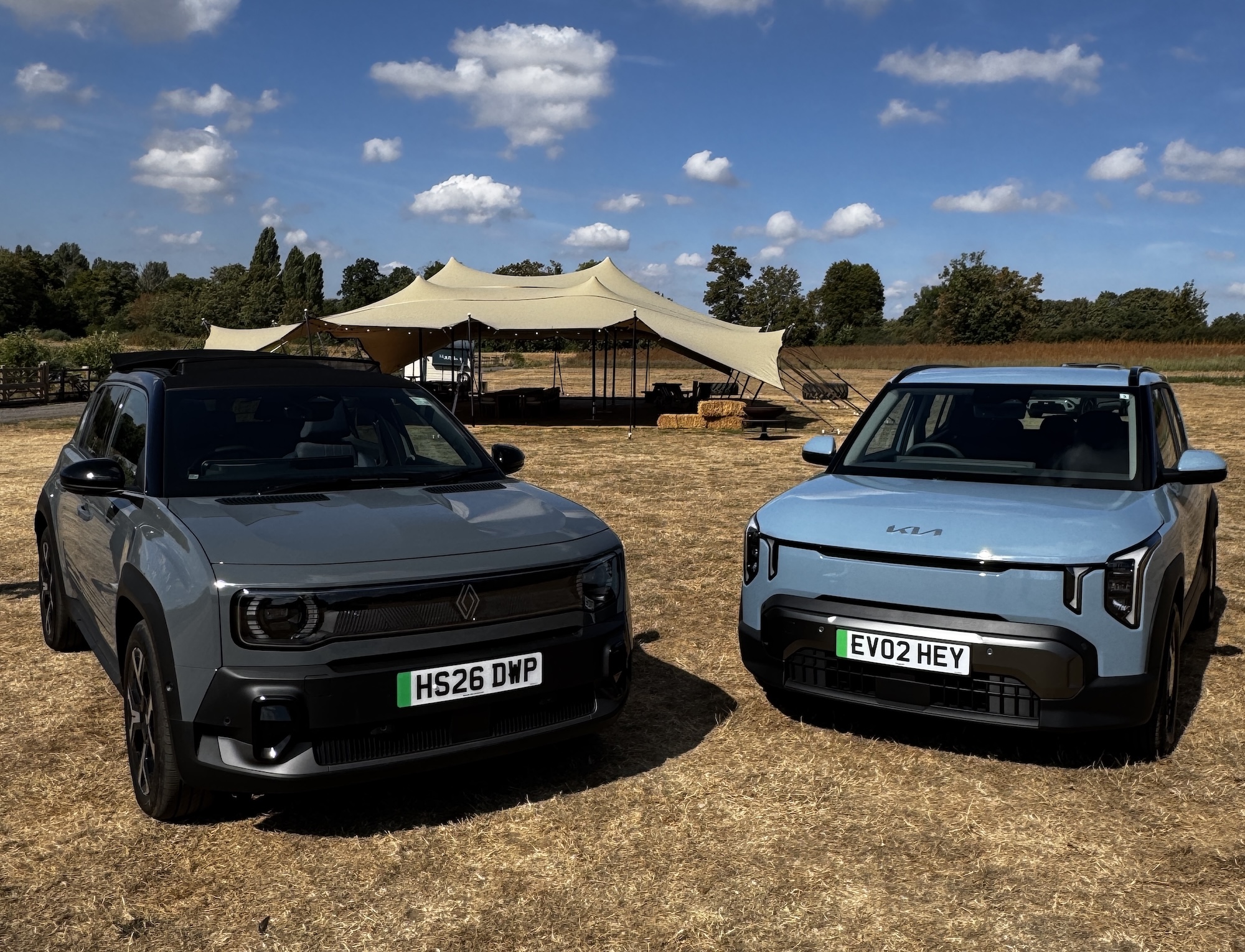
Retro versus futuristic, then. But both are trying to do fundamentally the same thing: give you a genuinely useful, desirable electric car for around £25,000.
So, which one does it better?
Kia EV2
Price from: £27,995 excluding Electric Car Grant
Price as tested (Air, plus options):£28,645 excluding Electric Car Grant
There are actually two battery versions of the EV2, but only that really matters. The Standard Range gets a 42.2kWh LFP battery, 145hp and an official 195-mile range, but Kia expects the 61kWh Long Range to be the big seller in Britain – and that's the version we're concentrating on here.
It gets up to 275 miles of official WLTP range, which makes the EV2 one of the longest-range small electric cars currently available. That's impressive when you consider the entry-level Air costs just £24,245 after the £3,750 Electric Car Grant.
The Renault 4 keeps things simpler. In the UK you get a 52kWh NMC battery with between 241 and 247 miles of official range, depending on specification. Go for the wonderfully French Plein Sud with its huge retractable fabric roof and you'll sacrifice a few miles because of the extra weight and aerodynamic drag.
So the Kia has a clear on-paper advantage, but we are yet to test just how efficient it is in the real world. As the Renault 4 has been around for longer, we’ve spent more time in it in various models, and found its range can vary considerably with the weather. In temperatures above 25 degrees we've seen around 4.6 miles/kWh, which should mean almost 240 miles in ideal conditions. But on a cold motorway journey we'd expect that to drop towards 160 miles.
The EV2 also wins the charging-speed numbers game, although not by much. It peaks at 118kW compared with 100kW for the Renault. Both need around half an hour for the sort of rapid charge you'd typically do on a long journey.
Both get 11kW AC charging and Vehicle-to-Load functionality, so you can use the car's battery to run electrical devices. Vehicle-to-Grid functionality is also part of the package, provided you've got compatible home charging equipment.One useful Renault advantage is that every Renault 4 gets a heat pump as standard. On the Kia you'll need the top-spec GT-Line S and another £700 for one.
Interior and infotainment
These two could hardly approach interior design more differently.
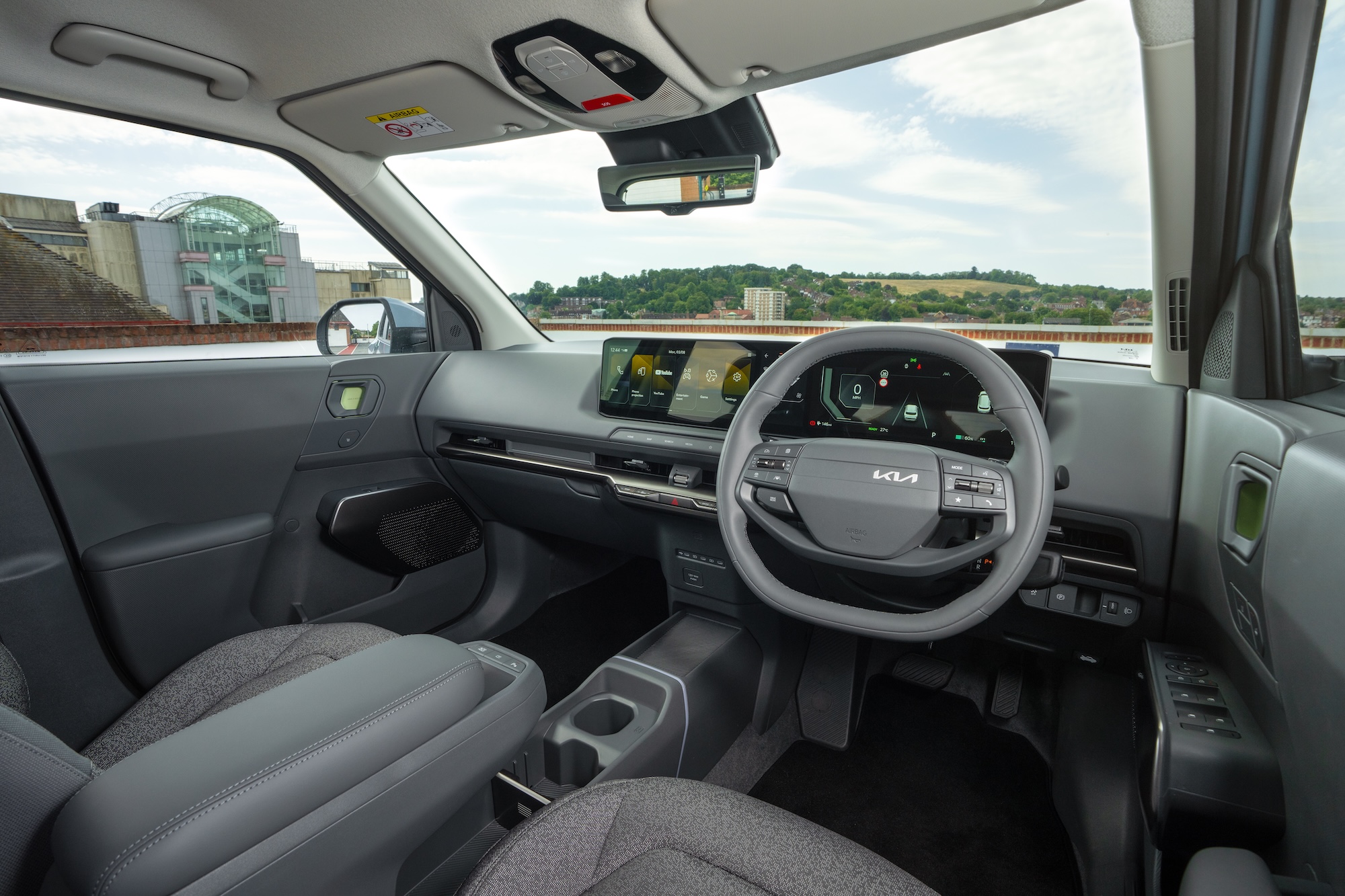
The Kia follows the template established by its bigger EV siblings. There's a very neat, sensible dashboard with twin 12.3-inch displays, a smaller climate-control screen, plenty of physical controls and a simple two-spoke steering wheel.
It's all very logical. Wireless Apple CarPlay and Android Auto are standard, the infotainment is easy to understand and there are loads of useful storage spaces dotted around the cabin. Heated front seats and a heated steering wheel are standard even on the Air, too. And there are some lovely little details – open the door and you'll find a tiny 'Hello' message waiting for you.
The trouble is that the Air's interior is also very, very grey. The plastics feel solid and hard-wearing rather than cheap, but there are an awful lot of them. Higher specifications introduce more colour and texture, yet there's no question that the Kia's cabin prioritises usability over theatre.
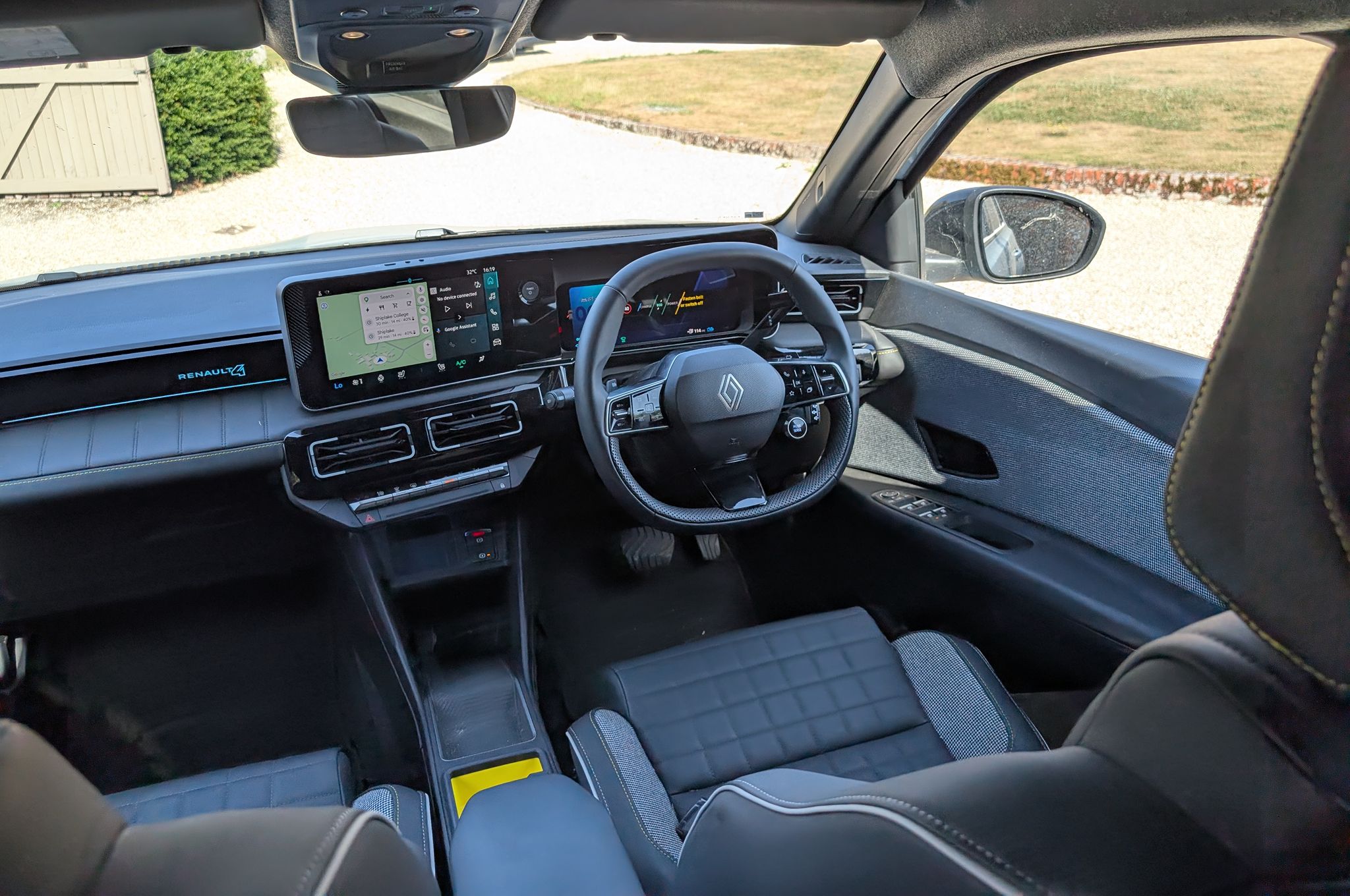
The Renault is the opposite. If you've been in a Renault 5 it'll immediately feel familiar, but that's hardly a criticism. The seats look fantastic (although they could do with a little more back support on longer journeys), there's much more colour and texture and the whole thing has a sense of fun that the Kia can't quite match.
Go for Techno+ and you get Renault's excellent Google-based infotainment system, four USB-C sockets, adaptive cruise control and plenty of ambient lighting. Google Maps is built straight in and remains one of our favourite native navigation systems in any electric car.
There are physical climate controls, too, while the gear selector has a little crystal-like tip that looks rather fabulous despite not actually doing anything.
And then there's the Plein Sud's party piece: that huge retractable canvas roof. It adds around £1,500 to the price but transforms the cabin, flooding it with light and giving you an almost open-top experience without requiring everyone inside to arrive at their destination looking like they've been dragged through a hedge backwards.
Space and practicality
The Renault 4 is essentially the XL Renault 5. It's built on the same AmpR Small platform, but the body is longer and most of that extra length has gone into the wheelbase. That's important because rear-seat space is one of the Renault 5's biggest weaknesses.
There's noticeably more room in the back of the 4. It's still not enormous – taller adults may find legroom tight and there's frustratingly little space for your feet beneath the front seats – but it's much more family-friendly than the 5.
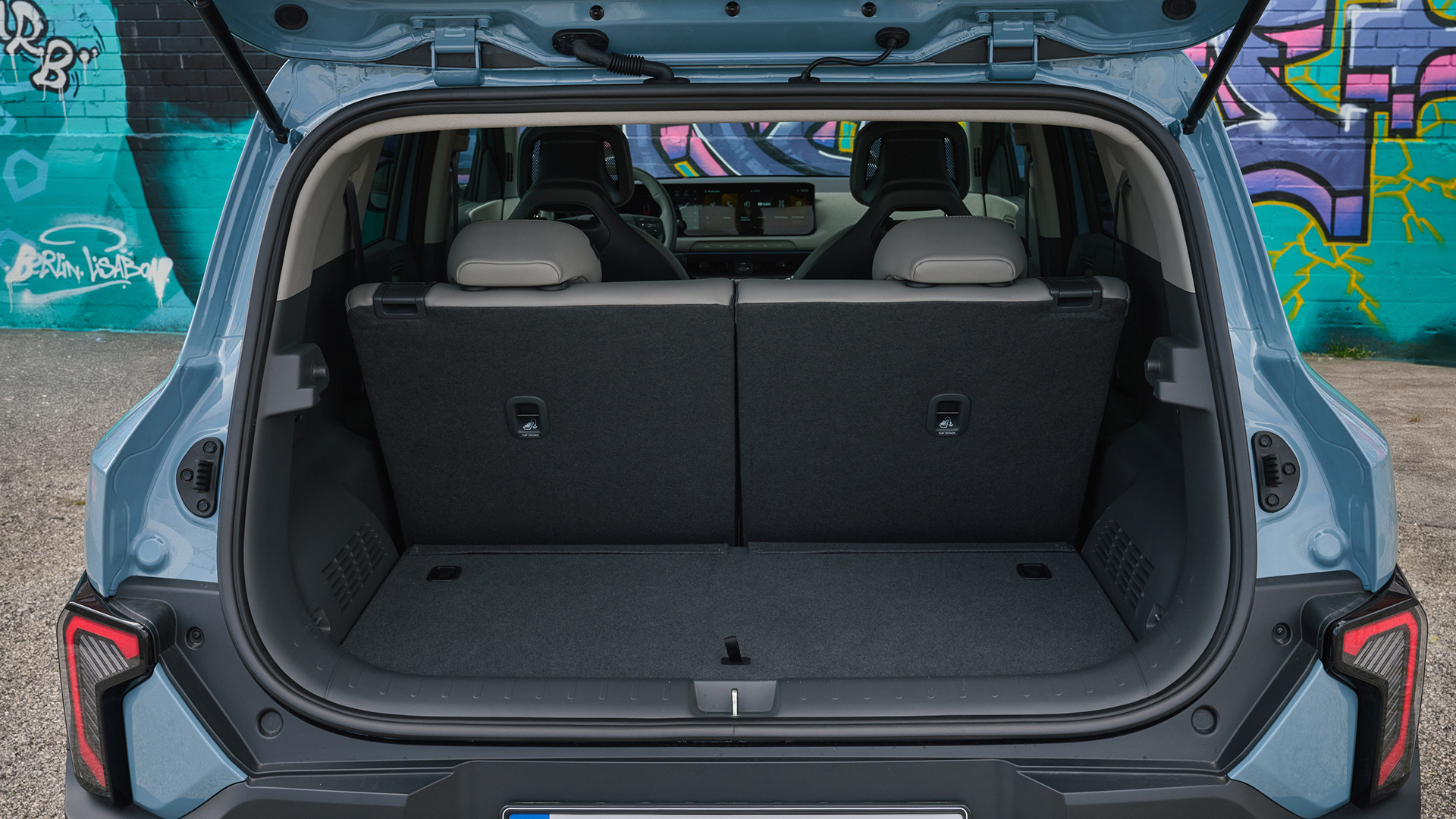
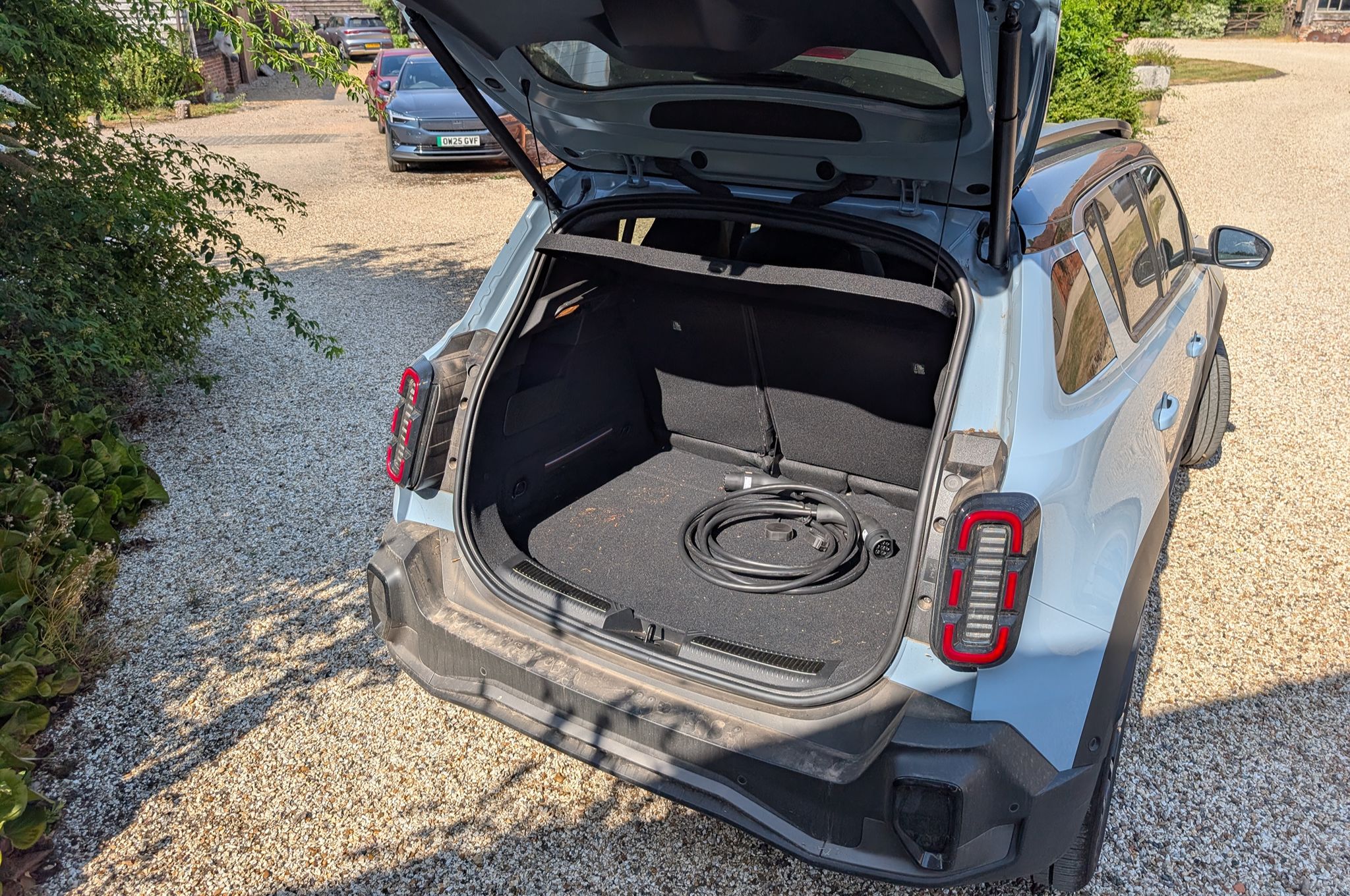
The Kia is cleverly packaged, too. There's a good amount of passenger space considering its compact dimensions and plenty of storage dotted around the cabin. In some markets you can even get the EV2 with a clever sliding and reclining rear bench, but sadly Britain doesn't get it. When it comes to carrying luggage, the Renault takes the honours. Its enormous tailgate reveals a very square, useful boot with 420 litres of space, compared with 362 litres in the EV2. There's also a useful underfloor storage area for charging cables, although choosing the optional Harman Kardon stereo sacrifices some of that space to its subwoofer.
The 4's large tailgate also gives a very low sill, which could be useful for perching on or when loading and unloading your dog. The Kia fights back with a clever double-height floor. In its lowest position you get maximum luggage capacity, while raising it gives you a much flatter load area when the rear seats are folded compared to the R4. Higher-spec EV2s also get a small 15-litre frunk. The Renault doesn't get one at all.
Which one is best to drive?
Neither of these is trying to be an electric hot hatch, but there's a surprisingly big difference between them.
The EV2 Long Range model has 134hp and 250Nm of torque, which wouldn't necessarily be a problem if it didn't weigh more than 1.6 tonnes. Zero to 62mph takes 9.5 seconds and it feels every bit as leisurely as that number suggests. Around town it's perfectly adequate, but ask for a quick burst of acceleration when joining a faster road or overtaking and there's not much urgency.
Curiously, the smaller-battery EV2 is actually quicker. It has 145hp, weighs less and gets from 0-62mph in 8.7 seconds, so choosing the longest-range version means sacrificing a little performance.
The steering is incredibly light, too. Great for parking and threading through town; less great if you're hoping for much feedback from the front tyres.
But the Kia isn't trying to be sporty. Around town it's wonderfully easy to drive, with excellent visibility, a tight turning circle and Kia's brilliant adjustable regenerative braking. Get it onto a motorway and it feels remarkably grown-up for such a small car, too. It's quiet, stable and refined – more so than the Renault.
The ride is generally good over larger bumps, although smaller, sharper imperfections can unsettle it, and the tall body leans noticeably if you start chucking it around.
The Renault feels more energetic. Its 150hp motor doesn't sound dramatically more powerful, but the 4 weighs more than 150kg less than the Kia. The result is a 0-62mph time of 8.2 seconds, and you can really feel the difference.
It's not Tesla-fast but it feels much more assertive when you're pulling out of a junction or accelerating away from the lights. The steering isn't quite as pointy as the smaller Renault 5's, but there's still more connection than you get in the Kia.
The bigger difference is underneath. While the Kia uses a relatively simple torsion-beam rear suspension setup, the Renault has a more sophisticated multi-link arrangement. And you can tell as the Renault rides really well, keeping its composure over the sort of battered British roads that can have the Kia hopping around. There's a nice balance between comfort and control, and overall it simply feels more enjoyable to drive.
We also love Renault's one-pedal driving mode. Early Renault 5s didn't have it, but the system in the 4 works really well.
Which one is the best value?
Apart from the 42.2kWh Standard Range EV2, all other EV2s and every R4 is eligible for the full £3,750 Electric Car Grant; the EV2 Standard Range only gets a £1,500 discount. Here, we’re quoting prices before the grant is deducted, so the Renault 4 starts at £27,195, and the EV2 is priced from £27,995.
The EV2 Air is exceptionally well equipped. You get the big 61kWh battery and its 275-mile range, 16-inch alloys, heated front seats, a heated steering wheel, twin 12.3-inch screens, sat-nav, wireless smartphone connectivity, four USB-C ports and Kia's connected services.
Move up to GT-Line and the price jumps to £32,745, while GT-Line S rises to £36,345 – or £37,045 with the optional heat pump. The EV2 starts looking rather less bargain-tastic as you climb through the range.
The Renault is strong on equipment, too, and importantly every version gets the same 52kWh battery. Prices start at £27,195 for the Evolution+, rising to £29,695 for the Techno+, and £31,695 for the Iconic+.
The mid-range Techno+ is probably where we'd spend our money. You get the excellent Google infotainment, adaptive cruise control, ambient lighting and plenty of other goodies, while the optional Plein Sud roof (a £1,500 extra) gives it a character that no EV2 can match.
Lease costs muddy the waters further. At the time of our test, comparable Renault 4 deals generally worked out a little cheaper than the Kia, although lease prices change constantly so you'll need to check the latest offers.
Then there's the warranty. Renault gives you three years or 100,000 miles of general manufacturer cover and eight years/100,000 miles for the traction battery. Kia gives you seven years/100,000 miles on the car itself, as well as eight years/100,000 miles of battery cover.
Which one is better then – the Kia EV2 or Renault 4?
This is really close as both are excellent for different reasons.
The Renault 4 is the more charming car. It's quicker, rides better and is more enjoyable to drive. It has the bigger and more useful boot, the interior has far more personality and, depending on the deal you find, it can be slightly cheaper to lease. And then there's the Plein Sud. Do you need a huge canvas roof that rolls almost all the way back? Of course not. Do we want one? Absolutely.
But the Kia gives you noticeably more official range, slightly faster peak charging, excellent refinement and one of the best warranties in the business. The £27,995 Air in particular is very hard to argue with – getting a 61kWh battery, up to 275 miles of range and that much standard equipment for the money is seriously impressive.It also feels incredibly grown-up.
The Renault is the car that makes you smile; the Kia is the one that makes you wonder whether you actually need anything bigger.