





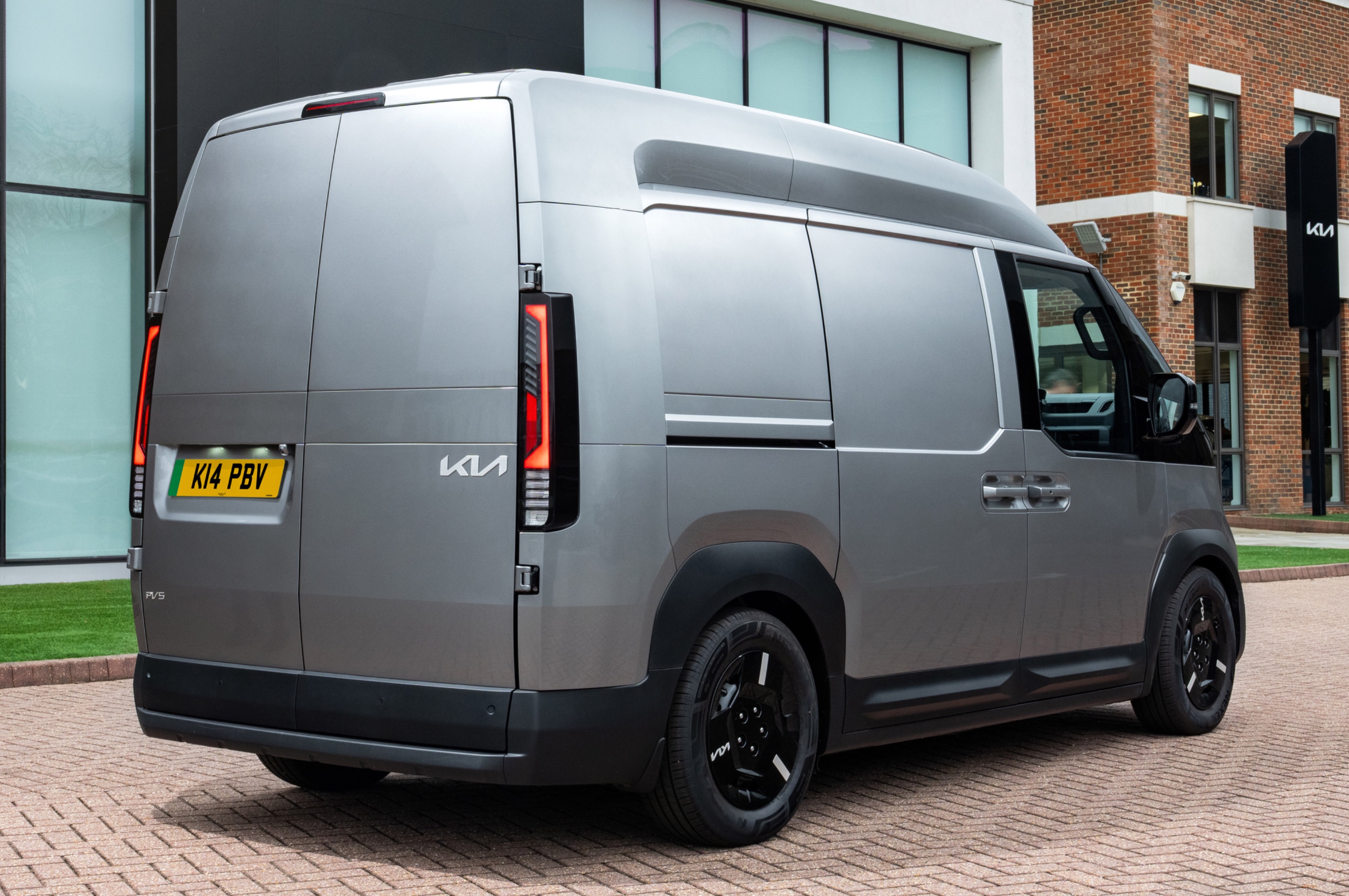
Kia has just launched two new versions of its PV5 Cargo van onto the market – there’s a new high-roof PV5 Cargo L2/H2 with over five cubic metres of loadspace, and a rolling chassis version of the electric commercial vehicle that can be turned into a tipper or dropside truck thanks to Kia’s conversion partner.
Let’s look at the details, shall we?
How much does the Kia PV5 high-roof van cost?
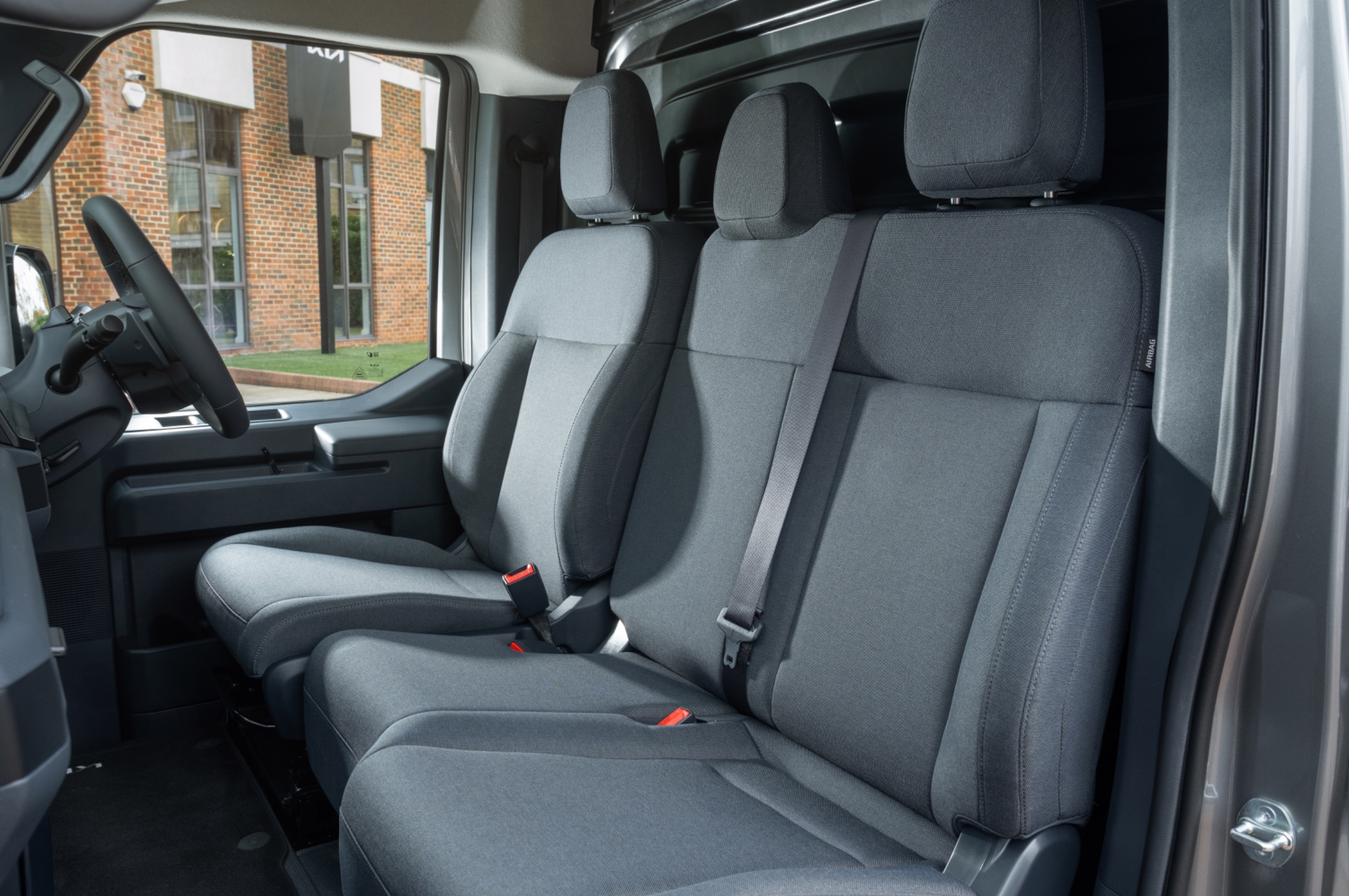
There are two trims available on the L2/H2 PV5 – Essential and Plus. Both are available in two-seat and three-seat layouts with no change in coast, and the Plus also comes with a walk-through version with a folding passenger seat that helps you access the load bay without leaving the van.
The Essential costs £32,355 without VAT, £35,016 on the road with VAT and including the £5,000 van grant.
The Plus version is an extra £1k on top without VAT at £33,355, which works out at £36,216 on the road including the grant. The walk-through version is £34,425/£37,500.
You can add an extra sliding door for £355 plus VAT.
What do you get with the Kia PV5 Cargo L2/H2?
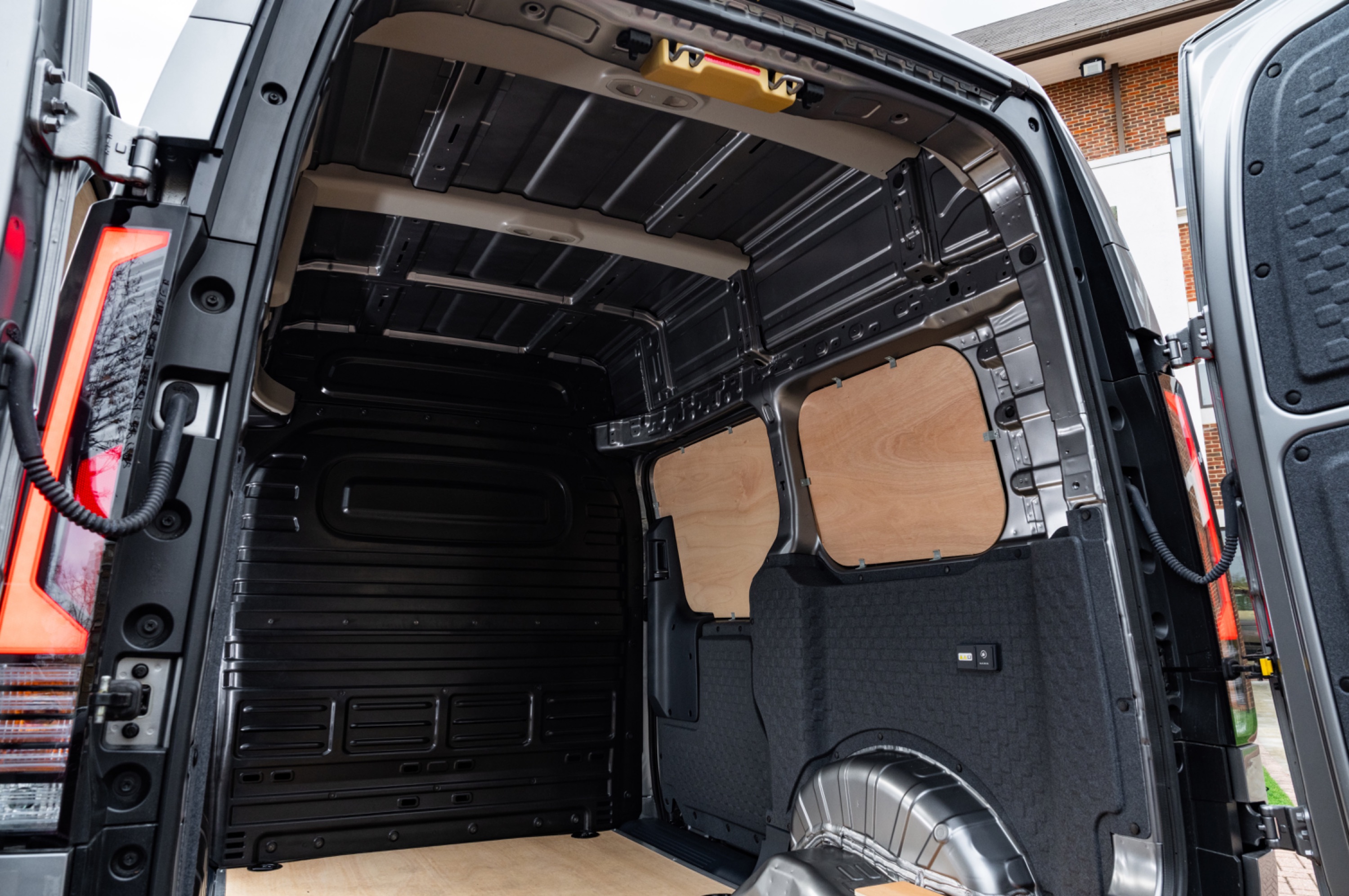
You’ve got 5.2 cubic metres of load space in the L2/H2, a maximum payload of 630kg (600kg if you’ve specced the extra sliding door) and a maximum towing capacity of 1,500kg.
The cargo bay is just over 2.2 metres long, and the van itself is exactly 2.2 metres tall with the newly expanded roof.
In the Essential trim you get 16in steel wheels as standard, with auto lights and wipers, aircon, 12.9in touchscreen infotainment with wireless Apple and Android connectivity, front and rear parking sensors, rear camera, cruise control and keyless entry.
Upgrade to the Plus version and you gain heated seats and steering wheel, electric folding door mirrors, wireless phone charging, upgraded safety tech and V2L capability where you can run electrical off the van’s battery.
You can add a heat pump to the Plus model (for extra efficiency in winter) for £650 plus VAT.
Kia PV5 Chassis prices and specifications
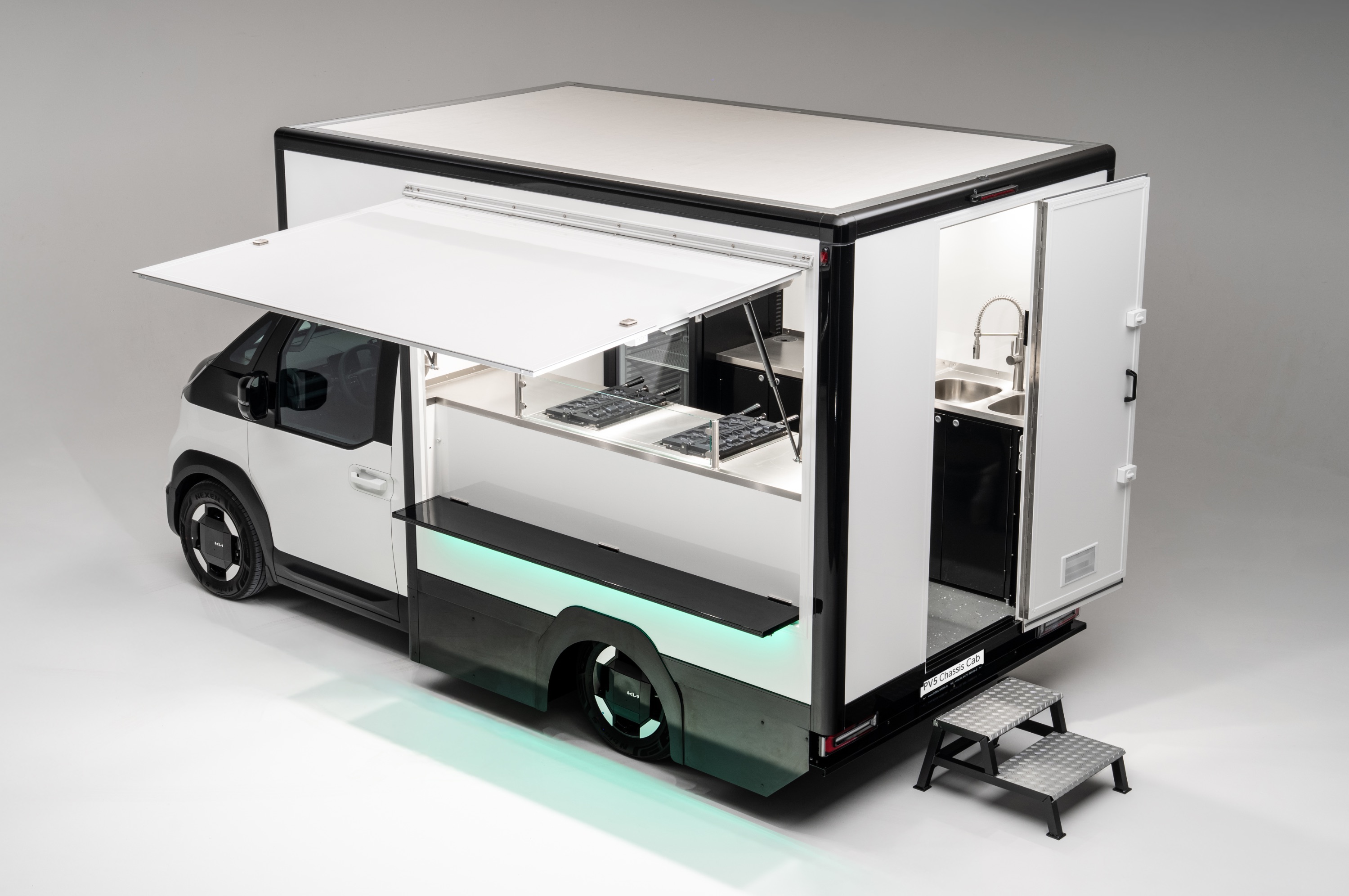
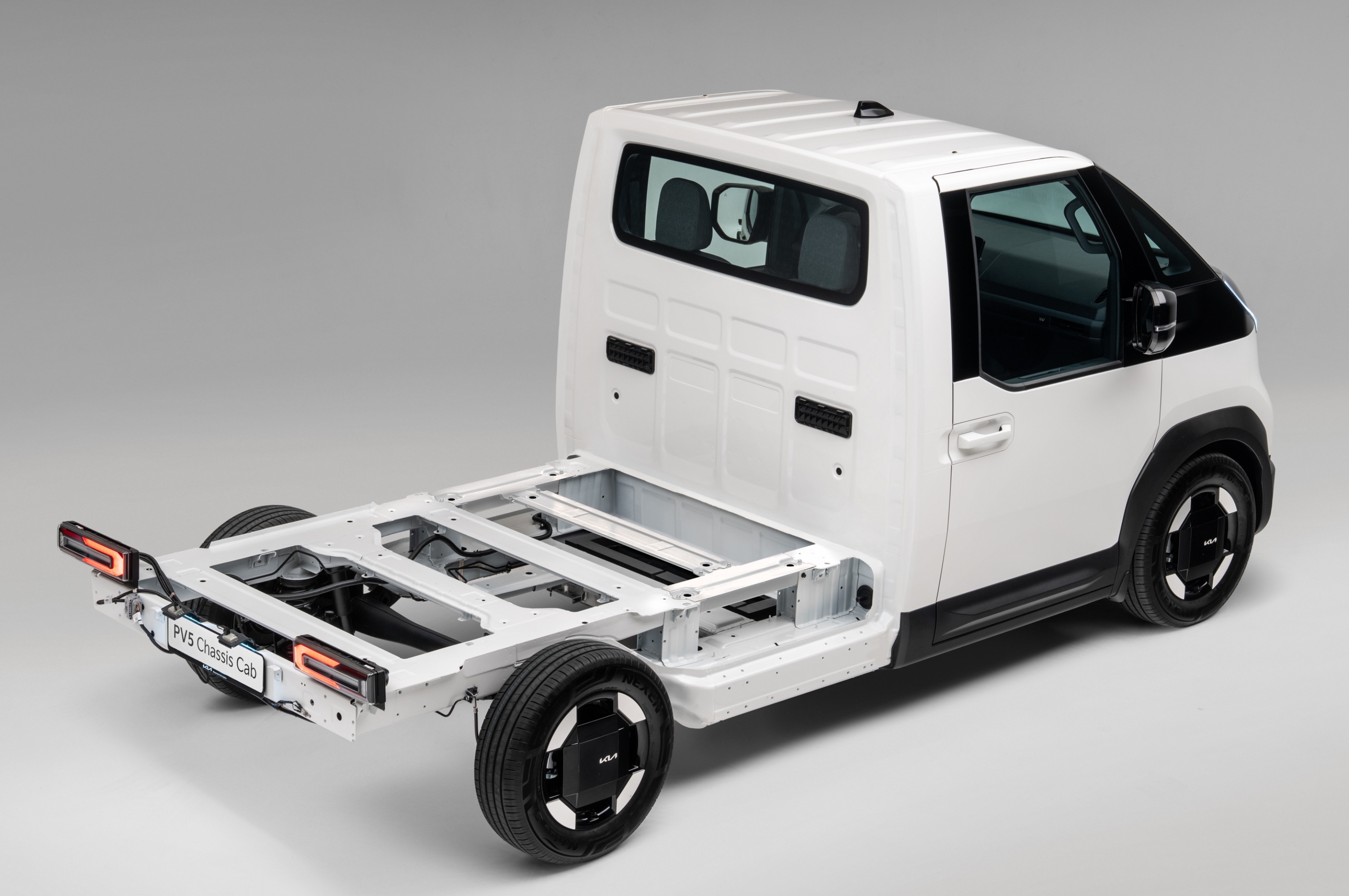
You can now order the Kia PV5 as a rolling chassis with the cab up front – that costs from £30,605 without VAT, which is £32,916 on the road (though you won’t want to drive it too far like that) including the £5,000 electric van grant.
It just comes in the single trim, Plus, but at least that means you get all the fun stuff detailed above. In its nude state the PV5 Chassis has a maximum payload of 885kg, though obviously you’ll have to subtract from that whatever you build on top.
We did see some food van inspo from Kia (above) back in September when it first revealed the chassis version of the PV5, but the world's your oyster when it comes to speccing out a rolling chassis.
Kia PV5 Dropside and Tipper prices
If you’re out of inspiration with what to do with your PV5 Chassis, then Kia has partnered with UK firm TGS Conversions to magically turn the PV5 into Dropside and Tipper versions.
It’s £36,600 plus VAT (£40,110 on the road including the grant) for the Dropside and £37,600 plus VAT (£41,310) for the Tipper version.
The Dropside will carry up to 630kg and the Tipper up to 561kg. There is also a Box version of the PV5 available from TGS and a range of other customisable options if you fancy them, including flashing lights.
Kia does offer more of these variants as factory builds in its home market – we spotted a dropside version testing in Korea last year – but in the UK's right-hand-drive market it prefers to work with trusted converters.
What is the range and charging time of the Kia PV5?
All these versions of the PV5 come with the same 71.2kWh battery and 163hp electric motor. A 10–80% charge will take under 30 minutes on a 150kW charger says Kia, and you get 11kW AC charging as standard.
There’s up to 239 miles of WLTP range on the Cargo version, which will obviously vary on the other versions depending on what you do the PV5 and what sort of things you’re going to carry around in or on it.
When can I order the new Kia PV5 vans?
Happily you can order all of the new vans now – contact your Kia commercial dealer for details of delivery. You can order the conversions through them, and the deliveries of the PV5 Chassis are set to start early in 2027.