BMW i3 vs Mercedes C-Class Electric: which is best?
James Batchelor
10 Nov 2026
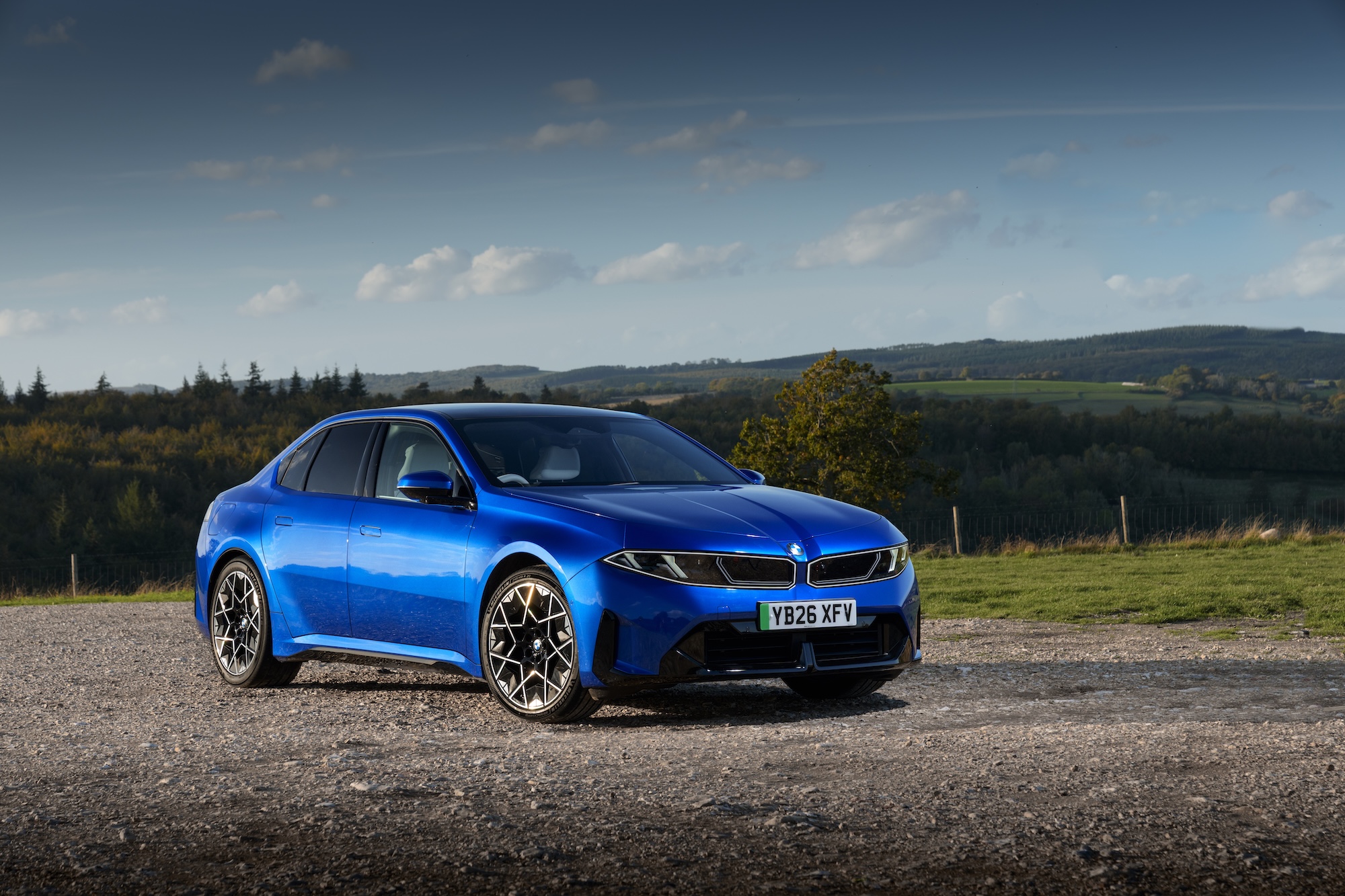
The BMW i3 and the Mercedes C-Class Electric are two of the biggest electric saloons of the year, the electrification of one of the car world's biggest rivalries. From the corporate car park to the outside lane on the motorway, the two German saloons have been locked in battle to build the best compact executive saloon car.
The C-Class has traditionally succeeded in the luxury and comfort department, while generation and generation the BMW has claimed the crown for driver enjoyment. Now the contest has moved up a gear as they've both gone electric for the first time.
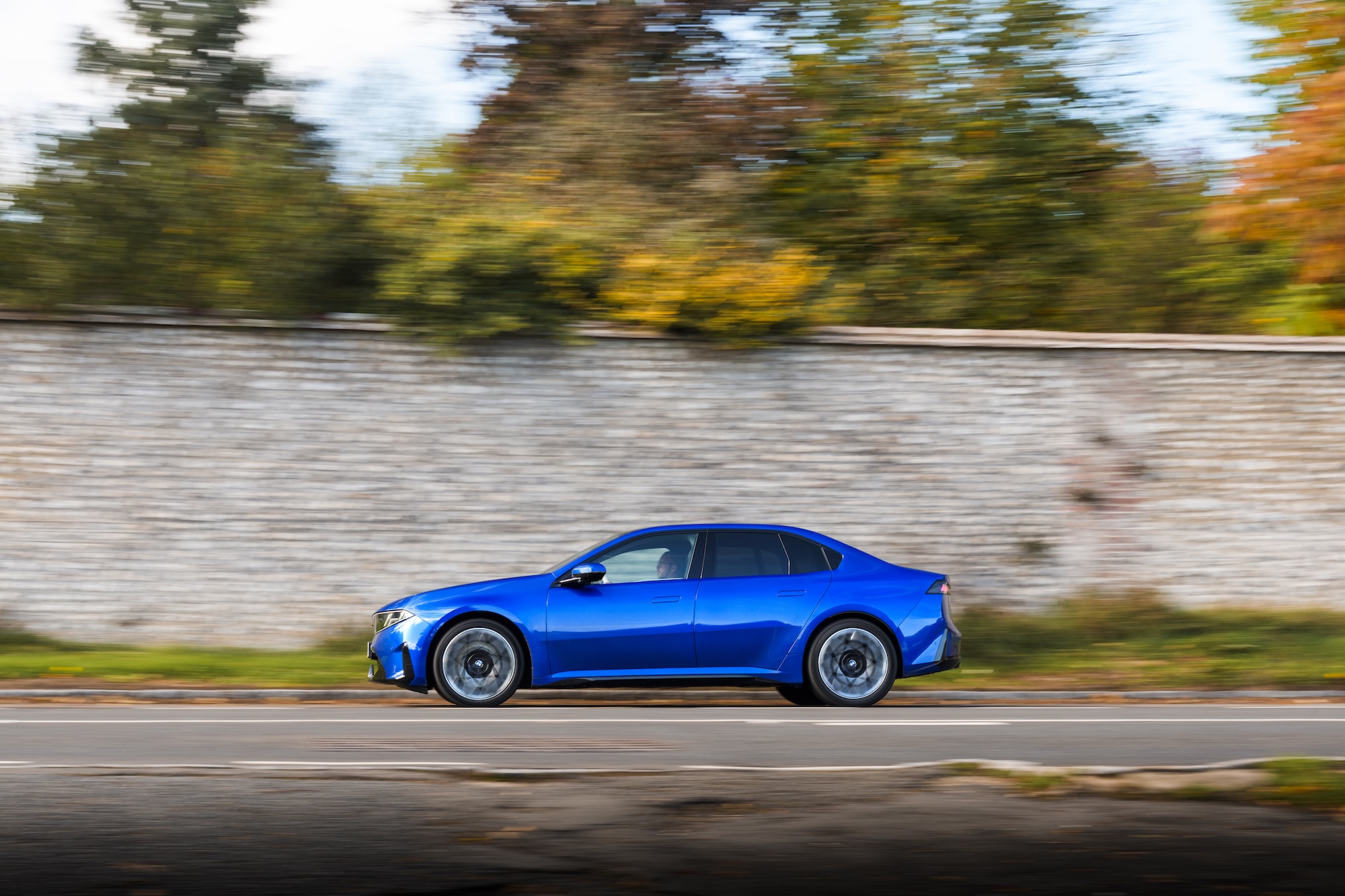
The BMW i3 is effectively the electric 3-Series, although don't confuse it with the quirky little electric hatchback that BMW used to sell. This is a completely different proposition, based on BMW's new Neue Klasse platform and packed with the company's latest battery technology. The headline figure? An official range of more than 550 miles in the most efficient version. That's enough to make even some diesel drivers sit up and take notice.
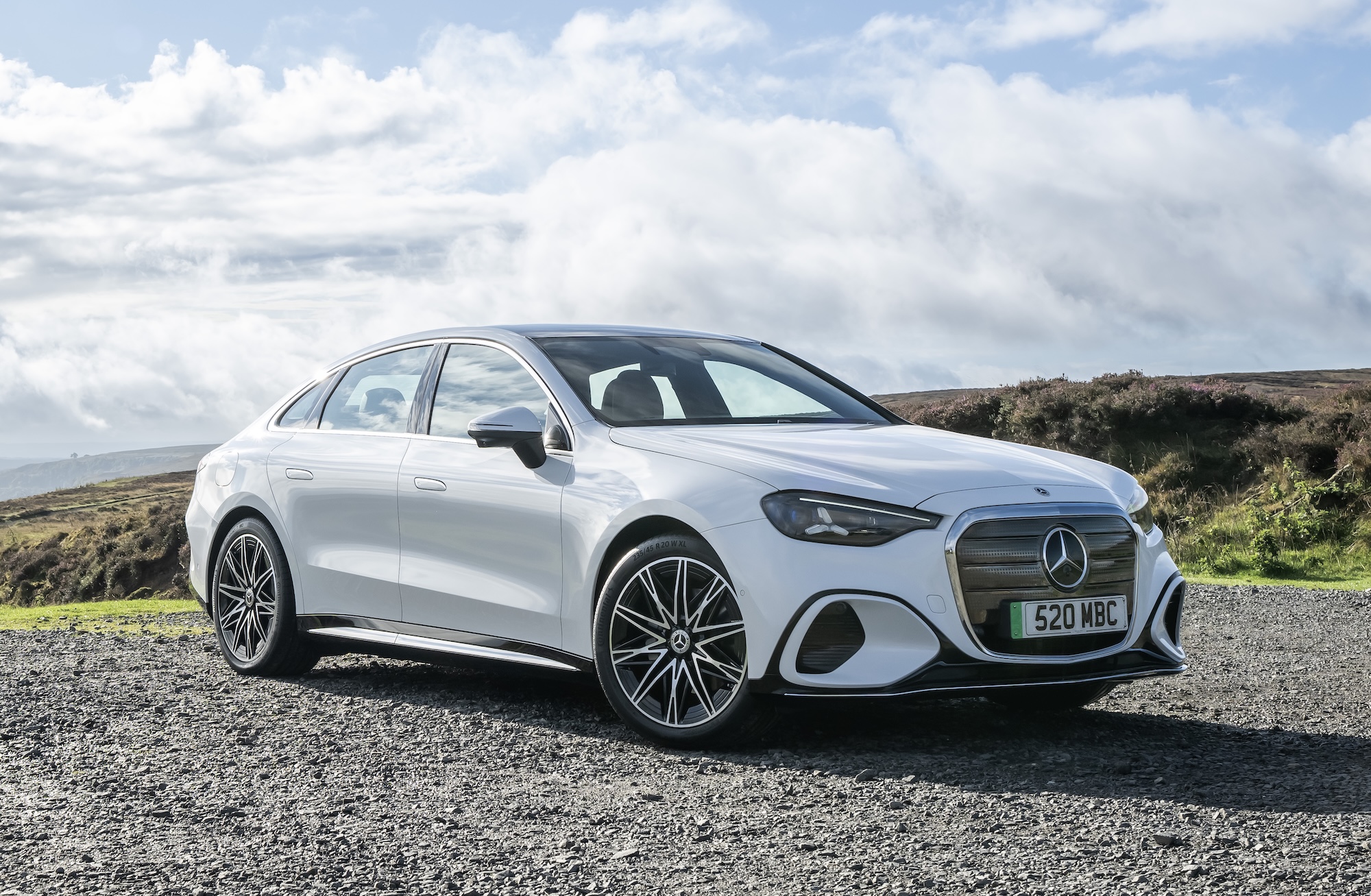
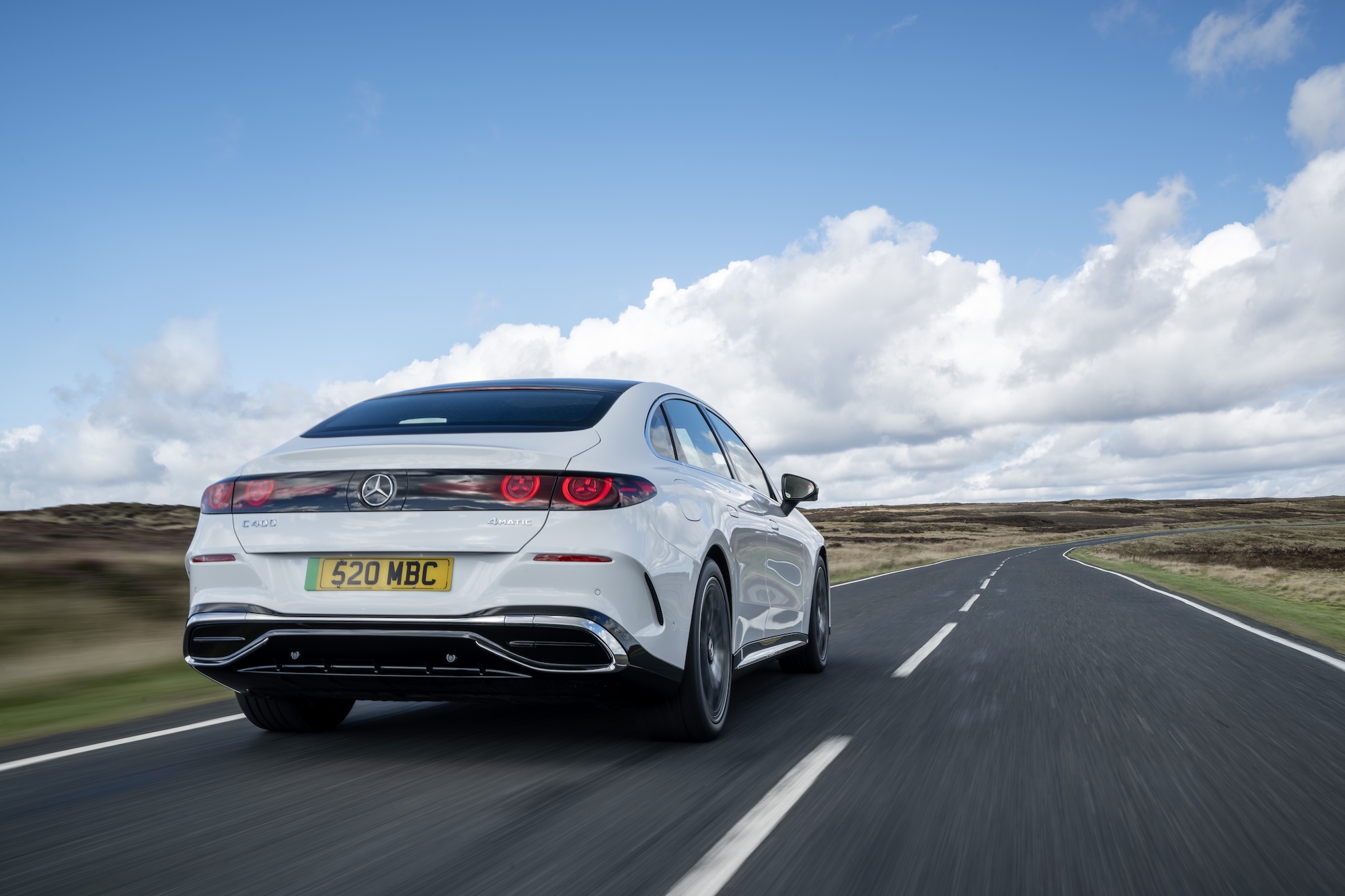
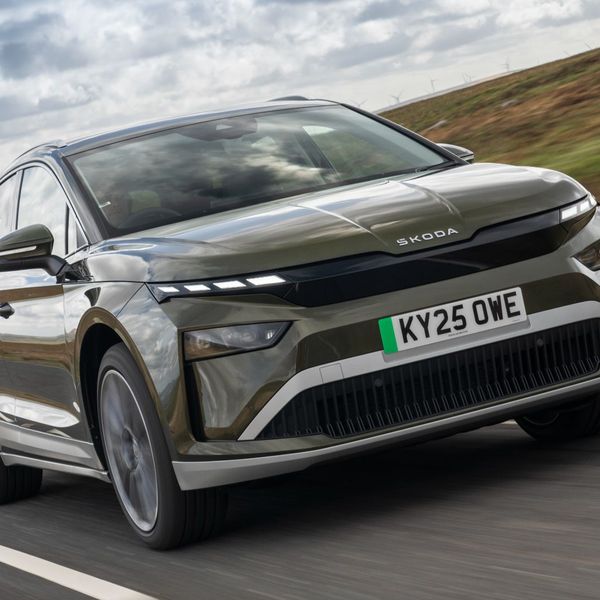
Mercedes-Benz, meanwhile, has taken a slightly different approach. The new C-Class Electric is also built on a dedicated EV platform, but instead of going all-out for futuristic styling, Mercedes has embraced its heritage.
There's an enormous grille of the type the brand used to fit to its cars and a serious focus on comfort and luxury. But don't think the Merc is short on forward-looking tech as it has a sooper-dooper EV platform and rapid charging that easily rivals the BMW. In its current form, the sole dual-motor C400 4Matic, we're talking a range of up to 452 miles.
ADVERTISEMENT
But which is the better buy? Is the BMW's astonishing range and cutting-edge technology enough to make it the new executive EV benchmark? Or does the Mercedes' combination of luxury, refinement and performance make it worth paying extra for?
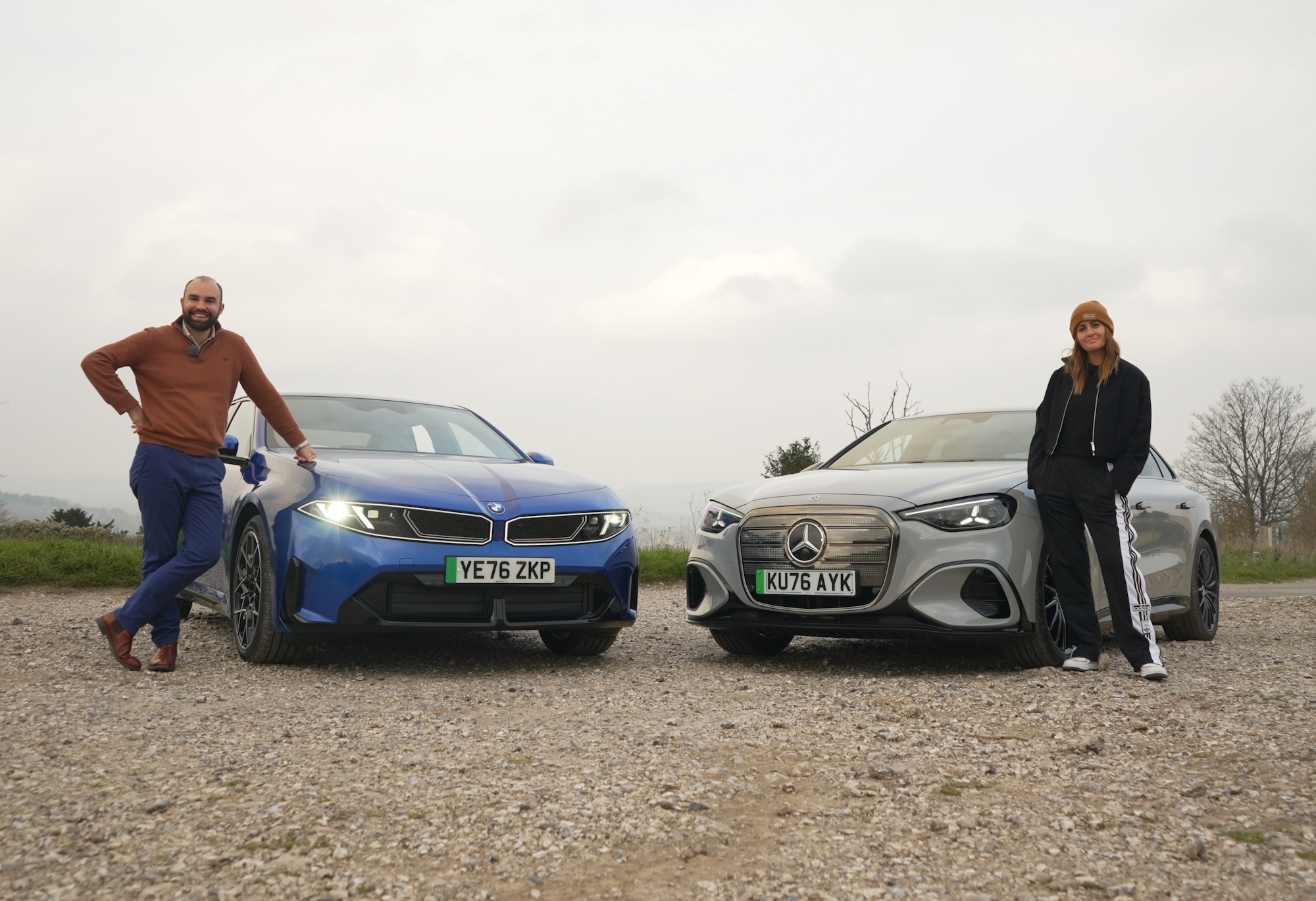
Read on for the full verdict, and watch our video above where Nicola and I put both of these cars head to head to see which one we'd spend our money on.
Price as tested (C400 4Matic Electric Premier Edition): £75,495
Est monthly PCP: tbc
Battery (usable): 94kWh
WLTP range: 452 miles (test car: 428 miles)
Real world range: 380–415 miles
Max charging: 330kW
10–80% charging: 22mins
Power: 489hp
0–62mph: 4.0secs
Boot capacity: 470 litres (plus 101-litre frunk)
Real-world range and charging
Let's start with the figures that really matter to electric car buyers: how far these cars will go and how quickly they can recharge.
The BMW i3 50 xDrive uses a massive 108.7kWh usable battery, and in the most efficient specification BMW quotes an official range of more than 550 miles.
Our M Sport First Edition test car, with its optional 20-inch wheels, has a slightly lower WLTP figure of 534 miles. But that's still extraordinary for an all-wheel-drive saloon producing 463hp.
Mercedes has fitted the C 400 4Matic with a smaller 94kWh usable battery, which delivers up to 452 miles of WLTP range depending on specification. Our range-topping Premier Edition is rated at 428 miles.
Of course, WLTP figures aren't the same as real-world range, particularly when it's freezing cold and you're travelling at motorway speeds with the heating turned up.
We'd expect the BMW to return around 500 miles in warm conditions, dropping to around 450 or perhaps a bit less in the winter. For the Mercedes we think around 415 in ideal temperatures in the summer, dropping to 380 or even lower in a harsh winter.
There are other versions to consider, too. There's a cheaper i3 40 xDrive, which uses a smaller battery but still promises more than 400 miles of official range, and BMW has confirmed a spicy M60 version with the same 108.3kWh battery pack and more power – but this will offer less range. There will also be single motor versions of both the BMW and the Mercedes in the near future.
When it comes to charging, both use 800V electrical systems, allowing some exceptionally high peak speeds.
The BMW can accept up to 400kW from a suitable DC charger, with a claimed 10–80% charging time of around 20 minutes. Mercedes quotes a maximum of 330kW and a 10–80% time of 22 minutes.
Interior and infotainment
If you want to see how differently BMW and Mercedes have approached their new electric saloons, just climb inside.
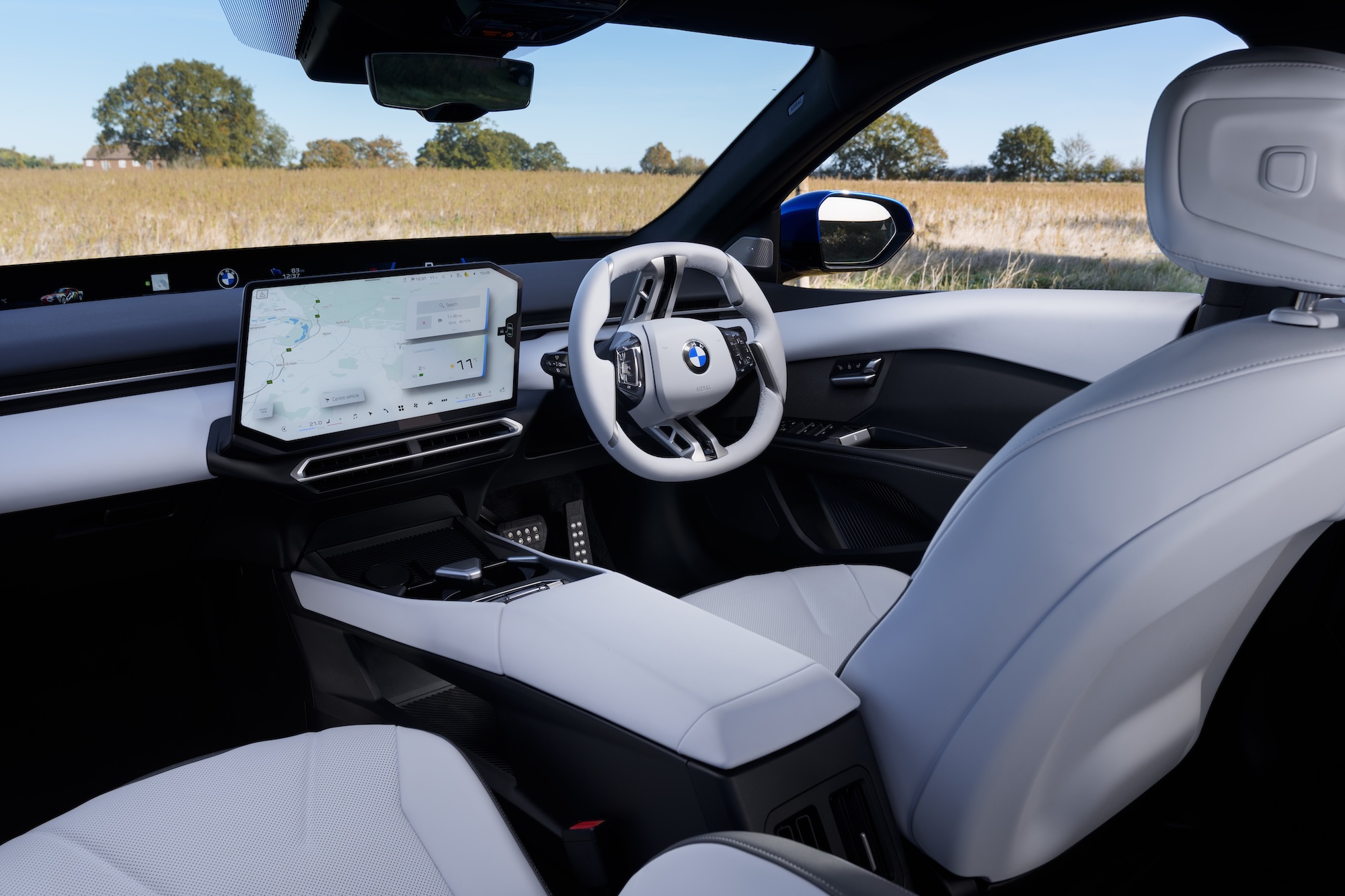
Just like with the iX3 (which shares much of the i3's technology), there's no traditional dials, hardly any physical buttons and not even the familiar iDrive rotary controller. Instead, the star attraction is BMW's Panoramic Vision system, which displays information along the lower edge of the windscreen, stretching almost the full width of the car.
It's a clever idea. Rather than forcing the driver to look down at a conventional instrument cluster, important information is presented much closer to their natural line of sight. It's customisable, too, allowing you to decide what information appears where.
There's also a large central touchscreen, steering wheel controls and an optional 3D head-up display. Our test car had the latter, along with a Harman Kardon sound system and the Technology Plus pack. The head-up display works especially well.
The overall effect is clean, modern and rather minimalist. BMW has resisted the temptation to cover every available surface with screens, and the interior feels more sophisticated as a result.
That's not to say it's perfect. The unusual steering wheel takes some getting used to, and relying so heavily on a touchscreen for everyday functions won't suit everybody. Even so, the graphics are excellent, the interface is generally responsive and the Panoramic Vision display is one of the most interesting developments in car interiors for years.
The Mercedes, meanwhile, takes a rather different approach. Where BMW has embraced minimalism, Mercedes has decided that if one screen is good, an enormous screen must be even better.
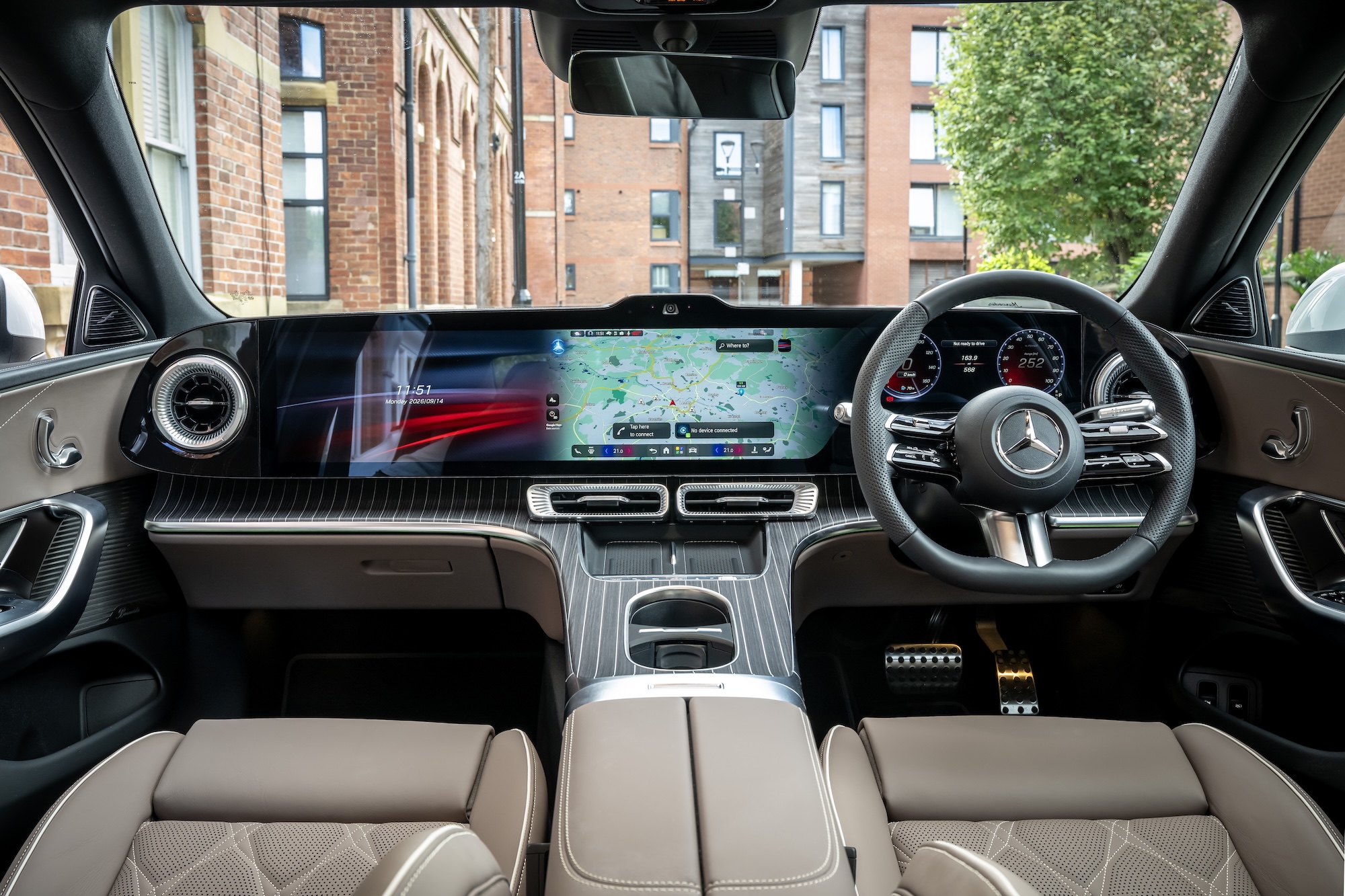
Our Premier Edition gets the full 39.1in MBUX Hyperscreen, which stretches across almost the entire dashboard – lower models have three screens that rather one complete display. It's a genuinely spectacular piece of technology, running Mercedes' latest operating system.
There's also an augmented reality head-up display, extensive ambient lighting and a Burmester High-End 4D surround sound system with 19 speakers. It even has exciters built into the front seats, allowing occupants to physically feel certain elements of the music.
But all this technology brings complexity. The Hyperscreen looks incredible but there's a lot going on and learning where everything lives can take time. Not everybody will appreciate having so much of the dashboard devoted to digital displays.
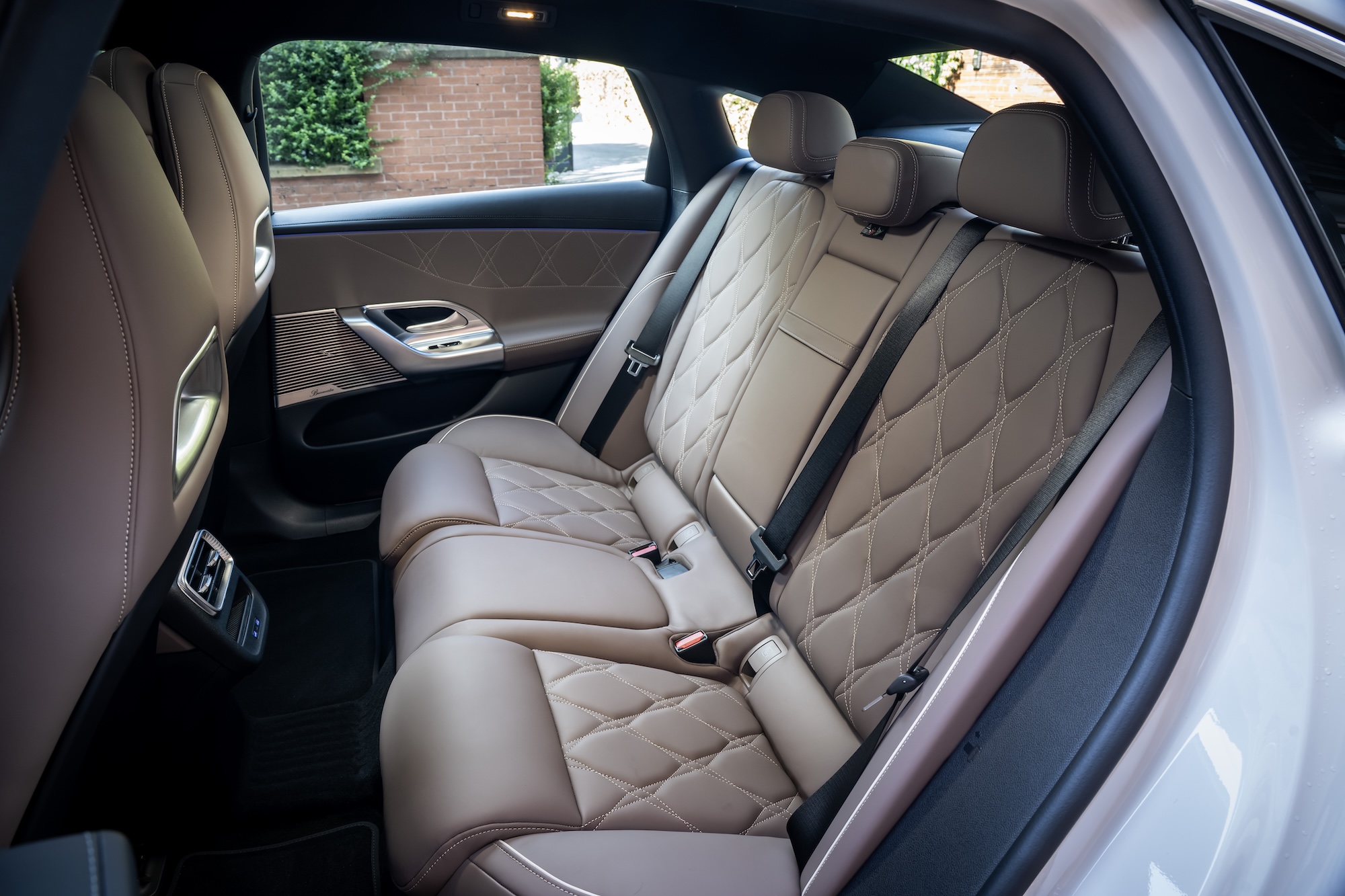
Interestingly, Mercedes has retained some conventional controls, including physical ventilation direction adjusters and steering column stalks. Both interiors are beautifully finished and packed with technology, but they appeal to slightly different tastes.
The BMW feels like a glimpse of the future, while the Mercedes delivers a more traditional sense of luxury wrapped in an extraordinary amount of technology.
Space and practicality
You might expect the Mercedes to be the more spacious car, simply because it's bigger.
At 4,894mm long, the C-Class Electric is 134mm longer than the BMW i3, which measures 4,760mm. It's also slightly taller, although neither is exactly a towering SUV.
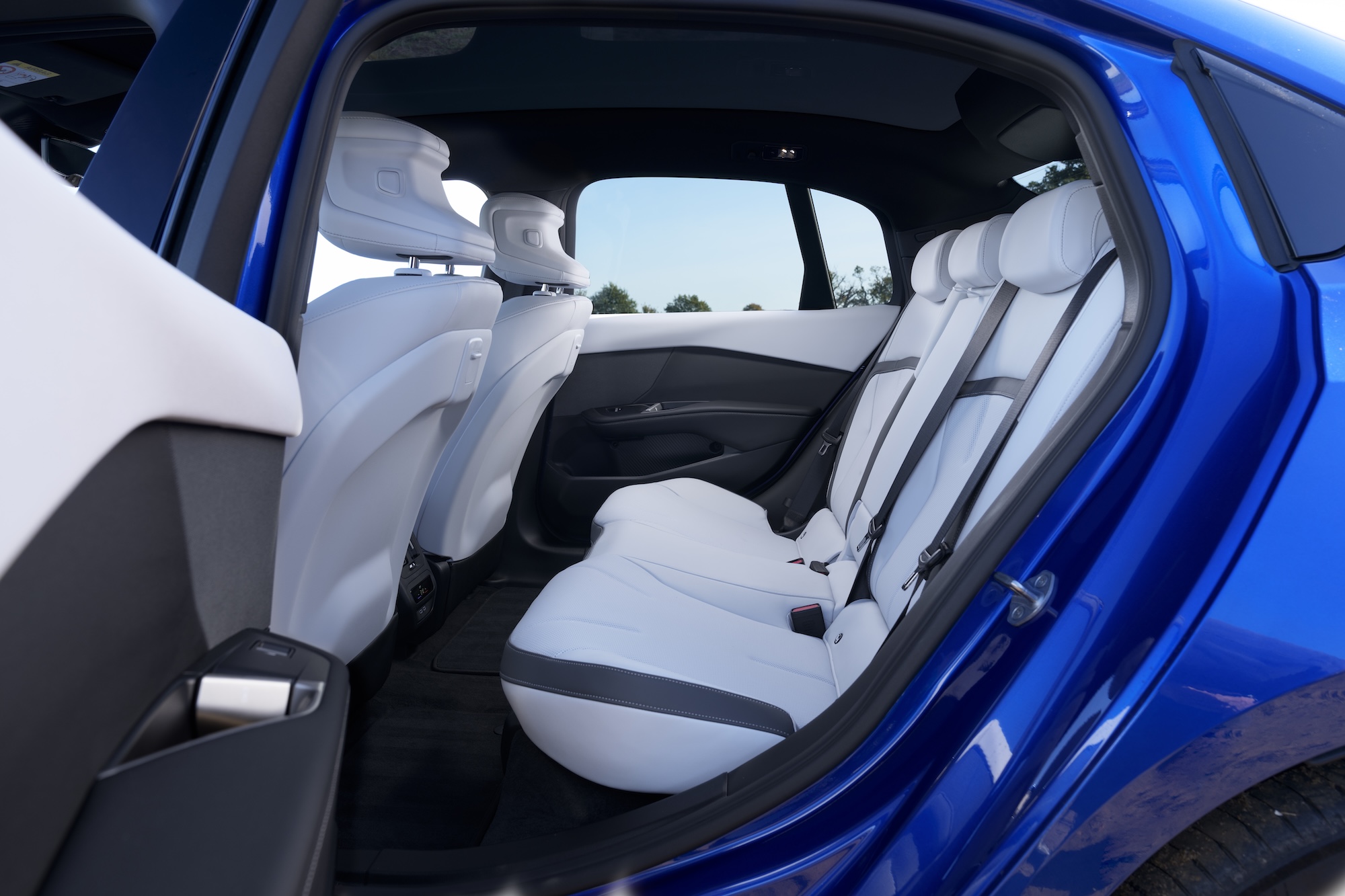
There are good levels of knee room in the BMW, although taller passengers may find foot space beneath the front seats a little restricted. The Mercedes feels a bit larger and more luxurious, though.
The BMW's boot is particularly impressive. It offers 520 litres of luggage space; There's also a 58-litre front boot for charging cables and other odds and ends.
Folding down the rear seats is done by pulling a tag on the seats, which is only accessible by opening the rear doors.
The Mercedes has a smaller 470-litre rear boot, but it fights back with a much larger 101-litre front compartment and the ability to fold down the rear seats by pressing buttons in the boot.
The Mercedes' front boot has one particularly neat party trick, too: you can open it using the badge on the bonnet. It's much easier than the BMW's method, which is the traditional two pulls on a lever under the dashboard.
Both cars have conventional saloon boot openings rather than the more practical hatchback arrangement offered by something like a Polestar 2 or Mazda 6e. That means loading awkwardly shaped items won't be quite as easy as the headline luggage figures might suggest.
Which one is best to drive?
Here's where things get particularly interesting, because the BMW 3-Series and Mercedes C-Class have always had very different personalities.
The BMW has traditionally been the driver's choice. Sharp steering, balanced handling and a willingness to entertain on a twisty road have been fundamental to its appeal.
Mercedes, on the other hand, has generally concentrated on comfort, refinement and making the journey feel effortless.
Our test car, the BMW i3 50 xDrive, uses two electric motors producing 463hp and 645Nm of torque, giving it a 0–62mph time of 4.7secs. That's more than quick enough for an executive saloon, although it isn't quite as rapid as some similarly priced electric rivals.
BMW has developed a new electronic control architecture that includes its so-called Heart of Joy system, which coordinates acceleration, braking and other dynamic functions. The idea is to make the car respond more naturally and consistently to the driver's inputs – and it works really well.
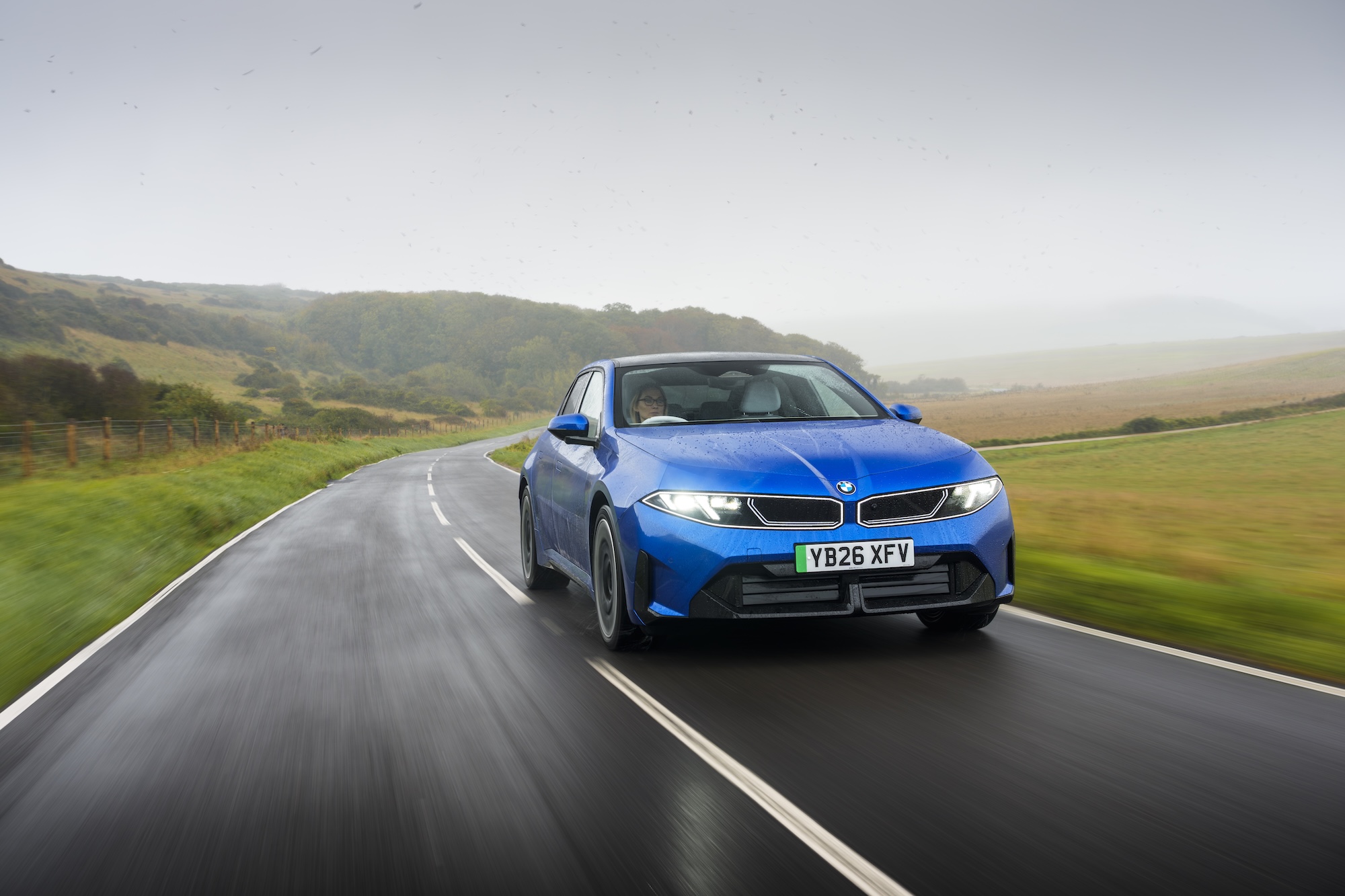
I found the i3 to be both effortless and engaging to drive. The steering is well-weighted and accurate, and the whole car feels agile for a pretty sizeable electric saloon car. The ride on our car (with its 20in wheels) was very good – a lovely balance between body control and comfort, and it makes me wonder whether spending extra on adaptive dampers is really worth it.
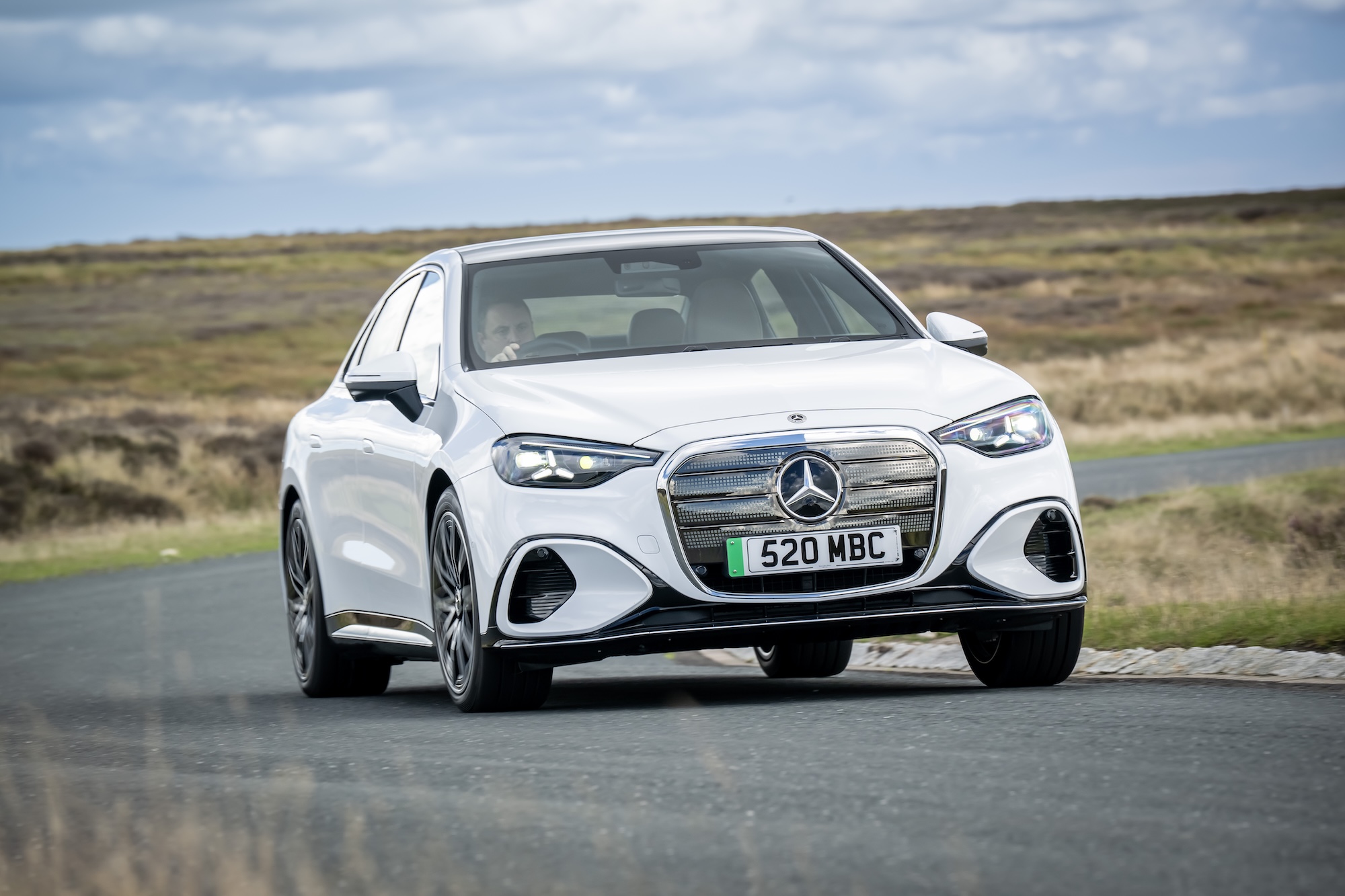
The Mercedes C400 4Matic produces 489hp and a substantial 800Nm of torque, allowing it to reach 62mph in just four seconds – it's therefore slightly quicker than the BMW. But rather than making the C-Class feel aggressive or unnecessarily sporty, Mercedes has concentrated on smoothness and refinement. Acceleration is strong but progressive, while the cabin is exceptionally well insulated from road and wind noise.
Our Premier Edition test car was fitted with Airmatic air suspension and rear-wheel steering. The air suspension gives the Mercedes a wonderfully composed ride, but it does dull down any form of enthusiastic driving.
Regenerative braking can be adjusted using steering wheel paddles and there's a full one-pedal driving mode if you prefer.
The Mercedes feels like a thoroughly modern interpretation of what a C-Class has always been – comfortable, refined and effortlessly quick. But the BMW offers a lot of this, too, but is the more engaging car to drive.
Which one is the best value?
The new i3 range starts at £47,925, although our i3 50 xDrive M Sport First Edition is considerably more expensive. Our test car had a base price of £56,900, rising to £63,237 with options. Those extras include M Le Castellet Blue paint, 20in alloy wheels, a panoramic glass roof, Motorway Assistant and Parking Assistant Pro.
The Mercedes C-Class Electric starts at £57,995, and our range-topping C400 4Matic Premier Edition has a base price of £70,995. Add the optional refinement package, 22kW AC charging and special paint, and the total comes to £75,495. That's £12,257.50 more than the BMW!
You don’t need to go for the top-ranking trim levels though. Both the i3 and the C-Class have good standard equipment even on more modest trim levels, so we’d suggest going for mid-spec M Sport on the i3 and Premium on the C-Class, and put a bit extra aside for the adaptive dampers on either of those, if you can.
Of course, cash prices are only part of the picture – and in reality, most people choosing either of these cars will be looking at PCP, leasing and company car schemes. Those cash price differences will very likely narrow significantly when it comes to finance options.
Early numbers on the BMW suggest that it’ll cost around £850 per month on PCP with a £5,000 deposit for a top-spec Launch Edition car, while leasing deals come in at roughly £1000 per month with six months down, although those prices will obviously change regularly. Unfortunately, there weren’t confirmed monthly deals on the Mercedes at the time of filming, so we’ll just have to wait and see how those stack up.
Which one is better – BMW i3 or Mercedes-Benz C-Class Electric?
This is one of those comparisons where the answer depends heavily on what you want from your car.
The BMW is a hugely impressive car. The Neue Klasse platform, Panoramic Vision display and sophisticated battery technology make the i3 feel like a genuine leap forward for BMW, rather than simply an electric version of an existing 3-Series.
It's also excellent to drive, and mixes the driving enjoyment traditionally found in petrol and diesel 3-Series models of the past with state of the art electric car power of the present and future.
The Mercedes, meanwhile, takes a different approach. It isn't trying to win the range competition at all costs. Instead, it concentrates on making every journey feel special. Its interior is more luxurious, its technology is spectacular and its refinement is exceptional. It's also very quick.
The BMW i3 makes a stronger case for being the winner because it's just so complete in every area. But Mercedes deserves enormous credit for making sure the C-Class feels like a traditional Merc – and that's a superbly refined, luxurious and comfortable executive car.
In fact, perhaps the most reassuring thing about these two cars is that BMW and Mercedes haven't forgotten what made them successful in the first place. The rivalry may have gone electric, but some things never change.