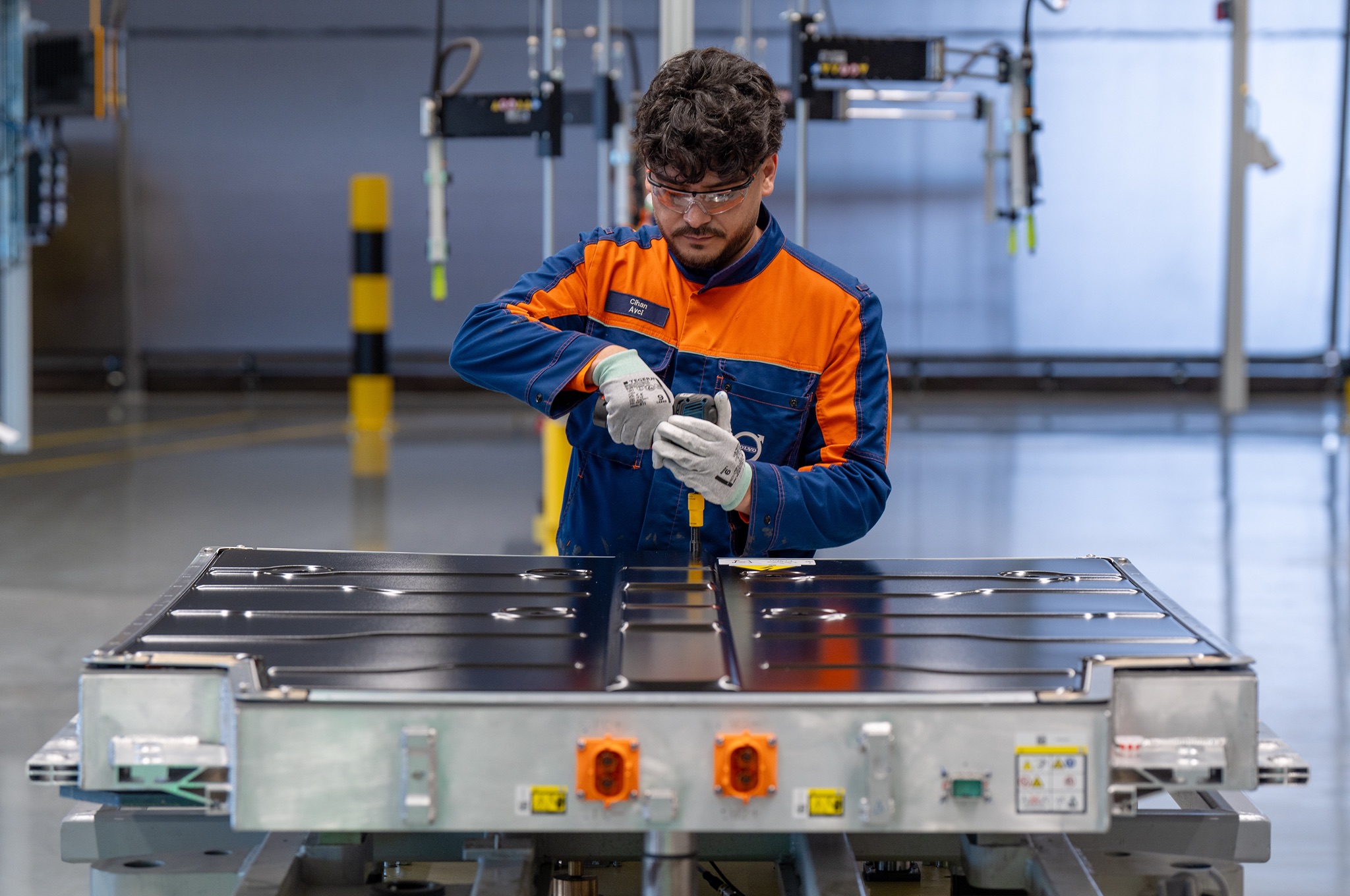






Battery tech has been evolving rapidly over the last few years. Just look at how we’re now seeing more energy dense NMC batteries offering over 500 miles of range in more premium EVs. New technologies including semi-solid-state batteries are also entering the electric car market, while sodium batteries and full solid-state batteries still seem a way off wider availability.
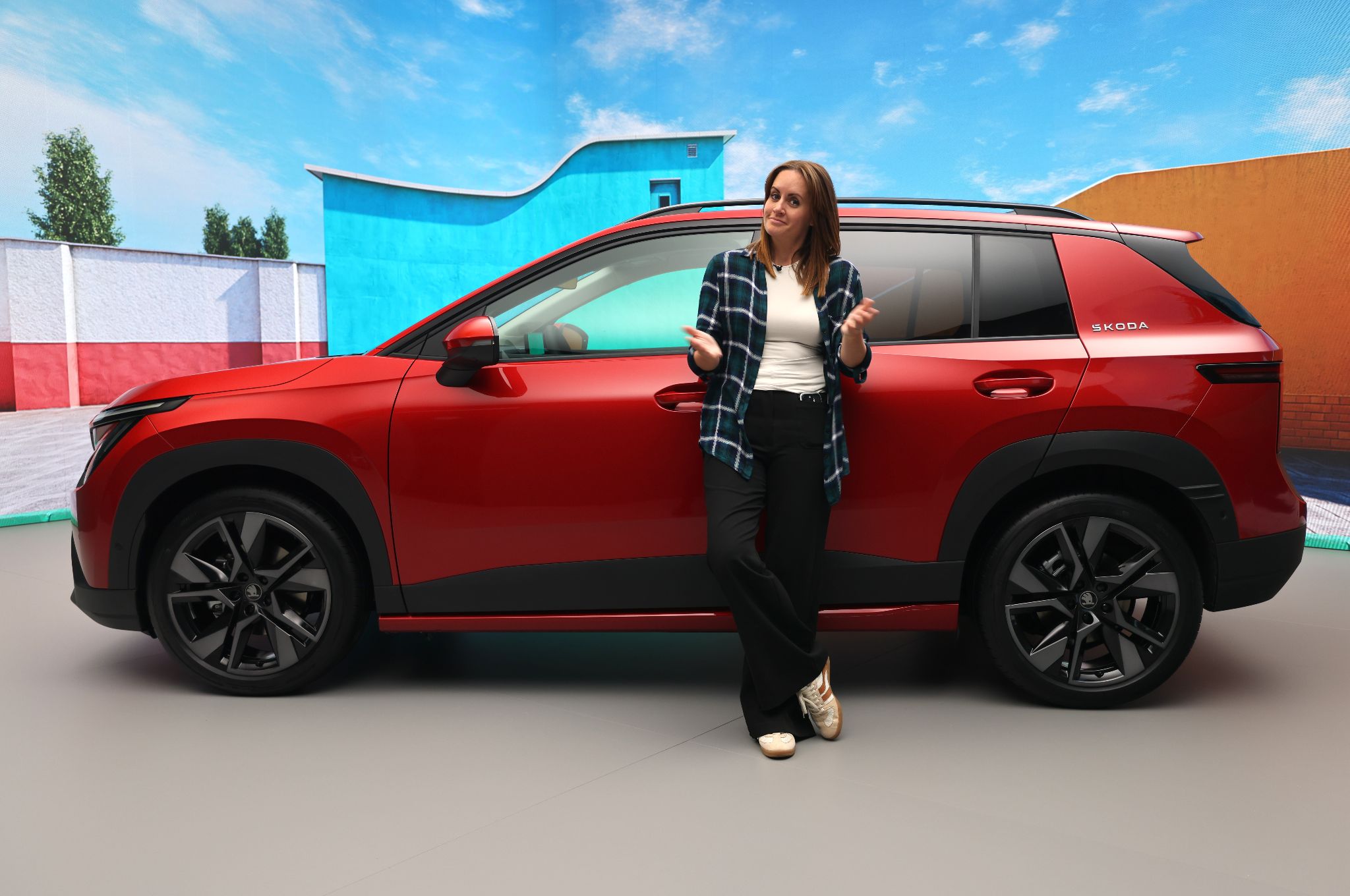
But one other development that we’re seeing is a proliferation of LFP batteries among more affordable EVs. Lithium-iron phosphate (LFP) battery tech has been in widespread use among mainstream EVs around the globe for many years. The MG4, the shorter range Tesla Model 3 and every BYD model are some of the more popular LFP-powered electric cars.
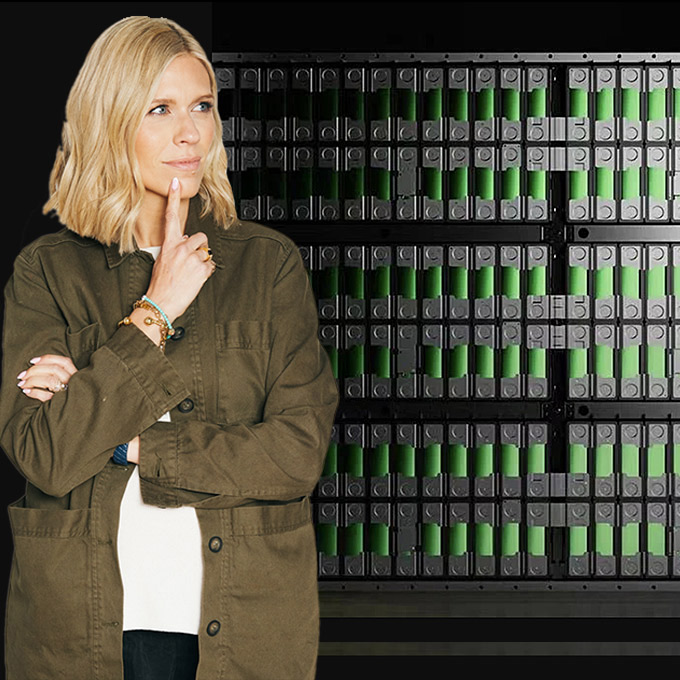

Generally, LFP batteries have been popular in shorter range, more affordable cars as this battery chemistry is cheaper to produce and doesn’t use cobalt – which is used to provide energy dense NMC battery cells that allow for long range in a lighter battery pack.
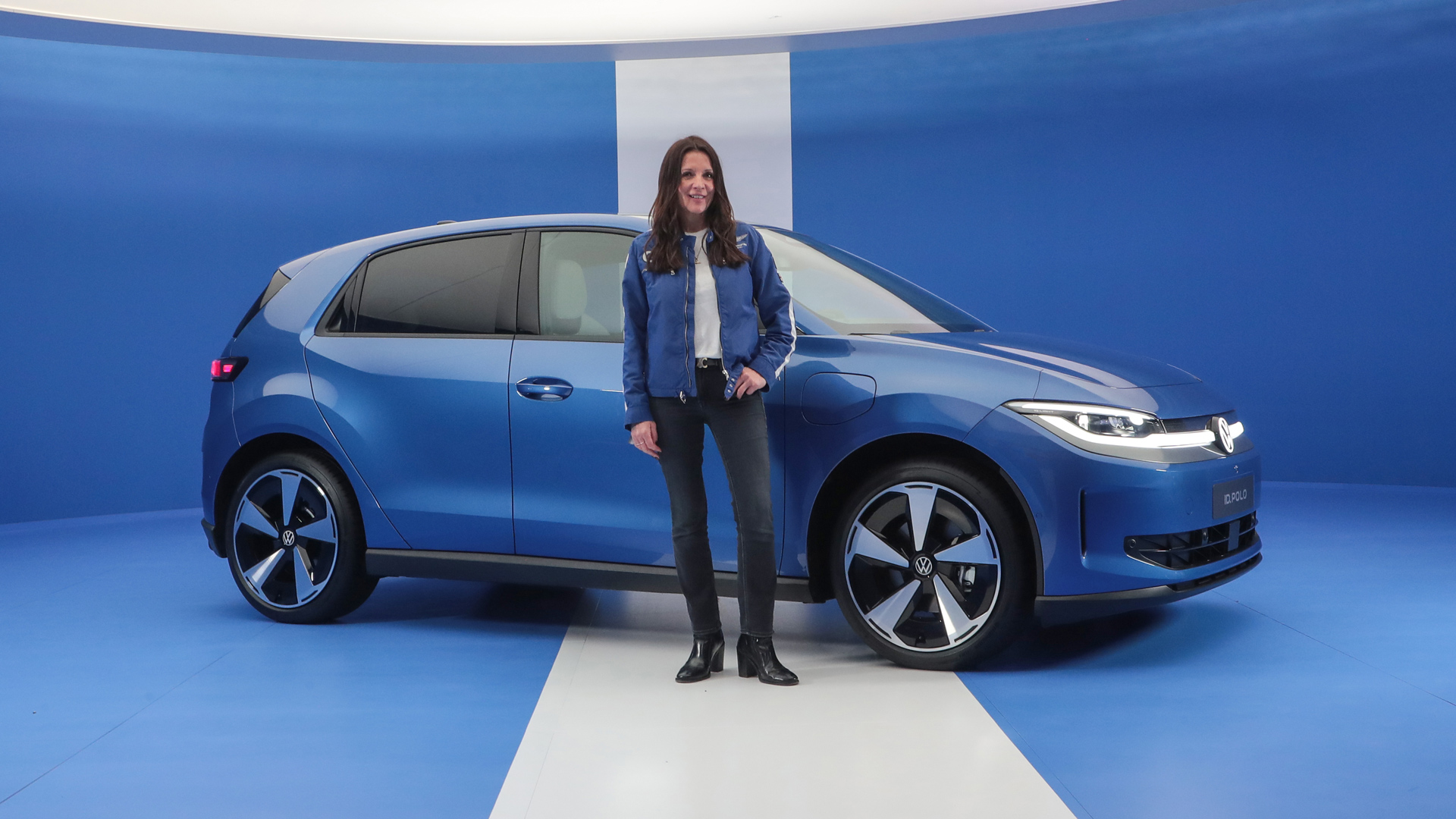
It’s been noticeable that LFP batteries are now becoming common in lots of affordable EVs, ranging from the Citroen e-C3 and Renault 5 to the Kia EV2, VW ID.Polo and Skoda Epiq.
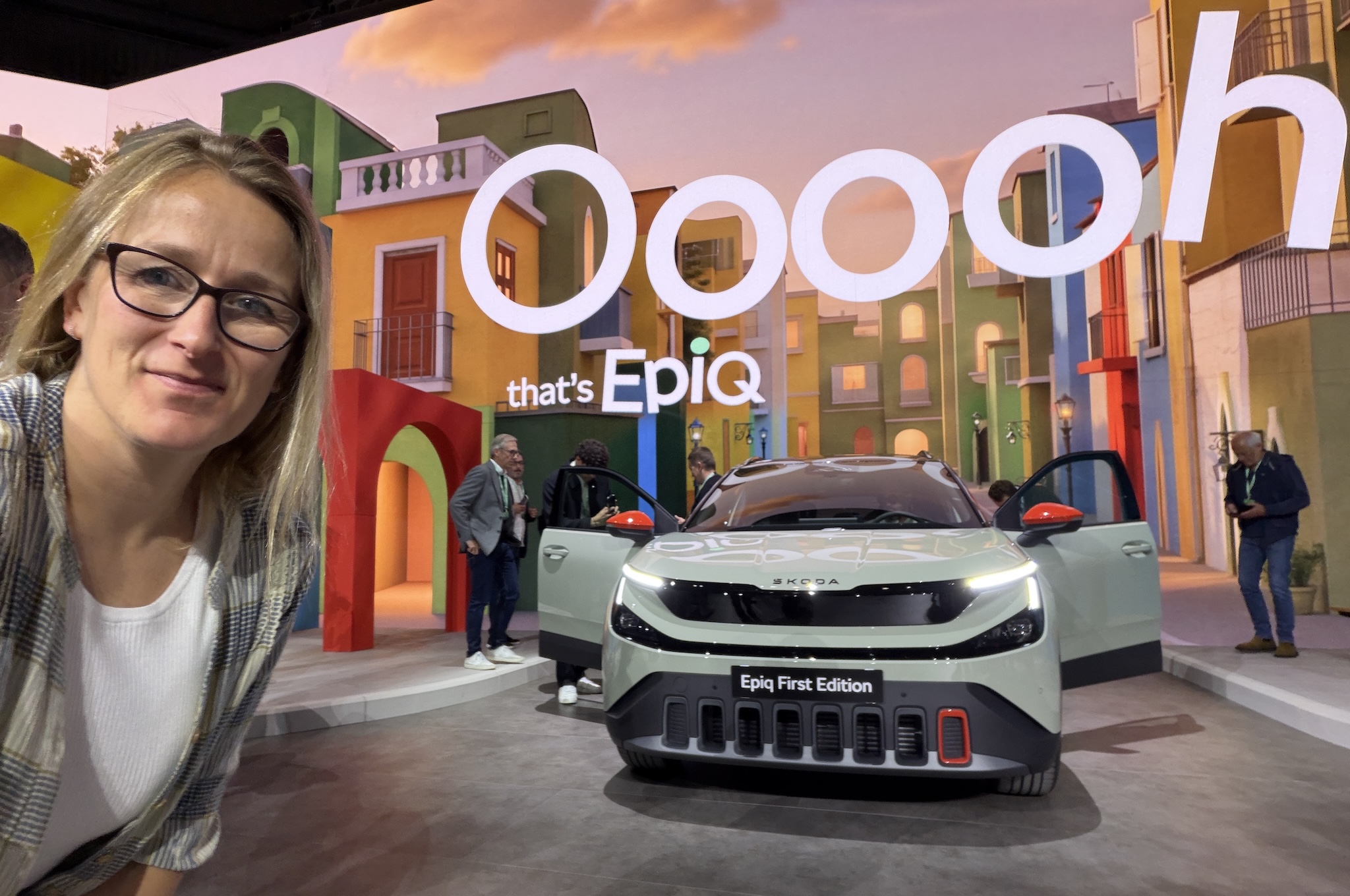
It looks like LFP batteries are only going to become more widely used, too, according to comments from Skoda’s head of technical development, Dr. Johannes Neft.
While at the reveal of the new Skoda Epiq, I asked Neft how he believes battery tech will evolve: “First of all, I think LFP is the chemistry for future, especially for the broader audience. We’ll see more and more LFP chemistry in [electric] cars. We’ll also see more LFP chemistry in the Volkswagen Group, especially when talking about the lower end of the range.”
However, Neft is also adamant that NMC battery tech – still predominantly favoured for longer range EVs due to its better energy density, which enables more range per kilogram of battery cell – is here to stay. “NMC will always be important," says Neft. "Not just if you want a very long range but also if you want faster recharging. Even so, with new LFP chemistries we can get improvements in charging time and so on. So LFP will really help us in the future.”