





Peugeot has given the E-408 a refresh, less than a year after the model first appeared in the UK. The updated E-408, which is due to arrive in spring 2026, places greater emphasis on efficiency, technology and usability rather than dramatic reinvention.
If you’re wondering why Peugeot is changing the E-408 after such a short period of time, there is a logical explanation. The range was launched in combustion engine form back in 2023, so this update is effectively a three-year facelift for the entire range. Because the E-408 was something of a latecomer – arriving two years after the initial launch – it is getting its nip and tuck a lot sooner.
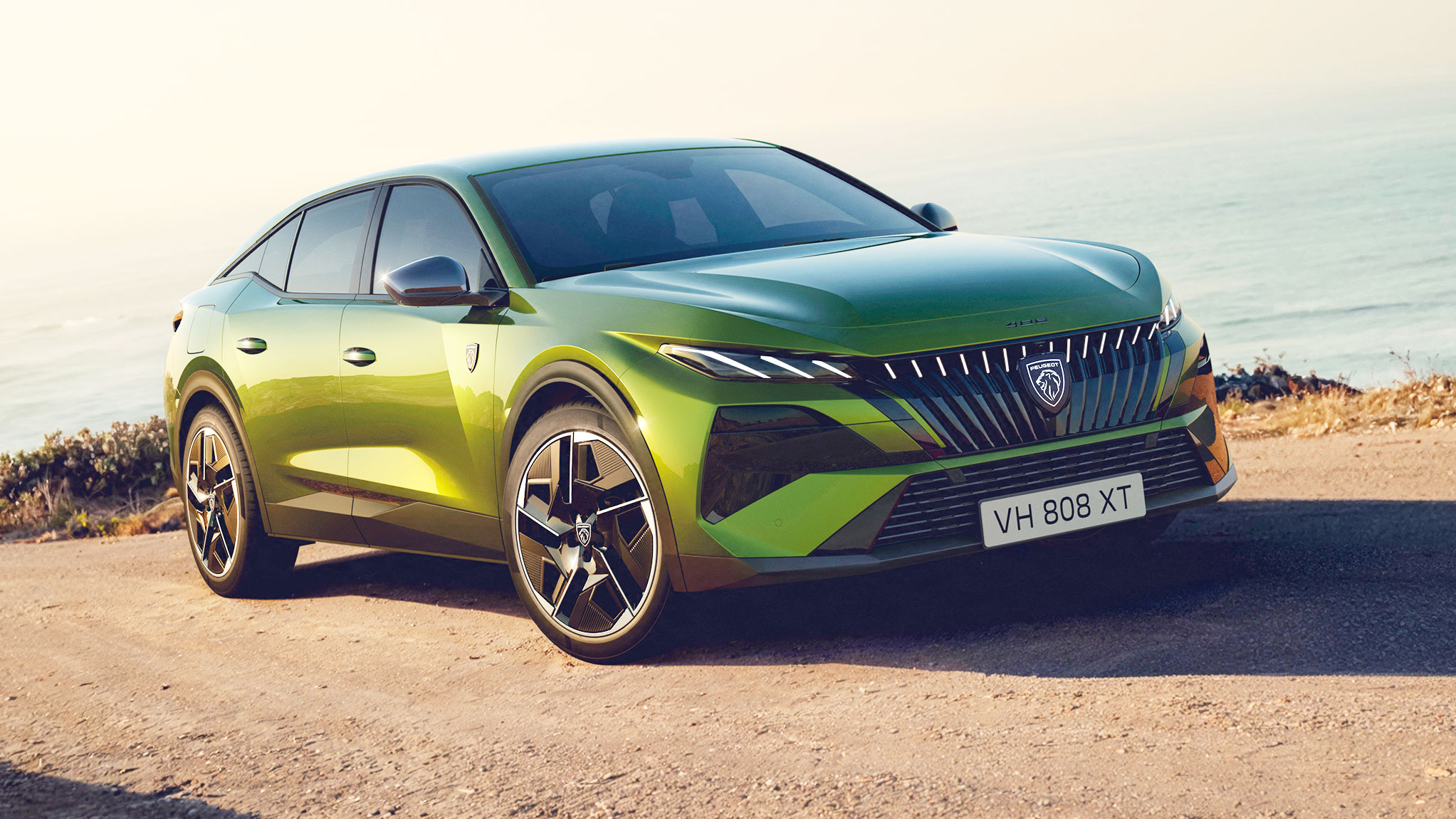
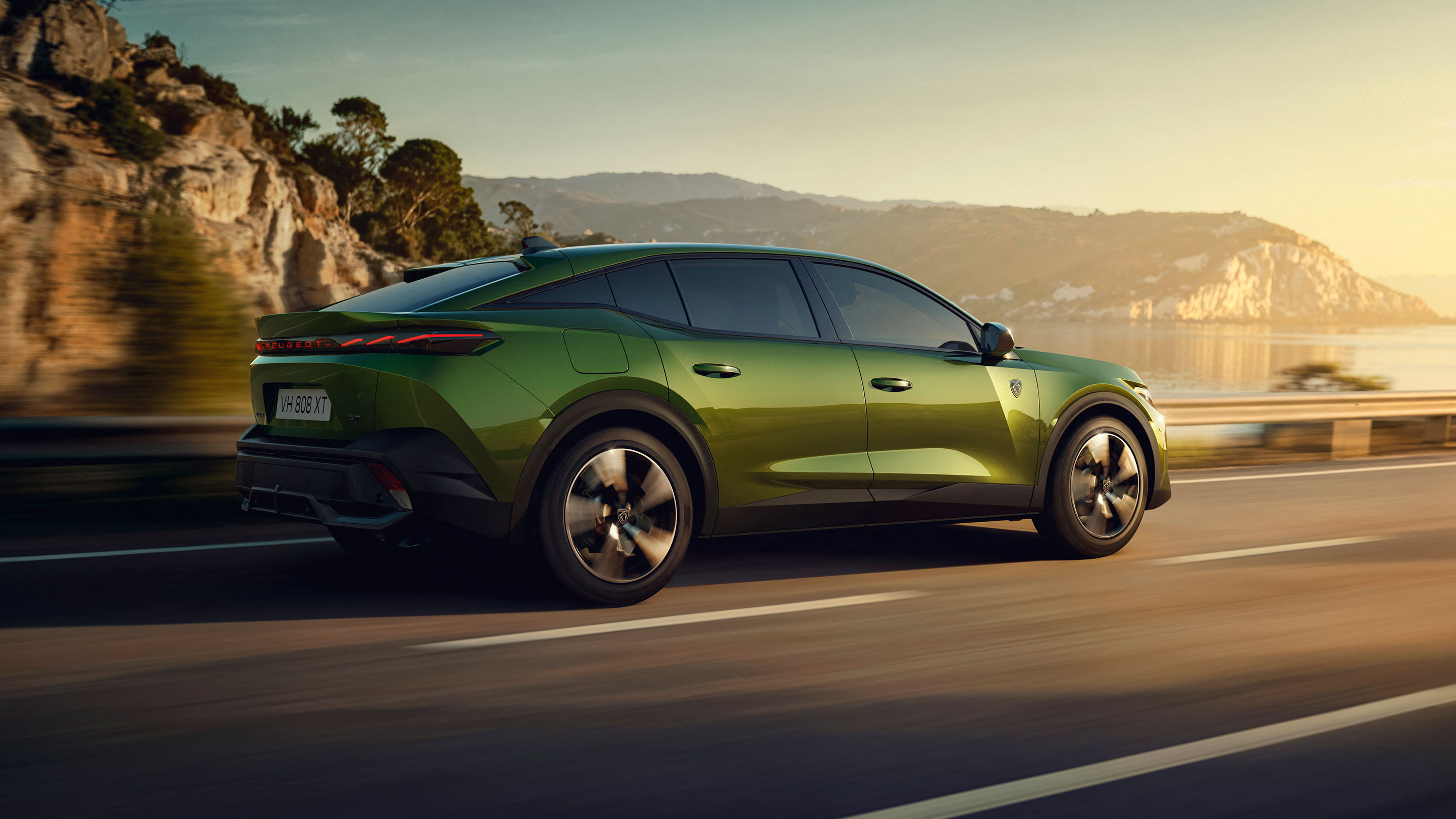
As before, the E-408 remains Peugeot’s most unconventional family car, sitting somewhere between a fastback, a hatch and an SUV. Visually, the updated model doesn’t stray far from the established formula. The low, sweeping roofline and raised ride height still give it a distinctive profile compared with conventional hatchbacks or crossovers.
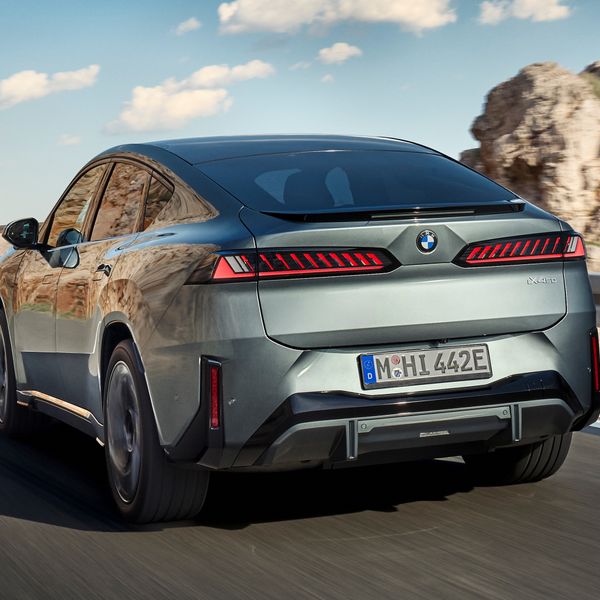
Revised lighting front and rear introduces Peugeot’s latest triple-claw LED signature, with slimmer daytime running lights at the nose and illuminated Peugeot lettering across the tail. The headlamps themselves are positioned lower in the bumper, keeping the signature lights visually clean, while minor changes to the grille and bumper add a little extra presence without changing the car’s character.
Aerodynamics play a bigger role in the E-408 than its dramatic styling might suggest. Peugeot has refined both the bodywork and underbody to reduce drag – that focus on airflow is central to the car’s electric credentials, helping to keep energy consumption down and maximise range without resorting to a larger battery.
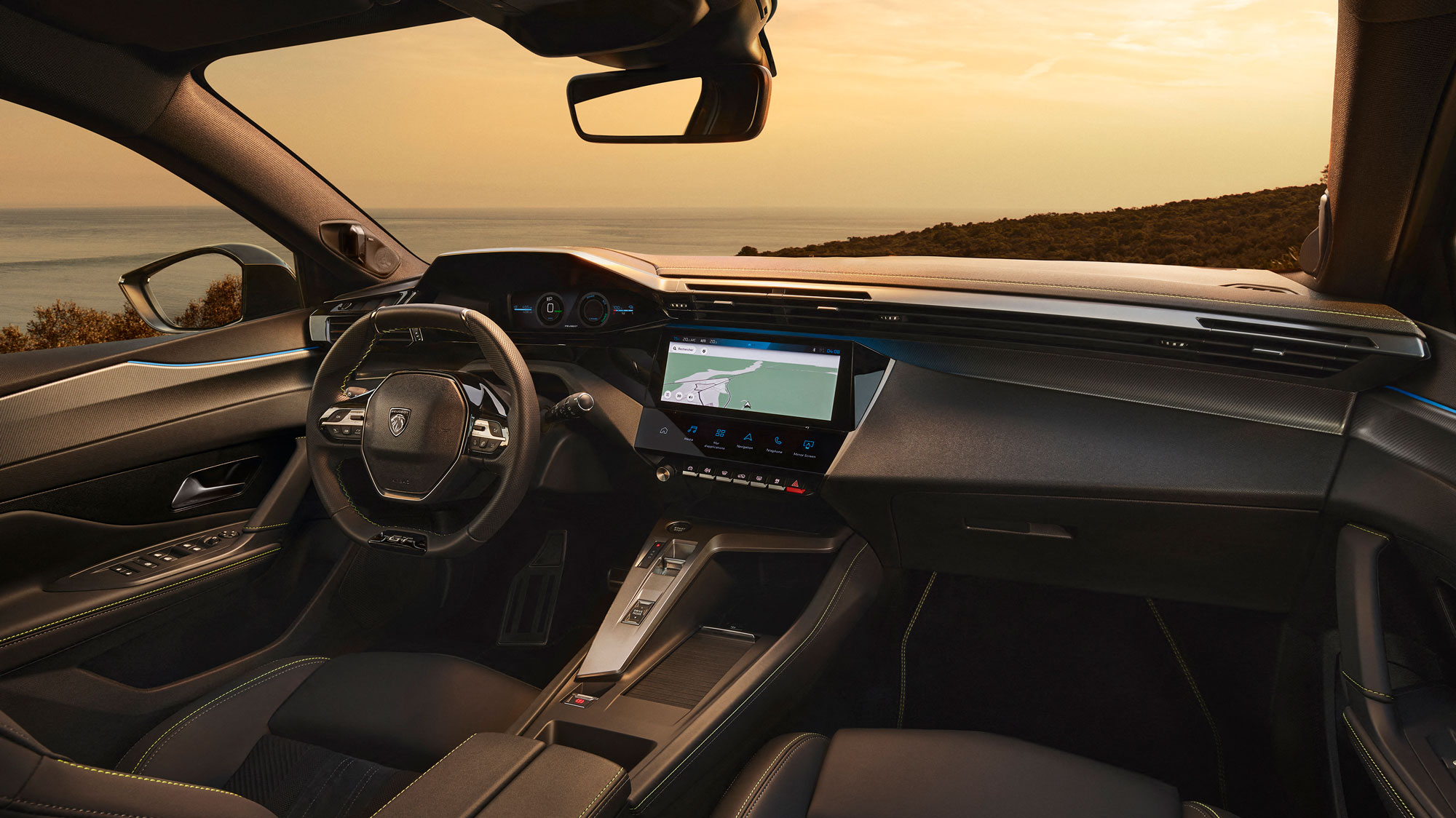
Inside, the E-408 sticks closely to Peugeot’s familiar i-Cockpit layout. A compact steering wheel sits low, with a 10.0-inch digital instrument display positioned high in the driver’s eyeline. The central touchscreen, also 10.0 inches, is angled slightly towards the driver and paired with Peugeot’s configurable i-Toggles, which act as customisable shortcuts for commonly used functions. The system remains divisive for some, but long-time Peugeot drivers will find it instantly recognisable.
Material quality has been subtly improved, particularly on higher trims, with new fabrics and optional Alcantara or leather upholstery. Ambient lighting now offers multiple colour choices, extending across the dashboard and door panels to give the cabin a more modern feel. Overall, the interior doesn’t chase radical new ideas, but it feels more polished and better integrated than earlier versions.
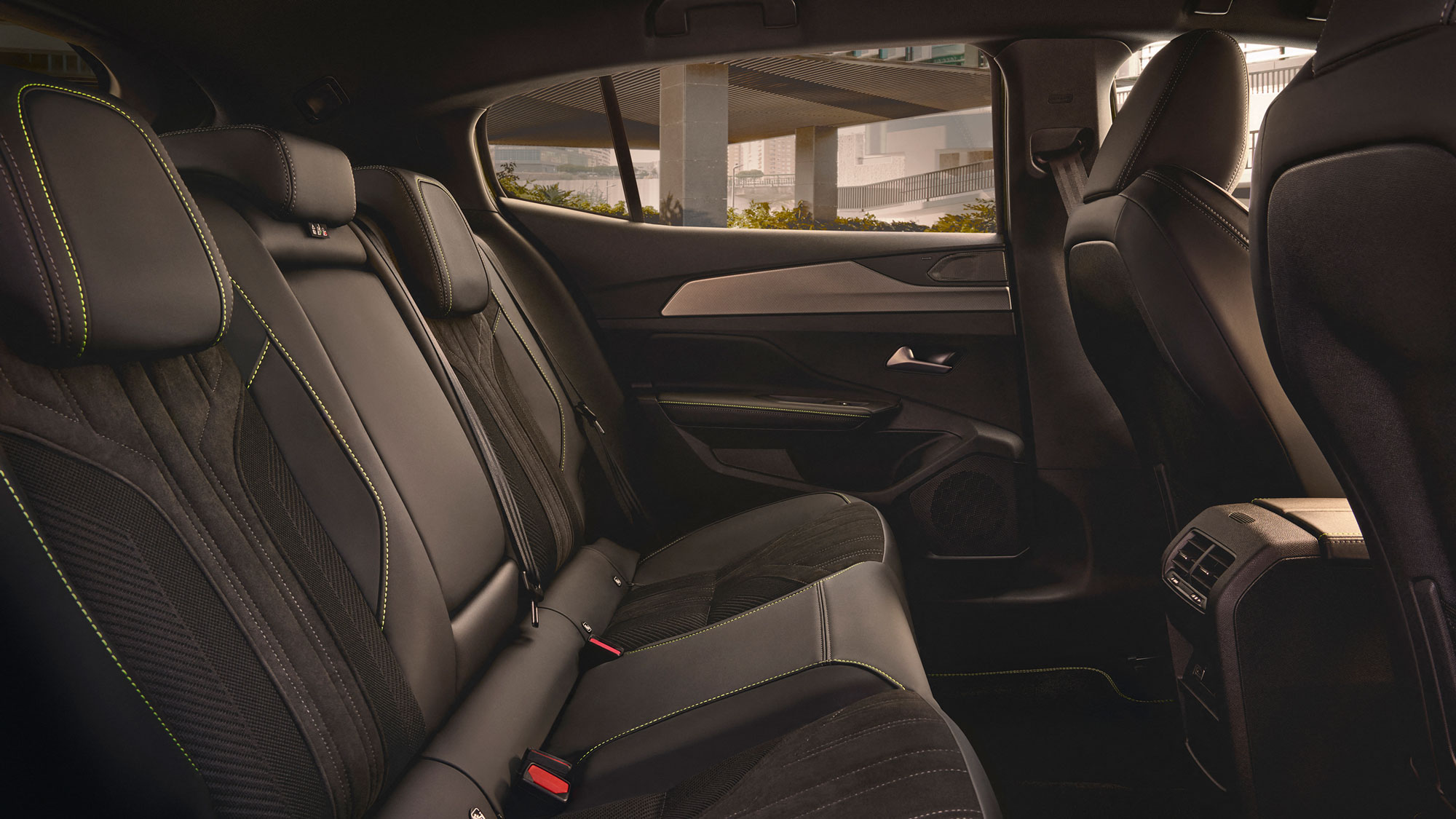
Practicality is one of the E-408’s quieter strengths. Thanks to its long 2.79-metre wheelbase, rear passengers get decent levels of legroom, and the rear bench is shaped to offer more support on longer journeys. That said, the E-408 shares its platform with combustion-engined siblings, so don’t expect as much rear space as you would find in a purpose-built EV such as a Volkswagen ID.7.
Boot space stands at 536 litres, expanding to 1,611 litres with the seats folded, which puts it comfortably ahead of many rivals with similar coupe-like silhouettes. It’s not an SUV replacement for everyone, but it offers more flexibility than its shape initially suggests.
But while some of the design details have been updated, the E-408’s drivetrain hasn’t. As before, it features a 58.2kWh usable NMC battery paired with a 210hp electric motor, delivering 343Nm of torque. Peugeot quotes a WLTP combined range of up to 283 miles, which is just two miles more than the current model can muster. DC rapid charging peaks at 120kW (as before), allowing a 20–80% charge in around 30 minutes. Battery pre-conditioning helps optimise charging speeds in colder conditions.
As Nicola discovered when she drove the 2026 Peugeot E-308 late last year, Stellantis is finally rolling out vehicle to load (V2L) capability across its range of electric cars. The E-408 will join its smaller sibling in offering the system which will allow owners to power external devices with power draws of up to 3.5kW (16 Amps). All models will be capable of delivering V2L functionality, with adaptors being available as a dealer accessory rather than a factory option.
Standard safety and driver assistance tech is comprehensive, including driver monitoring, adaptive cruise control, lane assistance and a suite of connected services. Over the air updates and integrated route planning aim to keep the E-408 feeling current as charging infrastructure and software evolve.
Order books for the new E-408 are expected to open around March ahead of deliveries in spring.
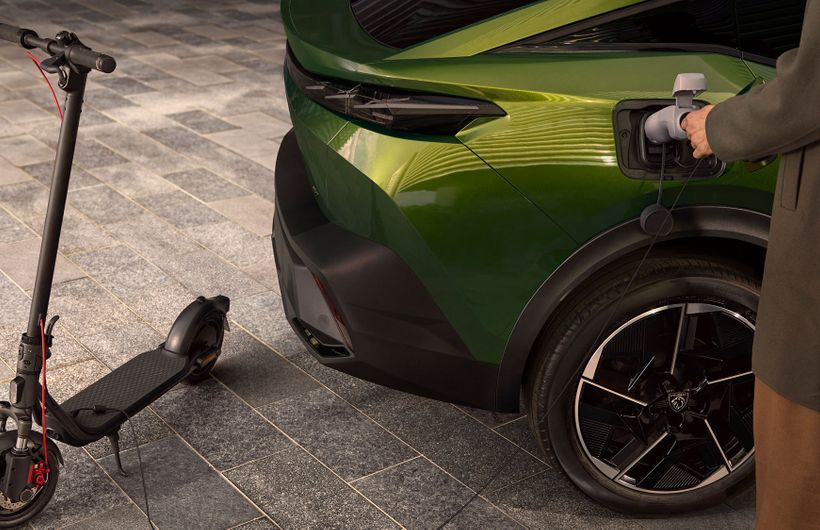 Updated E-408 will come with vehicle to load capability for the first time