The figures: 2026 BMW iX5 versus Porsche Cayenne Electric
Tom Barnard
3 Jul 2026
Which of these high-efficiency, long-range, luxury electric SUVs is king of the road? We've compared the numbers.
If you want to see how fast technology is moving in the electric car market, look no further than these two big SUVs.
The arch rivals BMW and Porsche have just launched the latest, all-electric versions of the iX5 and the Cayenne and some of the numbers involved are mind boggling. Batteries which are three and a half times bigger than a Renault 5’s, for example, and charging which is more than five times faster.
It’s not just the specifications which had us double checking the press information leaflets – the tech sounds like something from a sci-fi movie too. If we were playing a game of electric SUV Top Trumps, which would win?
ADVERTISEMENT
BMW iX5 60 XDrive
Price: £95,000 (est)
WLTP range: 528 miles
Battery size (usable): 141kWh
Max charging rate: 460kW
0–62mph: 4.6 seconds
Boot capacity: 655 litres
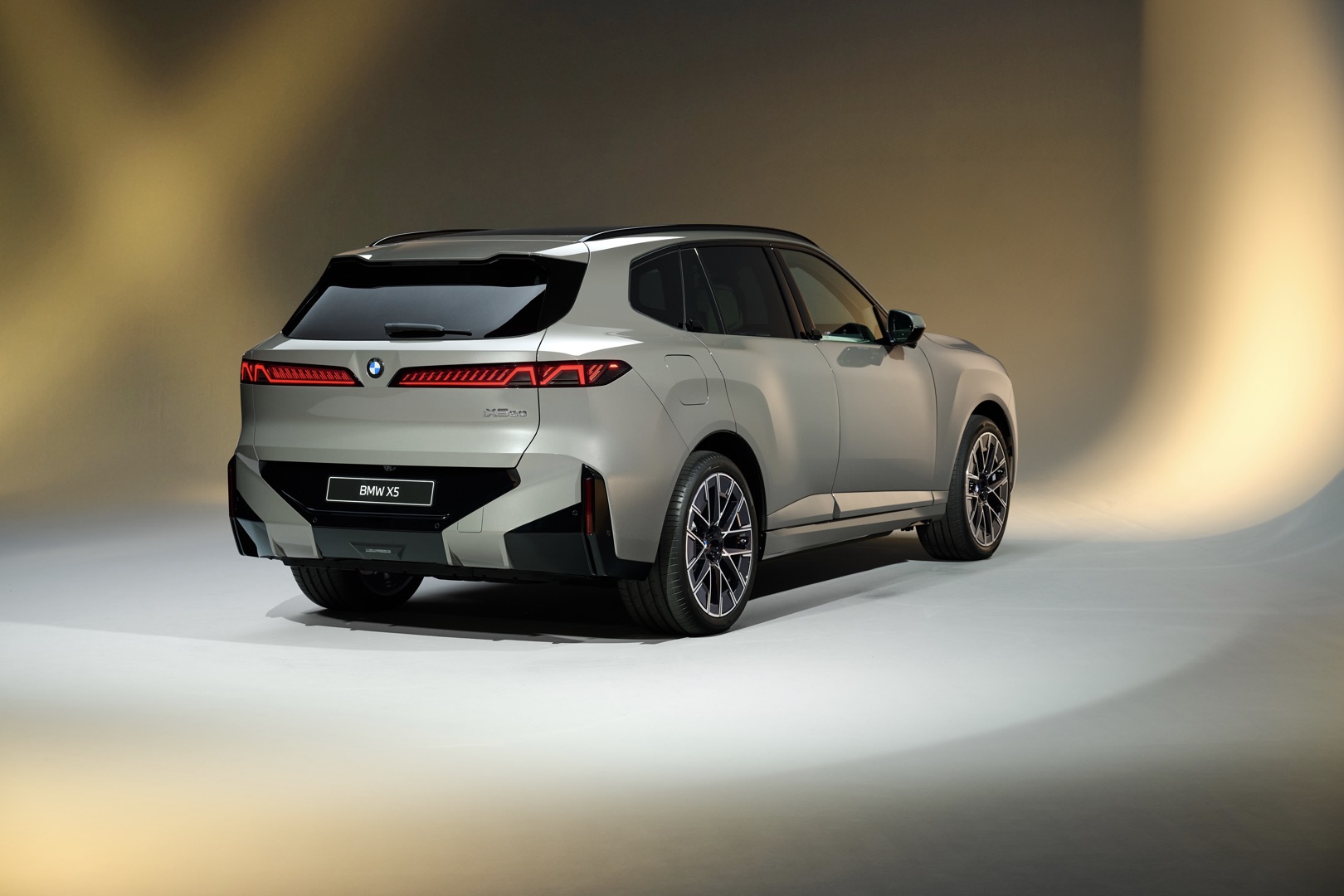
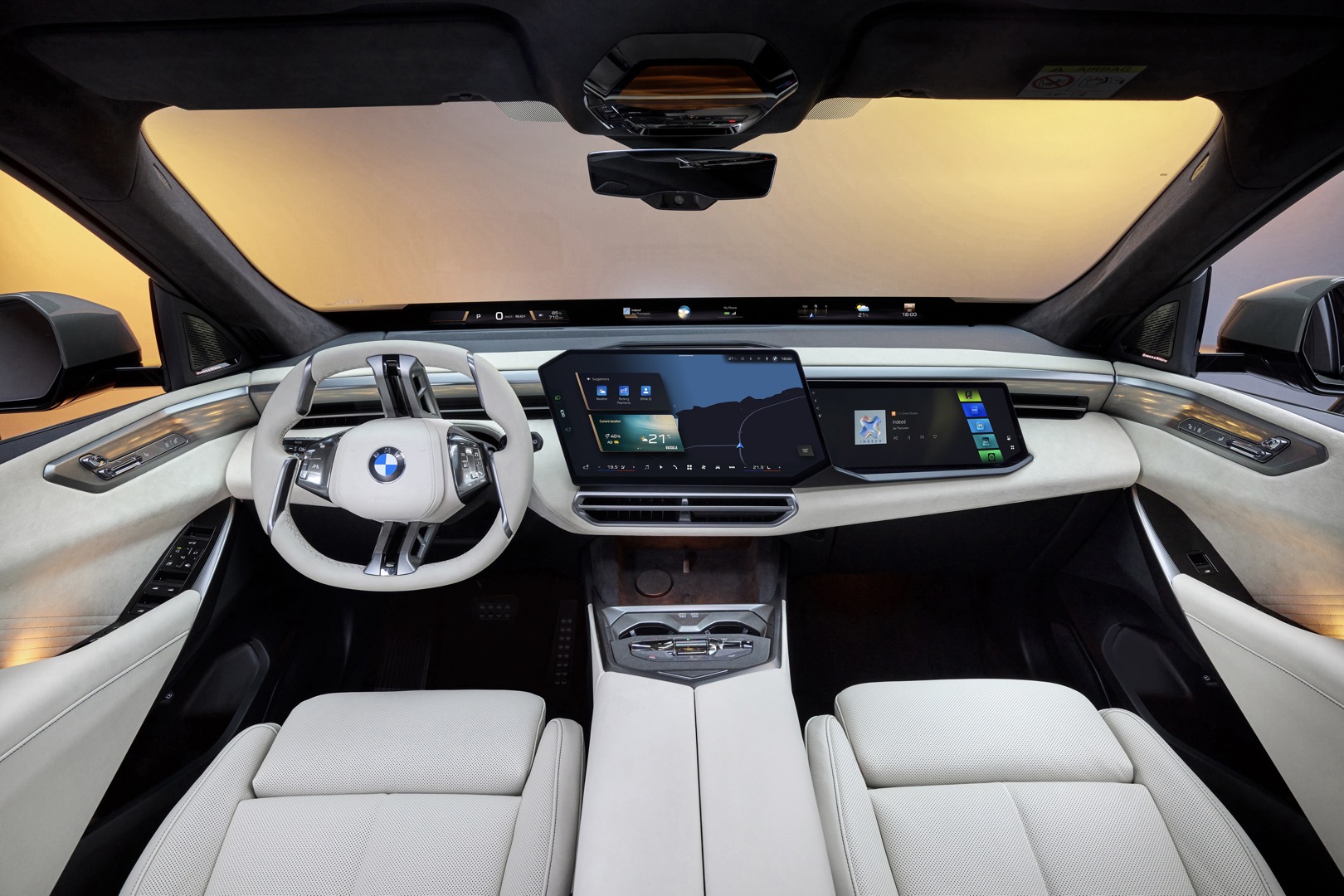
BMW’s technological onslaught continues to make most rivals look obsolete. The new iX5 takes the already impressive figures from the iX3 and builds on them. Some might even suggest that they go a little too far….
The new iX5 arrives in the UK early in 2027 and will replace the controversial iX, which has been on sale since 2021. But not immediately – the two models will sell alongside each other for a few months at least.
Unusually for a Neue Klasse model, BMW is also continuing its old policy of sharing the body with different powertrains. So the iX5 will also be an X5, with a choice of mild-hybrid petrol, diesel, PHEV, and even hydrogen fuel cell propulsion.
But here we are concentrating on the battery electric and its astonishing figures. The headline is the battery, which at 141kWh is the bigger than any other passenger car on sale in the UK.
This gives a range of up to 528 miles, beating the smaller iX3’s 500 mile total. But there are drawbacks. Even with BMW’s clever cell tech, a battery this big is heavy. The iX5 weighs 2,900kg unladen – that’s the same as three Dacia Springs – and when loaded with people and luggage it could nudge the legal limit of 3,500kg when you’d need a truck licence to drive one.
That also hurts efficiency. In its most frugal form, the iX5 has an official average of 3.7 miles per kWh. Although that is better than iX it is not the revolution many would hope for.
The performance only looks adequate too, especially compared to the Cayenne, with a 0-62 time of 4.6 seconds and a 130mph top speed from its 578hp motors. That is more than adequate for most drivers of course, but won’t win here.
Where the iX5 claws back advantage is with the speed of the charging. With a peak speed of 460kW from a DC point it is capable of accepting power at a speed which is faster than any publicly available charger can currently provide. That’s future proofing, for sure.
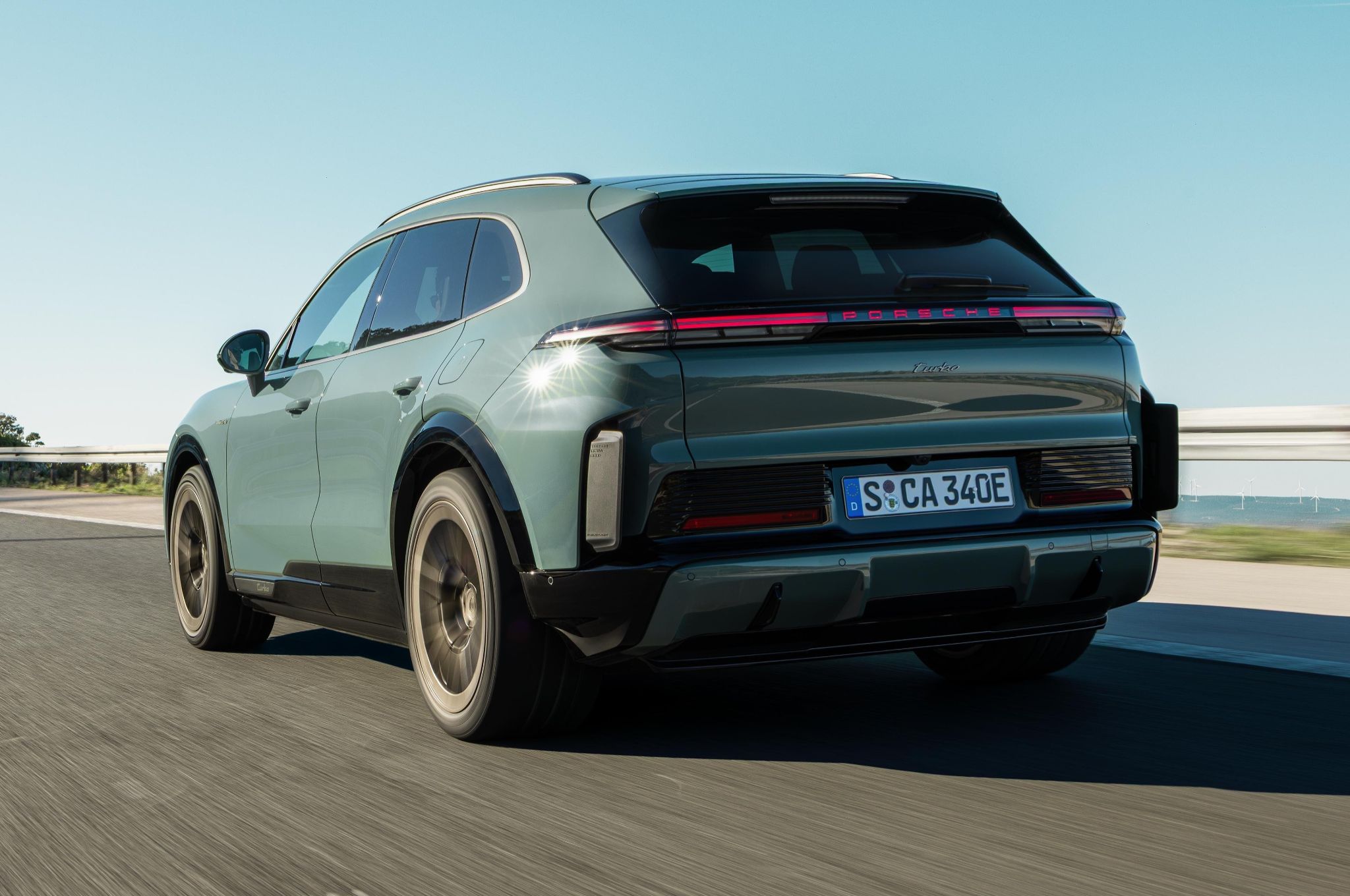
Porsche Cayenne S Electric
Price: £99,990
WLTP range: 406 miles (648km)
Battery size (usable): 108 kWh
Max charging rate: 400kW
0-62mph: 3.8 seconds
Boot capacity: 506-782 litres (sliding seats)
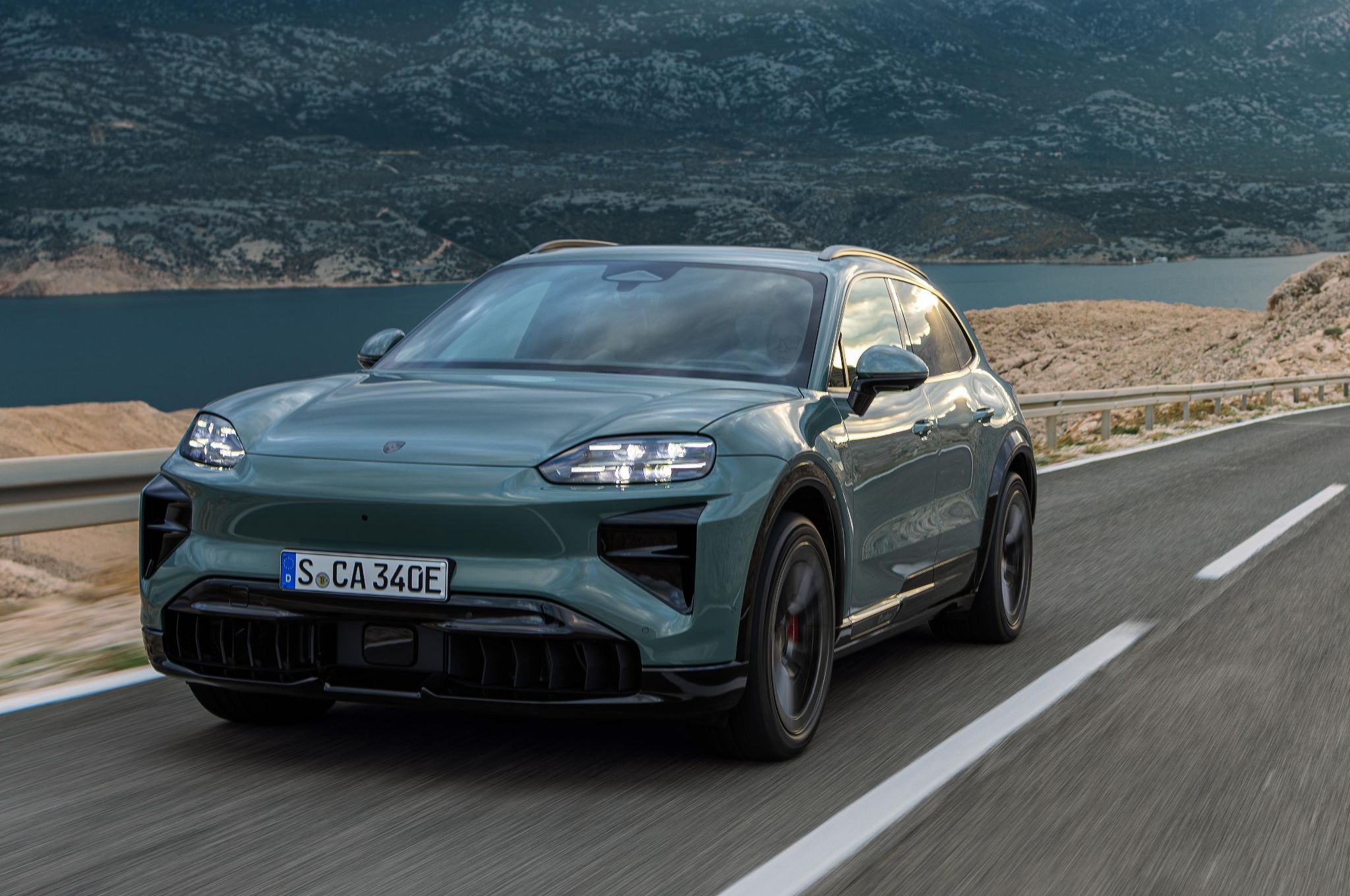
Porsche has several versions of the new Cayenne Electric, including the insane sounding Turbo with its 1,156hp and a 0–62mph time of 2.5 seconds. But it also has a £130,000 plus price tag, so for this comparison we plumped for the mid range ‘S’ trim level.
That brings a 544hp – less than the BMW – but there is an ‘overboost’ mode which delivers 666hp for few seconds when you are in launch mode. As a result, it has a faster 0-62mph time of 3.8 seconds.
As with all Cayenne Electrics, it has a 113kWh battery which can charge at 390kW thanks to an 800V architecture. Unlike the iX5 the Cayenne can also be charged wirelessly – but that is more for the future than something you will be able to do in the Tesco car park any time soon.
You’ll be charging more often than the BMW driver too, with a range of ‘just’ 403 miles – and the efficiency is lower too at 3.57 miles per kWh. This is despite the Cayenne being substantially lighter at 2,555kg versus the BMW’s 2,900kg. That’s the equivalent of having four adult men on board.
of course you now have the option of charging your Cayenne wirelessly too.
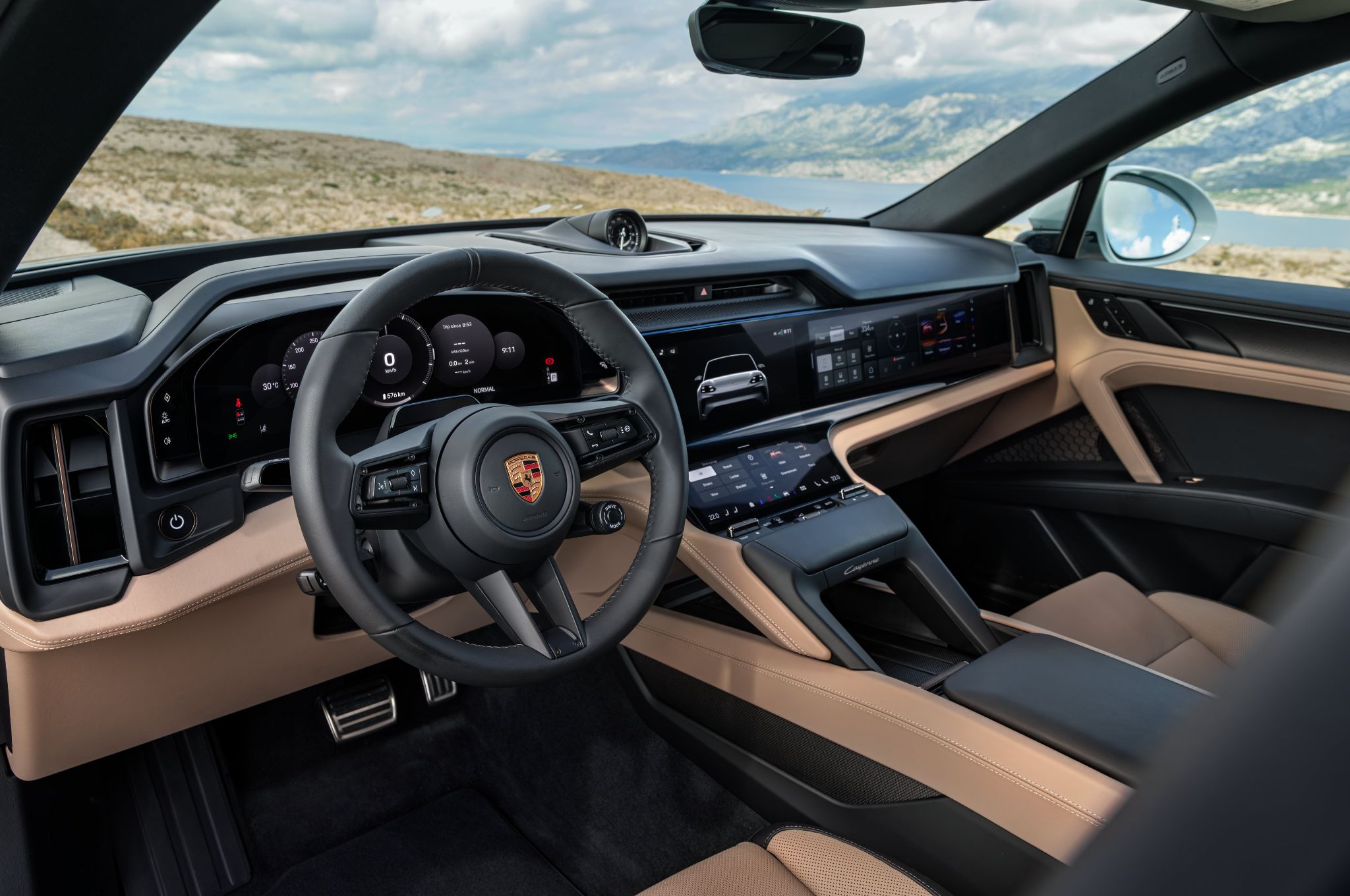
As with the BMW, adaptive air suspension and active dampers are standard across the range, and a rear steer system that turns the back wheels to make getting around tight corners much easier is on the options list.
It might seem sportier, but the Cayenne Electric is slightly more practical too with more luggage space. There use the sliding seats to maximise the boot and there’s 781 litres of capacity increasing to 1,588 litres with the seats down, plus a 90-litre frunk under the bonnet. The BMW’s is fixed at 655 litres.
Which should you buy?
We haven’t had a chance to drive the BMW yet, but expect it to feel more relaxed and less sporty than the Porsche. Both have enough range to cross continents without needing to stop, and lightning-fast charging. They’ve got amazing tech too.
A lot of the choice will come down to personal preference. The BMW’s style is edgy and modern which the Porsche is handsome but predictable.
The only other rivals – for now - are slightly smaller, but more efficient and almost as capable. Would you be better off with a BMW iX3, Volvo EX60 or Mercedes GLC instead?