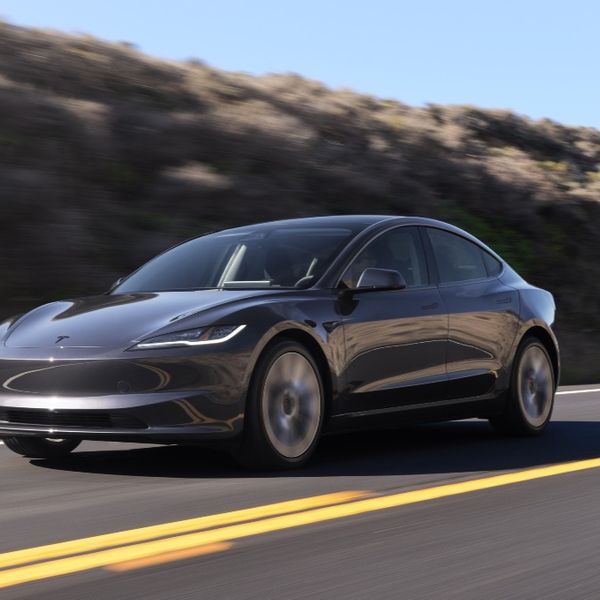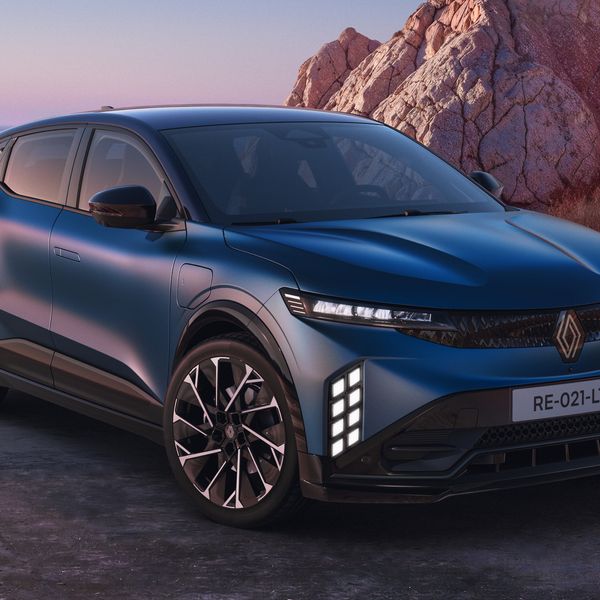






Would you be willing to bet on a game where the rules keep changing? Probably not. But that’s exactly what’s happening with the ZEV mandate, and I reckon it’s a problem. Car and charging infrastructure companies do not run day-to-day in terms of planning. They’re often plotting years if not decades ahead, and to do that, they need to know – or at least have a solid prediction – of what supply chains might need to provide, what customer demand might be, trends in technology and even fashion. It’s a game of predictive chess, and it can’t be changed to roulette on a whim.
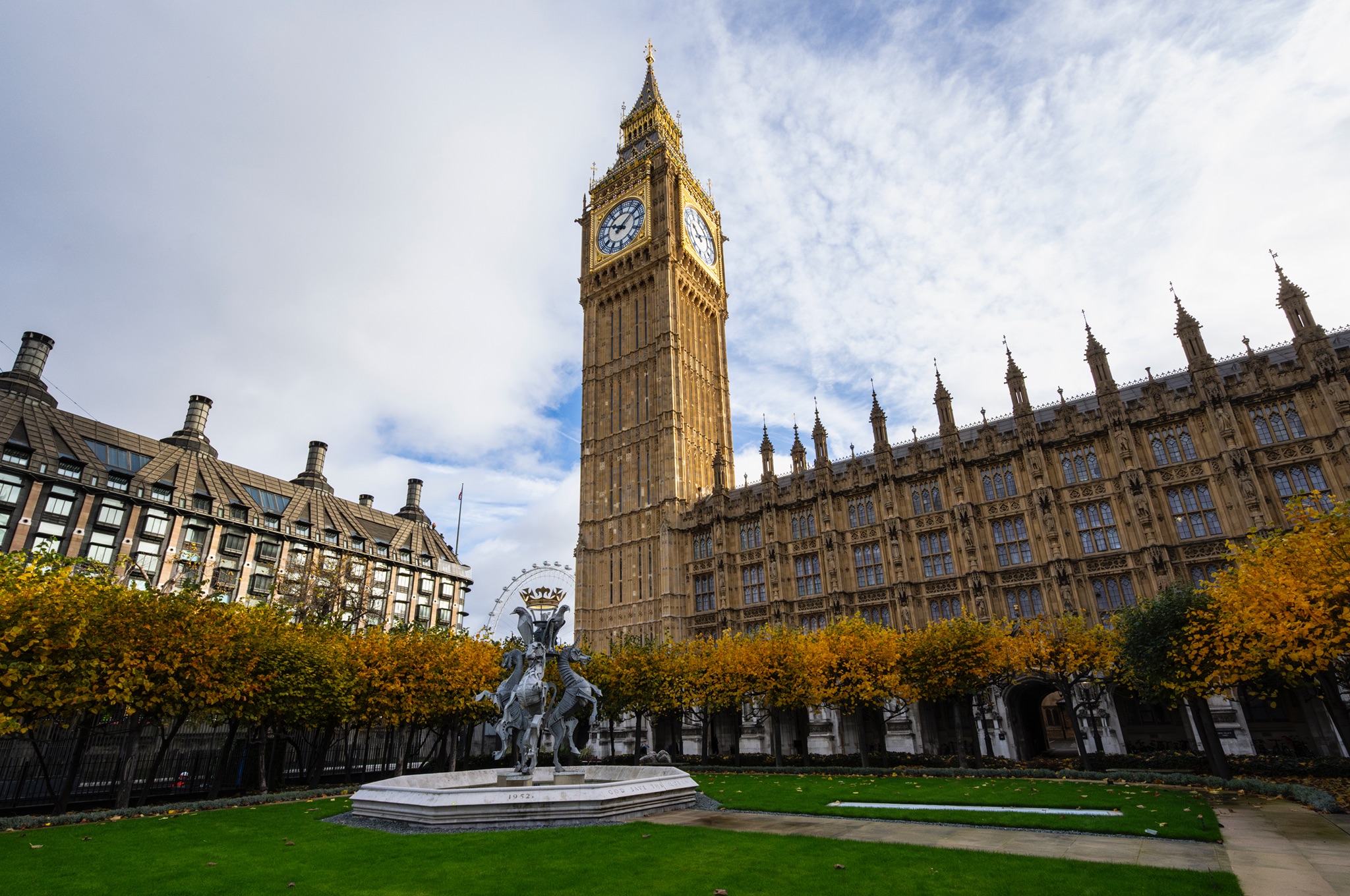

The problem here is that people invest when they think the risk is understood. And you need investment to make things work. An internal combustion engine design might run on a four-year cycle, so do you burn money in new engine development, or switch the idea in favour of investing in battery tech? Does an infrastructure provider spend hundreds of thousands on a new charging site for ultra-rapid charging when the consumer tech might not make it viable? You might, if you knew what was going to happen, but that’s simply not been the case. To make the transition to electric vehicles persistent, investment has to happen before you need the actual stuff – keeping ahead of demand. People don’t risk billions on sketchy promises, and it leads to investment paralysis, or at least stalling.
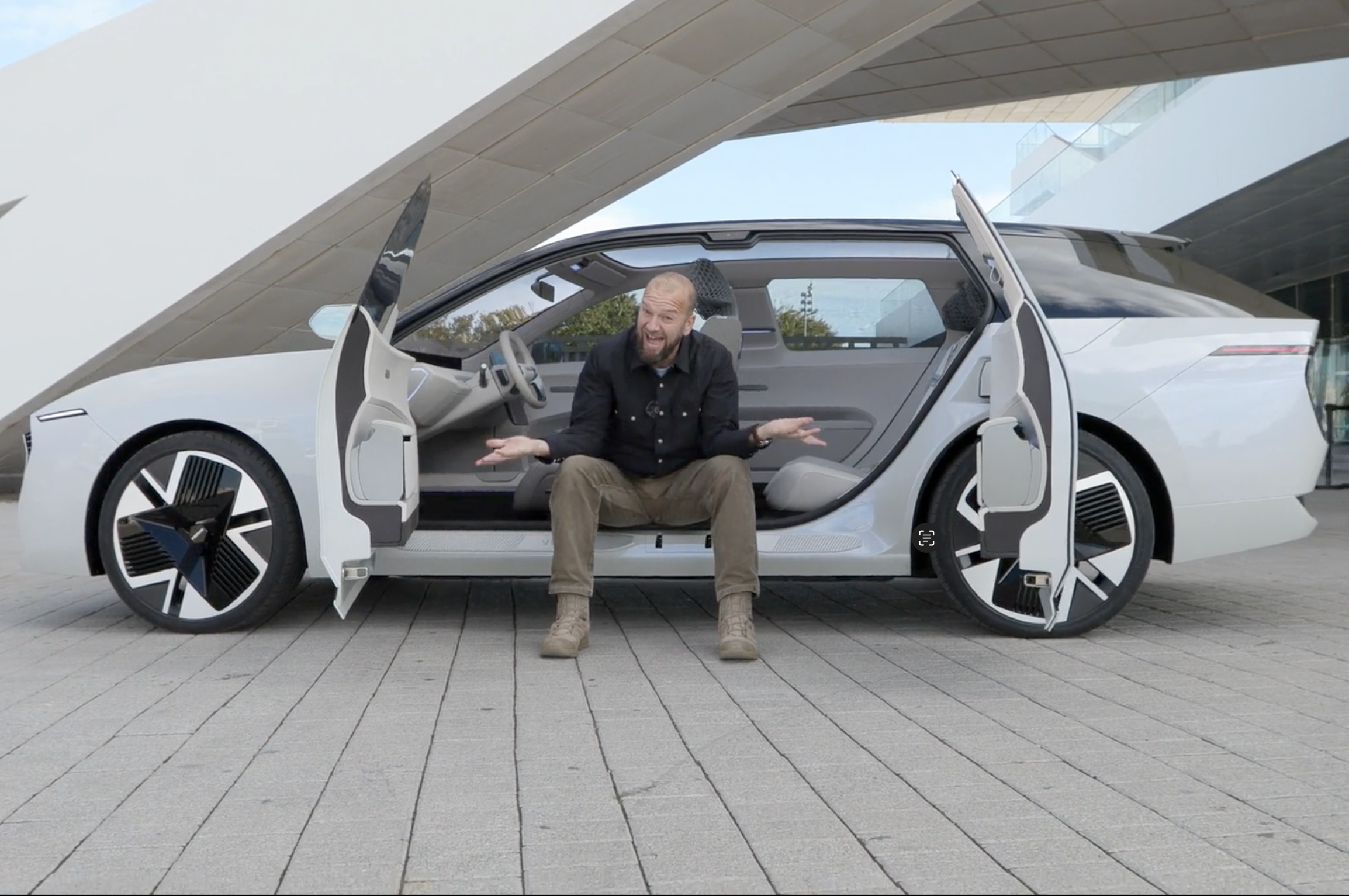
Take the UK government’s own policy. The new review says it aims to ensure the EV sales targets outlined in the mandate "remain pro-business and grounded in the real world”. This on the back of the best sales month for EVs for seven years, resulting in a market share of a quarter of the total of cars sold. But what does that actually mean? The ZEV mandate appeared under Boris Johnson six years ago, intended to stop purely petrol or diesel new car sales by 2030, before phasing out ICE completely by 2035.
That doesn’t ban cars already out there, as some people seem to think – just new car sales. It also doesn’t ban hypercars and the like – there are several dispensations for low-volume manufacturers, whose cars don’t do that many miles anyway. Sorry, I digress. But three years later, Rishi Sunak shifted the 2030 deadline back to appease the car manufacturers (keeping the 2035 ban) and then Keir Starmer changed it back to the original plan in 2024.
With the European Union watering down its own zero-emissions goals because of pressure from – mainly – Germany and Italy, both well into car manufacturing, we’re now consulting on what we should be doing with the rules in the UK, and how we get there. So I’m arguing for one last consultation, and then everyone gets on with it.
Apparently the 2035 marker is inviolate, so at least that’s in the bag. But if the end point hasn’t changed but the run up gets made easier, that means the last five years leading into the ban are going to be that much more tricky – and to make that work, we need certainties, not guesses. For reference. Sam has already done an excellent little explainer of what’s changed and how that might affect those of us who drive an EV, which you can find [here].
My point is that this consultation needs to be solid, and we need to commit to the findings. And stop with the endless changes. It’s not just confusing for the customer (us), but for the people trying to work out what to put in place in terms of product (cars) and infrastructure (charging). For a start, we need to clear up what we’re talking about. A ‘mild-hybrid’ or ‘self-charging hybrid’ doesn’t cut it. The former is essentially an oversized starter motor-slash-alternator, and a self-charging hybrid is just... a hybrid.
If the only energy you put into a vehicle is petrol or diesel, it’s a petrol or diesel-powered vehicle. PHEVs are a tricky one. The original idea seems solid; provide enough electric power to use in town, switch to an engine where it can be most efficient – say at steady state on a motorway – and you have the best of both worlds.
But even here there are issues: two powertrains adds weight and complexity, never the best solution. And PHEV owners have traditionally been a bit slack plugging in, because the cars were bought on generous tax breaks rather than enthusiasm for new tech, so education might be needed – after all, the monetary benefits are real, and people often react better to carrot than stick.
The language used to decide what’s good enough has been fluffy, with PHEVs needing to produce ‘significant’ EV-only range, without defining what ‘significant’ means. Is that 30 miles or 300? The Omoda 9 SUV offers 93 miles of WLTP range from a 34.5kWh battery – as big or bigger than most supermini packs. The Leapmotor D19 features a range extender on an 80.3kWh battery (slightly different tech, but the point is real) – at which point there’s a good argument for simply going full BEV and cutting out the petrol forecourt middleman.
The new mandate might well take a look at how PHEV emissions are calculated in the protocols to work out how they figure in ZEV credits scheme, but we have to decide, and stick to a plan. Hydrogen is another chat entirely – but whether you combust it in an engine or run it through a fuel cell, the tech and supply challenges are far greater than a purely electric car. I’m not saying that we should stop looking, just that it’ll be a more complex process.
And that’s all set against a backdrop of manufacturers trading those ZEV credits – where all-electric companies like Tesla or Polestar can trade with ICE manufacturers for offsetting. Essentially paying off the 12-ish grand per car fines.
VW has just divested itself of Porsche (which has a higher average CO2 number than the rest of the VW portfolio), with the maker of the 911 now aligned with all-electric XPeng – essentially making itself a smaller target. Which is all manufacturer sleight-of-hand. Not against the rules, but it does feel like it’s not in the spirit of the game. You can’t blame the carmakers though – again, if the rules keep changing, how is anyone supposed to know which way to go?
So the future needs to be based on ideas that stick. Make the changes, give everyone a framework to push from, and let’s stop with the endless fiddling.