





“If the car was invented today,” Volvo’s senior safety advisor Thomas Broberg tells me at the launch of the new EX60, “it would never be allowed.”
It’s a sobering thought. But it also explains why Volvo, a company that has spent decades redefining car safety, believes the next revolution in protecting passengers cannot simply be about building stronger cars.
“Imagine introducing the car to society today and saying: ‘I have this fantastic invention for personal transportation, but 30,000 Europeans will be killed every year,’” Broberg told Electrifying.com. “It probably wouldn’t be accepted.”
Instead, Volvo says the future of safety is becoming personal.
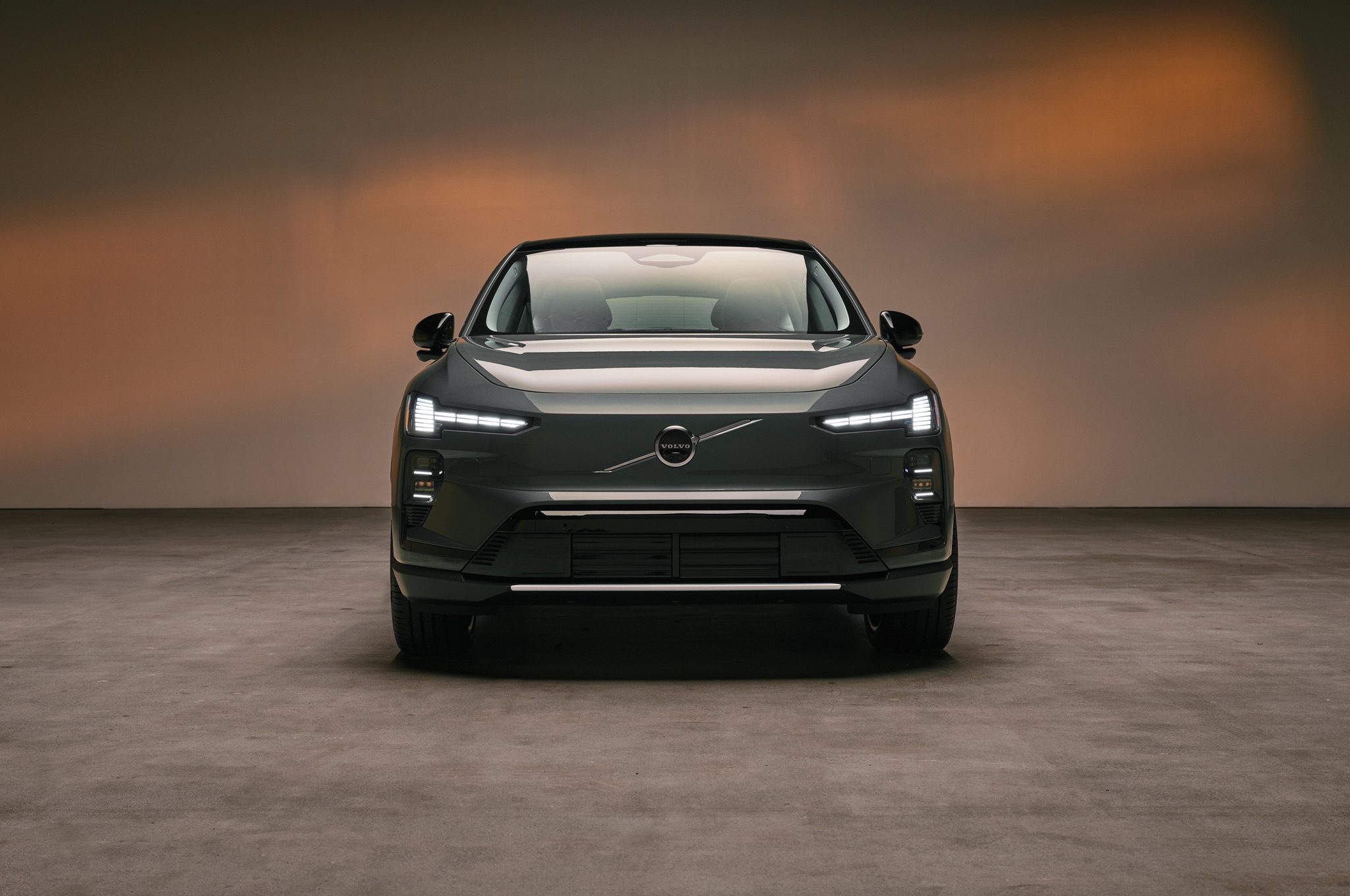
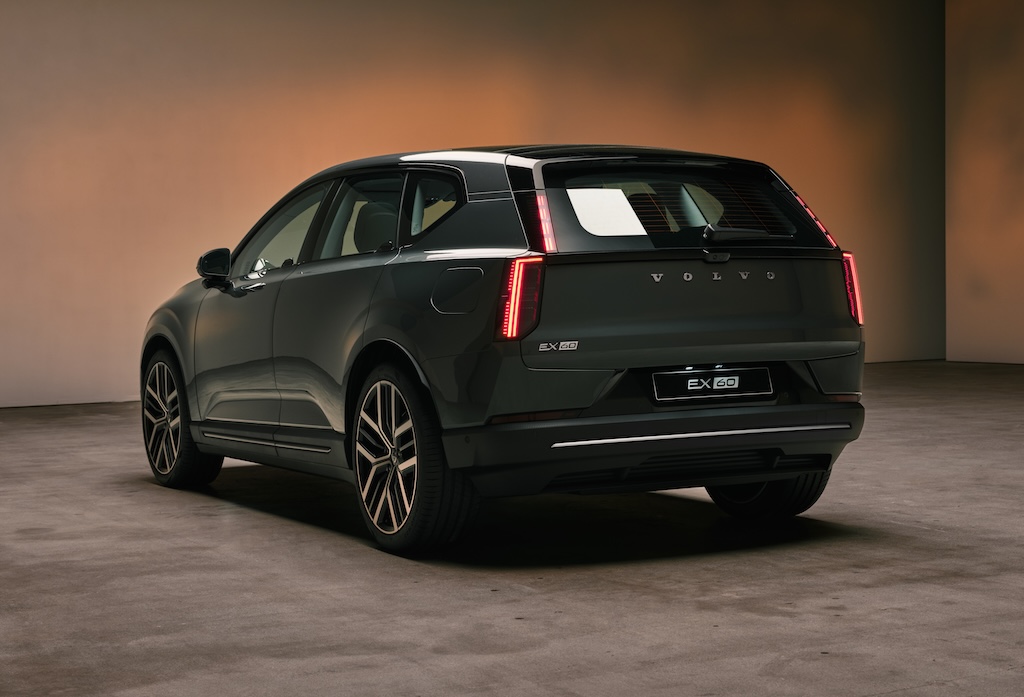
Not content with inventing the three-point seatbelt in 1959, Volvo is reinventing it for the software age with a new 'multi-adaptive safety belt' making its debut on the EX60 electric SUV – the battery-powered successor to Volvo’s bestselling XC60.
For a company whose safety breakthroughs have also included the rear-facing child seat, the booster cushion, curtain airbags and blind spot monitoring systems, it is another reminder that Volvo still sees safety innovation as central to its identity.
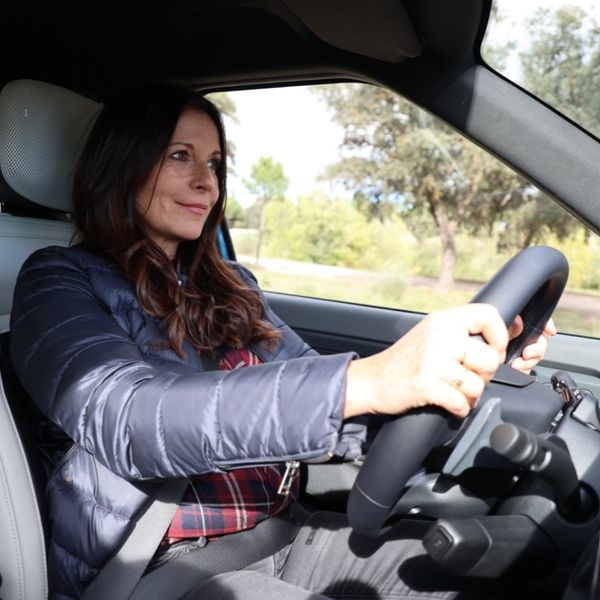
The new seatbelt may look familiar, but the technology behind it represents one of the biggest advances in restraint systems for decades. Using data gathered from sensors inside and outside the car, the EX60 can assess factors like a person’s height, body shape and seating position, along with the severity of an impending collision. The system then adjusts how much force the seatbelt applies in milliseconds.
In a more serious impact, the belt can apply greater restraint force to help reduce the risk of a head injury. In a lower-speed collision, it can ease off slightly to reduce injuries caused by the restraint itself, such as rib or chest injuries.
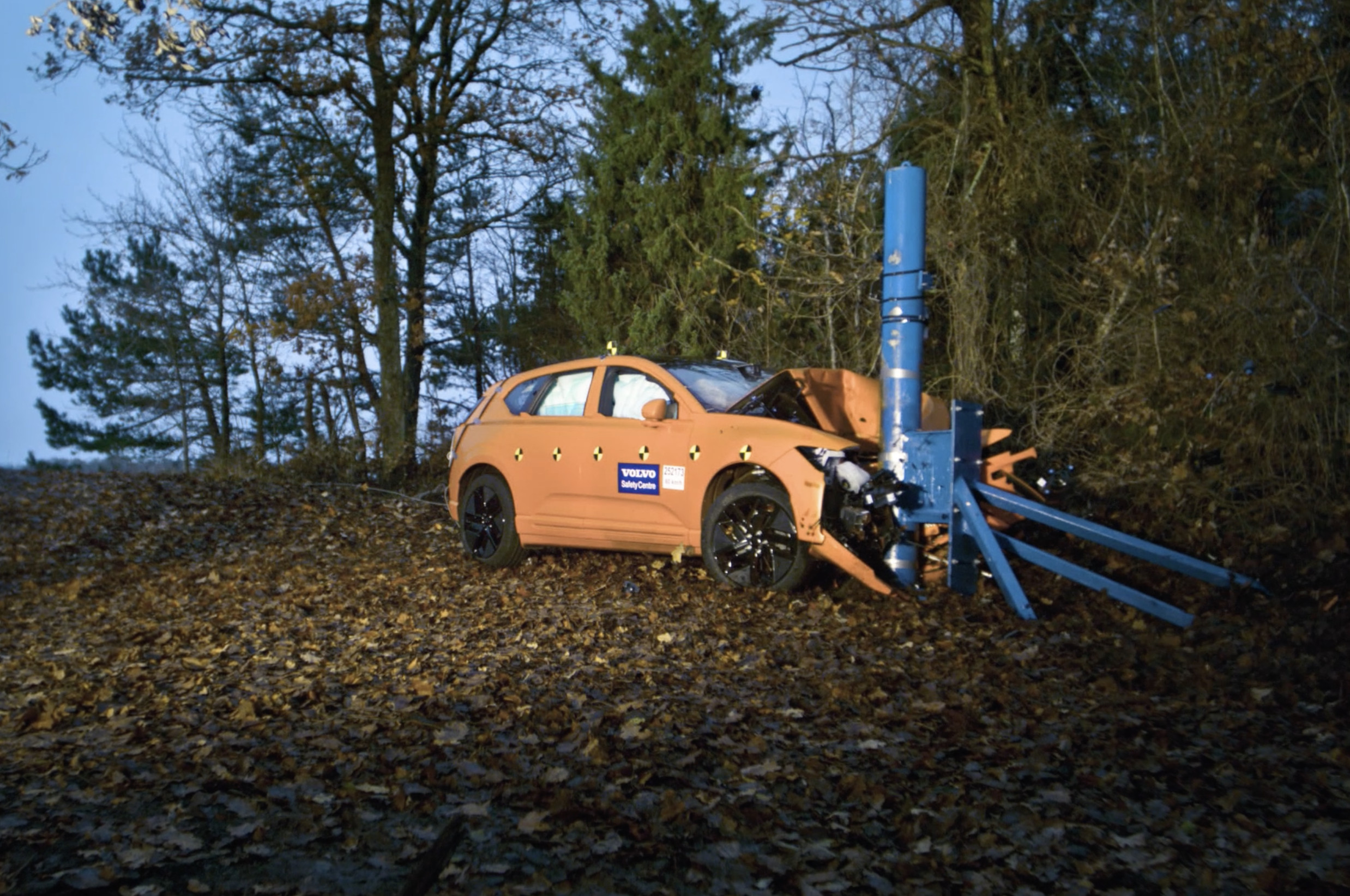
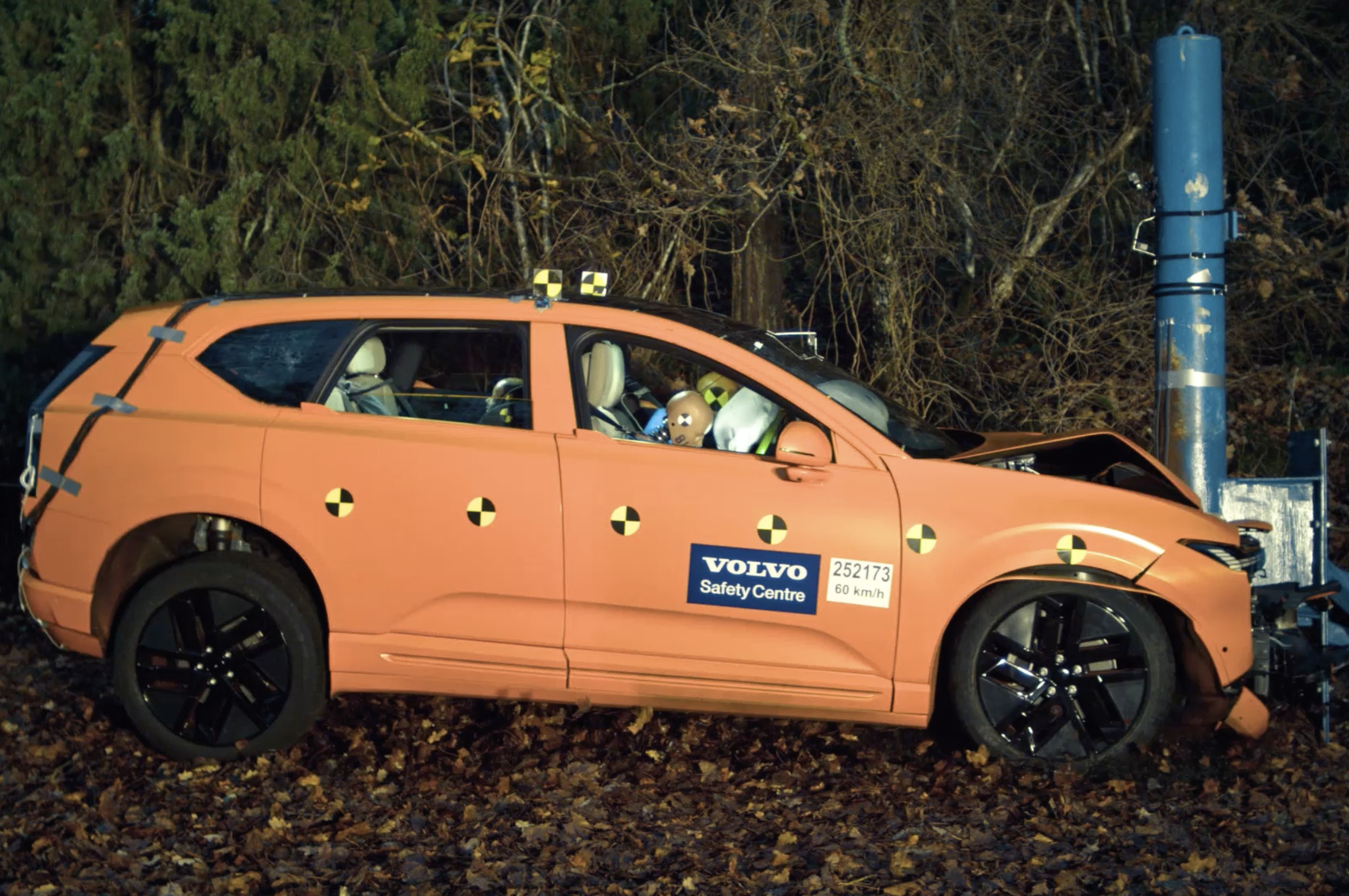
Volvo says the system uses 11 different load-limiting profiles, compared with the three used in many current systems, allowing the car to tailor protection far more precisely to both the occupant and the crash scenario.
“The larger person probably needs a higher force level to help reduce the risk of head injuries,” Broberg explained. “Whilst a smaller person needs less of a force level to help reduce the risk of chest injuries or rib fractures.”
The technology is part of a much broader shift in Volvo’s thinking around safety. While modern restraint systems are already highly advanced, Broberg argues that traditional approaches have still largely treated occupants in a fairly generic way. Humans, however, are anything but generic.
“We’re taking it down to an individual level,” he explained.
That philosophy is particularly important when it comes to addressing one of the long-standing criticisms of the automotive industry – that women have historically been underrepresented in crash testing and vehicle safety development.
Research from the University of Virginia found female occupants were 73 per cent more likely to suffer serious injuries in comparable frontal crashes than men, something Broberg says Volvo has long tried to address.
Volvo has spent decades collecting and analysing real-world accident data through its own safety research programme, building what it believes is one of the industry’s most comprehensive databases of collisions involving people of different sizes, ages and body types.
“For us, safety should be equal for all,” Broberg said. “That’s part of our DNA.”
Crucially, because the EX60 is a software-defined vehicle, Volvo says the system can continue evolving throughout the car’s lifetime through over the air updates.
As the company gathers more real-world data, the restraint system itself can improve – a major shift for an industry where passive safety systems were traditionally fixed at the point of manufacture.
Yet despite the significance of the new seatbelt technology, Broberg believes the biggest advances in safety will ultimately come from avoiding crashes altogether.
“Protective safety is always about reducing risk,” he said. “Any time your body is exposed to forces, there is a risk.”
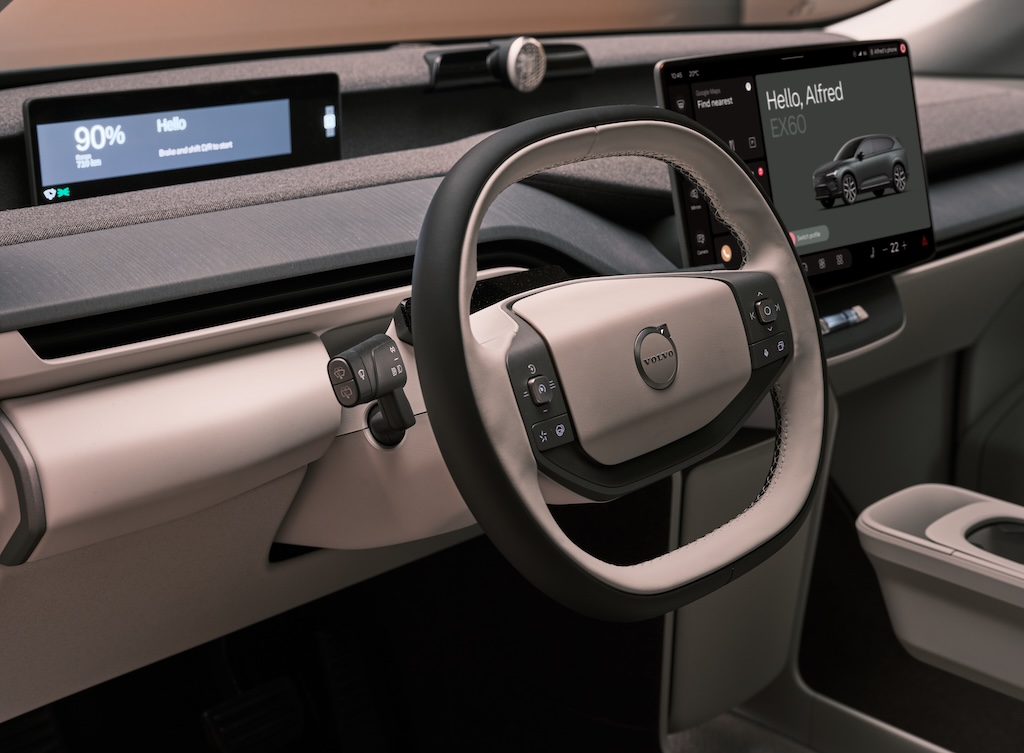
That is why Volvo is increasingly focused on preventative safety systems that monitor driver behaviour, detect distraction and intervene before dangerous situations develop. The company believes the next frontier is not simply protecting people better in a collision, but understanding human behaviour well enough to stop collisions happening in the first place.
With increasingly sophisticated driver assistance systems already capable of handling huge parts of everyday driving, it inevitably raises the question of whether cars themselves may eventually become safer drivers than humans.
But Broberg believes this future is still some way off.
While autonomous systems are becoming increasingly capable, he argues that human drivers still possess an extraordinary ability to interpret subtle social cues and unpredictable situations in ways machines still struggle to replicate.
“We are remarkable as human beings,” he said. “You can probably recognise another driver doing something else than driving, and then you adjust because you understand that person may be distracted.”
That kind of instinctive social understanding, he believes, remains one of the biggest challenges for autonomous technology.
Even so, Volvo’s long-term ambition remains unchanged. The company’s famous Vision Zero strategy – that nobody should be killed or seriously injured in a new Volvo – still guides its development work today.
“It’s the only human way to look at it,” said Broberg.
And in the EX60, that human-centred philosophy may begin with something most of us use every day without giving a second thought.