





Volkswagen is considering massive job cuts of nearly a sixth of its entire workforce and plans to close four factories in an effort to shore up losses and remain competitive against the threat posed by insurgent Chinese brands, global trade tariffs and changing consumer demands.
VW Group boss Oliver Blume is reportedly set to ask the company’s managing board to sign off on over 100,000 job cuts out of a nearly 630,000-strong workforce, which would make it the biggest workforce reduction effort in global corporate history outside of outright collapse.
This is on top of a previous round of cuts that was announced in 2024 that has already seen factory closures and loss of jobs. Volkswagen has already announced that it plans to reduce its annual production from 12 million vehicles to eight million a year in the face of reducing demand.
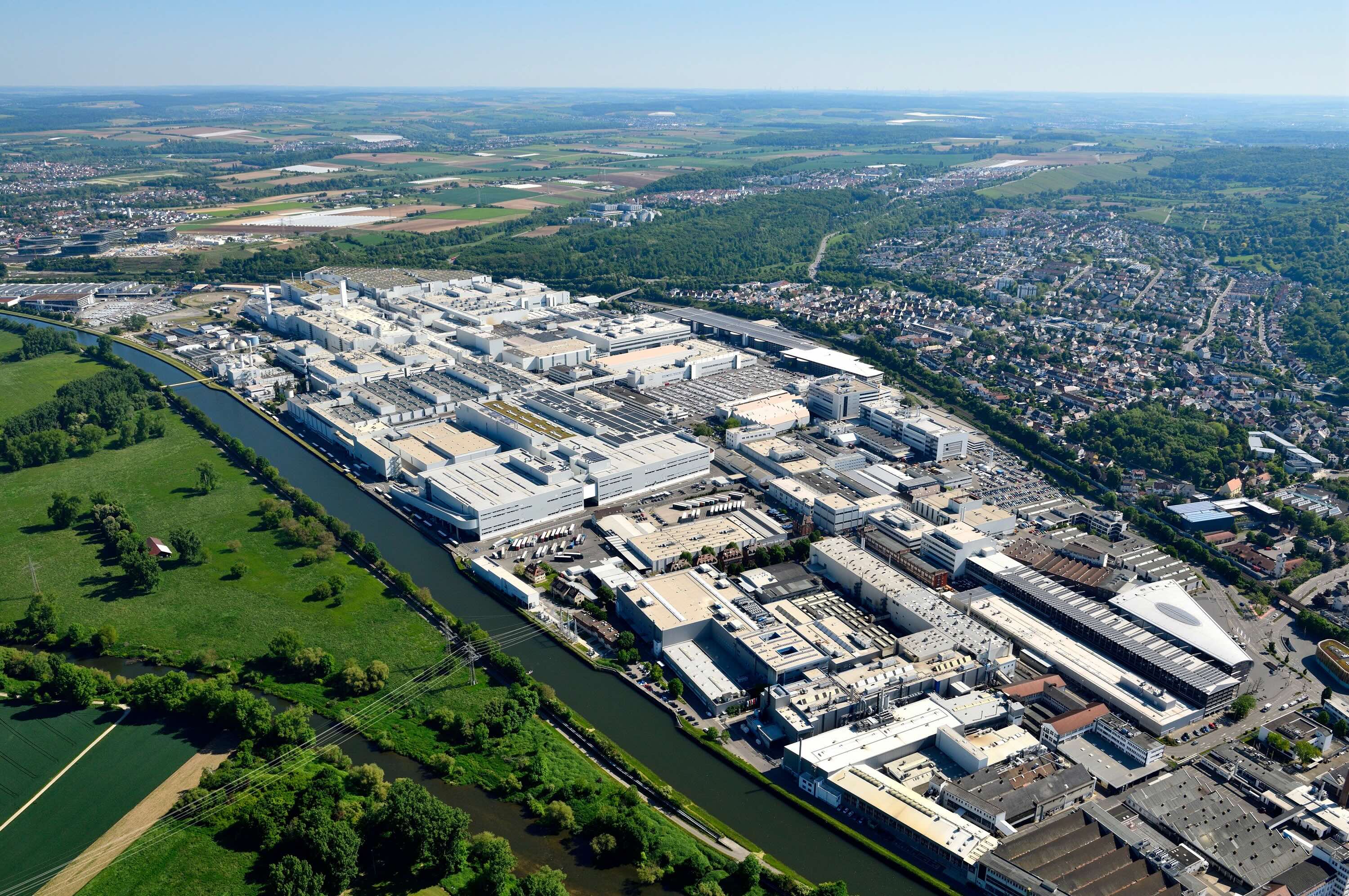
Blume is also recommending the closure of four of the group’s German factories – sites in Hanover, Zwickau (top), Emden and Neckarsulm (above) are all under threat. These moves are on top of Blume’s already announced plans to cut nearly £10bn of expenditure.
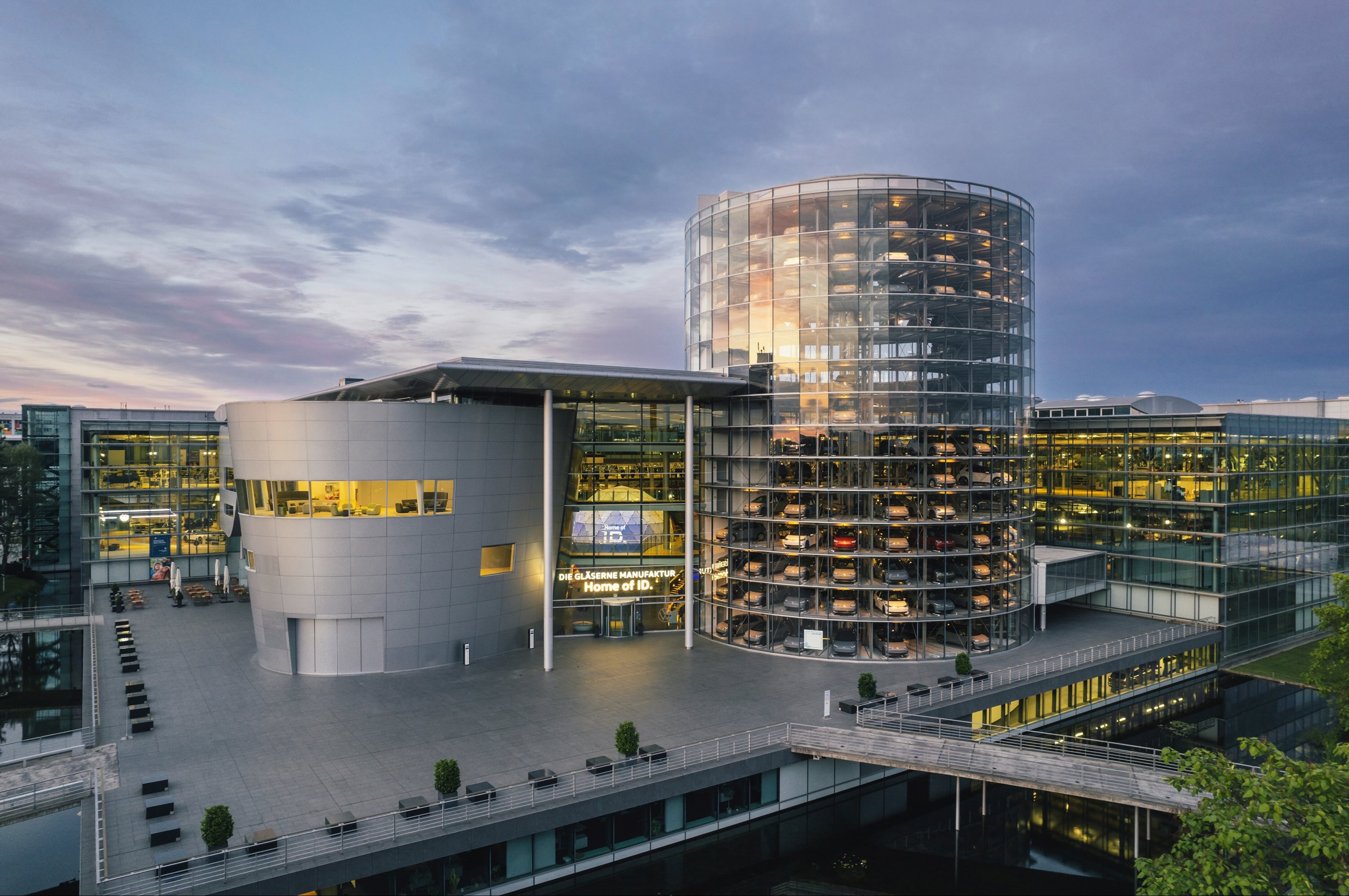
Volkswagen halted production at its flagship Dresden factory (below) at the end of 2025 – it was originally built to produce the VW Phaeton luxury limo in the early 2000s, but more recently repurposed to put together EVs. The assembly line closure was a symbolic blow to German manufacturing.
The so-called ‘transparent factory’ was covered in windows so that passers-by could see the cars inside being assembled, and the site remains in use as a research facility, so it hasn’t been disposed off completely.
VW will further look to offload some of its investments in smaller companies and start-ups to raise money for its restructuring efforts. There are also rumours that the likes of Ducati or Lamborghini could be under threat.
The news comes just days after the Volkswagen Group sold off its Everllence marine engine division for £6.4bn, generating some much needed cash.
Back in April, VW Group subsidiary Porsche sold off its stake in French hypercar maker Bugatti to a consortium of investment companies. The value of the transaction was not made public, but it’s believed to have raised less than £1bn.
Volkswagen seemed to weather the Dieselgate scandal back in 2015 well as rival carmakers struggled to contain losses from the plunge in diesel car sales, but the cracks have shown in recent years and such a devastating programme of cuts and restructuring will make it hard for VW to continue to fight for the global top spot among carmakers.