





Ever heard the phrase ‘charging curve’ in relation to an electric car? You may well have done, and it’s one of those things that’s well worth understanding. We’re all about demystifying the electric car here at Electrifying, so here we’ll explain what you need to know about charging curves.
Basically, a charging curve is how you illustrate the speed at which the battery in your EV can charge. Electric cars never charge at a linear speed no matter how powerful the charger is that you plug into: they all vary in speed throughout the process, depending on the state of charge in the battery when you plug in, the ambient temperature, whether you’ve preconditioned the battery and much more. The image below is supplied by charge provider, FastNed, and shows the charging curve of the updated VW ID.3 58kWh, which could charge at up to 125kW.
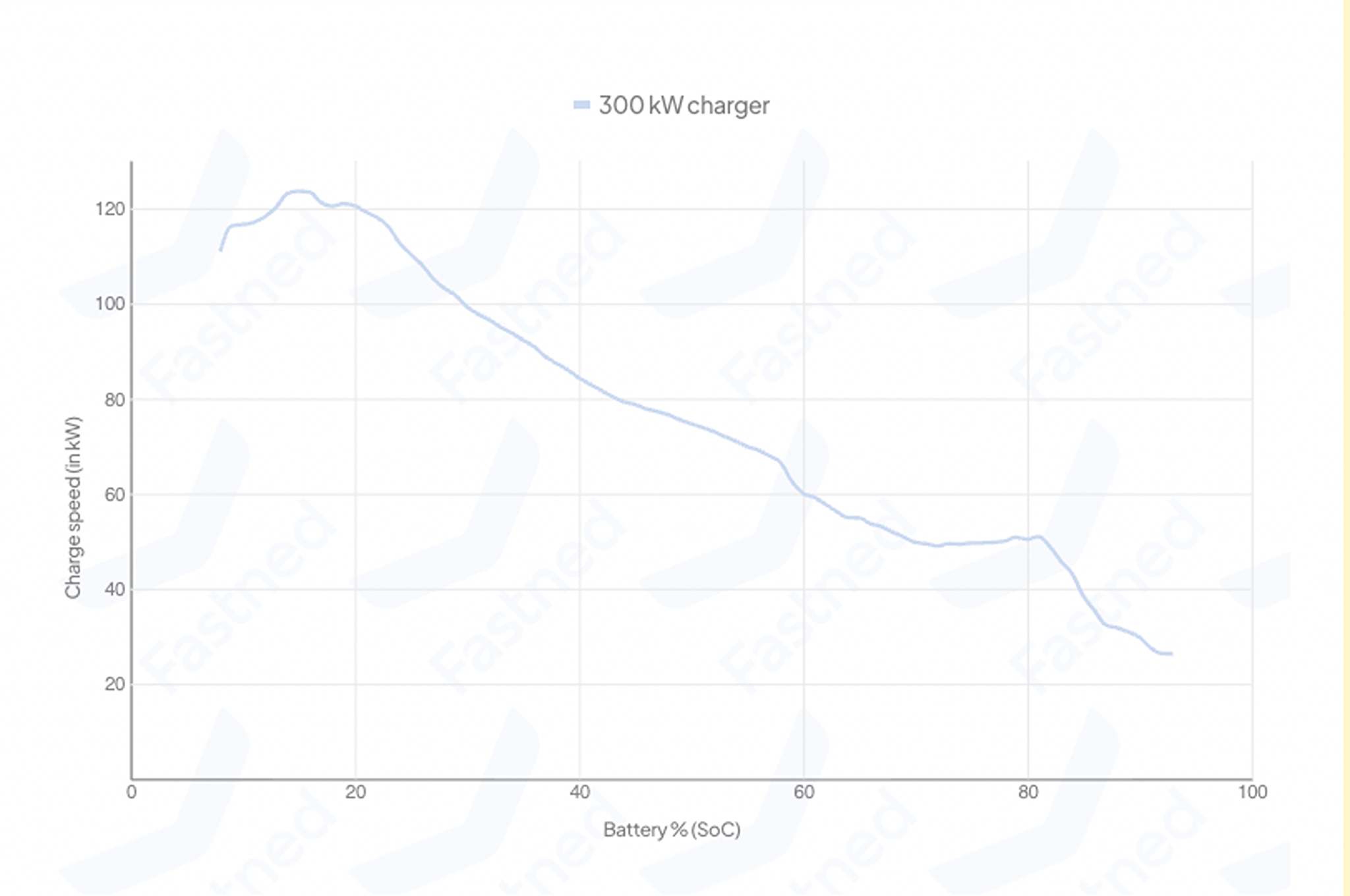
You can see from the curve that it only charges at 125kW for a brief period, but the charging curve graph gives you a good idea of how quickly it'll charge throughout a full top-up at a rapid charging station.
Most EVs will only sustain peak charging speed for a short period. For example, it might sustain peak charging from 50 to 60% state of charge, before starting to drop the charging speed again. Normally, by the time you’ve reached 75- to 80% charge in the battery, the charging speed will have fallen noticeably and you may be seeing less than half the peak charging speed - as with the ID.3 charging curve above.


Obviously, the charging curve will vary dramatically depending on the EV in question. For instance, if an electric car has a relatively flat charging curve, it means that it can sustain peak charging speeds for a long period. That’s the ideal. In fact, in the real world it can be better to have a lower peak charging speed that can be sustained for a longer period, rather than a high peak charging speed that can only be sustained for a short period.
The below is the charging curve of the MG4 Long Range, which you can see is impressively flat and can sustain quite a high charging speed through to well past 50% charged, but then it falls off quickly.
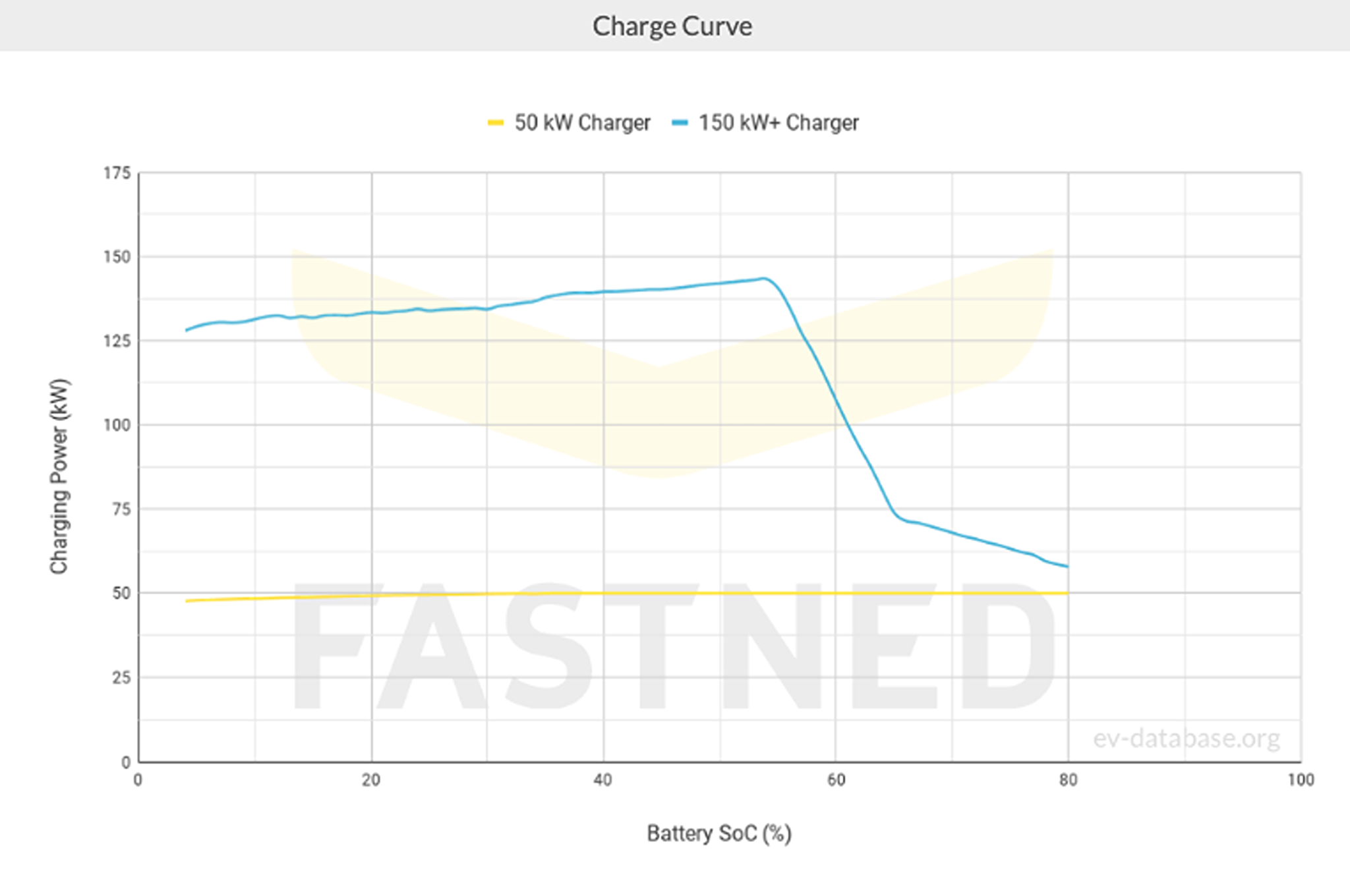
Basically, the flatter the curve, the better your average charging speed - and the less time you’ll spend at the charging station in the services trying to resist buying frothy coffee and doughnuts.
You don’t really need to understand the charging curve of your EV, of course. Just using the straightforward claimed 10-80% charge time, or looking at how quickly you might get a 100 mile top-up, is a perfectly good way to judge how long you might need for a charging stop at a rapid charger. But looking up the charging curve on your EV can help you to better understand why it sometimes charges at different speeds, and can also be useful for working out when it’ll be best to stop. Charging curves aren’t just for us EV geeks, you know…
Of course, if you want to check out how quickly your EV can charge, you can also use our charge time calculator. Happy charging!
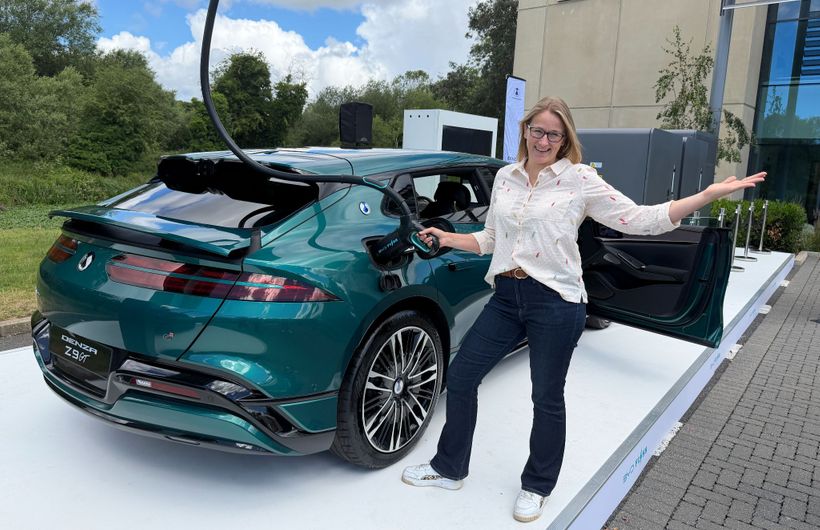 BYD is rolling out Flash chargers across Europe, which will be able to charge at up to 1,500kW - for an 80% charge in under 10 minutes!