





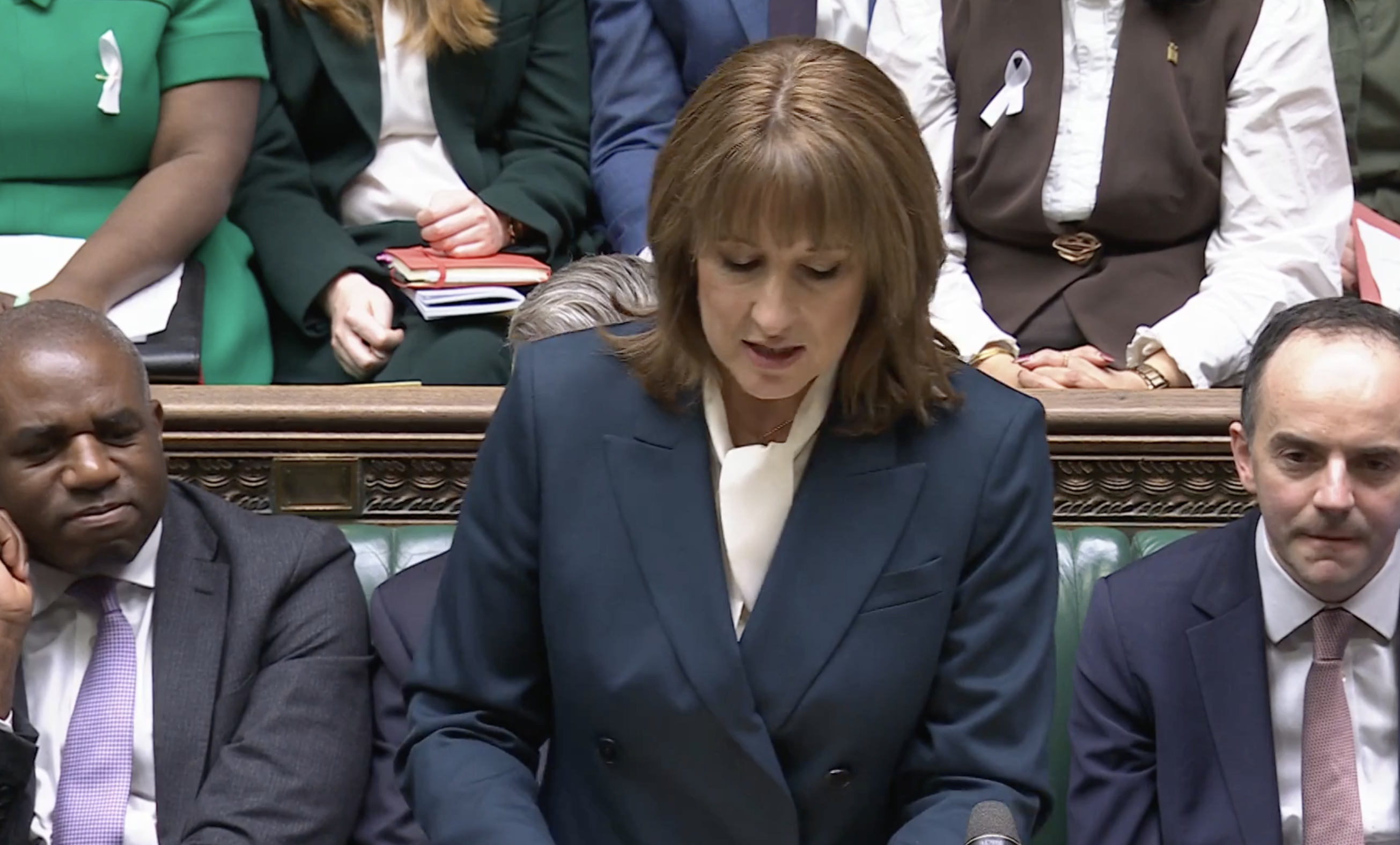
Chancellor Rachel Reeves recently gave an update to the House of Commons on measures she was planning to implement in order to reduce the impact of rising costs on families and business.
One measure she announced was a significant 10p per mile increase in tax free mileage rates – the amount per mile that people who drive their cars for work can claim back in expenses. It was the first rise in the mileage rate since 2022.
But what are the rules for expenses and making a mileage claim for electric cars? Never fear, we’ve got answers to all your questions right here. (Unintentional rhyme there...)
What is the mileage rate for electric vehicles?
The new mileage rate announced by the chancellor is 55p per mile, up a whopping 10p on the previous figure.
This is for people who use their own cars for work to claim tax free for the first 10,000 miles, then the rate is 25p per mile after that.
When does the new mileage rate take effect?
It’s actually been backdated to 6 April 2026, before the announcement by the chancellor, so that it’s effective from the beginning of the UK’s tax year.
What does the mileage allowance cover?
The mileage rate is supposed to cover the fuel you use on official work business, but also includes an amount that contributes to things like maintenance, insurance plus the wear and tear you’ll incur as a result of driving the car. Obviously installing a home charger (if you're able to) will drastically lower your EV running costs.
Excitingly, you can also claim an extra 5p per mile per passenger if you’re giving colleagues a lift on the same business trip. (Check out our list of electric seven seaters that could get you an extra 30p a mile in travel expenses...)

Why does my employer pay different mileage expenses?
Every company will have a different policy on claiming expenses, though lots of them stick to the government’s mileage rate.
Companies are allowed to pay whatever they like to reimburse employees – they can pay more than 55p per mile if they like, but then you would have to pay tax on any rate above that.
If your employer pays below the 55p approved mileage rate or nothing at all, then you can claim tax relief from HMRC up to the official rate. You’ll need to keep a mileage log with the start and end postcode for every journey plus a reason for the trip.
What if I have an electric company car?
If you have a company car then you can’t claim the HMRC mileage rates, but rather HMRC’s advisory electric rate applies. This covers home charging at 8p per mile and public charging at 14p per mile.
The advisory electric rate was changed in 2025 – previously there was just the one 7p per mile payment to cover all charging, but the Treasury finally acknowledged that this amount was insufficient to cover higher public charging costs.
And it still doesn't, but it's better than it was. Shop for a good electricity deal at home though and you could find something that offers you prices of less than 7p/kWh.
You'll need to keep good records – a journey log with mileage records and receipts from the charging (or records from your home charger) will be needed as evidence. And you'll need to be careful to record the right number of miles from your domestic electricity and from public charging.
Overall though, an electric company car can work out as a very good deal – check out our explainer on company car tax for more information.
It's also worth noting here that for the purposes of HMRC, a salary sacrifice car counts as a company car, whether you use it on company business or not.
Can I claim both charging costs and mileage?
Nice try, but it's one or the other. But it's important to bear in mind the distinctions we've already looked at. If you're driving your own car on official business, you can claim the mileage allowance, but you'd have to pay tax on charging reimbursement.
If you're driving a company car, then you claim the electricity you've put in the car under HMRC's tax relief rules.
What if I just want to walk?
Sadly there are no mileage allowances from HMRC for walking, though if you cycle you can claim 20p per mile. Certainly walking would seem to be the most simple option from an administrative point of view.