





We’ve all heard EV owners talk about how much they’ve saved by switching to an electric car. But at a time when electricity and petrol prices are both going up at different rates, will you actually save money on your running costs by changing your petrol or diesel car for an electric one? And does that apply to all electric cars?
We’re here to help with that one, so let’s start with the basics and cover off the ‘fuel’ costs before we have a look at some of the other financial factors. Whether you will save money by switching to an EV largely depends on where you will be able to charge your car. With a petrol or diesel car, there’s only one place where you can buy your fuel - a filling station. And while you might be able to save a few pence per litre by shopping around, you’ll still be paying roughly the same price wherever you fill up. At the moment, a petrol or diesel car will cost around 14-20p per mile in fuel. Remember that figure, because we’ll revisit it shortly!
With an EV, the price of your fuel varies enormously. Domestic electricity rates on an EV-specific tariff can be as low as 7.5p per kilowatt hour (kWh), which is the measure of a unit of electricity.
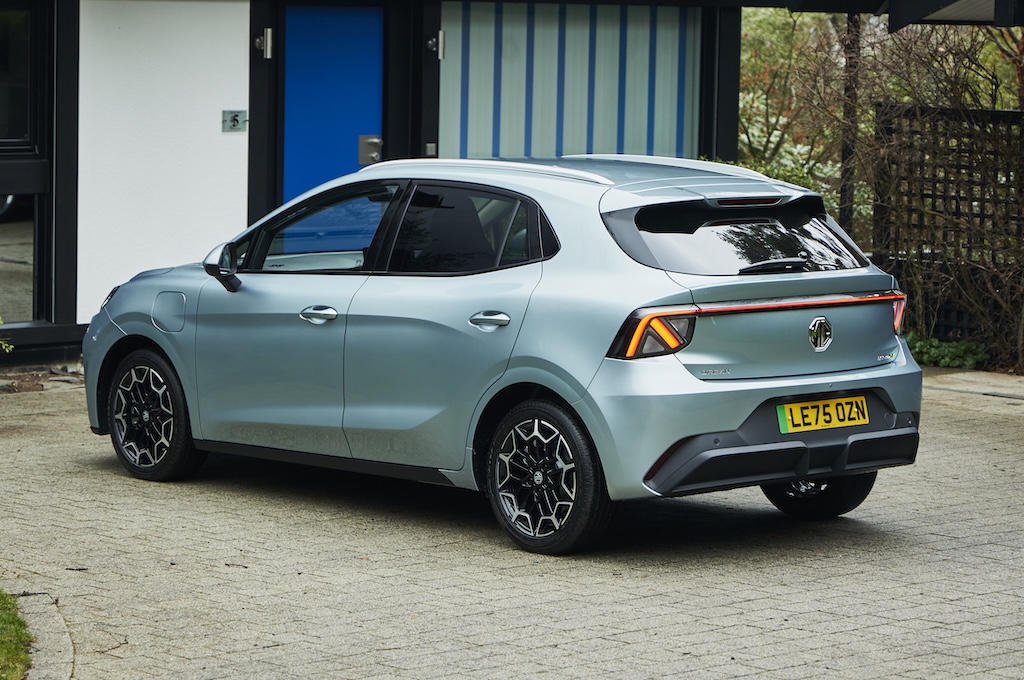
However, if you’re topping up at a public DC rapid charger, you can pay over 90p per kWh - 12 times as much! If you’re able to charge at home on an off-peak or EV-specific tariff (these allow you charge at reduced rates overnight, typically between 12:30 and 5.30am), you could fully recharge an MG4 Urban with a 42.8kWh battery for £3.21. Based on that, you’ll be looking at around 1.5p per mile. That’s way less than that 14-20p per mile you’ll be paying in a petrol or diesel car.
If you only plan to charge at home and can take advantage of an EV tariff, then, your fuel savings will be massively reduced by switching to electric. However not all EV buyers can charge at home, and even those who can will often find themselves needing to charge on the go. And this is when it gets more complicated… and expensive. On average, a public rapid DC charger will cost around 80p per kWh to use. Although you’ll be able to top up much quicker, a full charge on our MG4 Urban will cost around £35 to fully recharge. Which equates to around 17.5p per mile - about the same as a petrol or diesel car.
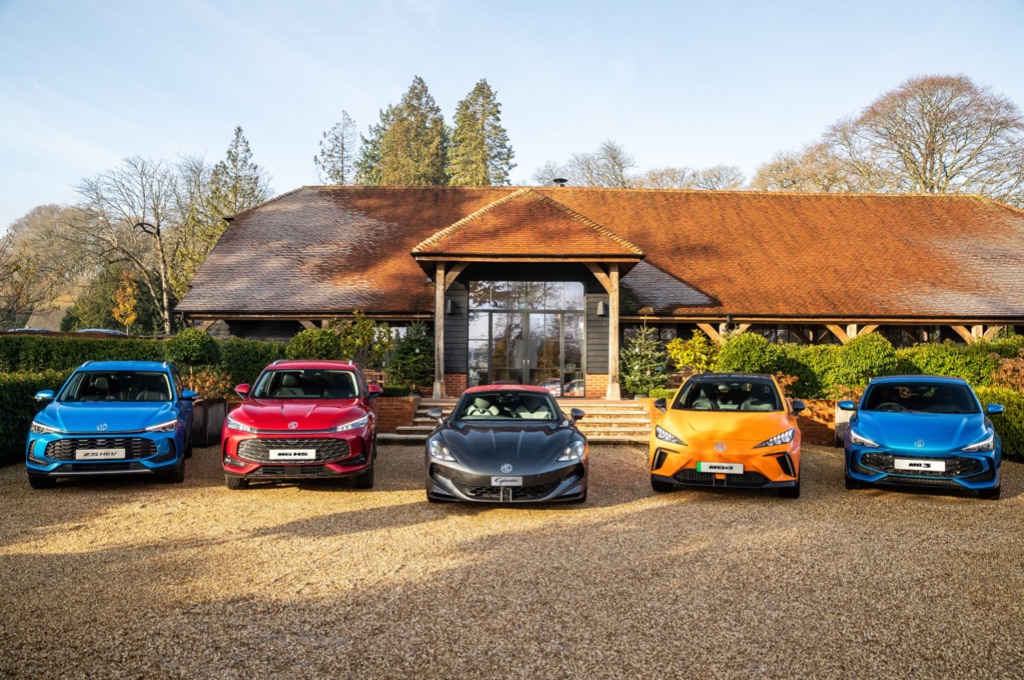.jpg)
But even if you can’t charge at home and have to rely on public charging, you can still lower your recharging costs. The UK has a large network of what is known as ‘destination chargers’ or ‘kerbside chargers’ that sit between home chargers and public rapid chargers in terms of price. These aren’t as fast as rapid chargers, and are designed to be used when you’re at work or away from your car for a few hours. These can cost from as little as 25p per kWh to charge at, so if you aren’t able to charge at home, destination chargers are a great alternative that can offer lower fuel costs than a typical petrol or diesel car.
You can also reduce your public charging costs by taking out a subscription with one of the numerous charge point providers. For a monthly fee, you can charge at much lower rates. If you need to rely on public chargers and are likely to use the same brand most of the time, subscriptions can really lower your charging costs.
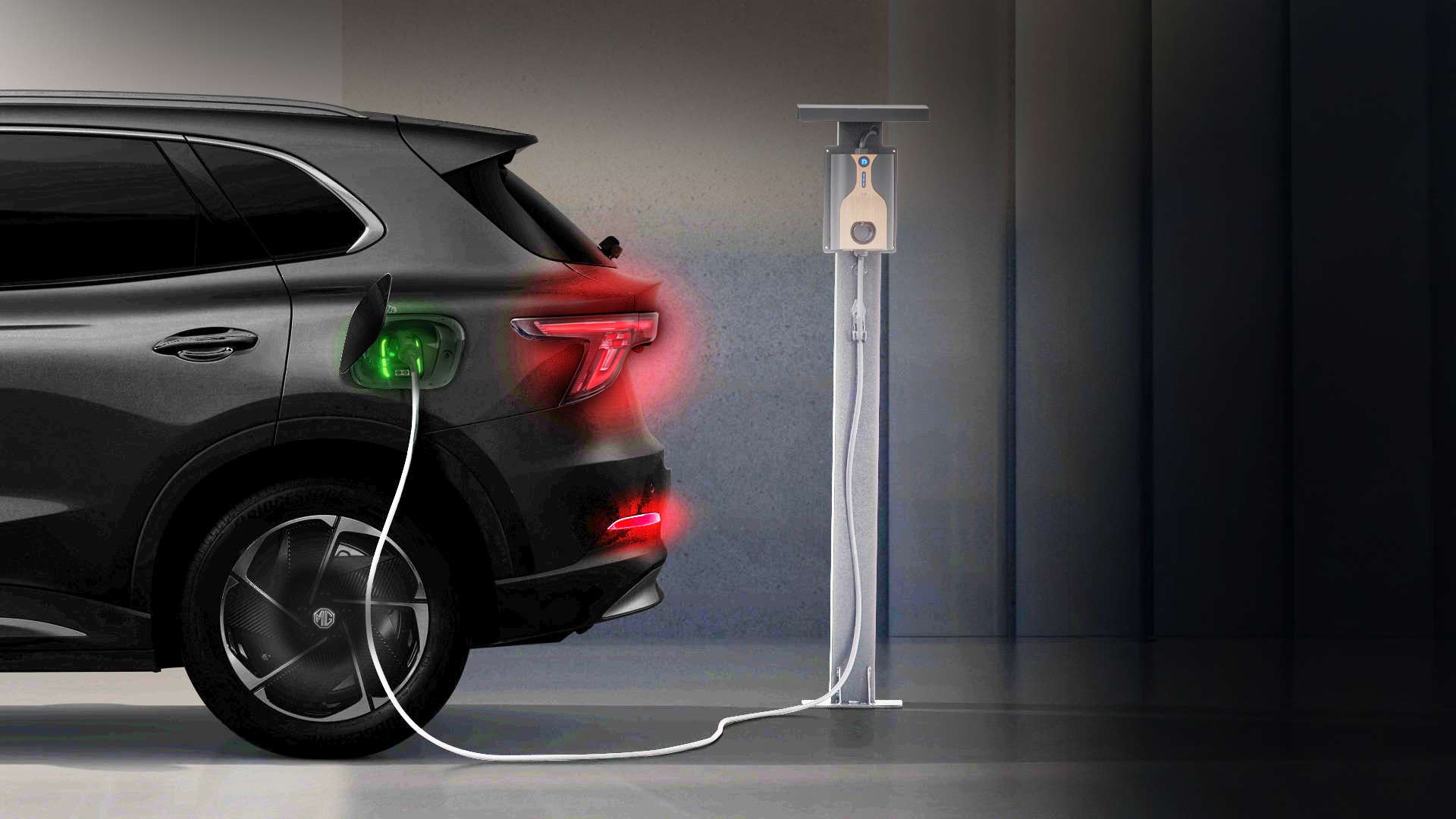
And it’s not just charging costs than can save you money over a traditional petrol or diesel car. If you are fortunate enough to have an EV as a company car, you will pay a far lower rate of Benefit in Kind (BiK) tax than you would with an internal combustion engine car. The current rate (2026-7) is just 4%, which means switching to an electric company car could save you thousands of pounds a year.
Maintenance is another area where an electric car can save you money. Mechanically, electric cars are considerably simpler than their petrol and diesel counterparts and have fewer parts to wear out. You’ll never have to change an exhaust or a clutch on an EV because they don’t have them. Nor will you have to pay for expensive oil changes every year because, again, EVs don’t need it. You might not notice these savings immediately, but your bank balance will thank you later down the line.