





If you’re looking to switch to electric, there’s probably one key figure at the front of your mind: driving range. How far will I get before I have to plug-in and charge up? It’s an understandable concern. We’ve grown accustomed to petrol and diesel cars that can cover hundreds of miles without needing to visit a filling station.
So, the natural thought for many buyers is to look for a car with the biggest possible battery. However, with big batteries come big price tags. Although the cost of battery packs has fallen significantly over recent years, if you want a huge battery, you’ll still need to dig deep.
But do you really need to go large when it comes to battery size? Could you manage perfectly well with a smaller, less expensive pack? Let’s crunch some numbers. According to a 2025 YouGov survey, 69 per cent of British motorists drive fewer than 20 miles a day. A third of UK drivers drive fewer than 10 miles a day. The average daily mileage for UK drivers is just 14 miles.
If you cover relatively low weekly mileages and only do longer distances every now and then, spending money on an EV with a huge battery could be a false economy. Why pay extra for battery storage capacity you’ll rarely need, but still have to lug around?
Let’s look at it a different way. Your TV remote control has small batteries that need changing every year. Now, you could – in theory – wire your remote to run off a traditional 12V car battery. While it would last 30 years, you’d have to buy the bigger battery in the first place (let’s say £60 minimum vs £3 for the small batteries) and lug it around the living room. You wouldn’t, right? So why spend extra on a bigger EV battery if you’re not going to need it?
Another thing potential buyers don’t always appreciate is that cars with bigger batteries are usually less efficient than those with smaller packs. Why? Bigger batteries are heavier than smaller ones (no surprises there), which means that you need more energy to move them. And if you don’t regularly need the extra range that a big battery delivers, you’re lugging around extra weight for no reason. A more efficient EV is cheaper to ‘fuel’, and you’ll really notice the difference when your electricity bill lands.
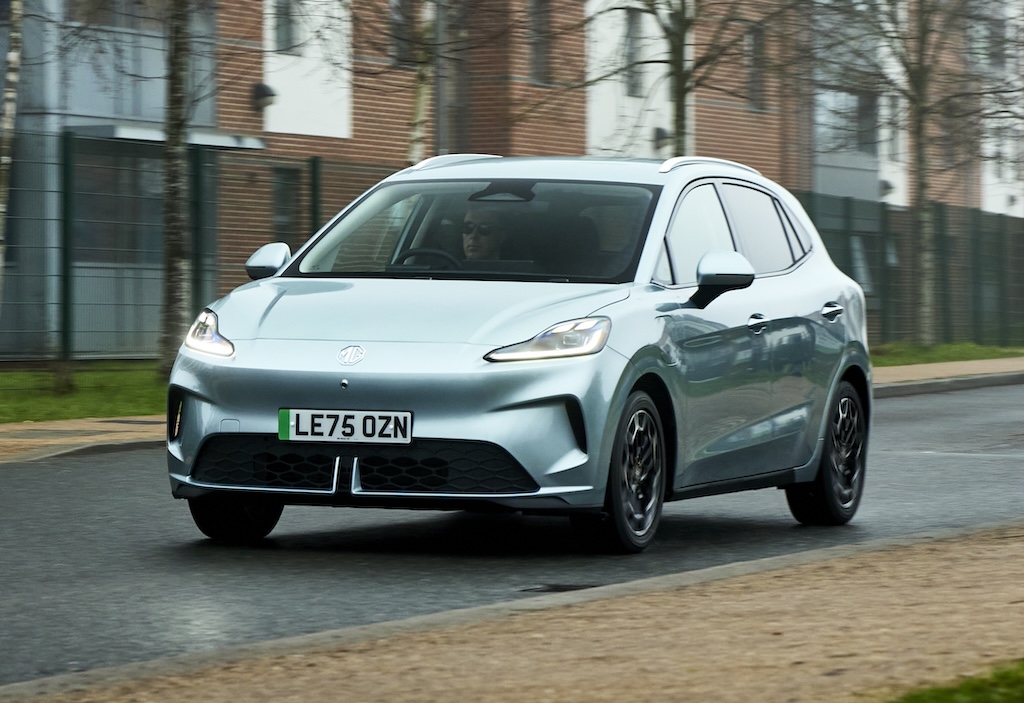
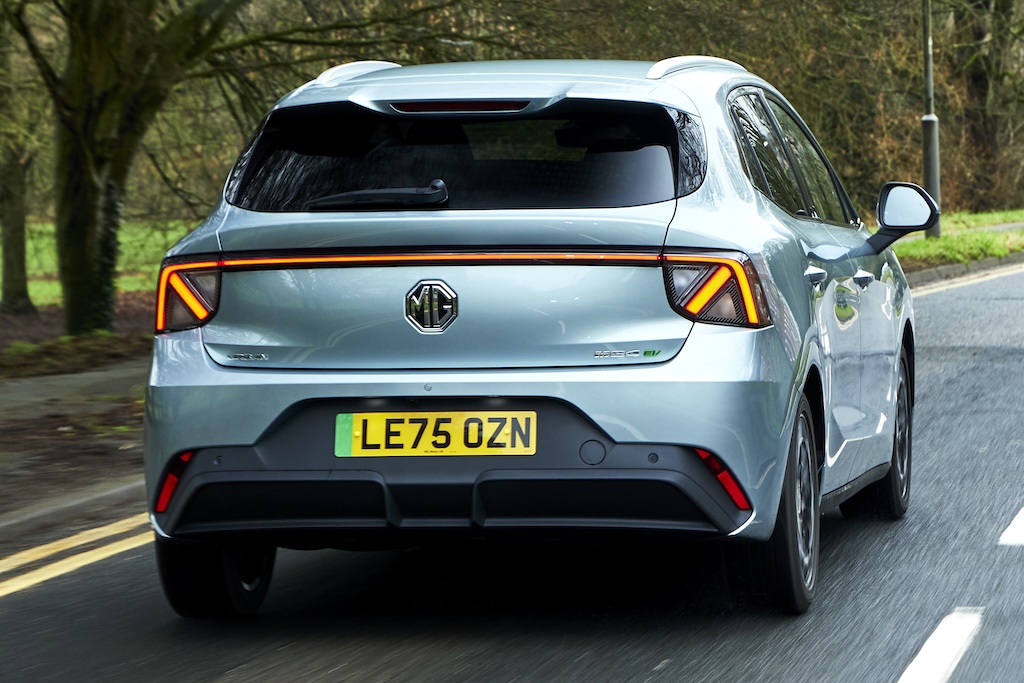
Lighter cars also wear components like tyres far less. The MG4 EV Urban Standard Range with its 42.8kWh (nominal) battery weighs just 1,460kg, for example. The similarly sized Volkswagen ID.3 (77kWh battery) tips the scales at more than 1,900kg, which means that tyres, brakes and suspension parts are having to work harder to carry that additional 500kg around.
Smaller batteries are the perfect choice if you’re able to charge from home. If you have a home charger and your daily drive is less than the range of your car, you can plug-in at night and wake up the following morning with a ‘full tank’.
But we hear you... what about those longer trips? A smaller battery is going to be hopeless in that scenario? 15 years ago, we’d have said yes – don’t bother. Back then, long distance EV driving was for the brave. Today, it’s a breeze thanks to a vast network of charging sites that can have you charged up and back on the road in no time.
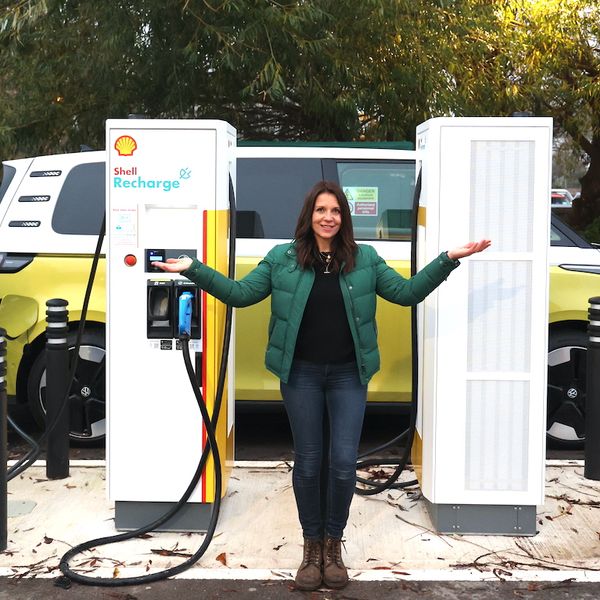
According to industry experts ZapMap.com, there are currently 28,089 rapid or ultra-rapid chargers at just under 7,000 sites in the UK (figure: April 2026) with around 500 new units going live every month. Last year, 3,381 rapid or ultra-rapid EV chargers were added to the UK public network – a growth of 15% in the overall network.
A car like an MG4 EV Urban Standard Range takes as little as 28 minutes to charge from 10-80% if using a 150kW+ DC rapid charger. Which is barely time for a half-decent lunch or coffee and cake. Charging en-route has become the norm for the UK’s two million EV drivers, so having to break your journey to plug in every now and again needn’t be an inconvenience.
So, should you choose a smaller battery? The simple answer is to choose the right size battery for your lifestyle. Take the time to work out how many miles you actually do (it’s probably less than you think) and how often you’re likely to do longer journeys. If, like most drivers in the UK, you only cover around 100 miles every week – opting for a smaller battery will save you money up front and further down the line thanks to better efficiency and lower rates of wear and tear.