





Last updated: September 2026 with the latest numbers from Zapmap
According to the latest figures from charge point mapping service Zapmap there are precisely 123,677 charging points across the UK at just over 47,800 locations, though that’s merely a snapshot with numbers changing every day as more plugs are installed all over the place.
The plugs are divided into four categories, which have recently been renamed to make them less confusing. Those with a power output between 3kW and 7.9kW have been renamed from Slow to Standard, while the band from 8kW up to 49kW is now called Standard Plus instead of Fast – Rapid and Ultra-Rapid are still used as names for 50–149kW and 150kW+ respectively.
And of course it's worth mentioning that your car won't necessarily charge at whatever it says on the side of the charge point – it depends on the charge capability of the car, as well as the condition of the battery, ambient temperature and where the moon is at in its monthly cycle. We made the last one up, but it could have an effect.
How many 'standard' (slow) chargers are there?
There are 60,716 standard charging public points in the UK, by far the largest grouping. A lot of the recent expansion in charging provision has been with things like local lamp post chargers and street charging.
It should also be noted that this figure only includes public charge points – Zapmap estimates there are over one million home and work plugs in use across the country, where the majority of EV charging actually happens.
What about standard plus (fast) chargers?
Standard plus (fast) chargers are the next biggest group – there are 33,427 of those knocking around, mainly 11kW and 22kW units which are a good solution for when you are parked up for a few hours.
Those plugs need a three-phase power supply, but they’re starting to come back into fashion again, especially now that EVs are coming with larger batteries. They also all use Type 2 AC plugs rather than the CCS rapid charging devices.
What about the really fast chargers?
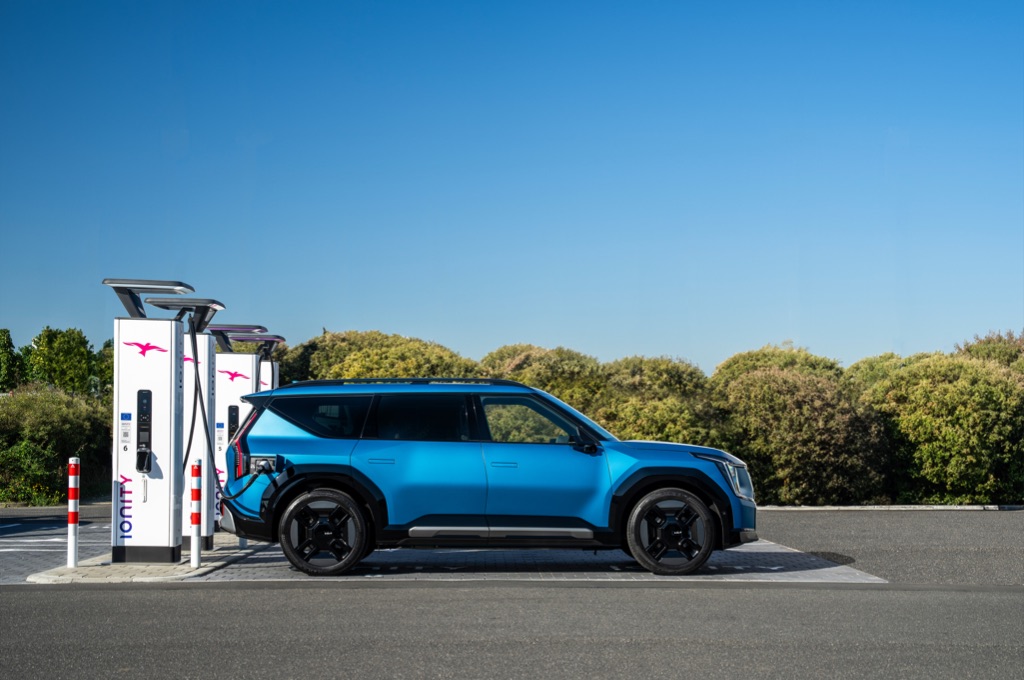
There are 14,458 rapid chargers and 15,076 ultra rapid chargers in the UK at the moment – it’s fascinating that those 150+kW units are really forging ahead, and for this September 2026 update suddenly the number of ultra rapid chargers has overtaken the number of rapid chargers.
Gridserve opened its first 400kW chargers at the end of 2025 and Ionity is known for its network of fast but pricey plugs – 400kW capable chargers (bear in mind that it's rare to meet the conditions needed to get the full juice out of an ultra rapid charger) are becoming the new normal.
The rapid chargers are mostly 50kW units from back when those were the fastest things around, and numbers of those have actually decreased this year where charge providers have upgraded to faster units.
Excitingly, there are much faster units on the way, and they might even have to come up with a new name for them that sounds even faster. BYD is planning to open 300 of its new Flash chargers before the end of 2026 that are capable of hosing 1,500kW of electricity into the right car.
Talk to me about hubs
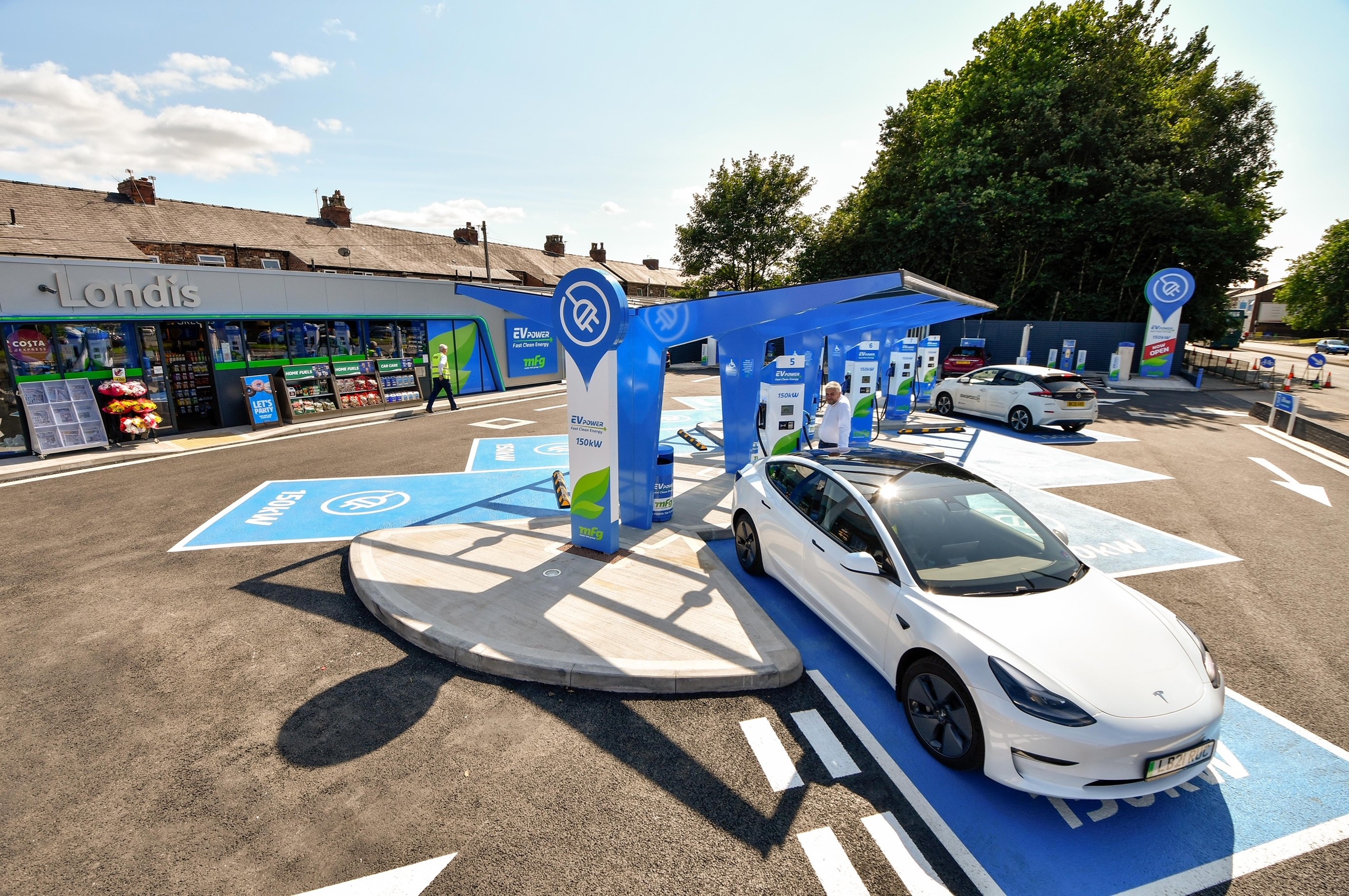
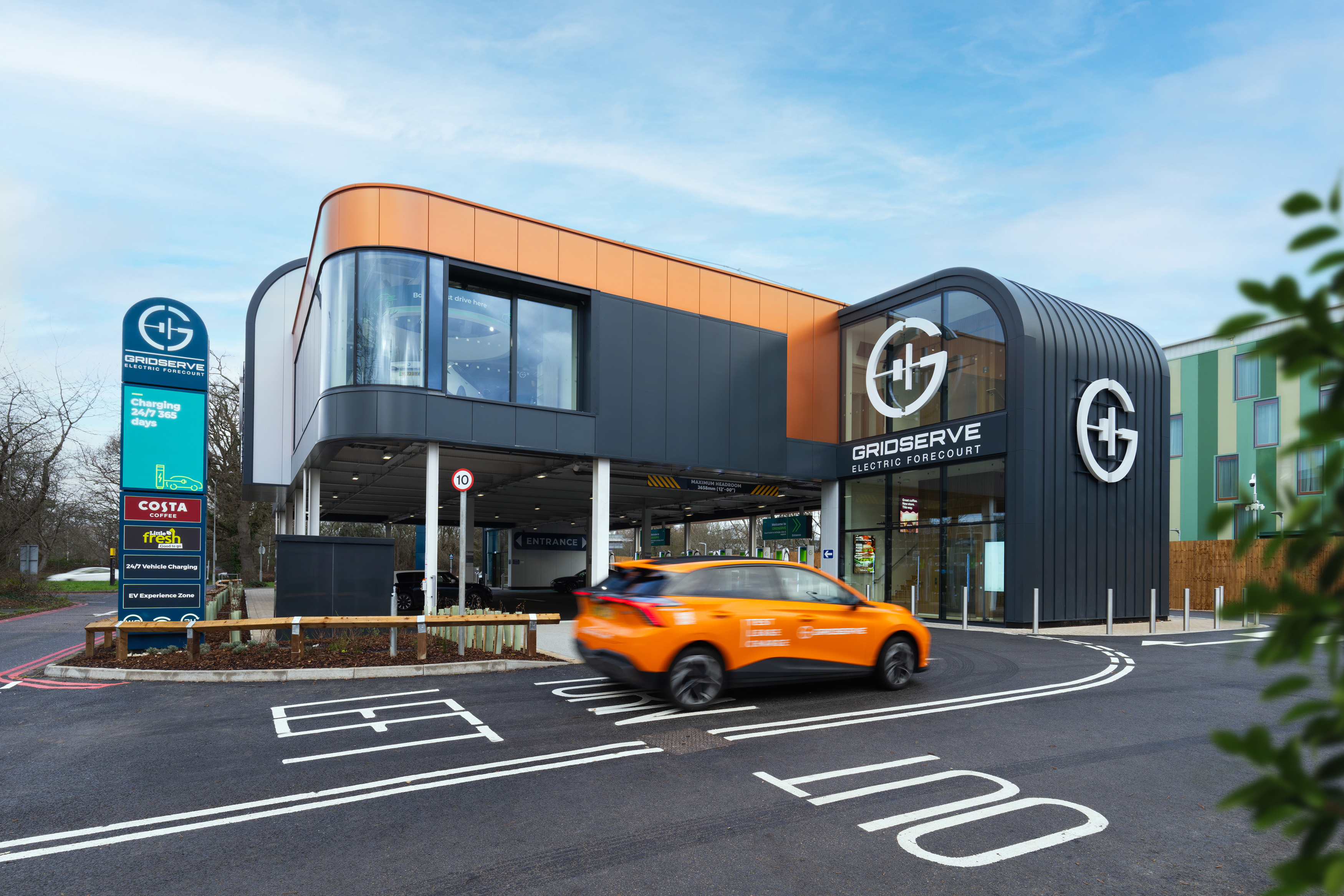
This is the exciting charge point revolution of recent years – it used to be you had to track down a solitary 50kW BP Pulse charger round the back of a Harvester, but now providers are building ‘hubs’ of chargers all over the place.
Zapmap classes these are eight or more rapid chargers in a single location, but you’ll find them at service stations, in shopping centre car parks or even in a service station-style setup like Gridserve, Ionity and Shell have been building.
These hubs are usually near some infrastructure (toilets, shops, cafes, etc) or they have their own infrastructure that you can use while you’re charging. Which saves you having to dip into a book or God forbid make conversation.
At the beginning of September 2026 the Zapmap figures show there were 1,069 rapid charging hubs across the UK open to all EVs, plus 65 hubs which are only available to Teslas. Already up by over 50 in 2026.
Where are all the chargers?
If we're talking street chargers, then three quarters of those are in London, though there are a lot of projects ongoing around the country in conjunction with local councils to increase provision for EV drivers who don't have access to home charging.
The most rapid/ultra-rapid chargers are located in the southeast of the country (4,129), not including the Greater London area which has another 2,637 it's hogging. The areas with the fewest rapid and ultra-rapid chargers are the northeast with a measly 1,001 and Northern Ireland with just 371. Both are climbing steadily though.
The majority of charging hubs are located along the UK's 'strategic road network', which basically just means motorways and important A-roads. Which is useful, because that's where you want them to be and queuing for a charger is really annoying.

How much does charging cost?
According to Zapmap’s figures from August 2026, it costs an average of 54p per kWh to charge on slow and fast charge points, versus 77p per kWh to charge on rapid and ultra-rapid chargers.
The price for standard/standard plus chargers has increased by 6% since last year, while rapid/ultra-rapid chargers have gone up by a mere 1%. This will be because of the increase in electricity prices following the US attack on Iran in February 2026 that has caused ongoing instability in the energy markets.
It’s worth noting that many providers offer discounts for using their apps, or with a monthly subscription (like Be.EV recently launched). MFG knocked 25% off its rapid charger prices during the summer of 2026 that you can still take advantage off if you read this before 30 September.