





 Battery size: 10 - 19 kWh
 Range: 34 - 65 miles
 Company car tax: 9 - 13%
 Max charge rate: 23kW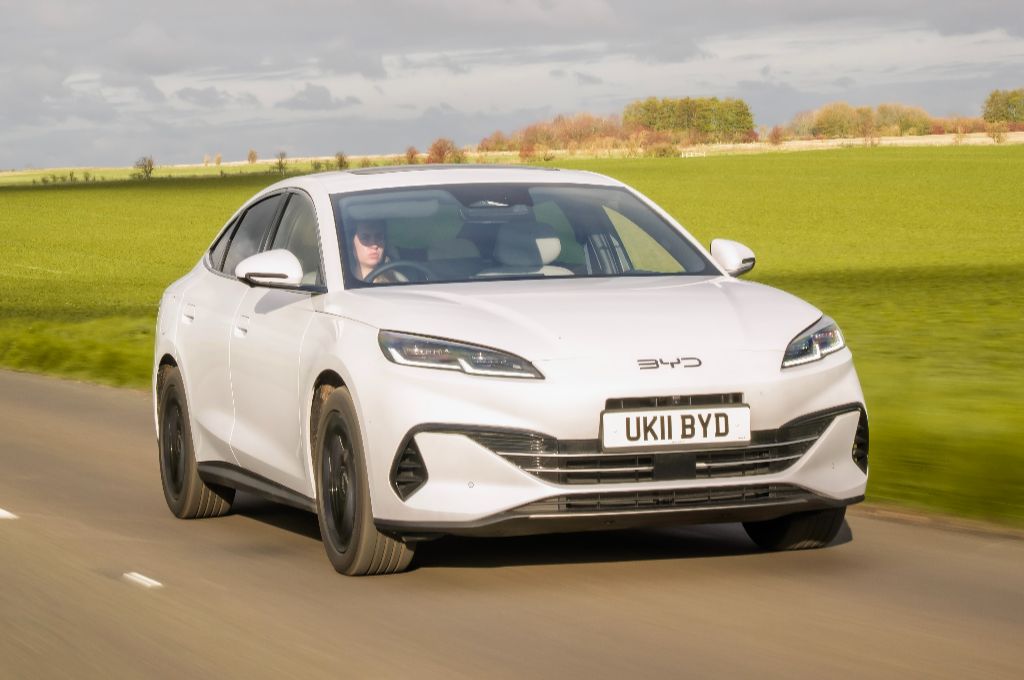



Introduction and model history
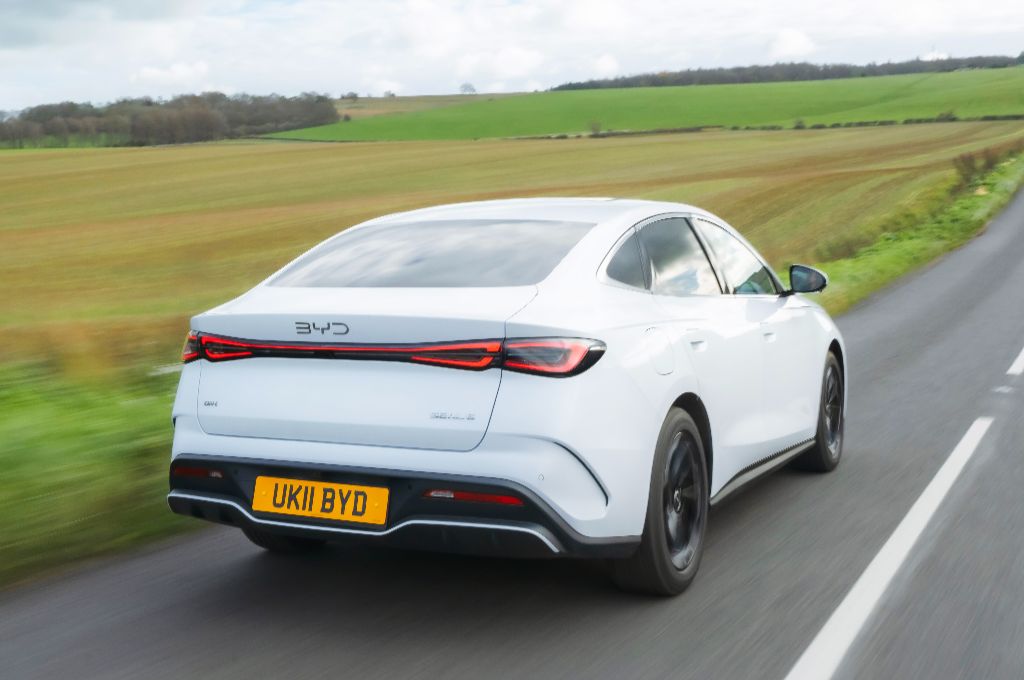
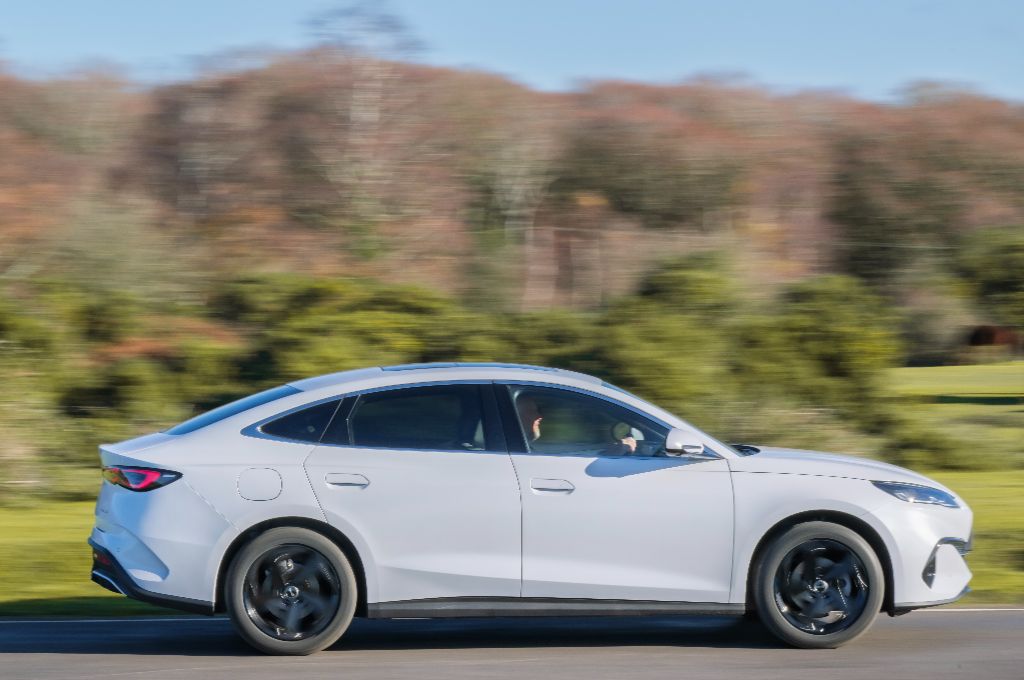
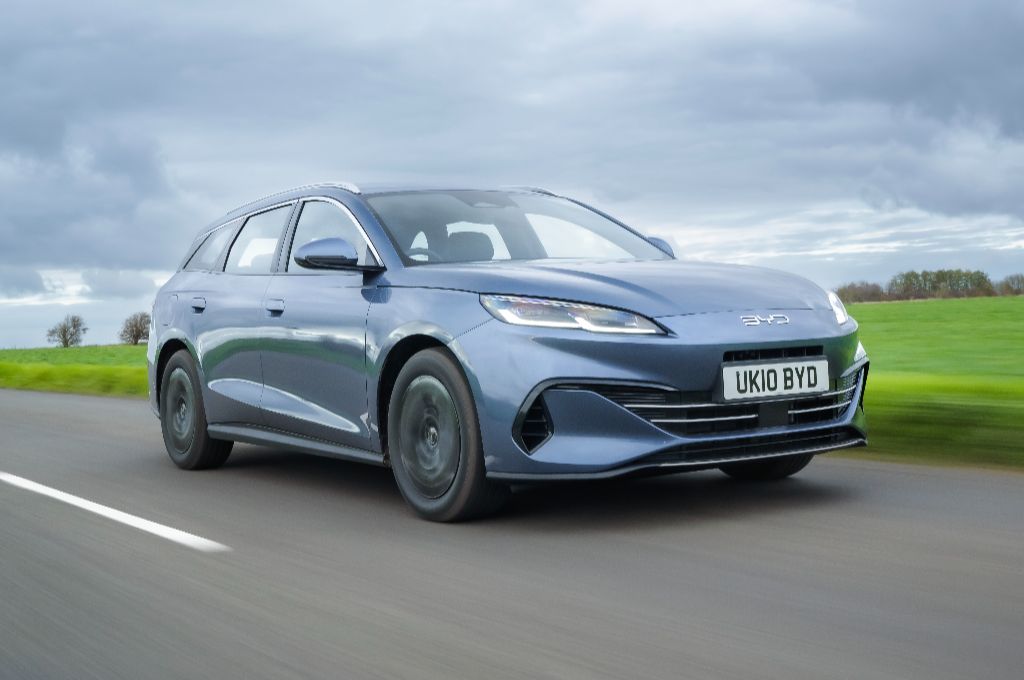
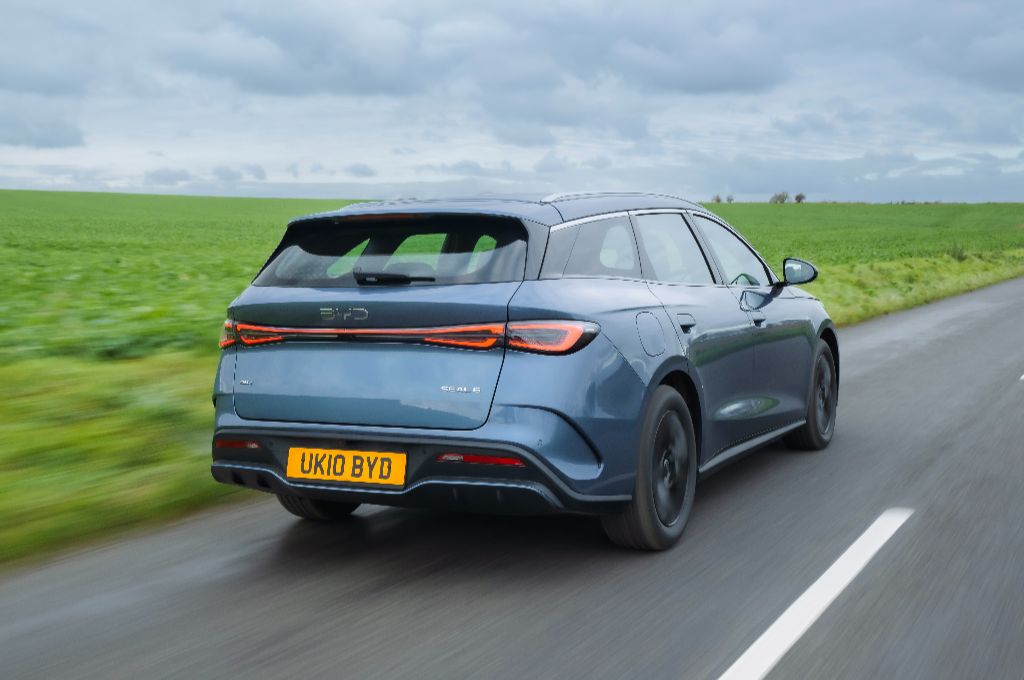
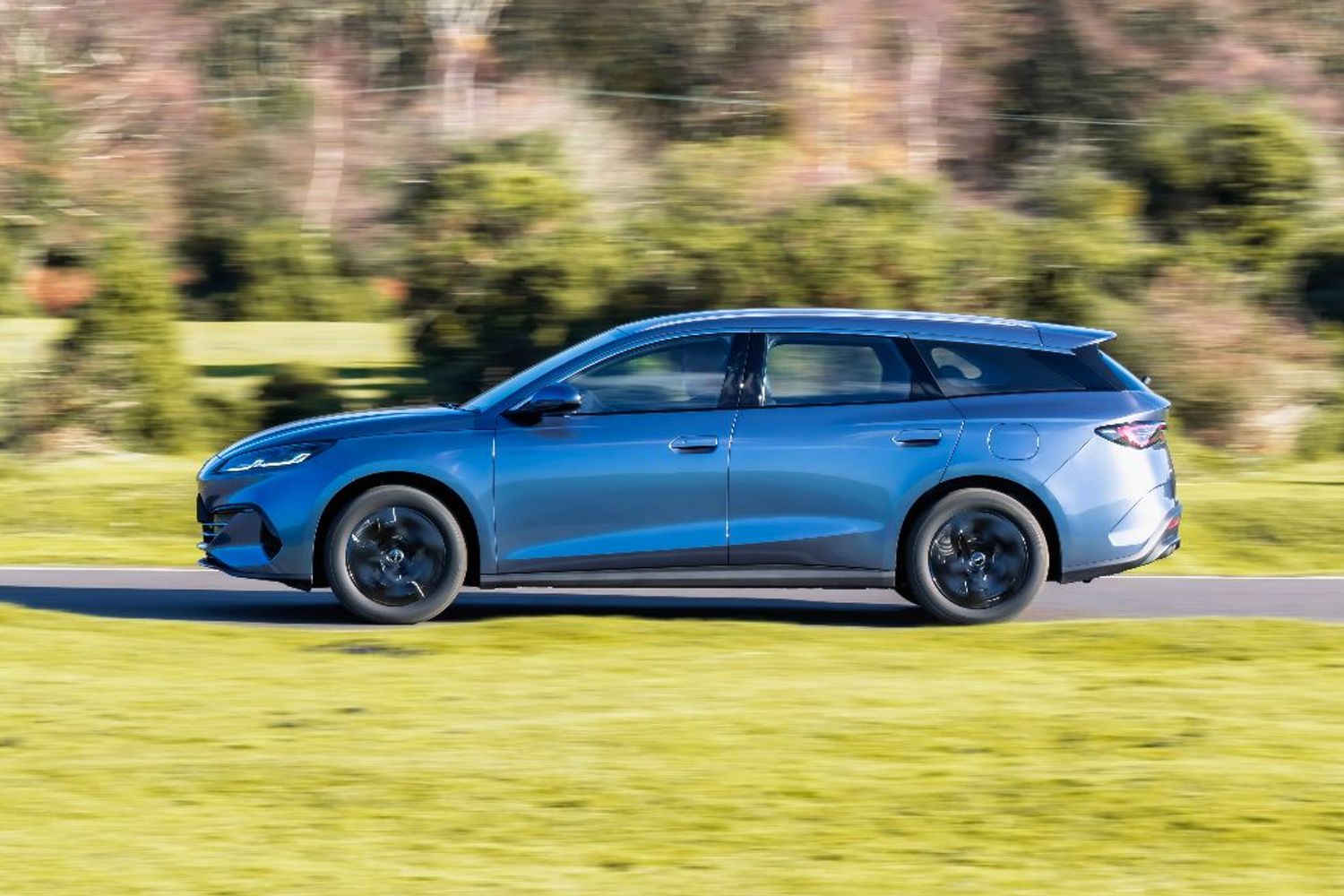
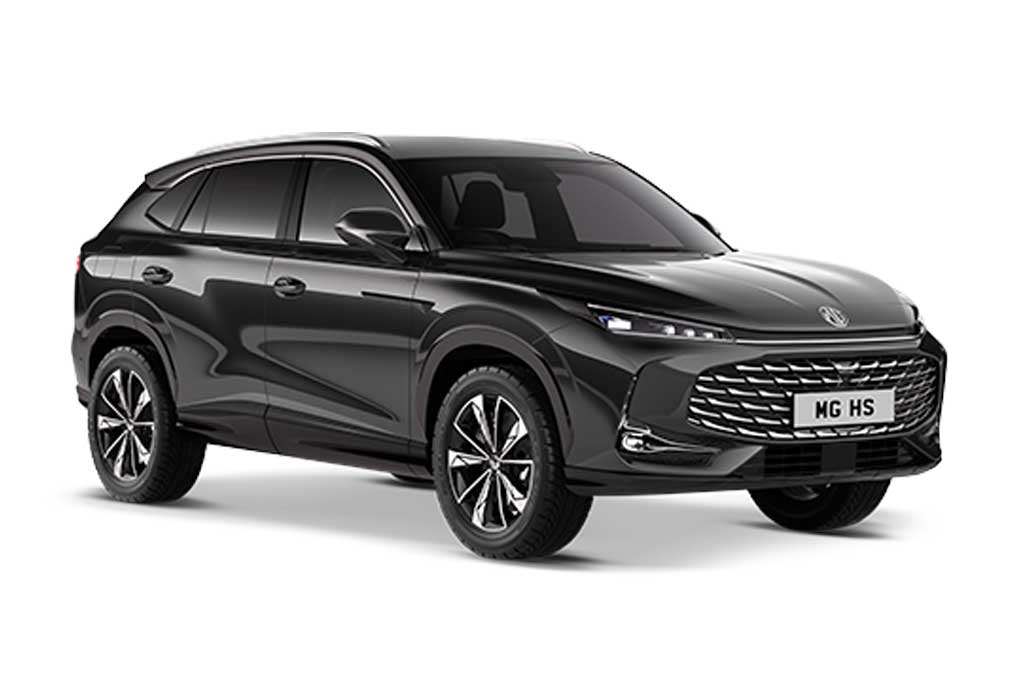
The BYD Seal 6 is a big family plug-in hybrid (PHEV) car that you can have in saloon or estate body shapes. At 4.8-metres long, it’s the ballpark size- and price of rivals like the Skoda Octavia and Superb iV, while the Peugeot 308 and Vauxhall Astra offer compelling hatchback or estate PHEV alternatives, and then there’s the MG HS, Cupra Formentor, Toyota C-HR and plenty more if you don’t mind an SUV.

It’s got plenty of competition, then, but the BYD Seal 6 DM-i is rare in that you can choose from two batteries to compliment the 1.5-litre petrol engine, which offer a maximum claimed range of 34- or 65 miles (a bit less than that if you go for the Seal 6 DM-i Tourer). It’s also got a lot of equipment and tech for a very competitive price of around £34,000- to £38,000, which will make it appealing for both retail and company car buyers, although if are a business user who’ll be paying Benefit in Kind tax it’s worth noting that there are other PHEVs with longer electric range that fall into lower tax bands.
Range, battery and charging
You can choose between a 10.08- or 19kWh LFP Blade battery in the BYD Seal 6 DM-i (which stands for Dual Mode and is the label attached to all of BYD’s PHEV models). The smaller battery is standard on the entry-level Seal 6 Boost model, and is good for between 31- and 34 miles of electric running depending on whether you go for the Seal 6 DM-i Touring estate or saloon.
Go for the Comfort model and you get the 19kWh battery for an electric range of between 62- and 65 miles. That's pretty good, but not class best. It's better than a Jaecoo 7 PHEV, but not as good as the MG HS, VW Golf and Skoda Octavia iV, all of which have longer claimed electric range.
As for real-world range, I suspect you’ll see more like 20- to 25 miles from the Boost, and 50- to 55 miles from the Comfort, but we’ve only had a drive in the smaller battery car over one day’s winter driving, so watch this space and we’ll come back to you with more thorough real-world range figures.

Every version of the Seal 6 PHEV gets a 1.5-litre petrol engine, which can work on its own or with the electric motor in the company's 'Super Hybrid' system. You can also set the Seal 6 to save some of its battery charge for later in the journey and rely on the petrol engine in the meantime – which can make a lot of sense if you’re driving on the motorway and will finish your journey in the city, where electric powertrains are more efficient and more welcome. Naturally, there’s also the option to select EV mode, or you can select hybrid mode and let the car do its own thing.
The Seal 6 Boost gets slow AC charging of up to 3.3kW – which isn’t a whole lot faster than just charging from a normal three-pin plug, but because the battery’s quite small it’ll still be charged in some three hours, so it doesn’t really need faster charging than that. The Comfort gets AC charging of up to 6.6kW, which will charge the bigger 10kWh battery in 2.5 hours, and it also gets DC rapid charging of up to 26kW for an 80% top-up in 23 minutes.
Practicality and boot space
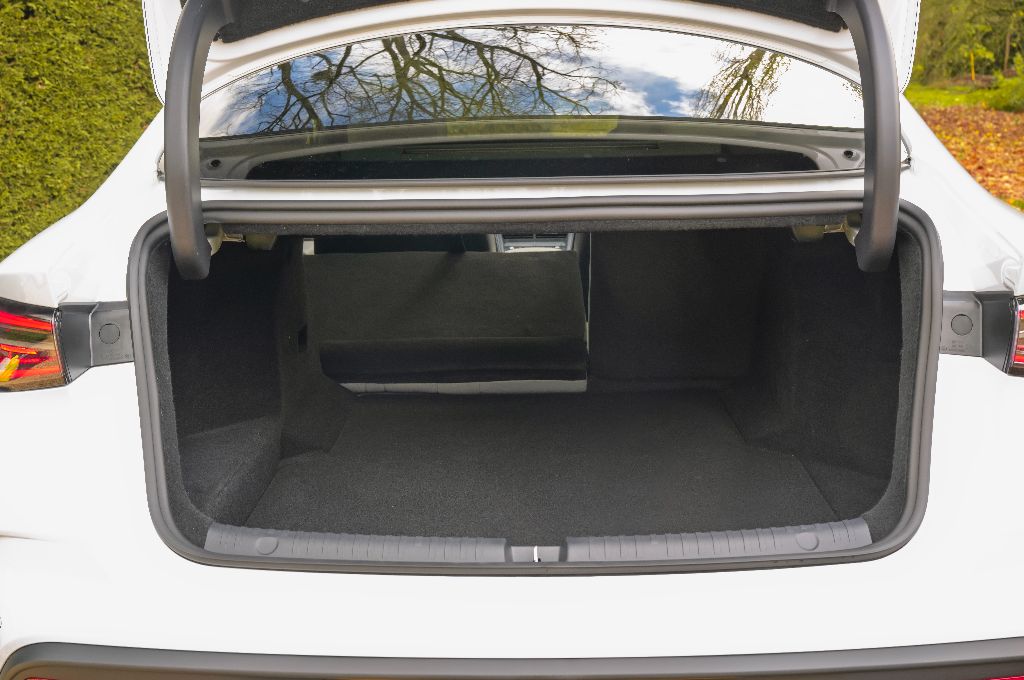
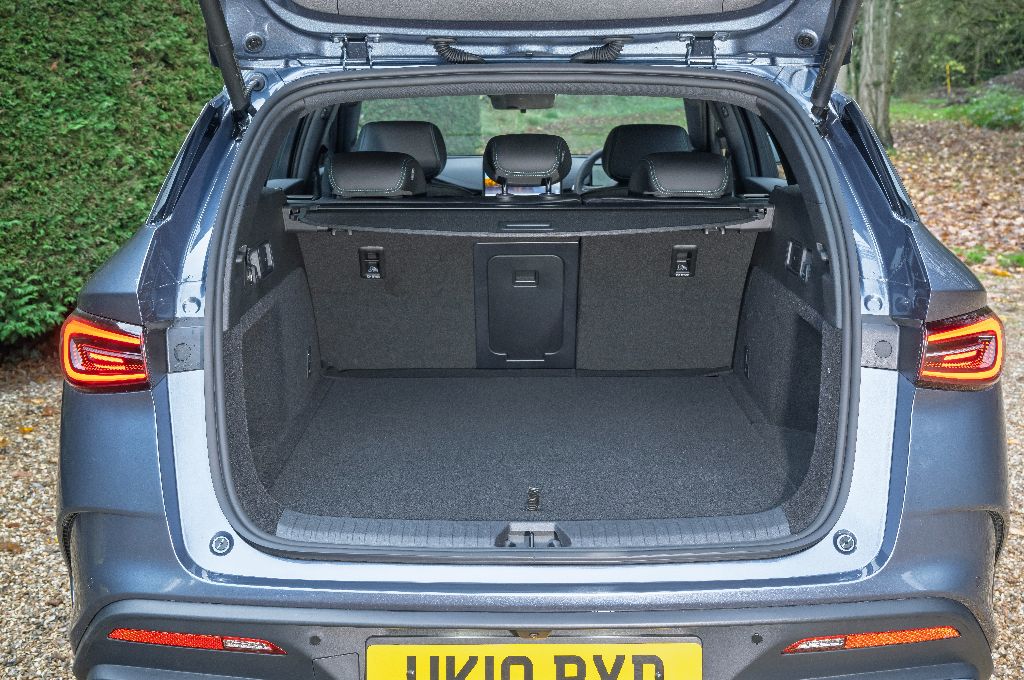
The Seal 6 PHEV saloon gets up to 491-litres of space, while the Touring (what we call an estate, at Electrifying…) gets up to 500 litres, which isn’t a huge difference in sheer load capacity but the Touring’s bigger aperture will make a big difference to the car’s usability if you need to load chunky stuff – like a big buggy, the family hound or a set of golf clubs. I’d definitely go for the estate, myself, because I love an estate. The saloon Seal 6 DM-i has a decent sized boot aperture by the standards of saloons, but it’s still very limiting for a family car, especially. The rear seats fold flat easily with a manual release, and leave a smooth but sloped extended load bay.

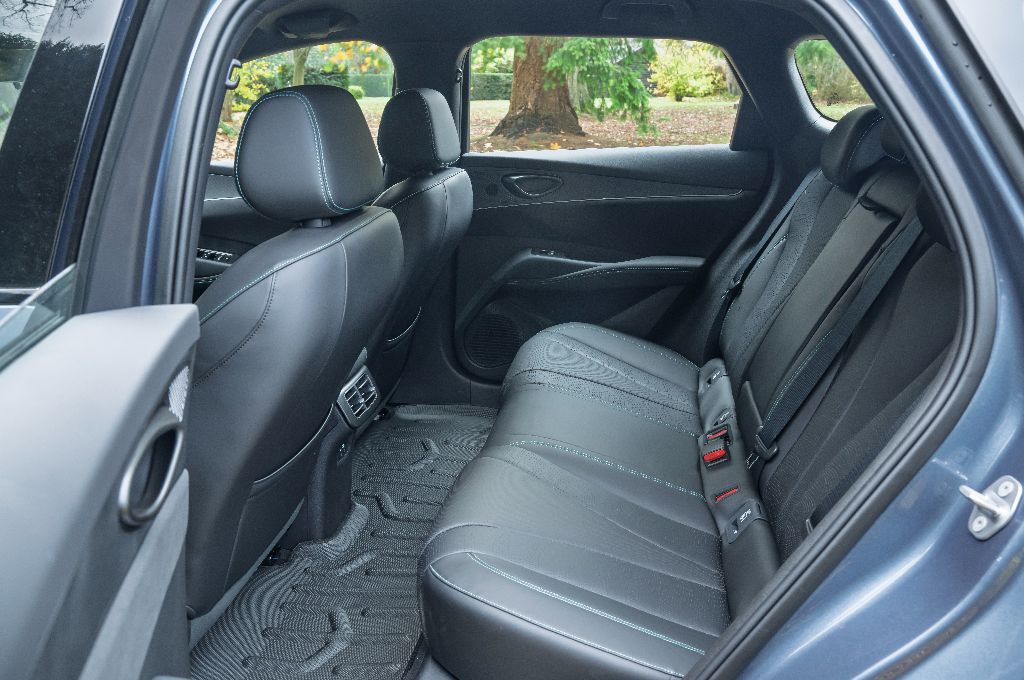
There’s loads of legroom in the rear seats, and you get a couple of pairs of Isofix fittings, so it’ll be good for bulky car seats. If you’ve got lanky teens to accommodate, though, make sure they try the Seal 6 out before you buy. It’s not bad, but the floor feels a touch high, so can make long-legged people feel like their knees are bent upwards a bit, and headroom is okay but not as good as in a (much more expensive) Skoda Superb iV, for instance. You get a panoramic roof in the Comfort model, which makes it much brighter back there. Every model gets a couple of USB-C charging ports for rear passengers, which should help to keep the kids tablets charged. Check out the funky floor mat in the Seal 6, too! There aren’t enough non-slip car mats, for my liking. I’m a big fan of these.
Interior, design/styling and technology
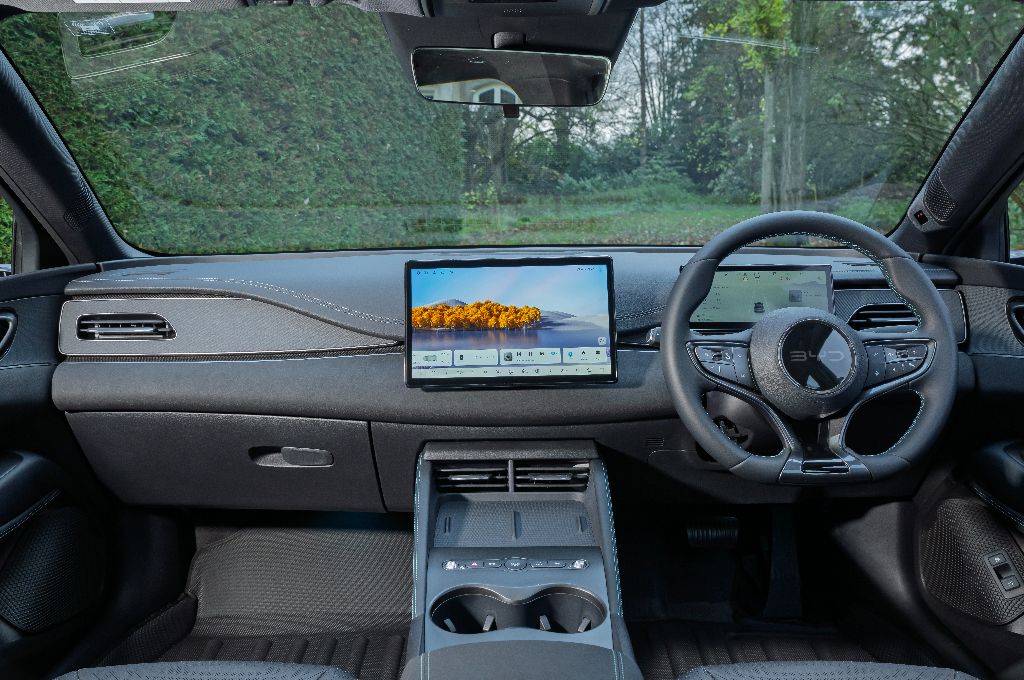
The Seal 6 DM-i has an uncomplicated but pleasant dash, with materials that feel decent if not quite as good as you get in the Peugeot E-308, Cupra Leon (both of which you can get as hatch- or estate plug-in hybrids for a similar price to the BYD Seal 6 DM-i). The driving position is decent, and every Seal 6 gets vegan leather upholstery and electric driver’s seat adjustment and heated steering wheel, although it’s very weird that you don’t get heated seats unless you go for Comfort – which gets heated- and ventilated seats.

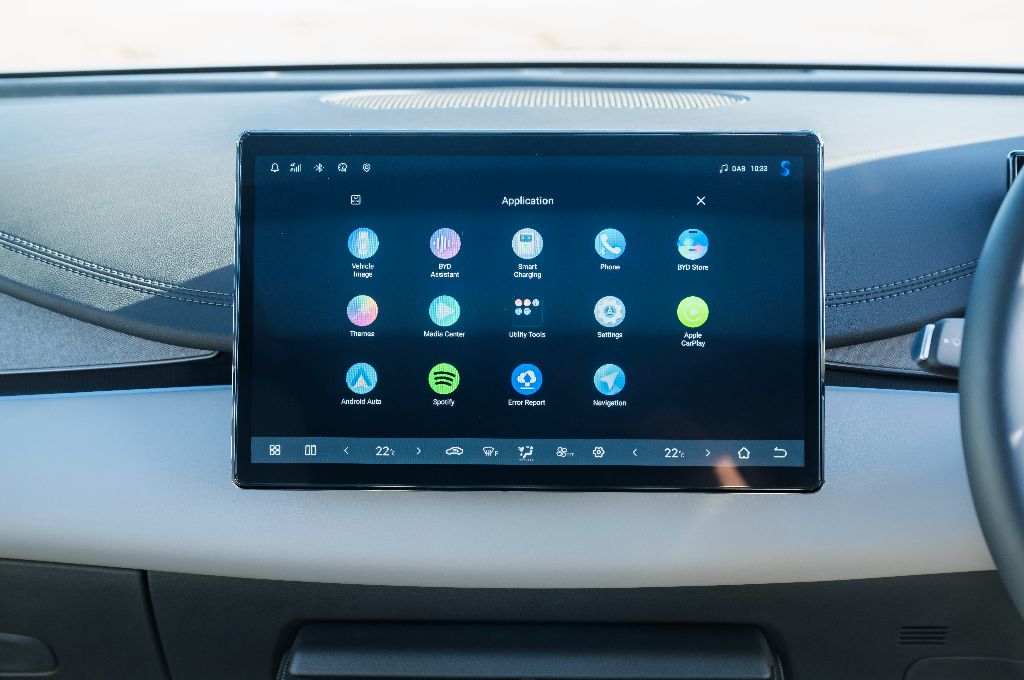
Boost models get a 12.8-inch touchscreen while Comfort models get a 15.6-inch screen, both of which have all the features you want including wireless Apple CarPlay and Android Auto. The screen responds quickly enough, and I found the voice control fairly responsive, so it’s not a bad system. I just wish that it was a bit easier to switch off the assistance systems – especially the driver awareness warning that kept misreading sunlight reflected on my glasses as me not looking at the road.
The Seal 6 PHEV has been awarded a five star Euro NCAP rating, and comes with all the semi-autonomous driver assistance systems you’d expect.
Motors, performance and handling
The BYD Seal 6 DM-i is disappointing to drive, to be honest. I drove the smaller battery Seal 6 DM-i Boost, and despite the small 17-inch alloy wheels and chunky tyre side walls, the ride is busy and lumpy around town, while the steering feels very numb. I wasn’t expecting it to be a terrifically exciting car to drive, but I’d hoped that it’d be relaxed and natural – a bit like the Skoda and Octavia PHEVs are, but the Seal 6 PHEV manages to feel wallowy with heavy body lean, yet also unsettled over most road surfaces.

The powertrain does the job. You can't get a four-wheel drive Seal 6; there's only the front-wheel drive, 212hp plug-in hybrid powertrain that we're driving, here. It's a nice enough engine to potter around in when you’re relying on EV mode, and it’ll get up to motorway speeds without waking the 1.5 petrol engine if you want it to. It’s not hugely fast, with a 0-62mph of between 8.5- and 8.9 seconds, but it feels rapid enough provided you don’t mind the coarse, boomy petrol engine revving noisily.
Of course, the Seal 6 gets an automatic transmission as standard, which actually doesn’t do a bad job of blurring gearshifts and shifting between petrol- and electric power, so that’s less likely to bother you than the tiresome ride comfort and refinement.
Running costs and pricing
The Seal 6 is very well priced, and undercuts many of the similarly-sized rivals that I’ve mentioned. Although the entry-level Boost is tempting, I’d definitely suggest that you go for the Comfort if you possibly can. It’s an additional £3,000, but you’re getting nearly twice the electric range, faster charging and lots more equipment including an eight-speaker sound system upgrade, wireless phone charging, pano roof and the bigger touchscreen. Given that most buyers will be paying monthly PCP, and you can get both the Boost and Comfort Seal 6 for under £400 per month with a low deposit, the difference in actual cost to you may be smaller than you think.

As for company car users, the BYD Seal 6 DM-i makes a decent car if you're paying Benefit in Kind, provided you go for the Comfort model with its longer electric range and lower Benefit in Kind (BiK) company car tax band. Even then, there are cars that fall into lower tax bands including the MG HS PHEV.
Every new BYD comes with a 6 year, 93,750 mile warranty, while the high voltage battery is covered for eight years and 100,000 miles.
Verdict
The BYD Seal 6 DM-i is fine in terms of its practicality, equipment and pricing, but it is a shame that BYD haven’t made it more comfortable and enjoyable to drive. It doesn’t need to be sporty and fun, it just needs to be calm and relaxing, but the ride comfort and refinent mean that it misses the mark on those crucial fronts. It’s good value, and well equipped, so don’t discount it if you can get a deal to suit you. But there are much more satisfying plug-in hybrid family cars out there.


 8
8