





 Battery size: 18 - 30 kWh
 Range: 51 - 84 miles
 Max charge rate: 30 - 60 kW
 E-Rating: C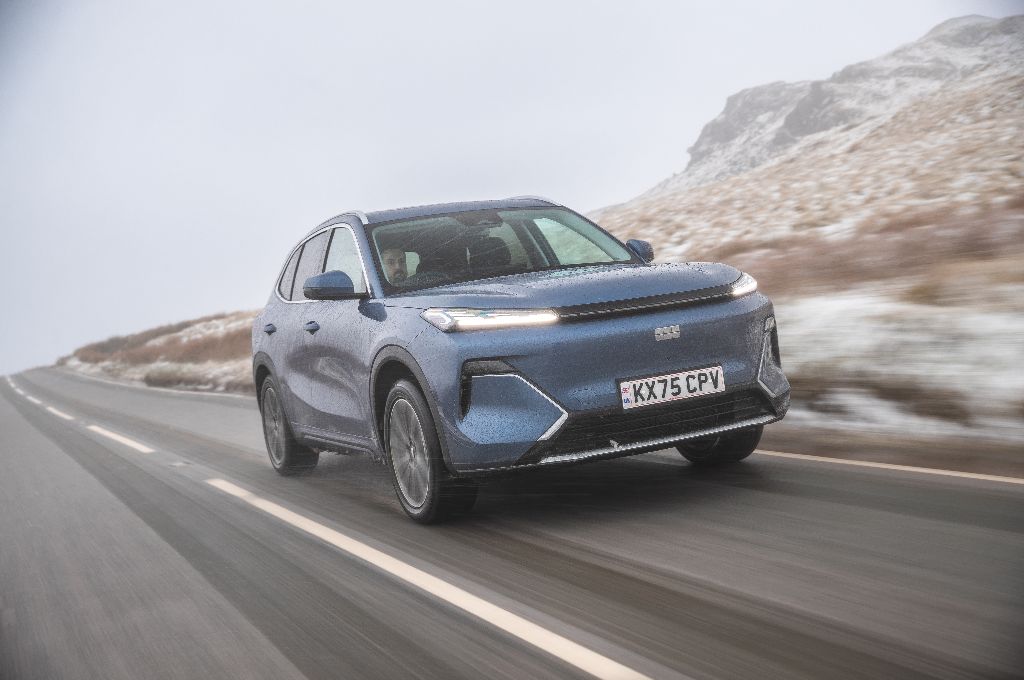



Introduction and model history
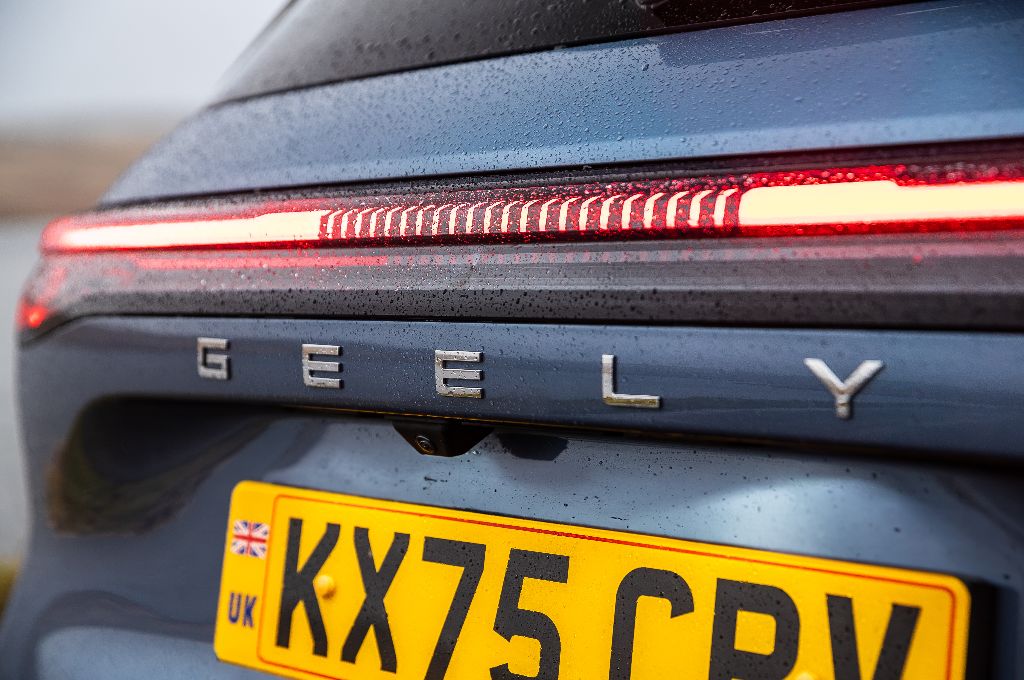
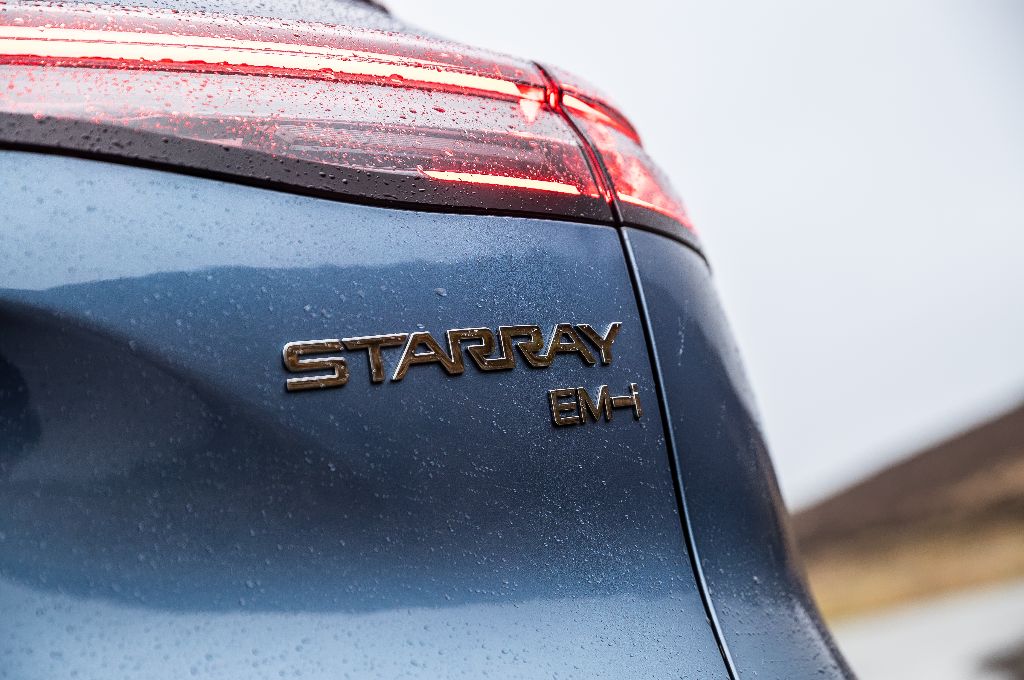
Shall we start with who Geely is, and then we’ll tackle what on earth the Starray EM-i is? Yes, let’s do that. Geely is actually a vast Chinese car maker, which has been making motorbikes in 1994 and cars in 1997. Things moved rapidly, and in 2010 Geely had the funds to buy Volvo. Today, it also owns (or has controlling stake in) Polestar, Smart, Lotus, and Zeekr. Oh, and I nearly forgot LEVC, which you may not have heard of but which makes all of the plug-in hybrid black cabs that you see around London.
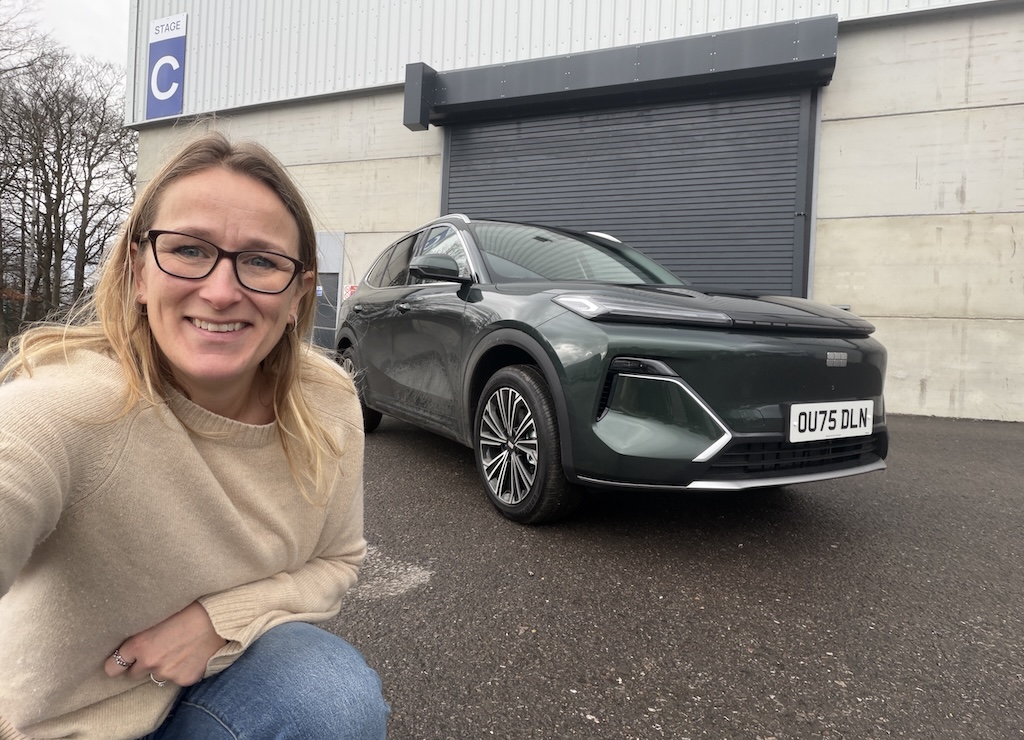
Basically, Geely is a huge worldwide manufacturer with the clout to really worry (if not actually buy) a lot of the established car brands that it’s competing with. We’re not talking about a startup, here.
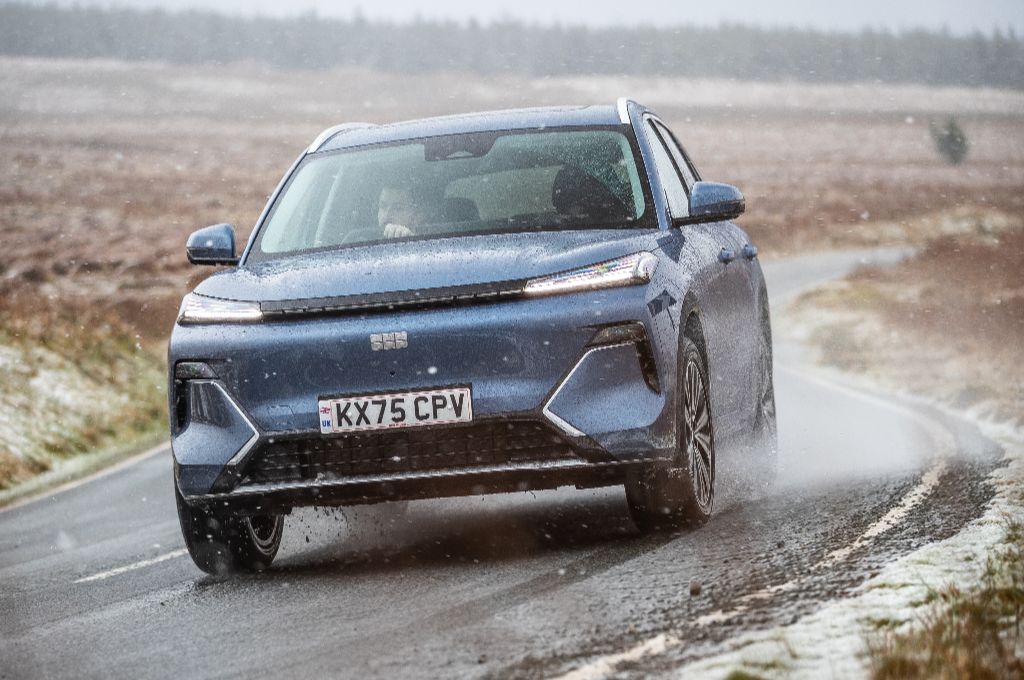
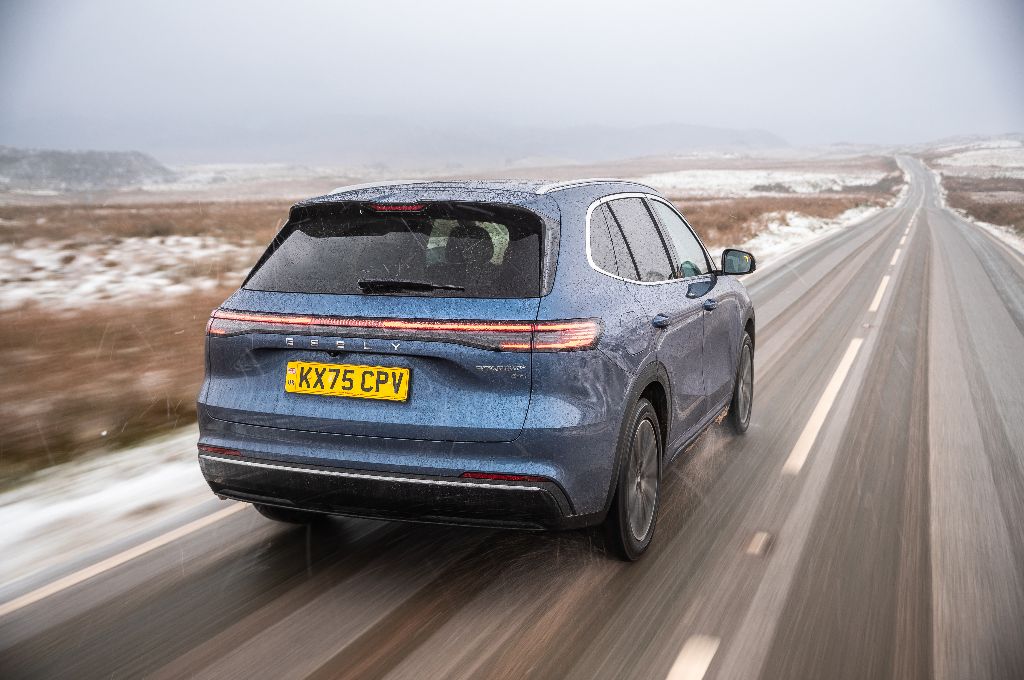
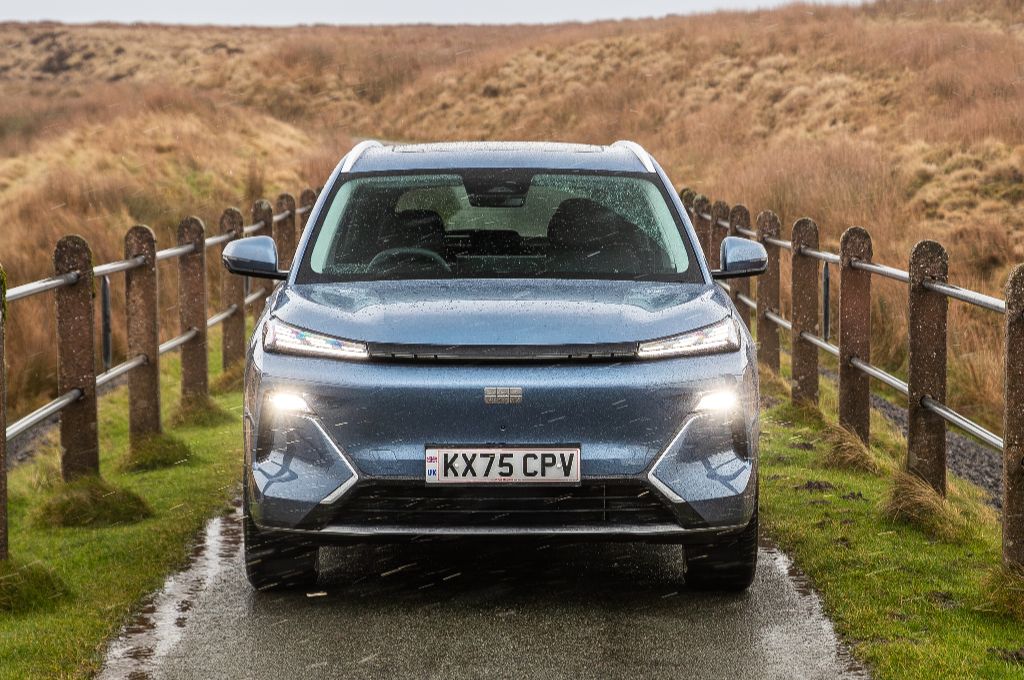
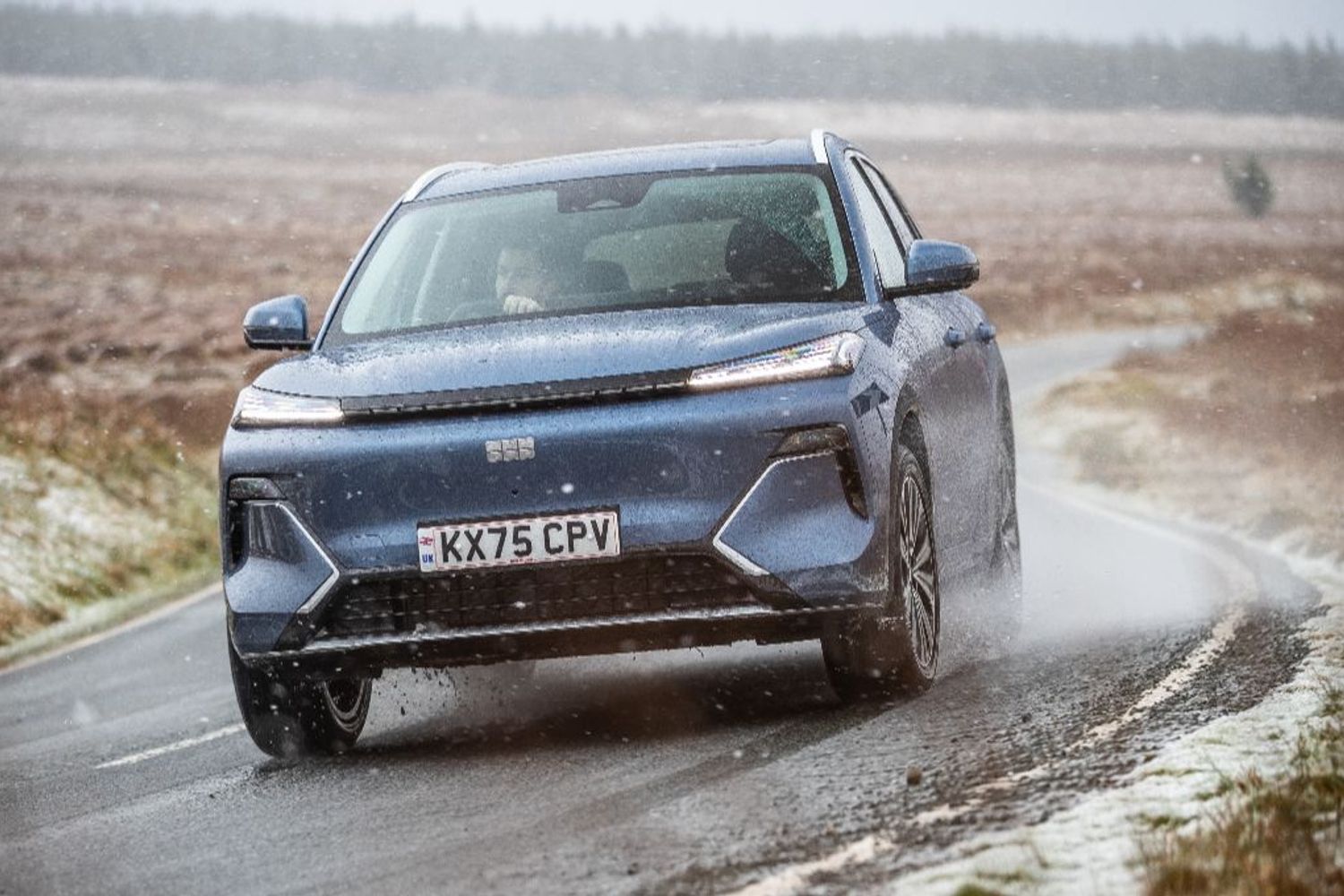
Anyway, I went and had a drive in the new Geely Starray EM-I, which is the medium-sized plug-in hybrid family SUV. Complete with a 1.5-litre petrol engine and a couple of battery options delivering electric range of either 51- or 84 miles – it’s the PHEV equivalent of the electric Geely EX5 that Ginny drove recently.
Range, battery and charging
Complete with a 1.5-litre petrol engine and a couple of LFP battery options of 18.4- or 29.8kWh, delivering electric range of either 51- or 84 miles, the ‘super hybrid’ powertrain in the Geely Starray EM-i has really competitive electric range – even if options like the Omoda 9 go a bit further on battery power.

I haven’t had a chance to drive the Geely Starray with a full battery for a proper range test, but I would estimate that you’d get a real-world range of around 40- or 70 miles, depending on which battery you opt for. I can tell you that fuel economy with the engine in use over varied roads is a bit underwhelming. I spent most of my time on town and b-roads, and while the Starray flicks into electric power regularly and also allows you to gain electric power using the petrol engine, I still only managed around 42mpg. Mind you, if you can plug in regularly and use the electric running most of the time than the Starray will be really cheap to fuel – especially if you use a cheap overnight tariff.
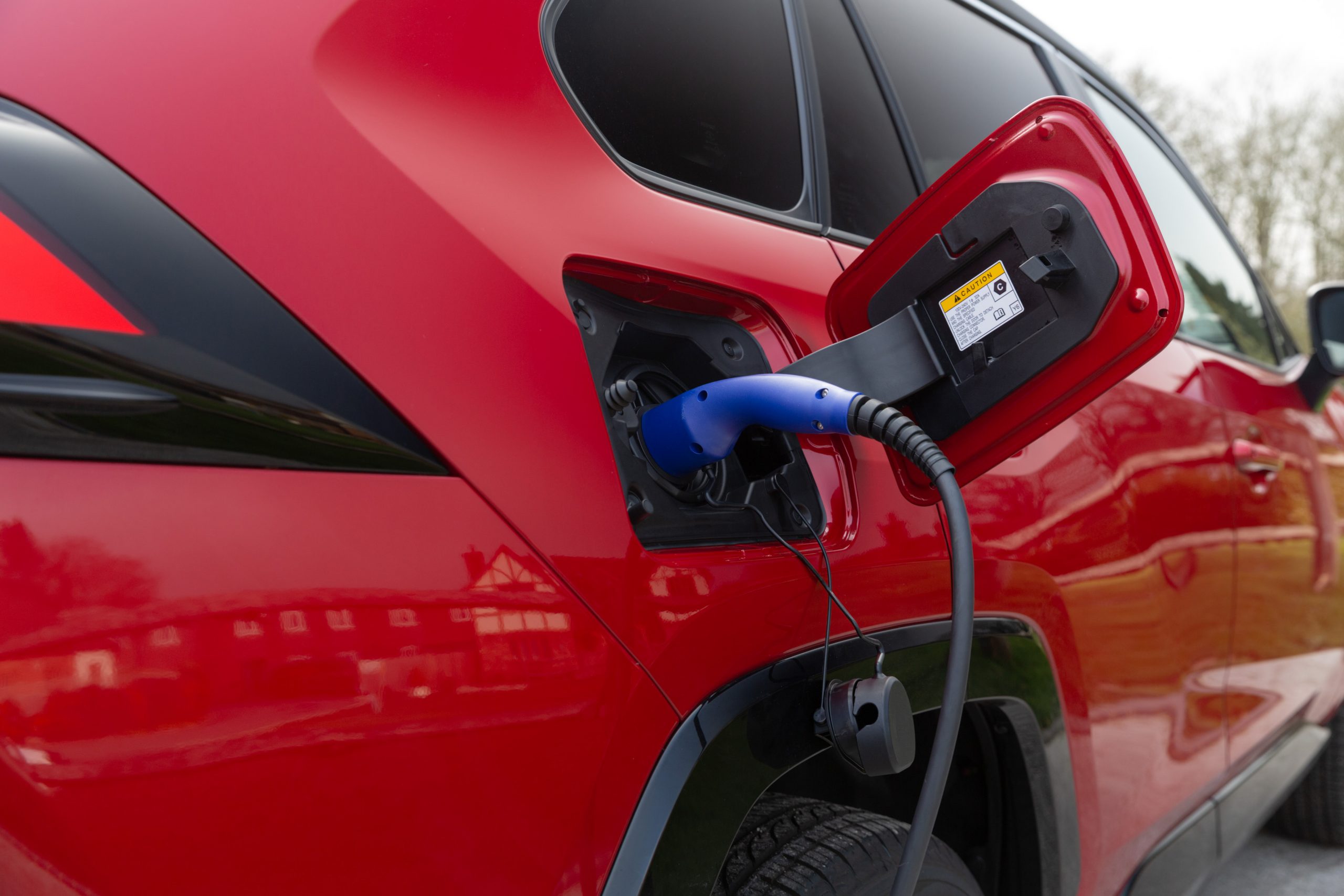

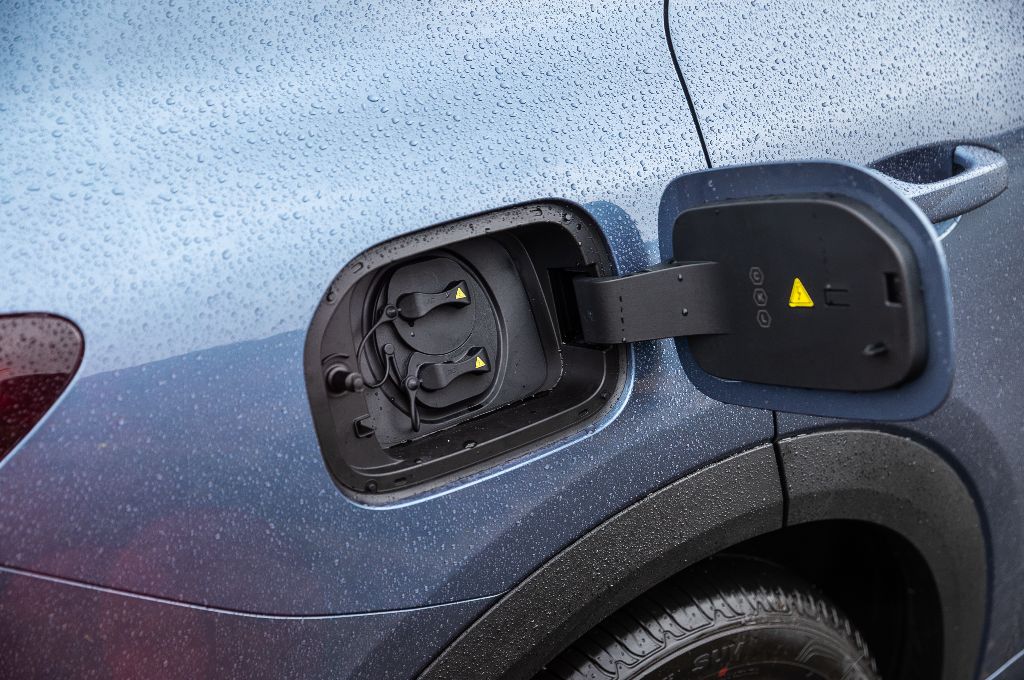
The smaller battery has rapid charging of up to 30kW while the bigger battery manages 60kW, which is good enough for a 20- to 80% rapid charge in under 20 minutes in both versions. Most owners will rely on a 7kW home charger, which will charge the Starray EM-I in around 4- or 6 hours depending battery size.
Vehicle-to-load (V2L) is standard on the Starray EM-i, which allows you to power your devices from the car’s high voltage battery. Perfect for boiling the kettle on that camping trip.
Practicality and boot space
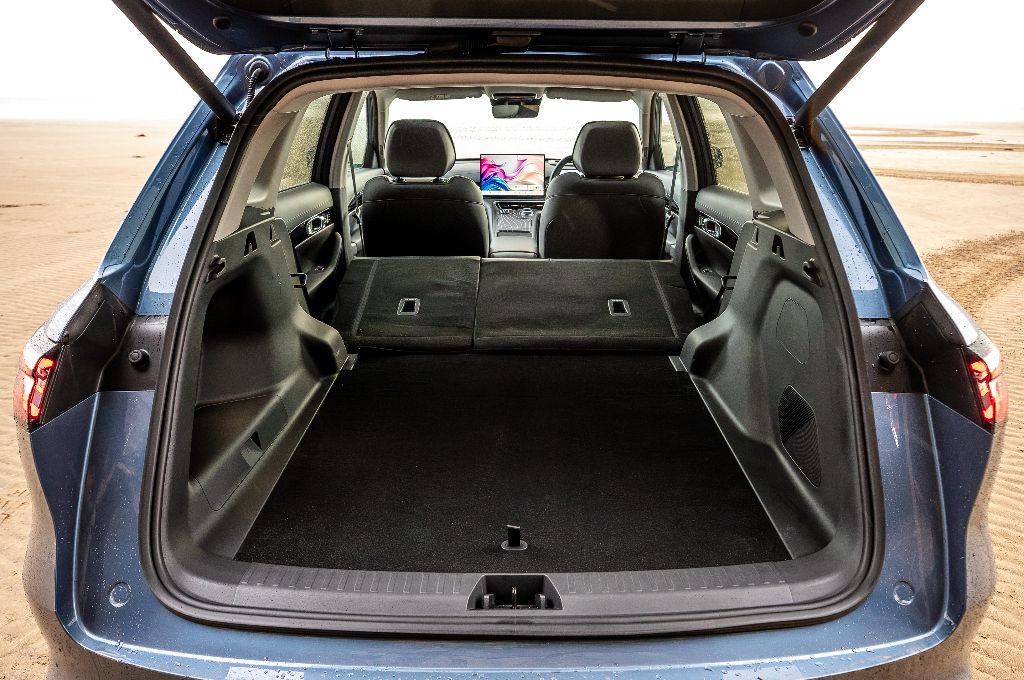
The 528-litre boot in the Starray is a really good size. You get underfloor storage, and rear seats that fold flat in a 60/40 split, and it’s big enough that golf enthusiasts will be able to squeeze in a couple of sets of clubs.

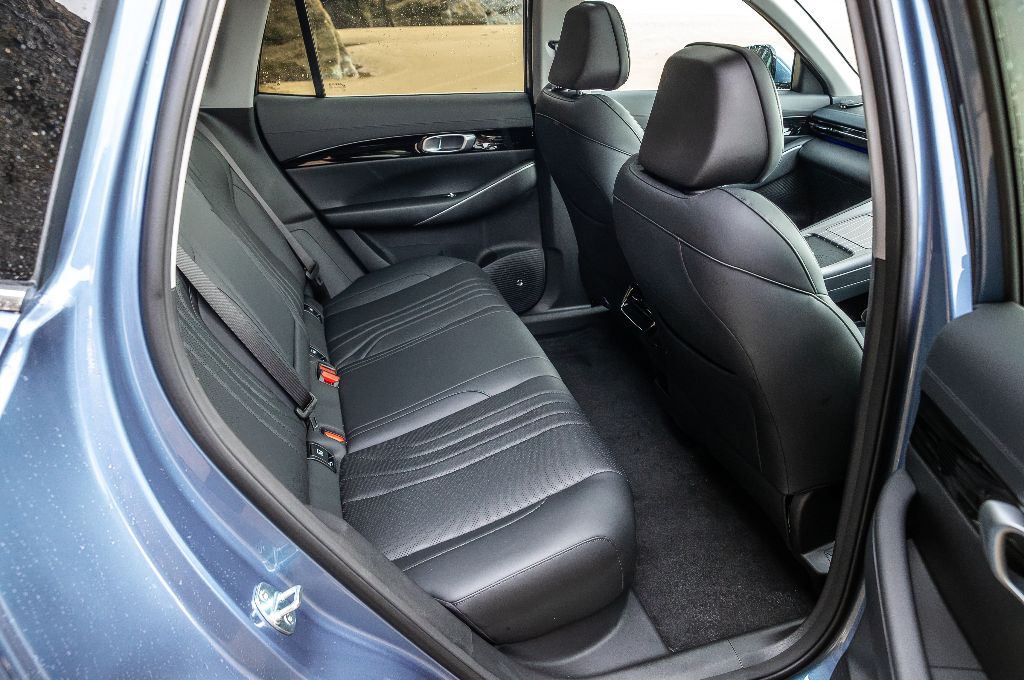
There’s a huge amount of rear passenger space, too, but you have to go for the mid-spec Max or Ultra models to get the centre rear armrest. There are three sets of Isofix fittings, too, including one on the front passenger seat.
Even very tall drivers will be comfortable in the front of the Starray; this is a big car, and I was conscious of that but I also enjoy the high-set, SUV stance that you get.
Interior, design/styling and technology
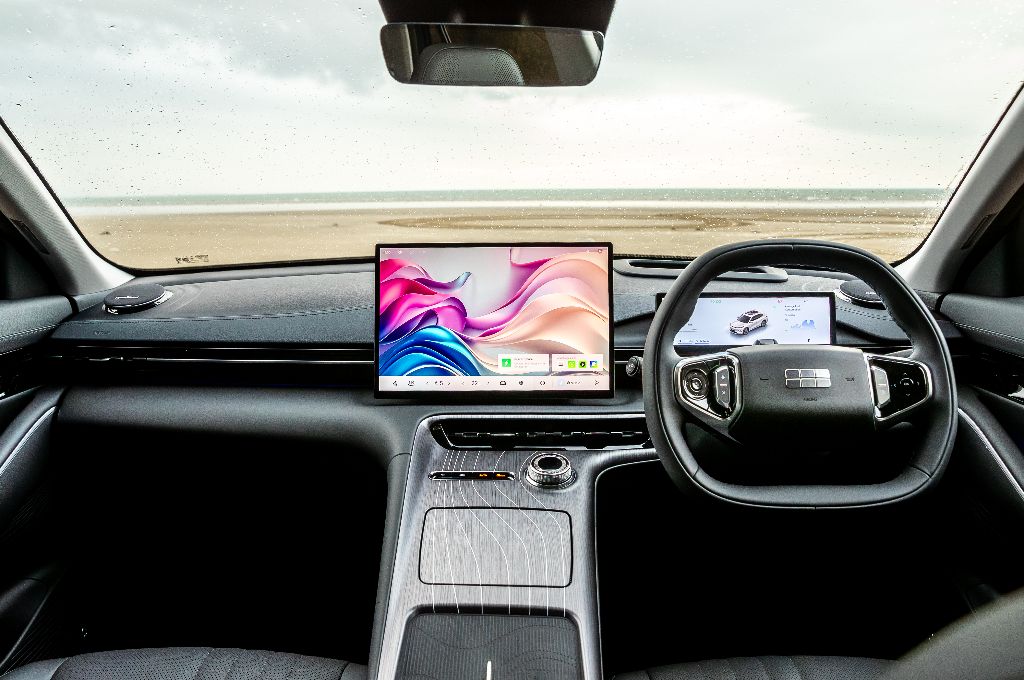
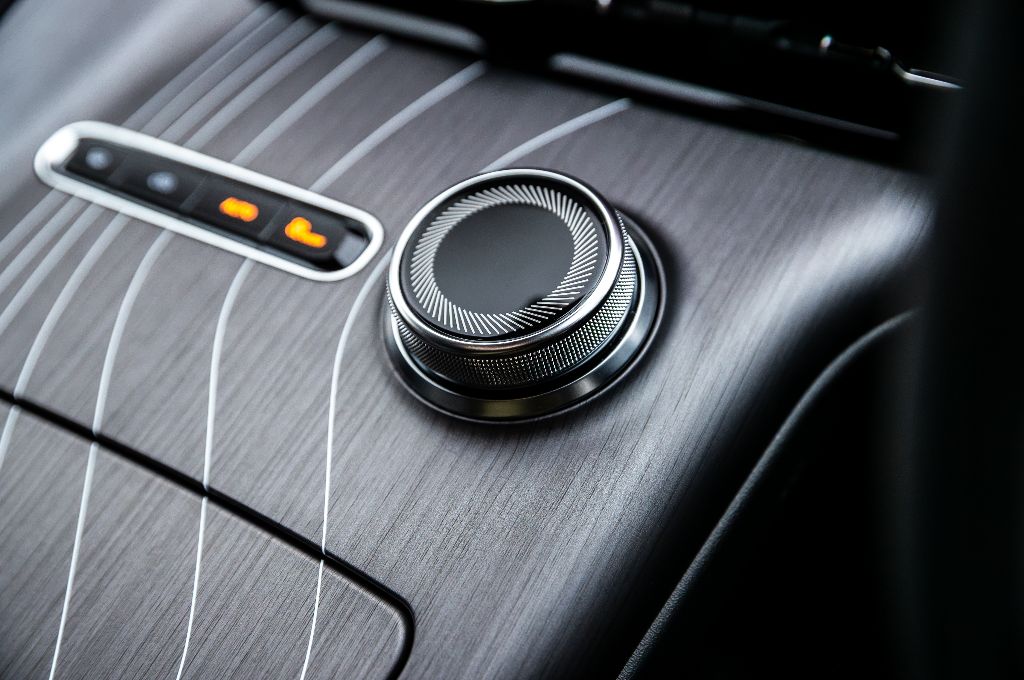
The Starray’s interior is clean and modern, and the leatherette upholstery and dash finish look good and feel nice to the touch, and there’s loads of storage in the open area beneath the consol (great for a secure place to chuck your handbag), as well as in the door pockets and centre cubby.

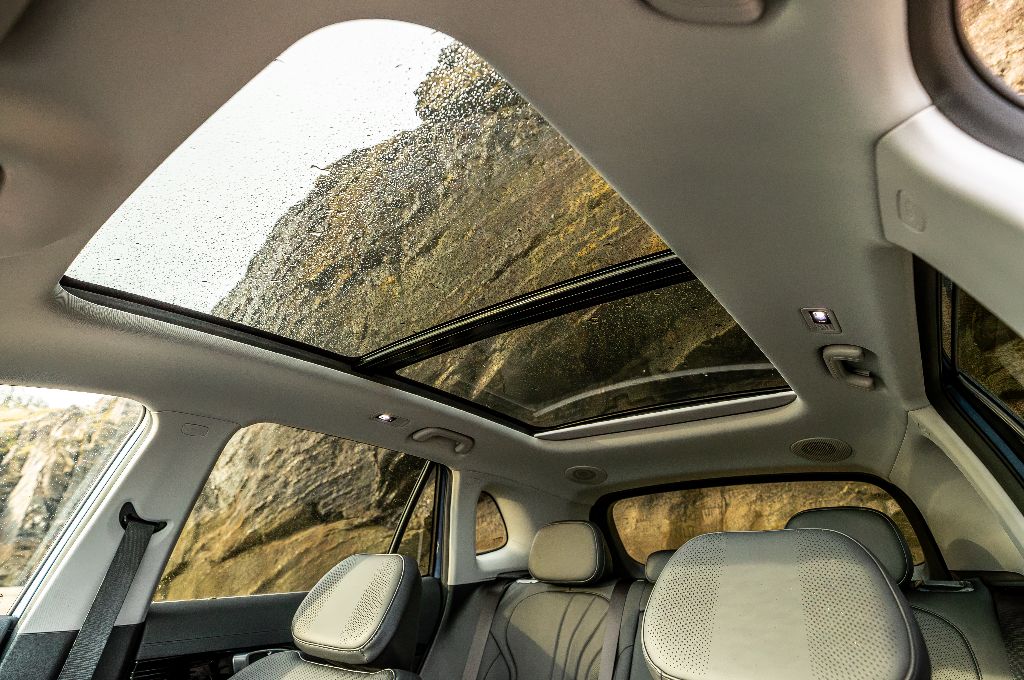
If you go for the Max or Ultra models, you get 256-way ambient lighting. Which sounds like almost too much choice, to be honest. More importantly, you also get the panoramic glass roof, which really helps to make it feel light and airy, so I’d say it’s worth the extra over entry-level Pro.
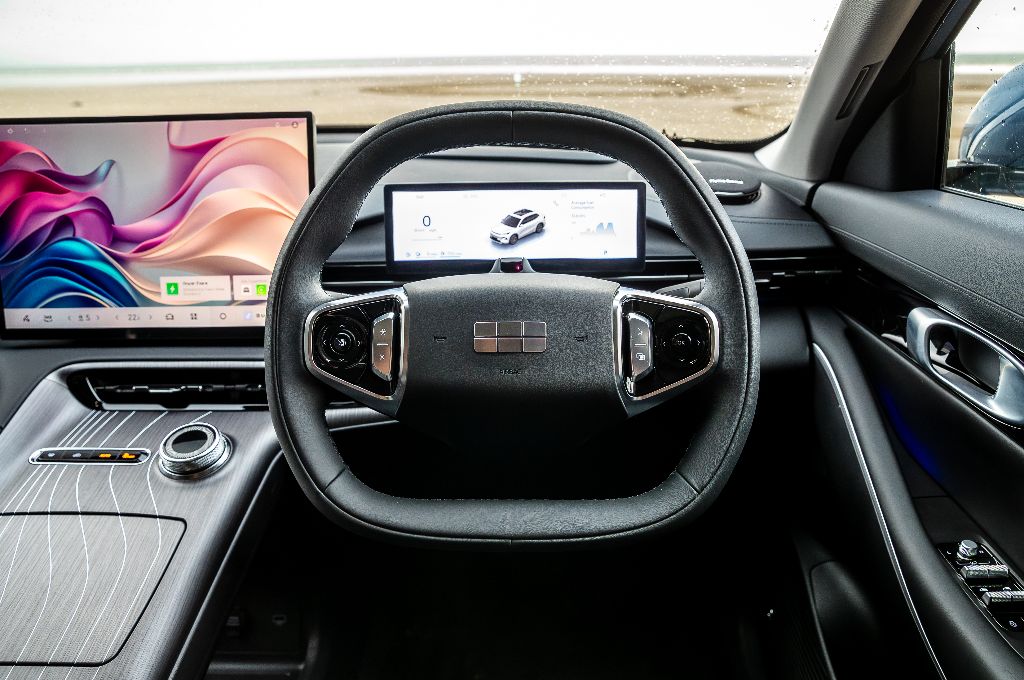
Whichever trim you choose, the Starray gets a 15.4-inch central touchscreen and a 10-inch driver’s display, through which you control the nav, wireless Apple CarPlay and Android Auto, and all the car’s other functions. It’s an okay system, with impressive graphics and quick responses, but it’s not always obvious where the settings are that you’re after and some of the icons are fiddly and small.
It’d be good if it were easier to turn of the assistance systems, too, as the lane-keep and driver awareness system (which beeps when it thinks the driver isn’t paying attention) can be quite neurotic and intrusive.
Motors, performance and handling
The Starray plug-in hybrid gets 262hp and will do 0-62mph in 8.0 seconds regardless of which model you go for. It’s a front-wheel drive car, and you can’t get a four-wheel drive version so it’s not one for any heavy off-roading – it’s very much an on-road SUV. And it drives absolutely fine. Nothing special, just adequate. There’s quite a lot of body lean, but that’s because it’s got soft suspension that also soaks up most road surfaces – even if you really notice coarse surfaces and bumpy roads at slow speeds.
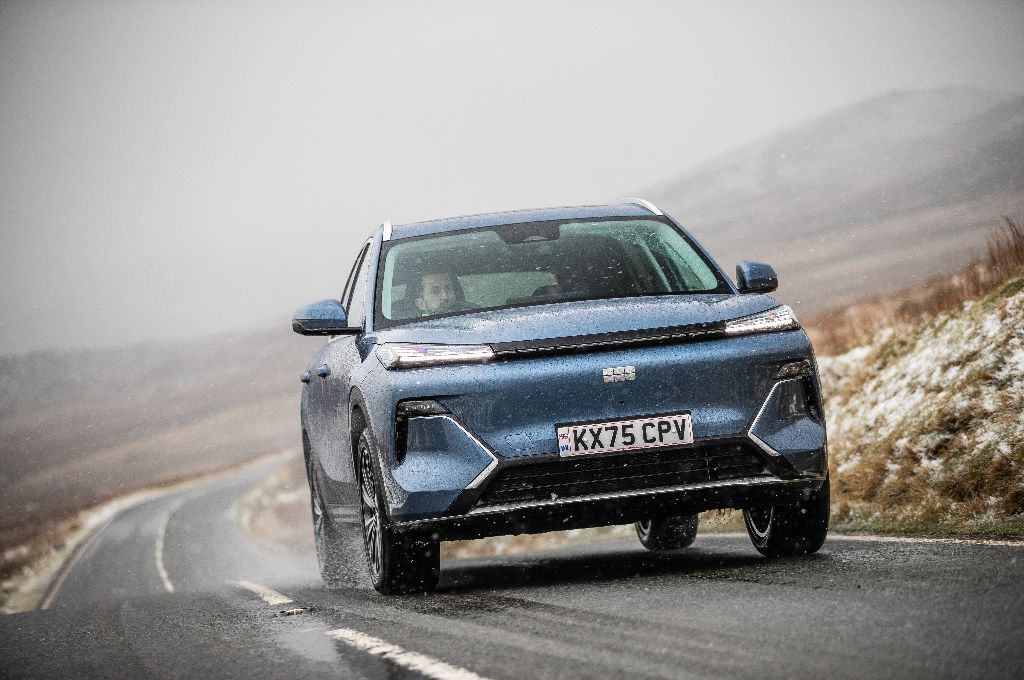
In electric mode it’s nice and quiet and smooth, although the regen modes are very moderate. Even the ‘high’ regen mode isn’t that heavy, and isn’t a one-pedal mode, so Geely could definitely do better with offering more variable regen settings.
Even so, most of the time the Starray is a perfectly inoffensive thing to drive – especially in EV mode when it’s smooth and quiet. It’s just a shame that the petrol engine is very thrummy, and sounds like somebody’s fired up a lawnmower under the bonnet.
Running costs and pricing
List prices for the Geely Starray are very competitive. The Pro model is only offered with the smaller battery, but it gets great standard equipment including parking camera, adaptive cruise control, heated seats and more, and it costs just under £30,000. I reckon the Max is the sweet spot, as it costs under £33,000 but gets the bigger battery, a panoramic roof and ventilated front seats. Top-spec Ultra comes in at under £35,000 and is the only model that gets the bigger battery.

Which one is best value for you will depend on how you’re buying. Plug-in hybrids are popular with company car buyers, so if you’re getting the Starray as a business car and are paying Benefit in Kind tax then you’re best off with the big battery Max model as it gets low CO2 and falls into a low company car tax band of 6%. For retail buyers, the Max is still recommendable if you’ll make use of the longer electric range, but I reckon the mid-spec Max is great value. Geely’s monthly PCP and contract hire deals are very persuasive, too.
Oh, and there's an eight year, 125,000 mile warranty. Not bad, is it?
Verdict
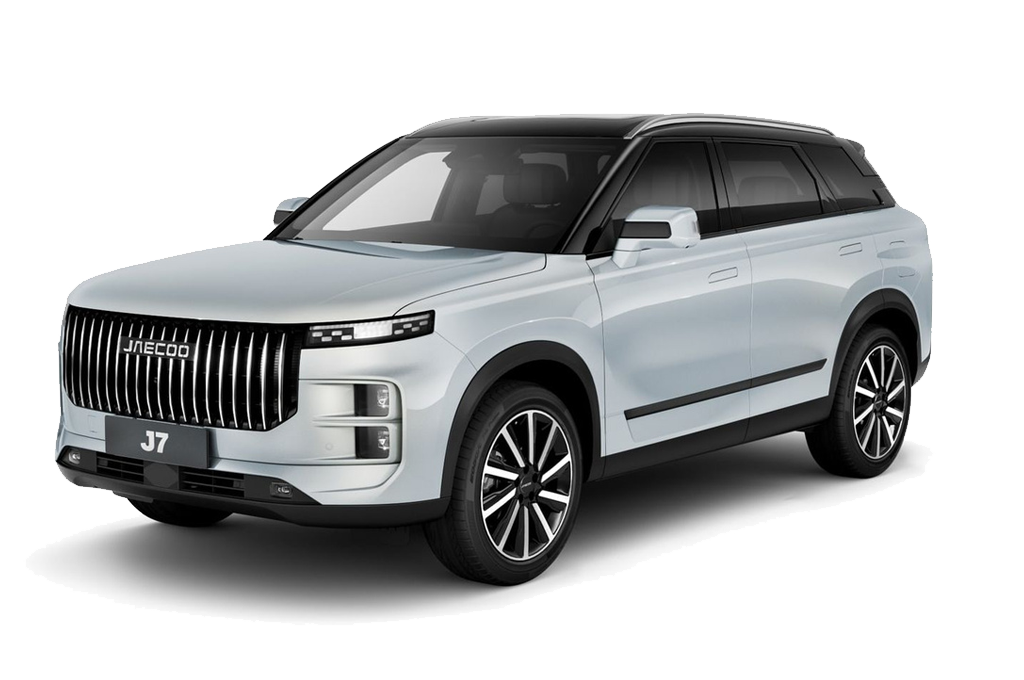
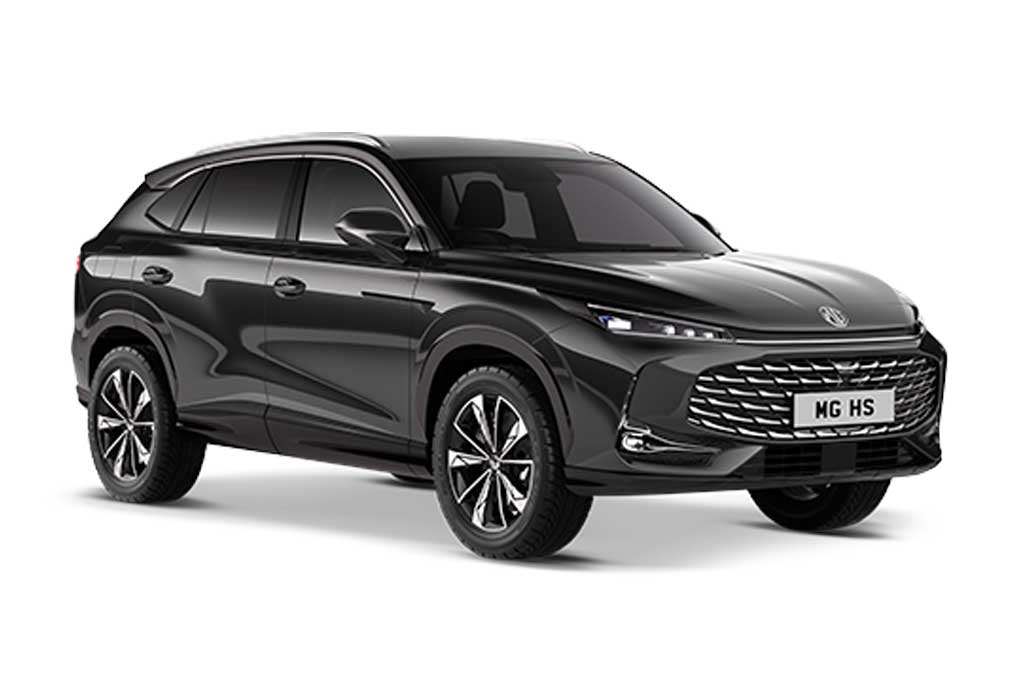
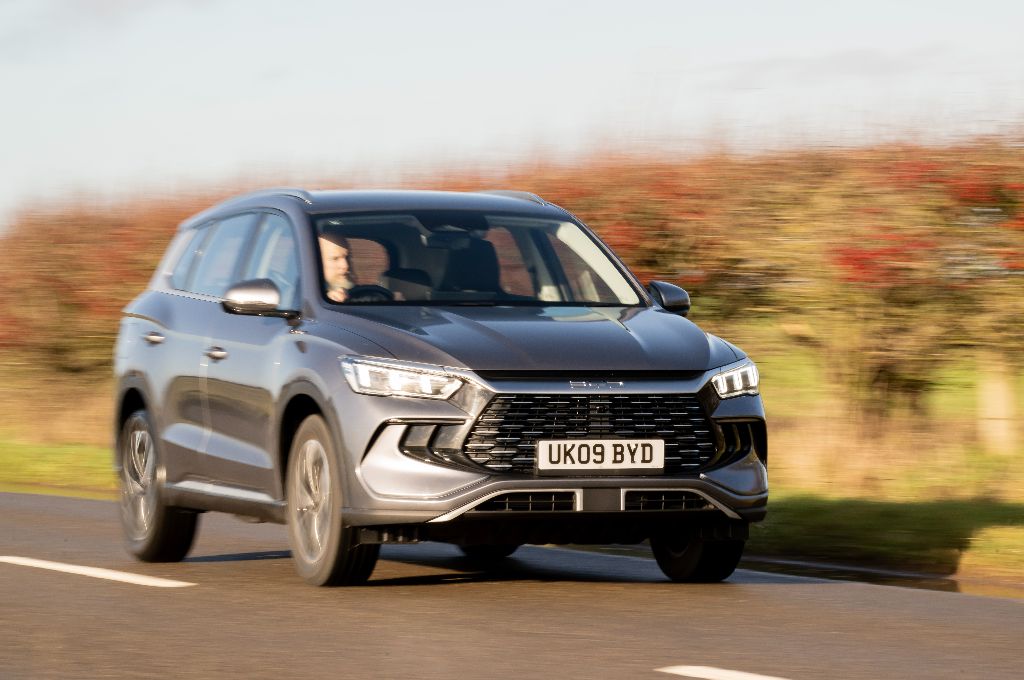
The Geely Starray is one of those ‘it’ll do’ cars. There’s nothing wrong with that as it’s also good value and really well equipped, but rivals like the Citroen C5 Aircross have nicer interiors and comfier ride, or I'd certainly take a VW Passat PHEV over the Geely if you could live with the estate styling rather than SUV. But even with rivals from MG, Jaecoo, Omoda and BYD bringing very affordable PHEV SUVs to the class, the Geely looks like a lot of car for the money.
 6
6