





 Battery size: 9.3 kWh
 Max charge rate: 11 kW
 WMTC range: 87 miles
 Real world range: 60-75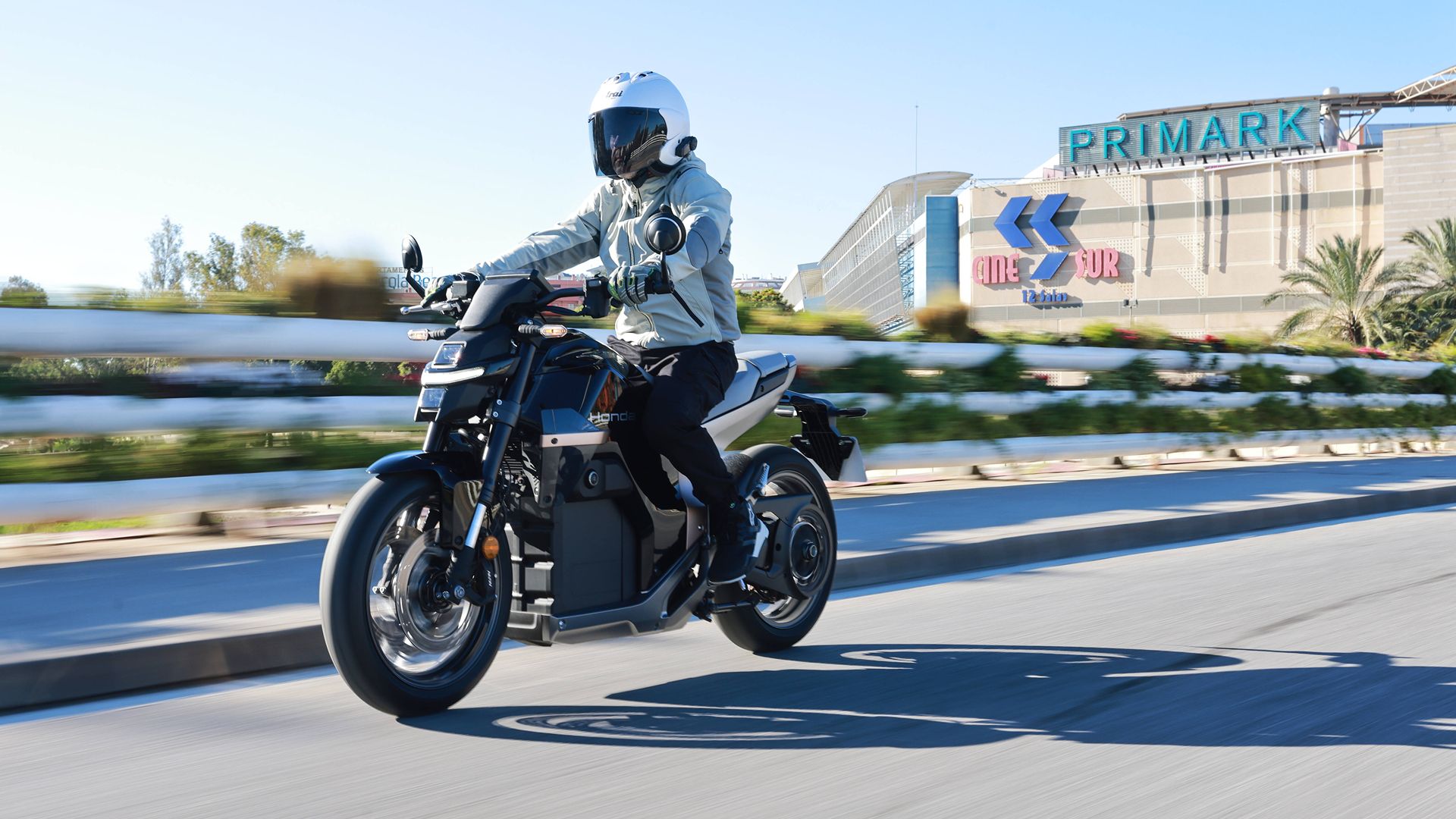

Introduction
Honda is the first of the established bike brands to go electric, so the arrival of the WN7 is a big deal. Yes, there are a handful of electric motorbikes on the market, including British brand Meaving, Zero, and Energica, but none have made huge inroads into the mainstream bike market. Harley Davidson – arguably the least likely bike brand to get involved with electric – spent big to develop its Livewire range of bikes, only to find a limited number of customers ready to make the switch.
So how big is the electric motorbike market, and what chance does the WN7 stand? If you can remember what the electric market was like 10 years ago, when the majority of the population thought EVs were for oddballs and sales were counted in the hundreds rather than the tens of thousands, you’ll have a good picture of what the electric motorbike market is like in 2026. If you’re an optimist, you might describe it as ‘emerging’. If you’re doing the accounts for brands like Livewire, you probably think the opposite.
Although the WN7 is Honda’s first full-size electric motorbike, it’s not the brand’s first foray into the world of electric two-wheelers. If we ignore the experimental 1994 CUV ES, which was sold briefly in Japan, the 2022 EM1 e-moped was Honda’s first current-era bike, followed by the CUV e-scooter, which arrived last year. So while the WN7 is breaking new ground, it’s not Honda’s first rodeo by any means.
I hate to start with a negative point, but can we discuss the name? Honda’s motorcycle division has given the world some of the greatest bike names in history over the years. We’ve had Fireblade, Goldwing, Supercub - all perfect names that managed to encapsulate the spirit and ethos of the bikes they were associated with. WN7 sounds like a postcode. A ground-breaking bike needs a great name, and it’s a missed opportunity. Honda - you can do better.
Range, battery and charging
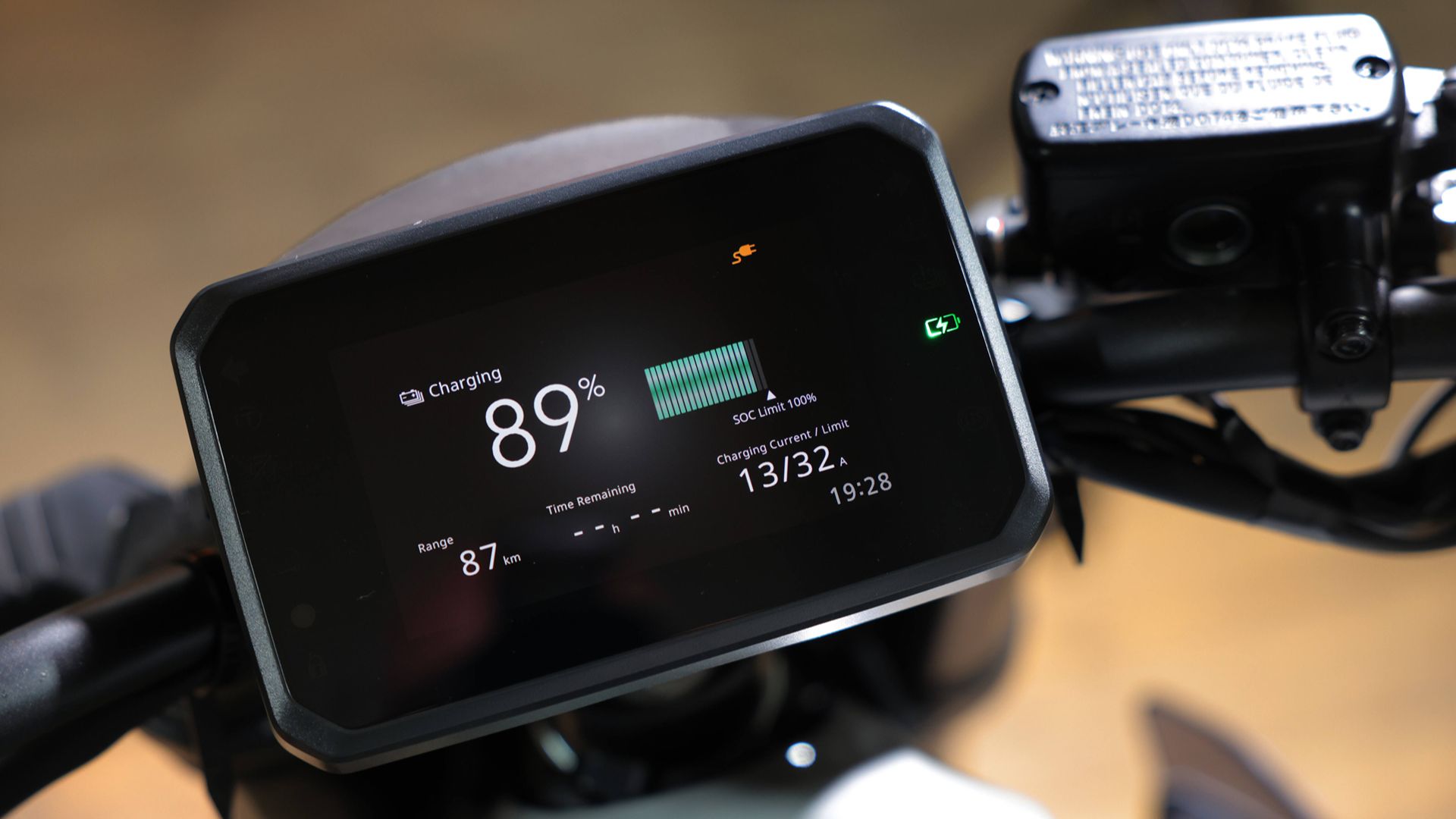
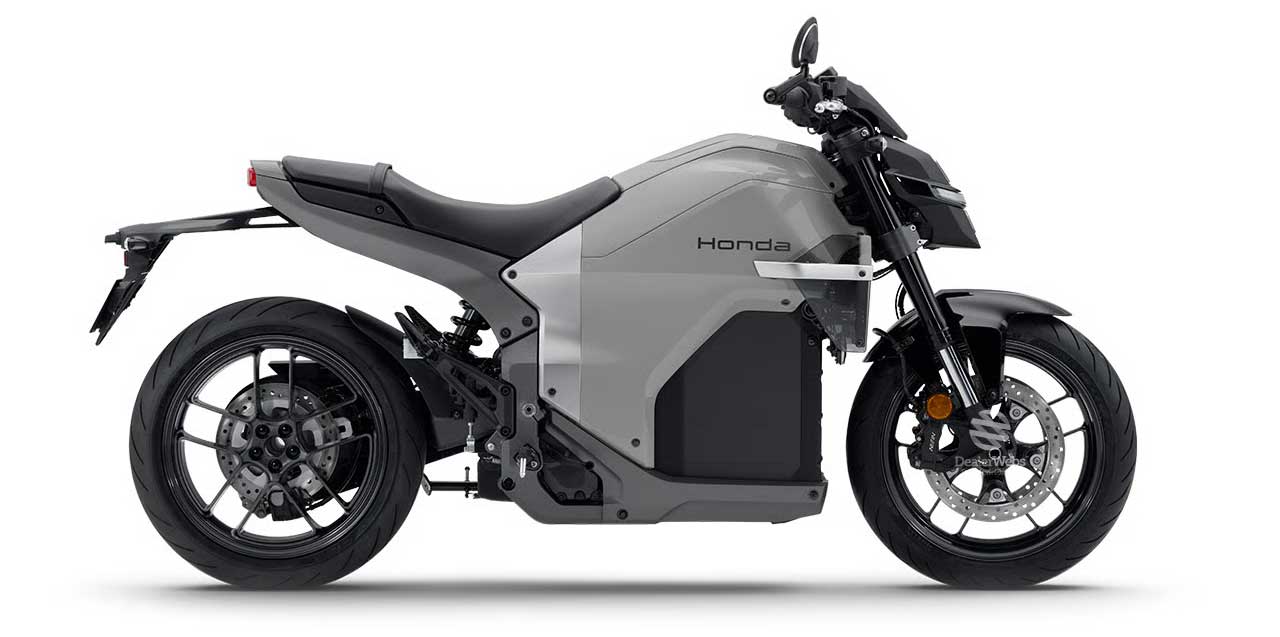
The WN7 comes with a 9.3kWh NMC battery, which is air-cooled - just like an old Nissan Leaf. It’s mounted low in the frame, which gives the bike a correspondingly low centre of gravity. Honda claims 87 miles of range, which has been achieved on the WMTC (World Motorcycle Test Cycle), which is the bike equivalent of the more familiar WLTP test.
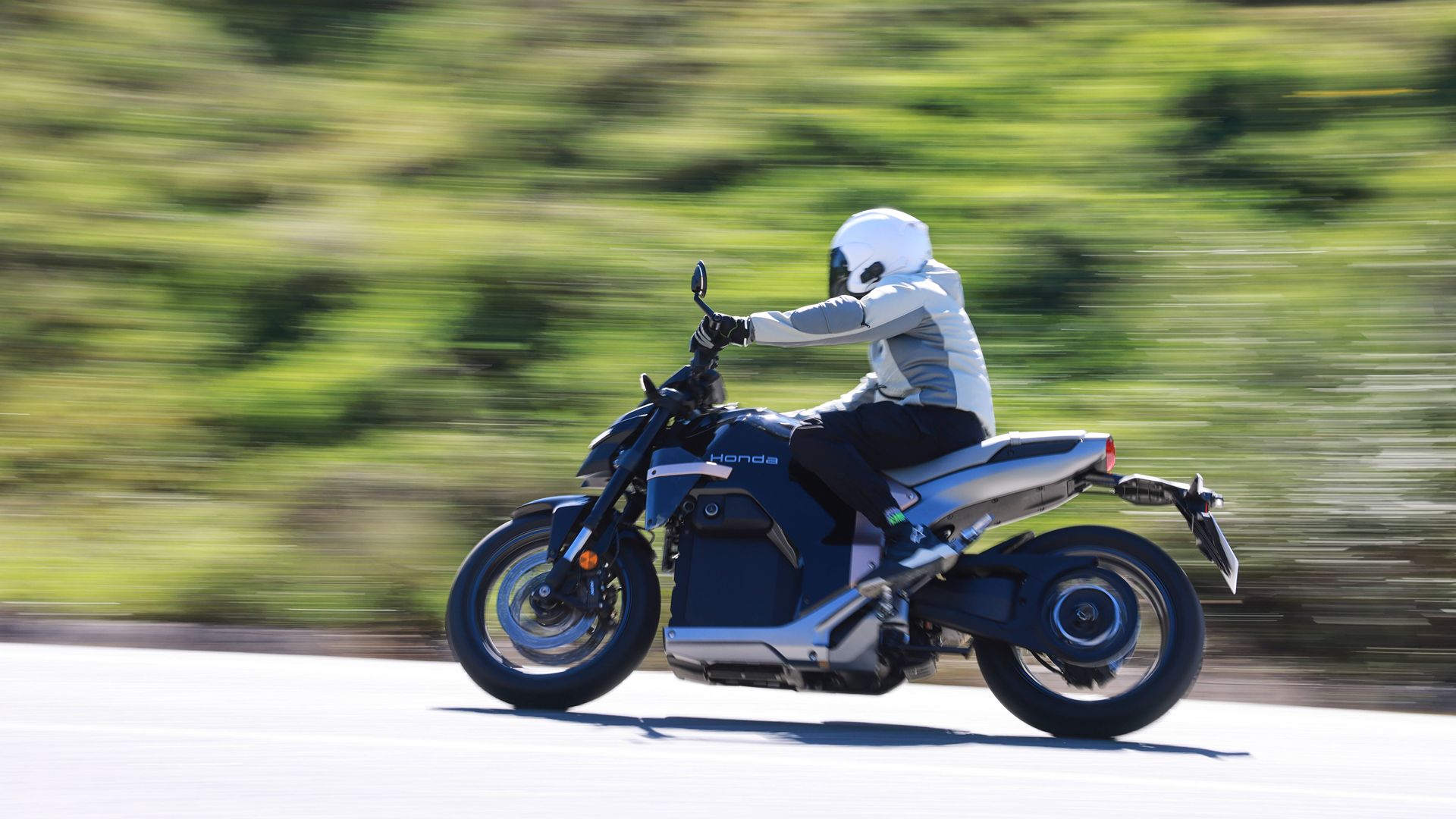
I rode the WN7 for two weeks on a variety of roads and I reckon that low 80s would be possible at commuting speeds - if you can resist the urge to exploit all its performance potential. Higher speed roads and motorways take a far bigger chunk of range, partly because the WN7 is a ‘naked’ bike with no fairing to smooth your progress through the air. Expect around 60 miles from empty to full if your entire journey is 60-70mph roads.
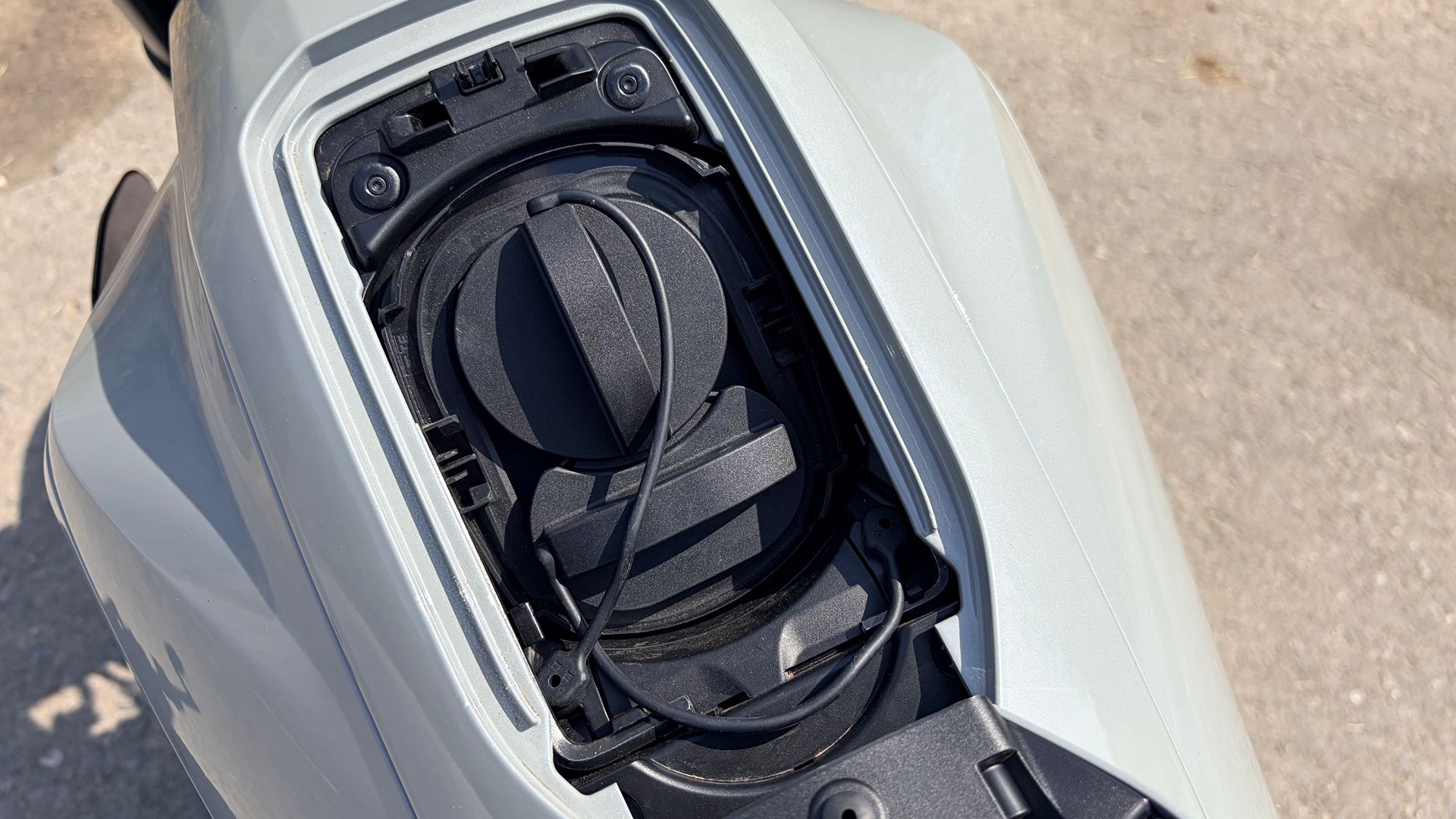
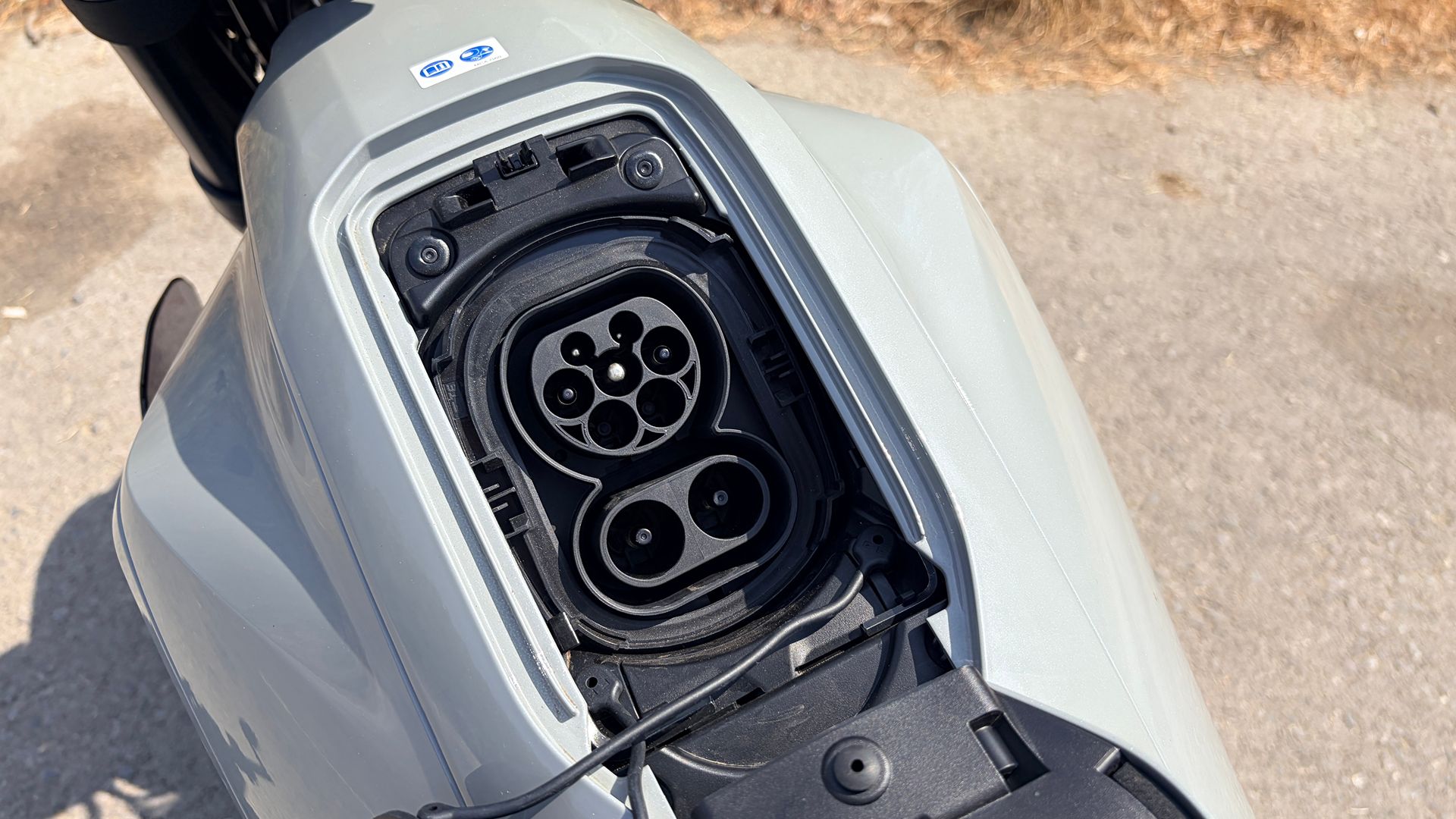
Charging has always been something of an issue with electric motorbikes. To date, very few electric motorbikes have come with the ability to rapid charge via a CCS connector (Energica being the most notable exception). Most come with a standard Type 2 port, which is fine for home charging, but not so fine if you need to grab a charge mid-journey. Not only will you struggle to find a Type 2 slow charger in places like motorway services or charging hubs, you’ll also need to lug around your own cable. By having CCS, the WN7 can charge at any rapid charging station - opening up the possibility for longer rides. Honda quotes a 20-80% charging time of 30 minutes when connected to a rapid charger (which suggests a charge rate of just under 11kW). An empty to full charge takes between 2.5 and three hours on a standard 7kW wallbox and around five hours from a three-pin socket.
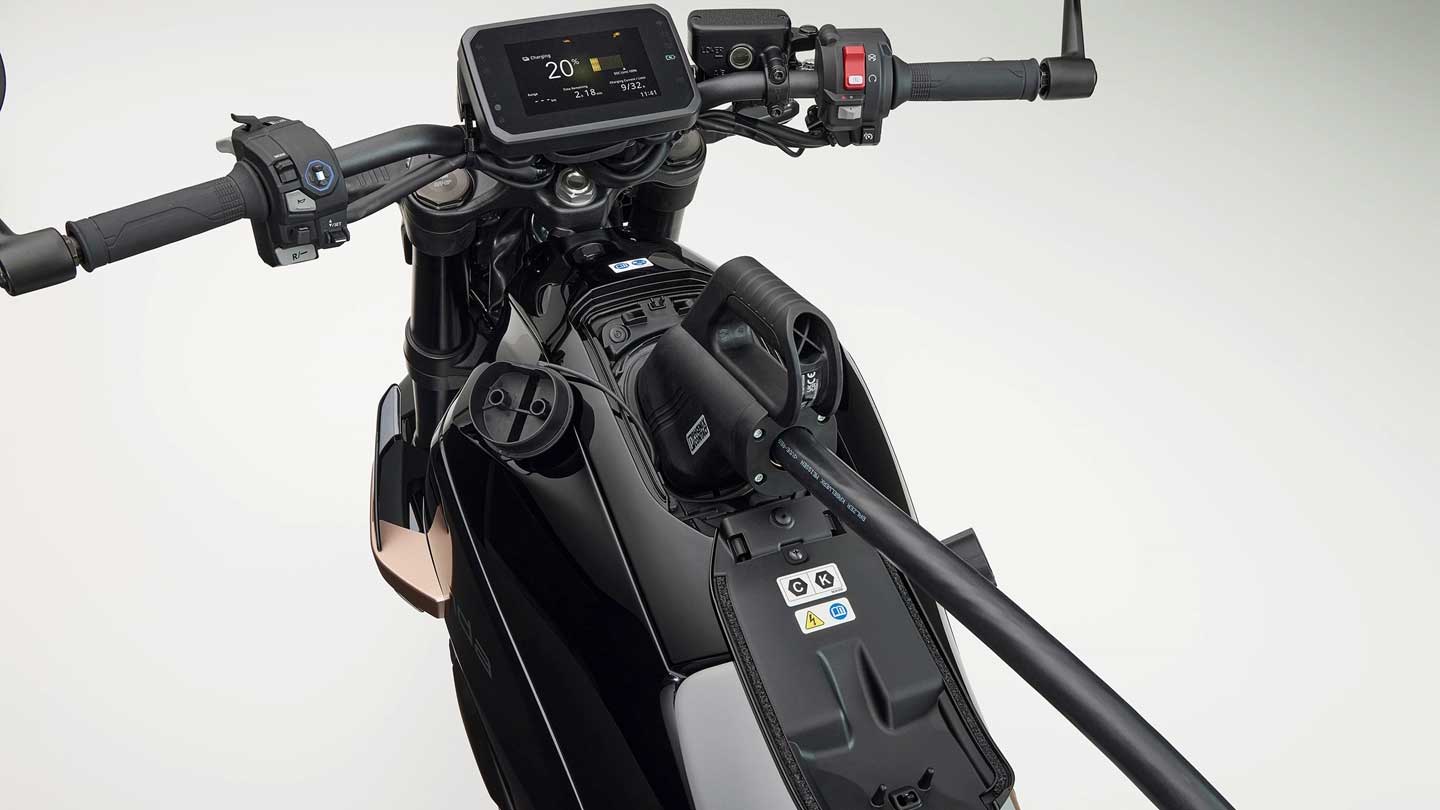
Having a 30-minute recharge time on a bike that does around 80 miles on a charge might sound like a pain, but in reality, it works well. Unless you’re a biker with backside made of steel (they’re cut from the same cloth as the anti-EVers who claim to do six hours without a break), a break every 90 minutes or so feels perfectly natural. Cleverly, Honda has made the WN7’s seat somewhat unforgiving, which means that you’re aching (literally) for a stop long before the battery is depleted.
Practicality and comfort
As I’ve just eluded to, the WN7 isn’t built for comfort. Spoiler alert - this isn’t the kind of bike for 300 miles-a-day cross-continental road trips. It wasn’t designed to be, in the same way that a Mazda MX5 isn’t designed for a family of five.
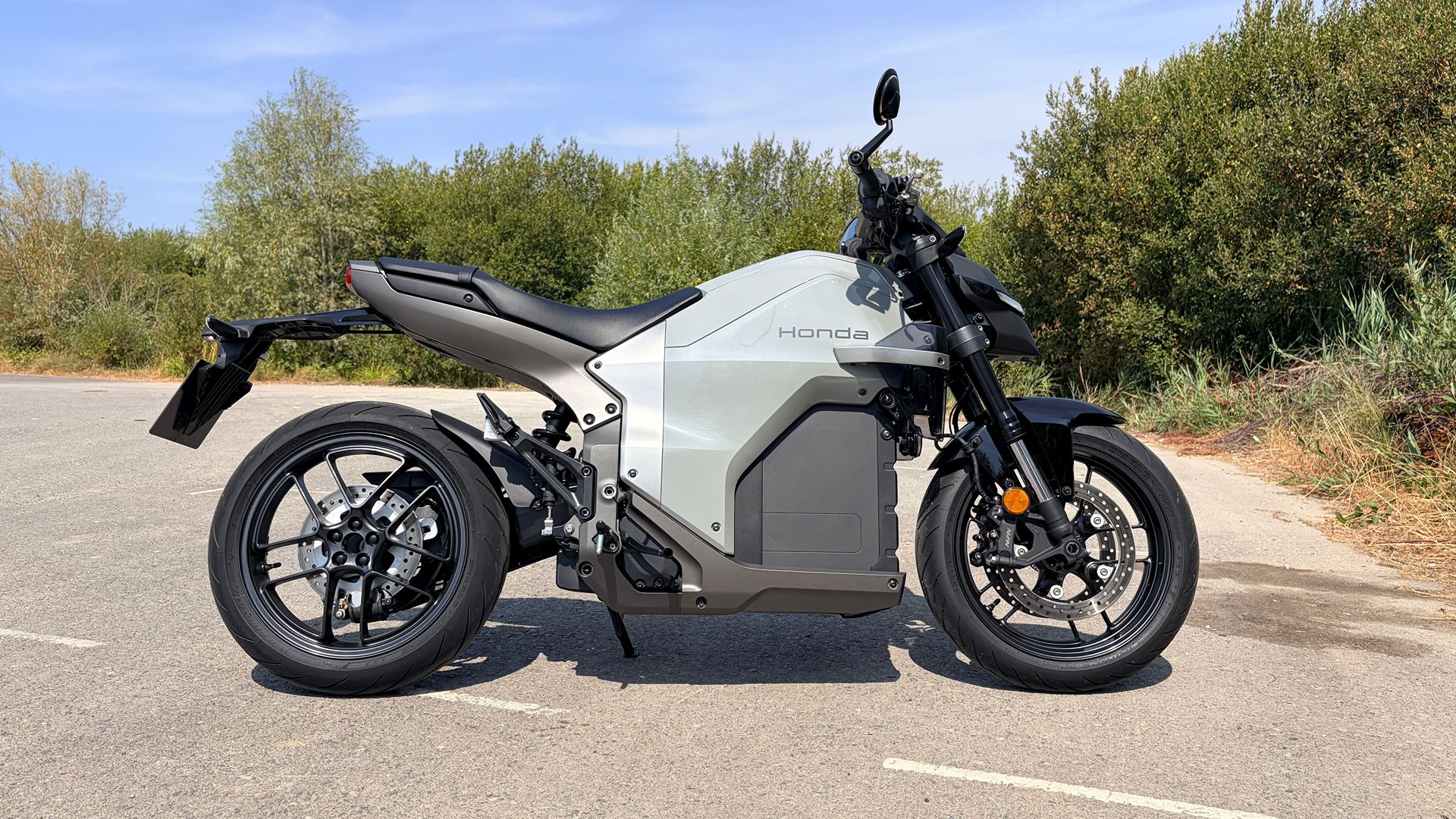
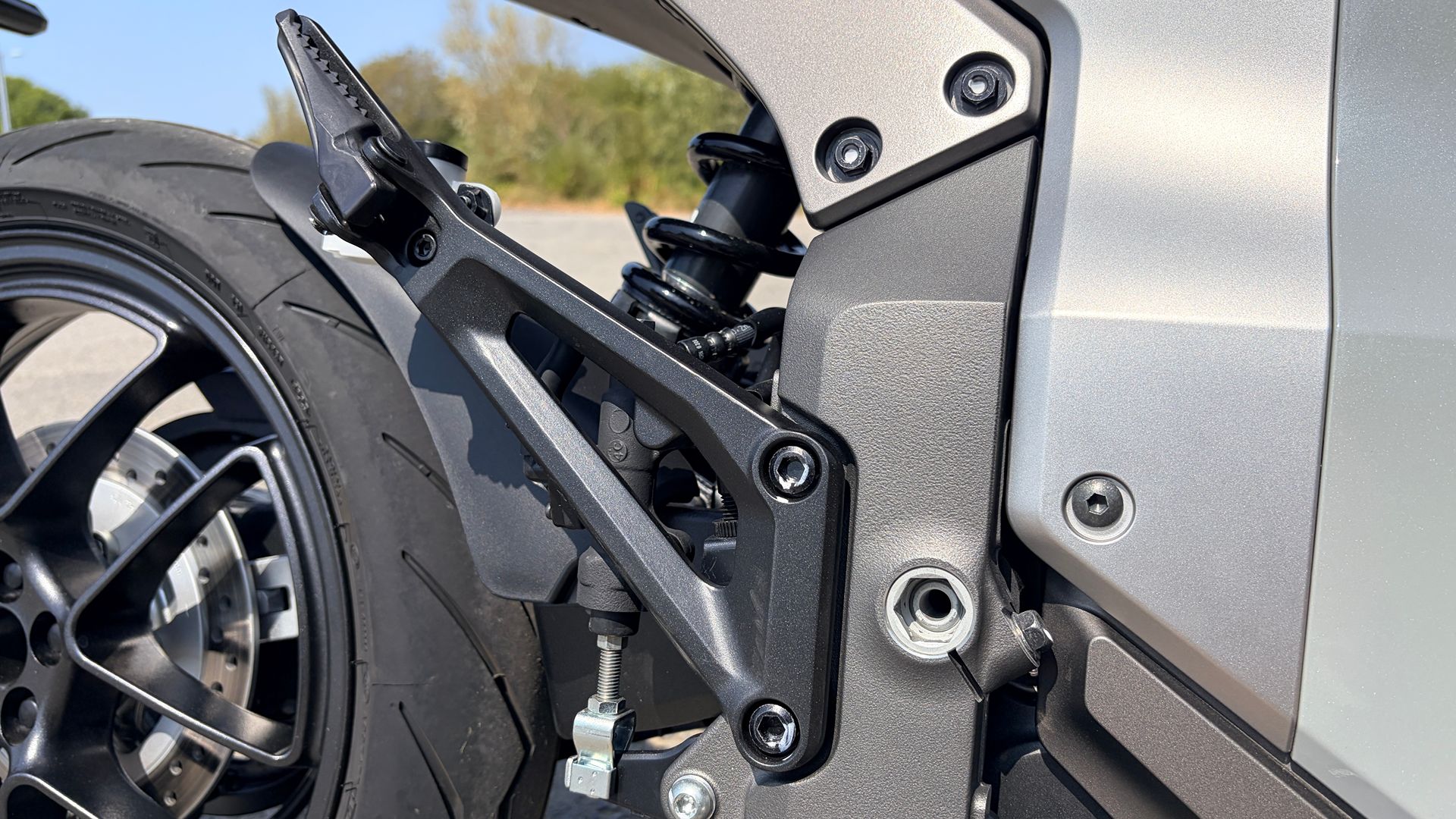
The riding position is surprisingly sporty with mid-set foot pegs that tip your body forward. The seat height is 800mm, which is on the high side, but perfect for a tall rider like me. If you’re short of leg, don’t discount the WN7 on the basis of the seat height measurement. Because there’s no engine in the frame (actually there is no traditional frame - the battery is part of the structure), the WN7 is remarkably narrow, with the widest part being just 260mm wide. So it’s more like riding a fat mountain bike rather than a traditional motorbike.
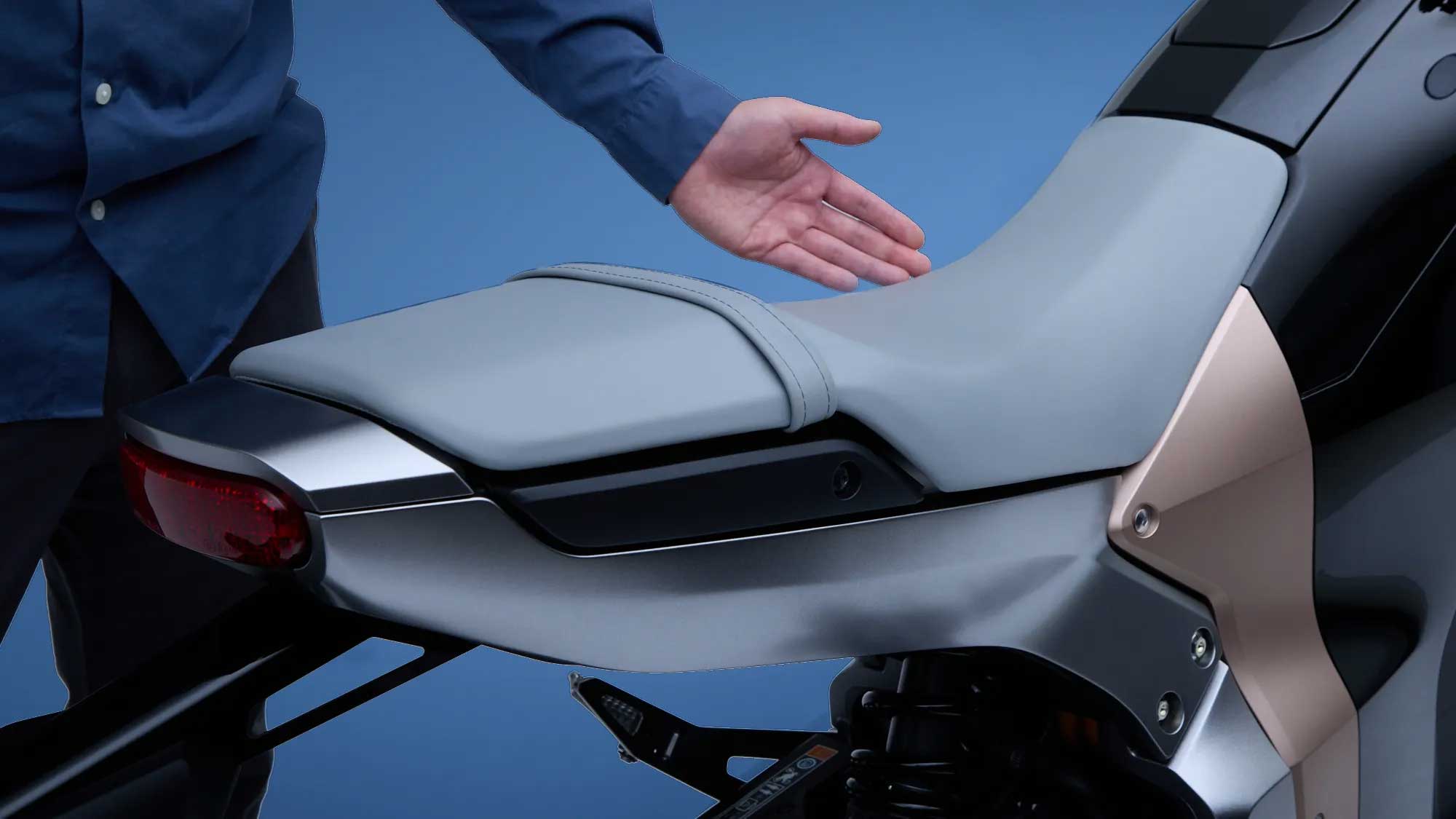
Practicality? Well, not much, as you might expect. Honda will sell you a soft tail pack (expandable from 15-22 litres) that can be attached to the back of the bike via straps, but that’s your lot in terms of official luggage.
Design and technology
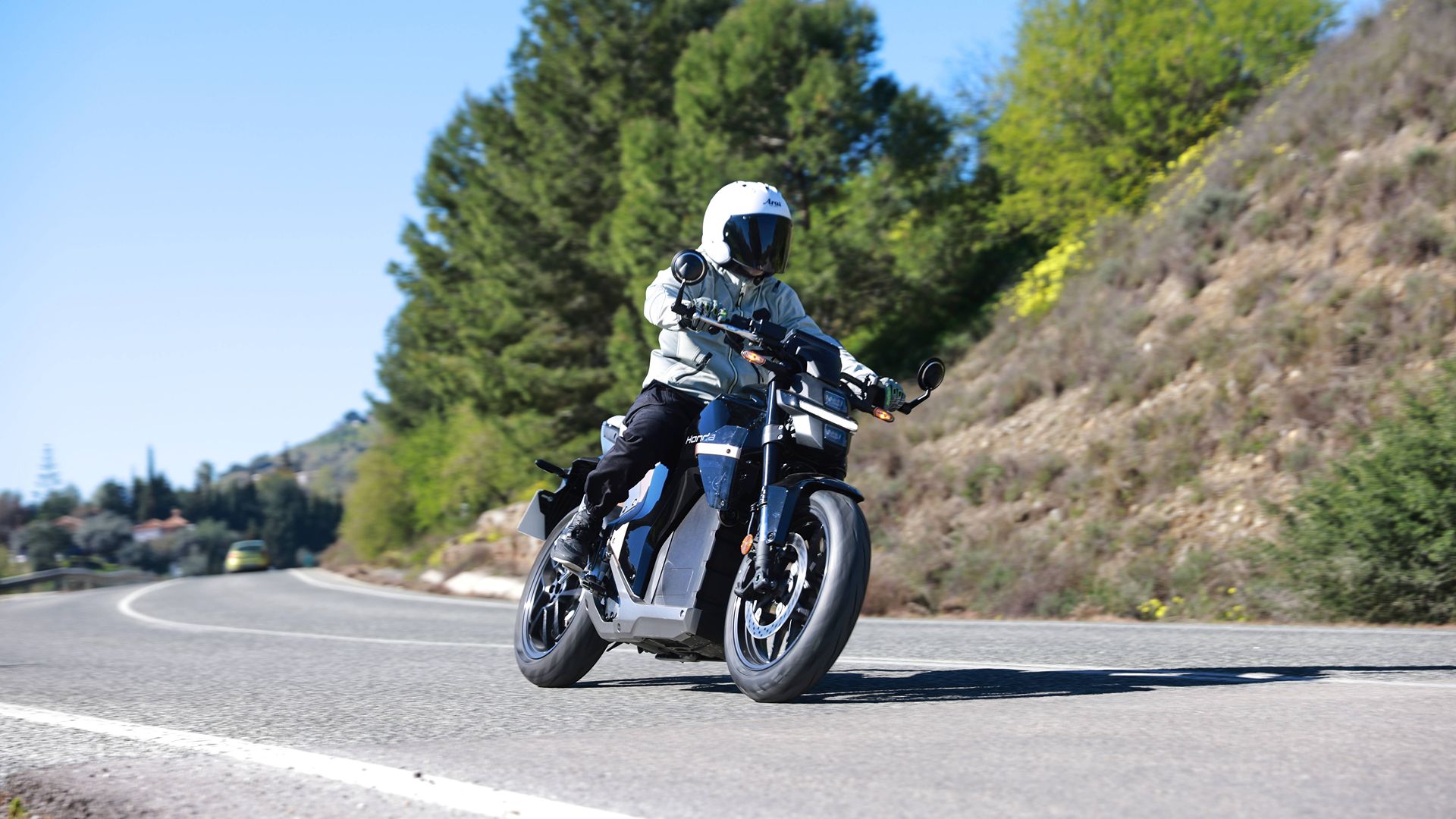
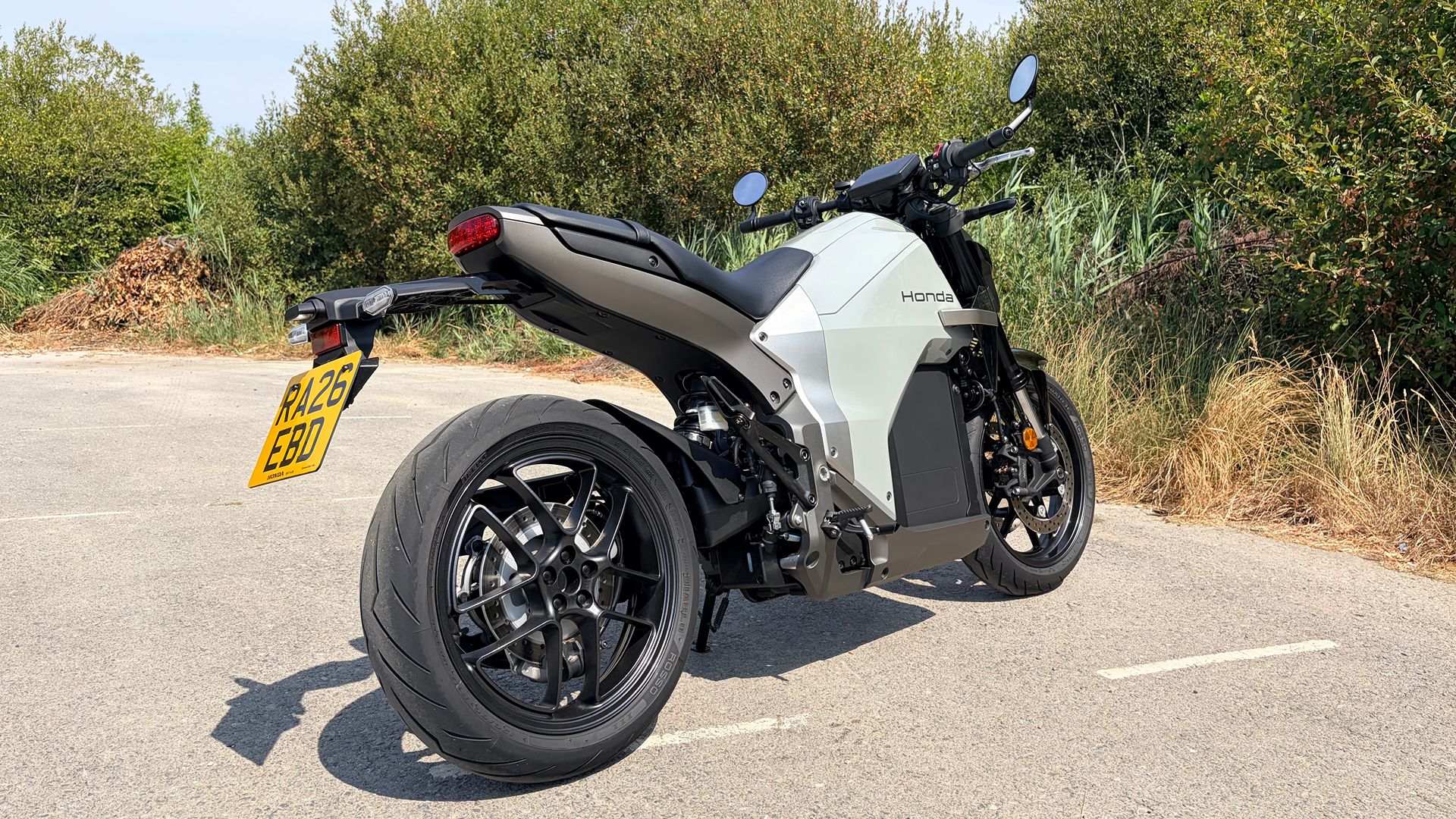
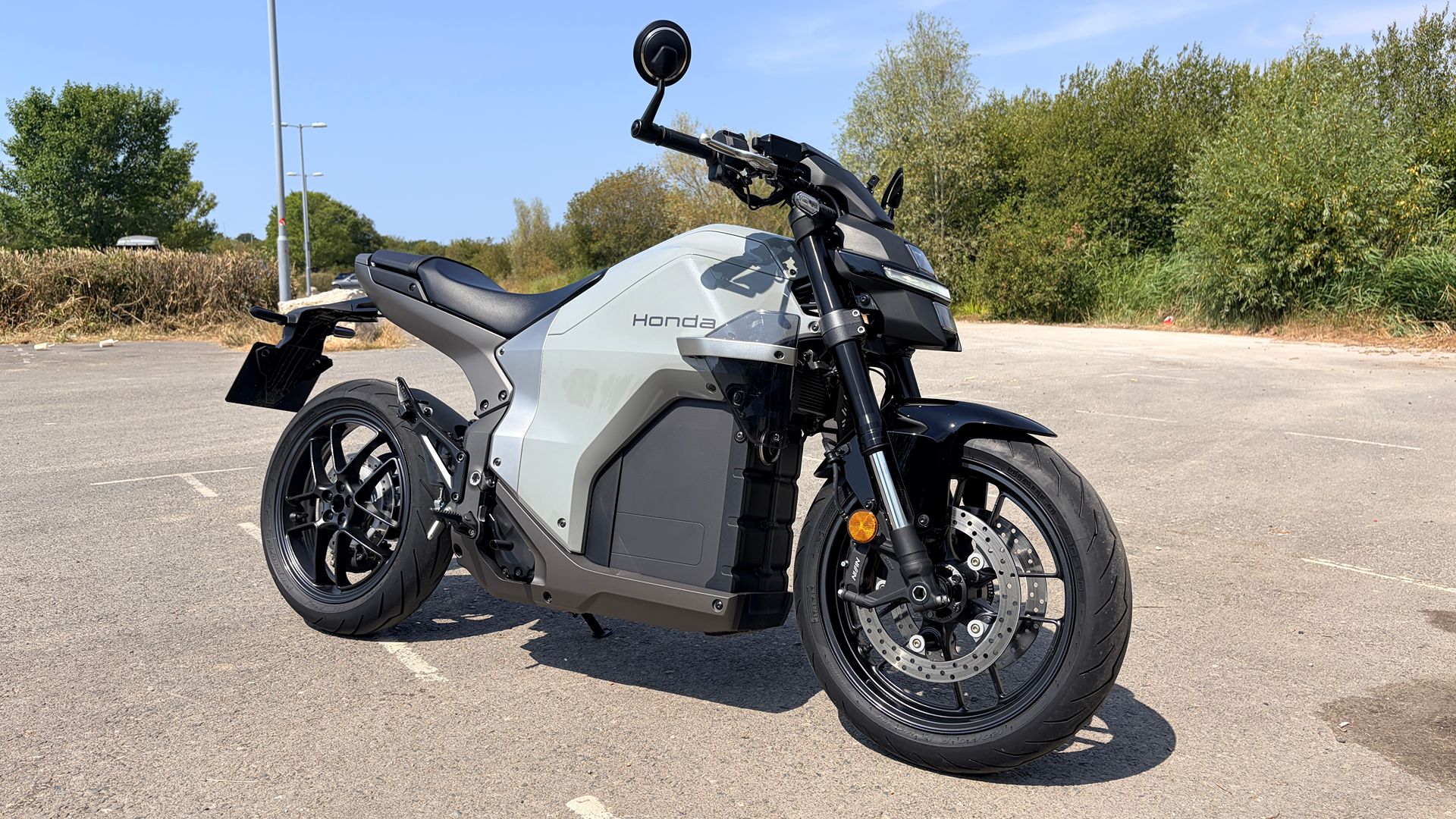
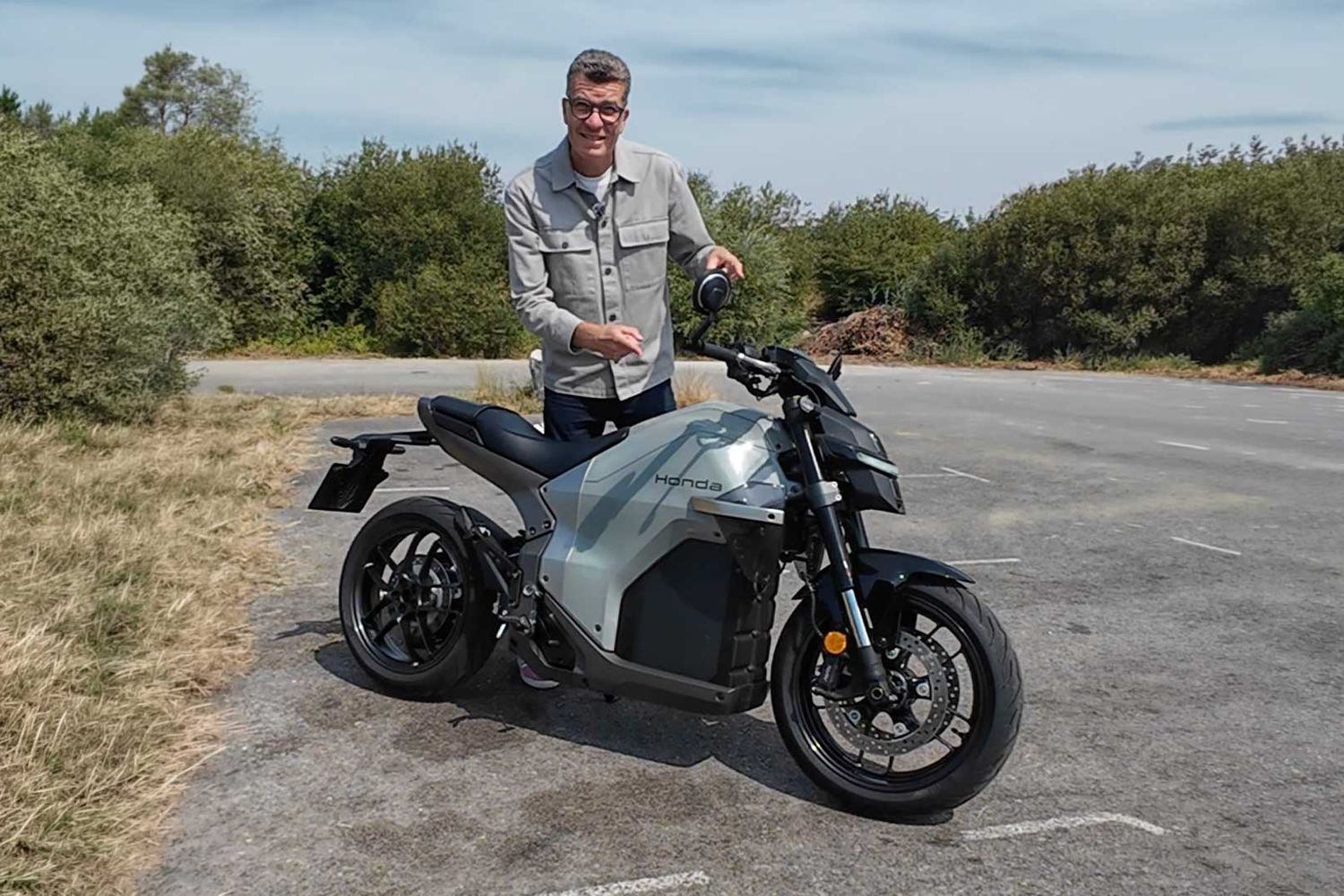
I have to admit that the WN7 really grew on me during our fortnight together. I’m generally not a fan of grey anything, but the WN7 actually suits its more muted palette. It’s a clever piece of design overall, and very Honda. Yes, it’s a traditional motorbike in the sense that everything is where you’d expect it to be, but the detailing is lovely and it really pulls off its minimalist / futuristic look.
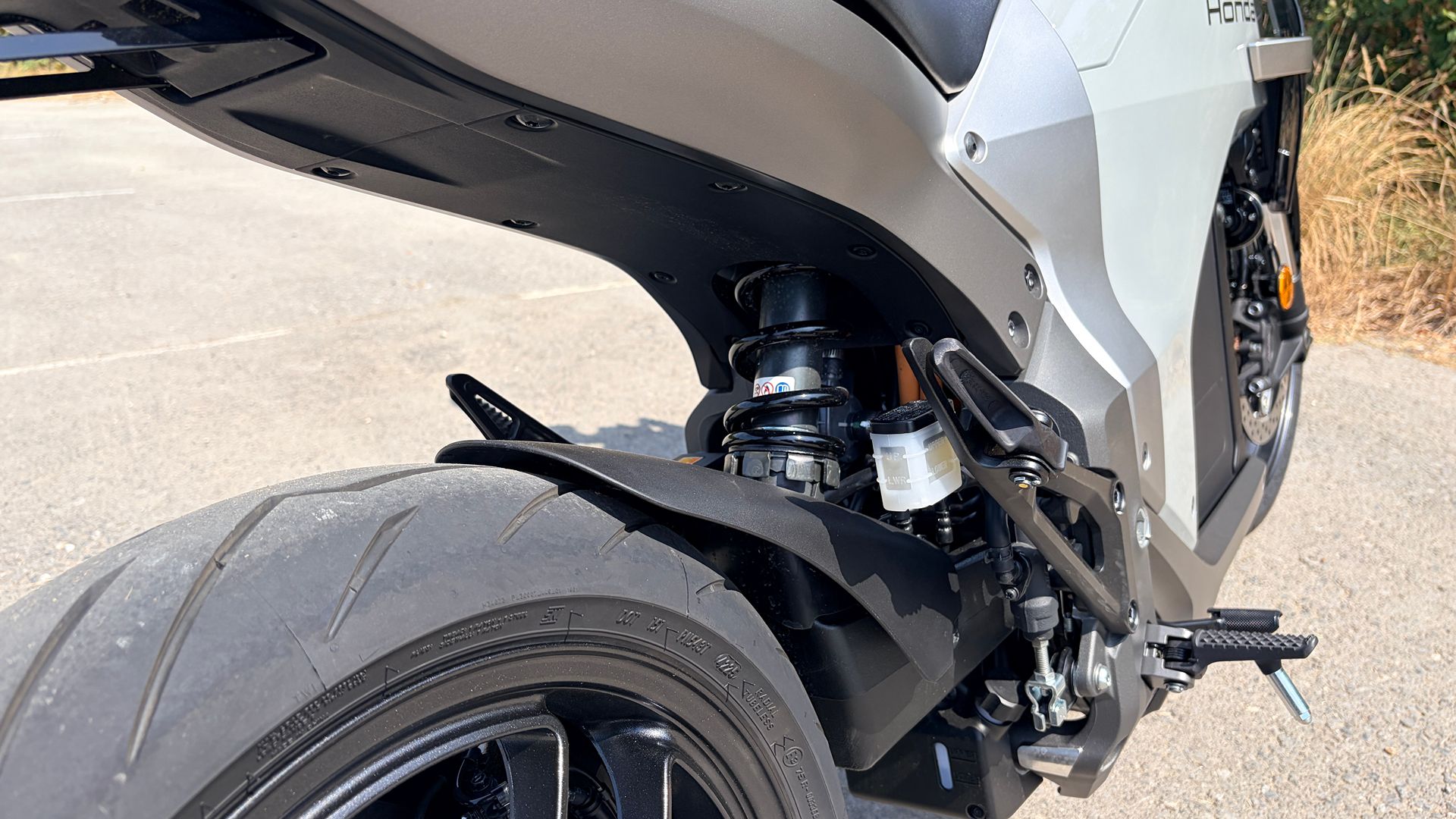
As mentioned earlier, there’s no traditional frame - the battery is what’s called a stressed member, which means it is an integral part of the bike’s structure. This saves on weight because you don’t need a secondary frame to support the battery. The rear subframe, which holds the rear wheel, bolts directly to the battery assembly - which is a very clever way of doing things. A series of side blades channel air across the battery pack to keep it cool. I rode the bike in the middle of a heatwave and the pack itself never felt particularly warm, even after a long ride.

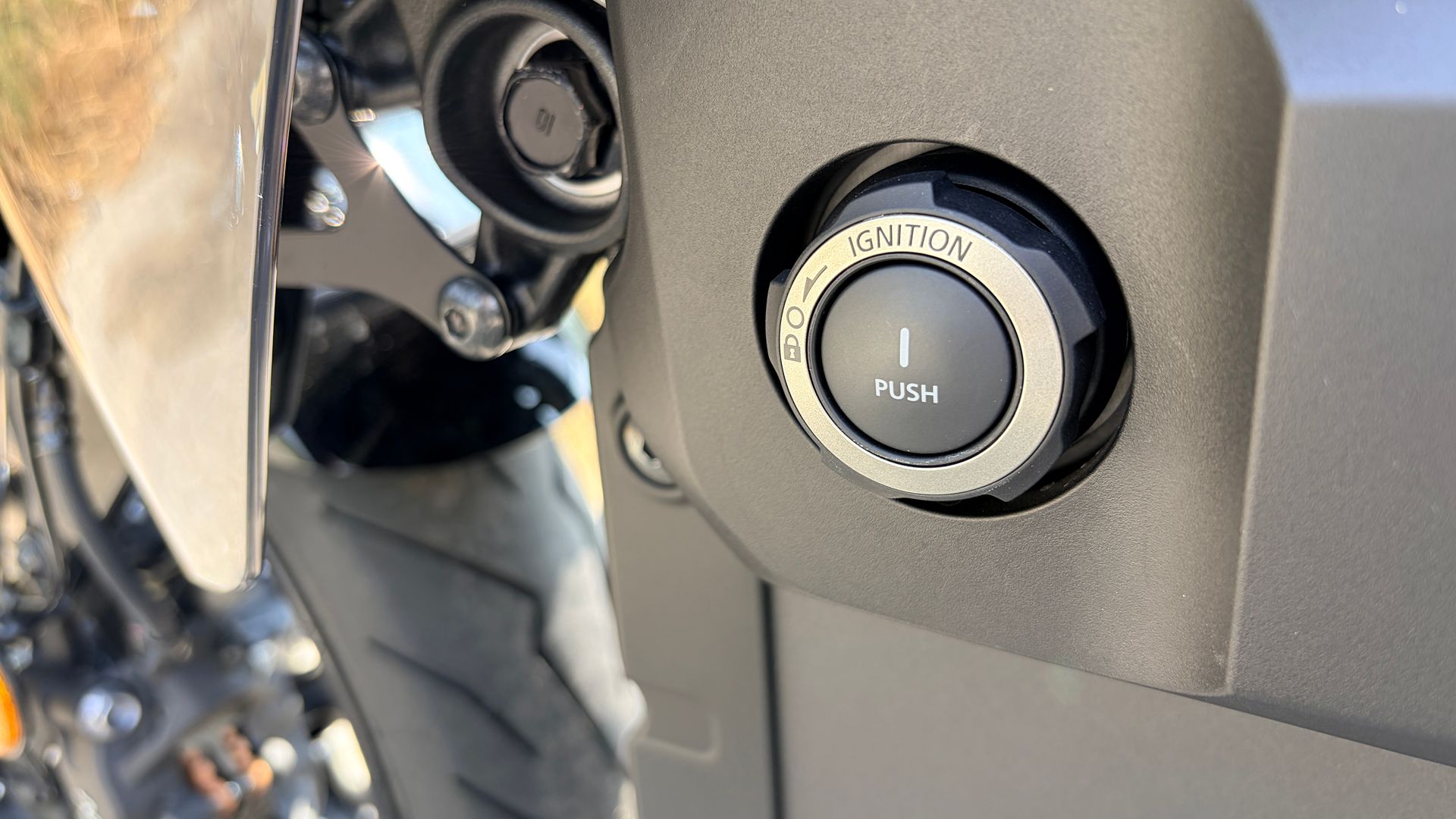
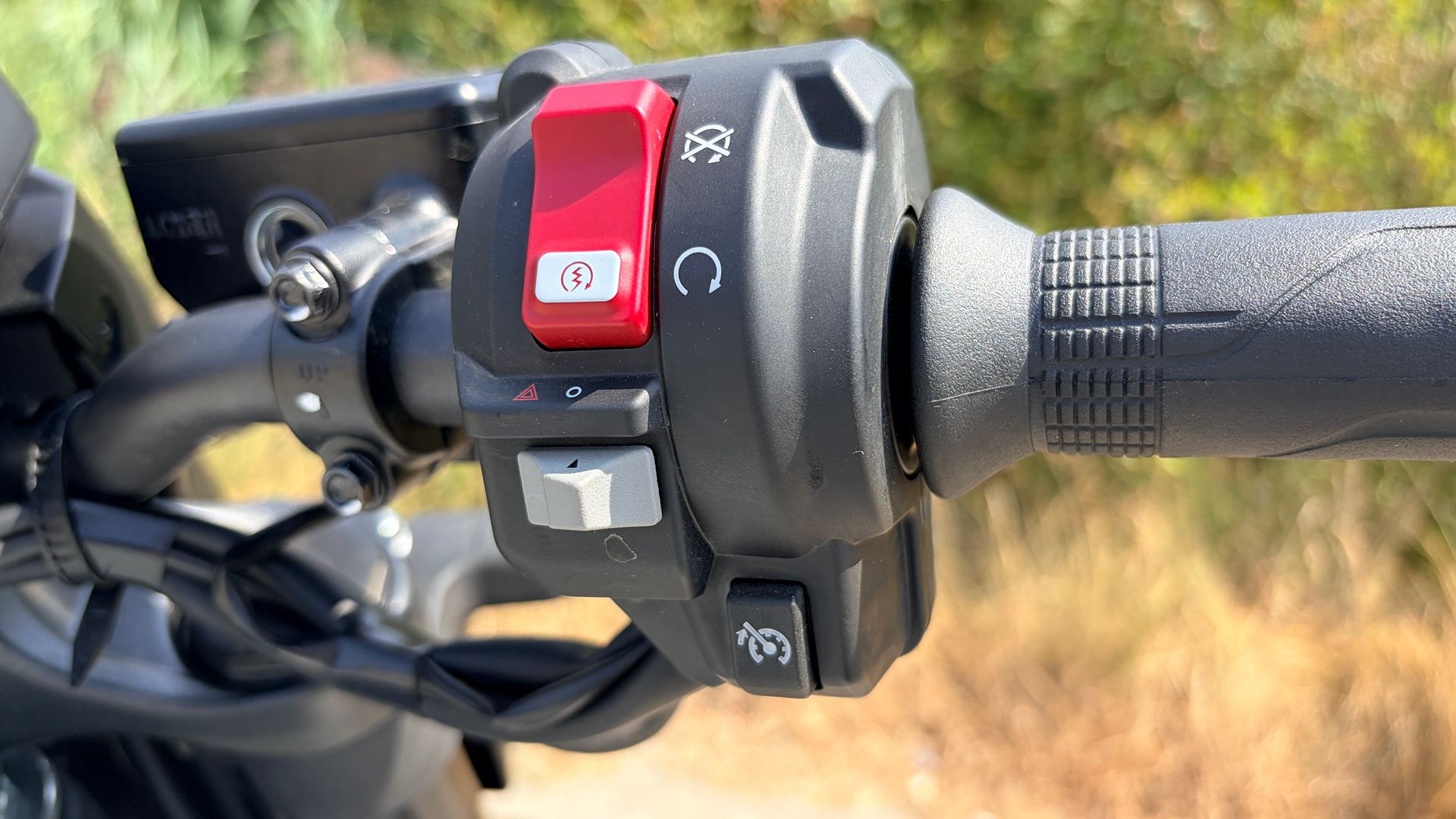
You get keyless go as standard - a brilliant invention if you’re like me and are forever misplacing keys in jacket pockets. As long as the key is on you somewhere, it’s just a case of pressing the start button on the side of the bike and hitting the start thumbswitch on the right-hand bar.
Motors, performance and handling
The WN7 has a peak power output of 68hp and 100Nm of torque. While the former figure pitches the Honda against a bunch of 500-600cc petrol motorbikes, the latter puts it firmly in sports bike territory. If you drive an electric car, you’ll know that torque is what gives you that warp speed acceleration and mid-range punch.
The WN7 is a very fast motorbike if you want it to be. Like an electric car, you can be as mad or as sensible as you want. The WN7 is perfectly at home at low speeds - the throttle is beautifully smooth with none of the jerkiness you can get with a petrol-powered bike.
The motor drives the rear wheels via a belt rather than a chain - which is perfect because checking chain tension and oiling one is one of the least enjoyable parts of bike ownership.
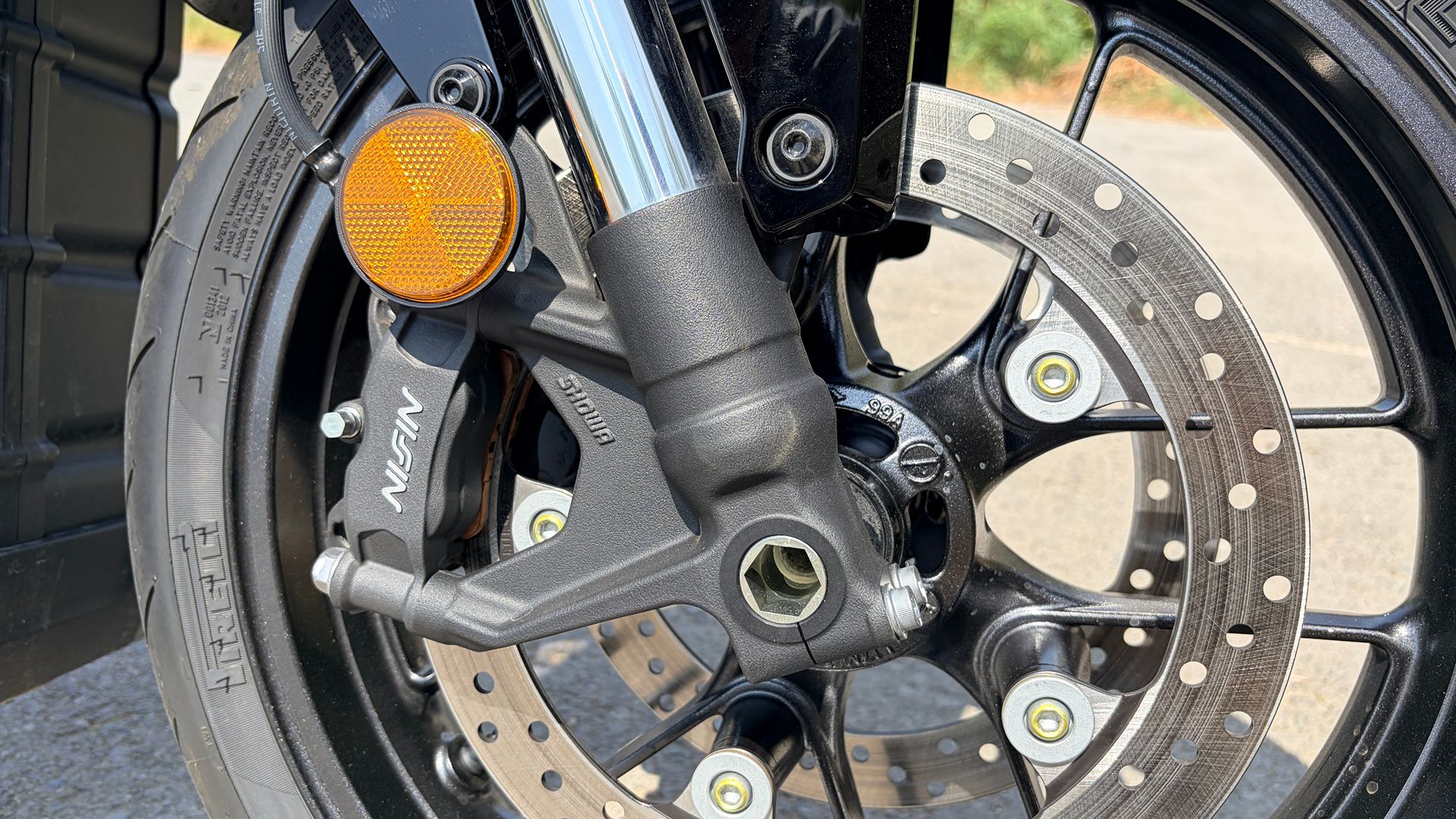
The WN7 is packed with tech, but it’s all been integrated very well indeed. You can tell that Honda has honed this bike to perfection rather than rushing it out. The fact that most of the tech goes completely unnoticed is a testament to how well it works. In case you get a little trigger-happy with the throttle in the wet or on a patch of something slippery, Honda’s HSTC traction control eliminates wheelsmen before it even happens. The WN7 also comes with lean-sensitive ABS brakes that can scrub off speed even if you’ve got the bike cranked over and need to hit the brakes. All clever stuff that operates seamlessly - as you would expect on a Honda.
Then there’s the stuff that the rider can change - of which there’s plenty. There are four riding modes to choose from: Standard, Sport, Rain and Econ, all of which alter the parameters of the throttle. Select Econ and it feels like you’ve got an elephant on the pillion seat. Choose Sport and you need to keep a very close eye on the digital speedo…

There are also four levels of regen to choose from. Level 0 gives you no regen at all, while level 3 delivers almost one-pedal (if that’s the right word) riding. In practice, I found Level 3 to be almost too aggressive in town. Even the slightest of throttle lifts mid-corner would decelerate the bike as if I’d grabbed a handful of brake. During my time with the WN7, I found that level 1 or 2 gave the best balance of regen.
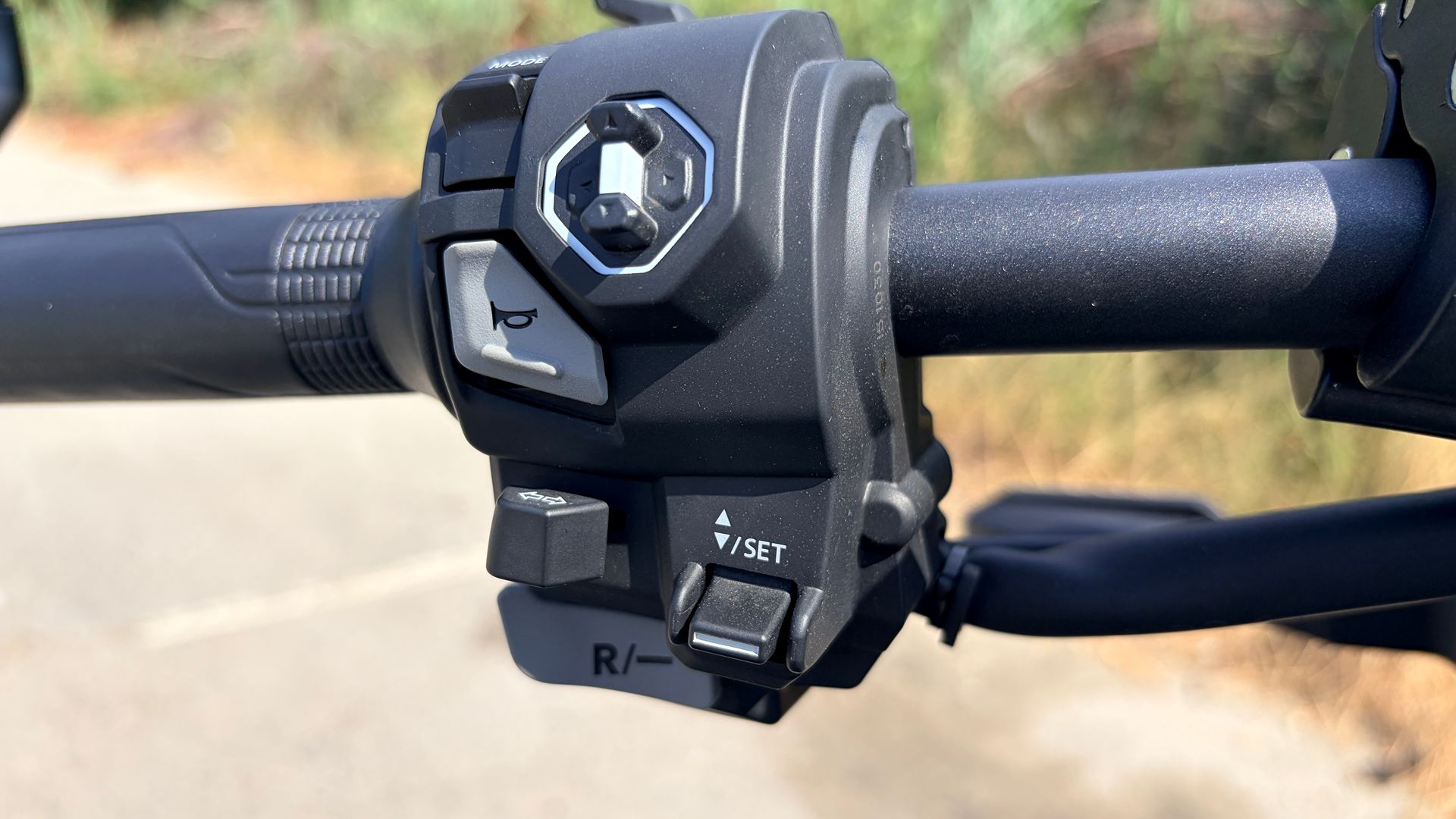
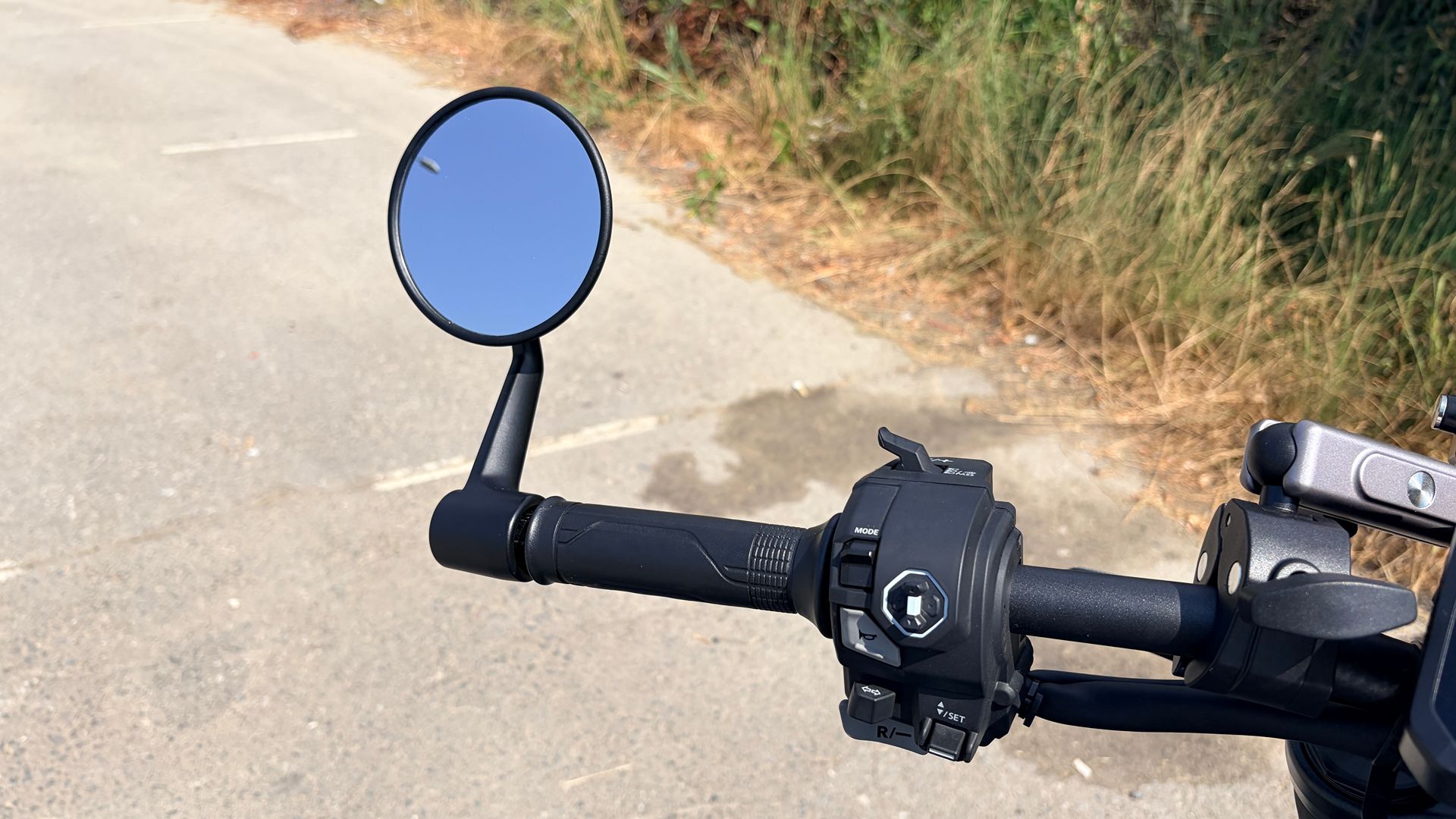
If you’re looking at a WN7 as a first full-size bike or planning a return to biking, you’ll be pleased to know that it’s a very forgiving and easy bike to ride. Despite tipping the scales at 217kg, it carries its weight very low, making it easy to manoeuvre at slow speeds. The lack of a clutch and gearshift is also welcome, although I guarantee that you will reach for the clutch lever for the first week if you’re switching from a combustion bike. Oh, and if you hate having to wheel your bike around a garage or into a tight parking space, the WN7 has another trick up its sleeve - reverse. Just press and hold the minus switch (or the 'R' reverse button) on the left handlebar switchgear while the bike is parked, gently twist the throttle and the bike goes backwards. Brilliant.
Another thing that combustion bike owners will need to get used to is the lack of noise and vibration. Twist the throttle and the WN7 takes off with just a muted whirr. Hit the brakes and the only sound you hear are the pads on the discs. It takes a little getting used to at first, but the joy of riding through the countryside and hearing everything that’s going on around you is an amazing experience.
Who can ride a WN7?
If you’re new to riding, the rules and regulations around what you can and can’t ride can be a little confusing. Honda makes the WN7 in two guises, one is A1 licence compliant, the other is for riders who hold A2 or full A licences.
An A1 licence can be obtained from age 17 and allows motorcycles up to 125cc-equivalent power, with a maximum 15hp output. To get an A1 licence, you’ll need to take the theory test, CBT (Compulsory Basic Training) and a practical test.
You can get an A2 motorcycle licence in the UK by completing your CBT, passing the motorcycle theory test, and passing both practical test modules (Module 1 and Module 2) on an A2-compliant bike. A2 rules (when it comes to measuring the output of electric motorbikes) mean that you can’t ride a motorbike that has a ‘continuous power rating of more than 35hp’. Which, in theory, rules out the 68hp WN7, right? Well, no, because the key phrase here is ‘continuous power rating’, which is different to maximum power. It’s a quirk of the system and it plays into Honda’s hands because the WN7 in A2 guise has a continuous rating of just 24hp. Not only that, both versions deliver the same full-fat 100Nm of torque, making the WN7 one of the fastest first bikes on the market.
Pricing
If there’s a downside to the WN7, it’s the price. Both A1 and A2 versions will set you back £12,995. Which is a lot of money if you look at it as a 68hp motorbike that’s only viable as a commuter bike. A Dacia Spring is more than a thousand pounds less - and you get an actual car for that. Yes, you get a lot of technology - stuff that Honda usually reserves for its pricier bikes - but that’s still a big chunk of money. Honda will counter that the competition all charge the same and more for comparable electric bikes, but as with electric cars a few years ago, the premium to go EV will be a big barrier for many.

Verdict
Honda has done a fine job with the WN7 (name aside). Easy to ride and with a wonderfully addictive turn of speed, it makes a terrific commuter bike. The quality throughout is superb and the smoothness of the riding experience tells me that Honda has worked hard on the details. Downsides? Well, I think the nearly 13 grand price tag is too much - especially in a market where the EV doubters are plentiful. Unless you really want to go electric and have the budget to do it, a lot of bikers will stick with cheaper combustion alternatives. And that’s a shame, because the WN7 is a great piece of engineering and a hoot to ride.
 9
9