





 Range: 450 miles (WLTP)
 Battery: 118kWh
 Charging speed: 350kW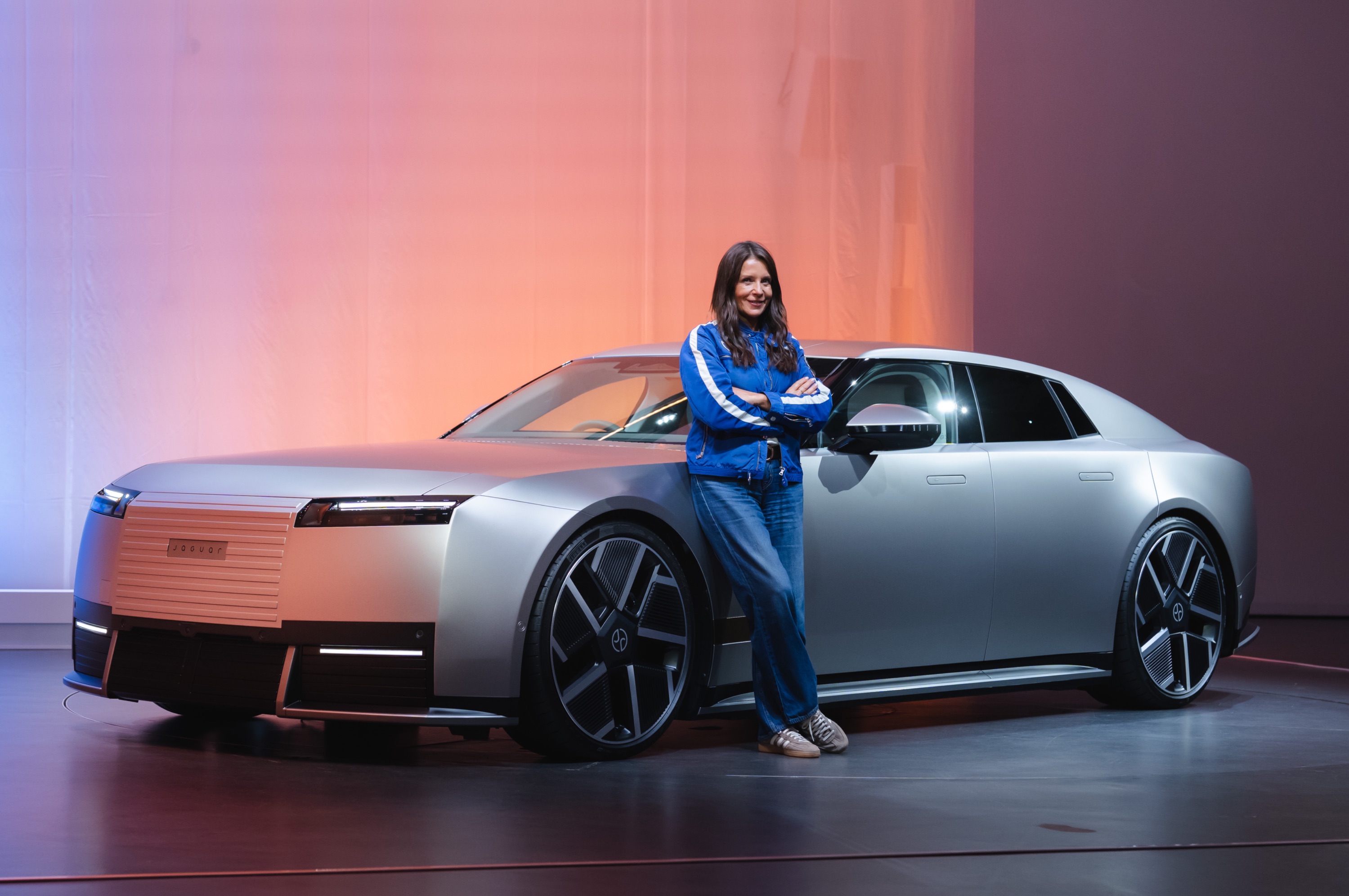

Introduction – Jaguar Type 01
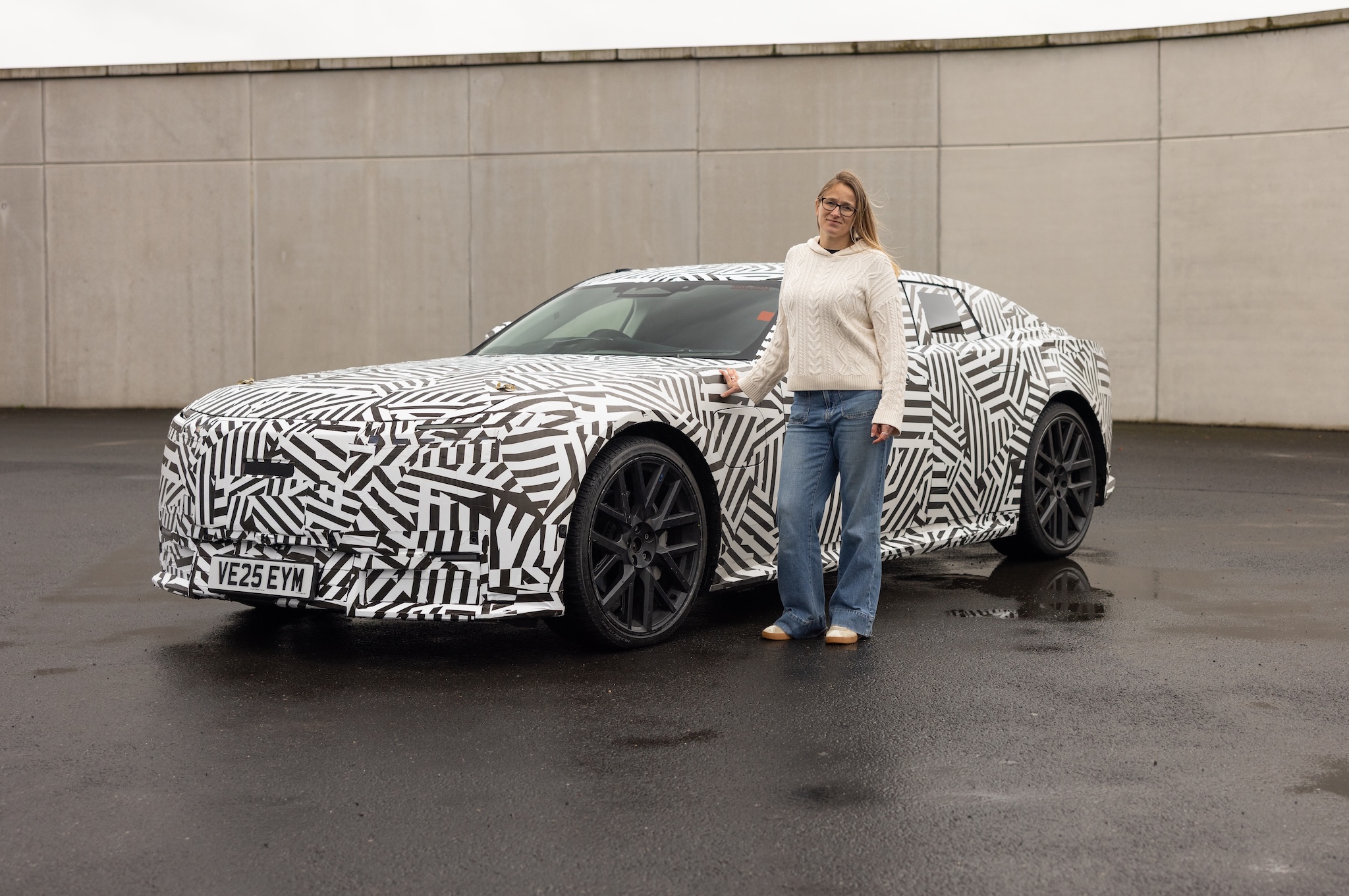
At Electrifying.com, we’ve followed Jaguar’s electric reinvention from the start. I was at the unveiling of the Type 00 concept at the end of 2024 and have since ridden in a prototype, while our editor, Vicky Parrott, has driven a prototype Jaguar Type 01 on track at the company’s UK headquarters.
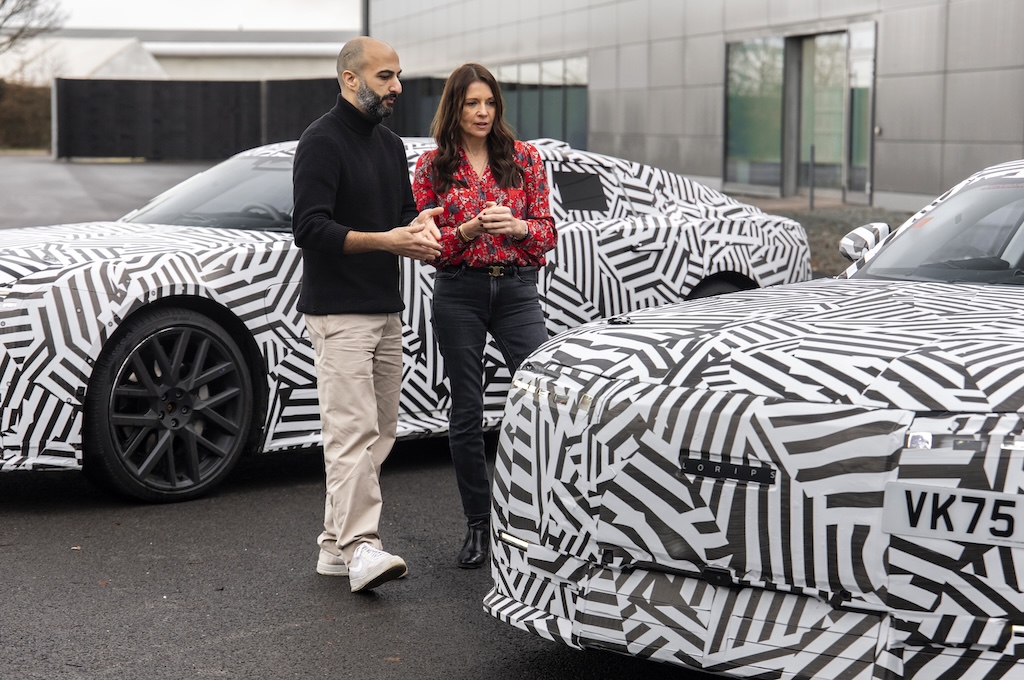
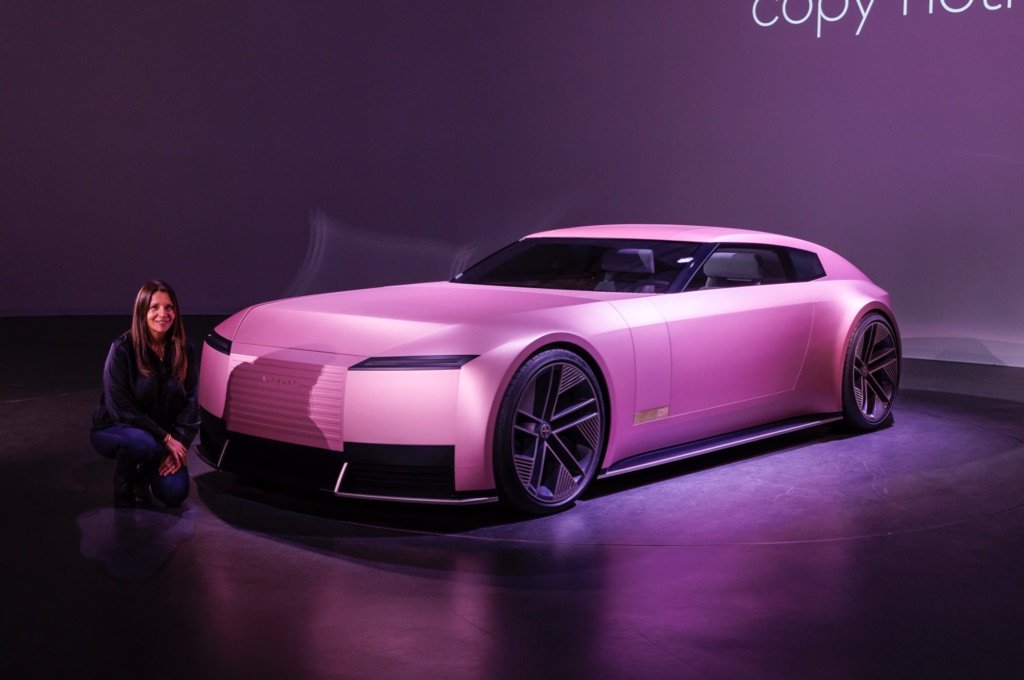
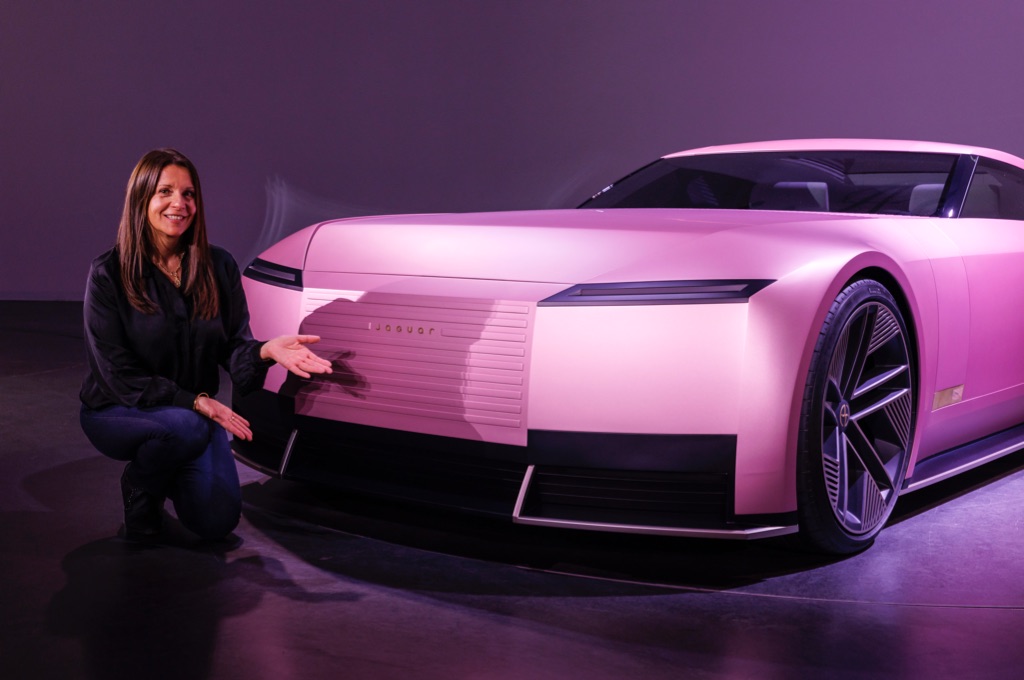
But the missing piece was seeing the production version revealed to the world, and almost two years after that large pink car broke the internet, I found myself at its launch in New York to answer a simple question: has Jaguar pulled it off?
My first look at the full production car actually came during a private briefing at Jaguar’s Gaydon headquarters in September. My immediate thought? Jaguar has been brave. Very brave.
Usually, the journey from concept to production involves watering things down as engineers, accountants and regulations have their say. In this case, the wild doors may have gone and the interior is less overtly ‘artisan’, but the scale, proportions and sheer audacity of it have survived.
Jaguar boss Rawdon Glover told me that no other Jaguar has scored so highly in customer clinics. Or so badly. He seemed quite happy with that. Jaguar doesn’t need everyone to love this car – just enough people who can afford to buy it.
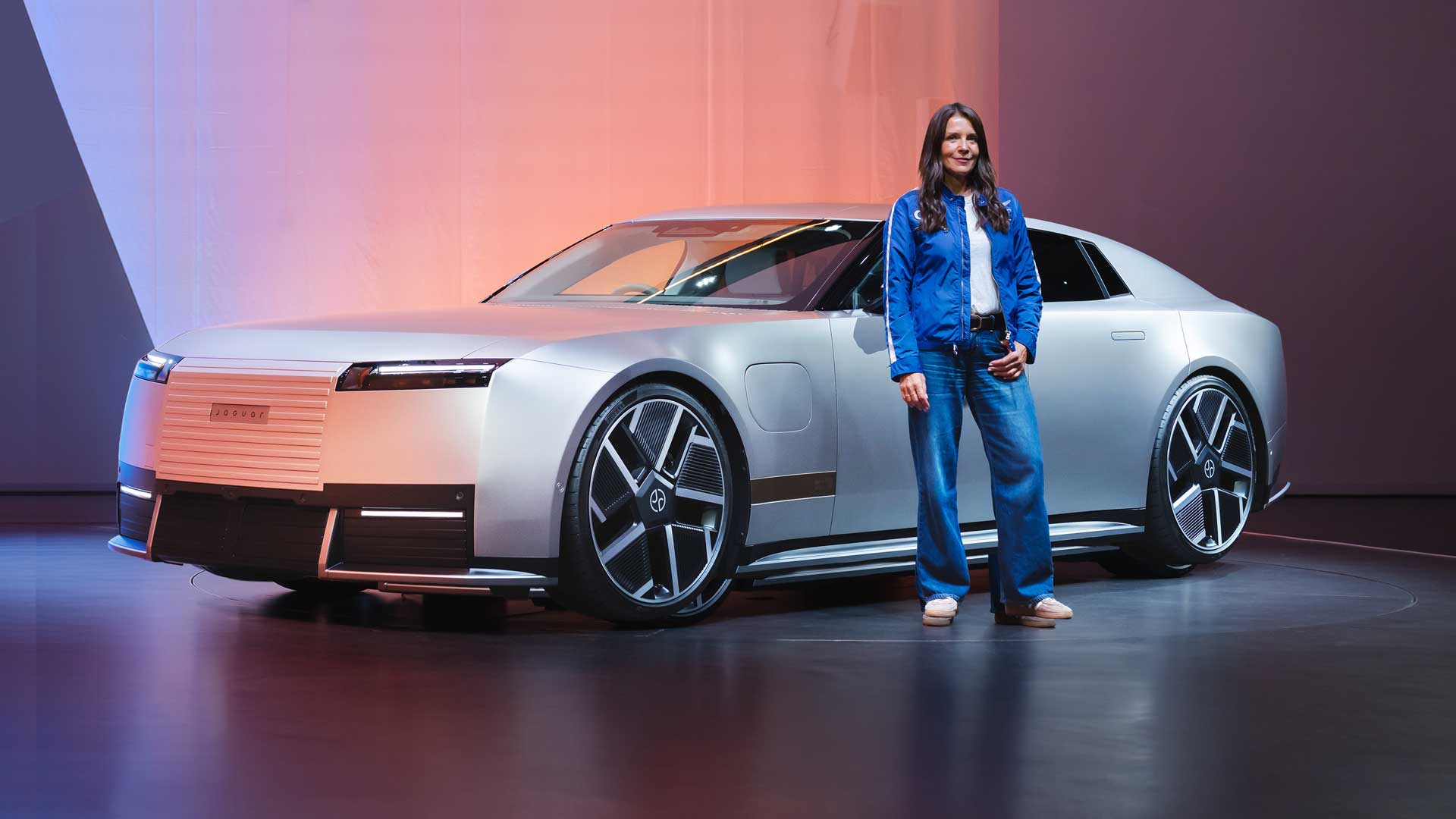
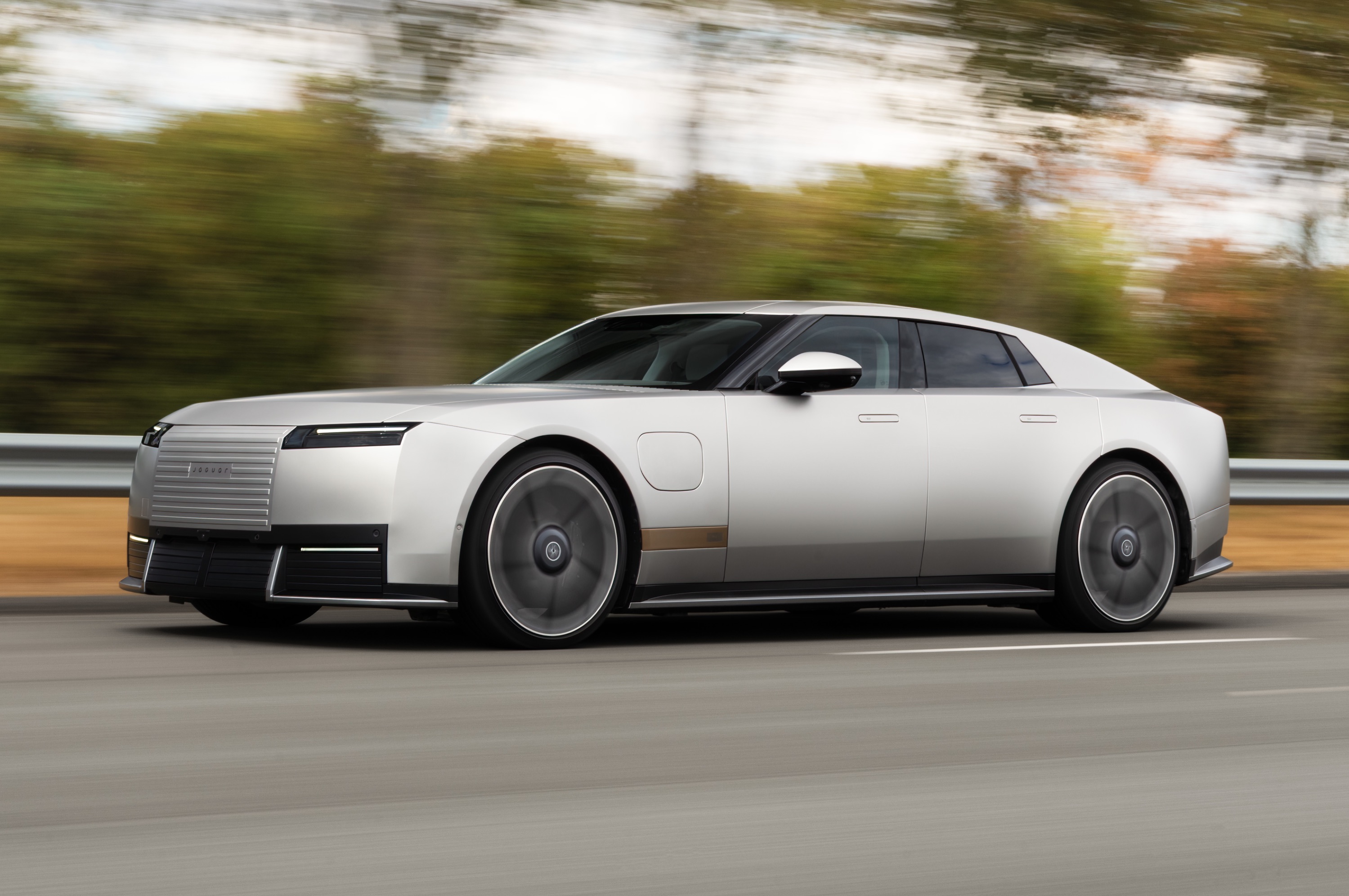
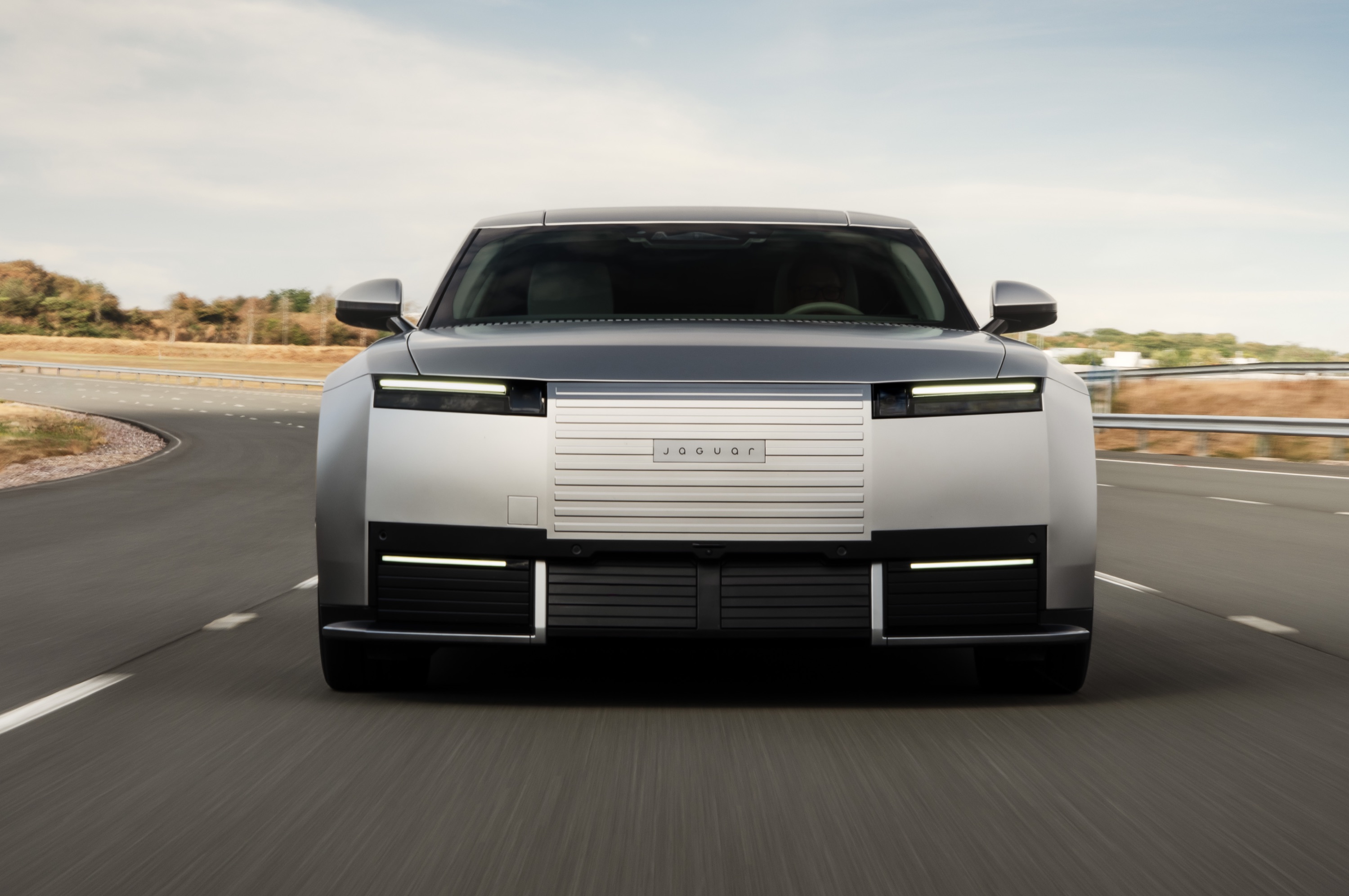
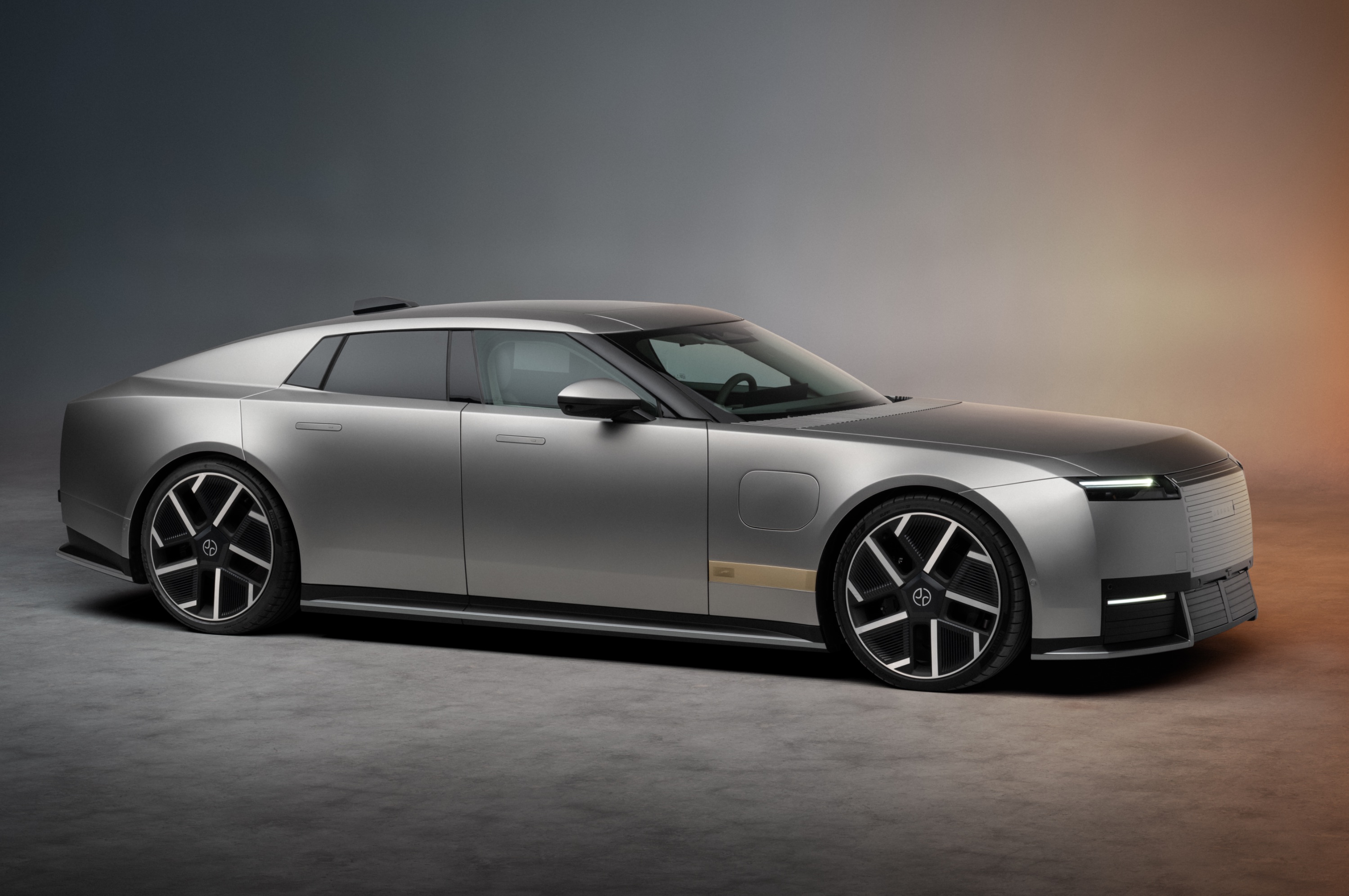
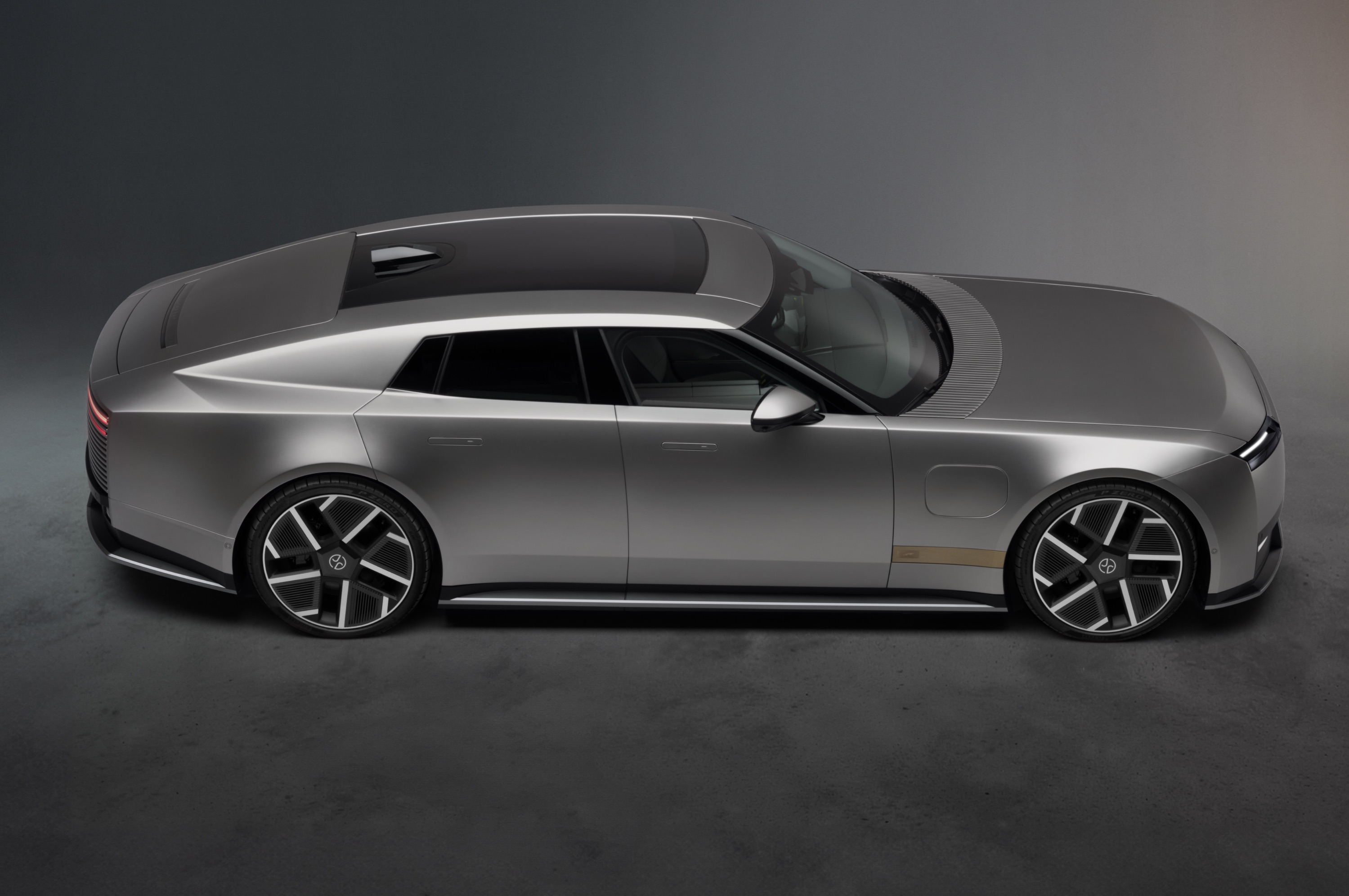
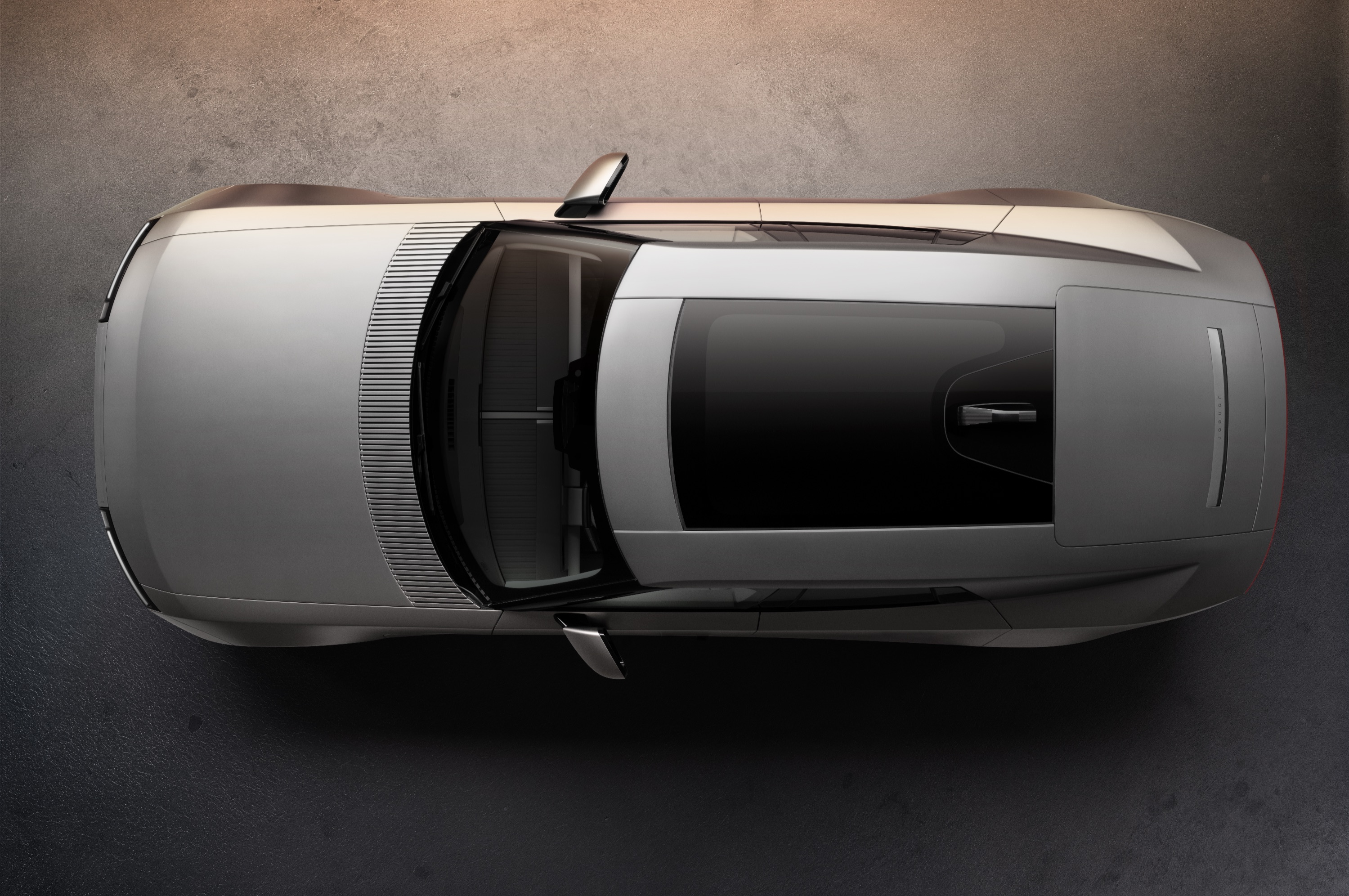
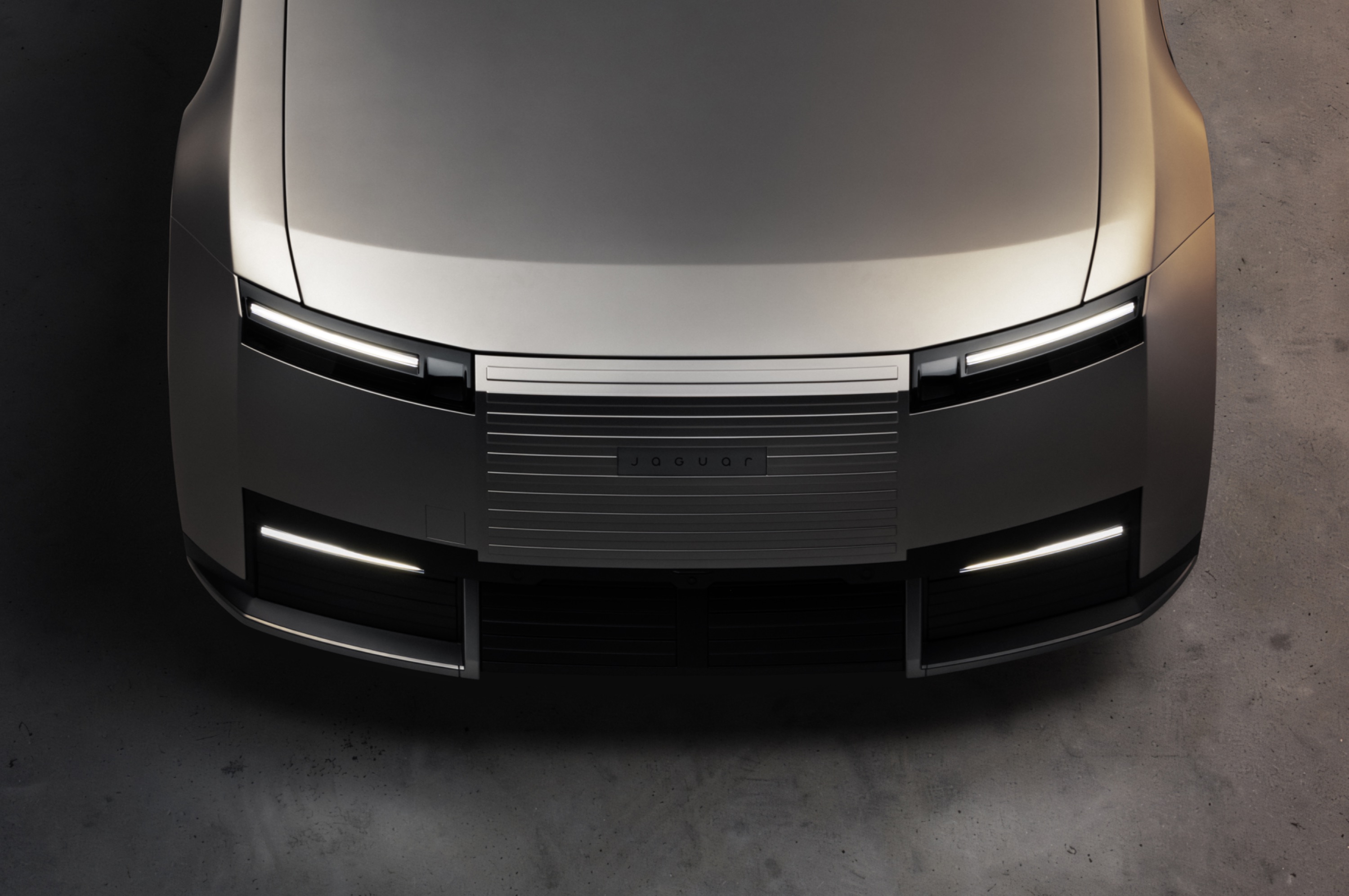
Jaguar promised ‘exuberant’, and it has certainly delivered. With a low roofline, short front overhang, long – almost flat – bonnet, extended rear overhang and huge 23-inch wheels, the Type 01 has extraordinary presence. The front may be simple but with its four vertical light bars – the slimmest head lamps Jaguar has ever done – you won’t miss it coming up behind you on the motorway.
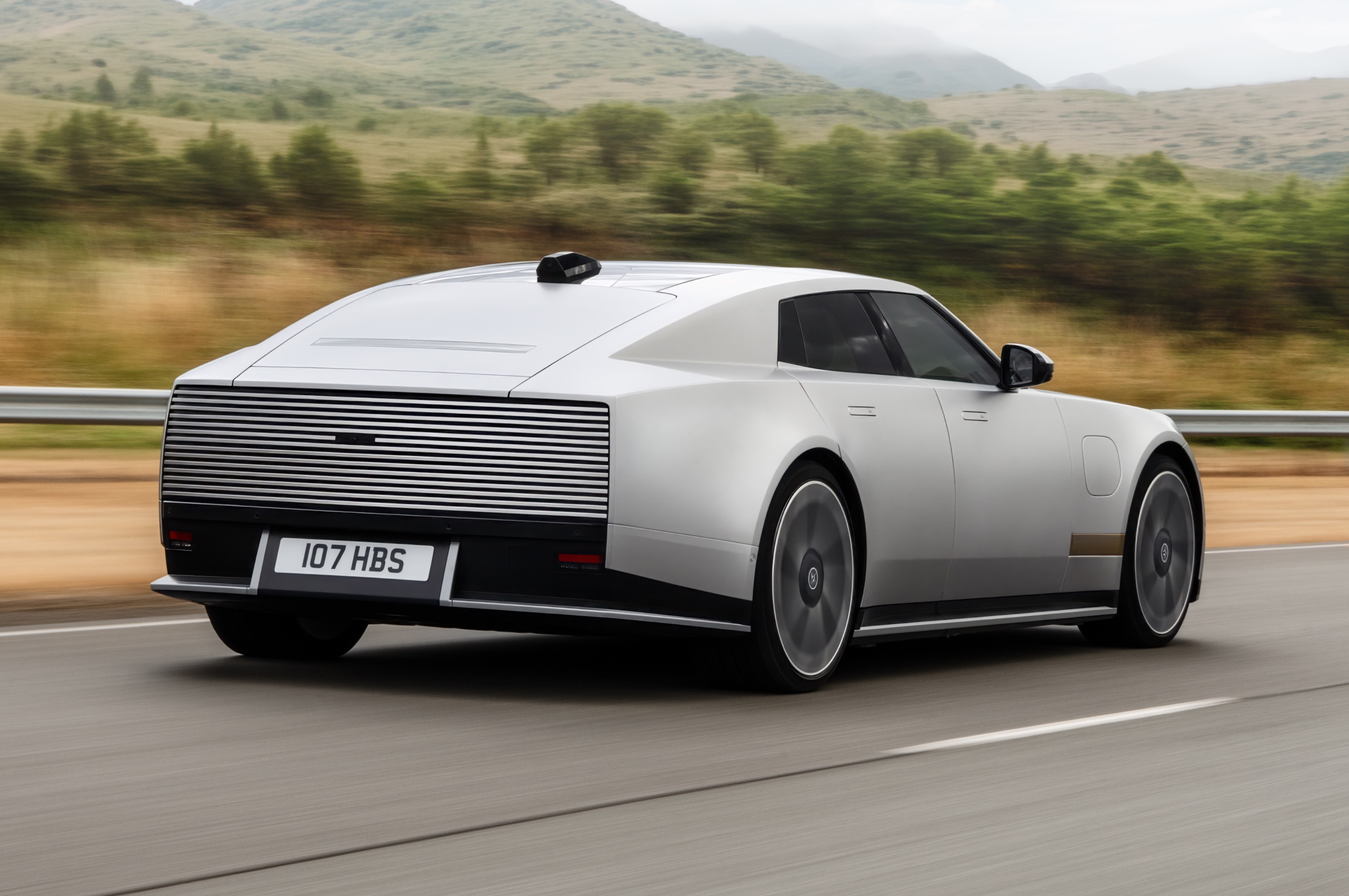
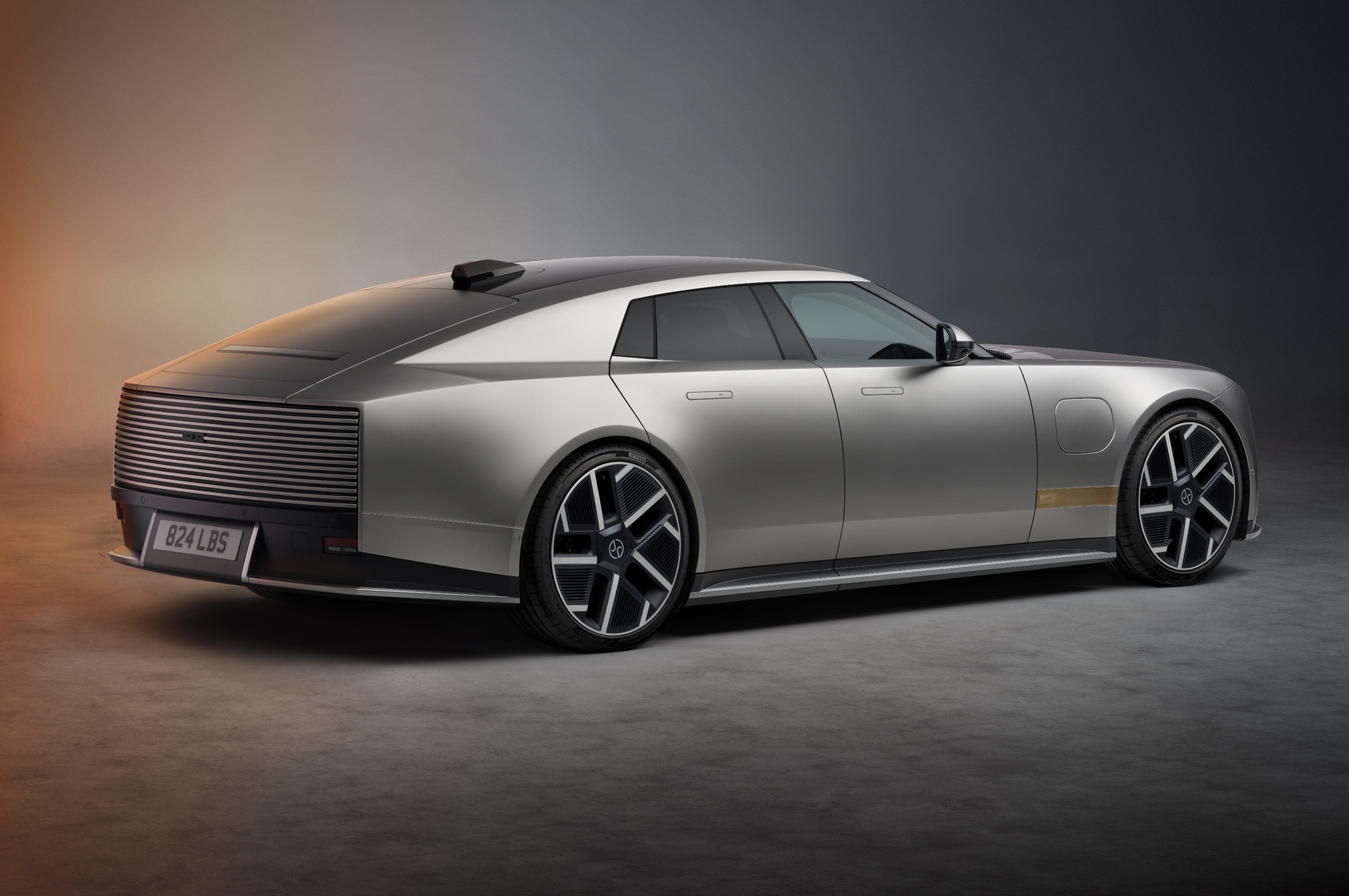
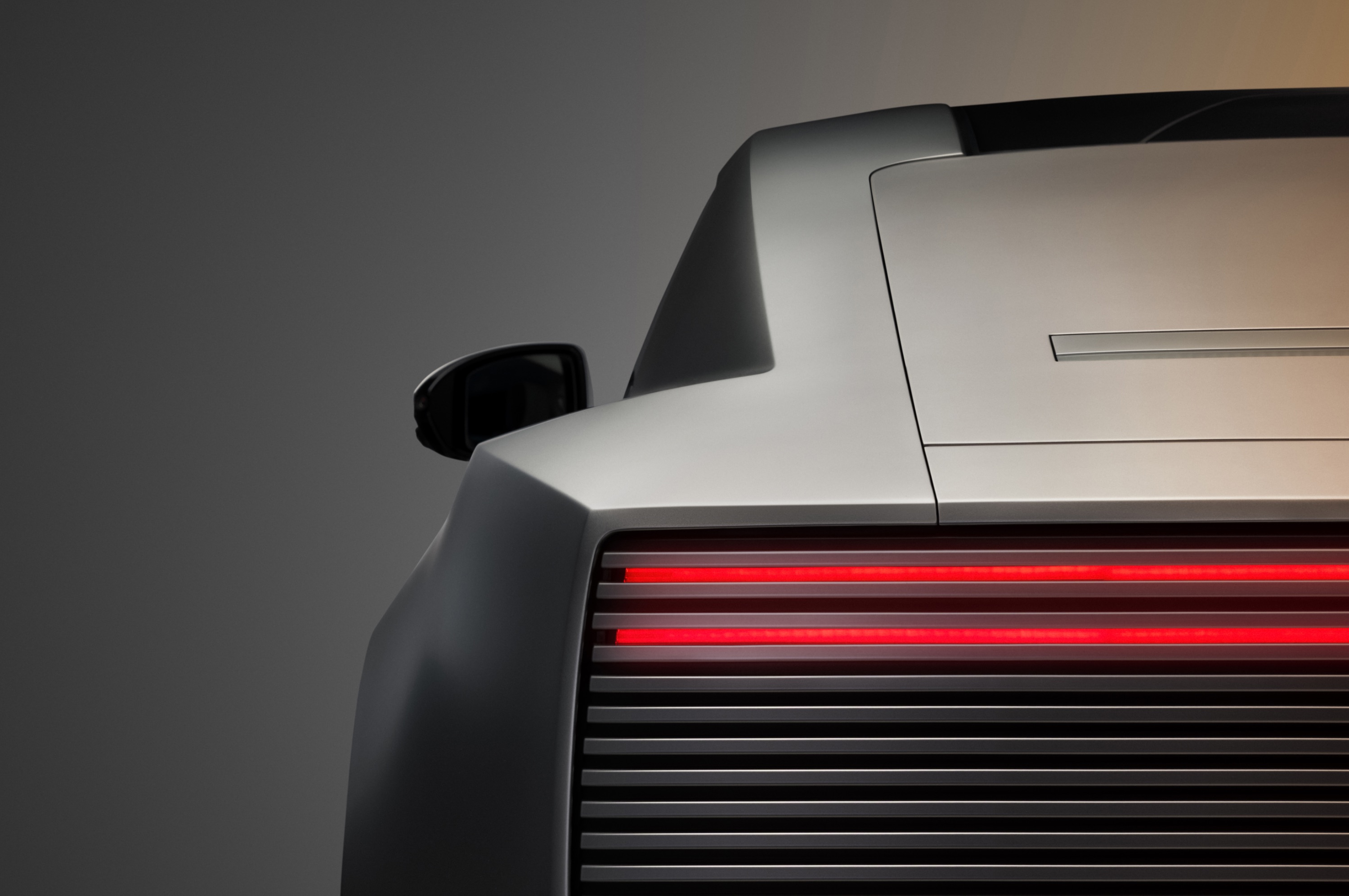
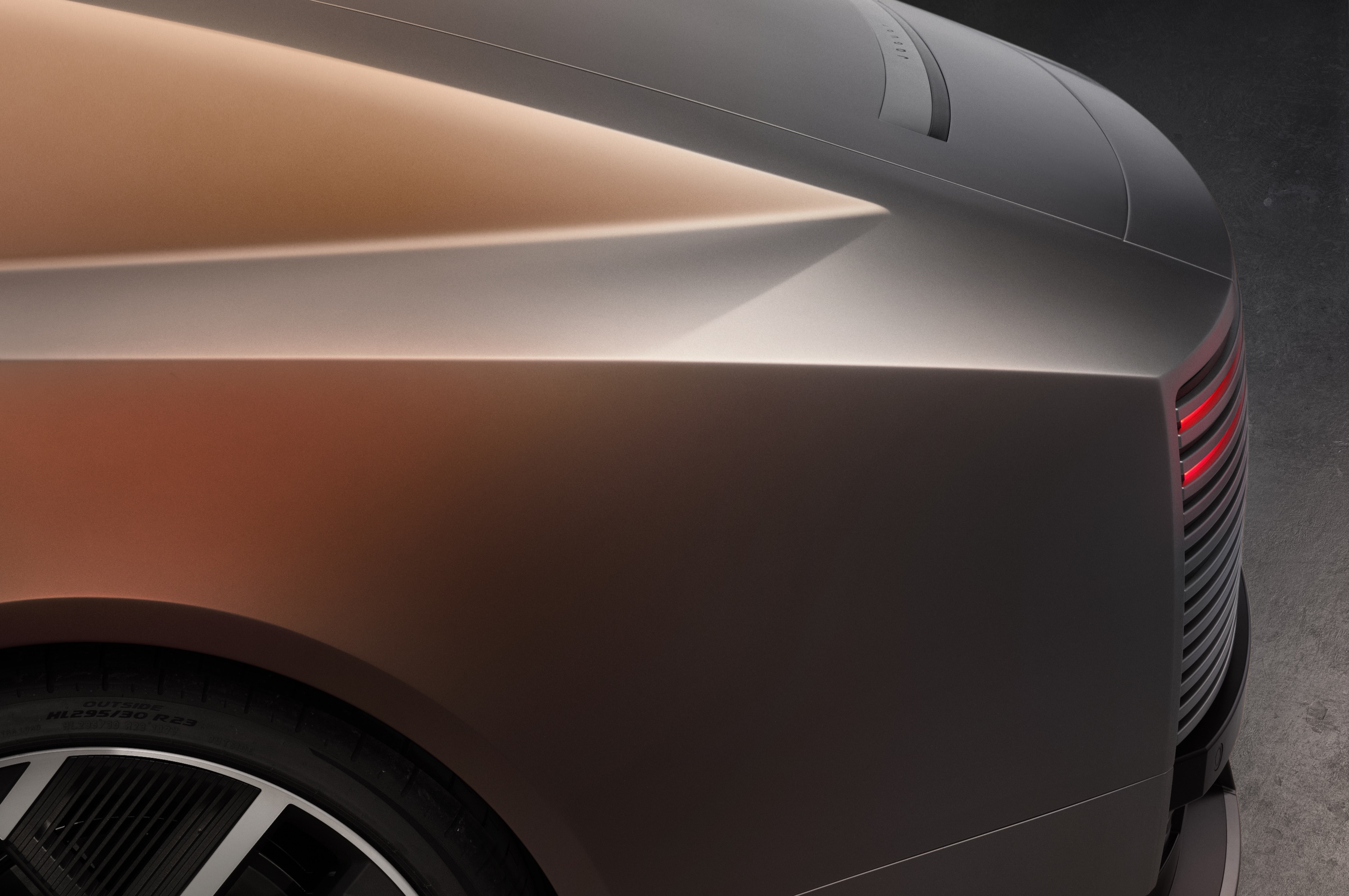
One detail I love is what Jaguar calls the ‘impossible panel’, where those clean, sharp lines meet at the rear shoulder in a shape its engineers initially thought couldn’t be pressed from aluminium. After 22 weeks and more than 1,500 hours of tooling refinements they made it work, drawing your eye round to a rear end that’s every bit as dramatic as the front, while the shape also helps manage airflow as part of a design that makes Type 01 the most aerodynamic Jaguar ever.

The absence of a rear window will inevitably get people talking. Instead, a high-definition camera feeds video onto a slim, letterbox-shaped screen that sits in the centre of the dash at the base of the windscreen. So you have to glance low on the dash to see out of the back of the car, rather than up to where a traditional mirror would be. Whether that feels entirely natural in everyday driving is something we’ll find out when we drive it on the road in the coming months.
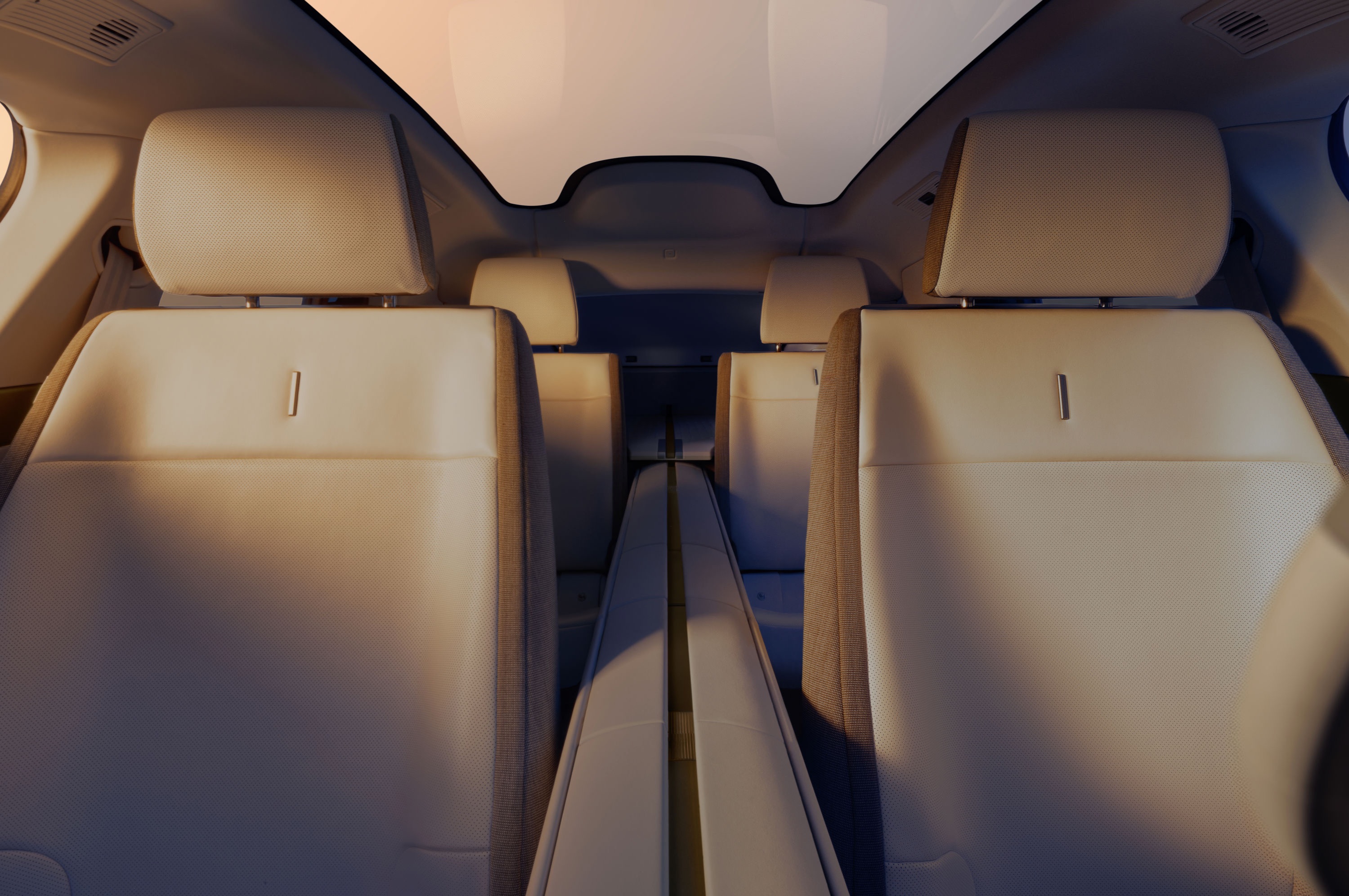
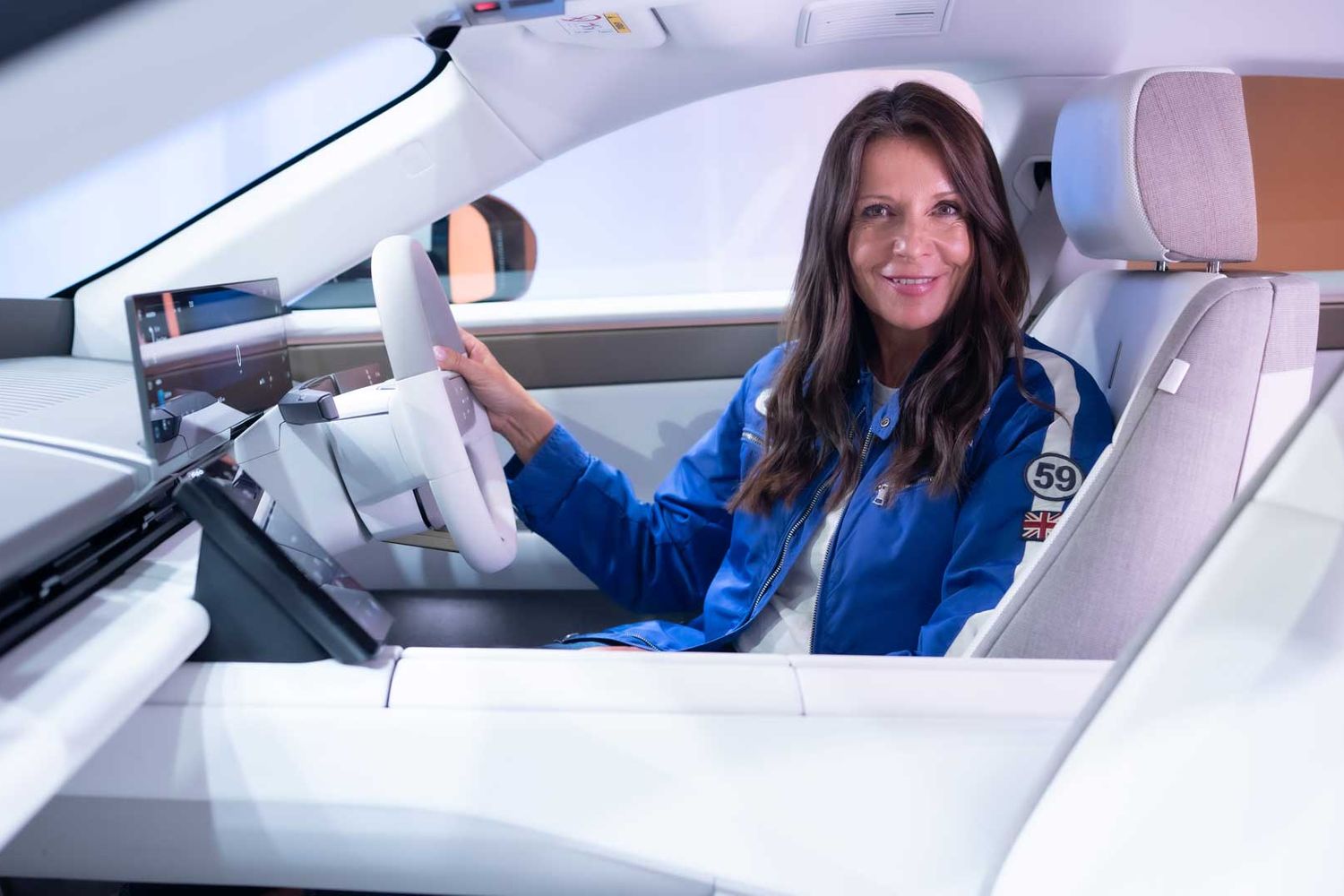
Inside is where I think Type 01 shines and where Jaguar’s ambition really comes into focus: this needed to feel special enough to tempt buyers away from some very established luxury brands. And special is the word to describe it. It’s a four-seater, with the cabin split into four individual spaces by a central spine that emphasises Type 01’s sheer scale.
When it comes to range, Jaguar estimates up to 450 miles on the WLTP cycle from a 118kWh usable NMC battery. You can thank its low, aerodynamic shape for that. But the figure that catches my attention is its estimated motorway range of up to 320 miles at a constant 75mph (120kph), if it delivers that in the real world, then Type 01 is delivering on its GT promise.
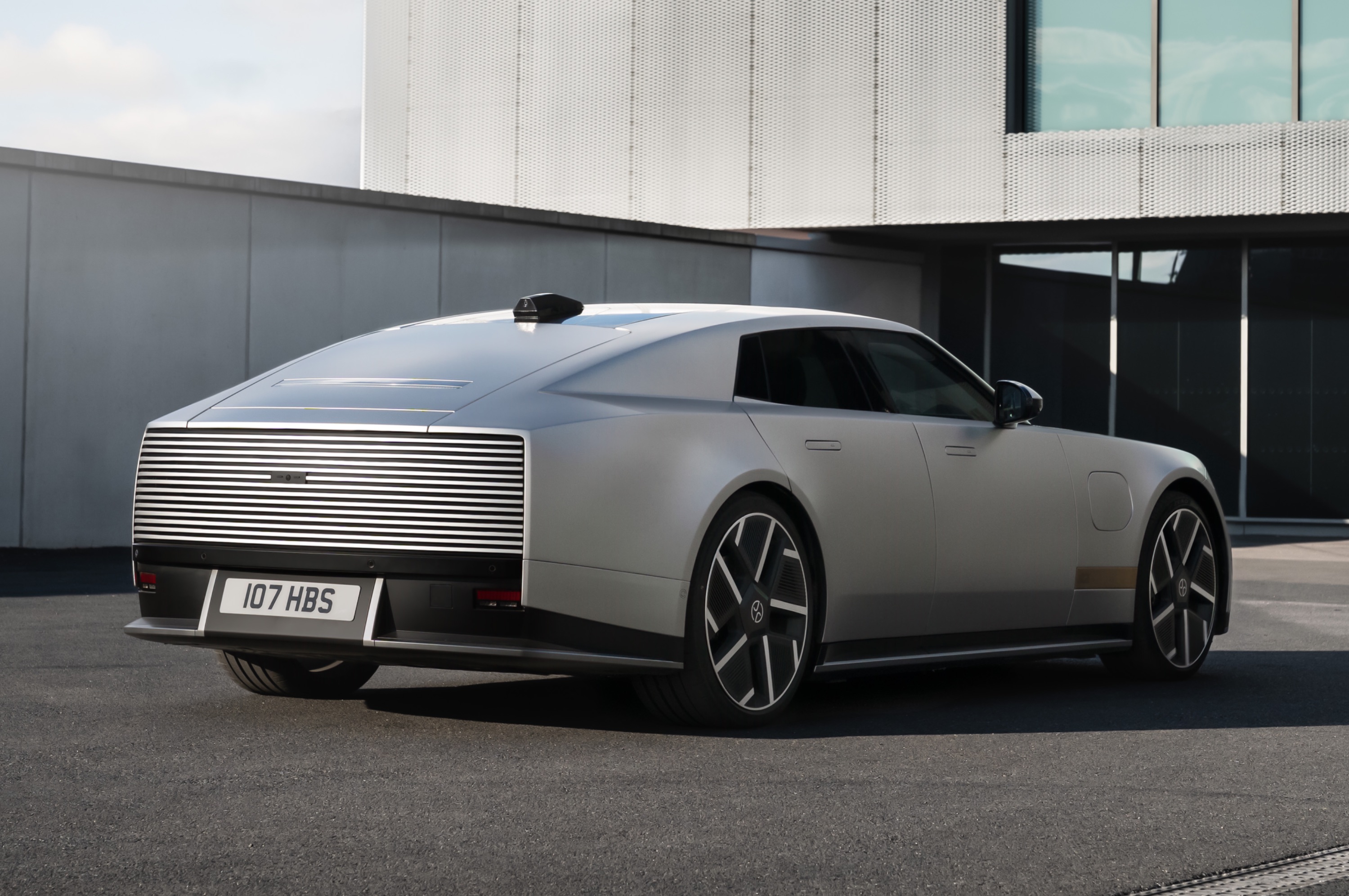
Jaguar says more than 360 patent applications helped make Type 01 its most technically advanced car ever, and Type 01 sits on Jaguar’s new, dedicated electric architecture, known as JEA. It’s been developed specifically to deliver the dramatic proportions and driving character the team wanted. Its 850V electrical system supports rapid charging at up to 350kW, with Jaguar claiming a 10–80% charge in around 22 minutes.
Type 01 isn’t lacking in power. With up to 1,030hp and 1,365Nm of torque, Jaguar says the Type 01 is its most powerful road car yet. The 0–62mph sprint takes a claimed 3.2secs, while accelerating from 62–112mph takes just 4.0 seconds. Remember, this is a luxury GT measuring around 5.2 metres long, making those remarkable figures for such a substantial car.
The price will be substantial, too. We expect the Type 01 to start at £120,000, with personalisation and special editions adding to the bill. Jaguar is pitching itself into a luxury world alongside rivals like Bentley’s forthcoming EV, the Torcal, along with the Rolls-Royce Spectre. Having seen the finished car, I don’t think that ambition is misplaced, although proving it will take more than a spectacular reveal.

With increasing competition from Chinese brands, Jaguar boss Rawdon Glover told me that the Type 01’s British credentials matter. Jaguar proudly states that it’s ‘Made in Britain’, having been designed, engineered and crafted in the UK. For a brand embarking on such a dramatic reinvention, that kind of connection matters.
Orders are expected to open in early 2027, with first deliveries anticipated in the second half of the year.
So that’s the lowdown. Let’s take a look at the car that is arguably Jaguar’s most important model to date in more detail.
Motors, performance and handling
Jaguar has had 150 prototypes testing around the world covering over 700,000 miles and the headline numbers are properly spicy. Jaguar has confirmed three motors, all-wheel drive and up to 1,030hp and 1,365Nm of torque, making this its most powerful road car yet, with a claimed 0–62mph time of 3.2secs and 62–112mph taking just 4.0 seconds.
But underneath all that power and dramatic styling, does it still feel like a Jaguar? After driving a prototype on track at the company’s Gaydon HQ our editor Vicky Parrott thinks it does.
Jaguar has been deliberately forensic about defining what a ‘true modern Jaguar’ should feel like, driving much of its historic fleet to reset its benchmark before testing modern electric performance cars. Before getting into the Type 01, Vicky drove a classic V12 Jaguar XJ-C, as the team wanted her to experience the car they’d used as inspiration for their new electric GT.
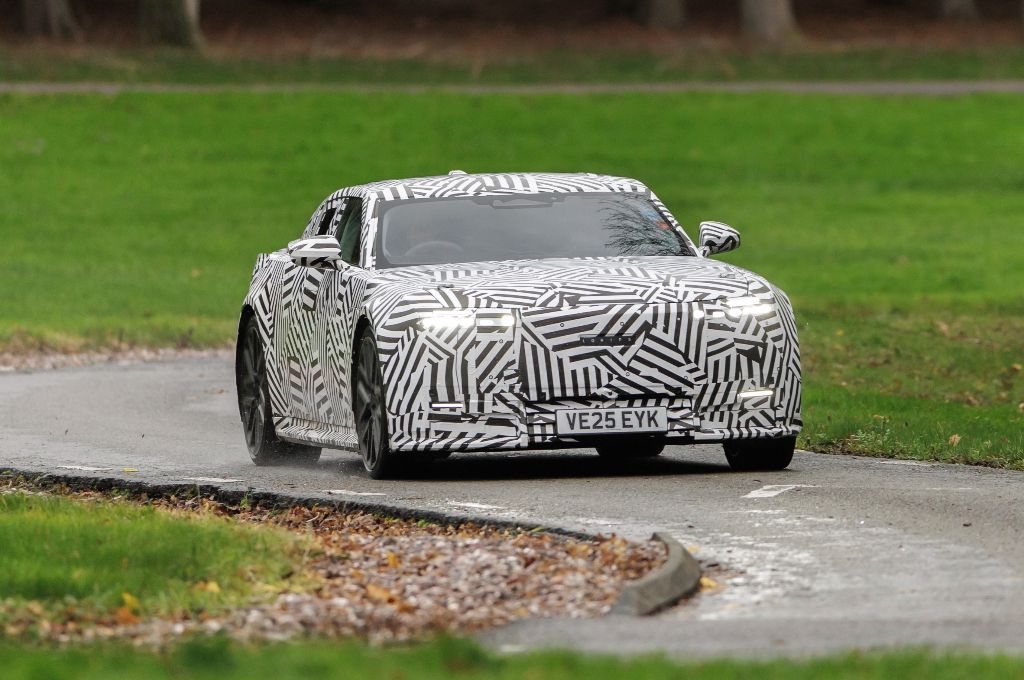
The prototype Vicky drove wasn’t delivering the production car’s full power, although with 800hp available she was hardly going to feel shortchanged, and what impressed her most was the way Jaguar had chosen to deliver it: “This prototype car was limited to 800hp (I know, how awful for me to have ‘only’ 800hp) but the power delivery is really interesting. Jag has worked it so that the power streams on in quite a lovely, smooth build.”
“There’s none of the explosive, jolting feeling that you get in a lot of really fast EVs when you give it everything. The Jag always feels suave and in control, even when you ask for full acceleration. It’s almost got the power delivery of a really high-end petrol car, actually, but of course it’s seamless and smooth and just deliciously easy to modulate courtesy of the very accurate throttle response.”
That’s very much how it felt to me from the passenger seat on road and track, with the power arriving in a smooth, progressive surge rather than the aggressive punch you get from some very fast EVs.

Vicky was equally impressed by how easy it was to bring everything back under control: “Brake feel is lovely, too. The fairly short travel brake pedal is firm and gives loads of feel and feedback, so you can brake really smoothly even in faster driving or just when you’re pottering around town. Even more impressive when you find out that it’s actually a brake-by-wire system.”
Jaguar has now confirmed high, medium and low regeneration settings, plus a single pedal mode, although Vicky’s prototype was fixed in a default medium setting, which she found moderate but very easy to predict and get along with.
There’s plenty of technology helping this substantial GT feel agile, including intelligent torque vectoring, all-wheel steering and dynamic air suspension with switchable-volume air springs and twin-valve active dampers, all fitted to the prototype Vicky drove. The rear wheels can turn by up to six degrees, giving Type 01 a tight – for its size – 11.5-metre turning circle, which should help when you’re manoeuvring a car this big.

What matters is how those systems work together when you’re behind the wheel, and her description gives you a much better sense of that than the specification sheet:
“The steering has a delightful oily build of weight that Jag has always done brilliantly. It just feels… expensive. Organic and precise, and surprisingly tactile for such a huge car. In fact, the whole car feels remarkably delicate and on its tip-toes, despite its enormous 2.7-tonne mass.
“That adaptive air suspension manages to keep the body fairly flat and yet never lets the Jag’s body wallow and pitch too much. It’s exceptionally controlled and composed, and you feel… smug. Really smug. Because it’s just such a beautiful car to drive. If you forced me to name a modern car that it reminds me of, I’d actually say that it’s closest to the petrol Bentley Continental GT, which is also a weighty yet beautifully balanced GT car.”
Given where Jaguar is positioning the Type 01, that’s an encouraging comparison but we’ll reserve our final judgement until we drive the finished production car on the road. However, between Vicky’s prototype drive and my passenger ride, we’ve already experienced enough to feel very encouraged about what’s underneath that dramatic bodywork.
Range, battery and charging
We now have a much clearer picture of what the Type 01 promises when it comes to range and charging, with Jaguar estimating up to 450 miles on the WLTP cycle from its 118kWh usable NMC battery. That’s a substantial battery, but this is also a substantial car, and its low, aerodynamic shape should help it make the most of the energy on board.
The figure I’m particularly interested in is Jaguar’s estimated motorway range of up to 320 miles at a constant approximately 75mph (120kph), because that tells us more about its potential as a long-distance grand tourer than the headline WLTP number alone. These are estimates rather than figures we’ve tested ourselves, but if Type 01 delivers that motorway range in the real world, it will be living up to its GT promise.

It sits on that bespoke Jaguar Electric Architecture (JEA) platform, with an 850V electrical system supporting DC rapid charging up to 350kW. Jaguar claims you can add up to 200 miles of range in as little as 13 minutes, while a 10–80% charge should take around 22 minutes, although we’ll need to put those figures to the test when we drive the finished car.
Jaguar told me it couldn’t find an existing battery solution that would deliver what the team wanted, so it engineered its own, using bespoke NMC chemistry and a pack designed around the car itself which helped keep the roofline low while still leaving room for the people sitting above it.
There’s also a clever split-charging system that allows the battery to charge at up to 250kW on compatible 400V DC chargers, so it isn’t relying solely on higher-voltage equipment to deliver a quick top-up. The car can also prepare its battery temperature ahead of a charging stop to help it charge efficiently. Jaguar quotes a drag coefficient of 0.23, with active vanes at the front and a deployable rear spoiler helping to manage airflow and make the most of that battery.
One detail I like is the addition of two AC charging ports as standard, with one on each side of the car behind powered charging flaps, giving you more flexibility when the charger happens to be on the other side of your parking space. That flexibility only applies to AC charging, it doesn’t mean you can rapid-charge from either side.
The on-board charger supports AC charging at up to 22kW, provided you’re connected to a suitable charge point with the electricity supply to deliver it, which is also very handy and a feature we wish came on more cars.
Sadly, there’s no vehicle-to-load (V2L) capability at launch, which I love using for powering up my hairdryer when we get caught out by a shower when we’re filming on location, although Jaguar told me it’s “in the plan”.
Jaguar’s app also allows you to schedule charging, while the connected navigation can plan charging stops along your route as you’d expect.
Practicality and boot space
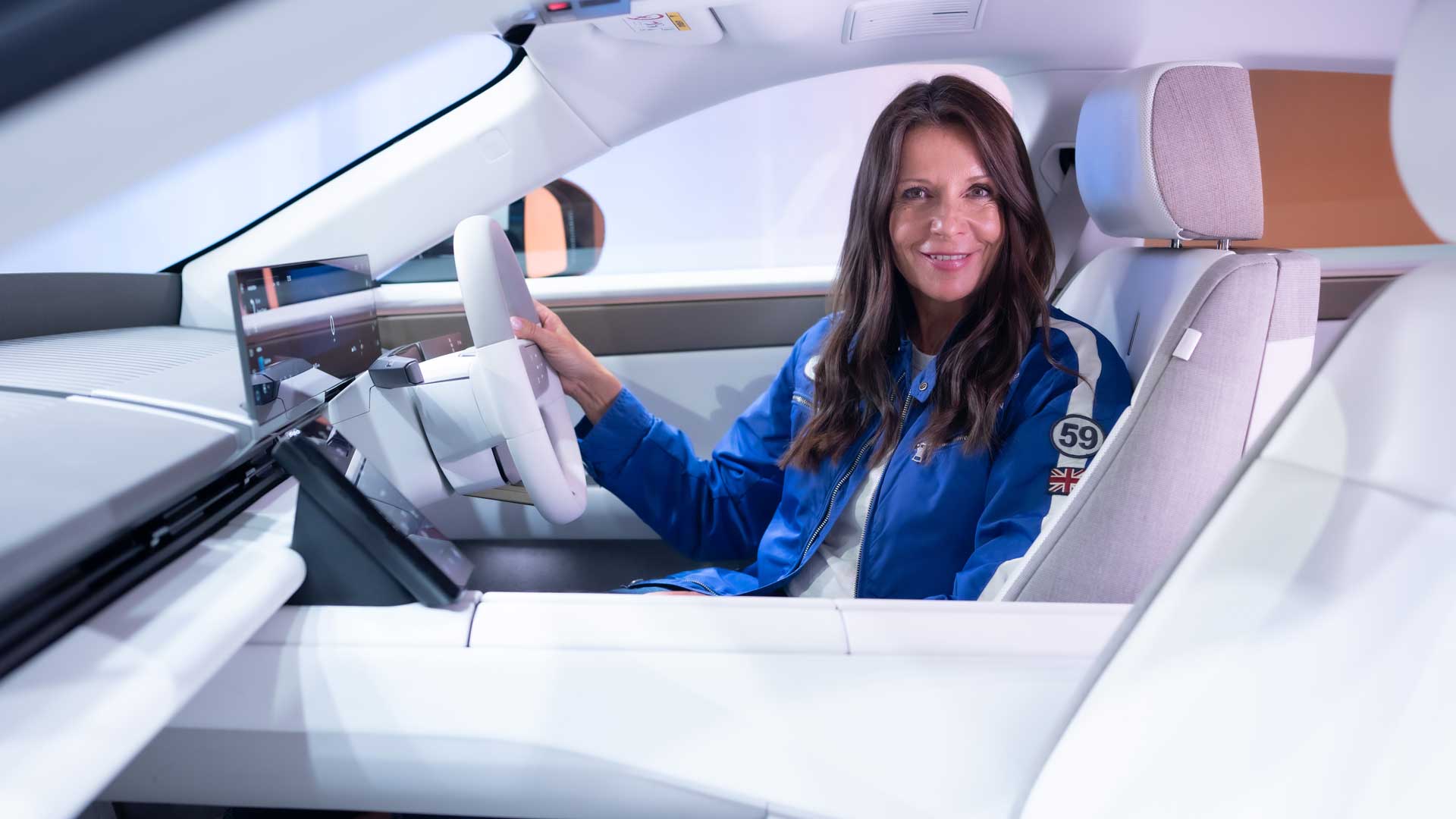
The new electric Jaguar Type 01 is a four seater, with a central spine running through the cabin to give everyone their own space, and having sat in it, I was surprised by how roomy it felt given that low, sweeping roof line. Now, I’m only 5’4”, so the fact that I fit comfortably proves very little and I suspect that larger adults may feel a little cramped with the low roofline.
Despite having no conventional rear window, it doesn’t feel as enclosed as you might expect, with the large panoramic glass roof bringing plenty of light into the cabin and a virtual sunshade allowing you to darken it when needed.

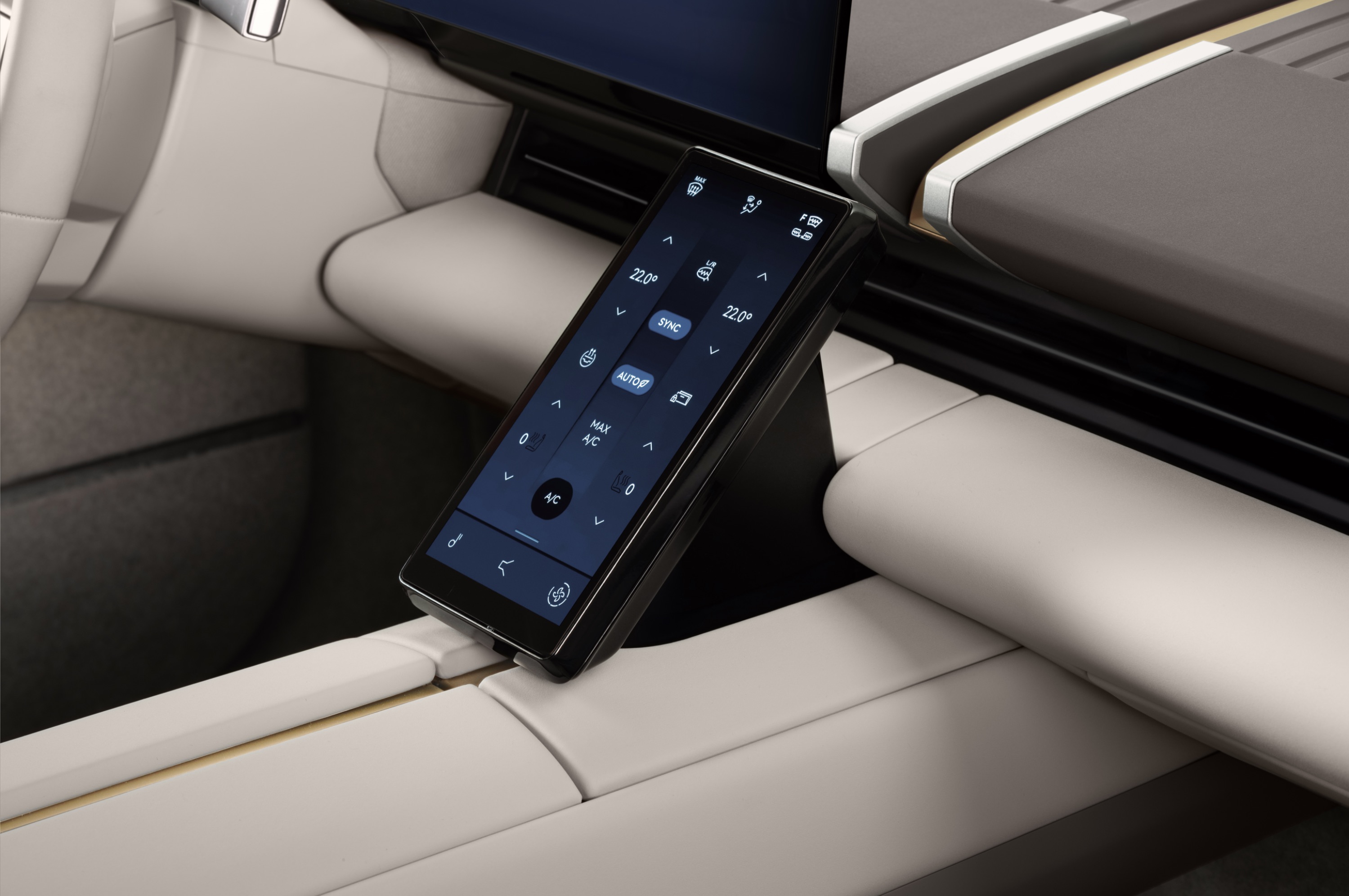
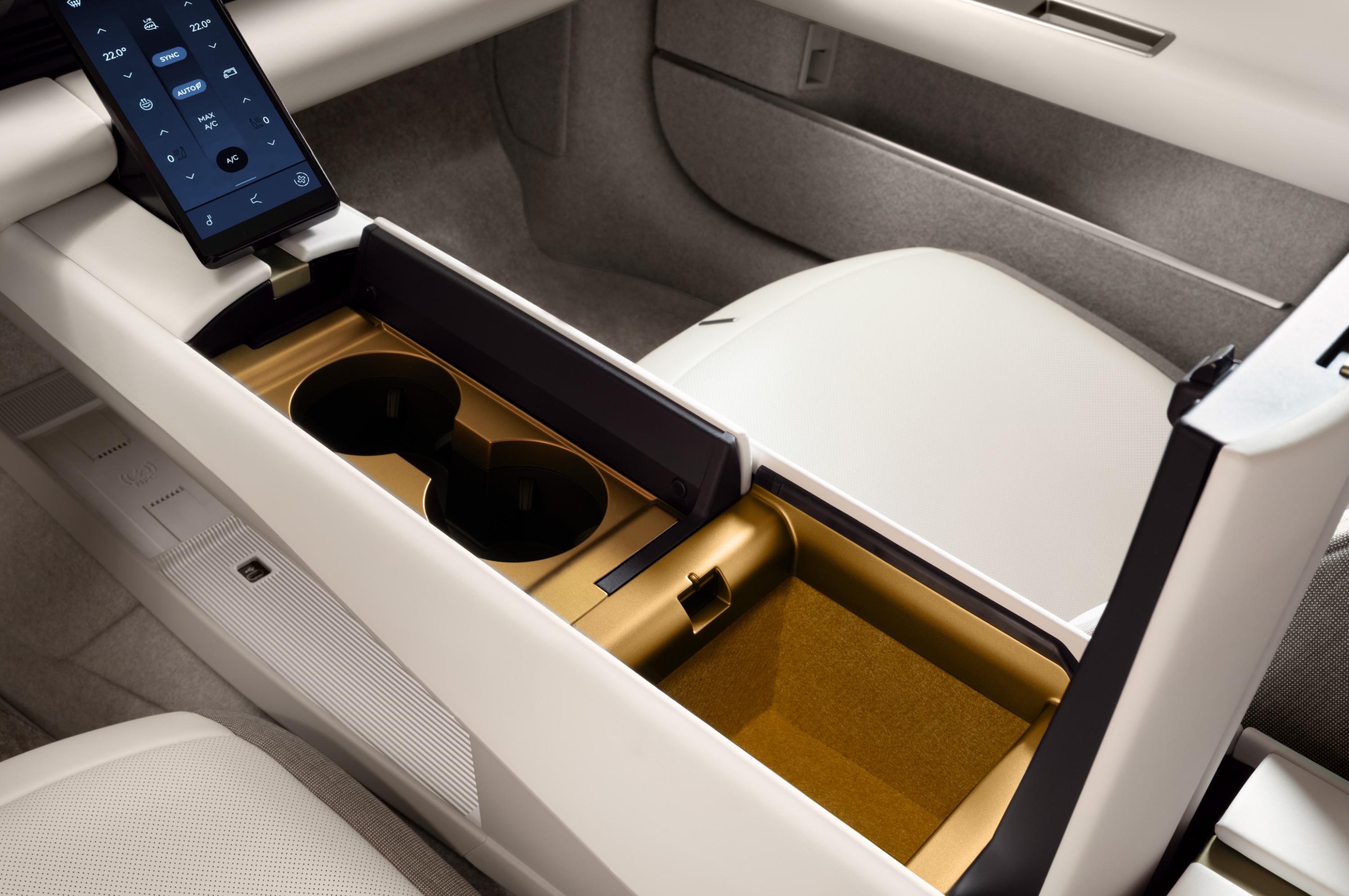
Rear passengers get heated and cooled seats, along with their own 7.0in touchscreen to adjust comfort settings, while the central spine houses concealed storage and cupholders. It feels like a car designed to give four adults their own comfortable space, rather than squeezing in a fifth person.
Of course, a grand tourer needs to carry more than four people and their credit cards, and Jaguar now quotes over 450 litres of bootspace behind the powered tailgate, expanding to 1,000 litres with the 50:50 split rear seats folded – and there’s additional storage beneath the boot floor.
There’s also a storage area under the bonnet, which I couldn’t see in person as we were shown a pre-production car, Jaguar describes this as somewhere to keep essential emergency kit, so I wouldn’t count on the huge front boot I’d hoped that long bonnet might conceal.
Interior design and technology
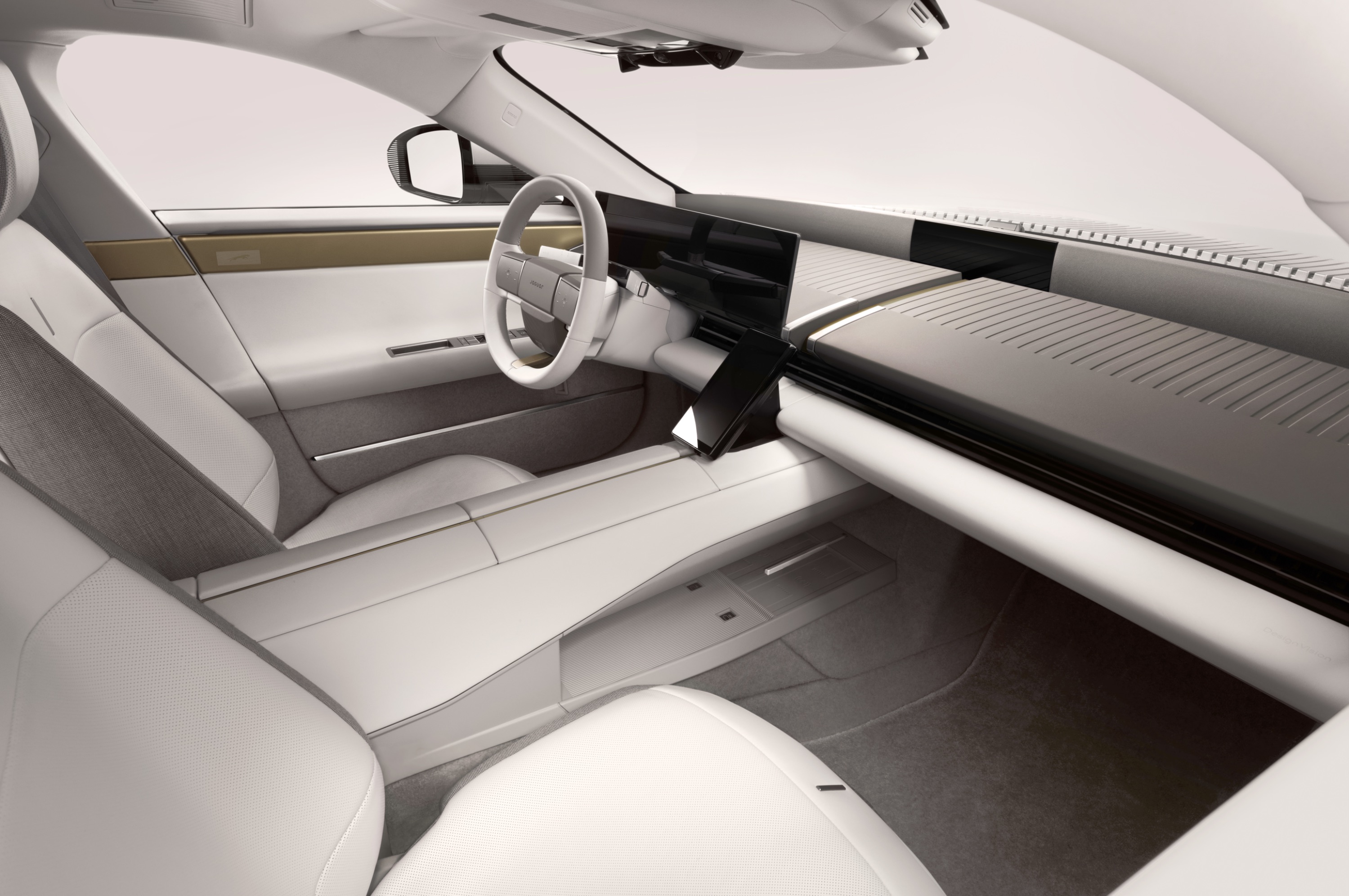
Interiors matter a lot to me, however good a car looks from the outside, this is where we spend our time, and having sat in the Type 01, I think the cabin is where Jaguar’s ambition really comes into focus. It’s dramatic and different, but there’s also a calmness to it that I hadn’t expected from a car making quite so much noise about its reinvention.
The photos don’t really do justice to the shape of the cabin or the way the driver sits low down directly in the centre of the car – refreshing in an EV – with the slim windows and a huge expanse of bonnet stretching out in front of you.

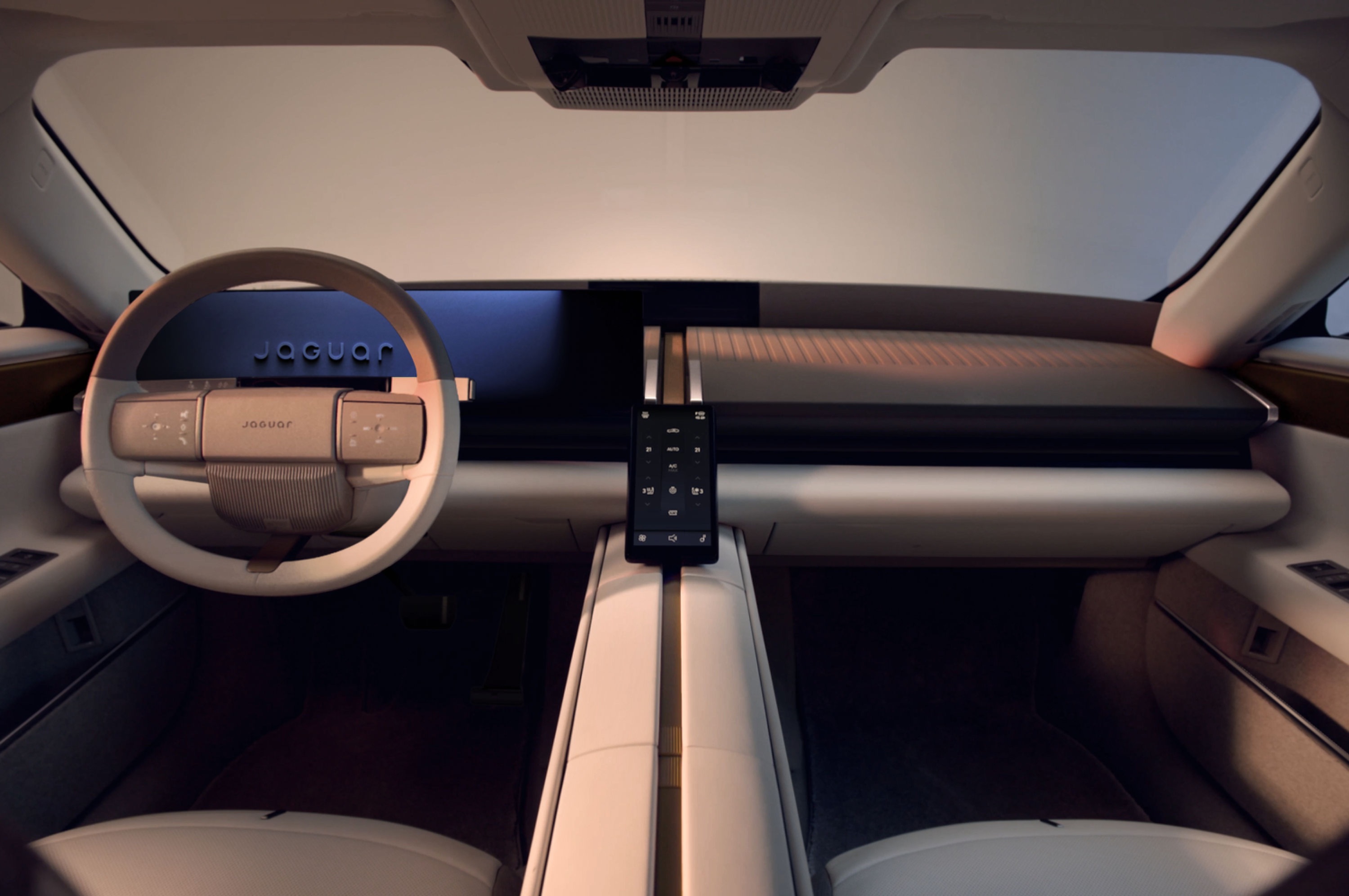
The central spine runs through the cabin, dividing it into four individual spaces, while the strong lines and restrained layout carry through much of the ‘less is more’ approach we saw in the Type 00 concept. I like the slightly oval steering wheel and the elongated control stalks, and even the carpet extends across the wide sills and into the footwells, which reminds me of Jaguars of old, although I do wonder how those sills will look after a few muddy shoes have been dragged across them.
Refreshingly, the electric Type 01 doesn’t feel dominated by screens, despite having a 24.0in OLED display ahead of the driver that extends towards the centre of the car. There’s also a smaller 7.0in portrait touchscreen for frequently used functions, including the climate controls and audio volume, but the screens feel integrated into the design rather than simply tacked on like an iPad. I want the features and functionality, but I don’t want a whole wall of screens, and this feels much closer to what I’d choose.
Looking lovely is one thing, though, and being easy to use while driving is another, so I’ll reserve judgement on the infotainment until I’ve had time to test it properly.
Wireless Apple CarPlay and Android Auto are standard, and Jaguar has also fitted a voice assistant that it says can understand conversational, multi-step instructions, which we’ll put to the test along with the touchscreen controls. There are still physical controls for the seats, gears, lights and wipers, which I’m glad to see alongside the touchscreens.

There’s no conventional rearview mirror because there’s no rear window, with the camera feed appearing on a slim ClearSight display built into the soundbar at the base of the windscreen. It keeps the view ahead clear, but looking down towards the dash rather than up to a mirror will take some getting used to, and I want to see how natural it feels when I’m driving on the road.
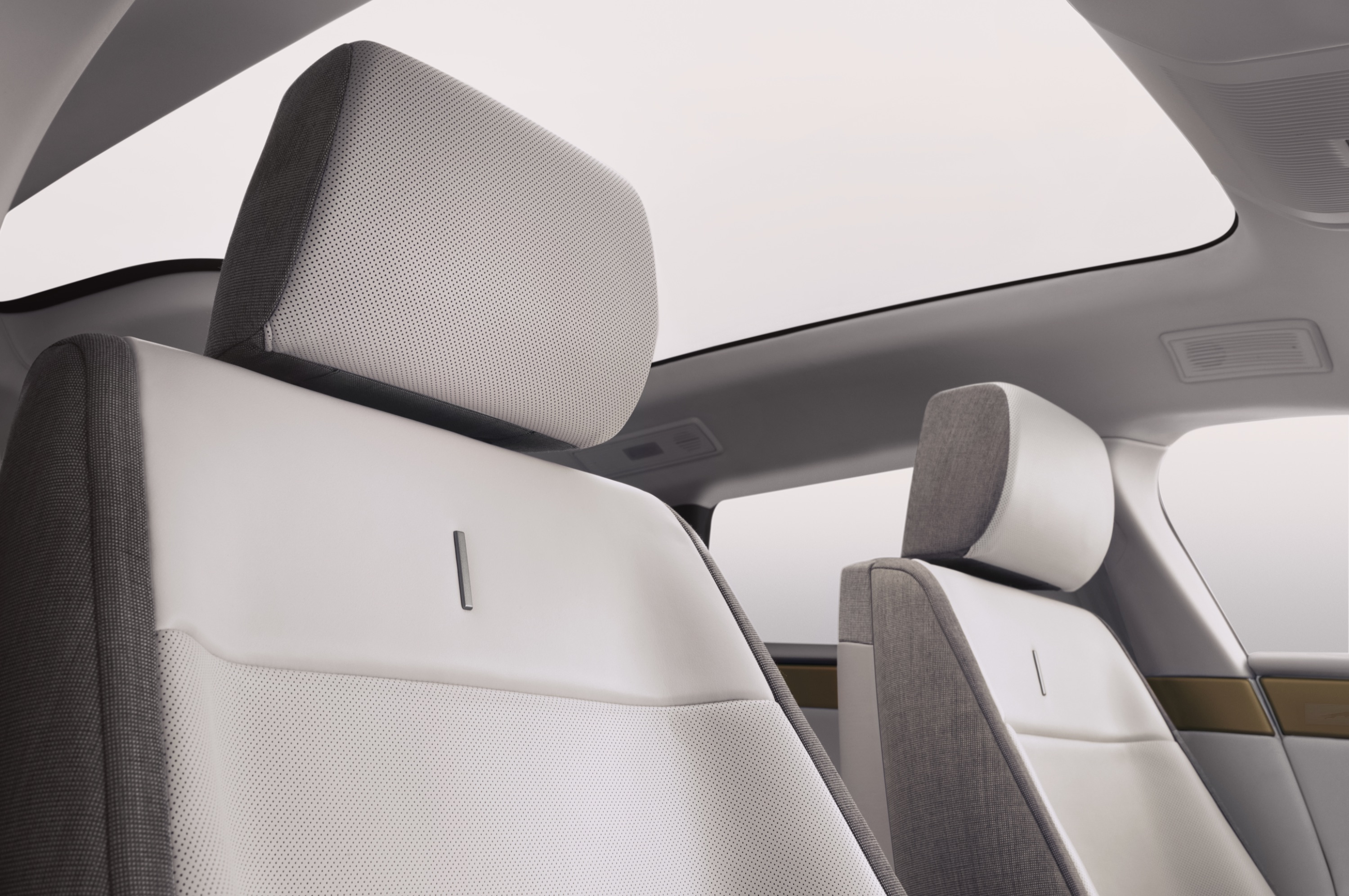
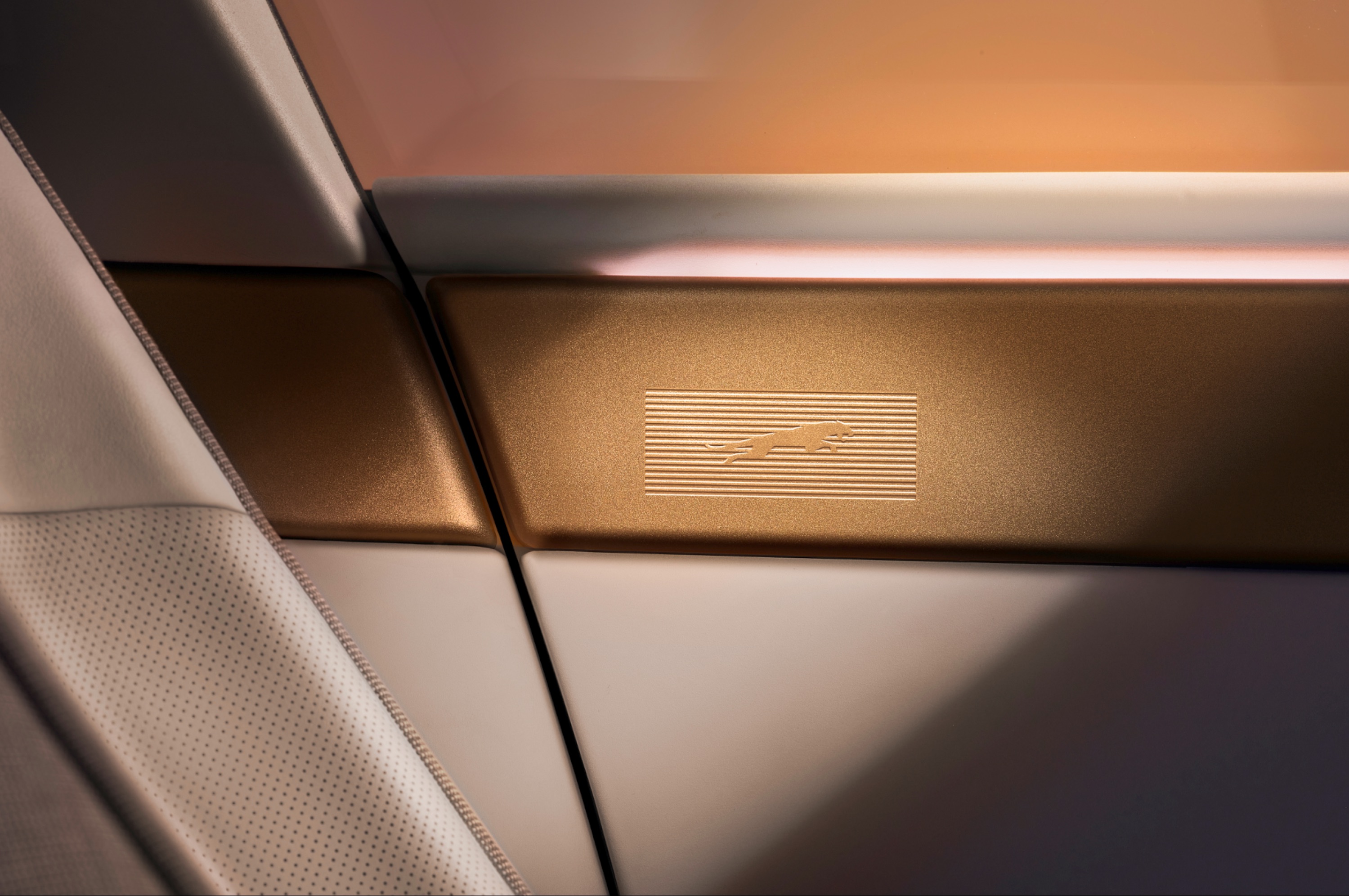
Can we talk about the materials? With prices expected to start at around £120,000 this needs to feel expensive, and sitting in it, I think Jaguar has delivered. The materials are gorgeous and it’s a very tactile car, with lovely textures and finishes. The real brass and travertine stone of the concept have given way to brass-effect anodised aluminium and colours inspired by the stone, while wool-blend textiles are paired with either leather or Jaguar’s alternative, Ultrafabrics NeoGrain. It still has that sense of being somewhere carefully designed and rather special, like a lovely hotel where everything has been chosen to make you feel comfortable.
The front seats offer 12-way electric adjustment, heating and cooling, along with what Jaguar describes as a hot-stone massage effect, so there’s plenty to help you get comfortable on a long journey. Jaguar also uses active road noise cancellation to help keep the cabin quiet, something we’ll assess properly when we drive the finished car.

The sound system is part of that atmosphere, with a full-width panoramic soundbar and 38 speakers, while Sensory Audio lets the driver and front passenger feel elements of the music through their seats. Apparently, it comes with its own perfume too, because of course it does! There’s a built-in fragrance diffuser with a choice of scents, so you can make the cabin smell as expensive as it looks.
Vicky and I both agree the interior is utterly gorgeous and like nothing else out there.
Running costs and pricing
We expect the Jaguar Type 01 to start at around £120,000 and then head upwards depending on your specification and personalisation choices. For what it’s worth, it really does feel like a car that’s worth that kind of money.
In fact, one company executive told Vicky that the new electric Jag GT will likely be priced “around the same sweet spot with pricing that we’ve seen with the Range Rover”, so expect transaction prices of around £130,000 to be pretty routine on the Jag. Not that there’s anything routine about a price tag like that, but you know what I mean.
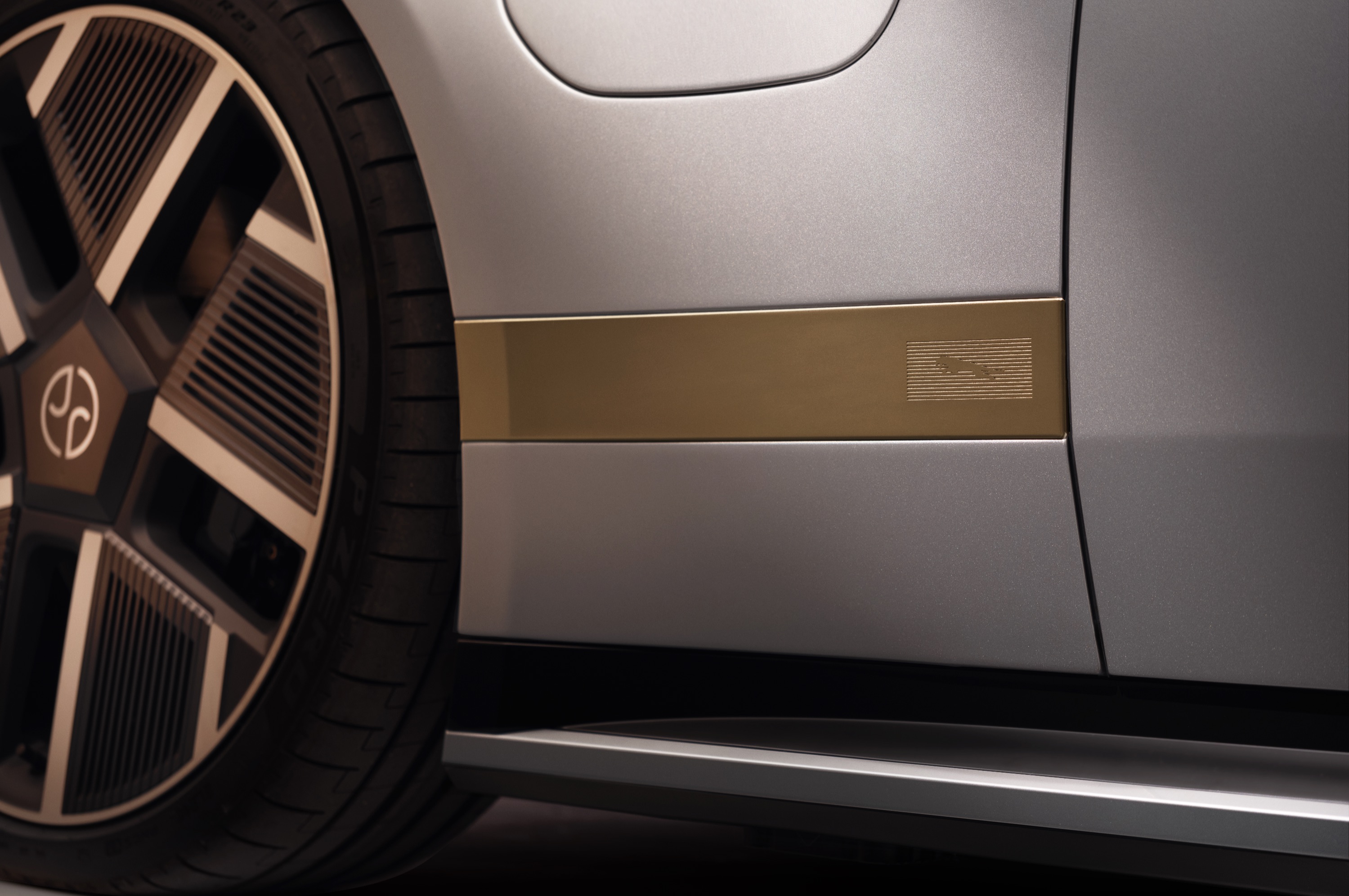
From launch there will be a Chromatic Moments collection of just 60 cars sold globally, with unique badging and a choice of two specially developed paints: French Ultramarine Blue, inspired by the art world, and London Red, which celebrates Jaguar’s British heritage. Other than that you’ll have plenty of choice with an array of gloss paint and satin finishes and the shades each cleverly change to highlight to highlight the lines of the car.

The huge 23in wheels are standard, although a 21in option will also be available. Inside, you can choose Dusk Grey or Dark Oyster, with either leather or Ultrafabrics NeoGrain upholstery paired with wool-blend textiles.
Jaguar told me the choices will be ‘curated’ at launch with the option for more personalisation to follow. Rather like Range Rover does with its SVO models, Porsche does with its ‘Exclusive Manufaktur’ and Bentley does with its… well, any Bentley. The idea is that you’ll eventually be able to make your Jaguar Type 01 feel more your own.
Want your family crest embossed on the seats? Paint to match your favourite nail varnish? I’m getting carried away, but you get the idea. We’ll have to wait to see just how far Jaguar will let you take it and what it will cost, although I suspect making it personal won’t come cheap.
Verdict
Jaguar’s all-electric Type 01 is a car that has to be experienced to be believed. Yes, it's polarising and bold, yet it also feels very special and unlike anything else out there. When we first saw the concept, it felt like a lot of design extravagance and marketing puff, but having now seen the final production version, I completely get what the Jaguar Type 01 stands for, and what it’s trying to achieve.
We also have a much clearer idea of what modern Jaguar is aiming to be: more exclusive, more upmarket and more of a rival to the likes of Range Rover and Bentley. I believe the brand has the heritage, clout and technical know-how to be exactly that, and what’s heartened me is that underneath the dramatic styling, the Type 01 seems to still have the grace and refinement a proper Jaguar needs.
 9
9