




 Battery size: 18.8 kWh
 Range: 50 miles
 Max charge rate: 46kW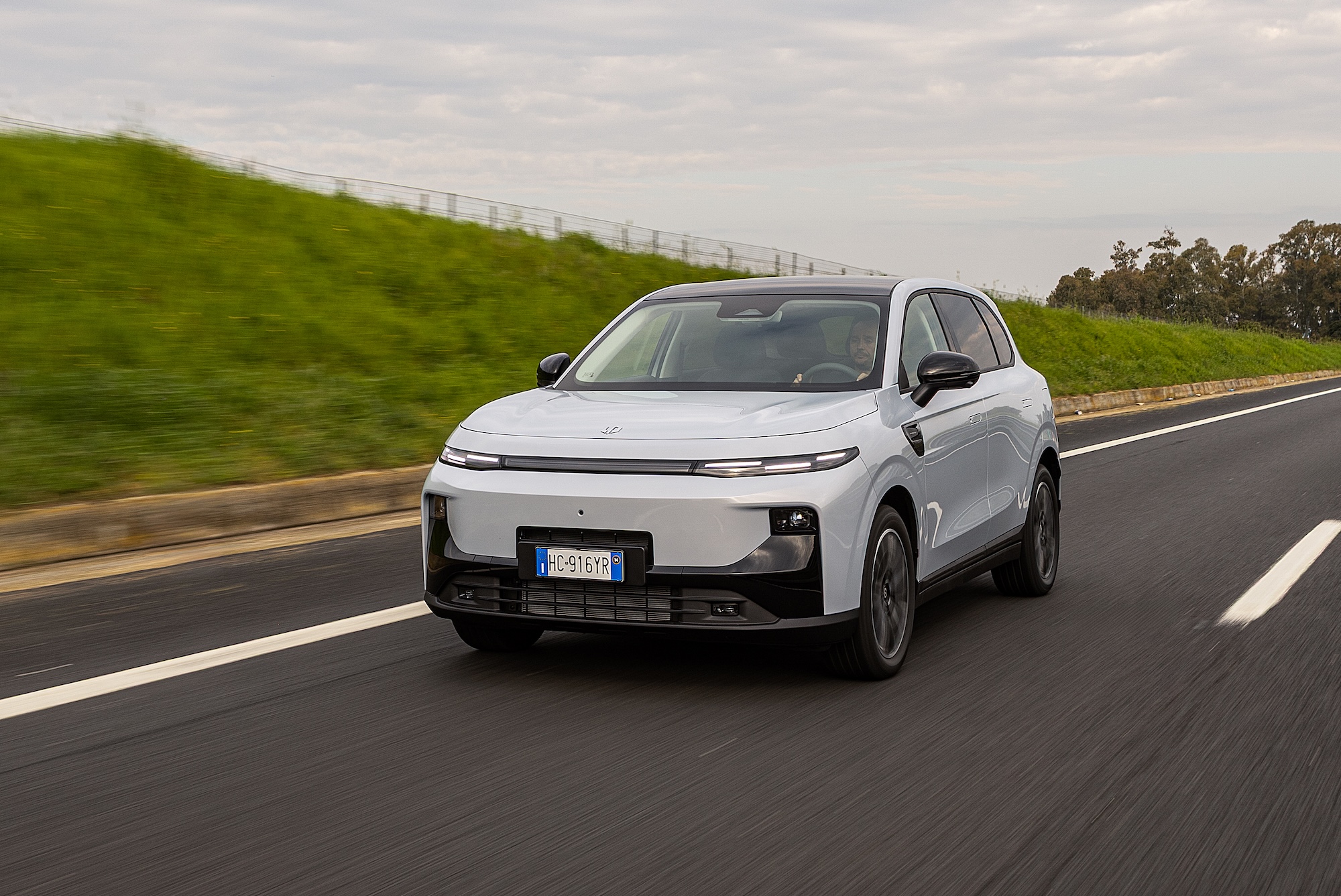
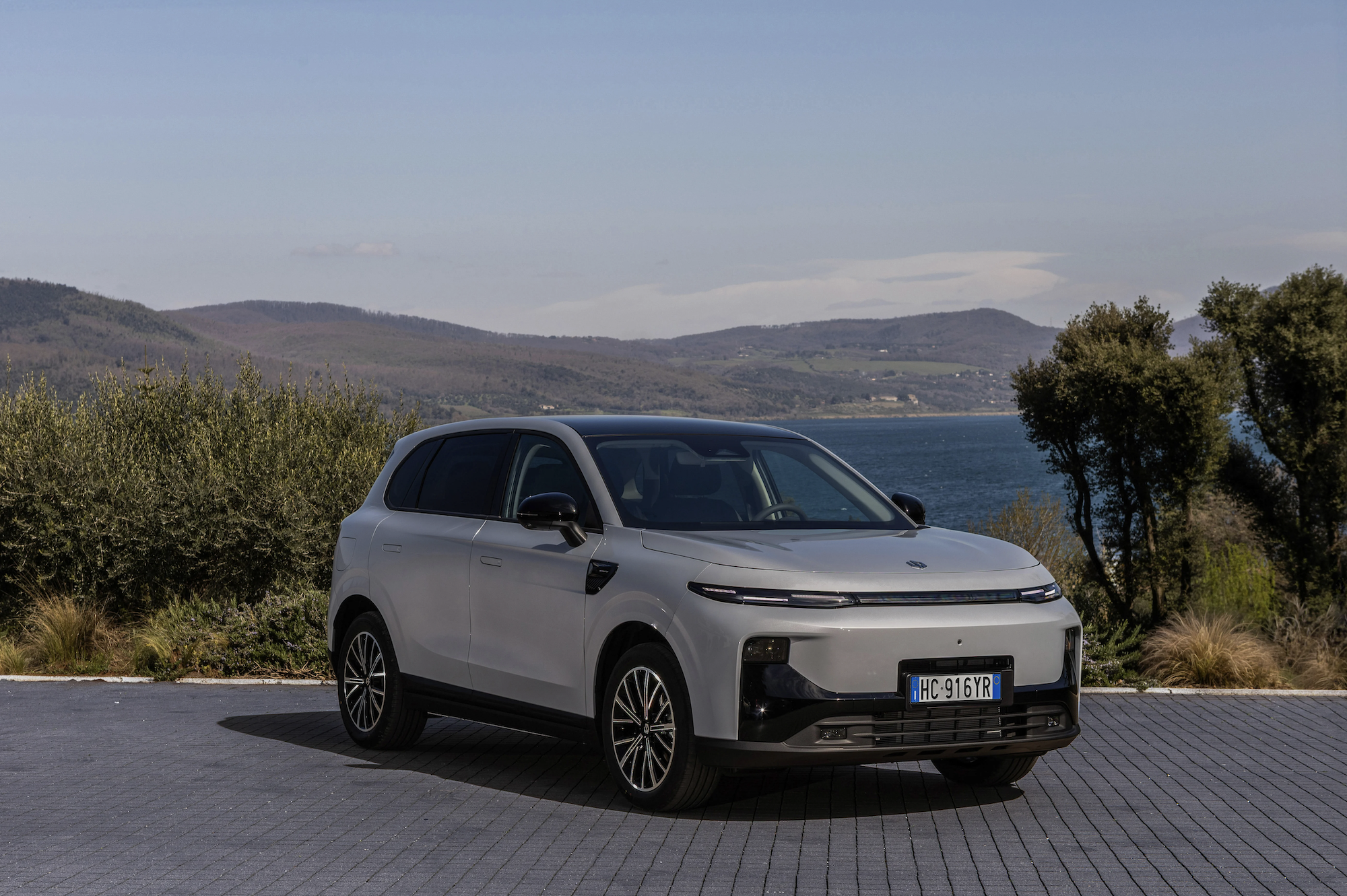
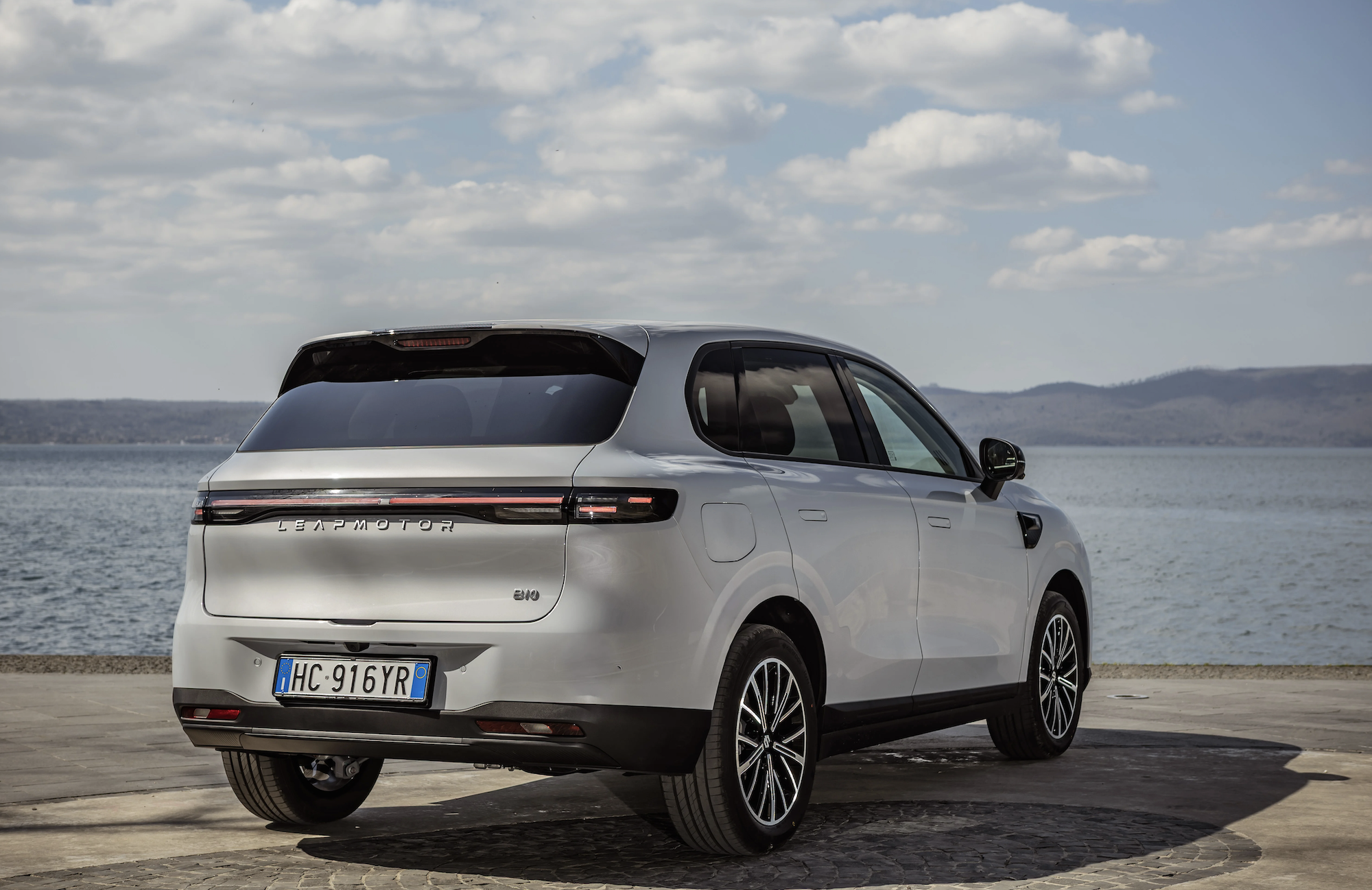




Introduction and model history
Leapmotor might not be a familiar name in the UK yet but it has big ambitions to be on buyers' consideration lists, and is aiming to be the best value of all the Chinese brands to have arrived in the UK. It has a bit of a USP compared to the other Chinese carmakers, though, as the majority stakeholder in its international part of its business is Stellantis. So, you'll find Leapmotors sold alongside Vauxhalls, Fiats and Peugeots in showrooms across the UK.
Until now, Leapmotor has offered pure-electric models in the form of the B10 and C10 SUVs and the tiny Dacia Spring-rivalling T03. But in a move to really underscore that value proposition, Leapmotor is now offering those two SUVs as 'Hybrid EVs' to sit alongside the battery-electric versions.
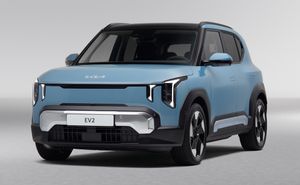
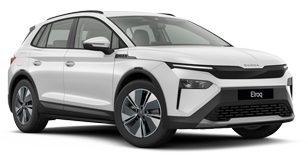
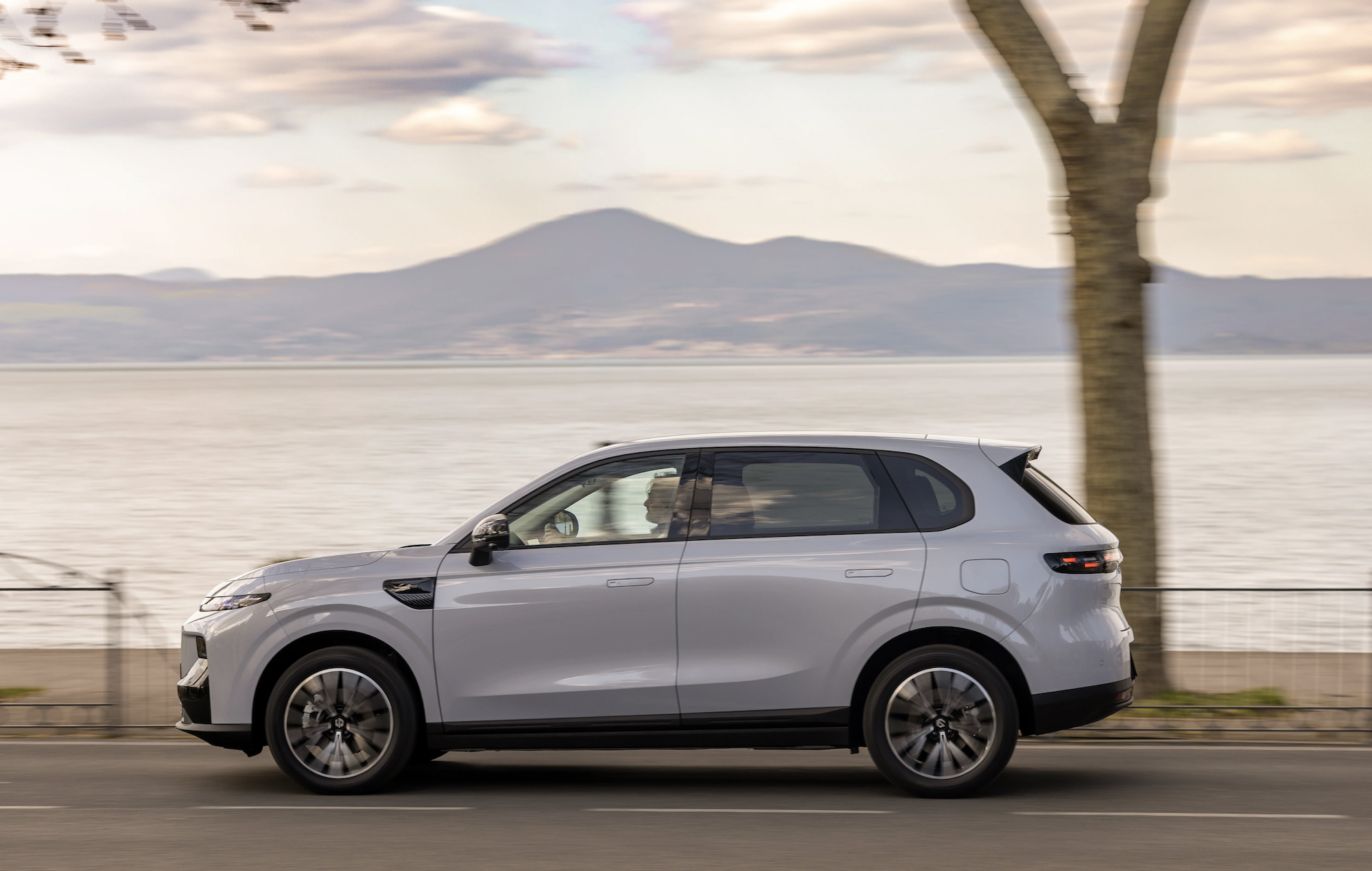
We've been out to drive the B10 range-extender, which at 4.5-metres long is a rival to all sorts of compact and mid-sized family cars and SUVs, from options like the plug-in hybrid Citroen C5 Aircross and BYD Seal-U DMi, to electric cars like the Jaecoo E5, Skoda Elroq and Kia EV3.
Range, battery and charging
Don't worry, we haven't gone mad and started to review full-hybrids, or, as they’re sometimes known as, 'self-charging hybrids’. The Leapmotor B10 and C10 Hybrid EVs are cars that come with plugs, but annoyingly, the name 'Hybrid EV' doesn't help with the confusion. In effect, these SUVs are range-extenders.
What is a range-extender, you're crying? Well, it's an EV that has a petrol engine as a back-up. The difference between a range-extender and a plug-in hybrid is that the engine never powers the front wheels; through a generator, the engine simply powers up the battery pack when it's depleted. It's technology we've already seen with the original BMW i3 REx, Mazda MX-30 R-EV, Vauxhall Ampera (remember that?) and even London's current 'Black Cab', the LEVC TX taxi.
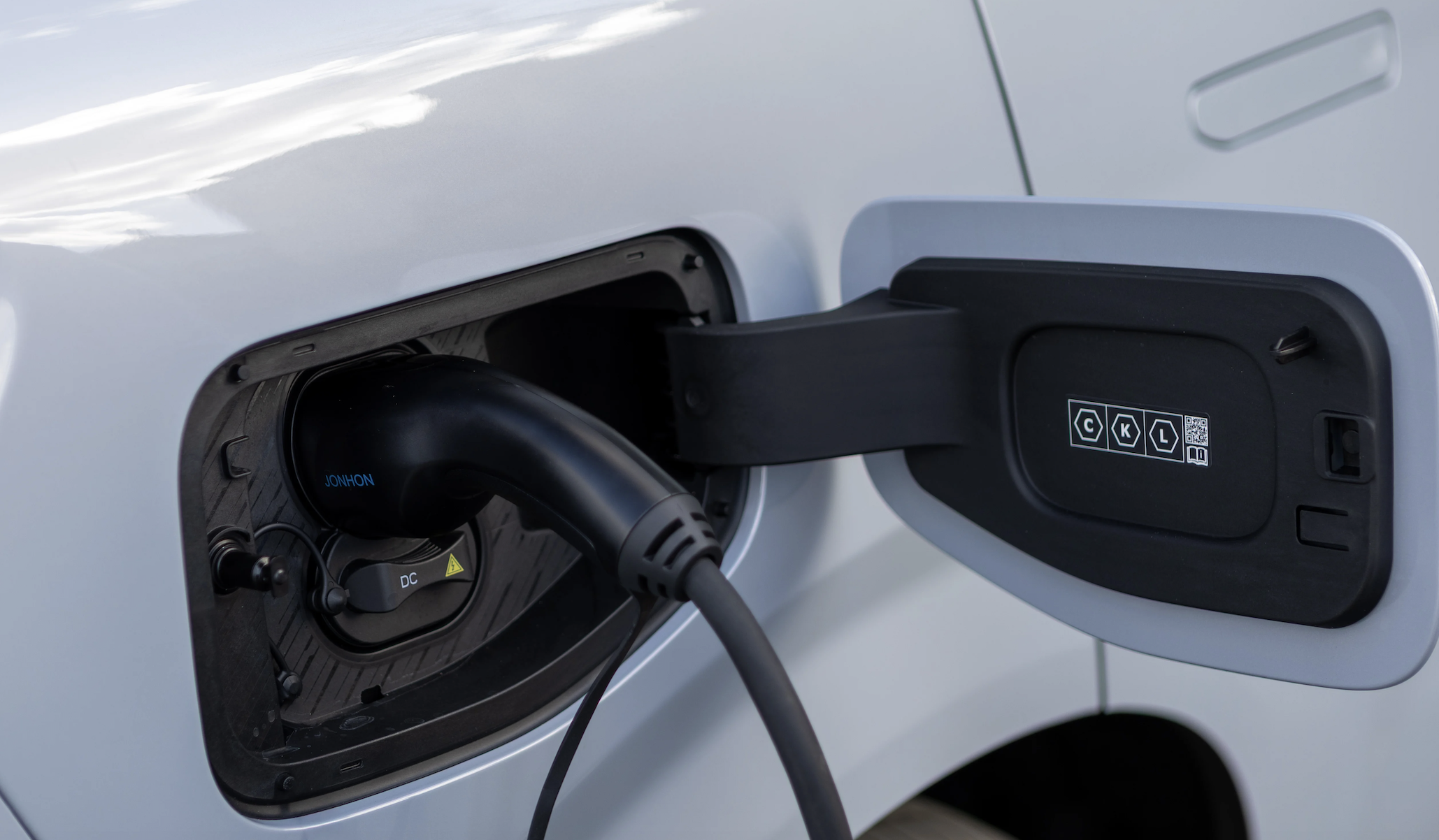
With the B10 (and C10), the engine comes in the form of a 1.5-litre petrol, while the rear-mounted electric motor has a chunky 215hp. The battery is an 18.8kWh LFP (lithium-iron phosphate) pack, and has 46kW DC charging capability as well as a 6.6kW onboard AC charger. Leapmotor claims that the combined electric and petrol range is 559 miles, with CO2 emissions of 21g/km.

Practicality and boot space
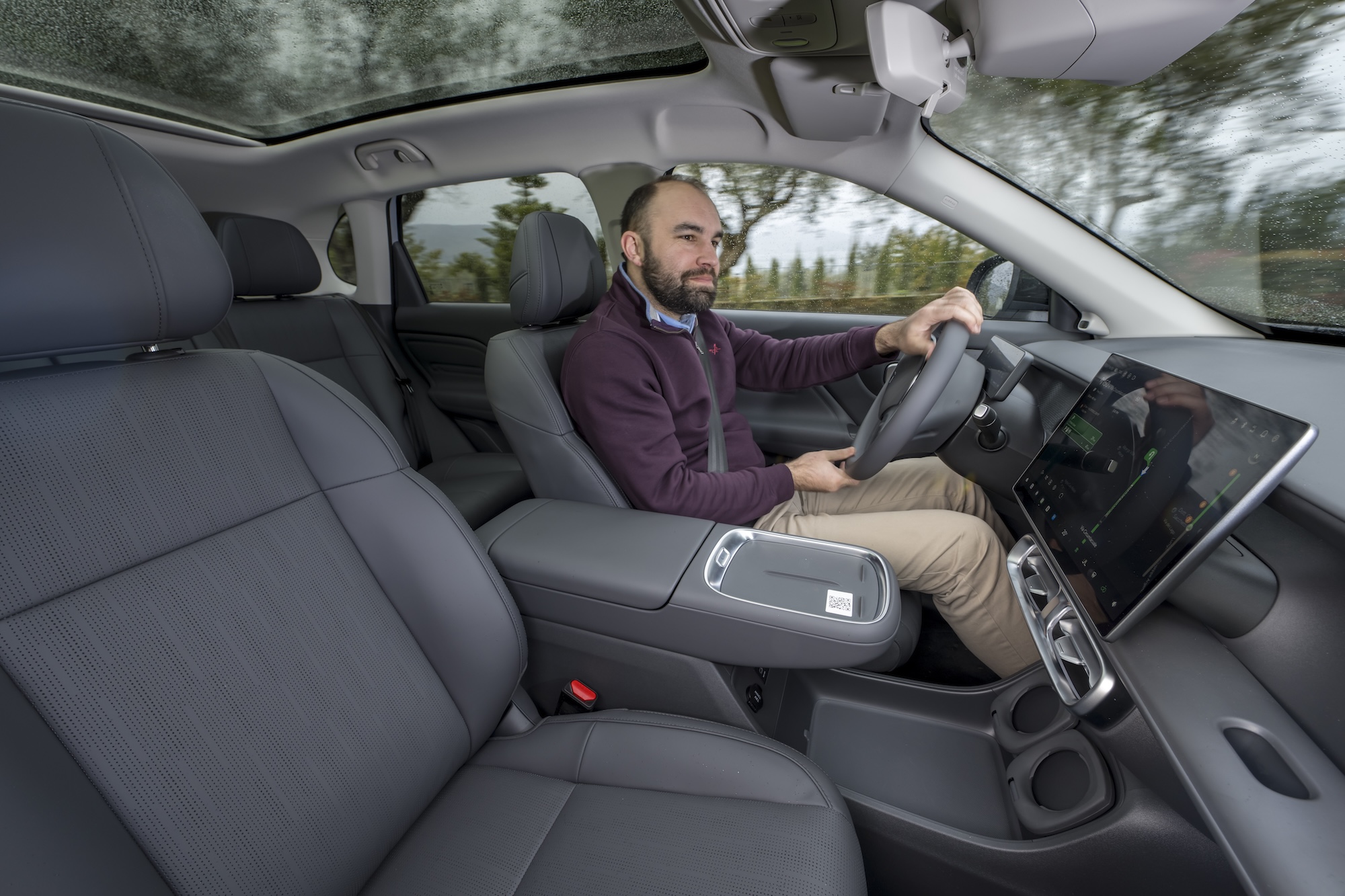
Interior space is one of the B10 Hybrid EV's calling cards, as there's tonnes of it. While there's not much reach adjustment on the steering wheel, there's plenty of room for the driver to get comfortable – in fact, you can say that for all passengers.
Those sitting in the back will have loads of room to stretch out, and there are plenty of cubbies dotted around the cabin – even if the fold-down front cupholders look like the tops of NHS-supplied crutches. But, as Vicky pointed out when she drove the B10 electric, there's no overhead light in the rear compartment, which is a faff if you're loading child seats.
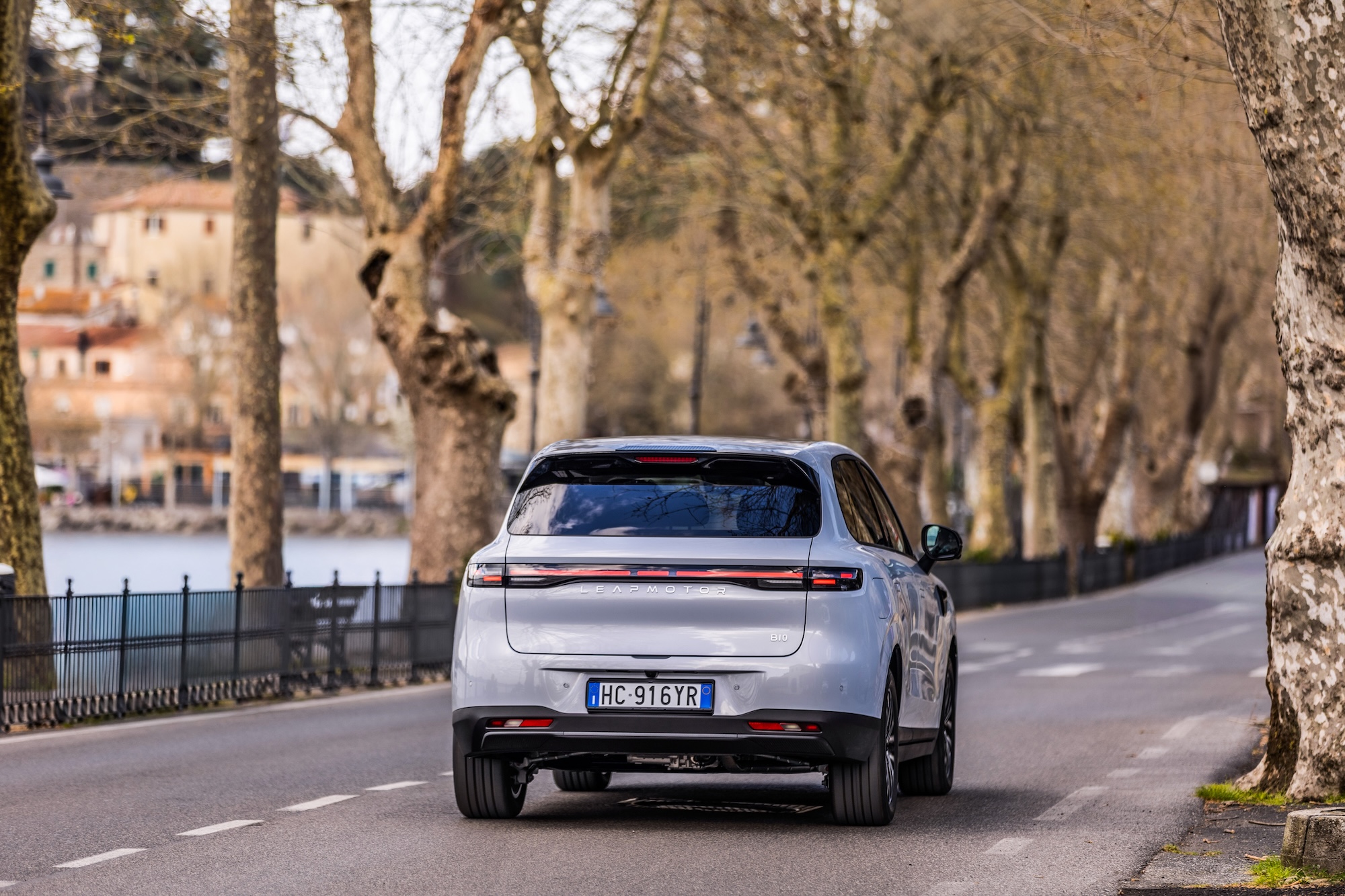
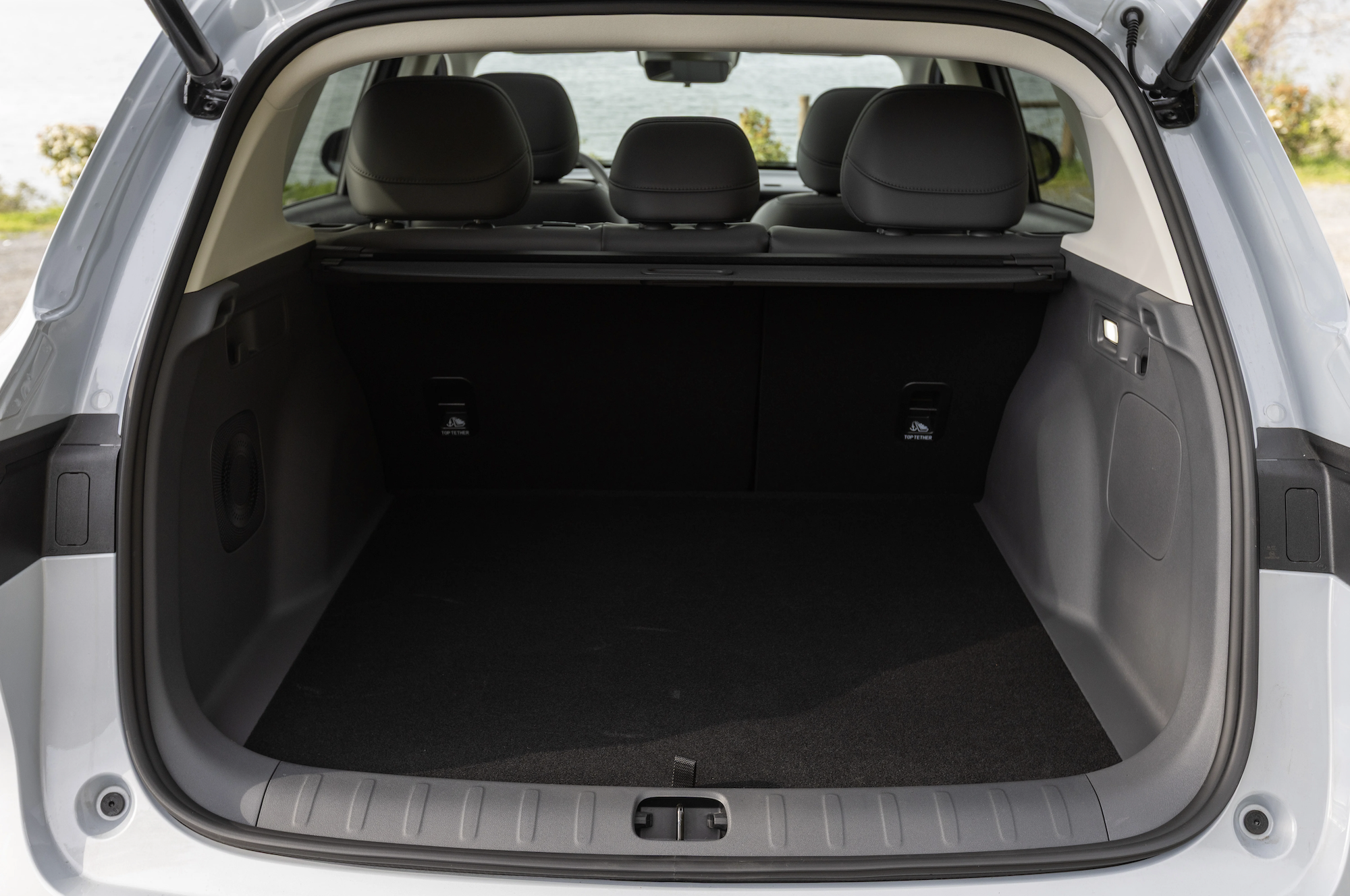
Just like with many Chinese cars, the front seats can fold flat. Do this, along with folding the rear seats, and you can have a spot of in-car camping if you wish. The boot is square, but not terribly big at 330 litres - which is less than you get in a Renault 4 or Ford Puma Gen-E. It's also 100-litres down on the B10 electric, as the range-extender hybrid powertrain takes up more space under the boot floor.

Interior, design/styling and technology
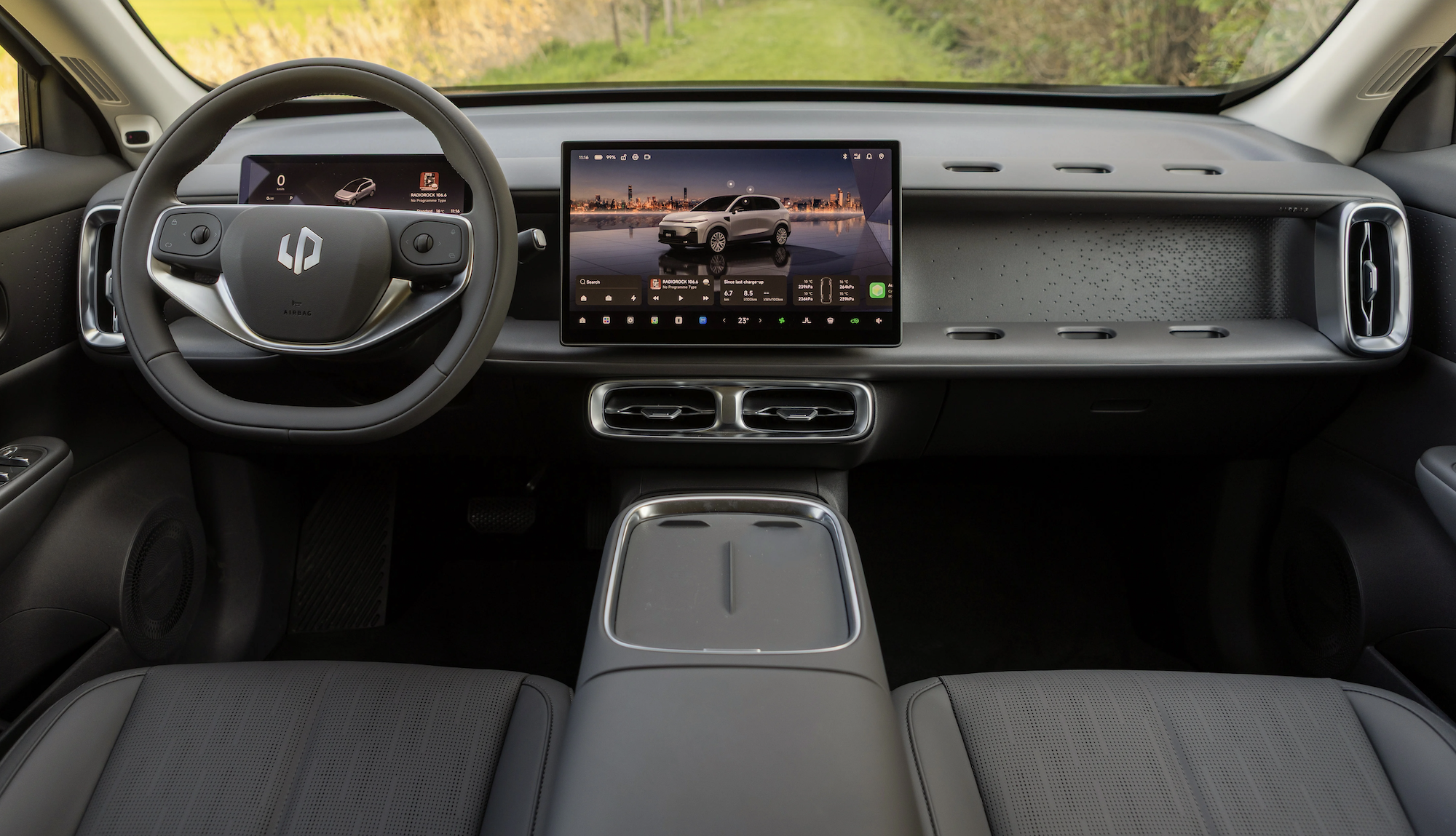
Unsurprisingly, the Hybrid EV has the same interior as the Leapmotor B10 EV’s, so it's the kind of what we expect from most Chinese cars these days – minimalist design, an over-reliance on screens, and no buttons for things like the air conditioning or volume control. Material quality is very good for the price point, though, with soft-touch finishes in key areas, though it doesn’t quite match more established premium rivals.
Technology is a strong suit, with a fully digital driver display, connected services and over-the-air updates. The 14.6-inch touchscreen works quickly enough, and is very Tesla-like in its menu layout. As with many newer Chinese brands, the focus is clearly on software, even if usability isn’t always perfect – an example of this are the very intrusive assistance systems. Luckily, a button on the steering wheel can be customised to switch off the most nagging aids.
Motors, performance and handling
The beauty of a range-extender is that it's always driving in electric, and the 215hp rear electric motor gives pretty brisk performance. The downside to a range-extender is that the petrol engine will occasionally fire up to charge up the battery, and because it's not connected to the wheels it'll sound trashy, spoiling the EV silence. Happily, for the most part, the 1.5-litre petrol engine in the B10 quietly gets on with its business in the background, and only really makes itself present when you're asking for all the power in 'Power+' mode.

Ah, yes, the driving modes. There are four of them, with two of them being completely illogical to me. 'EV+' mode, funnily enough, drives the car electrically, with the petrol engine only firing up when the battery's charge level is below 9%. 'EV mode' does the same, but the engine kicks in when the battery is below 25%, while 'Fuel' sees the engine working when the battery has less than 80% charge. The aforementioned 'Power+' mode, meanwhile, sees the engine on all of the time, working with the electric motor to give the most amount of, er, power. It all sounds great, but I would imagine most drivers won't bother with anything other than EV and Power+ mode. Driving a range-extender should be relaxing – prodding around to change state-of-charge-related settings isn't.
The rest of the driving experience is on the disappointing side. I didn't expect a small family SUV like this to be thrilling to drive, but it would be nice if the steering gave just a vague hint at what the front wheels are doing, and the body control through corners at 50mph is bouncy and wallowy. Around town the ride is fidgety, and the B10 isn't particularly quiet at speed either, with intrusive levels of tyre and wind noise.
Running costs and pricing
As with the rest of the Leapmotor range, the B10 Hybrid EV only comes in one high-level specification. Standard luxuries gets luxuries include a panoramic roof, heated and ventilated front seats, ambient lighting, a 360-degree camera… the list goes on.
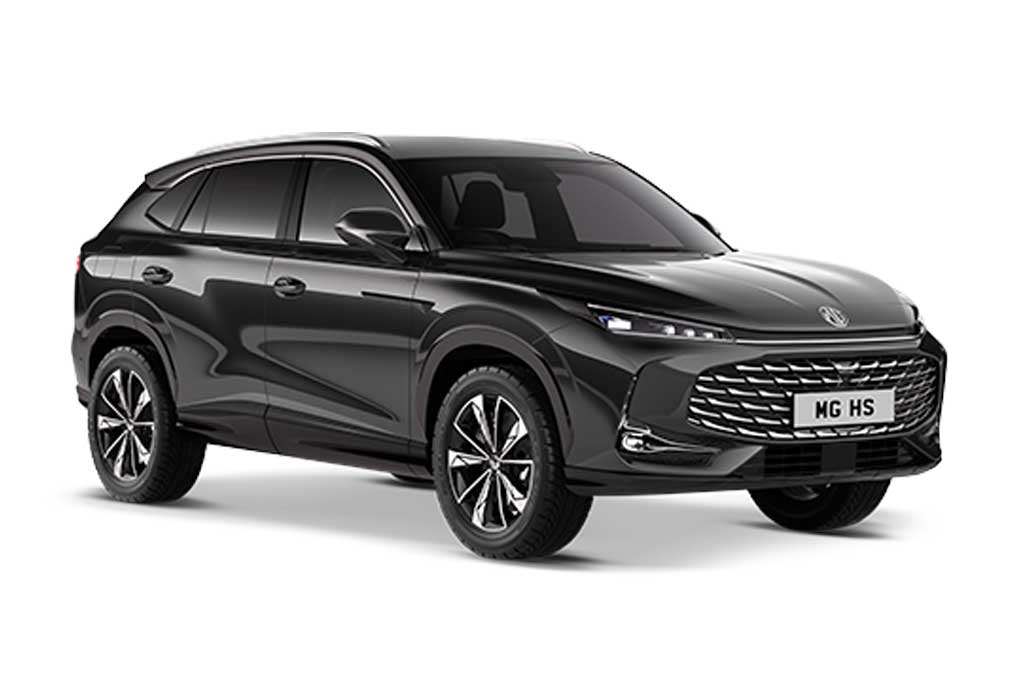
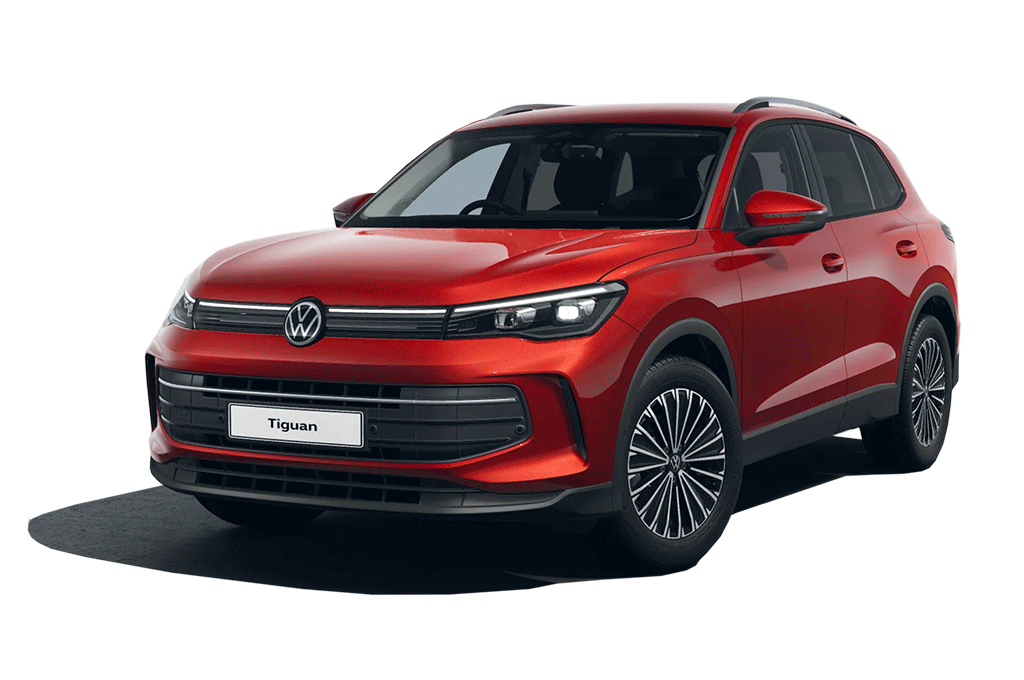
It's very well priced, too, at £31,495, which is exactly the same price as the B10 electric version. The B10 Hybrid EV doesn't really have a direct rival, as the Nissan Qashqai e-Power can't be charged up via a plug (it's more a range-extending hybrid), and more expensive plug-in hybrids like the MG HS and Volkswagen Tiguan don’t offer the 100% pure-electric drive. On that front alone the B10 Hybrid EV looks excellent value, but how appealing it will be to buyers will depend on PCP finance rates and how competitive they are compared to more conventional plug-in hybrids.
Verdict
It's great to see Leapmotor offering different options for buyers considering making the switch to EVs. The Hybrid EV could be a good choice for those who maybe can't charge at home or just aren't quite ready to go fully-EV, and it's undoubtedly a clever car.
However, when you factor in the car’s disappointing driving characteristics, I expect many people will overlook it for a better driving European or Korean plug-in hybrid. Regardless of how clever it is, the temptation to have a nicer-driving PHEV that can do much of what the B10’s range-extending tech can do will be too great to ignore, especially if the costs work out on finance.


 9
9